

Reviewed · SOUTH AFRICA · TOURS IN JOHANNESBURG
Johannesburg: Half-Day Soweto Tour with a Local Guide
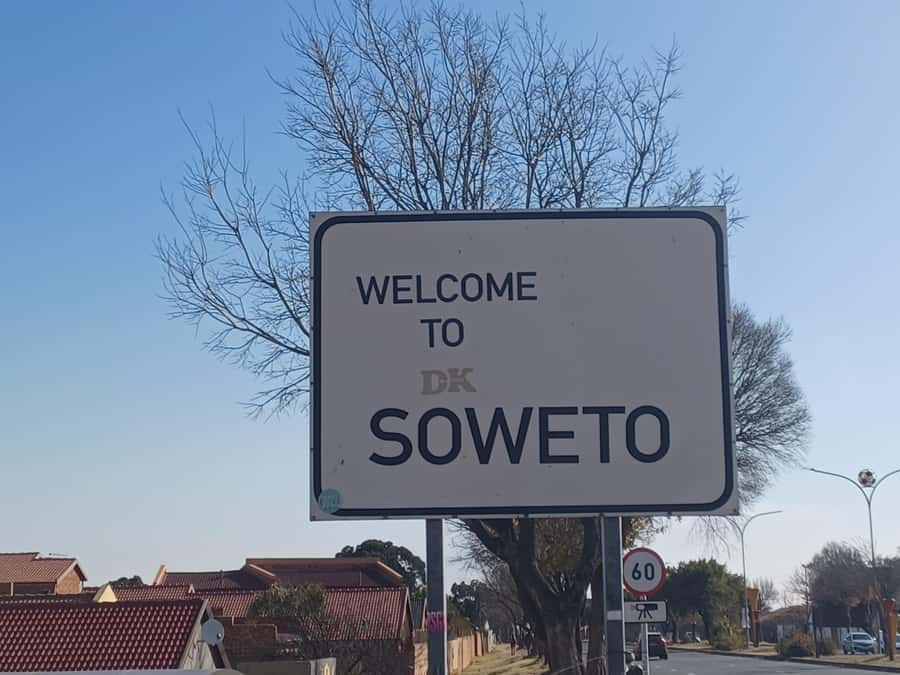
Soweto is not a sightseeing backdrop. It is a living community shaped by forced removals, protest, music, sport, family life, and ongoing economic challenges. This half-day tour helps you read the streets, from the Soweto Towers to the sites tied to the 1976 student uprising.
I like the personal angle, especially when the guide has grown up in Soweto. I also like the balance of driving and short walks, which lets you cover a lot without spending a full day in a vehicle. The main consideration is time: four hours gives you a useful introduction, but not enough for a slow, detailed visit to every part of the township.
- FNB Stadium sets the scene: See the venue that hosted the 2010 Soccer World Cup Final.
- Local guides add context: Thabang, Neo, Temba, Lebo, and other guides have been praised for personal stories and clear explanations.
- Vilakazi Street links two Nobel Peace Prize winners: It was home to Nelson Mandela and Archbishop Desmond Tutu.
- The Hector Pieterson Memorial is the emotional center: Your entry ticket is included, and the visit explains the 1976 student uprising.
- The tour includes hotel pickup and drop-off: Collection is available from Kempton Park, Melrose, Sandton, and Rosebank.
- The small group limit is 13 people: Smaller groups may move faster and allow more time for questions.
Why Soweto Works Best With Local Context
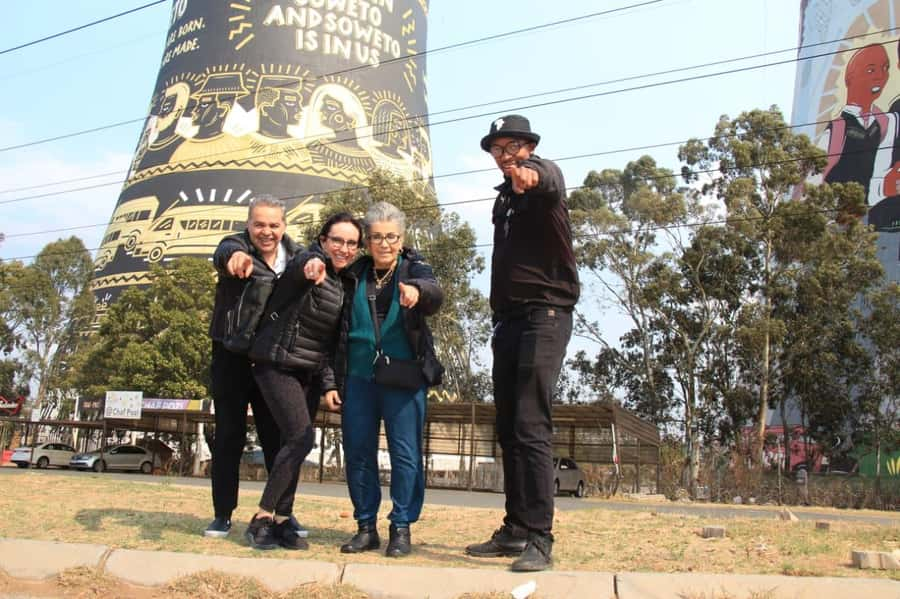
Soweto is one of South Africa’s largest townships, but a quick drive through it can leave you with little more than a few photographs. A local guide changes that. You hear how apartheid-era planning shaped the area, why migrant workers were housed in hostels, and how those buildings later changed into informal family homes.
The tour also gives you a look at present-day Soweto. Guides speak about unemployment, community life, housing, and the different experiences found across the township. That matters because Soweto is not one uniform place. It includes formal neighborhoods, poorer areas, busy roads, historic sites, and ordinary homes.
I would choose this experience early in a Johannesburg stay. It gives you a stronger frame for the city and helps you understand why South African history is still part of everyday conversation.
Starting From Sandton, Rosebank, Melrose, or Kempton Park
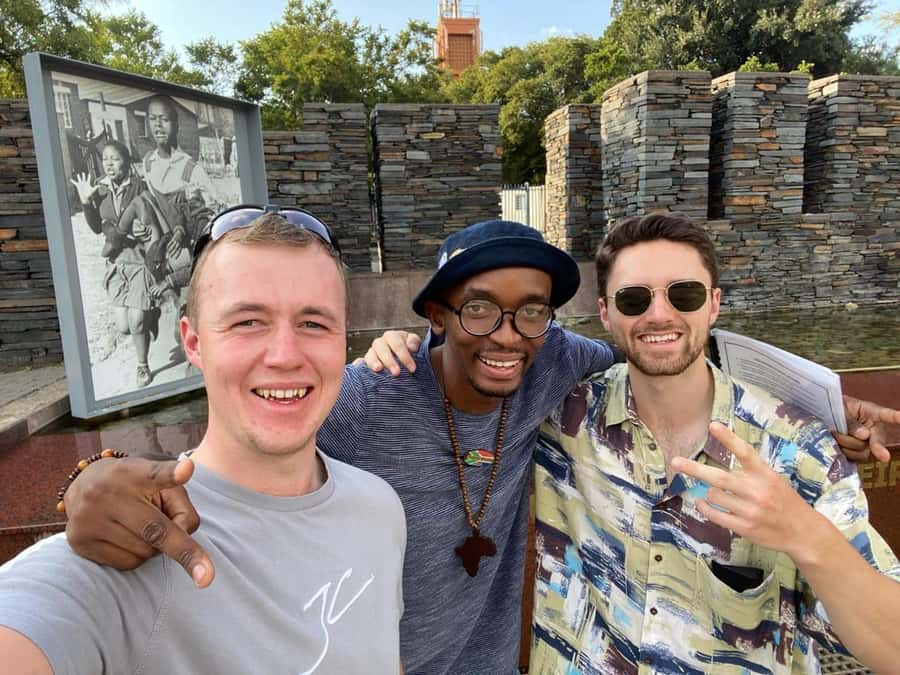
Pickup is included from selected hotels or residences in Sandton, Rosebank, Melrose, and Kempton Park. You should wait in the hotel lobby 10 minutes before the scheduled time. The same four areas are used for drop-off.
Transport is by air-conditioned vehicle, with bottled water included. That is a practical advantage in Johannesburg, where distances can be long and traffic can affect a short outing. The vehicle also lets you see more of Soweto than a walking tour could manage.
The group can contain up to 13 people. A group of two may move more quickly than a full group, and the operator notes that the exact pace depends on group size. If you have only one morning or afternoon free, this flexibility is useful, but you should not expect every stop to receive the same amount of time on every departure.
Other cultural tours in Johannesburg:
- Johannesburg: Hop-On Hop-Off Bus with Optional Soweto Tour
★ 4.6 · 985 reviews - Soweto /Johannesburg and Apartheid Museum Guided Full Day Tour
★ 5.0 · 932 reviews - Johannesburg Hop-On Hop-Off City Tour with Soweto Option
★ 4.5 · 768 reviews
FNB Stadium and the First View of Soweto
The route passes FNB Stadium, the large sports venue that hosted the 2010 Soccer World Cup Final. For football fans, this is an obvious highlight. Even if you are not interested in sport, the stadium helps place Soweto on the world stage.
This stop is mainly a view from the route rather than a stadium tour. You should not expect entry or a behind-the-scenes visit. The value comes from the guide explaining the venue’s place in South African sporting life and its connection with a major international event.
The drive also passes hostels that began as migrant labor accommodation. Some later became informal family units. This is one of the most useful parts of the route because it connects physical buildings with the policies that separated families and controlled Black workers during apartheid.
You also pass Chris Hani Baragwanath Hospital, one of the largest hospitals in the country. Again, this is a drive-by sight, not a hospital visit. It helps show the scale of Soweto and the services used by its large population.
The Soweto Towers as a Local Landmark
The Soweto Towers are among the most recognizable sights on the route. Their bright, unusual appearance makes them easy to spot, but their importance goes beyond being a good photo stop. They have become a local symbol and a clear marker of Soweto.
The exact time spent here can vary with the group and traffic. Think of this as a viewing and photo opportunity rather than a long attraction visit. Your guide’s explanation is what turns the towers from a colorful landmark into part of the area’s identity.
This is also a good moment to ask questions. The guides are generally praised for answering questions openly and for adjusting their explanations to the interests of the group. Some, including Thabang and Neo, have been singled out for making the history easy to follow without turning the outing into a lecture.
Vilakazi Street and Mandela House From Outside

Vilakazi Street is one of the most important stops. It is associated with two Nobel Peace Prize winners, Nelson Mandela and Archbishop Desmond Tutu. Few streets can claim that connection, and it gives the visit a special place in Johannesburg’s story.
You can walk along the street, look around, and shop for souvenirs. The tour does not include entry to the Mandela House Museum. You view the house from outside, so you should plan your expectations accordingly.
That limitation is worth noting. If you want a museum visit inside Mandela’s former home, you will need to arrange a separate ticket or choose another outing that includes admission. Still, the street itself provides useful context, and the guide can explain why this area matters.
I like this part of the tour because it combines major history with everyday activity. You are not only looking at a memorial site. You are also seeing a street where local businesses, residents, and visitors share the same space.
Souvenir shopping is optional, and food and drinks are not included. Bring your own spending money if you want to buy something, and do not assume a meal break is part of the four-hour plan.
A few more things to do in Johannesburg worth a look
- Half-Day Tour of Soweto Tour
★ 4.5 · 712 reviews - Johannesburg and Soweto: Half-Day Tour
★ 4.8 · 439 reviews - From Johannesburg: Lion & Safari Park Half-Day Tour
★ 4.6 · 384 reviews - Johannesburg: Soweto & Apartheid Museum Half-Day Tour
★ 4.9 · 99 reviews
Hector Pieterson Memorial and the 1976 Uprising
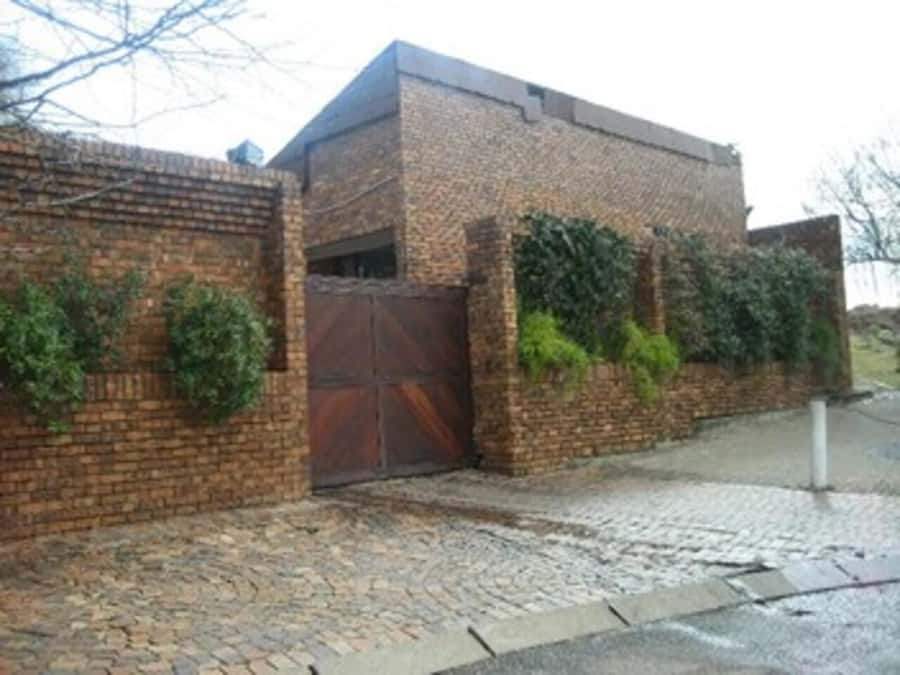
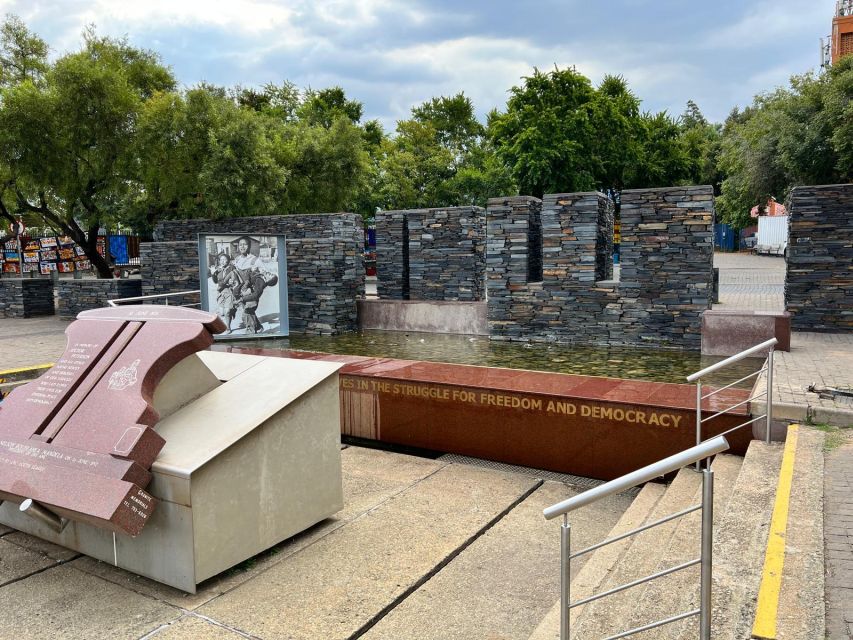
The Hector Pieterson Memorial is the most serious stop on the route. Entry is included, and the museum and memorial explain the 1976 Soweto Student Uprising, when students protested against the use of Afrikaans as a language of instruction.
The site is named for Hector Pieterson, a young student whose death became an international symbol of the uprising. The memorial helps you understand the events as more than a single dramatic photograph. It places the protest within the wider system of school policy, racial control, and resistance.
Give this stop your full attention. It is not a quick photo opportunity, and the subject can be painful. A good guide will help connect the displays to the wider history of Soweto while leaving room for questions.
This is where the tour’s personal approach matters most. Guides are praised for encouraging visitors to think carefully about what they are seeing and for discussing both historical injustice and present-day challenges. The experience is strongest when you treat the memorial as a place of learning, not simply another stop on a sightseeing route.
What the Local Guide Adds
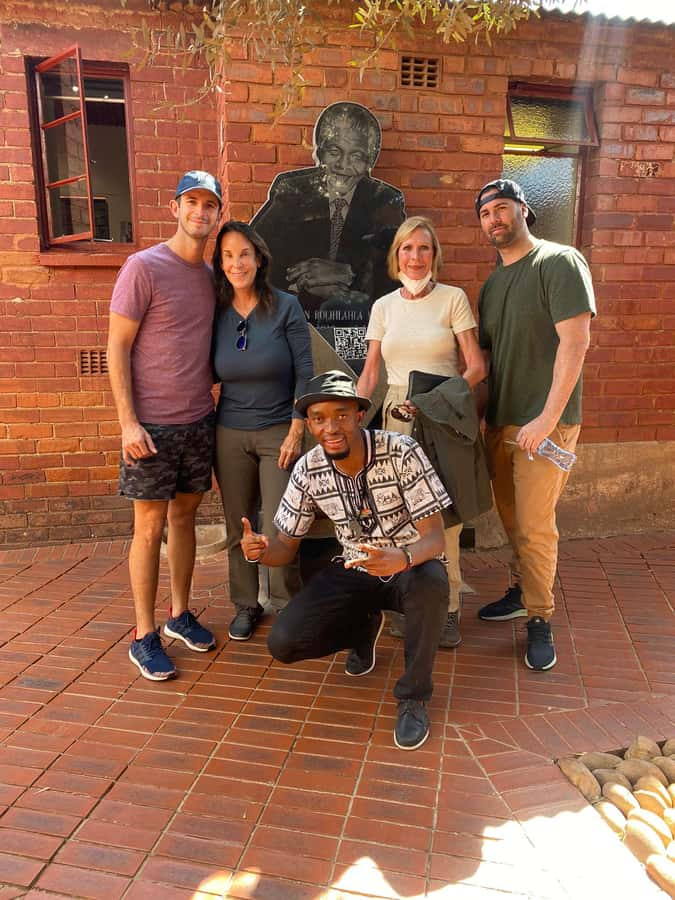
The guide can make or break a township tour. Here, the strongest feedback centers on guides who have lived in Soweto or come from the area. Thabang is frequently praised for sharing personal experience, adapting the pace, and explaining both past events and modern life. Neo is also noted for honest commentary, energy, and making people feel comfortable.
Other guides named in feedback include Temba, Lebo, Tahbang, Nio, and Neil. Names and assignments can change, so you cannot book a specific guide unless the operator confirms it. What you can expect is an English-speaking guide with a focus on Soweto’s history and current community life.
The best guides avoid presenting Soweto as either a problem to be photographed or a romantic story of hardship. They explain poverty and unemployment, but also point out community spirit, family life, local pride, and positive change. That balance is important.
You may also hear about personal contributions to the community. One guide was praised for involving young visitors in a football game with township children, though you should not treat that as a guaranteed part of the itinerary. The lesson is simple: stay open to conversation, but remain respectful. This is someone’s home, not a stage set.
Is Four Hours Enough?

Four hours is enough for an introduction, especially if you are fitting Soweto between other Johannesburg plans. You will see the major landmarks, visit the Hector Pieterson Memorial, walk on Vilakazi Street, and hear about the area from a local perspective.
It is not enough for a slow study of Soweto. You will not have unlimited time at each stop, and the schedule can stretch or compress depending on traffic and group size. Mandela House is viewed from outside, and FNB Stadium, the hostels, and the hospital are passed by rather than visited inside.
I see the short duration as both a strength and a weakness. It works well for a first visit, a stopover, or a family that wants a focused outing. If you want long walks, extended conversations, or several museums, choose a longer private tour instead.
Price, Group Size, and What You Receive
At $74 per person, the price is reasonable if you value transport, a guide, and a structured route. Hotel pickup and drop-off are included, as are bottled water, an air-conditioned vehicle, and entry to the Hector Pieterson Memorial.
The price does not include Mandela House entry, food, or drinks. Since Mandela House is viewed from outside, this is not a hidden extra so much as a clear boundary around what the tour covers. Still, budget separately if you want museum admission or souvenirs.
The group limit of 13 keeps the outing smaller than a large coach trip. A full group may mean more waiting at pickup points and less time for individual questions. A smaller group can move faster and may allow the guide to tailor the discussion more closely to your interests.
The booking terms are flexible: you can cancel up to 24 hours before departure for a full refund, and you can reserve now and pay later. Starting times vary, so check availability for your date.
Who Will Get the Most From This Tour?

I would recommend this tour to first-time visitors to Johannesburg, solo visitors who want organized transport, families, and anyone interested in South African history. It is also useful if you have a free half-day and want something more substantial than a city sightseeing loop.
The experience suits you if you want to hear local perspectives and are willing to discuss difficult subjects with care. It is less suitable if you want a carefree outing built around shopping, food, or entertainment.
Photography should be thoughtful. You are moving through residential areas and a working community. Listen to your guide about where it is appropriate to take pictures, and do not treat people or children as scenery.
Should You Book the Soweto Half-Day Tour?
I would book it if you want an efficient, respectful introduction to Soweto with hotel transport and a guide who can explain both history and present-day life. The strongest reason to go is the chance to connect major sites with personal context, especially at the Hector Pieterson Memorial and on Vilakazi Street.
Keep your expectations clear. This is a four-hour overview, not a complete study of Soweto. Mandela House is seen from outside, several sights are viewed from the vehicle, and the pace may change with group size.
For most visitors to Johannesburg, the balance is good: manageable price, included transport, a small group, and a serious look at a place central to South Africa’s story. If you want to understand more than you could from a guidebook, this is a sensible choice.
FAQ
How long does the Soweto tour last?
The tour lasts four hours. The exact pace can vary depending on the number of people in the group.
Where is hotel pickup available?
Pickup is available in Kempton Park, Melrose, Sandton, and Rosebank. Drop-off is available in the same four areas.
Is transportation included?
Yes. Transportation in an air-conditioned vehicle, along with hotel pickup and drop-off, is included.
Is a local guide included?
Yes. An English-speaking local guide leads the tour. Guide assignments can vary, with Thabang, Neo, Temba, Lebo, Tahbang, Nio, and Neil among the guides associated with the experience.
Is entry to Mandela House included?
No. Mandela House is viewed from outside, and museum entry is not included.
Is the Hector Pieterson Memorial included?
Yes. Entry to the Hector Pieterson Memorial is included in the price.
How large is the group?
The tour is limited to 13 participants. Smaller groups may move faster than larger groups.
Are food and drinks included?
No. Food and drinks are not included. Bottled water is provided.
Can I cancel the booking?
Yes. You can cancel up to 24 hours in advance for a full refund. You can also reserve now and pay later.
Just added in Johannesburg
- Soweto: Bike Tour with a Local Tour Guide★ 4.7 · 114 reviews
- From Johannesburg: Lion & Safari Park Half-Day Tour★ 4.6 · 384 reviews
- Johannesburg: Soweto & Apartheid Museum Half-Day Tour★ 4.9 · 99 reviews
- Johannesburg: Soweto Apartheid & Township Tour with Lunch★ 4.8 · 80 reviews
- Johannesburg: Street Art and Culture in Maboneng!★ 4.8 · 107 reviews
- Soweto: Hop-On Hop-Off Bus, City Tour and Apartheid Museum★ 4.5 · 250 reviews
- Johannesburg: Maboneng Street Art & Culture Tour★ 4.9 · 257 reviews
- Johannesburg: City Centre Walking Tour★ 4.8 · 152 reviews
Township & Cultural Tours, compared.
Soweto /Johannesburg and Apartheid Museum Guided Full Day Tour
Read our review →
Johannesburg Hop-On Hop-Off City Tour with Soweto Option
Read our review →

Soweto: Walking Tour with a Local Guide and Lunch
Read our review →

Browse the lists this tour appears in