
Reviewed · SOUTH AFRICA · TOURS IN CAPE TOWN
Cape Town: Guided Township Tour with Hotel Pickup
Cape Town’s past becomes personal on this full-day outing. You begin at District Six, where families were forced from their homes, then visit Langa, Bonteheuwel, and Gugulethu with guides who can explain township life from lived experience. The afternoon is reserved for Robben Island, including the prison where Nelson Mandela spent 18 of his 27 years behind bars.
I like the local Langa walking tour, which gives the day a human voice instead of leaving you with dates and political slogans. I also like the route’s range: District Six explains forced removal, while Bonteheuwel and Gugulethu help you see what happened to communities after Apartheid.
The main catch is important: Robben Island is not included in the $54 price and is not booked for you. You must arrange the ferry and prison tour yourself, and weather or limited availability can change the plan. The tour also ends at the V&A Waterfront, so you arrange your own way back to your hotel.
Key points before you book
- Local voices in Langa: The walking tour is led by a guide from the township, with past guides including Godfrey, Song, Nelson, and Sipho.
- A clear Apartheid route: District Six, Langa, Bonteheuwel, and Gugulethu each add a different piece to the story.
- Robben Island costs extra: Allow R600 per adult and R310 per child, with discounts for South African citizens.
- Afternoon timing matters: Book the Robben Island ferry for the 13:00 or 15:00 departure.
- Weather can cancel the island trip: Strong wind, waves, or fog have caused cancellations, so keep your plans flexible.
- No return hotel transfer: The day ends at the V&A Waterfront, near The Silo Hotel.
Why this Cape Town tour matters
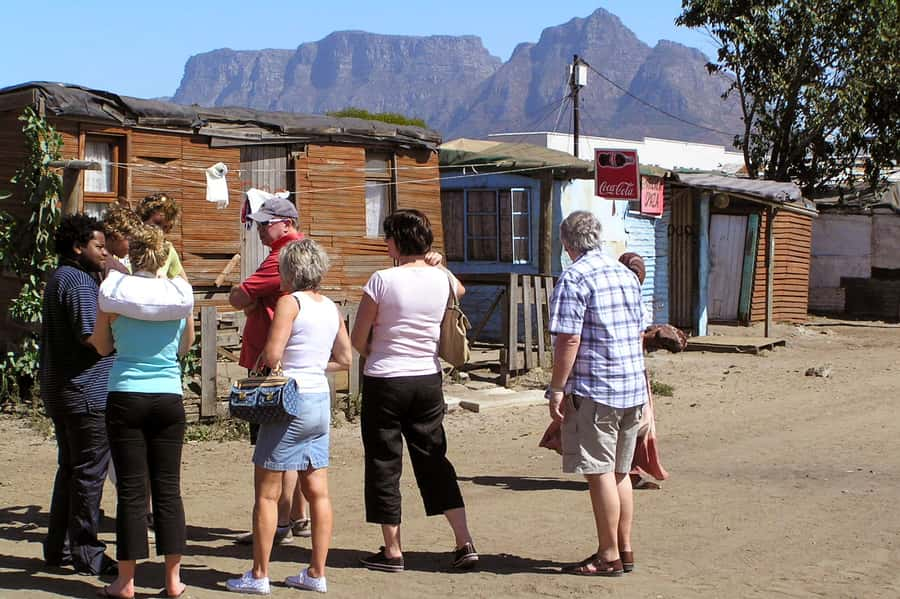
A township tour can easily become a quick bus ride past poor neighborhoods. This one has more substance because it combines several places with a walking visit in Langa and time for questions. You are not simply looking at Cape Town from the outside. You are learning how Apartheid laws shaped where people could live, how families were moved, and how those communities function today.
That difference matters. Apartheid was not only a political system discussed in museums. It controlled housing, movement, employment, education, and family life. The route makes those policies easier to understand because each stop shows a different part of the system.
I would approach the morning with respect and attention. You are visiting working communities, not a staged attraction. The strongest part of the experience is listening to local guides explain their own neighborhoods and family connections. Several guides used on this tour, including Godfrey and Song, have been praised for making the subject understandable without losing its seriousness.
Other cultural tours in Cape Town:
- Half-Day Tour Through Cape Town’s Townships
★ 4.8 · 979 reviews - Cape Town: Nathi Langa Township Walking Tour
★ 4.9 · 493 reviews - Cape Town: Robben Island Ferry Ticket and Townships Tour
★ 4.5 · 400 reviews
District Six: where removal began to feel real
The day starts at District Six, a short visit of about 30 minutes. This is the right place to begin because it shows the damage caused by the Group Areas Act of 1950 in a direct way.
District Six was once a mixed community close to central Cape Town. Under Apartheid, residents classified as nonwhite were forcibly removed, and their homes were destroyed or left empty. The people sent away included families classified as colored, many of whom later ended up in townships such as Bonteheuwel.
You will not spend hours here, so expect an introduction rather than a complete museum visit. The value is in setting the terms for the rest of the day. Once you understand that residents were removed by law, the later stops become more than place names on a route.
Langa: the day’s most personal hour
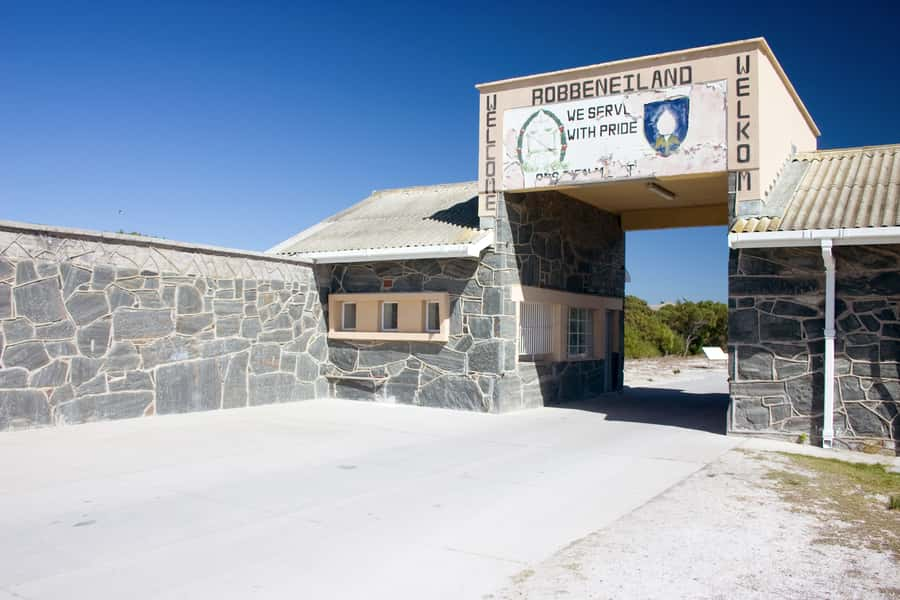
From District Six, you travel by air-conditioned vehicle to Langa, Cape Town’s oldest township. The drive takes about 30 minutes, followed by around an hour with a local site guide.
This is the heart of the tour. You walk with someone who lives in or grew up in the township and can explain both the past and the present. Guides have included people such as Godfrey, Song, Nelson, and Sipho, but the exact guide can vary. The important point is that the Langa section is led locally, not simply narrated from a vehicle.
Expect a mix of history and everyday detail. Your guide explains how township rules worked, how families were affected, and how life has changed since Apartheid ended. You may have a chance to see community spaces, homes, or local facilities, depending on what is open and available that day.
The personal accounts are what give this hour its force. A guide can explain a law, then connect it to relatives, childhood, housing, or work. That makes the subject easier to grasp than a general lecture. I especially value the chance to ask questions here, since the morning is designed around conversation rather than a fast succession of photo stops.
You should also keep your expectations realistic. This is not a poverty exhibit, and it should not be treated as one. Conditions can be difficult, including overcrowding and limited resources, but the communities are also homes, workplaces, schools, and social networks. Listen carefully, ask politely, and avoid treating people or houses as photo props.
Bonteheuwel and the forced movement of colored families
The next stop is Bonteheuwel, where you spend about 30 minutes. This township was developed for people classified as colored who had been removed from District Six.
This stop helps explain how Apartheid separated people by official racial categories. It also shows that forced removal affected more than one community. The system did not only target Black South Africans. It reorganized large parts of Cape Town and sent families to designated areas based on classification.
Bonteheuwel is a shorter stop than Langa, so your guide will likely use it to connect policy with geography and daily life. I find this useful because it prevents the story from becoming too focused on one neighborhood. You see how one law could reshape several communities at once.
A few more things to do in Cape Town worth a look
- Cape Town: Robben Island Ferry Ticket and Guided Prison Tour
★ 4.1 · 1,792 reviews - Cape Town: Table Mountain Hike with an Expert Guide
★ 4.9 · 666 reviews - Cape Town: Lion’s Head Sunrise or Sunset Guided Hike
★ 5.0 · 642 reviews - Big Five Safari and Breede River Valley Guided Day Trip
★ 5.0 · 526 reviews
Gugulethu and Cape Town after Apartheid
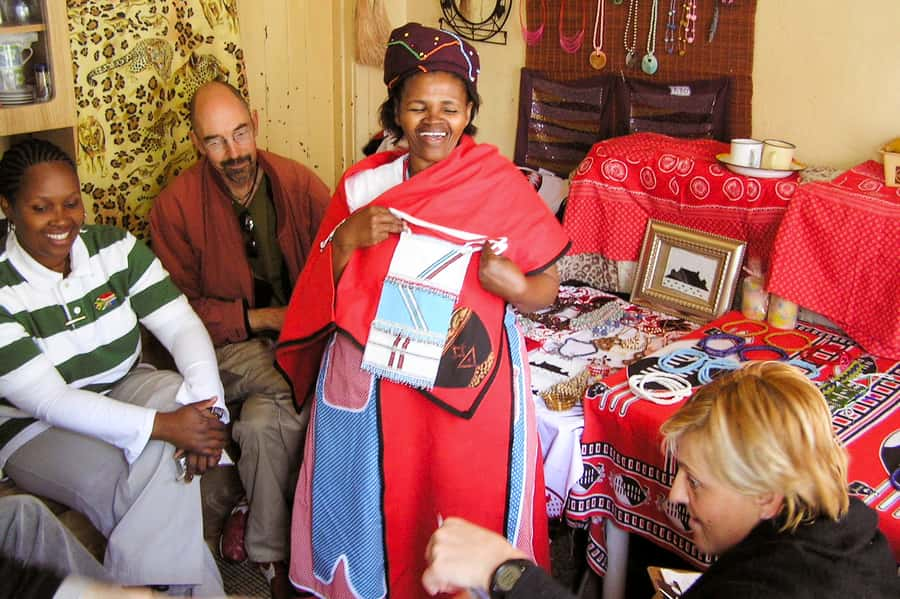
You then continue to Gugulethu, spending roughly 30 minutes there. With more than 300,000 residents, it gives you a sense of the size and scale of township communities.
The guide’s focus here is the post-Apartheid period. Apartheid ended, but the end of the legal system did not instantly erase unequal access to housing, jobs, transport, or education. Gugulethu helps you look at what has changed and what problems remain.
This is one of the tour’s strongest ideas: it does not freeze townships in the past. You learn about the struggle against Apartheid, but you also see communities carrying on with modern life. The experience is more useful when you pay attention to both sides, the damage caused by old laws and the efforts people have made to build a future.
The tour is not presented as a complete social study of Cape Town. You will get an introduction across several areas, not an exhaustive examination of current economics. Still, the route gives you enough context to understand why the city can feel so divided in income and opportunity even after political change.
Lunch at the V&A Waterfront
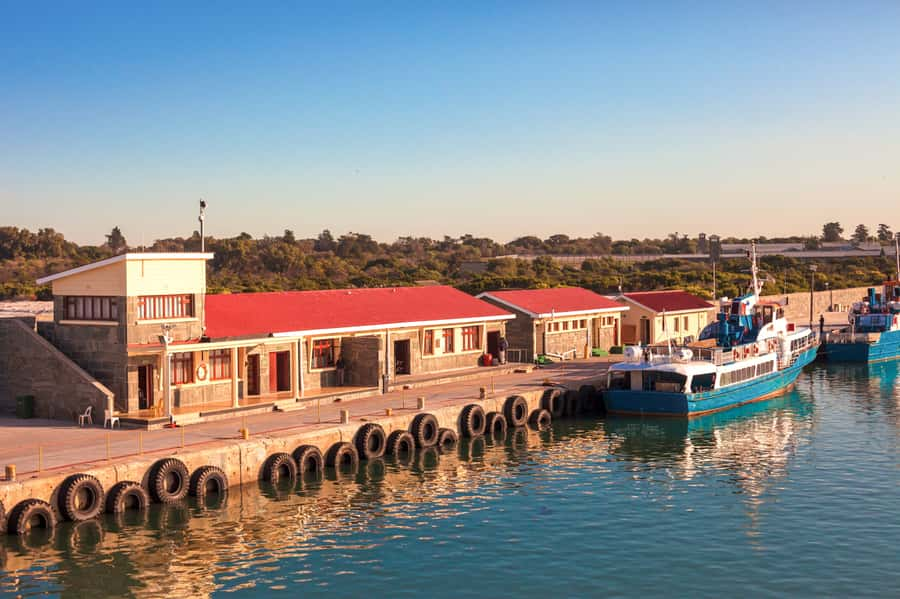
After the township visits, you stop at the V&A Waterfront for lunch. About 30 minutes is allowed, and lunch is not included.
This is a practical break before the island visit, but it also creates a sharp contrast. You move from communities shaped by removal and inequality to one of Cape Town’s most polished visitor districts, with views toward Table Mountain and access to restaurants and shops.
Because the stop is short, I would not plan an elaborate meal. Choose something quick and keep an eye on the ferry schedule. You pay for your own food, and you also need to make sure you have enough time to reach the Nelson Mandela Gateway for the Robben Island departure you booked.
The waterfront is also where the organized tour ends. There is no return transfer to your hotel, so you will need to arrange your own transport afterward. If your hotel is in the city center, Sea Point, Gardens, Tamboerskloof, Camps Bay, or another pickup area, do not assume the morning driver will take you back later.
Robben Island: book this part yourself

The afternoon Robben Island visit can take about four hours, including the ferry and island tour. It is often the most anticipated part of the day, but it requires separate planning.
The ferry and guided prison visit are not included in the tour price. The stated cost is R600 per adult and R310 per child, with discounts for South African citizens. You must book directly online or at the Nelson Mandela Gateway building at the waterfront. Provide the passport or ID number for each participant when arranging the visit, and bring the identification document with you. Copies are accepted.
Book an afternoon departure at 13:00 or 15:00 so it fits the township schedule. Do not wait until the morning of the tour if you can avoid it. Tickets are subject to availability, and the operator does not pre-book them for you.
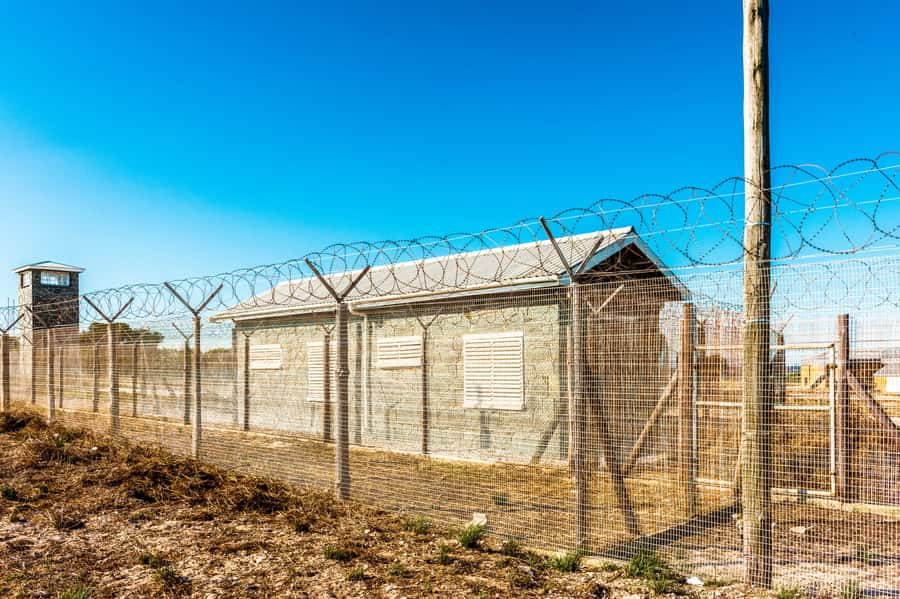
On the island, you take a guided tour of the maximum-security prison and see Mandela’s cell. The prison portion is especially powerful when led by a former prisoner. One guide mentioned in the tour experience, Sipho, was remembered for explaining prison conditions and daily life clearly. The exact island guide is not guaranteed, but the visit is designed to connect the prison buildings with the people who lived through them.
Weather is the big uncertainty. Wind, waves, and fog have caused cancellations, sometimes more than once. If the island trip is canceled, the township portion still goes ahead, and arrangements for the unused island activity may be handled separately. I would avoid placing an important flight or fixed evening plan immediately afterward.
What the $54 price really covers
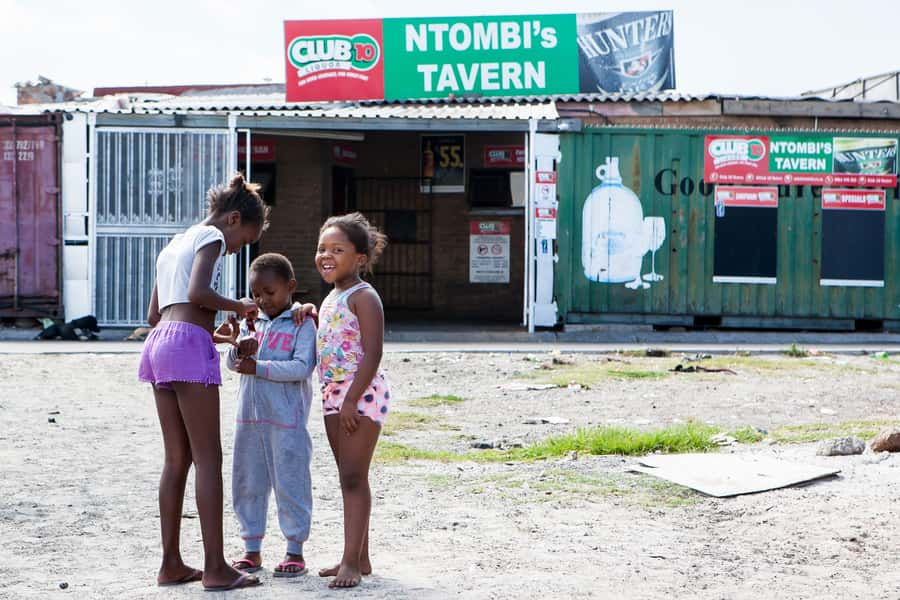
At $54 per person, the base price is reasonable for an eight-hour day with hotel pickup, an air-conditioned vehicle, a driver-guide, and a locally guided walk in Langa. Transport across several parts of Cape Town is included, which saves you the trouble of arranging separate rides.
But the headline price does not cover the most expensive part of the day. Add the Robben Island ticket, lunch, and your return trip from the waterfront. The full cost can be noticeably higher, especially for a family.
I still think the combination offers good value if you want both township context and Robben Island. Booking them separately could mean managing several transfers and schedules. The value is less clear if you only want Robben Island, since you would still have to arrange that ticket yourself and could choose a simpler island-only plan.
Timing, comfort, and practical details
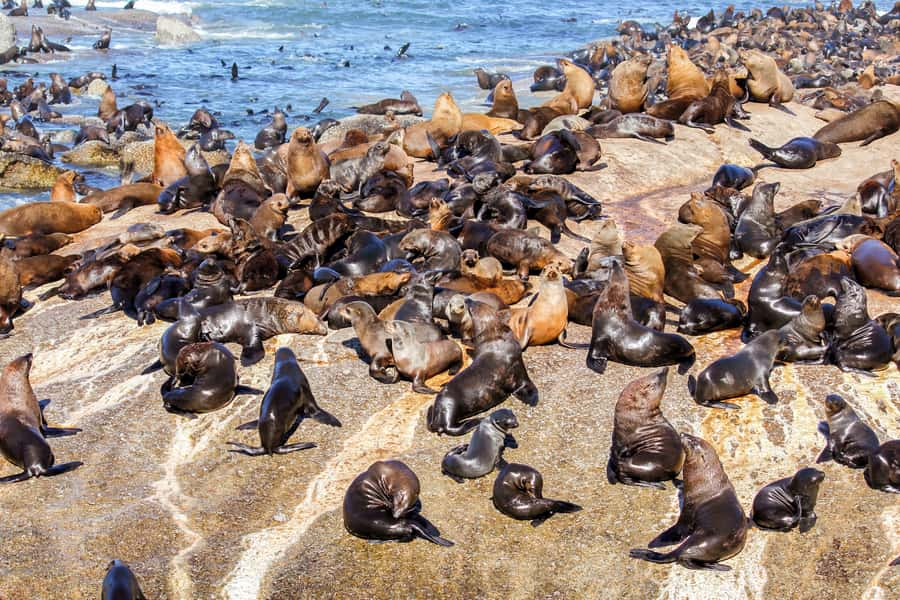
Pickup is available from hotels around the V&A Waterfront, Cape Town City Centre, Tamboerskloof, Sea Point, Camps Bay, and Gardens. Pickup details should be checked carefully, especially around the waterfront. A previous meeting-point problem involved an unclear map pin and confusion over the Victoria and Alfred Hotel.
The tour is listed as wheelchair accessible, though you should confirm the exact vehicle and walking arrangements before booking if you have specific mobility needs. You should bring a passport or another accepted ID. Leave luggage and large bags behind, since they are not allowed.
Wear comfortable shoes for Langa and bring water. The walking section is not described as strenuous, but some of the day is spent on foot and the schedule is long. English is the tour language.
Cancellation is flexible up to 24 hours before departure for a full refund. That policy applies to the activity booking, while Robben Island availability and weather remain separate concerns.
Who should book this day
I recommend this tour to you if you want context, conversation, and a fuller view of Cape Town than the usual waterfront and mountain circuit. It suits first-time visitors who want to understand how Apartheid shaped the city, families with older children who can engage with difficult history, and solo visitors who prefer an organized route.
It is also a good choice if meeting local guides matters to you. The Langa walk is the part most likely to stay with you because it links historical events to real lives and present-day communities.
I would think twice if you dislike long days, need a guaranteed hotel return, or want complete control over your schedule. The day has several moving parts, and the Robben Island ticket is your responsibility. You should also be comfortable with a serious subject and with visiting communities where poverty and overcrowding may be visible.
Should you book it?
Book it if you want a meaningful introduction to Cape Town’s Apartheid story and are willing to arrange Robben Island separately. The strongest parts are the local Langa guide, the clear connection between District Six and the townships, and the chance to hear how life changed after Apartheid.
Before paying, secure your Robben Island ticket, check the afternoon sailing time, confirm your pickup point, and plan your own return from the V&A Waterfront. If those details work for you, this is a thoughtful and well-priced way to connect Cape Town’s major historical sites with the communities that still live with their consequences.
FAQ
Is Robben Island included in the tour price?
No. The ferry and guided Robben Island tour are not included. The stated cost is R600 per adult and R310 per child, with discounts for South African citizens.
How do I book the Robben Island visit?
You must book directly online or at the Nelson Mandela Gateway building at the V&A Waterfront. The tour provider does not pre-book the tickets.
What Robben Island departure time should I choose?
Book the afternoon departure at 13:00 or 15:00 so it fits with the township tour and lunch schedule.
What happens if the Robben Island ferry is canceled?
Ferry departures are subject to weather and availability. Wind, waves, and fog can cause cancellations. The township portion can still take place, and arrangements for the unused island activity are handled separately.
Which townships does the tour visit?
The route includes Langa, Bonteheuwel, and Gugulethu, along with a visit to the District Six site.
Is lunch included?
No. Lunch is taken at the V&A Waterfront and must be paid for separately.
Where does the tour finish?
The tour ends at the V&A Waterfront, near The Silo Hotel. A return transfer to your hotel is not included.
What identification should I bring?
Bring your passport, birth certificate, or driver’s license. Copies are accepted. Participants must provide passport or ID numbers for the Robben Island booking. South African citizens provide an ID number and date of birth instead of a passport number.
Just added in Cape Town
- Cape Town: The Cape Point Instagram Small Group Tour★ 4.4 · 122 reviews
- Cape Town: Tandem Paragliding Flight with the Experts★ 4.7 · 280 reviews
- From Cape Town: Stellenbosch Four Estate Full-Day Wine Tour★ 4.8 · 266 reviews
- Stellenbosch: Half-Day Wine Tour★ 4.7 · 601 reviews
- Cape Town: Garden Route and Addo Elephant Park 6-Day Safari★ 4.7 · 175 reviews
- From Cape Town: Glass-Bottom Boat Seal Watching Tour★ 4.4 · 147 reviews
- From Cape Town: Hermanus Whale Watching Boat Trip★ 4.4 · 378 reviews
- Cape Town: Robben Island Ferry Ticket and Townships Tour★ 4.5 · 400 reviews
Township & Cultural Tours, compared.
Soweto /Johannesburg and Apartheid Museum Guided Full Day Tour
Read our review →
Johannesburg Hop-On Hop-Off City Tour with Soweto Option
Read our review →

Soweto: Walking Tour with a Local Guide and Lunch
Read our review →

Browse the lists this tour appears in