
Reviewed · SOUTH AFRICA · TOURS IN CAPE TOWN
Cape Town: Bo-Kapp Walking Tour and Malay Cooking Class
Bo-Kaap is easy to reduce to a row of colorful houses and camera-ready streets. This experience gives the neighborhood more meaning, then brings you into a local home to make Cape Malay dishes from scratch. The combination of walking, conversation, and cooking makes the afternoon feel far more personal than a quick photo stop.
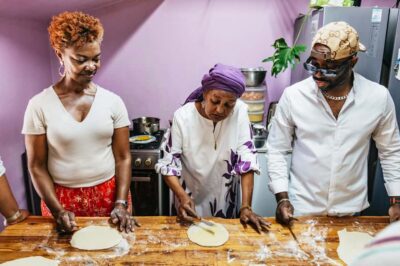
I like two things most here: the guide-led look at Bo-Kaap’s Muslim heritage, and the chance to actually fold samosas and roll flaky roti. Faldela is known for her humor and spice knowledge, while guides such as Gadija and Ilyas bring their own local perspective to the walking portion.
The main consideration is the cooking space. It is small, so not everyone can work at the counter at once. Also, the activity description says food and drinks are not included, even though you prepare and eat a full meal, so check the final booking details before you pay.
Key points to know before you book
- Two experiences in one: A Bo-Kaap history walk is followed by a hands-on Cape Malay cooking class.
- Local guides matter: Faldela, Gadija, Gandija, and Ilyas have led different parts of the experience.
- You cook real dishes: Expect samosas, chicken curry, roti, chili bites or salsa salad, and koesisters.
- The spice stop is useful: You learn how different spices are used and hear about their claimed health benefits.
- The cooking area is compact: You may watch some steps while others work, rather than cooking every part at once.
- Recipes go home with you: The recipes are sent by email, making the class practical beyond Cape Town.
Why Bo-Kaap deserves more than a photo stop
Bo-Kaap is one of Cape Town’s most recognizable neighborhoods, but its painted facades are only the beginning. The walking portion introduces you to the people, religious traditions, buildings, and community life behind the colors.
You walk cobbled streets with a local guide and see some of the area’s oldest buildings. The route includes information about the first and oldest mosque in South Africa, as well as a cultural museum. The point is not simply to identify pretty houses. You learn how the neighborhood developed and why Cape Malay culture is central to its identity.
I especially like having a guide for this part. On your own, you can admire the architecture, but you may miss the details that make the streets meaningful. Guides have also introduced small local businesses, souvenir shops, art spaces, and artists along the way, giving the walk a stronger connection to present-day Bo-Kaap.
The timing is sensible. The walk lasts long enough to give you context without exhausting you before the kitchen work begins. It also helps you work up an appetite.
Other walking tours in Cape Town people book:
- Cape Town: Nathi Langa Township Walking Tour
★ 4.9 · 493 reviews - Cape Town: Art, Culture & History Walking Tour
★ 4.9 · 392 reviews - Cape Town: Street Art Walking Tour in Woodstock
★ 4.8 · 293 reviews
The mosque, museum, and local streets
The mosque discussion adds an important religious dimension to the neighborhood. You hear about the role of Islam in Cape Malay culture and how faith remains part of community life.
The museum provides another layer of context, though you should know that the museum visit may not always be included in the walking route in the same way. One person specifically noted that they did not visit it and suggested making separate time for it. The activity does include the museum entrance fee, so ask your guide how the museum fits into your particular start time.
You may also pass houses with political messages painted on them. One account described support for Palestine displayed on local homes and felt that the political explanation became more direct than expected during a cooking-focused afternoon. This is a useful reminder that Bo-Kaap is a living neighborhood, not a themed set built for sightseeing. The experience may include current community concerns alongside history and food.
The spice shop is more than a shopping stop
The spice shop visit is one of the most distinctive parts of the walk. Rather than simply pointing out packets on a shelf, the guide explains the uses of different spices and discusses their traditional health associations.
Faldela is particularly praised for her command of this subject. If she begins unpacking the spices, have your phone ready for a short video, provided the guide is comfortable with that. There is a lot to remember, from flavor combinations to ways of using individual spices at home.
Keep expectations sensible. This is not a medical consultation, and claims about health benefits should be treated as traditional food knowledge rather than medical advice. Still, it gives you a better sense of why Cape Malay food tastes the way it does. The spices are not random additions. They shape the character of the curry, the savory pastries, and the sweet treats.
Cooking in a Bo-Kaap home
After the walk, you return to the host’s home for the class. The setting is a major part of the appeal. You are not in a large demonstration kitchen designed for dozens of people. You are cooking in a local home, with the host welcoming you into a more personal setting.
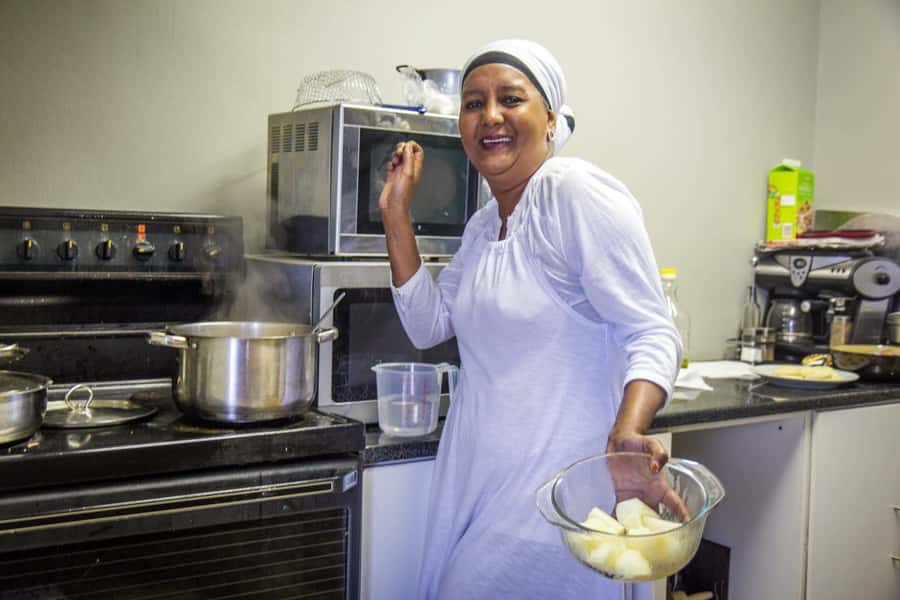
Faldela is the name most closely associated with the cooking class, and her style is lively, warm, and practical. She explains what she is doing, adds plenty of humor, and encourages everyone to take part. Other guides, including Gadija, have also led cooking sessions.
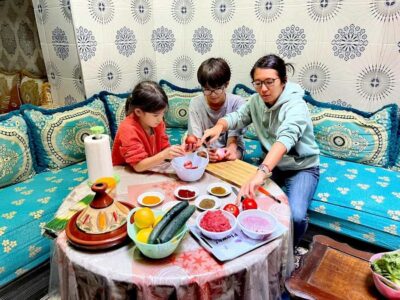
The room is small. One person noted that only one or two people could work comfortably at the counter at a time. You should expect a mix of hands-on work, watching, listening, and talking. If you want constant knife work or a private lesson where every step is yours, this may feel limited. If you enjoy learning in a social setting, the compact kitchen helps create a more informal atmosphere.
The class is organized enough to keep the meal moving. You are not left wondering what happens next, but you also get time to ask questions and chat with the host and other participants.
Same base, a different sort of day:
- Wine Tour: Paarl, Franschhoek & Stellenbosch incl 3 wineries
★ 5.0 · 3,940 reviews - Cape Town: Hop-On Hop-Off Bus Tour with Optional Cruise
★ 4.8 · 3,929 reviews - Cape Town: Cape of Good Hope & Penguins Day Tour with Pickup
★ 4.7 · 3,362 reviews - Zipline Cape Town – From Foot of Table Mountain Reserve
★ 5.0 · 3,179 reviews
Making samosas, chili bites, and roti
The first cooking task is folding samosas. This is one of the most satisfying parts because it is a small skill you can take home and repeat. The class may also include chili bites, described in some accounts as part of the meal.
The main dish is chicken curry. You help prepare it from the beginning and learn how spices build flavor. The teaching is designed for ordinary home cooking, not restaurant professionals, so you can focus on technique rather than fancy equipment.
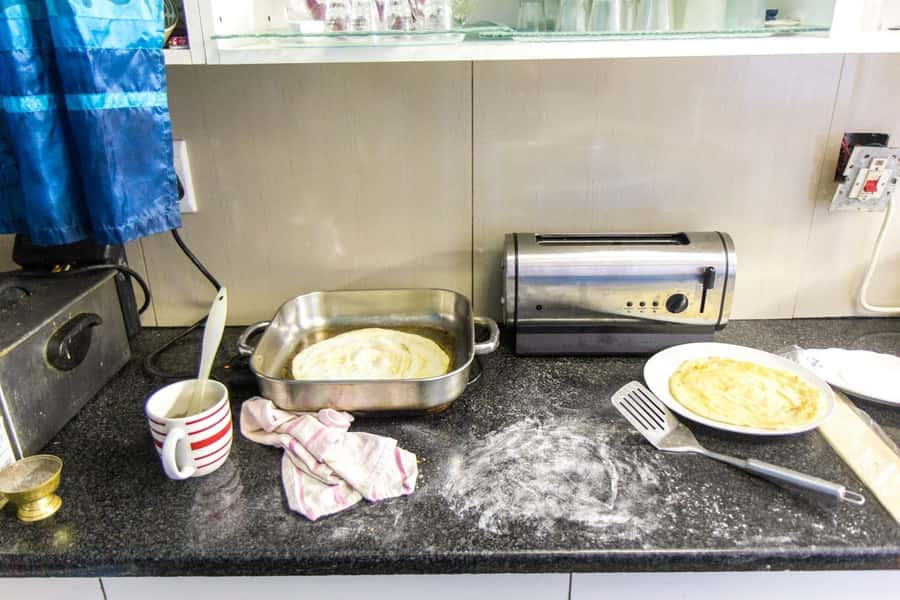
Roti is the star lesson for many people. You prepare the flatbread from scratch and learn the method for making it flaky. That process takes more care than simply heating a packaged bread, and the class gives you useful tricks to try later.
You may not personally complete every stage of every dish. The kitchen is small, and the host may need to handle some of the work to keep lunch on schedule. Still, you take part in the defining steps, and the class is structured so the final meal comes together smoothly.
The meal you sit down to eat
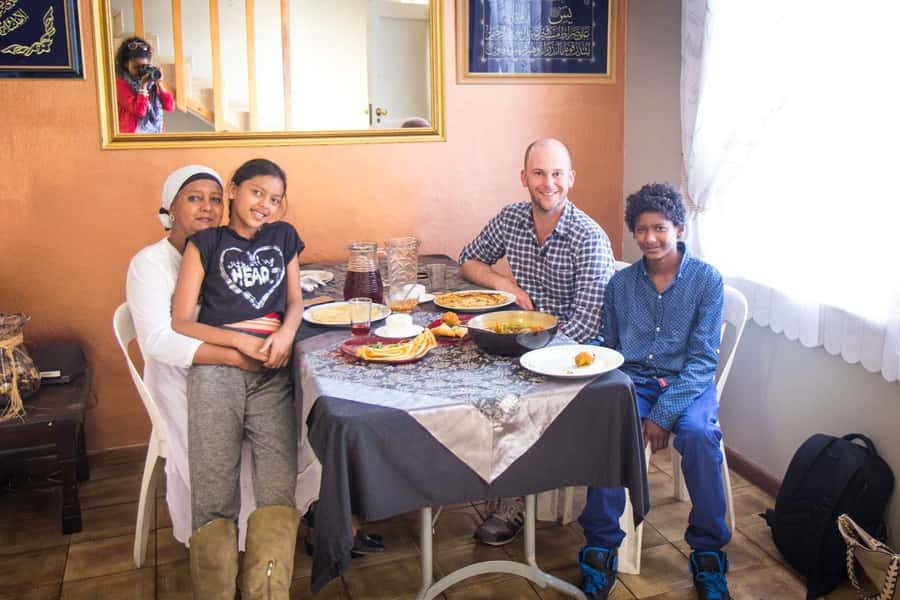
The menu is generous. You can expect chicken curry, roti, samosas, chili bites or salsa salad, and koesisters, followed by cardamom tea. The food is described as plentiful, and the meal gives you time to relax after the walking tour and cooking.
Sambal, described here as a salsa salad, adds a fresh contrast to the richer curry and fried items. Koesisters are spicy, sweet-savory doughnuts associated with Cape Malay cooking. They are served as dessert with cardamom tea, a fitting end to a meal built around spice.
The shared table is important. You sit with the host and other people in the group, compare notes, and talk about places you have come from. Several accounts emphasize that the meal feels like a social finish, not simply food handed over at the end of a class.
Dietary needs have been handled well in at least one session, but you should tell the provider in advance rather than assume substitutions are possible. The activity information does not list specific dietary policies.
What the $68 price means
At $68 per person, the experience is priced above a basic neighborhood walk, but you are getting four hours, a live English-speaking guide, a cultural route, a museum entrance fee, instruction in a local home, and a shared meal that you help prepare.
The value is strongest if you want context and participation. A short Bo-Kaap walk alone may cost less, but it will not teach you how to fold samosas or make roti. A cooking class alone may give you food skills, but it will not explain the neighborhood where those dishes belong.
There is one confusing point. The details list food and drinks, with no alcohol, as not included, while the experience clearly involves preparing and eating the dishes. Water is included. Ask what the $68 covers at checkout, especially if the wording remains unchanged. This is a small but important issue for accurate budgeting.
The price also makes more sense if you value small-group interaction and local hosting. If you mainly want photographs of colorful houses, a less expensive walk may suit you better.
Who will enjoy this afternoon
I would choose this for anyone who wants a human-scale introduction to Cape Town’s Cape Malay culture. It suits first-time visitors who want more than the usual city sights, food lovers who enjoy learning by doing, and people who like meeting local hosts.
It is also a good choice if you are not confident in the kitchen. You do not need to be a skilled cook, and the host manages the process so the meal comes together. The recipe email is a useful extra, especially if you want to remake the samosas, curry, or roti at home.
The experience may be less suitable if you dislike group cooking, standing for parts of a class, or watching while another person handles a step. The compact kitchen limits personal workspace. Comfortable shoes are important because the first part takes place on foot over cobbled streets.
The tour is conducted in English. Guides may differ, but Faldela, Gadija, Gandija, and Ilyas are names associated with different sessions. That variation means the tone may change slightly from one departure to another, while the main structure remains similar.
Simple planning advice for the four-hour tour
Meet your host at the purple house with flower pots on top. Pay close attention to this description, since it is the stated meeting landmark.
Wear comfortable shoes. The route includes cobblestones and walking through the neighborhood, and you will be glad to have steady footwear before sitting down to cook.
Allow the full four hours. The walk, museum or cultural stops, spice shop, food preparation, and meal all need their share of time. Do not schedule a tight appointment immediately afterward.
The booking terms are flexible: you can cancel up to 24 hours in advance for a full refund, and the reserve-now, pay-later option lets you hold a place without paying immediately. Starting times vary, so check availability for your date.
Should you book the Bo-Kaap cooking class?
Yes, if you want Bo-Kaap to be more than a colorful backdrop. The strongest parts are the local guide, the spice lesson, the warm home setting, and the chance to make roti and samosas yourself.
I would book it for the cultural connection and the food skills, not for a polished restaurant-style cooking studio. The kitchen is tight, and the food inclusion wording deserves clarification. Those are fair trade-offs for a four-hour experience that connects streets, faith, family cooking, and community life in one afternoon.
FAQ
How long does the Bo-Kaap walking tour and cooking class last?
The activity lasts four hours.
How much does the experience cost?
The listed price is $68 per person.
What language is the tour conducted in?
The live tour guide speaks English.
Where is the meeting point?
You meet your host at a purple house with flower pots on top.
What food will I prepare?
The class includes samosas, chicken curry, roti flatbread, and sambal or salsa salad. Chili bites may also be included, followed by koesisters and cardamom tea.
Do I get to eat the food I prepare?
Yes. The experience includes sitting down to enjoy the meal prepared during the class.
Is the museum entrance included?
Yes, the museum entrance fee is listed as included. The exact timing of the museum visit may vary, so ask your guide how it fits into your session.
What should I bring?
Bring comfortable shoes for the walking portion.
Is water included?
Yes, water is included. Alcohol is not included.
Can I cancel the booking?
You can cancel up to 24 hours in advance for a full refund. A reserve-now, pay-later option is also available.
More cooking classes elsewhere in Africa
- Cape Town: Malay Cooking Class and Lunch in Bo-Kaap
★ 4.8 · 515 reviews - Cape Town: Cape Malay Cooking Class in Bo-Kaap
★ 4.8 · 120 reviews - Marrakech: Moroccan Cooking Class with Pickup
★ 4.6 · 1,862 reviews - Marrakech: Traditional Moroccan Cooking Class & Market Visit
★ 4.8 · 1,861 reviews
More walking tours in Cape Town
- Cape Town: Langa Township Walking Tour
★ 4.8 · 272 reviews - Cape Town: Private Walking Tour with a Local
★ 4.6 · 243 reviews - Cape Town Walking Tour: Bo-Kaap & City Highlights
★ 4.8 · 161 reviews - Soweto: Walking Tour with a Local Guide and Lunch
★ 4.9 · 648 reviews
Just added in Cape Town
- Cape Town: The Cape Point Instagram Small Group Tour★ 4.4 · 122 reviews
- Cape Town: Tandem Paragliding Flight with the Experts★ 4.7 · 280 reviews
- From Cape Town: Stellenbosch Four Estate Full-Day Wine Tour★ 4.8 · 266 reviews
- Stellenbosch: Half-Day Wine Tour★ 4.7 · 601 reviews
- Cape Town: Garden Route and Addo Elephant Park 6-Day Safari★ 4.7 · 175 reviews
- From Cape Town: Glass-Bottom Boat Seal Watching Tour★ 4.4 · 147 reviews
- Cape Town: Guided Township Tour with Hotel Pickup★ 4.4 · 536 reviews
- From Cape Town: Hermanus Whale Watching Boat Trip★ 4.4 · 378 reviews
Cooking Classes, compared.
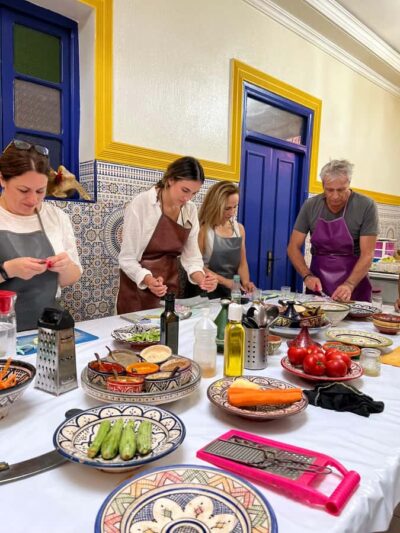
Traditional Moroccan Cooking Class & Market Visit
Read our review →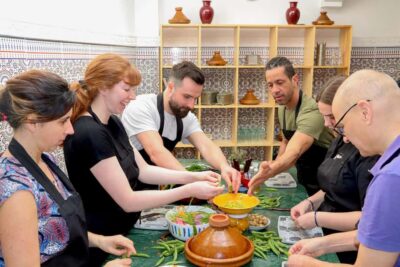
Moroccan Dishes Cooking Class with a Local Chef
Read our review →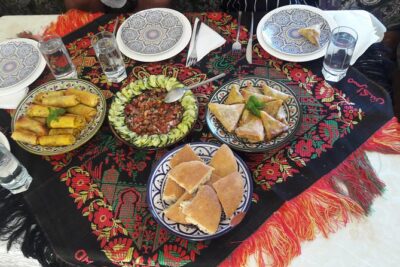
Moroccan Cooking Class & Marrakech Market Visit with Chef Khmisa
Read our review →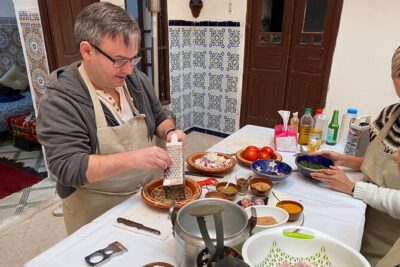
Half-Day Cooking Class with Local Chef Laila in Marrakech
Read our review →
Browse the lists this tour appears in