
Reviewed · SOUTH AFRICA · TOURS IN CAPE TOWN
Cape Town: Cape Malay Cooking Class in Bo-Kaap
Cape Malay cooking is best understood around a kitchen table, not from a restaurant menu. In this two-hour Bo-Kaap class, you help prepare a three-course meal in a local family home, then eat what you made while your host talks about Cape Malay food, family life, and the neighborhood.
I like two things especially: you take part in the cooking, rather than simply watching a demonstration, and the cultural conversation feels personal. Hosts such as Shafeeqah, Jasmina, Jacinda, and Fuad have guided classes with warmth and plenty of practical tips, from folding a samosa so it stays closed to choosing the right spices.
The main consideration is that this is a shared kitchen class, not a private station for every person. One dessert may be prepared in advance, and the meal is made as a group. You should also know that one dining area involves fairly steep stairs, which can be difficult if you have back or mobility problems.
Key points at a glance
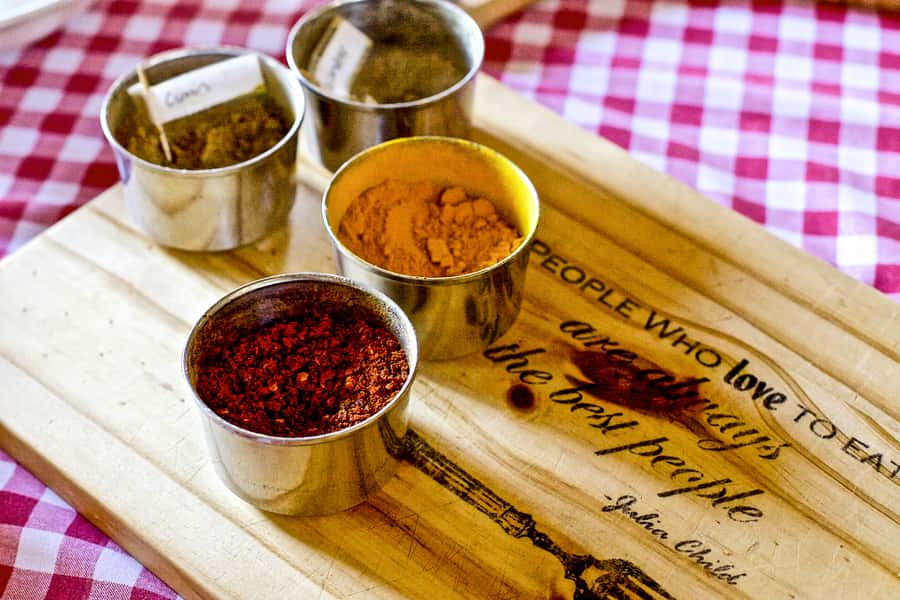
- Cook in a Bo-Kaap family home: The setting gives the class a personal link to the neighborhood and its traditions.
- Make food from scratch: Expect hands-on work with dishes such as samosas, chilli bites, roti or flatbread, and curry.
- Learn through conversation: Your host explains Cape Malay ingredients, techniques, family customs, and the history of the Bo-Kaap community.
- Eat the meal you prepare: Lunch and soft drinks are included, so the class ends around a shared table rather than with a rushed exit.
- Allow two hours, plus your own transport: Transportation is not included, and starting times vary by availability.
- Consider the stairs: A steep set of stairs leads to the eating area, so ask about access if this may affect you.
Why this Bo-Kaap cooking class feels personal
The appeal begins with the address. Bo-Kaap is known for its colorful homes and Cape Malay heritage, but a short walk through the district only gives you part of the story. A cooking class inside a local home lets you connect the neighborhood to everyday food, family traditions, and the people who keep those traditions alive.
You are not placed in a hotel kitchen designed for tourists. The class takes place in a family home, with the host welcoming you into her own cooking space. That setting can feel more intimate than a standard food workshop, especially when the conversation turns from recipes to relatives, local customs, and the community.
The warmth of the hosts is one of the strongest features here. Shafeeqah has led classes with clear demonstrations and pride in her cooking. Other sessions have been guided by hosts including Jacinda and Jasmina, with Fuad also praised for being organized and hospitable. Since the host can vary, the personality of the session may vary too, but the format remains centered on food and conversation.
You can expect English or Afrikaans to be spoken. That makes the class easy to follow for most international visitors, and the cooking itself gives you plenty to do even if the group includes people from several countries.
Other city landmarks to book in Cape Town:
- Cape Town: Cape of Good Hope & Penguins Day Tour with Pickup
★ 4.7 · 3,362 reviews - Zipline Cape Town – From Foot of Table Mountain Reserve
★ 5.0 · 3,179 reviews - Cape Town: Table Mountain Cable Car, Hop-On Hop-Off Bus Tour
★ 4.6 · 3,157 reviews
Starting with spices, stories, and shared preparation
The class begins with an introduction to Cape Malay cooking and the ingredients used in the meal. You learn that the food is not simply a generic version of South African home cooking. Its character comes from its spice blends, cooking methods, and links to the Cape Malay community.
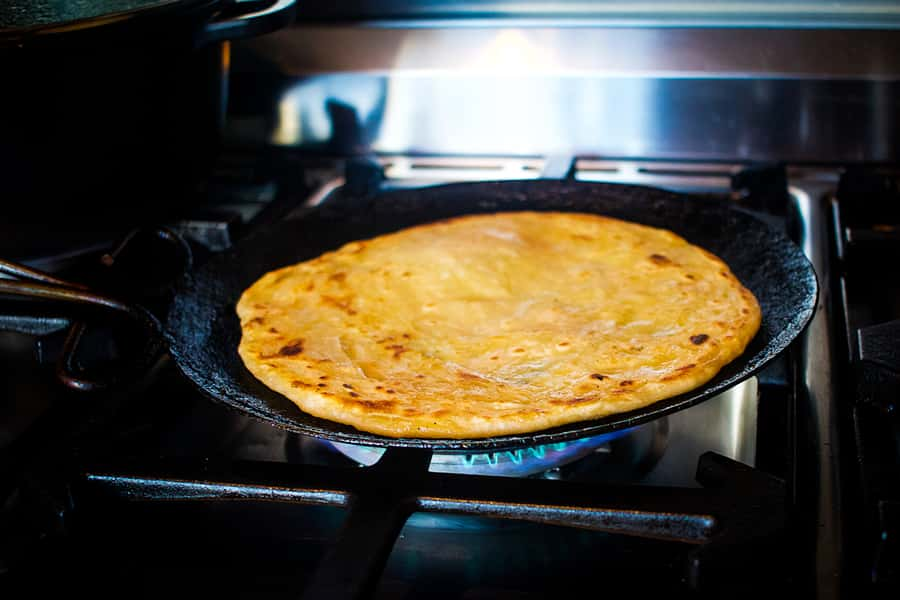
The precise menu can vary, but the dishes described in the class include samosas, chilli bites, flatbread or roti, and a curry. Fresh ingredients and authentic spices are used, and the host explains how they fit together. You may also receive suggestions about where to buy the ingredients, which is useful if you want to recreate the meal at home.
The preparation is designed for participation. You might chop, mix, shape, fold, or help with the cooking while the host manages the timing. The group works together rather than each person cooking a separate meal at an individual station.
That distinction matters. If you want a professional cooking school with your own worktop, measured ingredients, and a printed sequence of tasks, this may feel informal. If you like learning by watching, trying, asking questions, and working alongside other people, the shared approach is more relaxed and social.
One small technique can make the experience worthwhile. The samosa folding demonstration shows how to seal the pastry so it holds its filling during cooking. It is the sort of practical detail that is hard to pick up from a recipe alone, and it gives you a skill you can use later.
Making the starters: samosas, chilli bites, and bread
The starter preparation is likely to be the busiest part of the class. Samosas require care with filling and folding, while chilli bites call for a different texture and method. Making roti or flatbread adds another task and gives you a feel for the hands-on side of Cape Malay home cooking.
These dishes are useful teaching choices because they involve simple ingredients but depend on technique. The host can show you how much filling to use, how to handle the dough, and how to shape the food before it reaches the pan.
You should not expect every participant to produce perfectly identical pieces. That is part of the charm. The class encourages everyone to help, and the cooking becomes a shared effort rather than a test. Families with teenagers have found that even initially reluctant children can get involved once the shaping and cooking begin.
The group format also creates natural conversation. You may be working beside people from several countries, taking turns at the same preparation tasks and comparing food traditions. The best part is often the easy talk that grows while hands are busy.
Preparing the Cape Malay main course
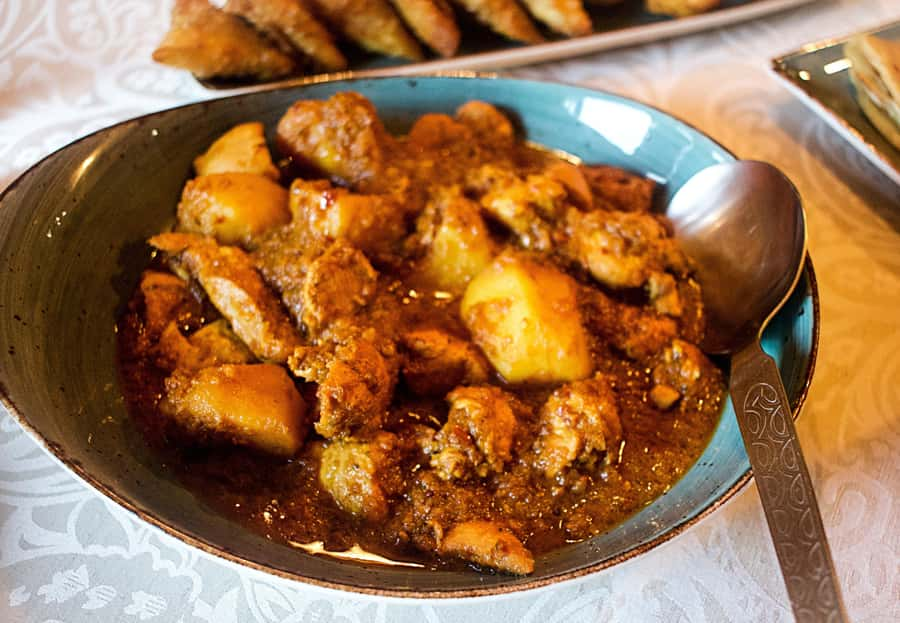
The main course is generally a curry, with chicken and beef both mentioned in descriptions of the meal. The host explains the spices and cooking steps, then guides the group through the process. You learn how the ingredients build flavor instead of simply being handed a finished dish.
This is where the cultural lesson becomes practical. Food traditions are easier to understand when you can smell the spices, see the order in which ingredients are added, and taste the result. The class shows you how a familiar dish becomes distinctly Cape Malay through its seasoning and preparation.
The kitchen is described as clean and well equipped, which matters when several people are helping at once. Still, expect a home kitchen, not a large commercial classroom. Space and equipment are shared, and you may spend some time watching while another person takes the next task.
That is not a problem for most people, but it is worth knowing before booking. The class is about making a meal together, not maximizing individual cooking time. If you want more personal instruction, speak up and ask to try a particular step.
More cooking in Cape Town:
- Cape Town: Malay Cooking Class and Lunch in Bo-Kaap
★ 4.8 · 515 reviews - Cape Town: Bo-Kapp Walking Tour and Malay Cooking Class
★ 4.7 · 105 reviews - Marrakech: Moroccan Cooking Class with Pickup
★ 4.6 · 1,862 reviews - Marrakech: Traditional Moroccan Cooking Class & Market Visit
★ 4.8 · 1,861 reviews
Ending at the table with lunch and conversation
Once the food is ready, you sit down to eat the meal prepared during the class. Lunch and soft drinks are included in the $52 price, so the experience has a satisfying finish. You are not simply shown how to cook and then sent away with a recipe.
The meal is also the time for the broader conversation. Your host may talk about family, local traditions, Cape Malay culture, and life in Bo-Kaap. That exchange is a major reason to choose this activity instead of taking a standard food tour.
The dessert is prepared in advance, according to one detailed account of the format. That means the class focuses most of its hands-on time on the starters and main course. If making every part of a three-course meal yourself is essential to you, clarify this before booking.
The food is usually described as plentiful and delicious, but the larger value is that you eat food connected to the household hosting you. You have seen the ingredients, helped with the work, and learned the small choices behind the final plate. That makes lunch more memorable than a meal ordered from a menu.
What the $52 price includes
At $52 per person, the price is fair if you value both the meal and the cultural access. You receive a two-hour cooking class, lunch, and soft drinks. You are also paying for a local host’s time, instruction, ingredients, and the chance to enter a private family setting in Bo-Kaap.
The value is strongest for people who would otherwise book a food tour and a separate lunch. This activity combines both, while adding a skill-based element. You leave with more than a full stomach, even if you do not receive a formal cooking kit or private lesson.
Transportation is not included. You need to make your own way to the meeting point in Bo-Kaap, so build local transport or a taxi into your budget. The class itself lasts two hours, but allow extra time for getting there and leaving, especially if you have another booking afterward.
Free cancellation is available up to 24 hours before the activity for a full refund. You can also reserve now and pay later, which helps if you are still arranging your Cape Town schedule.
Practical points before you book
Check the physical access. One person found the steep stairs to the eating area difficult because of a severe back injury. The information provided does not describe full accessibility, so contact the provider first if stairs, balance, or back pain are concerns.
Tell the host about dietary restrictions. A family received help with dietary needs, so it is worth raising your requirements before the class rather than waiting until the meal is being prepared. The available information does not list specific substitutions, so do not assume every request can be met.
Expect a group activity. Everyone helps with different parts of the food. You may not have your own station, and some tasks may be completed by the host or another participant.
Plan for a social setting. The class suits people who enjoy conversation and meeting others. It may be less suitable if you want a quiet, private meal or a tightly timed professional lesson.
Leave alcohol out of the plan. Alcohol and drugs are not allowed during the activity. Lunch includes soft drinks.
Ask for the current menu if a dish matters to you. Samosas, chilli bites, flatbread, roti, and curry have all been part of the cooking, but the exact three-course menu can vary.
Who will enjoy this experience most
I would choose this class if you want an activity that connects Cape Town food with local people. It suits couples, families, solo visitors, and small groups who like to participate rather than sit back.
Families can expect a welcoming setting, and teenagers may enjoy the shaping and cooking more than they expect. The class also works well for solo visitors because the shared tasks make it easy to talk with others.
It is a good pick for anyone curious about Cape Malay culture, spices, and home cooking. It is also useful near the start of a Cape Town stay, since the host can point you toward ingredients and give you a better sense of Bo-Kaap beyond its colorful streets.
I would hesitate if you need a fully accessible venue, a private lesson, or a tightly structured culinary course. The class is warm and practical, but it is not designed as a formal chef-training session.
Should you book the Cape Malay Cook Up?
Yes, if you want a personal Bo-Kaap experience built around food, conversation, and participation. The $52 price includes the class, lunch, soft drinks, and the ingredients needed to prepare the meal, making it good value for a two-hour cultural activity.
Book it with realistic expectations. You will cook as part of a group, not at an individual station, and dessert may already be prepared. Confirm the meeting details, menu, dietary needs, and stair access before paying.
For most visitors, the best reason to go is simple: you help make the food, then eat it in the home where the welcome began. That combination gives the class more feeling than a routine cooking demonstration.
FAQ
Where does the cooking class take place?
The class takes place in a local family home in the historic Bo-Kaap neighborhood of Cape Town.
How long does the experience last?
The cooking class lasts two hours. Starting times depend on availability.
What food will I prepare?
The menu is a three-course Cape Malay meal. Dishes mentioned include samosas, chilli bites, flatbread or roti, and chicken or beef curry. The exact menu may vary.
Is lunch included?
Yes. Lunch and soft drinks are included after the cooking is finished.
What languages are spoken?
The host or greeter speaks English or Afrikaans.
Is transportation included?
No. You need to arrange your own transportation to and from the Bo-Kaap cooking class.
Can I cancel for a refund?
Yes. You can cancel up to 24 hours in advance for a full refund. You can also reserve now and pay later.
Just added in Cape Town
- Cape Town: The Cape Point Instagram Small Group Tour★ 4.4 · 122 reviews
- Cape Town: Tandem Paragliding Flight with the Experts★ 4.7 · 280 reviews
- From Cape Town: Stellenbosch Four Estate Full-Day Wine Tour★ 4.8 · 266 reviews
- Stellenbosch: Half-Day Wine Tour★ 4.7 · 601 reviews
- Cape Town: Garden Route and Addo Elephant Park 6-Day Safari★ 4.7 · 175 reviews
- From Cape Town: Glass-Bottom Boat Seal Watching Tour★ 4.4 · 147 reviews
- Cape Town: Guided Township Tour with Hotel Pickup★ 4.4 · 536 reviews
- From Cape Town: Hermanus Whale Watching Boat Trip★ 4.4 · 378 reviews
Table Mountain & Cape Town Highlights, compared.

Cape of Good Hope & Penguins Day Tour with Pickup
Read our review →
Zipline Cape Town – From Foot of Table Mountain Reserve
Read our review →
Table Mountain Cable Car, Hop-On Hop-Off Bus Tour
Read our review →
Cape Point and Boulder’s Penguins Full Day Tour
Read our review →

Cape of Good Hope & Boulder Penguins Full-Day Tour from Cape Town
Read our review →
Table Mountain, Penguins & Cape Point Small Group Tour Cape Town
Read our review →
Robben Island Ferry Ticket and Guided Prison Tour
Read our review →Browse the lists this tour appears in