
Reviewed · SOUTH AFRICA · TOURS IN CAPE TOWN
Cape Town: Malay Cooking Class and Lunch in Bo-Kaap
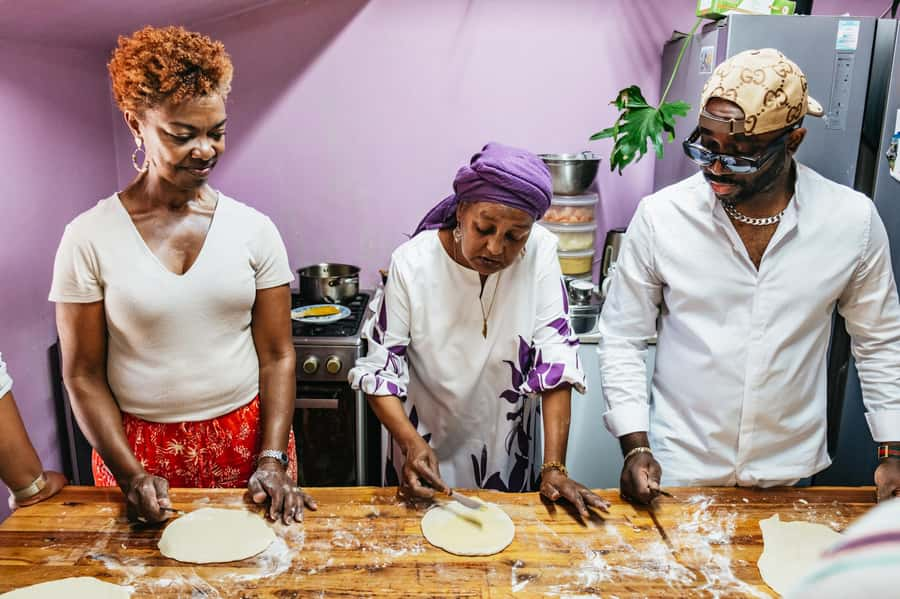
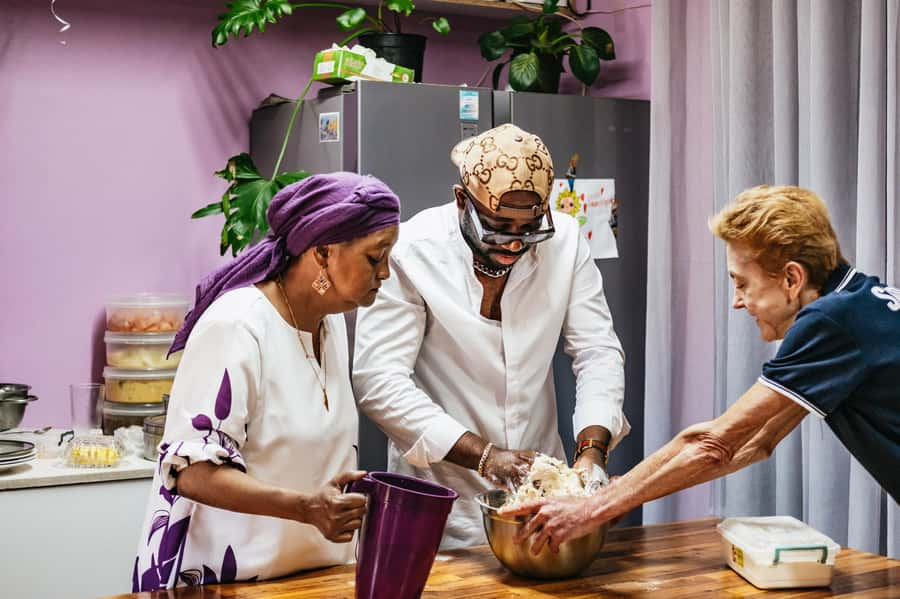
Cape Malay cooking is best understood at a kitchen table, not from a restaurant menu. In Bo-Kaap, Faldela welcomes you into her home, explains how ginger, fennel, star anise, tamarind, and turmeric work together, then helps you turn those spices into lunch. I like the personal setting and the chance to meet the cook behind the food. I also like that the class connects cooking with Cape Town history and family tradition.
The main thing to consider is that this is a shared class, not a private lesson. If the group is large, you may spend more time watching and tasting than handling every step yourself. Arrive close to the scheduled start, too, since one early arrival had to wait outside before the host was ready.
Key points to know before booking
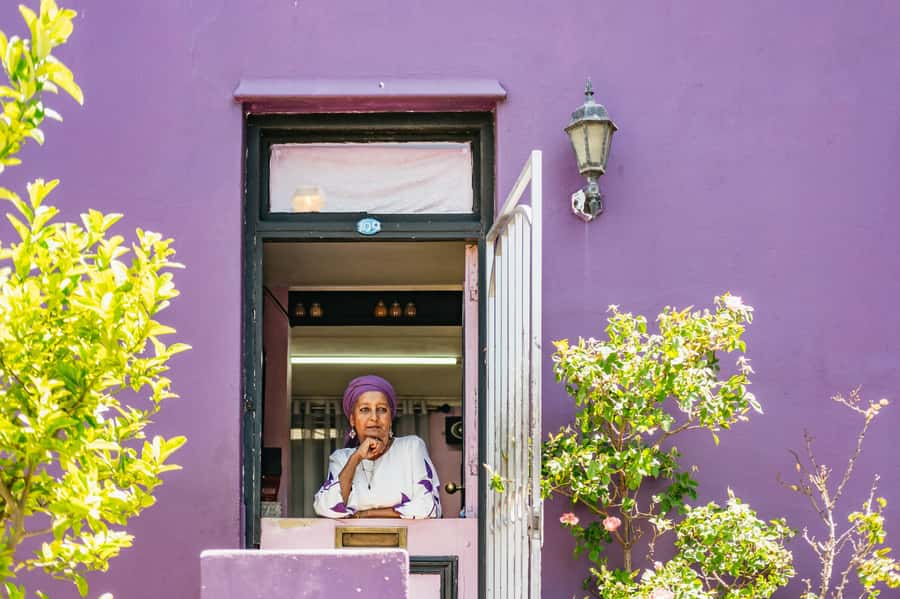
- Cook in Bo-Kaap: The class takes place in a local home at 109 Wale Street, among the neighborhood’s famous colorful houses.
- Learn from Faldela: Expect a warm, funny English-speaking instructor who explains both cooking methods and the uses of different spices.
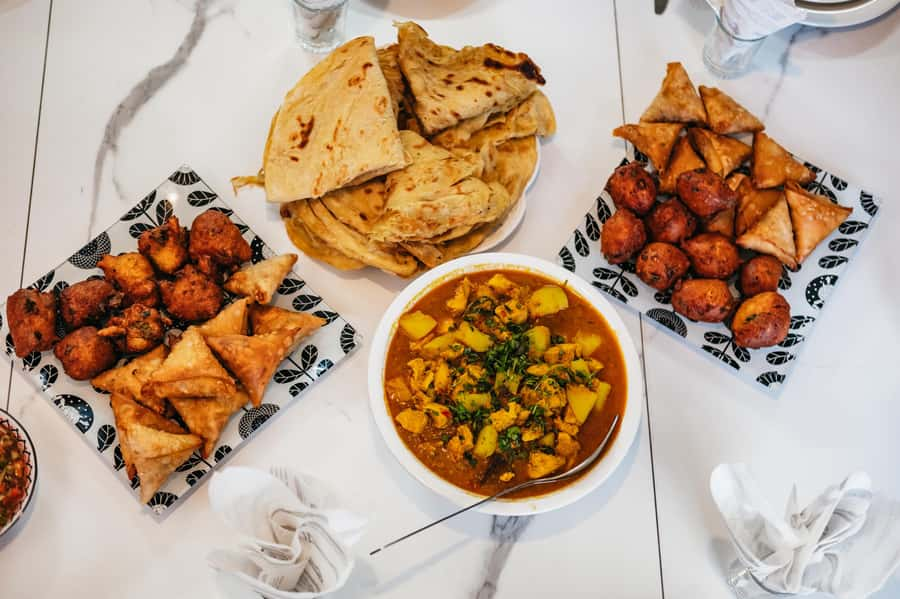
- Make a full meal: Dishes can include Cape Malay curry, stews, rotis, samosas, salads, juice, and dessert.
- Eat what you prepare: Lunch and soft drinks are included, so come ready for a substantial meal.
- Good for beginners: You do not need previous cooking experience, and dietary needs have been accommodated.
- Simple city logistics: Transportation and alcohol are not included, but the meeting point is central to the Bo-Kaap visit.
Why this Bo-Kaap cooking class feels different
Many food activities give you a plate and a quick explanation. This one gives you a place at the kitchen counter. You spend about two and a half hours with a local cook, working through the ingredients, hearing family stories, and eating the food at the end.
That matters in Bo-Kaap. The neighborhood is known for its pink, orange, blue, and other brightly painted homes climbing the lower slopes of Signal Hill. You get time to see the streets and take photographs, but the focus remains the home kitchen rather than a long walking tour.
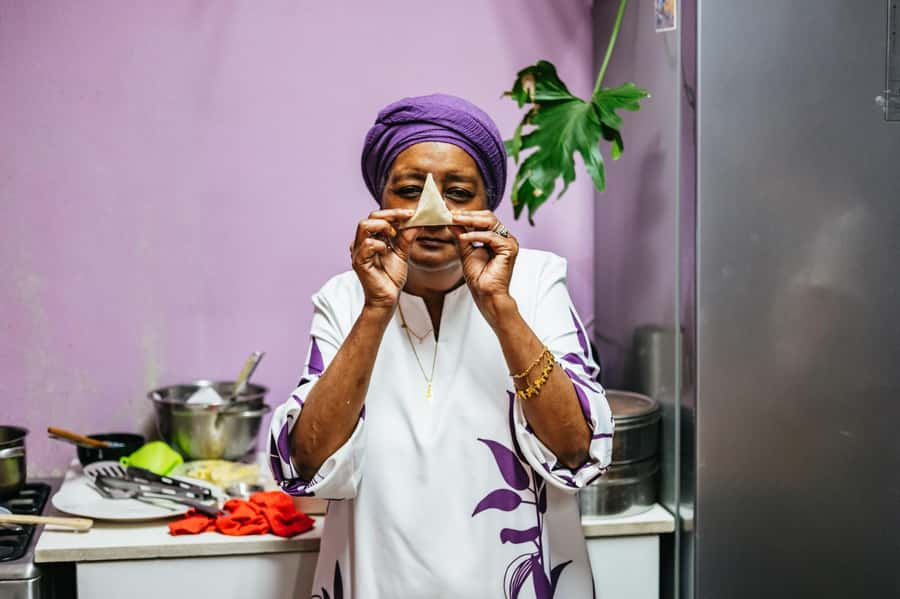
Faldela is the heart of the experience. Her teaching style is relaxed and humorous, with plenty of conversation along the way. You can expect her to explain why a spice is used, not just tell you to add it. Several accounts also describe her remembering names, asking about people’s backgrounds, and making the room feel more like a family kitchen than a formal classroom.
That personal contact is the real reason to choose this activity. You are not simply learning a recipe. You are hearing how food connects to heritage, community, health, and everyday life in Cape Town.
Other city landmarks to book in Cape Town:
- Cape Town: Cape of Good Hope & Penguins Day Tour with Pickup
★ 4.7 · 3,362 reviews - Zipline Cape Town – From Foot of Table Mountain Reserve
★ 5.0 · 3,179 reviews - Cape Town: Table Mountain Cable Car, Hop-On Hop-Off Bus Tour
★ 4.6 · 3,157 reviews
Starting at 109 Wale Street in Bo-Kaap
The meeting point is 109 Wale Street in Schotsche Kloof. This is also where the activity begins and ends, so you do not need to arrange a separate return transfer.
Give yourself enough time to find the address, but do not arrive excessively early. The class takes place in a home, and the host may not be ready to receive people before the appointed time. The practical approach is to aim for the meeting time rather than arriving half an hour ahead.
Bo-Kaap itself adds a lot to the visit. Its brightly painted houses are instantly recognizable, but the neighborhood is more than a backdrop for photographs. The class introduces you to Cape Malay food in the place where that food is part of a living community.
You might want to take photographs before or after the cooking session, while being thoughtful around private homes and residents. The activity is not designed as a full neighborhood history walk, so plan another visit if you want extensive information about the area’s architecture or past.
Cape Malay food and the story behind it
Cape Malay cuisine grew from several strands of Cape Town’s past. The food combines African traditions with influences brought by Malaysian and Indonesian people enslaved by the Dutch during the 17th and 18th centuries.
The result is food built around warm spice, slow cooking, fragrant sauces, and a careful balance of sweet, sour, savory, and hot flavors. It is not simply a hotter version of another curry tradition. The character comes from how the spices are combined and how they are used in home cooking.
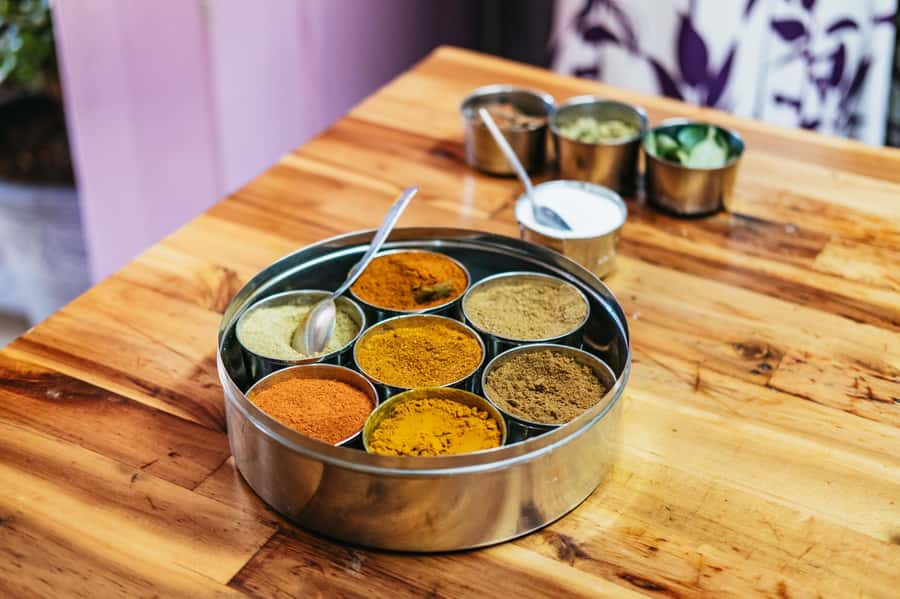
Faldela’s explanations help make those combinations easier to understand. Ginger brings heat and freshness. Fennel and star anise add a sweet, aromatic note. Tamarind brings sourness. Turmeric gives the food its golden color and earthy fragrance.
The class also places food in a wider setting. You hear about the properties and uses of spices, along with stories about local people and family life. That makes the cooking lesson useful even if you do not normally cook. You begin to see why a dish tastes the way it does rather than treating the recipe as a list of fixed measurements.
What you actually cook during the 150 minutes
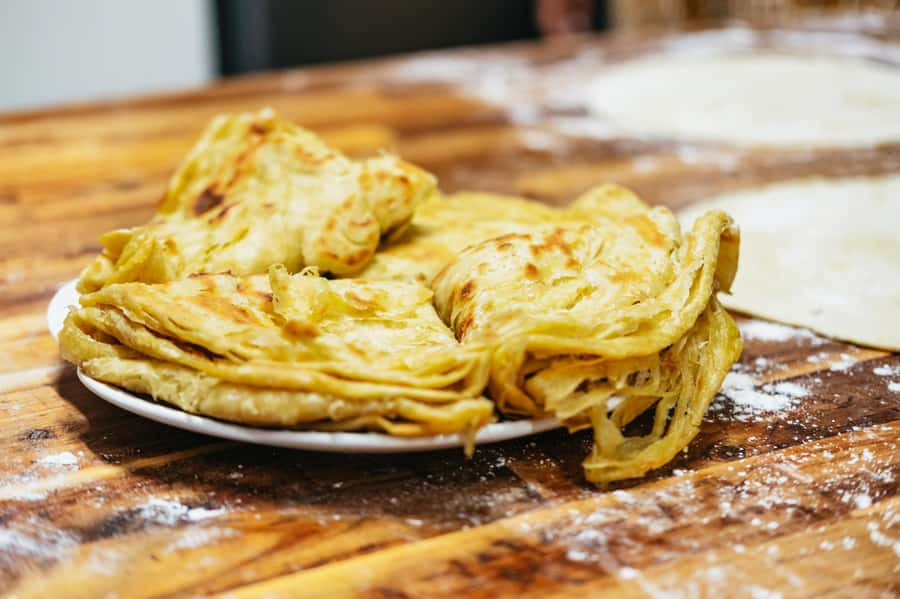
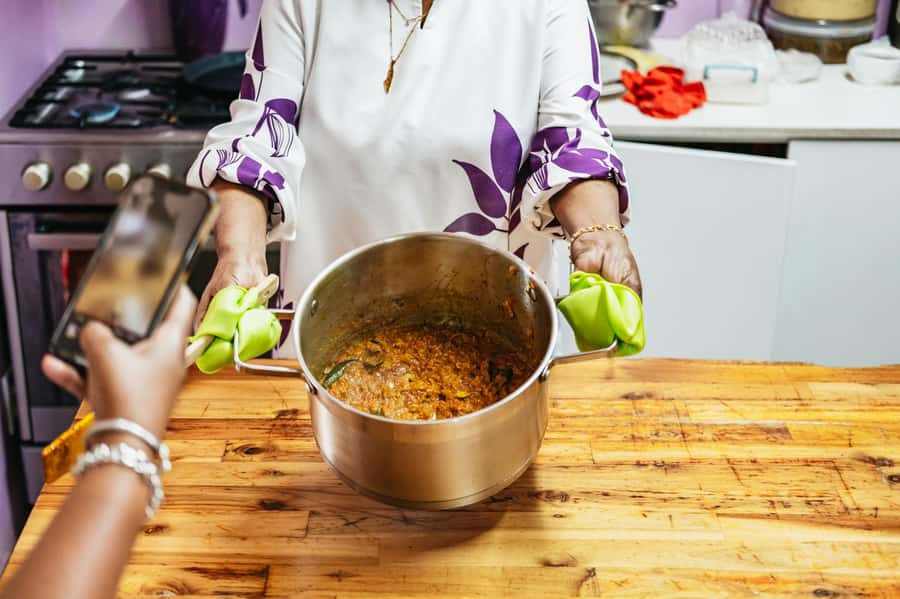
The exact menu can vary, so you should not book expecting one guaranteed dish. The food may include a stew, roast, or sauce-heavy curry, along with side dishes and bread.
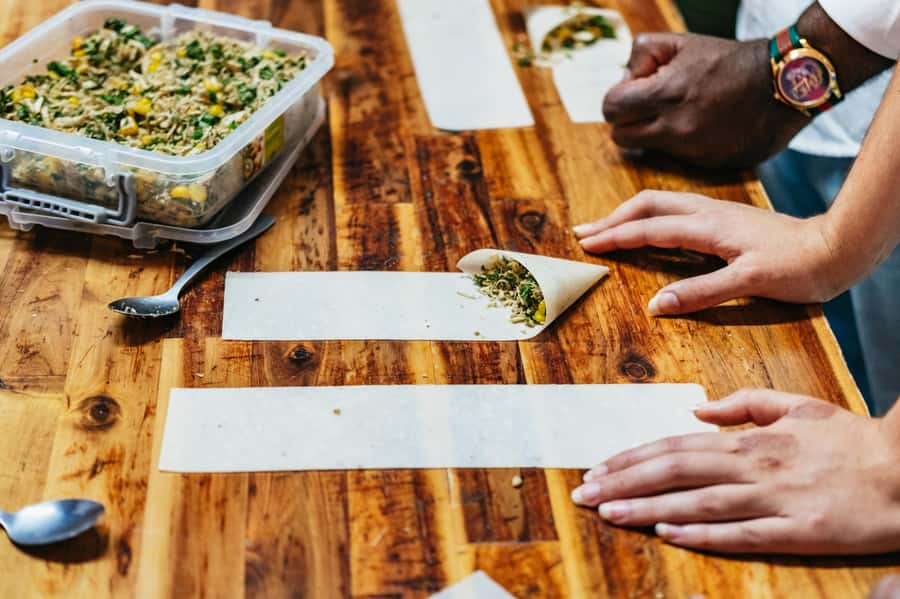
Hands-on work can include combining spices, preparing sauces, shaping rotis, and helping with samosas. Some sessions also include salad, juice, and a dessert treat. The meal is broad enough to feel like lunch, rather than a small tasting plate.
The recipes are approachable for first-time cooks. You do not need to arrive with knife skills or a background in South African food. Faldela guides the group through each stage and keeps the mood light, so mistakes do not become a problem.
The group format has both strengths and limits. It encourages conversation, and people from different countries and age groups often cook and eat together. It is easy to meet others when everyone is working toward the same meal.
On the other hand, a larger class can reduce individual cooking time. You may help with one part of a dish and watch another part being prepared. If you want detailed, private instruction on every technique, this is not the right format. If you want an informal social class with a local host, the shared setup works well.
More cooking in Cape Town:
- Cape Town: Cape Malay Cooking Class in Bo-Kaap
★ 4.8 · 120 reviews - Cape Town: Bo-Kapp Walking Tour and Malay Cooking Class
★ 4.7 · 105 reviews - Marrakech: Moroccan Cooking Class with Pickup
★ 4.6 · 1,862 reviews - Marrakech: Traditional Moroccan Cooking Class & Market Visit
★ 4.8 · 1,861 reviews
The spices are the lesson
The most useful part of the class may be the explanation of the spice cabinet. Cape Malay food depends on layering flavor, and Faldela takes time to explain what each ingredient contributes.
Turmeric is especially important. It gives the food a deep yellow color and a warm, earthy taste. Ginger sharpens the mixture. Star anise and fennel add sweetness and fragrance, while tamarind supplies a sour edge that keeps rich sauces from feeling heavy.
You may also hear about ways spices are used beyond flavoring food. Several accounts describe Faldela discussing their traditional or practical uses, which gives the class a wider household context.
This is where the activity offers more than a restaurant meal. At a restaurant, you can taste the finished curry. Here, you learn how the flavor is built. That knowledge travels home with you, especially if you stop at an Indian or international grocery store later and try to recreate the dishes.
Sitting down to lunch in a local home
After the preparation, everyone sits down to eat the meal made during the class. Lunch is included, as are soft drinks. The shared table is an important part of the experience because it lets you taste the results while the instructions are still fresh.
Expect generous portions rather than a quick snack. The food can include several dishes, and the meal is designed to leave you satisfied. Come hungry, but do not assume alcohol will be available. Alcoholic drinks are not included, and alcohol and drugs are not allowed during the activity.
The lunch also gives you time to talk with the host and the rest of the group. The social side is not an extra feature added after the cooking. It is part of how the class works. You learn about Cape Malay food while discussing Cape Town, family, travel, and everyday life.
Recipes may be shared after the class. That is a useful touch for anyone who wants to cook the food again, though the success of your first attempt at home will depend on finding the right spices and taking your time with the sauces.
How much value you get for $49
At $49 per person, this is not the cheapest way to eat lunch in Cape Town. It is also more than a short market tasting. You are paying for 150 minutes of instruction, ingredients, kitchen equipment, a chef instructor, lunch, soft drinks, and time inside a local home.
I think the price is reasonable if you value contact with a local person and want to learn something you can use later. A restaurant meal gives you food for one sitting. This class gives you food, a cultural introduction, and recipes that may continue to be useful after the trip.
The value is strongest for solo visitors and couples who want an activity with a social element. It also works well for friends and families, especially if some people in the group are new to cooking. Children’s suitability is not specified, so families should confirm before booking rather than assume the class is designed for young children.
The price is less compelling if you mainly want to photograph Bo-Kaap or eat Cape Malay food without participating. In that case, a restaurant visit and a walk through the neighborhood may fit better. The class earns its cost through the time spent with Faldela, not simply through the meal.
Who should book this experience
I would choose this class if you want a close look at Cape Malay culture without committing to a full-day excursion. It fits neatly into a Cape Town schedule and returns you to the same central meeting point after lunch.
It is especially suitable for:
- First-time cooks who want clear, friendly instruction
- Solo visitors who would like an easy way to meet people
- Food lovers interested in spice combinations and home cooking
- Visitors who prefer a local home to a polished demonstration kitchen
- Anyone looking for a quieter cultural activity away from major sightseeing stops
- People with dietary requirements who want to discuss their needs in advance
The class is conducted in English. Dietary needs have been accommodated successfully, but you should share your requirements before the session rather than wait until the cooking starts.
Wheelchair access is listed as available. Since the experience takes place in a private home, confirm any specific mobility needs when booking.
A few practical limits to keep in mind
The activity does not include transportation. You are responsible for getting to 109 Wale Street and returning from there. It also does not include alcoholic drinks.
The menu is not fixed in the information provided, so do not book with the expectation of one exact curry or one exact set of side dishes. The point is learning the style of cooking and preparing a meal from the available dishes.
The group size can affect how much you personally handle. In a large group, some work will be shared among participants. That can be good for conversation, but it may feel less satisfying if your main goal is intensive practice.
Finally, the activity is held in a home. That is precisely what makes it personal, but it also means you should expect a relaxed domestic setting rather than a purpose-built cooking school with a formal classroom layout.
Cancellation and booking flexibility
You can cancel up to 24 hours before the activity for a full refund. A reserve-now-and-pay-later option is also available, which helps if your Cape Town schedule is still changing.
Starting times depend on availability, so check the time offered for your date. The class lasts 150 minutes, and the experience begins and ends at 109 Wale Street.
The class is not suitable for pets, smoking, alcohol, or drugs. English is the listed language, and a live guide leads the session.
Should you book the Bo-Kaap cooking class?
Yes, if you want a personal food experience rather than a quick sample of local cuisine. Faldela’s humor, warmth, spice lessons, and home setting give the class its appeal, while the shared meal makes the afternoon feel social and relaxed.
I would skip it only if you dislike group activities, need a guaranteed private lesson, or have little interest in cooking. For everyone else, $49 buys a useful slice of Bo-Kaap life: a local kitchen, a generous lunch, and enough cooking knowledge to try the meal again at home.
FAQ
Where does the Cape Malay cooking class meet?
Meet at 109 Wale Street in Schotsche Kloof, Cape Town. The activity begins and ends at this address.
How long does the cooking class last?
The class lasts 150 minutes, or two and a half hours.
What is included in the price?
The price includes the cooking class, ingredients, equipment, chef instructor, lunch, and soft drinks.
Is transportation included?
No. Transportation to and from 109 Wale Street is not included.
Is the class taught in English?
Yes. The live guide and cooking instruction are provided in English.
Is the activity wheelchair accessible?
Yes. The activity is listed as wheelchair accessible.
Can I cancel for a refund?
Yes. You can cancel up to 24 hours in advance for a full refund.
Just added in Cape Town
- Cape Town: The Cape Point Instagram Small Group Tour★ 4.4 · 122 reviews
- Cape Town: Tandem Paragliding Flight with the Experts★ 4.7 · 280 reviews
- From Cape Town: Stellenbosch Four Estate Full-Day Wine Tour★ 4.8 · 266 reviews
- Stellenbosch: Half-Day Wine Tour★ 4.7 · 601 reviews
- Cape Town: Garden Route and Addo Elephant Park 6-Day Safari★ 4.7 · 175 reviews
- From Cape Town: Glass-Bottom Boat Seal Watching Tour★ 4.4 · 147 reviews
- Cape Town: Guided Township Tour with Hotel Pickup★ 4.4 · 536 reviews
- From Cape Town: Hermanus Whale Watching Boat Trip★ 4.4 · 378 reviews
Table Mountain & Cape Town Highlights, compared.

Cape of Good Hope & Penguins Day Tour with Pickup
Read our review →
Zipline Cape Town – From Foot of Table Mountain Reserve
Read our review →
Table Mountain Cable Car, Hop-On Hop-Off Bus Tour
Read our review →
Cape Point and Boulder’s Penguins Full Day Tour
Read our review →
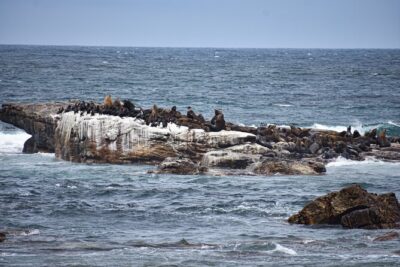
Cape of Good Hope & Boulder Penguins Full-Day Tour from Cape Town
Read our review →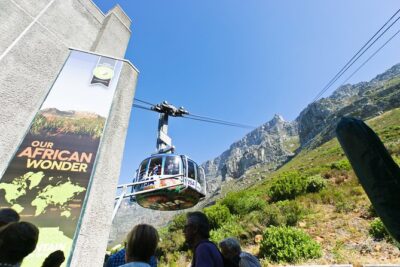
Table Mountain, Penguins & Cape Point Small Group Tour Cape Town
Read our review →
Robben Island Ferry Ticket and Guided Prison Tour
Read our review →Browse the lists this tour appears in