

Reviewed · SOUTH AFRICA · TOURS IN JOHANNESBURG
Johannesburg and Soweto: Half-Day Tour
Johannesburg’s sharp contrasts come into view quickly on this five-hour city and Soweto tour. You move from broad freeways and high-rise buildings to the streets of a township shaped by apartheid, protest, music, family life, and political change. The most powerful stops are Hector Pieterson Memorial and Mandela’s House, where South Africa’s recent past feels close and personal.
I like the way the tour connects the city center with Soweto instead of treating them as separate sights. I also like the hotel pickup, bottled water, and vehicle transport, since Johannesburg is spread out and not a simple city to cover on foot. The main consideration is pace: five hours gives you a strong overview, but not much unhurried time at every stop.
Key points at a glance
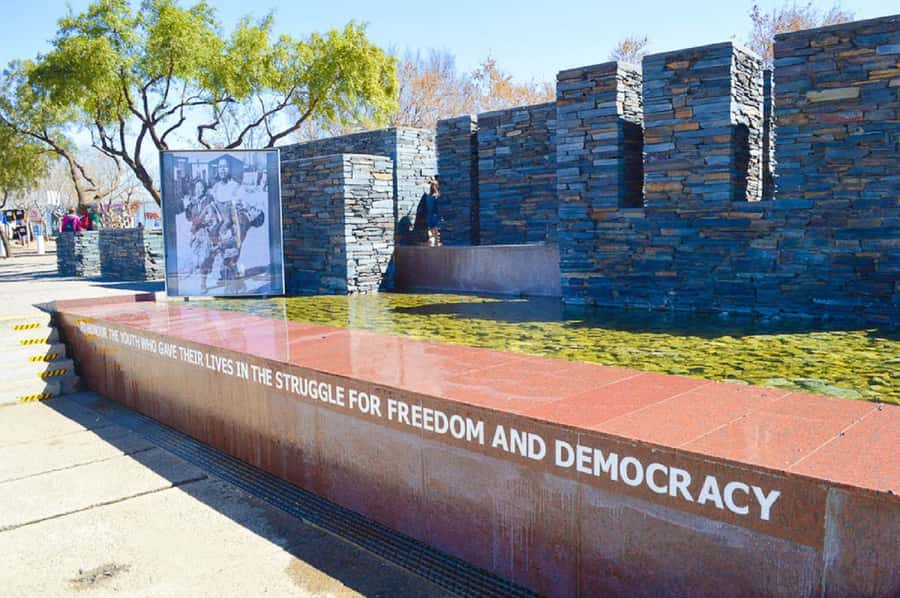
- Hector Pieterson Memorial: Learn about the 1976 youth uprising, one of the defining moments in the struggle against apartheid.
- Mandela’s House: Enter the former home of Nelson Mandela on Vilakazi Street, with a separate museum guide adding useful detail.
- A sharp change of scenery: See Johannesburg’s major roads and tall buildings before entering Soweto’s very different neighborhoods.
- Stories from strong local guides: James, Samuel, Pascal, Vincent, Laureen, and others are praised for clear explanations, patience, and care.
- Important landmarks from the vehicle: Pass the Soweto cooling towers, Baragwanath Hospital, FNB Stadium, and the homes associated with Desmond Tutu and Winnie Mandela.
- Good short-stay value: At $71 per person, the tour bundles transport, guiding, and Mandela’s House entry into one compact outing.
From Johannesburg’s freeways to Soweto’s streets
The tour begins with pickup from your Johannesburg hotel or a nearby surrounding area. You travel in a comfortable vehicle with a driver-guide, which matters here because the city’s sights are spread across a wide area. You are not spending your limited time figuring out routes or arranging separate rides between Johannesburg and Soweto.
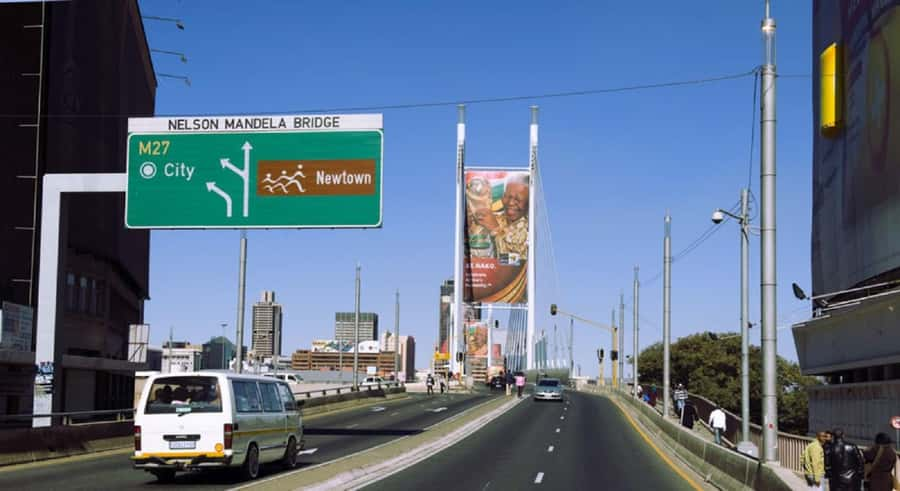
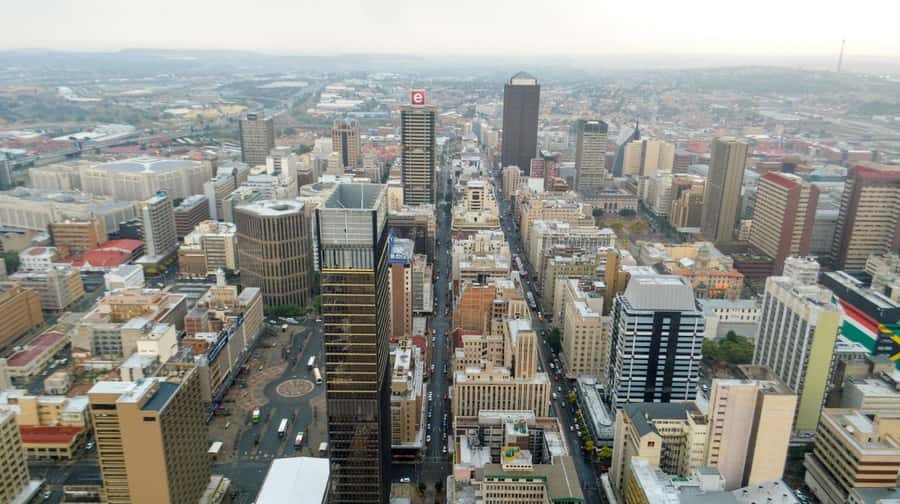
The first part of the route takes you through southern suburbs and along spacious freeways. Sleek cars and large roads give you one view of modern Johannesburg. Soon, the tall buildings of the city center come into sight. Many of these towers were built during the apartheid era, and your guide uses the drive to explain how the city developed and how its different districts connect.
This is not a walking tour of downtown. You mainly see the city from the vehicle, with commentary along the way. That makes the experience practical for a first visit, but you should not expect long stops at every building or a detailed architectural tour.
I like this opening because it gives you a useful frame for Soweto. You first see the formal, high-rise side of Johannesburg, then watch that setting change as the vehicle heads southwest. The contrast is not presented as a simple rich-versus-poor story. The guide can help you understand how work, housing, segregation, migration, and political control shaped the city.
Other cultural tours in Johannesburg:
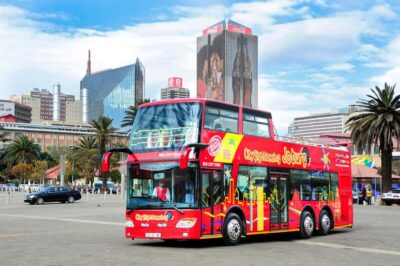
- Johannesburg: Hop-On Hop-Off Bus with Optional Soweto Tour
★ 4.6 · 985 reviews - Soweto /Johannesburg and Apartheid Museum Guided Full Day Tour
★ 5.0 · 932 reviews - Johannesburg Hop-On Hop-Off City Tour with Soweto Option
★ 4.5 · 768 reviews
Entering Soweto and seeing the cooling towers
As you enter Soweto, the view changes quickly. The tour passes two huge cooling towers that once helped generate power for the township. They are now commonly used for bungee jumping, giving these industrial structures a second life as a well-known landmark.
You see the towers from the vehicle rather than taking part in a jump. They are a good visual marker for the transition into Soweto, and they also make an important point about the area: places built under an unequal system can later become part of recreation, local identity, and tourism.
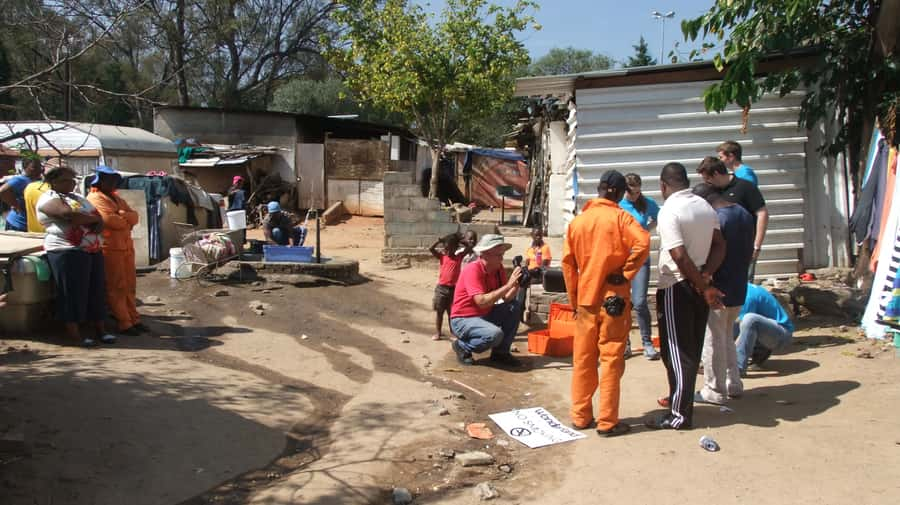
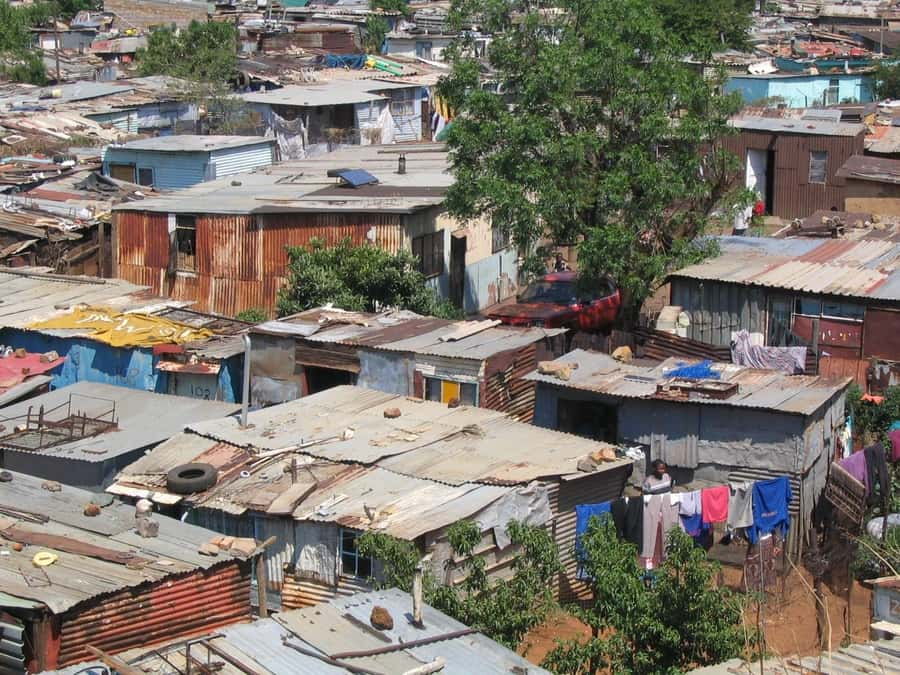
The route continues through Soweto for general sightseeing. You may see different types of neighborhoods, an informal settlement, Baragwanath Hospital, and ordinary scenes of local life. The experience is strongest when you treat this part as more than a drive past poverty. Soweto is a lived-in place, not an open-air exhibit. Your guide’s explanation helps you notice how varied the township is and how residents have built homes, businesses, and communities under difficult conditions.
One useful feature of this tour is the chance to ask questions while you are moving between stops. Guides such as James, Samuel, Pascal, Vincent, and Laureen are repeatedly praised for explaining both historical events and present-day conditions in plain language. Several also made a point of keeping people comfortable and alert to safety, which is especially helpful if Johannesburg is new to you.
Still, keep your expectations sensible. This is a sightseeing route by vehicle, not a visit inside an informal settlement or a community project. You should show respect, avoid treating people as scenery, and follow your guide’s instructions about where to stop and when photography is appropriate.
Hector Pieterson Memorial and the 1976 uprising
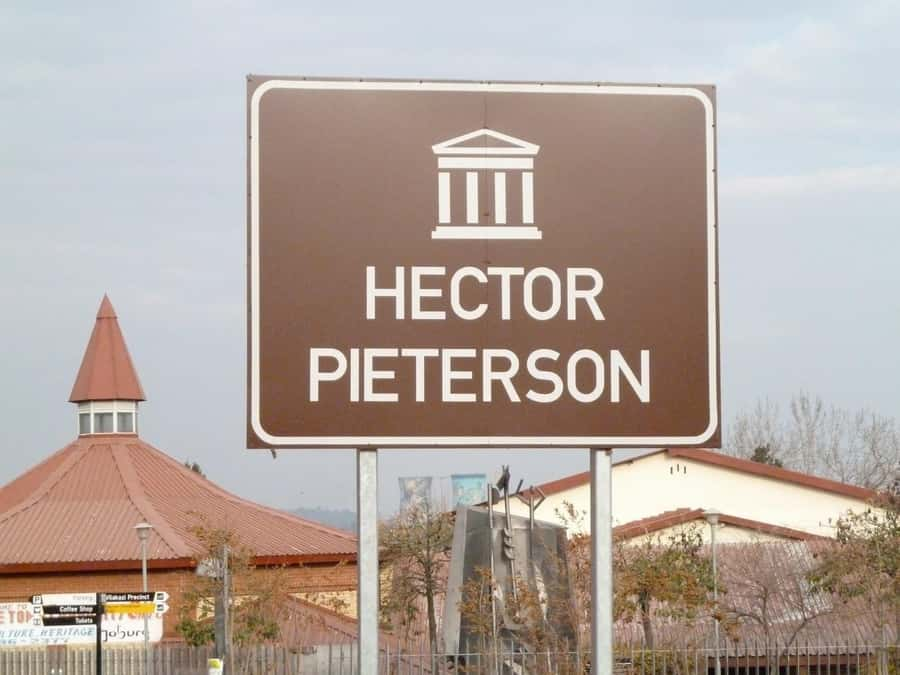
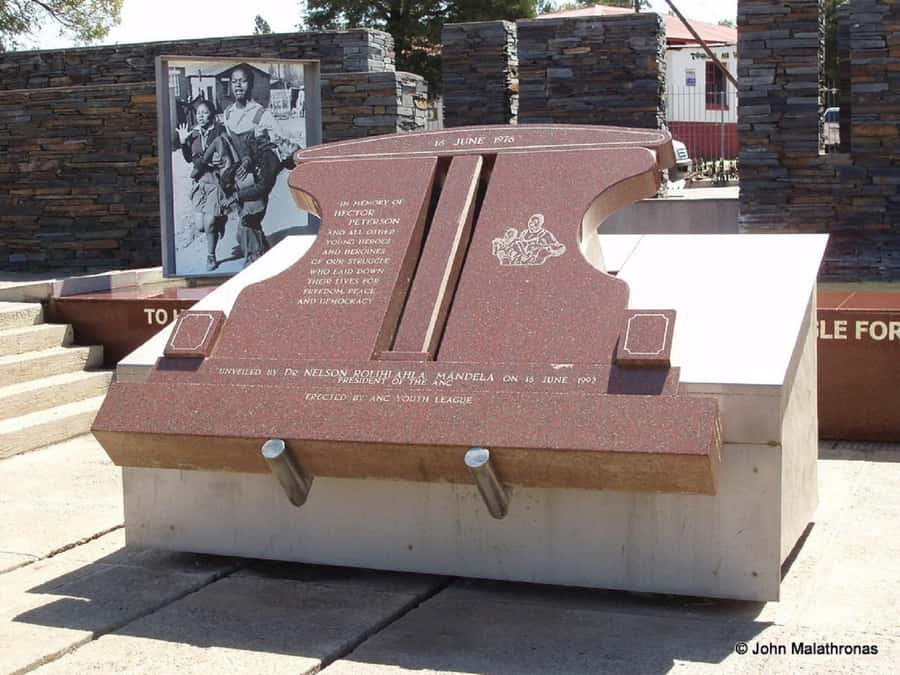
The visit to Hector Pieterson Memorial is the emotional center of the tour. The memorial recalls the youth uprising of 1976, when students in Soweto protested against the apartheid government’s education policies. The death of Hector Pieterson became an international symbol of the violence used against young protesters.
Your guide sets the event within the wider struggle against apartheid. That context is important. Without it, the memorial can seem like a single tragic story. With an explanation of the political system, the protest movement, and the role of school students, the site helps you understand why Soweto became such a powerful symbol of resistance.
Allow yourself some quiet time here. The tour schedule may not provide as much time as you would choose for every display, and one past participant specifically wished for 30 to 60 minutes at the memorial site. If you like museums and historical exhibits, you may find this stop too brief. If you want a broad overview of Johannesburg in one morning or afternoon, the shorter visit keeps the rest of the itinerary moving.
The subject matter is serious, but the tour is not designed to leave you with only an image of suffering. The guide’s role is to explain the courage, organization, and political force behind the uprising. That balance is one of the best reasons to choose a guided visit rather than simply driving through Soweto alone.
Mandela’s House on Vilakazi Street
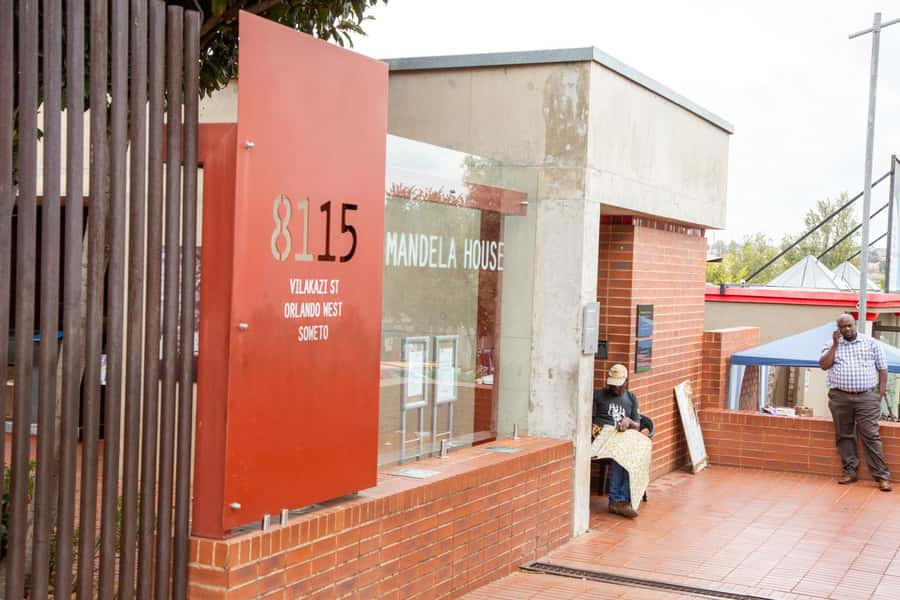
From the memorial, you continue to Vilakazi Street and Mandela’s House Museum. Nelson Rolihlahla Mandela lived here, and the house is now one of Soweto’s most important historic sites. It is also closely associated with the wider story of South Africa’s move from apartheid toward democracy.
Inside, you learn about Mandela’s life and the period when the house was his home. The entrance is included in the tour price, and the museum has its own guide. That second layer of explanation is useful because your vehicle guide can set up the wider story, while the museum guide can focus on the house, its objects, and Mandela’s personal connection to the area.
Vilakazi Street is notable for its political importance and for the sense of ordinary neighborhood life around a major historic address. The tour also gives you views of the former homes associated with Desmond Tutu and Winnie Mandela. These landmarks help you see that Soweto’s political story was not built around one person alone.
You may find street performers around Mandela’s House, so carrying a little cash is sensible if you want to tip. Tips are not part of the stated tour price, and you should treat them as optional. The tour includes bottled water, but lunch and personal spending are not included.
I would not choose this experience if you want a long, quiet museum visit with time to read every display. I would choose it if you want the essential context, a historic home, and a guide who can connect the house to the people and events around it.
A few more things to do in Johannesburg worth a look
- Half-Day Tour of Soweto Tour
★ 4.5 · 712 reviews - From Johannesburg: Lion & Safari Park Half-Day Tour
★ 4.6 · 384 reviews - Johannesburg: Half-Day Soweto Tour with a Local Guide
★ 4.8 · 110 reviews - Johannesburg: Soweto & Apartheid Museum Half-Day Tour
★ 4.9 · 99 reviews
The return route and FNB Stadium
After the Soweto visits, you return to the vehicle for the trip back to your hotel. The route includes a view of FNB Stadium, also known as Soccer City or The Calabash. It hosted the opening and closing matches of the 2010 World Cup finals, giving the return journey a link to a more recent chapter in South African public life.
The stadium is a drive-by sight, not a stadium tour. That distinction matters if football is a main reason for booking. You will see the building and hear its significance, but the experience does not include a match, stadium entry, or guided visit inside.
The return journey also gives you time to think about the two parts of Johannesburg you have just seen. The route has moved from office towers to historic protest sites, from major sporting infrastructure to township streets. In five hours, you get an introduction rather than a final answer, which is exactly what a first-day city tour should provide.
What the guides add to the experience
The guide can make or break this tour. The strongest feedback centers on guides who explain clearly, answer questions without rushing, and take care with personal comfort. James is praised for his extensive explanations and for adapting the route when possible. Samuel is noted for his friendly manner and broad knowledge of Johannesburg and Soweto.
Pascal is repeatedly described as passionate and professional, while Vincent is praised for bringing the city’s past and present together. Laureen is credited with explaining the differences between neighborhoods while also presenting Soweto’s courage and resilience. Other guides named in the feedback include Marc, Patrick, Adama, Lilo, and Sam.
You cannot necessarily request a specific guide, so I would treat these names as examples of the standard you should hope for, not a promise of assignment. The available guide may speak English, French, or Portuguese. If language is important to your booking, check availability before confirming.
The best guides do more than recite dates. They explain why a freeway, tower, memorial, hospital, or home matters. They also help you ask better questions. Many visitors arrive with a simple picture of Johannesburg as dangerous or divided. A careful guide can replace that one-dimensional view with something more accurate: a large, complicated city where wealth, unemployment, crime, political memory, and ordinary daily life exist side by side.
Is $71 a fair price?
At $71 per person, the value is strongest if you have only a short time in Johannesburg or do not want to arrange transport between scattered sights. The price includes hotel pickup and drop-off, a driver-guide, vehicle transport, bottled water, a map, and entry to Mandela’s House. You also receive a guided route through central Johannesburg and Soweto, with several landmarks included along the way.
The tour does not include lunch, personal expenses, or luggage handling. Do not bring luggage, even if you are trying to fit the tour between hotels or flights. This is an excursion for a small day bag at most, subject to the operator’s instructions.
A private vehicle experience is not explicitly promised, so do not book assuming you will have a private tour. The feedback does indicate that some groups felt the outing was personal and that guides sometimes spent longer than the planned five hours. That extra time should be seen as a pleasant possibility, not something to schedule around.
Compared with booking separate transport, a guide, and museum entry, $71 is reasonable for a tightly planned introduction. The value drops if you already have a car, a local guide, or several full days to explore at your own speed. In that case, you may prefer longer visits at the memorial and museum.
Who should book this Johannesburg tour?
I would recommend it for first-time visitors, short-stay visitors, and anyone who wants a clear introduction to Johannesburg’s political past. It suits people who prefer to learn through conversation rather than navigate a large city alone.
It is also a good choice if safety and transport planning are concerns. The vehicle takes you between districts, and the guides make an effort to keep people comfortable. That does not mean you should ignore normal city awareness, but you are not left to work out the route yourself.
Families with older children and teenagers may find the 1976 uprising especially meaningful, provided they are ready for serious subject matter. History-minded visitors will get the most from the memorial and Mandela’s House. Architecture fans and football followers will enjoy the city towers, cooling towers, and FNB Stadium, though these are viewed mainly from the vehicle.
I would look elsewhere if your priority is shopping, food, nightlife, or a long walking tour. I would also avoid packing the day too tightly afterward. Pickup times, traffic, and the emotional weight of the memorial can make this feel like a full half day.
Practical advice before you go
Wear comfortable clothing and shoes for short visits in and around the stops. The tour includes bottled water, but lunch is not provided, so plan your meal before or after the outing.
Bring some cash if you want to tip the museum’s student guide or street performers around Mandela’s House. Keep your valuables secure and follow the guide’s advice about photography and where to walk.
The tour offers free cancellation up to 24 hours before departure and allows you to reserve now and pay later. Starting times vary, so check availability when booking. Hotel pickup is included from Johannesburg and surrounding areas, but confirm that your accommodation falls within the pickup zone.
Most important, arrive ready to listen. Soweto is not just a stop for photographs. The value of the tour comes from understanding why these streets, homes, schools, memorials, and public buildings matter.
Should you book it?
Book this tour if you want the main Johannesburg and Soweto story in one well-organized five-hour outing. The strongest reasons are the combination of city and township views, entry to Mandela’s House, the Hector Pieterson Memorial, and guides who explain difficult subjects with care.
Think twice if you need long, independent visits or want to explore at a slow museum pace. The schedule is compact, and the memorial stop may feel short. For most first-time visitors, though, $71 buys a useful overview and removes much of the difficulty of moving between Johannesburg’s widely scattered sights.
FAQ
How long does the Johannesburg and Soweto tour last?
The tour lasts five hours, including hotel pickup, sightseeing, visits to key sites, and return transport to your hotel.
What is included in the price?
The price includes hotel pickup and drop-off, a comfortable vehicle, a driver-guide, bottled water, a map, entry to Mandela’s House, a visit to Vilakazi Street, and a visit to Hector Pieterson Memorial.
Is lunch included?
No. Lunch and personal expenses are not included.
Can I bring luggage?
No. The instructions specifically say not to bring luggage. Pack only what is suitable for the tour vehicle and sightseeing stops.
Which languages are available?
Live guiding is available in English, French, and Portuguese. Check the available language when choosing your booking.
Will I visit Mandela’s House?
Yes. Entry to Mandela’s House Museum in Soweto is included, and the visit takes place on Vilakazi Street.
What will I see in Soweto besides Mandela’s House?
The route includes Hector Pieterson Memorial, the Soweto cooling towers, an informal settlement, Baragwanath Hospital, Vilakazi Street, and views of the homes associated with Desmond Tutu and Winnie Mandela.
Will I see FNB Stadium?
Yes. On the return route, you pass FNB Stadium, also called Soccer City or The Calabash, which hosted the opening and closing matches of the 2010 World Cup finals.
Can I cancel the booking?
You can cancel up to 24 hours in advance for a full refund. The experience also offers a reserve-now, pay-later option.
Just added in Johannesburg
- Soweto: Bike Tour with a Local Tour Guide★ 4.7 · 114 reviews
- From Johannesburg: Lion & Safari Park Half-Day Tour★ 4.6 · 384 reviews
- Johannesburg: Soweto & Apartheid Museum Half-Day Tour★ 4.9 · 99 reviews
- Johannesburg: Soweto Apartheid & Township Tour with Lunch★ 4.8 · 80 reviews
- Johannesburg: Street Art and Culture in Maboneng!★ 4.8 · 107 reviews
- Johannesburg: Half-Day Soweto Tour with a Local Guide★ 4.8 · 110 reviews
- Soweto: Hop-On Hop-Off Bus, City Tour and Apartheid Museum★ 4.5 · 250 reviews
- Johannesburg: Maboneng Street Art & Culture Tour★ 4.9 · 257 reviews
Township & Cultural Tours, compared.
Soweto /Johannesburg and Apartheid Museum Guided Full Day Tour
Read our review →
Johannesburg Hop-On Hop-Off City Tour with Soweto Option
Read our review →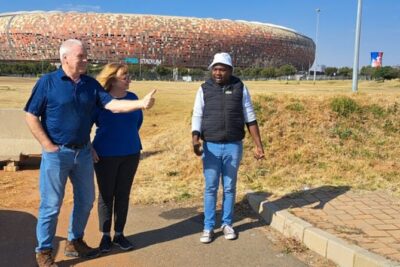

Soweto: Walking Tour with a Local Guide and Lunch
Read our review →

Browse the lists this tour appears in