
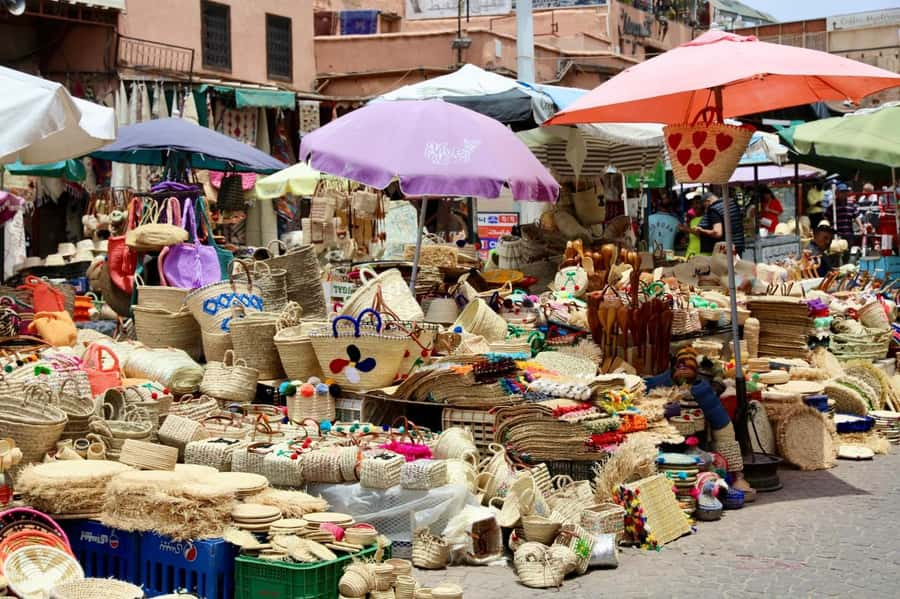
Reviewed · MOROCCO · TOURS IN MARRAKECH
Marrakech: Uncover Hidden Gems on a Half-Day Walking Tour
Marrakech reveals itself best on foot, and this four-hour route takes you from the broad space around Koutoubia Mosque into the tight lanes of the old city. You’ll pass grand gates, palace gardens, working souks, and quiet corners that are easy to miss when you explore alone.
I like the low price, just $18 per person, and the way the walk mixes major sights with everyday Medina life. Guides such as Hassan and Hussain have helped visitors understand local customs, find good food, bargain at the souks, and avoid common scams. The main drawback is that entrance fees are extra, and the route can be tiring or awkward for anyone with limited mobility.
Key points to know before booking
- A useful first-day orientation: The route covers many of Marrakech’s key sights in four hours.
- A guide-led Medina walk: You’ll receive help with directions, history, souk shopping, and local etiquette.
- Koutoubia is viewed from outside: Mosque access is not included, and interior visits are not allowed on this tour.
- Bahia Palace requires an extra fee: The palace and gardens are included in the route, but admission is not included in the price.
- Moroccan tea is included: You’ll stop to share tea with locals, adding a personal touch beyond sightseeing.
- Walking ability matters: The route includes old-city lanes and is not suitable for pregnant women or wheelchair users according to the activity information.
Why this half-day walk works well in Marrakech
Marrakech can feel confusing at first. The Medina is a maze, the souks branch in every direction, and the same-looking lanes can make independent exploring slow. This tour gives you a route through the old city without taking up a full day.
The itinerary also has a sensible rhythm. You begin near the open spaces around Koutoubia Mosque, move through historic gates and palace districts, then spend more time in the Medina. That shift from wide streets to narrow lanes helps you understand how the modern city gives way to the old walled center.
At $18, the tour offers good value if you want orientation, local context, and help finding your way. The price does not include sight admission, drinks, or transport, so you should allow extra money if you plan to enter Bahia Palace or buy refreshments. Still, the guide’s time and the walking route cost less than many private city tours.
The experience is listed as a group tour, with groups larger than 10 split between two guides. Smaller groups may feel more personal, and some departures can be nearly private. One person who booked alone had a relaxed walk with plenty of time for questions, though you should not assume every departure will be private.
Other walking tours in Marrakesh people book:
- Marrakech: Ben Youssef, Secret Garden, & Souks Walking Tour
★ 4.6 · 2,802 reviews - Marrakech: Colorful Medina Souks Guided Walking Tour
★ 4.7 · 2,470 reviews - Marrakech: Medina by Night Walking Tour with Moroccan Tea
★ 4.6 · 586 reviews
Meeting Hassan near Hôtel Islane
The meeting point is directly in front of Hôtel Islane. You need to arrive there yourself, since transfers are not included. This location puts you close to Koutoubia Mosque and the southern side of the old city, making it a practical starting point for a walking route.
Several guides are named in the feedback, including Hassan, Hussain, and El Hassan. Hassan is especially often praised for explaining the city clearly, walking at a comfortable pace, answering questions, and taking time for photographs. The guide assigned to you may differ, but the service offers English, French, and Arabic.
Wear shoes that can handle uneven pavement. The supplied advice lists comfortable shoes and sports shoes, along with sunglasses and a sun hat. That is sensible: four hours on foot in Marrakech can feel long, particularly when the route moves between exposed plazas and crowded lanes.
The pace appears suited to sightseeing rather than a fast march. Guides have made time for photos and explanations, but the schedule covers a lot. If you want a long visit at every monument, this may feel rushed. If you want a strong first look at the old city, the compact format makes sense.
Koutoubia Mosque and Bab Agnaou
Koutoubia Mosque is one of Marrakech’s clearest landmarks. Its tall minaret helps you keep your bearings as you approach the old city, and the surrounding gardens offer a calmer start than the Medina lanes that follow.
You can admire the mosque from outside and walk around its grounds. The mosque itself is not open for an interior visit on this tour. That limitation is important if seeing the inside is a priority, but the exterior remains a worthwhile stop because the building is tied so closely to the city’s identity.
The route also includes Bab Agnaou, a historic gateway connected with the Kasbah. This is a good place for photographs and for seeing how Marrakech’s old defensive and royal districts were arranged. Your guide can give the gate more meaning than a quick stop for pictures alone.
Do not expect a long architectural lecture at every point. Four hours is enough for useful explanations, not a specialist study of Moroccan design. The strongest benefit is having someone connect each site to the streets and neighborhoods around it.
Walking through the Kasbah and Mellah
From the gate, the walk continues through the Kasbah. This area gives you a look at another side of the old city, with lanes that feel more residential and less focused on shopping than the central souks.
You then reach the Mellah, the historic Jewish quarter. A guided visit matters here because the significance of the neighborhood is easy to miss if you only follow the main route. The tour treats the Mellah as part of Marrakech’s layered past rather than simply another set of old streets.
The itinerary describes this section as a visit and walk, so expect time on foot rather than a single formal attraction. The value comes from seeing how different parts of the Medina connect. Your guide may point out details in the buildings, local work, and street life that you would otherwise pass without understanding.
This is also where the walking conditions become more demanding. The old city has narrow passages and uneven surfaces. Keep your bag close, stay aware of people and goods moving through the lanes, and follow the guide when the route becomes crowded.
Other guided walks in Marrakesh:
- Marrakech: Authentic Moroccan Food Walking Tour & Dinner
★ 4.8 · 261 reviews - Marrakech: Monuments, Souks and Medina Guided Walking Tour
★ 4.8 · 208 reviews - Marrakech: Souk by Night Medina Guided Walking Tour.
★ 4.3 · 166 reviews - Marrakech: 3-Hour Monuments, Souks & Old Medina Walking Tour
★ 4.7 · 133 reviews
Bahia Palace and its gardens
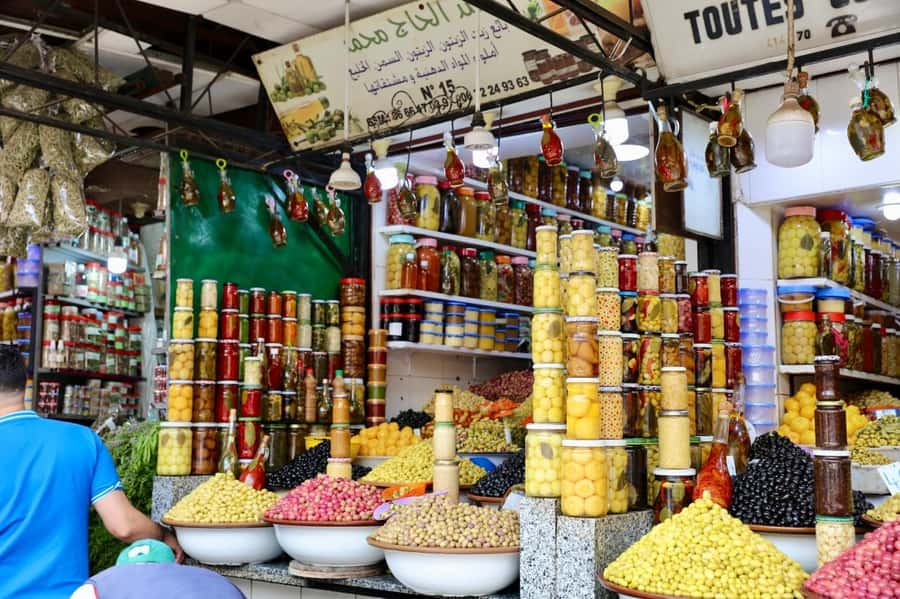
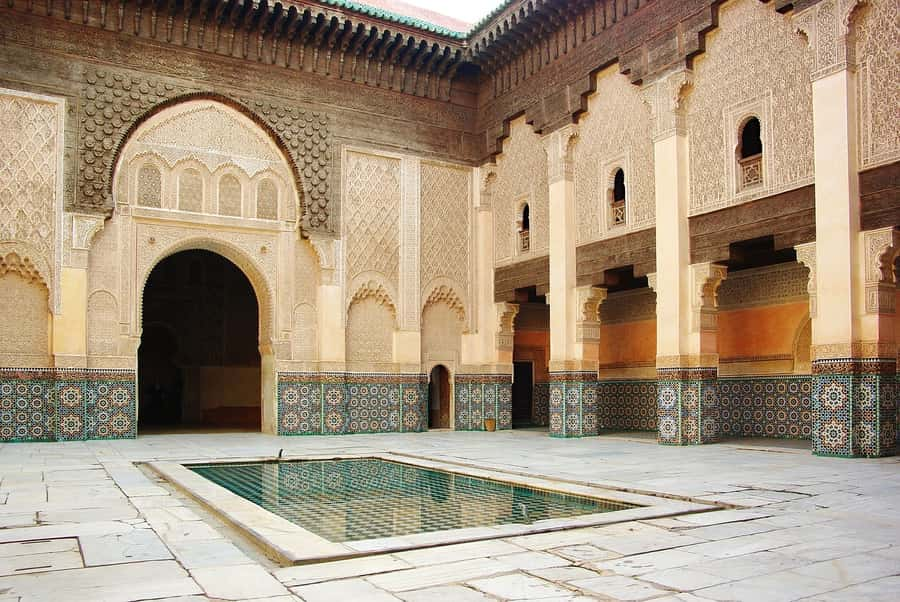
Bahia Palace is the tour’s main formal monument. The 19th-century palace is known for its decorated rooms, courtyards, and gardens, and it provides a welcome change from the tight streets outside.
The guided visit helps you read the building rather than simply wander through it. Look for the contrast between private rooms, open courtyards, and planted spaces. The palace gives you a clearer sense of the design choices used in an elite Moroccan residence.
Admission is not included, so you will need to pay separately at the entrance. This is the most important extra cost to remember when comparing the tour price with the total price of the morning or afternoon.
The itinerary lists both a guided tour and a photo stop here. That suggests a meaningful visit, but time remains limited. If palace interiors are your main interest, you may want a separate return visit, provided you can arrange entry independently. For most people, the stop gives enough context to make the palace more than a quick photograph.
Jemaa el-Fna and the Medina souks
Jemaa el-Fna is Marrakech’s famous central square and one of the most atmospheric places on the route. Its character changes during the day as vendors, performers, traders, and food sellers gather. The square is a place to watch the city at work, not just a monument to check off.
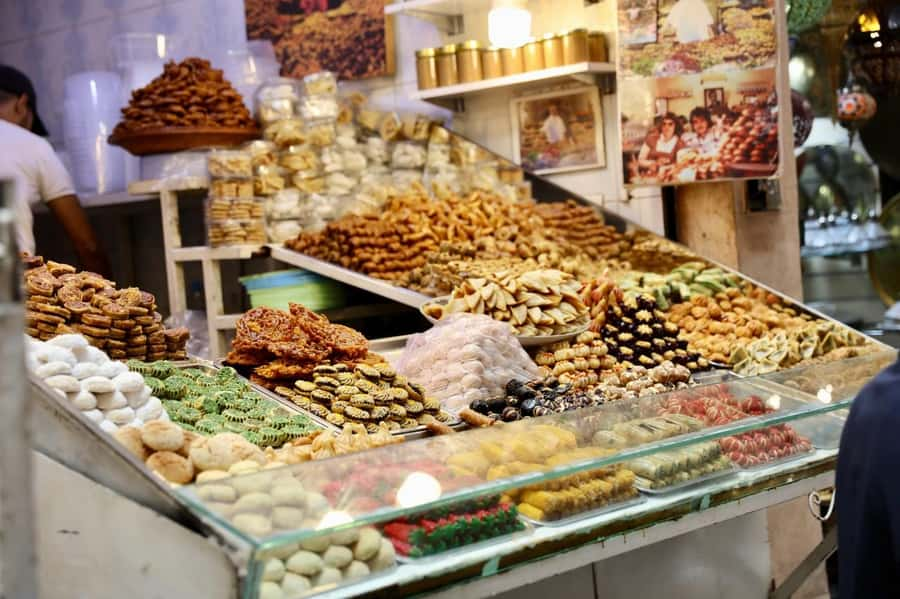
Your guide can help you understand what is happening around you and where to walk safely. You may have the chance to sample street food, though food and drinks are not included. I would treat any tasting as optional and keep small purchases separate from the tour budget.
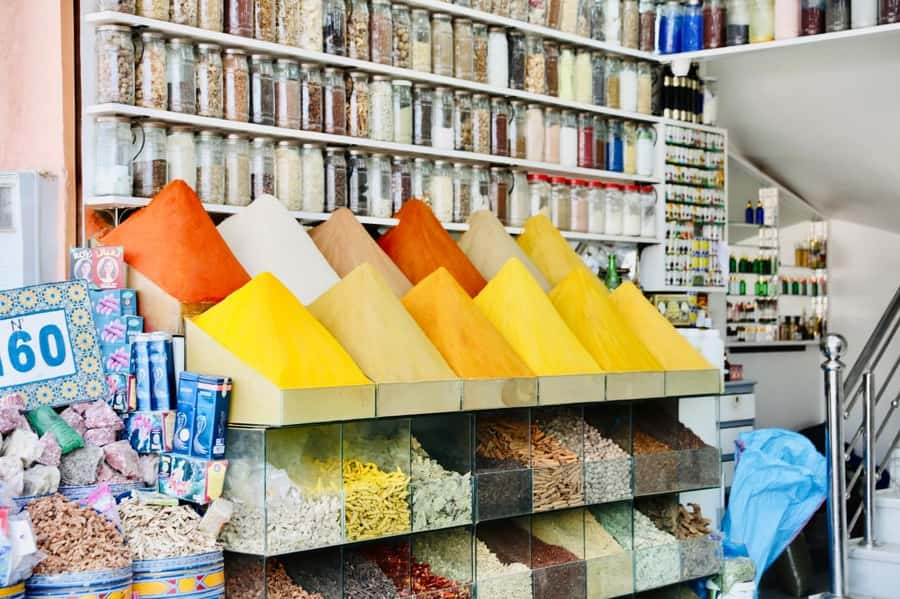
From the square, the route enters the Medina souks. This is where the walk becomes most useful for first-time visitors. The lanes can be difficult to navigate, and shops sell spices, textiles, jewelry, leather goods, carpets, and metalwork. A local guide can show you where different crafts are made and help you understand the difference between browsing and buying.
Several specific experiences add value here. Guides have pointed out places where locals work with iron, leather, and carpets, and they have helped with bargaining. One guide also showed the way to good places for lunch after the walk and gave practical warnings about local scams.
You should still keep your judgment switched on. The tour may include a stop at a herb or oil shop, where a shopkeeper explains spices, herbs, or oils. That can be interesting, but you are not required to buy anything. One person paid far more than expected for oil after being told the price was fixed, so compare prices and bargain politely before agreeing to a purchase.
This is not a shopping tour, but commercial stops can become part of the experience. If you want to buy souvenirs, use the guide’s help as a starting point, then check prices in more than one shop.
A quiet pause at Mouassine Fountain
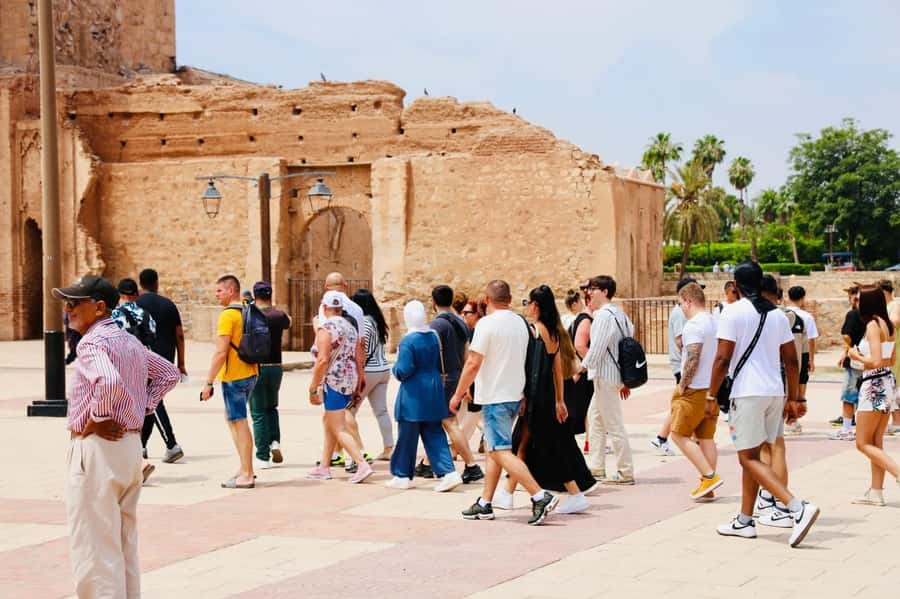
Mouassine Fountain offers a change of pace after the square and souks. In a city known for noise, sales pitches, and constant movement, a historic fountain provides a small pause.
The stop is not presented as a major museum visit. Its appeal is the craftsmanship and the chance to sit or slow down in the middle of the Medina. That short break also gives you time to absorb the route before returning toward Hôtel Islane.
This kind of stop is one reason I prefer a guided walk to a checklist of monuments. You get the grand sights, but you also notice the smaller pieces that make the old city feel lived in. The fountain works as a quiet final note before the tour ends.
The route returns to Hôtel Islane. Since no transfer is included, you finish where you began rather than being taken to your hotel or another neighborhood.
What the guide adds to the experience
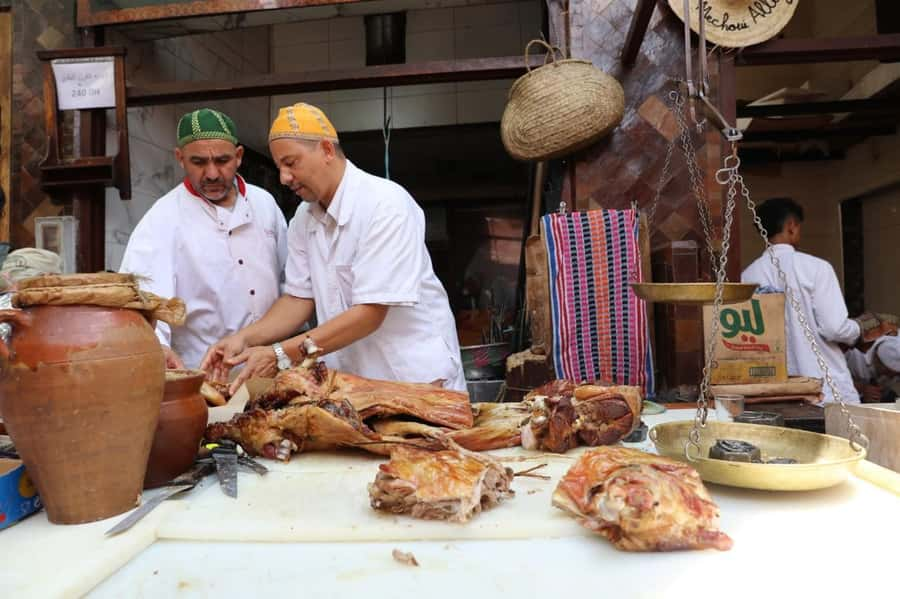
The strongest part of this tour is the human guidance. Hassan is repeatedly described as friendly, patient, clear, and good at explaining Marrakech’s history and culture. Hussain and El Hassan are also named as guides who have provided helpful walks through the old city.
That personal connection matters in the Medina. A map can show you where the souks are, but it cannot explain why a lane matters, how to approach a shop, or which details deserve a closer look. A good guide also gives you confidence when the route becomes crowded or confusing.
The guide may also help with practical questions beyond the formal schedule. Examples include finding traditional food, bargaining for souvenirs, spotting local craftwork, and avoiding scams. These small details can save money and reduce stress during the rest of your stay.
There is one point to keep in mind: guide quality can vary from one departure to another. The strongest feedback centers on Hassan and similar guides who speak good English and take time with questions. You should still view the tour as a guided introduction, not a guaranteed private lecture by one named person.
Price, timing, and who should book
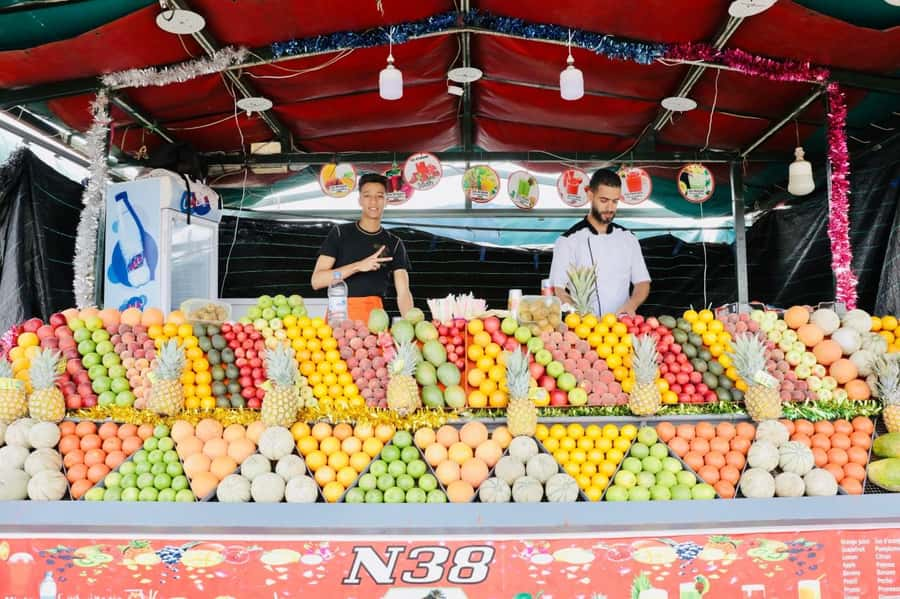
Four hours is long enough to cover the old city’s main sights but short enough to fit beside other plans. It works particularly well on your first day, when you need a map in your head before exploring independently.
The $18 price is attractive, especially if you are traveling on a budget. You receive a licensed guide, a walking route, and Moroccan tea with locals. You do not receive transfers, entrance fees, or drinks, so the final cost depends on what you choose to enter and buy.
I would recommend this for first-time visitors, short-stay visitors, solo visitors who want an easier introduction, and anyone who wants local help in the souks. It also suits people who prefer history mixed with ordinary street life rather than a museum-only tour.
It is a poor match if you dislike walking, need a fully accessible route, or want long, unhurried visits inside each monument. The information says the activity is wheelchair accessible in one place, but it also says wheelchair users and people with restricted mobility may find it unsuitable. Because the route includes old Medina lanes, treat it as unsuitable for wheelchair users unless the provider confirms otherwise directly.
Pregnant women are also listed as not suitable for the activity. Comfortable shoes, sun protection, and a willingness to walk for four hours are essential.
Should you book this Marrakech walking tour?
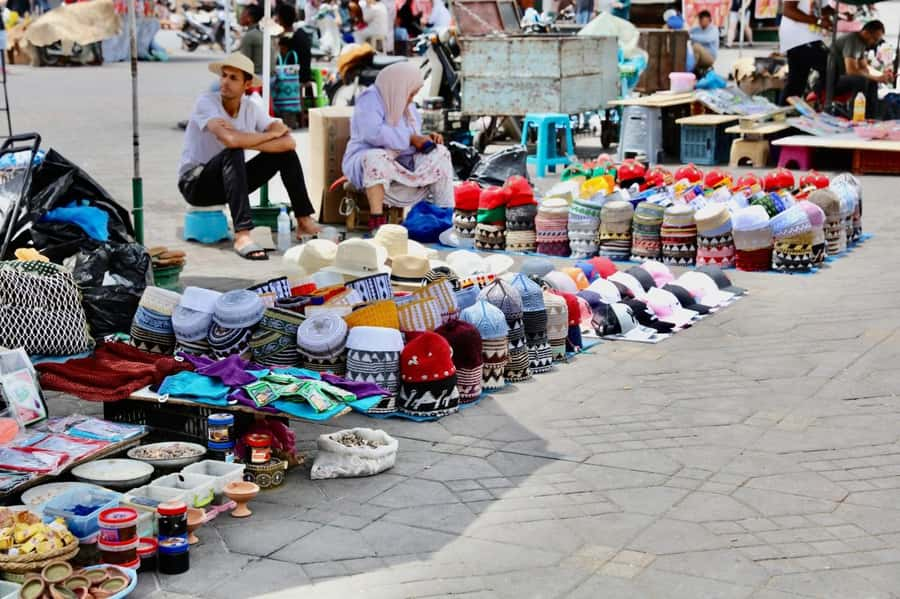
Book it if you want a practical first look at Marrakech for very little money. The route covers Koutoubia Mosque, Bab Agnaou, the Kasbah, Mellah, Bahia Palace, Jemaa el-Fna, the souks, and Mouassine Fountain, while the guide adds the useful local details that maps cannot provide.
Skip it if your priority is mosque interiors, extensive palace time, or a fully accessible outing. Also keep your guard up at shopping stops, especially for oils and herbs, and bargain before you buy.
For most able-bodied visitors with limited time, this is a sensible introduction to the old city. It gives you enough direction to explore more confidently afterward without taking an entire day away from Marrakech.
FAQ
How long is the Marrakech walking tour?
The tour lasts four hours.
Where does the tour begin?
Meet your guide directly in front of Hôtel Islane.
Where does the tour finish?
The walk returns to Hôtel Islane.
What languages does the guide speak?
Guides may conduct the tour in English, French, or Arabic.
Is entry to Bahia Palace included?
No. Entrance fees to the sights are not included, so Bahia Palace admission costs extra.
Can I enter Koutoubia Mosque?
No. The mosque visit is allowed from outside only.
Is Moroccan tea included?
Yes. The tour includes Moroccan tea with locals.
Is the tour suitable for wheelchair users?
The activity information gives conflicting accessibility details. It lists the tour as wheelchair accessible but also says wheelchair users and people with restricted mobility may find it unsuitable. Because the route uses Medina lanes, confirm directly with the provider before booking.
Just added in Marrakesh
- Marrakech: Tailor-Made City Tour With Your Own Private Guide★ 4.9 · 236 reviews
- Marrakech palm grove: Sunset camel ride★ 4.8 · 194 reviews
- Sparkling Marrakech through the eyes of your local Guide★ 4.7 · 247 reviews
- Small-Group Day Trip from Marrakech to Essaouira Mogador★ 4.8 · 211 reviews
- Quad biking in Agafay Desert with lunch & Camel Ride & pool★ 4.5 · 186 reviews
- Marrakech: Historical Discovery Tour★ 4.1 · 87 reviews
- Marrakech: Palm Grove Horseback Riding Tour★ 4.6 · 163 reviews
- From Marrakesh: Ouarzazate & Ait Ben Haddou Day Tour★ 4.5 · 198 reviews
Walking Tours, compared.
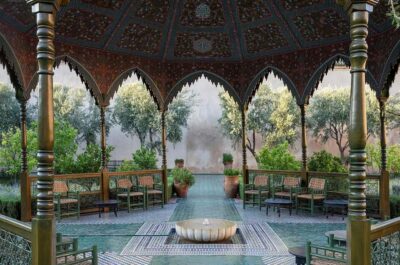
Ben Youssef, Secret Garden, & Souks Walking Tour
Read our review →
Explore Fes: Unforgettable Guided Walking Tour of the Medina
Read our review →

Soweto: Walking Tour with a Local Guide and Lunch
Read our review →
Old Cairo Guided Walk Tour: History, Culture & Street Bites
Read our review →

Browse the lists this tour appears in