

Reviewed · KENYA · TOURS IN NAIROBI
Nairobi: Historic and Modern Highlights Walking Tour
Nairobi’s best introduction may be on foot, where a mosque, colonial-era library, crowded market, modern court, and high-rise tower sit within a compact central route. This three-hour tour links those pieces with local stories, a fruit salad, beginner Swahili, and a final lookout from the KICC helipad. The city itself is the main attraction.
I like the practical help as much as the sightseeing. Your guide can explain where it is sensible to walk, how market prices work, and which souvenir shops use fixed prices. I also like the human touches: a shoe shine, street-style photographs, bottled water, and time for coffee at Java House. Guides such as Jacqueline, Simon, Jeff, Sharon, and Dennis have earned especially warm praise for patience and clear explanations.
The main drawback is pace. You cover many stops in only three hours, and several are seen from the street rather than entered. The KICC entry fee is extra, and this is not a suitable outing for wheelchair users or anyone with major mobility limits.
What makes this Nairobi walking tour worth considering

- A practical first look at central Nairobi: See Jeevanjee Gardens, City Market, Jamia Mosque, the Supreme Court, Parliament Buildings, Holy Family Basilica, and more in one compact outing.
- Food is part of the lesson: Your included fruit salad introduces Kenyan produce and market life, with Nyama Choma sometimes available as an optional taste.
- The guide helps you feel at ease: Expect safety advice, local customs, basic Swahili words, and clear guidance around shopping and city streets.
- Souvenir shopping without the hard sell: The route includes affordable fixed-price shops, plus advice on how bargaining works elsewhere.
- A strong finale at KICC: The rooftop gives you a broad view of Nairobi and helps you understand the city’s different districts.
- Useful extras are built in: Water, WiFi hotspot access, a shoe shine, and a street-style photo add value to the $23 price.
A smart first morning in central Nairobi
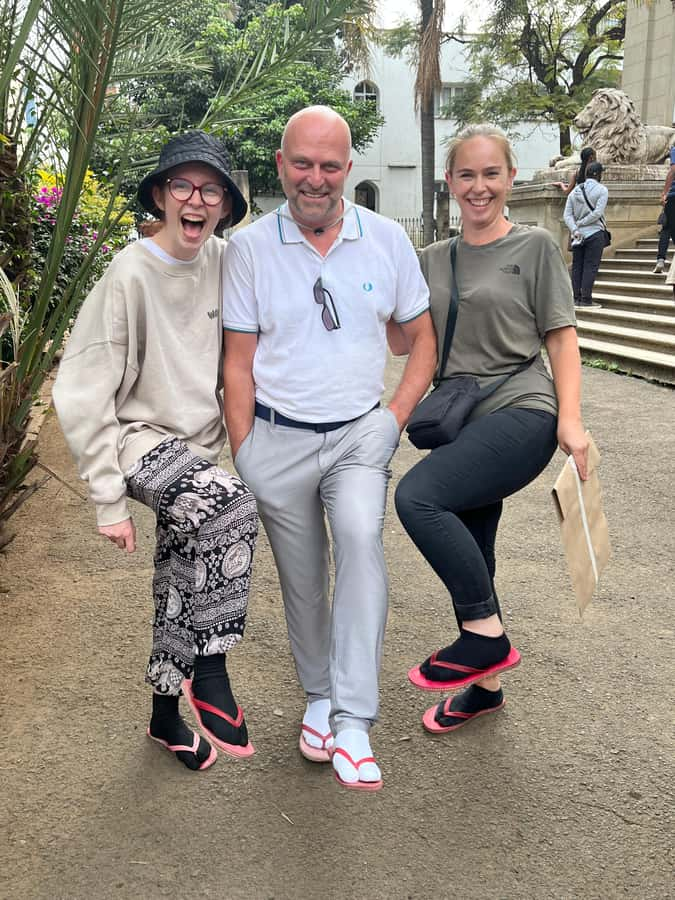
This tour works best as an orientation. You are not simply ticking off monuments. You are learning how Nairobi’s center fits together, how people use public spaces, how business is done, and how the city’s past still shapes its present.
The route begins around Koinange Street, usually at or near CJ’s restaurant if you are making your own way there. The meeting area is described as safe and easy to find, and the guide wears a Happy Tribe cap or shirt. If you arrive by Uber, sit outside the restaurant and ask the guards for help if needed.
Hotel pickup and drop-off depend on the option you choose. If transport is included, wait in your hotel lobby ten minutes before the set time. The operator sometimes arranges and pays for a taxi to the meeting point, including a tip, when collecting everyone directly would slow down the group. Confirm details quickly if you book close to the start time.
The opening safety briefing takes about five minutes. That may sound basic, but it matters in a city center where traffic, crowds, vendors, and unfamiliar side streets can make independent wandering feel uncertain. Several guides, including Simon, Jeff, Sharon, and Dennis, are praised for keeping people comfortable and helping with transport at the end.
Other guided walks in Nairobi:
- Nairobi Downtown Walking Tour
★ 4.7 · 208 reviews - Marrakech: Ben Youssef, Secret Garden, & Souks Walking Tour
★ 4.6 · 2,802 reviews - Marrakech: Colorful Medina Souks Guided Walking Tour
★ 4.7 · 2,470 reviews
Jeevanjee Gardens and the story of a growing city
Jeevanjee Gardens is the first proper stop, with about ten minutes for a guided walk. It gives you an early break from traffic and a chance to hear how Nairobi developed from a railway settlement into Kenya’s capital.
Do not expect a long garden visit. This is a short introduction, not a slow botanical stop. The value lies in the guide’s explanation and in seeing how a public green space sits inside the hard edges of the central business district.
From there, the walk moves toward City Market. Along the way, the guide points out buildings and streets that help connect Nairobi’s older civic core with its modern commercial life.
City Market, fresh fruit, and everyday food culture

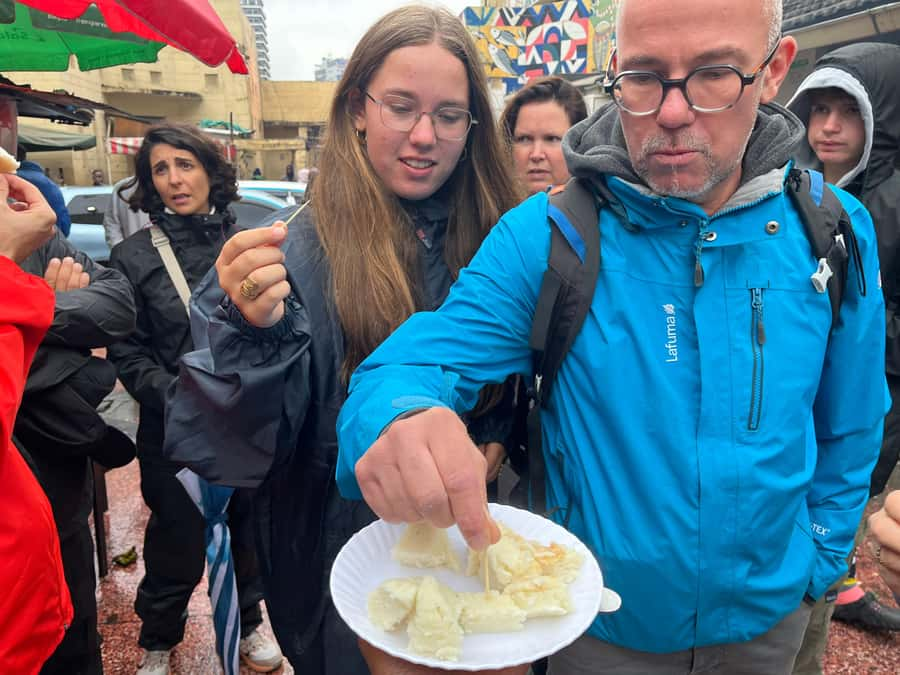
City Market gets the most time on the route, about thirty minutes for shopping and a guided visit, followed by roughly twenty minutes focused on food. This is the liveliest part of the walk and one of the most useful stops if you are curious about ordinary city life.
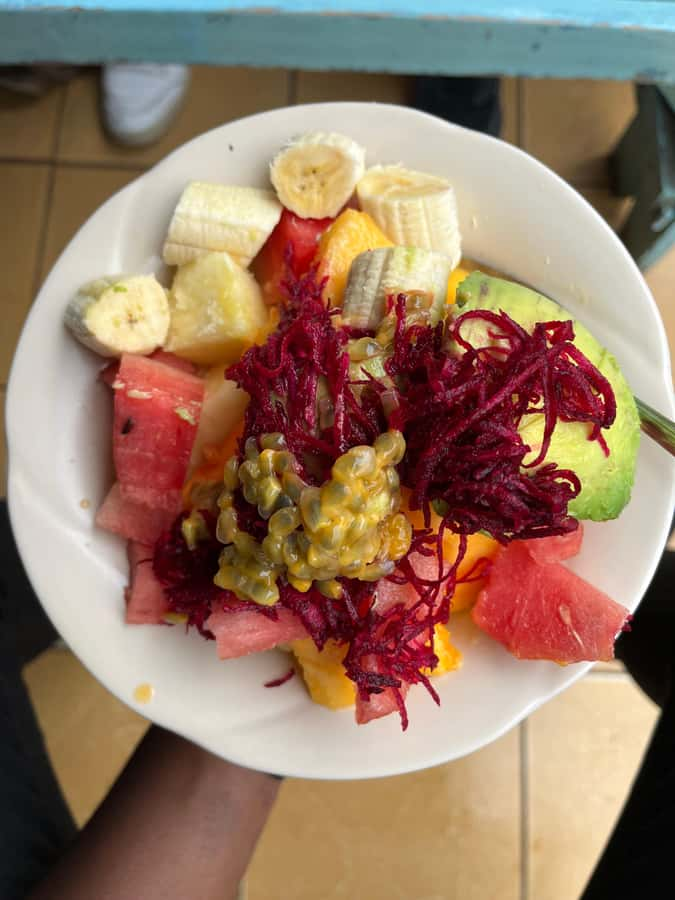
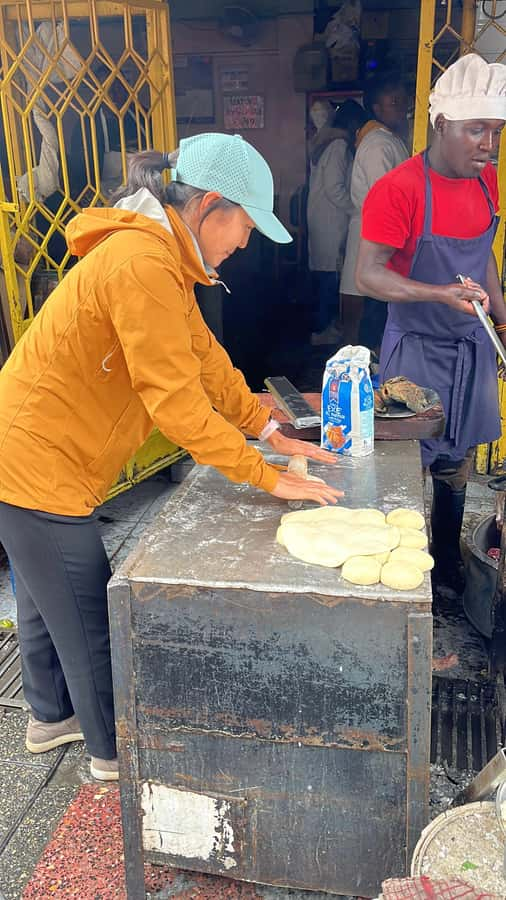
You can look at local produce, observe how transactions happen, and ask about prices and customs. The included fruit salad is a small but welcome feature. It gives you a safe, simple taste of Kenyan food culture without turning the tour into a full meal. Bottled Dasani water is also included.
Nyama Choma, or roasted goat meat, may be offered as an optional local sample. Since extra food and drinks are not included, treat this as a possible add-on rather than a guaranteed part of the basic price.
The guide also explains the difference between bargaining and fixed-price shopping. That advice can save you time and awkwardness later. You will be shown affordable stores where the prices are set, which suits anyone who would rather choose a souvenir than spend half an hour haggling.
A small warning: markets can be crowded and active. Keep valuables secure, listen to your guide, and do not assume every photo is welcome. The point is to observe and interact politely, not to turn the market into a stage.
Mosques, libraries, hotels, and monuments in one short walk

After the market, the route passes Jamia Mosque, one of central Nairobi’s best-known religious landmarks. The stop is brief, around five minutes, so you should expect an exterior view and a short explanation rather than a full religious visit.
McMillan Memorial Library follows as another quick sight. Its presence adds an important civic and architectural note to the tour. You will also pass Nation Centre, a major modern office building, and travel along Kenyatta Avenue, where the guide uses the street itself to explain Nairobi’s commercial center.
The Sarova Stanley, a five-star hotel, offers another glimpse of the city’s older business world. Then comes the Dedan Kimathi statue, known in the route as the Kimathi Statue. This is a chance to discuss Kenya’s independence struggle and the people remembered in Nairobi’s public spaces.
The stop at Baus Optical near the Hilton and Mama Ngina Street includes about ten minutes for shopping and sightseeing. It is not the kind of stop that will thrill every visitor, but it fits the tour’s practical tone. You are seeing how the central district works, not just posing beside famous buildings.
A few more things to do in Nairobi worth a look
- Marrakech Historical and Cultural Tour – Half Day City Tour
★ 4.5 · 1,180 reviews - From Cairo: Private Full-Day Tour of Historical Alexandria
★ 4.1 · 1,155 reviews - Sunrise Hot Air Balloon Over the Historical sites in Luxor
★ 5.0 · 697 reviews - Old Cairo Guided Walk Tour: History, Culture & Street Bites
★ 4.6 · 633 reviews
Coffee and Swahili lessons at the halfway point
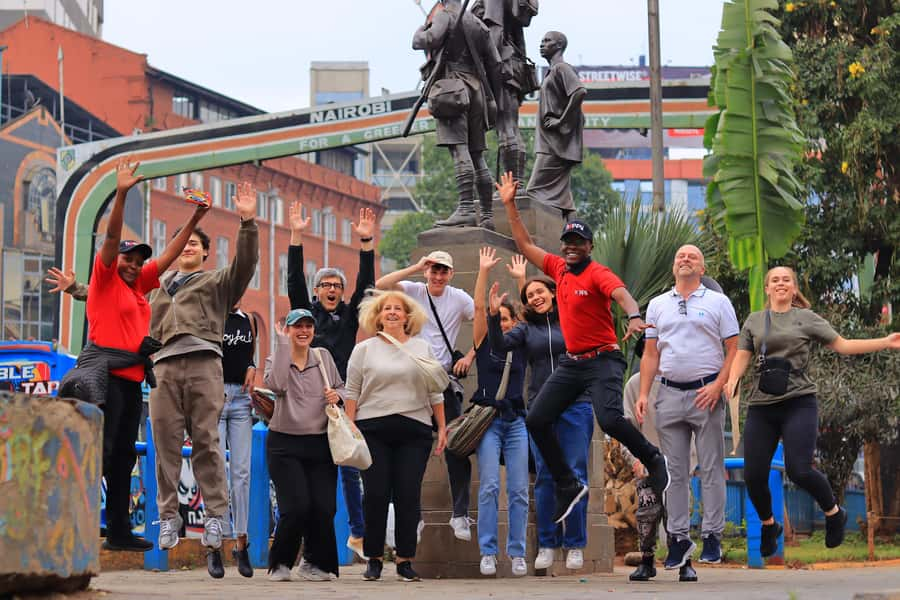
The Java House stop on Mama Ngina Street lasts about twenty minutes. It is listed as a break for coffee and coffee tasting, giving you a chair, a drink, and room to ask more questions.
This is also a good time to practice the Swahili phrases introduced earlier. The tour includes basic words used in daily conversation, and the guides encourage you to try them with people you meet. You will not become fluent in twenty minutes, of course, but even a few greetings can make ordinary exchanges feel more open.
The coffee stop adds flexibility to the walking pace. Several guides are praised for allowing enough time for questions and photographs instead of pushing everyone from one landmark to the next. That matters if you want a social introduction rather than a rushed city checklist.
The Supreme Court and the institutions of modern Kenya
The next section shifts toward government and public institutions. The Supreme Court building is seen for about three minutes, followed by brief views of the Nairobi Governor’s Office and the Parliament Buildings.
These are short exterior stops, but they help explain how central Nairobi functions as Kenya’s political heart. The guide can connect the buildings to current civic life, public services, and the country’s development. Ask questions here if you are curious about how national and local government fit together.
The itinerary also includes the Holy Family Basilica and its clock tower, seen near the end of the route. The basilica adds a religious landmark to the tour’s mix of Muslim, Christian, civic, commercial, and colonial-era sites.
You will not go inside every building. That is the trade-off for seeing so many parts of the center in three hours. If you want long interior visits, this will feel too quick. If you want a broad introduction before exploring alone, the variety is a strength.
KICC rooftop views and the Galton Fenzi Memorial
The KICC rooftop is the payoff. The stop lasts around thirty minutes, giving you time to look across Nairobi and take photographs from the helipad area. The breeze can be a pleasant change after the street-level walk.
The view is useful, not just scenic. Your guide can point out different parts of Nairobi and explain how the center relates to the wider city. It is a helpful way to make sense of streets and districts you have just crossed on foot.
KICC entry is not included in the $23 price, so budget for that separately. This extra charge is the clearest cost consideration in an otherwise generous package. If you are trying to keep spending tight, ask before booking how much the current entry fee is.
The final sight is the Galton Fenzi Memorial, near the Holy Family Basilica clock tower. It is a small closing detail rather than a major stop, but it rounds out the route’s attention to monuments and public memory.
The usual drop-off points include KICC, CJ’s, and another Nairobi location. If you have a fixed onward booking, allow some flexibility. One guide-led group has taken longer so everyone could receive the full experience, and one booking began about an hour late. Most accounts describe good organization and punctual pickups, but city traffic and group arrangements can affect the schedule.
The extras that give this $23 tour real value
At $23 per person, the tour is priced like a basic walking orientation, but the included touches make it more useful than a simple landmark circuit.
You receive a guide, bottled water, a fruit salad, and WiFi hotspot access. The operator also says it pays for several small experiences, including the fruit, a local restaurant experience, shoe cleaning, and street photography. Not every extra is equally important, but together they reduce the number of small expenses you need to handle during the walk.
The complimentary shoe shine is a fun local touch. A street-style photograph from a Nairobi photographer gives you a personal souvenir rather than another generic monument picture. These extras also create natural contact with local vendors.
The strongest value comes from the guide. Jacqueline is often praised for patience and cultural explanations. Simon is noted for sharing information even during the drive to the meeting point. Jeff is especially good at explaining everyday Nairobi and shopping customs. Sharon and Dennis are also described as warm, helpful guides who answer questions and assist with transport.
Guides speak English and Swahili, with Spanish available. If your English is limited, Google Translate may be used. That is worth knowing in advance, though direct conversation will naturally be easier in the main tour language.
Who should book this walk
I would choose this tour early in a Nairobi stay, especially if you have never visited the city center. It gives you a safe starting point, teaches useful street sense, and helps you decide which areas you want to revisit on your own.
It suits first-time visitors, solo tourists who want company, couples, and anyone with only a few hours in town. It is also useful for people who want history without spending a full day in museums.
You should bring comfortable shoes and clothes. The route includes walking, standing, market time, and a rooftop visit. It is not suitable for wheelchair users or people with mobility impairments, and anyone who finds stairs or uneven walking difficult should ask for current route details before booking.
Sunday timing matters. Sunday morning can feel unusually quiet, with many shops closed and fewer people in the center. Sunday afternoon becomes more social, with young people making TikTok and Instagram videos, cycling, skating, modeling, and filming music or photography projects. Choose the timing based on the mood you want.
The tour does not include extra meals, drinks, KICC entry, or smoking of any kind. Pets, drones, alcohol, drugs, military-style clothing, and nudity are not allowed. Those rules are straightforward, but the KICC fee and optional food are worth remembering when you set your budget.
Should you book the Nairobi Historic and Modern Highlights Walking Tour?
Book it if you want a friendly, guided introduction to Nairobi that mixes landmarks with ordinary city life. The best parts are the City Market visit, practical shopping advice, Swahili lessons, patient guides, and the KICC view.
Skip it if you want long visits inside museums and monuments, a slow food tour, or a fully private itinerary. The route covers a lot quickly, and several stops are short exterior views.
For $23, the package offers strong value, particularly with fruit, water, a shoe shine, photography, guide support, and optional pickup included in the right booking option. I would pick it for a first day in Nairobi, then use what you learn to plan deeper visits later.
FAQ
How long does the Nairobi walking tour last?
The tour lasts about three hours, including the walking route, City Market, the coffee break, and time at the KICC rooftop.
What does the $23 price include?
The price includes a guide, Dasani bottled water, a fruit salad snack, and WiFi hotspot access. Hotel pickup and drop-off are included only if you choose that option.
Is KICC entry included?
No. Entry to the KICC rooftop is not included, so you should budget for that separately.
Where does the tour meet?
The meeting point is usually outside CJ’s restaurant on Koinange Street. The guide wears a Happy Tribe cap or shirt, and CJ’s staff can help direct you.
Which languages are available?
The tour is offered in English, Swahili, and Spanish. Google Translate may be used if you do not speak fluent English.
Is the tour suitable for wheelchair users?
No. The activity is not suitable for wheelchair users or people with mobility impairments. Comfortable shoes and clothes are recommended.
Just added in Nairobi
- Nairobi Storytelling Tour with Former Street Kids★ 4.8 · 283 reviews
- Nairobi: National Park, Elephant Orphanage & Giraffe Center★ 4.6 · 81 reviews
- Nairobi National Park 5-hour Guided Game Drive Free Pick up★ 4.5 · 367 reviews
- Nairobi National Park, Elephant Orphanage and Giraffe Centre★ 4.6 · 365 reviews
- Nairobi National Park Full or Half-Day Tour with Guide★ 4.7 · 217 reviews
- Nairobi: National Park, Elephant Orphanage & Giraffe Center★ 4.5 · 113 reviews
- Nairobi: Kibera Slum storytelling tour with a Local★ 5.0 · 185 reviews
- Nairobi: Explore Kibera Slum with Local Guides★ 4.9 · 365 reviews
Historical Tours, compared.
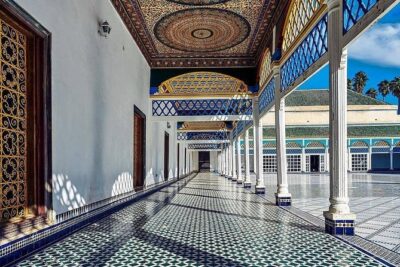
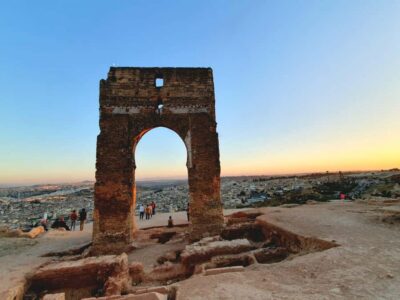
Marrakech Historical and Cultural Tour – Half Day City Tour
Read our review →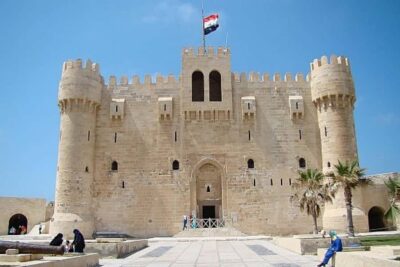
Private Full-Day Tour of Historical Alexandria
Read our review →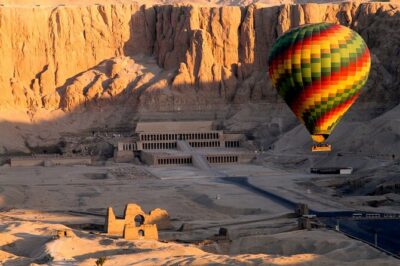
Sunrise Hot Air Balloon Over the Historical sites in Luxor
Read our review →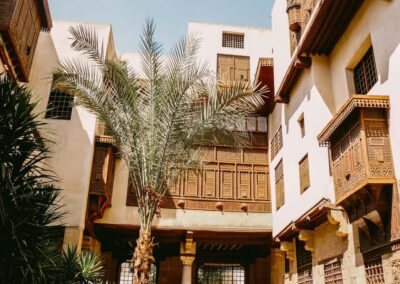
Old Cairo Guided Walk Tour: History, Culture & Street Bites
Read our review →
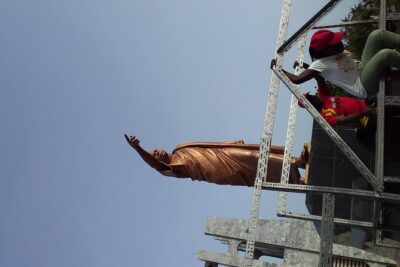
Experience the Beauty, History and the Culture Of Accra in a Day
Read our review →
Day Trip From Addis Ababa See Historical Monastery,Stunning Nature,Animals,Birds
Read our review →Browse the lists this tour appears in