
Reviewed · KENYA · TOURS IN NAIROBI
Nairobi: Kibera Slum storytelling tour with a Local
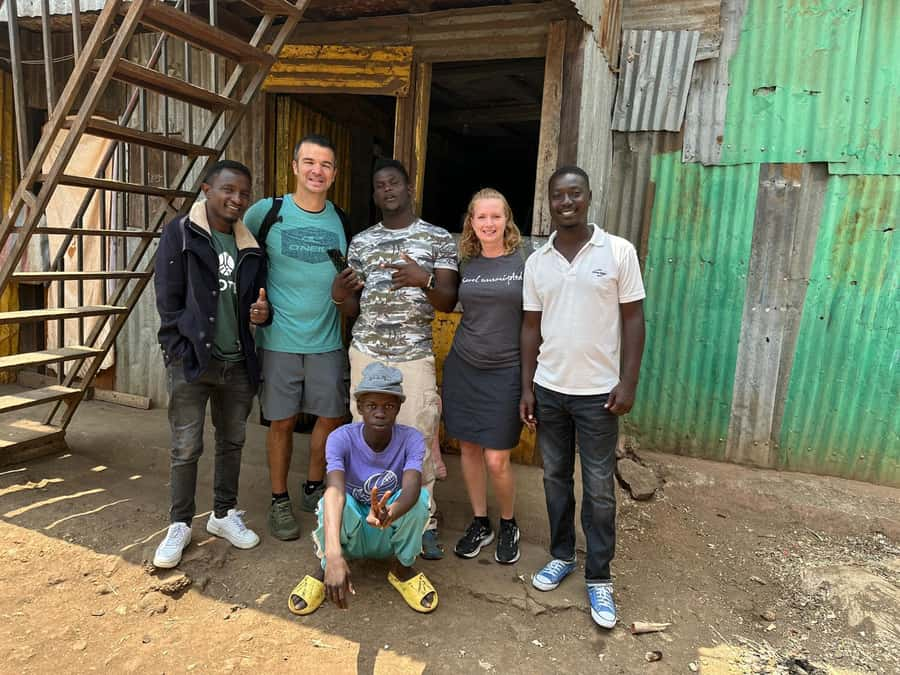
Kibera is best understood on foot, with a guide who grew up there and can explain what you are seeing. This private walk leads through narrow lanes to Toi Market, a local school, community projects, and a resident’s home, with guides such as Elijah, Peter, Effie, and Lucas sharing personal stories along the way.
I like the way the tour puts local people in charge, and I like that part of the income supports a Kibera school. The main consideration is that this is a direct encounter with poverty, not a polished sightseeing outing. Expect muddy or uneven paths, crowded alleys, and moments that may feel uncomfortable.
Key points at a glance
- Local guides with personal ties: Elijah, Peter, Effie, and Lucas have grown up in Kibera or work closely with its community.
- A school visit with a clear purpose: Part of the tour income supports a local school and teacher salaries.
- Toi Market and narrow lanes: You see the working side of Kibera, not only a viewpoint or photo stop.
- A look inside local life: The route can include a home, public facilities, community groups, and small workshops.
- Private three-hour format: Your group gets direct time with the guide and can ask questions freely.
- Simple meeting point: Start at the entrance to Greenhouse Mall in Kilimani, with a bench near the ground-floor fountain if you arrive early.
Why this Kibera walk feels different

Many city tours keep poverty at arm’s length. This one does not. You walk through the community, listen to stories about daily life, and see how people create schools, businesses, art, and support networks in difficult conditions.
That closeness can be valuable, but it requires good manners. Kibera is home, not a stage set. Your guide helps you move respectfully and explains when photographs are appropriate. You should follow that lead, ask before taking pictures of people, and avoid treating residents as scenery.
The strongest part of the tour is the guide. Elijah has described growing up in Kibera and introducing visitors to places tied to his family and community. Peter has led visitors to his own home and school project. Effie brings the perspective of a local young woman, while Lucas helps organize the visits and community work.
Guides may vary, but the pattern is consistent: you are not getting a detached lecture from someone passing through Nairobi. You are hearing about the area from people who know its streets, families, pressures, and hopes.
The tour also gives Kibera a name beyond poverty. It is sometimes called the City of Hope, a phrase that makes more sense once you see local people solving problems with limited resources. The point is not to pretend conditions are easy. It is to show that hardship is only one part of the story.
Other trips people book in Nairobi:
- Nairobi National Park Half-Day Tour; Free Wi-Fi connection
★ 5.0 · 878 reviews - Nairobi: National Park & Optional Elephants & Giraffe Center
★ 4.8 · 874 reviews - NAI NAMI: Nairobi Storytelling Tour with Street Children
★ 5.0 · 792 reviews
Meeting at Greenhouse Mall in Kilimani
The tour begins at Greenhouse Mall, in Nairobi’s Kilimani area. Meet your guide at the mall entrance. If you arrive early, a bench near the fountain on the ground floor provides a clear waiting spot.
This is a useful arrangement because it gives you a recognizable public meeting place before entering the settlement. From there, you head toward Kibera with your guide. The supplied details describe the activity as a private group, so you are not folded into a large coach party or a crowd of strangers.
The price is listed as $20 per group up to one person. Because that wording is unusual for a private tour, check the final price carefully if you are booking for more than one person. At the stated rate, the value is strong for three hours of guiding, local access, and visits to community projects, especially since part of the proceeds is reported to support the school.
Bring Kenyan shillings or another suitable payment method if you hope to buy crafts, clothing, beads, or jewelry at local stops. Purchases are separate from the tour fee, but they can support the people and groups you meet.
Walking through Kibera’s narrow lanes

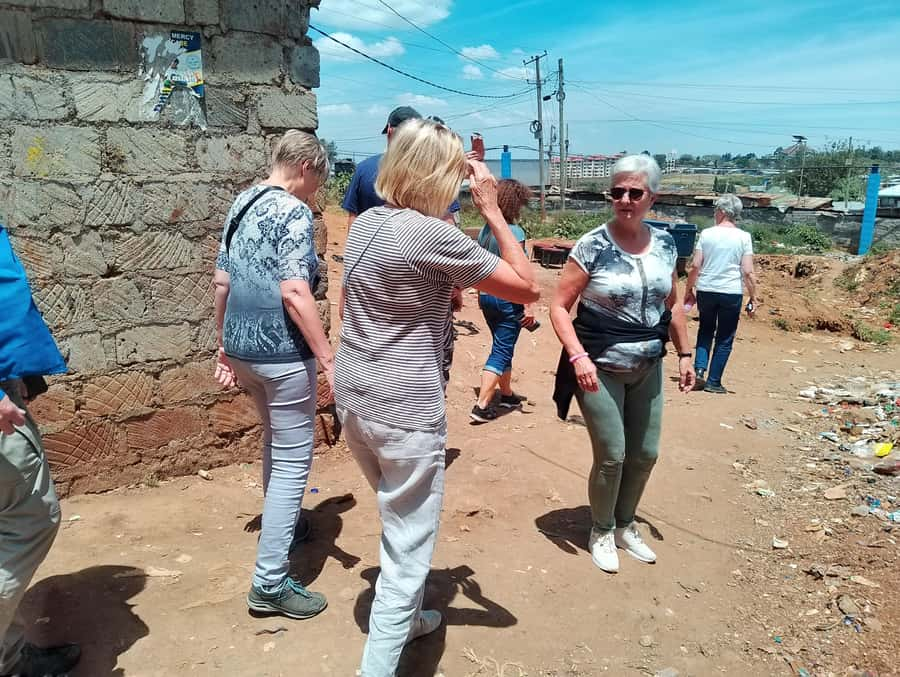
The walk takes you through a maze of unmarked streets and narrow alleys. This is the part that makes a local guide essential. A visitor on their own would have trouble understanding where one section ends and another begins, and you would miss the social details that give the place meaning.
The route may include residential areas, a garbage collection point, public washing facilities, a river, a railway area, and a viewpoint. Not every stop is guaranteed in every three-hour visit, but these examples show the range of subjects the guides cover.
The physical conditions are basic. You may walk on uneven ground, and the route is not designed for someone who needs smooth, accessible paths. The activity is specifically not recommended for people with back or heart problems. Wear ordinary clothes and practical shoes that can handle dust or mud. This is not the day for expensive footwear.
The setting can change with the hour. An afternoon visit may grow more active as people return from work and children come home from school. Some tours finish after dark, but the guide leads the group through the streets and handles the route. If you prefer daylight, ask about available starting times before booking.
Toi Market and the working side of Kibera

Toi Market is described as the largest market in Kibera. It gives you a useful view of the area as a place where people shop, sell, earn money, and meet one another.
Market visits can be busy and visually intense. Keep your belongings close, stay with the guide, and do not block trading areas for photographs. The point is to watch daily commerce rather than turn every stall into a picture stop.
You may also visit local artists, women’s groups, or youth projects. Some groups make jewelry and clothing, including items made from recycled materials. One project supports women living with HIV through handmade goods. Another turns discarded materials into art and jewelry.
These stops add welcome balance. You are not only seeing need. You are seeing people build income, skills, and dignity through small enterprises. If something catches your eye, buying directly can be a more useful gesture than handing out random items.
Same base, a different sort of day:
- Nairobi National Park Half-Day Game Drive
★ 4.5 · 738 reviews - Nairobi: Historic and Modern Highlights Walking Tour
★ 4.8 · 703 reviews - Elephant Orphanage and Giraffe Center Tour with Options
★ 4.5 · 457 reviews - Nairobi National Park 5-hour Guided Game Drive Free Pick up
★ 4.5 · 367 reviews
Hope and Shine Kibera Centre and the school visit
Hope and Shine Kibera Centre is one of the named stops. It provides education and support for local residents, making it more than a quick photo opportunity. Your guide can explain how community centers and local groups help fill gaps in services.
The school visit is one of the most meaningful parts of the route. The tour includes a visit to a Kibera school, and the organizers say that a portion of the ticket money supports it. Several accounts put that share at 20 percent, with funds helping the school and teacher salaries.
You may meet children, see classrooms, and learn how the project operates. The children are often happy to meet visitors, but you should still take your cues from the teachers and guide. Do not assume that sweets, photographs, or gifts are expected.
Some people choose to bring biscuits or candy. That has been appreciated during visits, but it is not a stated requirement, and you should ask the guide first. A cash purchase from a local community group may be the cleaner way to offer support.
What I value here is the connection between the tour and a visible local project. You can ask where the money goes and see one example of community-led work instead of simply hearing a general promise that tourism helps.
Entering a local home
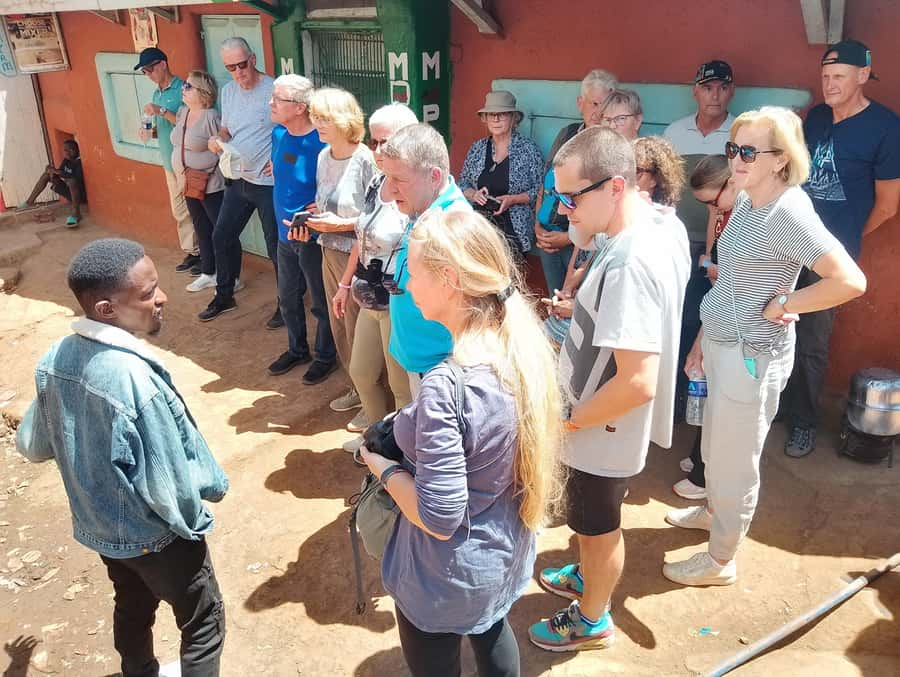
The tour includes a visit to a local home. In some cases, visitors have been welcomed into the homes of their guides or their families, including a meeting with Elijah’s mother.
This is a personal invitation, so treat it with care. Ask before taking pictures, listen rather than compare, and remember that a small home may be shared by several people. You are being shown part of someone’s private life, not a museum exhibit.
For you, this stop can make housing conditions easier to understand than statistics alone. You see the scale of the space and hear how a family uses it. For the host, the visit should be respectful and brief. Do not press for details the family does not offer.
The home visit is also where the tour can become emotionally difficult. You may feel grateful, guilty, sad, or unsure how to respond. There is no need to perform a reaction. Listen to the guide, thank your host, and let the conversation remain human.
What the guides do well
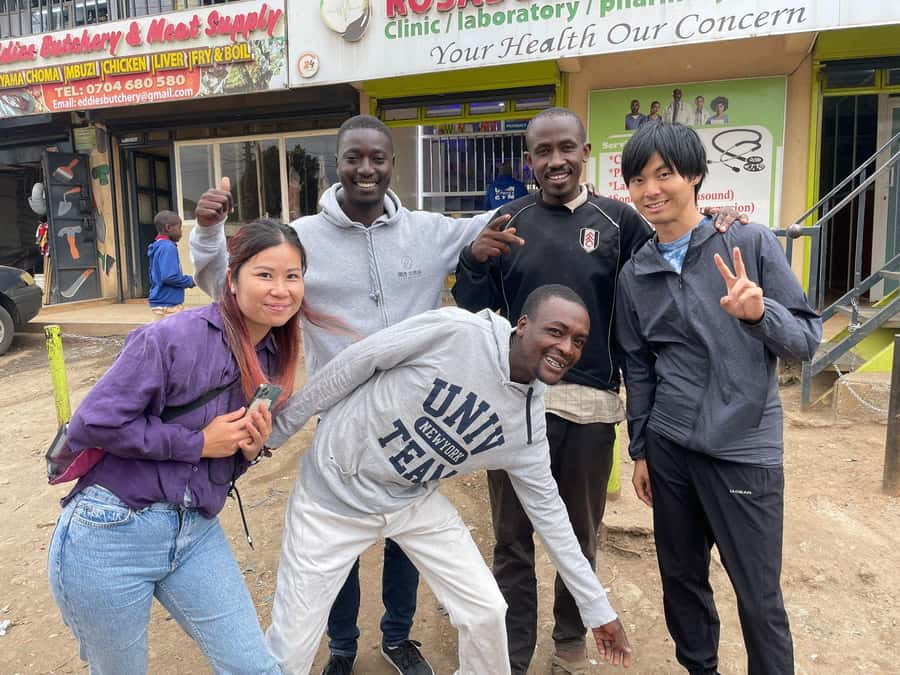
The local guides receive the clearest praise in the supplied feedback, and it is easy to see why. They provide safety, explain the route, answer questions, and connect each place to a larger story.
Elijah is often described as warm and well-informed, with stories from his own life in Kibera. Peter brings a strong personal connection, including his home and school work. Effie has been praised for her thoughtful approach and ability to explain local initiatives. Lucas handles communication and organization and may join the walking portion.
You should still ask questions. How are homes arranged? How do people earn a living? What services are available? How does the school operate? What do residents want outsiders to understand? A good guide can make the tour more than a procession from one stop to the next.
This is also a useful tour for parents with older children or teenagers who can listen respectfully. The subject is serious, and the walking can be demanding, but the discussion may help young people think about housing, education, work, and community action in a grounded way.
Safety, photography, and respectful conduct

Safety is included in the activity description, and the private format means the guide can keep an eye on your group. Many visits finish without trouble, including some that run into the evening. Still, use ordinary city sense: keep valuables out of sight, stay with your guide, and follow instructions in crowded places.
Photography needs care. You are invited to take pictures of the local area, but that does not mean every person wants a camera pointed at them. Ask first, especially around homes, schools, children, and community meetings. Your guide can tell you when a photo is welcome.
Do not smoke during the tour. Dress modestly and practically. Avoid showing off expensive clothes, watches, cameras, or shoes. The best clothing is comfortable, washable, and unremarkable.
The tour needs good weather. If poor weather causes cancellation, you can choose another date or receive a full refund. Free cancellation is available up to 24 hours before the start time, and you can reserve now and pay later if that option appears during booking.
Is three hours enough?
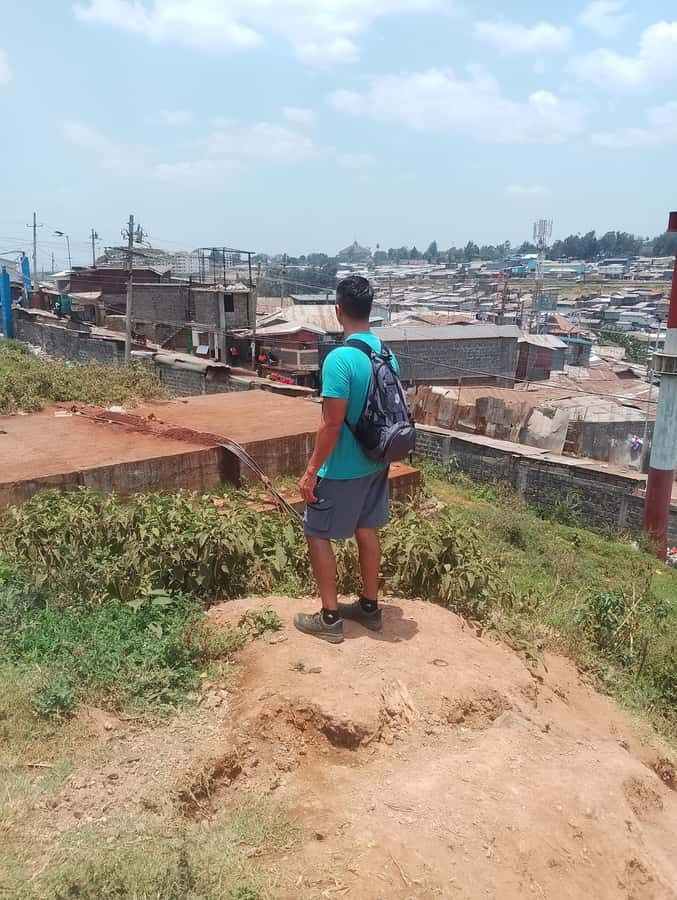
Three hours gives you a solid introduction without making the walk an all-day commitment. You have time for the market, school, community work, local stories, and possibly a home visit, but the route will not explain every part of Kibera.
That limit is useful. A longer visit could become tiring, particularly on uneven ground or in warm weather. A shorter visit might feel rushed and reduce the chance for conversation.
The pace depends on the group and the day. A market may slow you down. Questions can add time. A late start may bring you back after dark. Think of the schedule as roughly three hours rather than a minute-by-minute program.
The information gives two possible end arrangements: one description says the guide finishes near Equity Bank Kibera, while the itinerary also says you arrive back at Greenhouse Mall. Confirm the final drop-off point before setting up your next appointment.
Language, access, and group size
The live guide speaks English. Audio guide support is listed in French, Spanish, German, and Chinese. The group is private, which gives you more freedom to ask questions and makes the visit less anonymous.
This is a walking tour, not an accessible city outing. It is not suitable for people with back problems or heart problems, and the narrow, unmarked paths may be difficult for anyone with limited mobility. The activity also depends on good weather.
The tour is best for someone who wants direct contact, can walk for three hours, and is ready to meet a community on its own terms. It is less suitable if you want a comfortable bus ride, polished attractions, or a light sightseeing stop.
Should you book the Kibera storytelling tour?
I would book this if you want to understand Nairobi beyond its usual visitor route and can approach Kibera with humility. The strongest reasons are the local guides, the school connection, and the chance to see community work rather than only hardship.
I would pause if you dislike uneven walking, feel uneasy about entering a private home, or want complete control over photography and personal space. This tour can be powerful, but it asks something of you: patience, discretion, and an honest willingness to listen.
At $20 for the stated private booking, the value is very good if the final group price is confirmed and the school contribution applies as described. Wear practical shoes, carry modest spending money for local goods, ask before photographing, and allow the guide to set the tone. For a direct, thoughtful look at Nairobi, this is a strong choice.
FAQ
Where does the Kibera tour begin?
The meeting point is at the entrance of Greenhouse Mall in Kilimani. If you arrive early, you can wait on a bench near the fountain on the ground floor.
How long does the tour last?
The tour lasts three hours. Starting times vary, so check availability when booking.
Is this a private tour?
Yes. Only your group participates in the private activity.
Which language does the live guide speak?
The live tour guide speaks English. Audio guide support is listed in French, Spanish, German, and Chinese.
What places are visited in Kibera?
The route includes Toi Market, Hope and Shine Kibera Centre, a Kibera school, and a local home. The walk also covers narrow streets and may include community initiatives and local workshops.
Does the tour include a school visit?
Yes. A visit to a Kibera school is included. The organizers state that part of the tour income supports the school, and several details identify that share as 20 percent.
Can I take photographs?
You can take pictures of the local area, but ask permission before photographing people, homes, children, or community activities. Follow your guide’s instructions.
Is the tour suitable for people with mobility or health concerns?
The activity is not suitable for people with back problems or heart problems. It involves walking through narrow, unmarked streets and alleys.
What happens if the weather is poor?
The tour requires good weather. If it is canceled because of poor weather, you can choose another date or receive a full refund. Free cancellation is also available up to 24 hours before the tour.
Just added in Nairobi
- Nairobi: National Park, Elephant Orphanage & Giraffe Center★ 4.6 · 81 reviews
- Nairobi Storytelling Tour with Former Street Kids★ 4.8 · 283 reviews
- Nairobi National Park 5-hour Guided Game Drive Free Pick up★ 4.5 · 367 reviews
- Nairobi National Park, Elephant Orphanage and Giraffe Centre★ 4.6 · 365 reviews
- Nairobi National Park Full or Half-Day Tour with Guide★ 4.7 · 217 reviews
- Nairobi: National Park, Elephant Orphanage & Giraffe Center★ 4.5 · 113 reviews
- Nairobi: Explore Kibera Slum with Local Guides★ 4.9 · 365 reviews
- Nairobi: Kibera Slum Tour with Local Social Entrepreneurs★ 5.0 · 107 reviews
Tours in Nairobi, compared.

Nairobi National Park Half-Day Tour; Free Wi-Fi connection
Read our review →
National Park & Optional Elephants & Giraffe Center
Read our review →
NAI NAMI: Nairobi Storytelling Tour with Street Children
Read our review →

Elephant Orphanage and Giraffe Center Tour with Options
Read our review →
Nairobi National Park 5-hour Guided Game Drive Free Pick up
Read our review →
Browse the lists this tour appears in