
Reviewed · SOUTH AFRICA · TOURS IN JOHANNESBURG
From Johannesburg: Pretoria Half Day Tour
Pretoria tells South Africa’s story in stone, gardens, old government buildings, and contested national memories. This five-hour outing takes you from Johannesburg to the administrative capital, with the Voortrekker Monument and Paul Kruger House providing the main history stops.
I like the way the tour combines proper entry tickets with a broad driving tour. You get time at two major sites, then see Church Square, City Hall, Loftus Stadium, UNISA, Government Avenue, and the Union Buildings without needing to arrange several separate visits. I also like the guides’ strong record for clear explanations, with guides including Gilbert, Vincent, Phil, James, Pascal, and others praised for their command of South African history.
The main catch is the Union Buildings. They can be closed on weekends and public holidays, leaving you to view the complex from outside, sometimes behind fences. Pickup can also take up to an hour, so the five-hour tour does not mean five full hours in Pretoria.
Key points to know before booking
- The Voortrekker Monument is the tour’s biggest visual stop: Set in a nature reserve, it gives you time with one of Pretoria’s most imposing landmarks.
- Paul Kruger House adds a personal story: The 1884 home connects the city to Paul Kruger, former president of the Zuid-Afrikaansche Republiek.
- The Union Buildings need a calendar check: Weekend and public-holiday closures may limit the visit to an outside view and the presidential garden area.
- You get both guided time and free time: Guides explain each site, while you also have room to look around independently.
- Pickup is convenient but not quick: Transfers cover Johannesburg and surrounding areas, yet hotel pickups may run between 8 and 9 in the morning and take up to an hour.
- The price is reasonable for a packed half-day: At $90 per person, the fee includes transport, two entrance tickets, water, WiFi, and a map, but not lunch.
Why Pretoria makes a useful half-day from Johannesburg
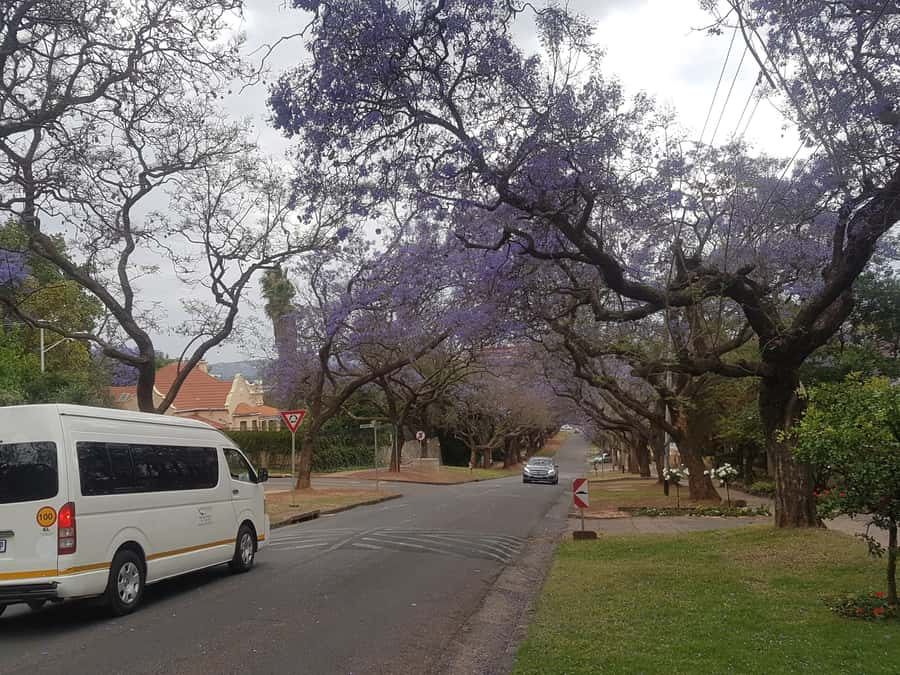
Pretoria is South Africa’s administrative capital, and its feel differs from Johannesburg. The city is known as Jacaranda City for its jacaranda-lined avenues, while its grand government buildings and formal public spaces reflect its political role.
You will not see every corner of Pretoria in five hours. That is not the point. This is a compact introduction built around major places that help explain Afrikaner nationalism, the old Transvaal government, and modern South African public life.
I like this format for a first visit because the guide connects places that can otherwise feel disconnected. A square, a residence, a monument, and a government complex become parts of one larger story. You also get a quick look at everyday Pretoria during the drives between stops.
The tour operates in the morning and afternoon, with departures listed at 8:00 AM and 1:00 PM. Morning pickup from Johannesburg hotels generally falls between 8 and 9, depending on your location. Allow extra patience at the start, since the pickup process may take up to an hour.
Other trips people book in Johannesburg:
- From Johannesburg: Pilanesberg Nature Reserve Game Safari
★ 4.8 · 1,327 reviews - Johannesburg: Hop-On Hop-Off Bus with Optional Soweto Tour
★ 4.6 · 985 reviews - Soweto /Johannesburg and Apartheid Museum Guided Full Day Tour
★ 5.0 · 932 reviews
Paul Kruger House and the old Transvaal story
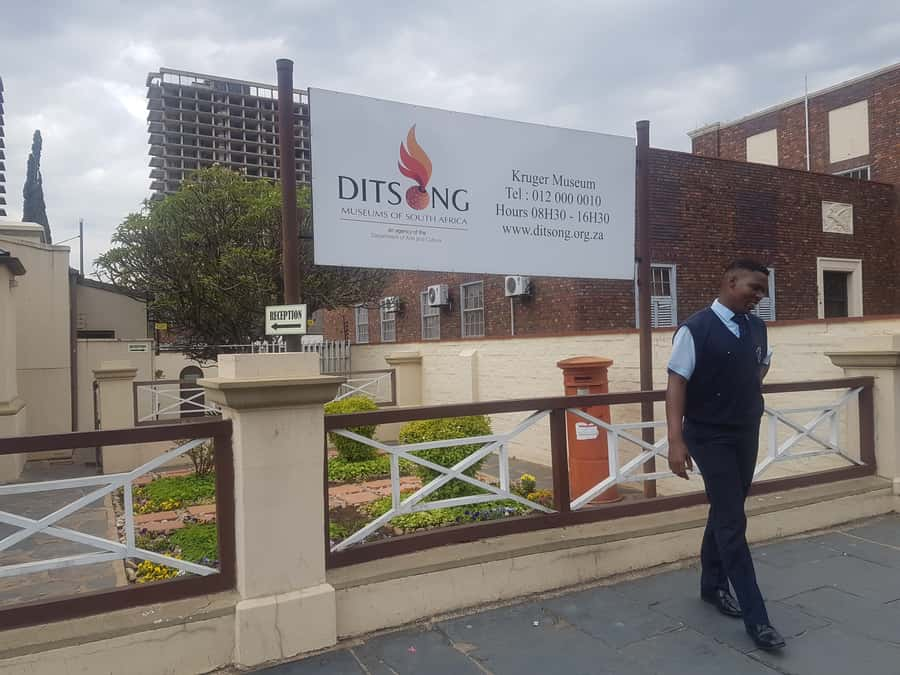
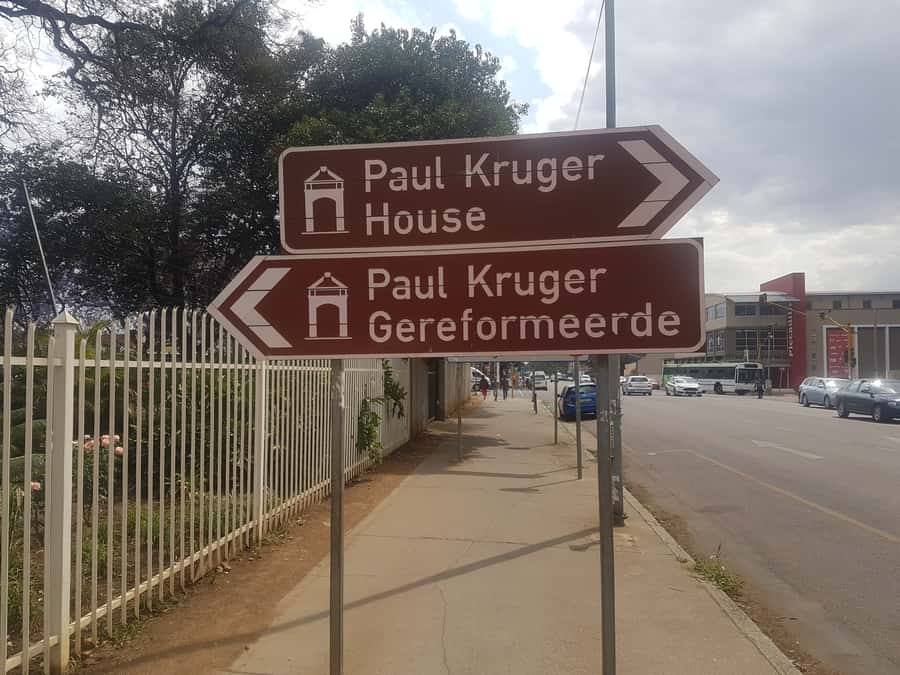
Paul Kruger House is one of the tour’s two included entrances. Built in 1884, it was the Pretoria home of Paul Kruger, a leading figure in the Transvaal War against Britain and later president of the Zuid-Afrikaansche Republiek.
The house gives the political story a human scale. Instead of meeting Kruger only as a name in a textbook, you see the residence linked to his public life. The guide can help place the building within the conflicts and political movements of the period.
This stop works best if you listen closely to the explanation rather than treating it as a quick photo stop. The building itself matters, but the surrounding story is the real reason to go inside. South African history is not simple, and this house represents one important Afrikaner viewpoint within it.
You should also expect the guide to frame Kruger’s role in the wider struggle between Boer republics and British power. That context makes the later visit to the Voortrekker Monument more meaningful, since both places connect to Afrikaner memory and identity.
The Voortrekker Monument in its nature reserve
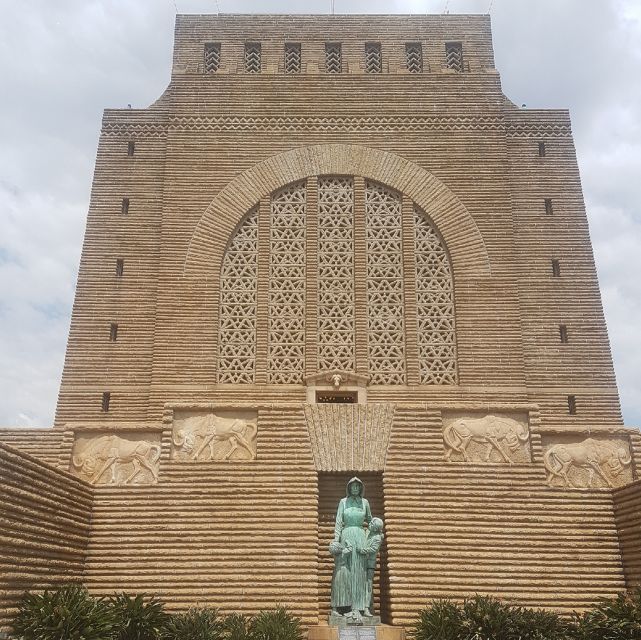
The Voortrekker Monument is the visual centerpiece. It sits in a nature reserve outside central Pretoria and commemorates the history of the Voortrekkers and Afrikaners.
The scale is what makes this stop memorable. The monument is not a small plaque or a single statue. It is a major structure designed to express a particular national story, and the guide’s explanation helps you understand both its importance and its point of view.
I would give this site your full attention. You may have free time to look around after the guided portion, and that is useful. Take in the building, the setting, and the way the monument presents the past. The visit is strongest when you consider not only what is being commemorated, but also who created the story and why it mattered to them.
Several guides have been praised for bringing energy and context to this stop. Phil, for example, was described as enthusiastic while showing the city and its key sites, with the Voortrekker Monument singled out as particularly impressive. That matches the structure of the tour: the monument is likely to be the place where the history feels most physical and immediate.
The nature reserve setting also gives the stop a little breathing room from the city. Still, remember that this is a half-day tour. You are receiving an introduction, not an extended study of every part of the monument or the surrounding reserve.
Church Square, City Hall, and Pretoria by road
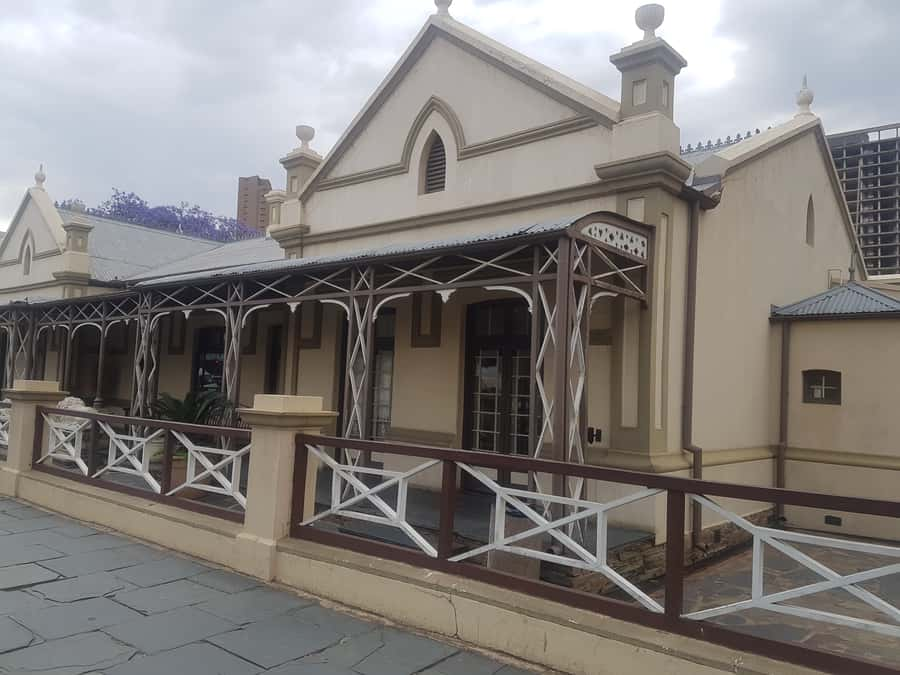
The tour includes a drive by Church Square and Pretoria City Hall. These are not listed as full interior visits, so think of this part as a guided city orientation rather than a long stop.
Church Square is useful because it places you in the historic center of Pretoria. The square helps connect the old political city to Paul Kruger’s era, while City Hall adds another piece of the civic picture. Your guide can point out the buildings and explain their role as you pass.
This driving segment is one reason the tour offers decent value in a short time. You get more than two museum-style stops. You also see how the city is laid out and pick up landmarks that you might otherwise miss from a hotel or highway.
The route also passes Kgosi Mampuru prison, Loftus Stadium, and the University of South Africa, commonly called UNISA. These drive-by sights are brief, but they add modern and institutional context to the older monuments.
Government Avenue is another useful part of the route. It helps show Pretoria’s formal character, with government buildings and avenues tied to the city’s administrative role. You should not expect a long walk at each place. The benefit is breadth.
Same base, a different sort of day:
- Johannesburg Hop-On Hop-Off City Tour with Soweto Option
★ 4.5 · 768 reviews - Full Day Ultimate Pilanesberg National Park Safari from Johannesburg or Pretoria
★ 4.5 · 718 reviews - Half-Day Tour of Soweto Tour
★ 4.5 · 712 reviews - Soweto: Walking Tour with a Local Guide and Lunch
★ 4.9 · 648 reviews
The Union Buildings and the limits of access
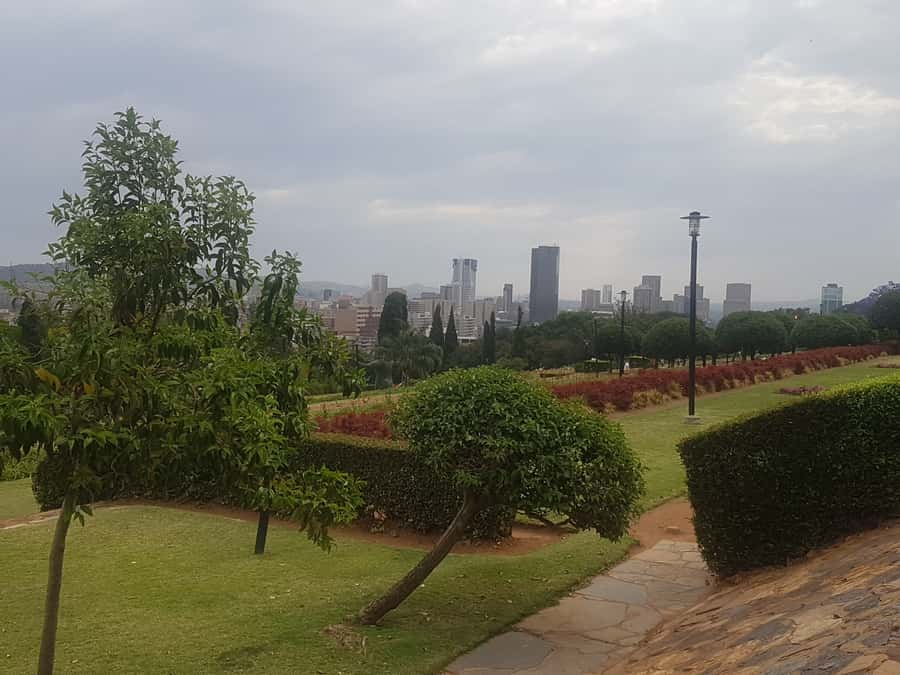
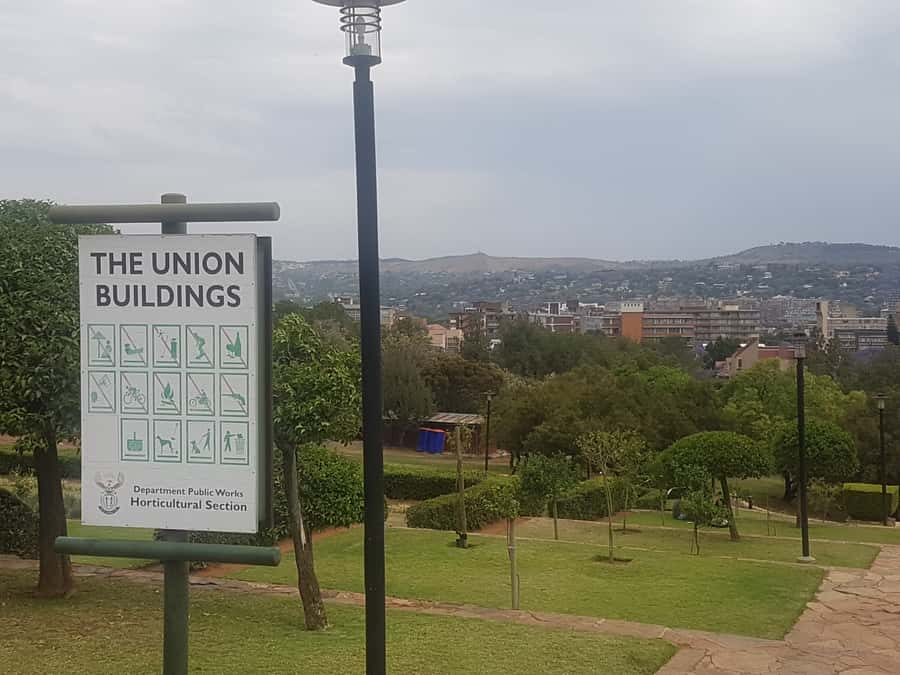
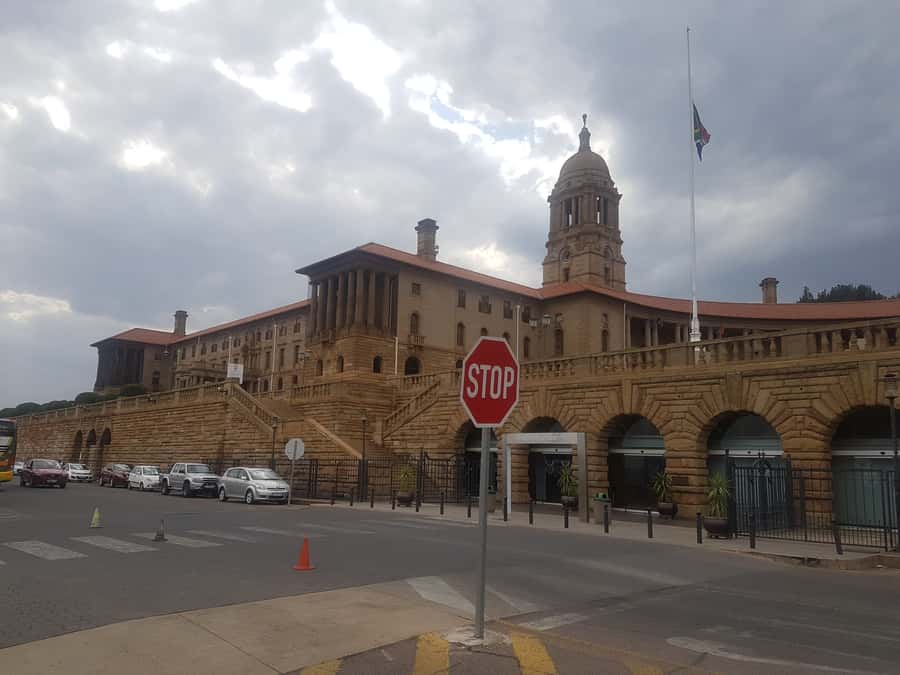
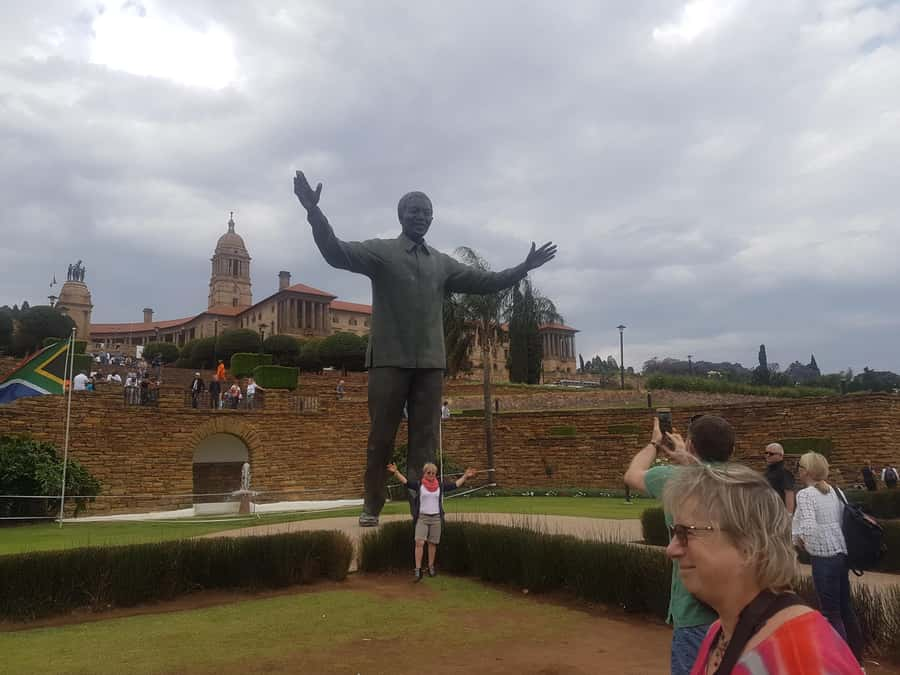
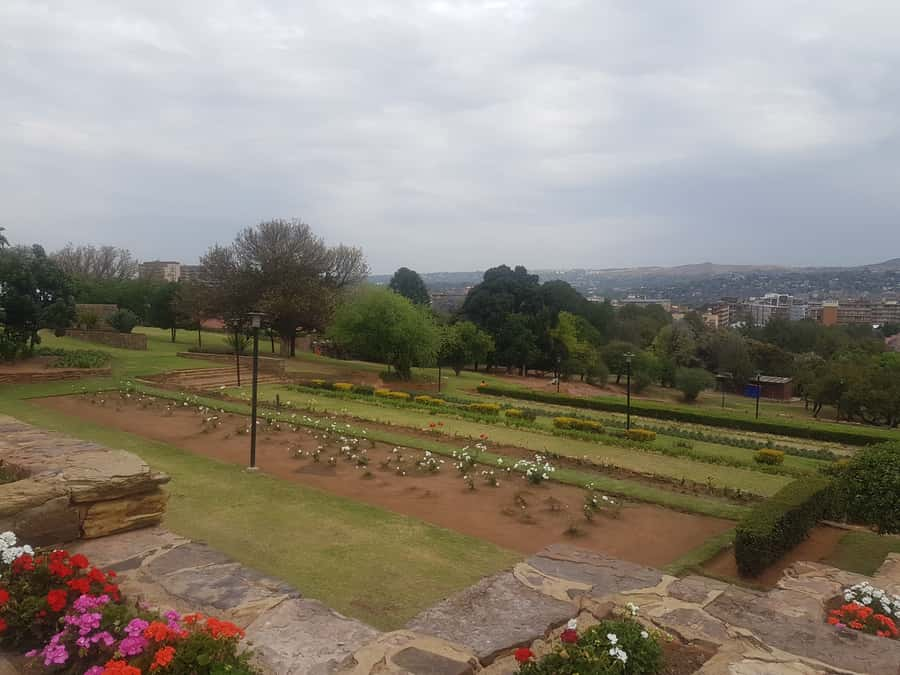
The Union Buildings are the offices of South Africa’s president and sit at one of Pretoria’s highest points. The complex is a national heritage site and one of the city’s essential sights.
The position matters. From the upper part of Pretoria, the Union Buildings give you a strong sense of the capital’s layout. The gardens and exterior are important even when the interior is unavailable, and the tour includes a visit to the presidential garden area when access allows.
But you need to plan around the closure rule. The Union Buildings are closed on weekends and public holidays. In that case, you may only see them from outside the fences, as happened on one Saturday visit. That can be disappointing because the complex is one of the tour’s headline stops.
I would check your tour date carefully before booking, especially if you are visiting on a weekend. The operator should make the limitation clear, but pickup and access information have not always been communicated early enough. If the buildings are closed, the tour still includes the exterior and surrounding view, but it is not the same as an open visit.
This is the clearest weakness in the experience. It is not a reason to reject the tour outright, since the other stops remain worthwhile. It is a reason to set your expectations correctly and avoid paying for the trip while imagining an interior tour that may not happen.
Guides who shape the experience
The guide can make or break a history tour, and this experience depends heavily on the person behind the wheel. The strongest feedback centers on clear explanations, strong English, courtesy, and an ability to discuss South Africa’s political and social past without flattening it.
Names that have received especially strong praise include Gilbert, Vincent, Phil, James, Pascal, and Sân. Vincent was described as a strong historian who could discuss South African history in depth. Pascal was valued for speaking both English and French and for handling the country’s diversity, racial dynamics, and political life with care.
That range matters. You are not just being driven from one building to another. The sites touch on conflict, colonial rule, Afrikaner nationalism, and the formation of modern South Africa. A good guide gives you enough context to understand why these places remain important.
The tour offers English, French, and Portuguese. Thomas, who described his English as vacation English, found the guide easy to follow. If you prefer a language other than English, request the right option when booking and confirm it before departure.
You should also expect a mix of guided explanation and independent time. Colin found the balance useful, with free time at each site alongside a guided visit. That arrangement suits you if you want context but do not want every minute controlled.
Is $90 fair for five hours?
At $90 per person, the price is not bargain-basement, but it is reasonable if you value convenience. The fee includes return transfers from Johannesburg and nearby areas, entrance to Paul Kruger House, entrance to the Voortrekker Monument, bottled water, WiFi, and a map.
Transport is the largest practical benefit. Pretoria is close enough to visit from Johannesburg, but arranging a private car, finding the sites, paying admission, and hiring a guide separately can quickly become more work. Here, the history explanation and transport come in one package.
The value is strongest for a first visit or a short stay. You see the main historical sights in one morning or afternoon and avoid spending your limited time working out the route. The price is less attractive if you already have transport, prefer to explore slowly, or mainly want to enter the Union Buildings on a weekend when access is limited.
Lunch is not included, and neither are personal expenses. The five-hour schedule leaves no reason to expect a full meal stop as part of the tour, so eat beforehand or plan food for after the return to Johannesburg.
The reserve now and pay later option gives you some planning flexibility, while cancellation is free up to 24 hours in advance. Those terms are useful if your Johannesburg plans may change, but the main decision should still be based on the sites and the Union Buildings schedule.
Who will get the most from this tour?
I would choose this tour if you want a clear introduction to Pretoria without giving the city a full day. It suits first-time visitors, history-minded travelers, and anyone staying in Johannesburg who wants to see a second major Gauteng city.
It is also a good fit for couples, families with older children, and small groups who prefer a guide to handle the driving. The mixture of short city views, two paid entries, and free time keeps the pace moving.
You may want a different plan if you prefer long museum visits, extensive walking, or an unhurried look at one neighborhood. This is a survey tour. It covers ground, gives context, and moves on.
The language choices are another advantage. English, French, and Portuguese are available, and the guide quality can add a great deal to the day. If your interests are political history, colonial-era conflict, or the development of modern South Africa, tell the guide early so the conversation can go beyond basic facts.
Practical tips for a smoother day
Confirm your pickup details before the morning of the tour. Hotel collection times vary by location, and the full pickup process may take up to an hour.
Check the calendar for weekends and public holidays. If the Union Buildings are closed, you will likely view them from outside rather than enter. That may change how you judge the $90 price.
Wear practical clothing and shoes suitable for moving around monument grounds and historic sites. The exact amount of walking is not specified, but this is not a purely vehicle-based tour.
Bring your own spending money for personal expenses and lunch. Bottled water is included, along with WiFi and a map.
Finally, ask questions. The best guides, including Pascal, Vincent, Phil, and others praised for their clear communication, can add useful detail about South Africa’s complex past. You will get more from the day if you treat the driving time as part of the lesson.
Should you book the Pretoria half-day tour?
Book it if you want to see the Voortrekker Monument and Paul Kruger House while getting a broad introduction to Pretoria in five hours. The included transport and admission fees make $90 a fair convenience price, and the guides can add real value when explaining the political meaning behind the sites.
I would be cautious about booking it on a weekend or public holiday if the Union Buildings are your main reason for going. You may only see the complex from outside. For everyone else, this is a well-packed introduction to Pretoria, with enough free time to look around and enough guided context to make the landmarks matter.
FAQ
How long does the Pretoria tour last?
The tour lasts five hours.
Where does the tour begin?
Return pickup is included from Johannesburg and surrounding areas. Pickup timing depends on your hotel location and may take up to one hour.
What time does the tour depart?
Morning and afternoon departures are available. The listed departure times are 8:00 AM and 1:00 PM.
Which languages are available?
The tour is offered with a live guide in English, French, or Portuguese.
What entrance fees are included?
Admission to Paul Kruger House and the Voortrekker Monument is included.
Can I visit the Union Buildings?
The tour includes a visit to the presidential garden area and a pass by the Union Buildings, but the buildings are closed on weekends and public holidays. On those dates, you may need to view them from outside the fences.
Is lunch included?
No. Lunch and personal expenses are not included.
Just added in Johannesburg
- Soweto: Bike Tour with a Local Tour Guide★ 4.7 · 114 reviews
- From Johannesburg: Lion & Safari Park Half-Day Tour★ 4.6 · 384 reviews
- Johannesburg: Soweto & Apartheid Museum Half-Day Tour★ 4.9 · 99 reviews
- Johannesburg: Soweto Apartheid & Township Tour with Lunch★ 4.8 · 80 reviews
- Johannesburg: Street Art and Culture in Maboneng!★ 4.8 · 107 reviews
- Johannesburg: Half-Day Soweto Tour with a Local Guide★ 4.8 · 110 reviews
- Soweto: Hop-On Hop-Off Bus, City Tour and Apartheid Museum★ 4.5 · 250 reviews
- Johannesburg: Maboneng Street Art & Culture Tour★ 4.9 · 257 reviews
Tours in Johannesburg, compared.

Soweto /Johannesburg and Apartheid Museum Guided Full Day Tour
Read our review →
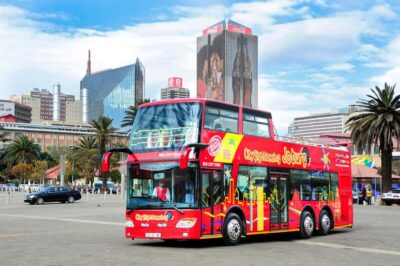
Johannesburg Hop-On Hop-Off City Tour with Soweto Option
Read our review →
Full Day Ultimate Pilanesberg National Park Safari from Johannesburg or Pretoria
Read our review →
Soweto: Walking Tour with a Local Guide and Lunch
Read our review →
Hartbeespoort: 2-Hour Dam Cruise with South African Food
Read our review →Browse the lists this tour appears in