

Reviewed · SOUTH AFRICA · TOURS IN CAPE TOWN
Cape Town: Authentic 3–4 Hour Cultural Township Experience
Cape Town’s townships are not a side note to the city’s story. They are central to understanding how apartheid controlled where people could live, work, and move. This private tour takes you from District Six to Langa, Bonteheuwel, Gugulethu, and Khayelitsha, combining memorials and old government sites with everyday community life.
I like the small private format, which lets you ask direct questions rather than follow a large crowd. I also like the mix of history and personal encounters: the Old Pass Office, a local healer, a shebeen making homemade beer, and a walking tour of Langa all show different sides of the past and present.
The main consideration is emotional weight. You will see poverty, cramped housing, and the effects of forced separation, so this is not a light sightseeing outing. Three hours also makes the schedule fairly brisk, and food and drinks are not included.
Key points at a glance
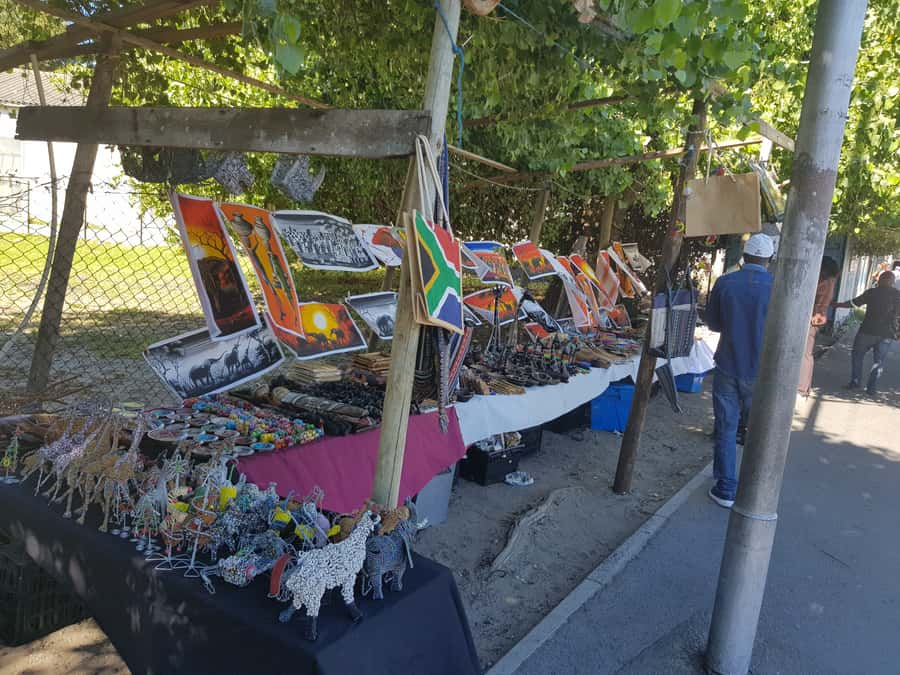
- District Six puts forced removal in clear human terms: Around 60,000 people were removed during the 1970s under apartheid.
- Langa provides the most hands-on part of the visit: You walk through hostels and shacks with a local guide and learn about daily life.
- The tour includes real community encounters: You may meet a traditional healer and see homemade beer being prepared at a shebeen.
- Memorials connect local events to the wider anti-apartheid struggle: Gugulethu 7 and the Amy Biehl memorial add important context.
- The private group price works best for three people: At $261 per group of up to three, the cost is easier to justify when shared.
- This is an educational visit first: Wear comfortable shoes, bring questions, and expect serious subject matter.
Why Cape Town’s townships belong in your itinerary
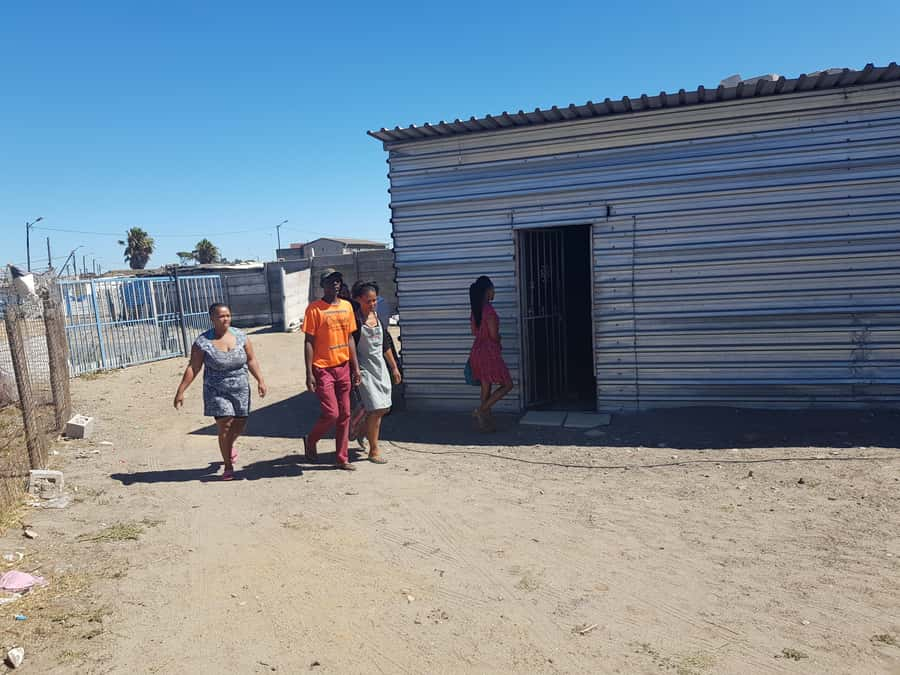
Many visitors see Cape Town through Table Mountain, the Waterfront, beaches, and grand historic buildings. Those places matter, but they can leave you with an incomplete picture. Apartheid did not simply create unfair laws. It divided communities by race, moved families from their homes, restricted movement, and shaped the city’s housing patterns for generations.
This tour gives you a way to connect those policies with actual places. You are not only hearing dates and political terms. You are seeing the old pass system, walking through housing areas, and visiting memorials to people who resisted apartheid or suffered because of its divisions.
I find that context especially useful before visiting other parts of South Africa. The tour explains why townships developed, why different communities were sent to different areas, and how those decisions affected work, schooling, transport, and family life. The result is a more honest understanding of Cape Town than a sightseeing loop focused only on its attractive center.
The private format also matters here. You can ask why a particular area was established, how the pass system worked, or how a memorial fits into the wider struggle. Guides Sam and Loyola have both led this experience, and the tour also uses a local Langa guide for the walking portion. The driver and guide roles may be combined, but the Langa walk is handled by someone with a direct connection to the area.
Other cultural tours in Cape Town:
- Half-Day Tour Through Cape Town’s Townships
★ 4.8 · 979 reviews - Cape Town: Guided Township Tour with Hotel Pickup
★ 4.4 · 536 reviews - Cape Town: Nathi Langa Township Walking Tour
★ 4.9 · 493 reviews
District Six and the story of forced removal
The tour begins with District Six, one of the most important places for understanding apartheid’s human cost. During the 1970s, about 60,000 residents were forcibly removed from this central Cape Town district. Families were sent away as the area was cleared under apartheid policy.
District Six is valuable as an opening stop because it shows that forced removals were not limited to distant townships. A community close to the city center was broken apart, and the effects remain part of Cape Town’s identity.
You may find this stop more reflective than visual. The power comes from the story of the people who lived there and the policy that removed them, not from a long list of monuments. Listen closely to the explanation, and use the time to ask how the removals changed families and neighborhoods.
This is also where the tour moves beyond the idea that apartheid was only a matter of separate public facilities. The system changed the physical shape of the city. It determined who could stay near jobs and who had to travel farther for work, school, and services.
Langa’s Old Pass Office and the pass system
From District Six, the tour continues to Langa, Cape Town’s oldest township. One of the key sites is the Old Pass Office, where you learn about the documents Black South Africans were required to carry. One visitor described the document as the Dumb Card, a term used for the pass that controlled movement and helped enforce racial rules.
This stop makes an abstract policy feel concrete. A pass was not just paperwork. It could decide where a person was allowed to be, when they could be there, and whether they could remain in an urban area. The guide’s explanation helps connect the pass system with the wider restrictions of apartheid.
The tour also visits a monument to Robert Sobukwe, an important anti-apartheid figure. His presence in the itinerary gives you a chance to consider resistance from more than one angle. The history is not presented only through government policy. It also includes the people who challenged that system.
Because this is a three-hour experience, expect short visits rather than long museum sessions. If a particular political figure or event interests you, ask about it while you are there. The small group setup makes that practical.
Walking through Langa’s hostels and shacks
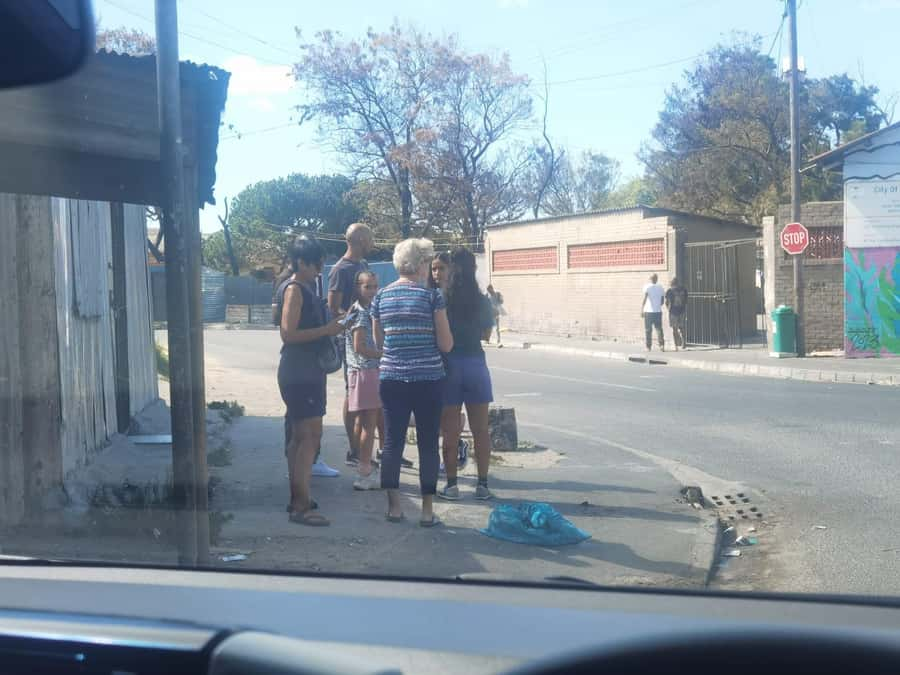
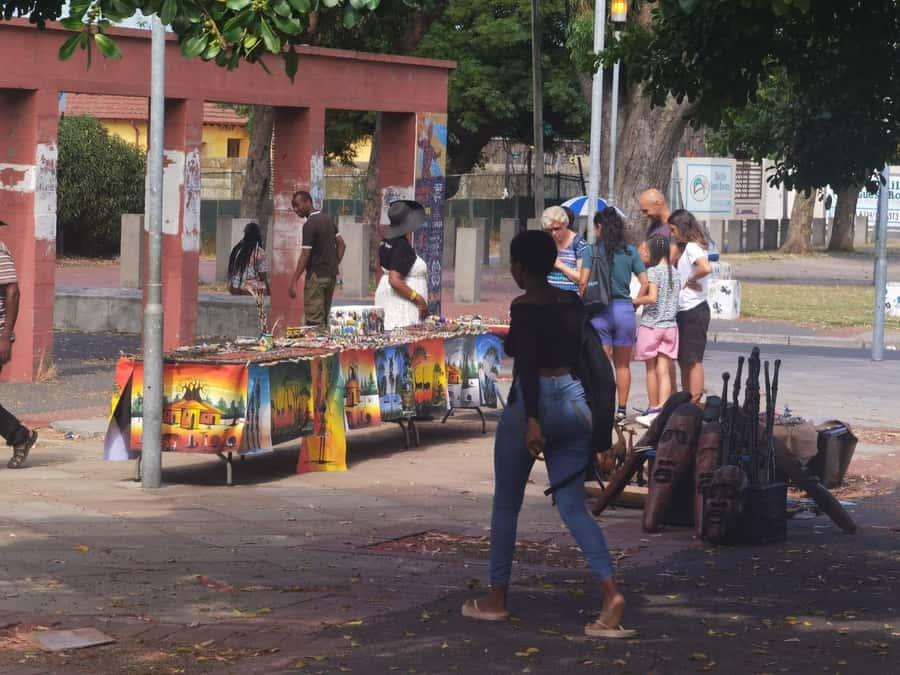
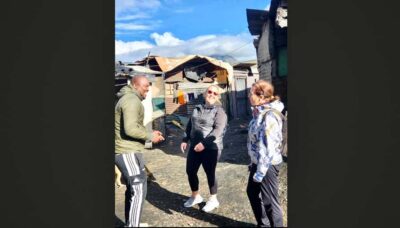
The walking portion in Langa is likely to be the most direct part of the tour. You leave the minivan and walk through areas that include hostels and shacks, learning about township life during apartheid and its continuing effects.
This can feel uncomfortable, and that is part of its value. You are not looking at a neatly packaged historic site. You are moving through a lived-in community. The right approach is to listen, avoid treating homes as scenery, and follow the local guide’s instructions.
The walking guide is described as friendly, patient, and willing to answer questions. That matters because the quality of this section depends heavily on conversation. You are likely to gain more by asking respectful, specific questions than by rushing to take photographs.
You may also visit a township home and see different types of housing. That detail helps show that the word township does not describe one uniform experience. Housing can vary, and the places you see reflect both the legacy of apartheid planning and present-day community life.
Wear comfortable shoes. The tour includes walking, and the ground and conditions may not feel like a standard city-center excursion. The experience is wheelchair accessible, but it is still sensible to ask about the walking route when booking if mobility is a concern.
Same base, a different sort of day:
- Wine Tour: Paarl, Franschhoek & Stellenbosch incl 3 wineries
★ 5.0 · 3,940 reviews - Cape Town: Hop-On Hop-Off Bus Tour with Optional Cruise
★ 4.8 · 3,929 reviews - Cape Town: Cape of Good Hope & Penguins Day Tour with Pickup
★ 4.7 · 3,362 reviews - Zipline Cape Town – From Foot of Table Mountain Reserve
★ 5.0 · 3,179 reviews
A shebeen, homemade beer, and a traditional healer
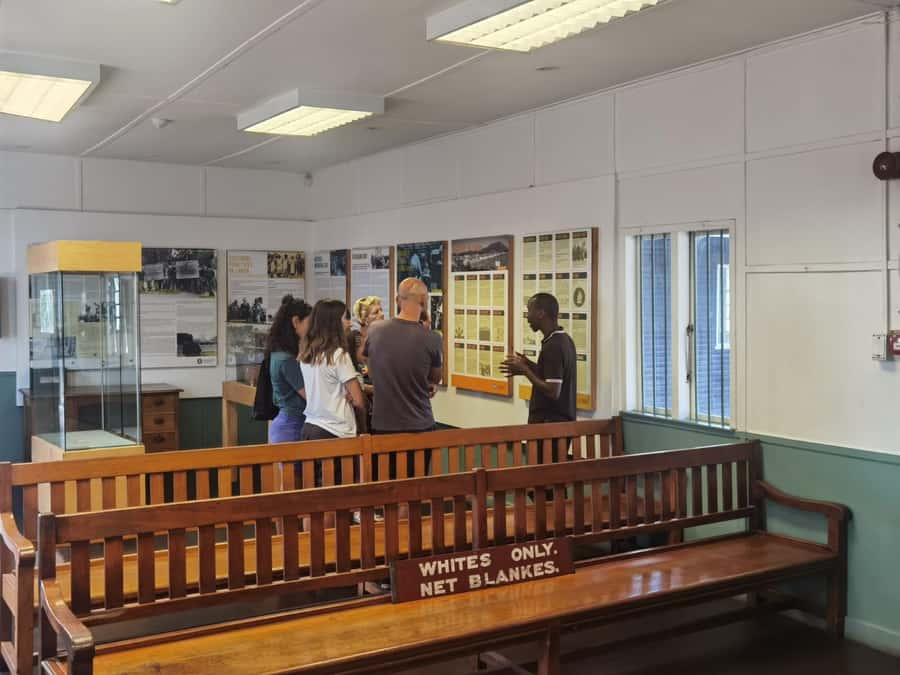
The visit to a shebeen adds a social and economic side to the tour. You can see local beer being made and may try homemade beer, although food and drinks are not included in the ticket price. A shebeen is more than a place to stop for a drink here. It helps explain how informal gathering places function within township communities.
This part can feel more personal than the memorials. You are learning through a local setting rather than a formal display. It is also a reminder that township life includes work, social ties, belief, and ordinary routines, not only political struggle and poverty.
The meeting with a traditional African healer offers another window into local culture. You may see the healer in action and ask how this form of practice fits into community life. The itinerary does not promise a specific treatment or consultation, so think of this as an introduction rather than a medical service.
Be respectful and let the guide set the tone. The goal is not to treat the visit as a performance. Pay attention to explanations, ask before taking pictures, and remember that cultural encounters work best when you approach them with curiosity rather than judgment.
Bonteheuwel and apartheid’s racial divisions
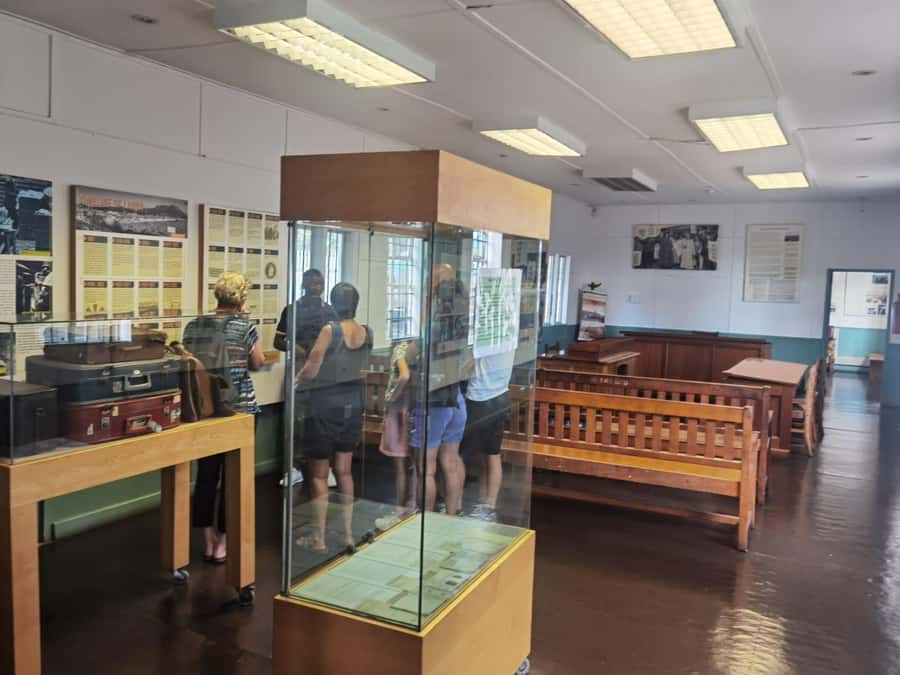
The minivan then passes through Bonteheuwel, an area reserved for the colored community under apartheid. This stop helps explain that apartheid’s racial categories affected more than one group. Different communities were assigned to different parts of the city, and those divisions shaped housing, education, employment, and social contact.
Bonteheuwel is especially useful because it broadens the tour beyond the Black township experience in Langa and Khayelitsha. You see how the state divided people into categories and used those categories to organize urban space.
The drive-through format means you may not spend as much time here as in Langa. Still, the explanation can help you read Cape Town’s geography differently. Distances that seem ordinary on a map often reflect political choices, not natural growth.
I appreciate this part because it discourages a simple story with one neighborhood on one side and another neighborhood on the other. Apartheid affected communities in different ways, while the overall system depended on separation and unequal treatment.
Gugulethu 7 and the Amy Biehl memorial
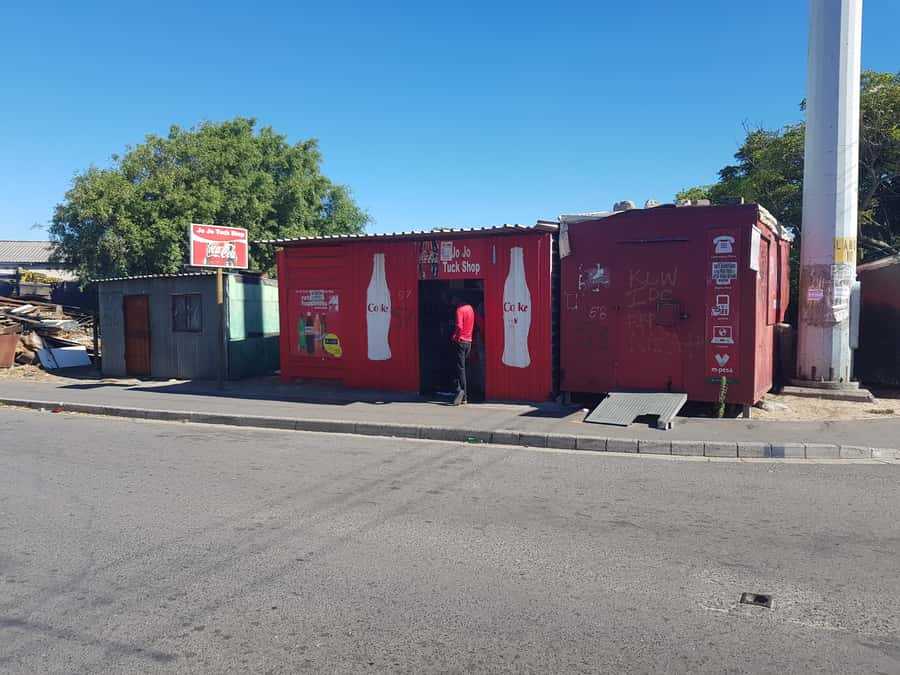
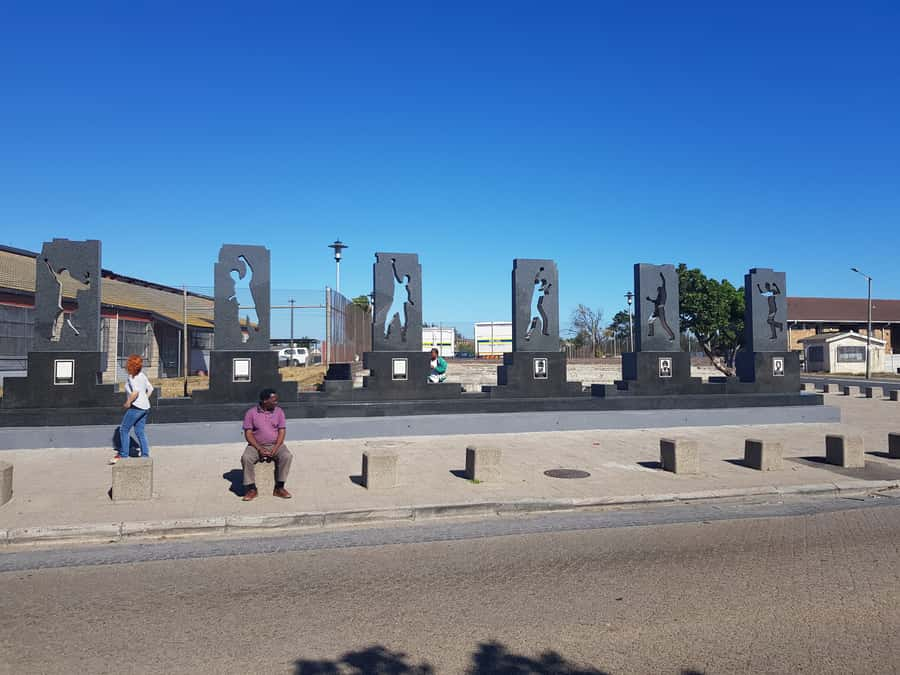
In Gugulethu, the tour visits the Gugulethu 7 Memorial. It honors seven members of an anti-apartheid group who were killed by South African police in 1986. This is one of the tour’s clearest reminders of the danger faced by people who resisted the system.
The memorial is not just a place to mark a tragedy. It gives a local setting to the broader story of state violence and political resistance. Your guide can help explain what happened and why the site matters to the community.
The tour also visits a memorial to Amy Biehl, an American student murdered by PAC supporters in 1993. Including this site adds complexity. The final years of apartheid and the period around its end were not simple or peaceful, and political violence did not follow a single pattern.
Together, these memorials keep the tour from presenting history as a clean sequence of good and bad actors. They show how conflict affected people from different backgrounds and how difficult the transition period could be.
Khayelitsha and the work of the Philani Center
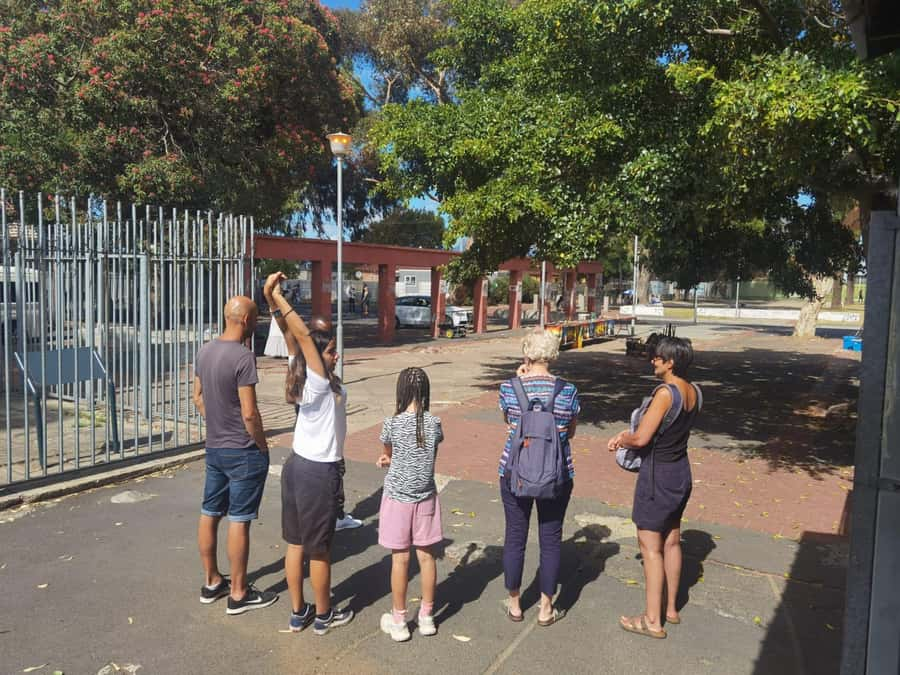
The final township stop is Khayelitsha, where you hear about the Philani Center’s work with local mothers and children. This gives the tour a forward-looking ending. After learning how apartheid damaged communities, you see an example of practical work aimed at improving family health and child welfare.
The Philani Center is important because it shifts the focus from what happened to what people are doing now. Community organizations often deal with needs created or worsened by long-term inequality, and this stop helps you understand that progress is measured through everyday support, not only major political milestones.
The visit does not promise a full program tour or a hands-on volunteer activity. You are hearing about the center’s work as part of the wider township experience. That is still useful, especially if you want to understand how local communities respond to current challenges.
A Sunday departure may offer an additional 30-minute visit to a local Baptist church meeting, though you should ask whether it is available for your date. Since this is not stated as a guaranteed part of every departure, do not book the tour solely for that feature.
How the private price works for you
The cost is $261 per group of up to three people. That is not a budget ticket for one person, but the calculation changes if you fill the group. Split three ways, it comes to $87 per person before any optional tip or personal purchases.
For that price, you receive hotel pickup and drop-off, an air-conditioned minivan, a private group, a three-hour guided route, and the township walking tour. You are also paying for a driver and guide who can respond to your questions rather than moving a large group through a fixed script.
The value is strongest for couples, families, or a small group of friends who want privacy and direct conversation. A solo visitor pays the full group rate, so the experience becomes harder to justify on price alone. In that case, compare it with shared township tours before booking.
Food, drinks, lunch, and tips are not included. If you try homemade beer or buy anything locally, bring money for those extras. The tour does not promise a meal, so eat beforehand if you need more than a snack during the three-hour outing.
What to bring and how to approach the visit
Wear comfortable shoes. You will walk in Langa, and this is not a sit-in-the-van-only tour.
Bring an open mind and sensible questions. Ask about the pass system, forced removals, housing, schools, work, and how communities have changed. A thoughtful question can turn a quick stop into a much better lesson.
You should also treat the townships as homes, not a film set. Ask before taking photographs, especially around people, houses, children, schools, the healer, and religious or community settings. The tour offers access, but access carries responsibility.
The experience is conducted in English and is wheelchair accessible. Pets, smoking, and oversized luggage are not allowed. Hotel pickup and drop-off make the tour easy to fit into a Cape Town schedule, especially if you do not want to arrange transport between several widely separated areas.
Free cancellation is available up to 24 hours before the tour for a full refund, and you can reserve now and pay later. Those terms are useful if your Cape Town plans are still changing.
Who should book this township experience
I would recommend it to anyone who wants more than a postcard view of Cape Town. It suits first-time visitors who want a clear introduction to apartheid, families with older children, students, and people interested in local culture and social history.
It is also a good choice if you value conversation. Sam and Loyola have both been praised for explaining the subject clearly and answering questions, while the Langa guide adds local perspective during the walk. The exact guide may vary, but the format gives you access to more than one voice.
I would think twice if you want a relaxed scenic drive, a food-focused outing, or a tour with little walking. The material is serious, and the combination of poverty, political violence, and forced removal can be upsetting. You should also allow for the fact that three hours is enough for an introduction, not a complete study of Cape Town’s townships.
Should you book this tour?
Book it if you want a compact, private, well-organized way to understand how apartheid shaped Cape Town and how communities continue to respond. The strongest parts are the Langa walking tour, the Old Pass Office, the local healer and shebeen visits, and the memorials in Gugulethu.
The $261 price makes the most sense for three people sharing the vehicle. Go prepared to listen, walk, and face difficult parts of the city’s story. If that sounds worthwhile, this is a serious and useful addition to a Cape Town visit, not simply another sightseeing drive.
FAQ
How long is the Cape Town township experience?
The experience lasts three hours.
How much does the private tour cost?
The price is $261 per private group of up to three people.
What areas does the tour visit?
The route includes District Six, Langa, Bonteheuwel, Gugulethu, and Khayelitsha.
Is hotel pickup and drop-off included?
Yes. Hotel pickup and drop-off are included.
What language is the tour conducted in?
The live tour guide speaks English.
Is transportation provided?
Yes. Transportation is provided in an air-conditioned minivan.
Is the tour wheelchair accessible?
Yes. The experience is listed as wheelchair accessible.
Are food and drinks included?
No. Food and drinks are not included unless specifically stated. Lunch is also not included.
Can I cancel the booking for a refund?
Yes. You can cancel up to 24 hours in advance for a full refund.
What should I bring?
Bring comfortable shoes. Pets, smoking, and oversized luggage are not allowed.
Just added in Cape Town
- Cape Town: The Cape Point Instagram Small Group Tour★ 4.4 · 122 reviews
- Cape Town: Tandem Paragliding Flight with the Experts★ 4.7 · 280 reviews
- From Cape Town: Stellenbosch Four Estate Full-Day Wine Tour★ 4.8 · 266 reviews
- Stellenbosch: Half-Day Wine Tour★ 4.7 · 601 reviews
- Cape Town: Garden Route and Addo Elephant Park 6-Day Safari★ 4.7 · 175 reviews
- From Cape Town: Glass-Bottom Boat Seal Watching Tour★ 4.4 · 147 reviews
- Cape Town: Guided Township Tour with Hotel Pickup★ 4.4 · 536 reviews
- From Cape Town: Hermanus Whale Watching Boat Trip★ 4.4 · 378 reviews
Township & Cultural Tours, compared.
Soweto /Johannesburg and Apartheid Museum Guided Full Day Tour
Read our review →
Johannesburg Hop-On Hop-Off City Tour with Soweto Option
Read our review →

Soweto: Walking Tour with a Local Guide and Lunch
Read our review →
Browse the lists this tour appears in