
Reviewed · MOROCCO · TOURS IN MARRAKECH
Moroccan Food Cooking Class with a Local Chef in Marrakech
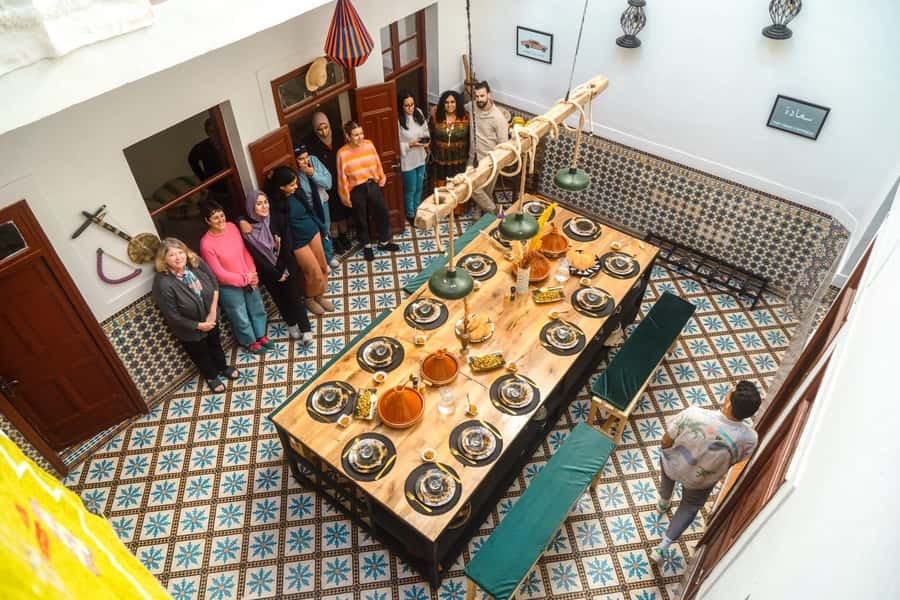
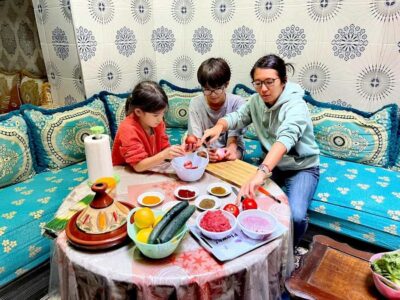
The best part of this Marrakech cooking class is that you do not simply sit down to eat Moroccan food. You learn how to season a tagine, brew mint tea, and prepare several dishes with a local chef. I especially like the hands-on cooking and the chance to learn how Moroccan families use spices, bread, and shared meals.
I also like that the class can cover three or four dishes, including vegan, vegetarian, and gluten-free options. The main caution is timing: some pickups have been changed late, and the advertised market visit has not always happened. Keep the rest of your day open.
Key points to know before booking
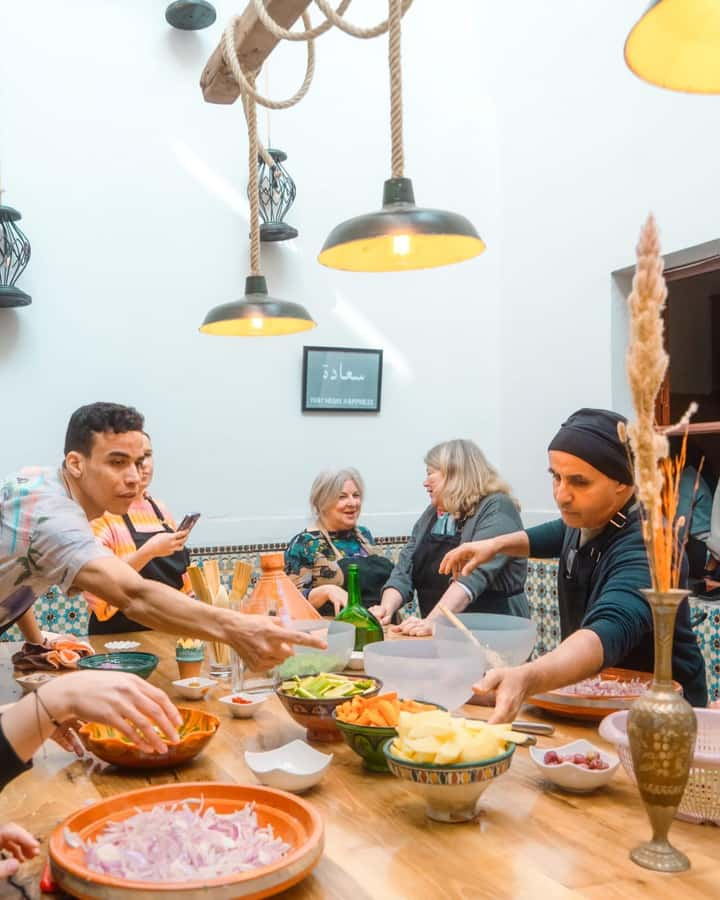
- Cook several Moroccan dishes: A typical class includes one tagine, two cooked salads, and a traditional crepe, though the menu can vary.
- Mint tea is part of the lesson: You learn the old-fashioned preparation and drink tea while getting acquainted with the group.
- Market shopping may be included: The plan calls for a short local market visit, but this has not happened on every session.
- Morad, Murad, and Yassine may lead the class: Names vary in the available information, but the cooking team includes these local hosts.
- Allow more than 210 minutes: Delayed pickups and return transfers have caused some sessions to run well past the planned three and a half hours.
- The meal and recipes are included: You eat what you prepare, with bread, water, tea, and a recipe link sent later.
From Marrakech pickup to the kitchen
This activity is sold as a half-day cooking class in Marrakech, with a listed duration of 210 minutes. That is three and a half hours, although the cooking portion and transfers may make the total outing longer.
You provide your WhatsApp number and hotel address when booking. Those details matter because the operator uses them for pickup information. Keep your phone close on the morning of the class, and confirm the pickup time before making other plans.
The transport arrangement has been the weakest part of the experience for some people. A class once scheduled for 10 a.m. had its pickup moved first to 11:25 a.m., then later again. That kind of change can spoil a museum visit, a meal reservation, or an afternoon trip outside Marrakech.
My practical advice is simple: book this for a day when you have no urgent appointment afterward. The cooking itself may last around four hours, and a late transfer can stretch the outing further.
Other cooking classes in Marrakesh people book:
- Marrakech: Moroccan Cooking Class with Pickup
★ 4.6 · 1,862 reviews - Marrakech: Traditional Moroccan Cooking Class & Market Visit
★ 4.8 · 1,861 reviews - Marrakesh: Moroccan Dishes Cooking Class with a Local Chef
★ 5.0 · 1,615 reviews
A local market, with one important qualification
The planned first stop is a nearby local market. You walk through with your guide, buy vegetables and other ingredients, and learn how to shop for the meal. This is a useful addition because shopping gives you a better sense of how Moroccan cooking begins, before the spices ever reach the pot.
You can ask about the produce, the ingredients used in tagine, and the role of fresh herbs and vegetables in home cooking. It also helps connect the meal to daily life rather than presenting Moroccan food as a set of restaurant dishes.
There is an important catch. The market visit has not taken place every time. Some sessions have gone directly to the cooking venue, with no clear explanation given. If the market is a major reason you are booking, ask the operator to confirm it shortly before the activity.
The cooking location may be a restaurant outside the central part of Marrakech rather than a family home. That setting can mean a proper professional kitchen and plenty of room to cook, but it may feel less personal than the description suggests. You are still learning home-style methods, but the setting is not guaranteed to be an ordinary Moroccan household.
Mint tea starts the social part
Once you arrive, the class begins with Moroccan mint tea. The host shows you how to make it in the traditional way, then serves it while everyone gets acquainted.
This is more than a welcome drink. Tea is a central part of Moroccan hospitality, and preparing it gives the class a gentle beginning before knives, spices, and hot tagines enter the picture. You learn a small ritual that is easy to repeat at home and useful long after the trip.
The tea break also gives you time to ask questions. The cooking team discusses Moroccan customs, food traditions, and local history while you settle in. The guides speak Arabic, English, and French, so you can choose the language that works best for you when booking.
The social side is worth noting. You work with other people to make the food, rather than receiving a private demonstration with nothing to do. That makes the class a good choice if you enjoy shared activities and do not mind cooperating around a kitchen counter.
Preparing tagine, salads, and crepes
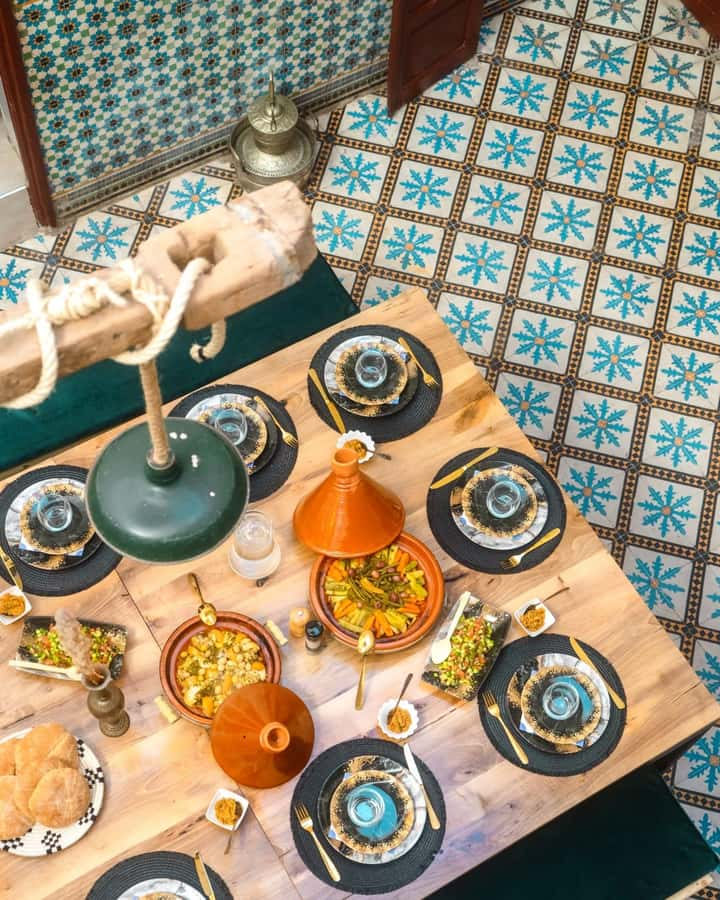
The main lesson focuses on practical techniques. You learn how to peel and chop ingredients, mix seasonings, and choose spices for tagine. The aim is not just to watch a chef perform, but to understand the steps well enough to repeat them later.
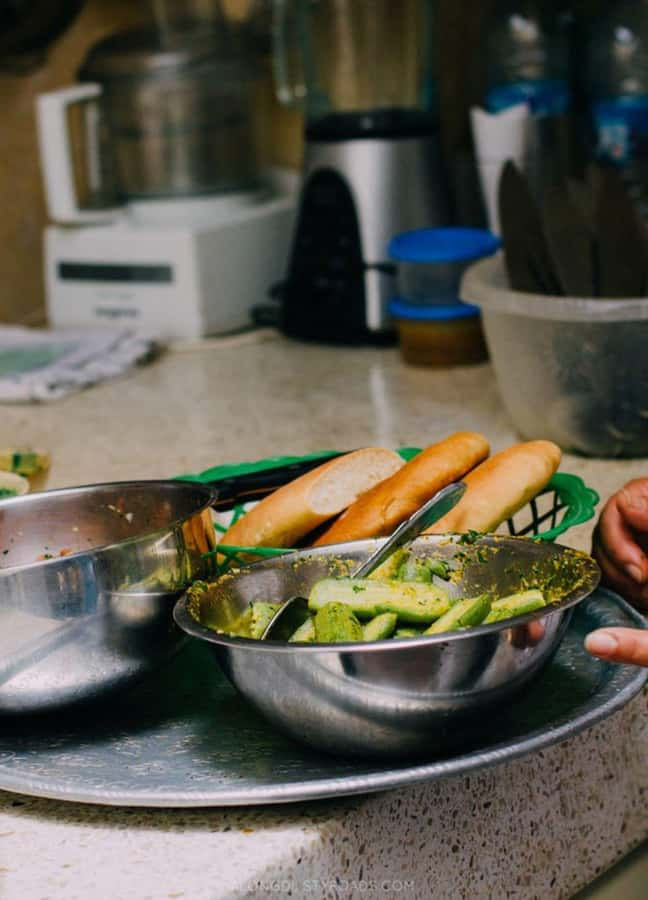
A common menu includes one kind of tagine, two cooked salads, and a traditional Moroccan crepe. The exact dishes can change, but the class normally covers several recipes in one sitting. That variety is one of the strongest reasons to choose this activity instead of a short demonstration.
Tagine is a useful dish to learn because the method depends on patience and seasoning as much as on a fixed list of ingredients. The class teaches you how Moroccan cooks build flavor with spices and prepare the ingredients in the right order.
The salads add a different lesson. Cooked Moroccan salads show how vegetables can be seasoned and served as part of a larger meal, rather than treated as a plain side dish. The crepe brings another texture and technique to the table.
The class also makes room for vegan, vegetarian, and gluten-free cooking. Tell the operator about your needs ahead of time. The supplied information confirms that these styles can be covered, but it does not promise that every menu will suit every dietary requirement without advance notice.
More cooking in Marrakesh:
- Marrakech: Moroccan Cooking Class with a Local Family
★ 4.9 · 668 reviews - Marrakech: Moroccan Cuisine Cooking Class in Local Home
★ 4.8 · 508 reviews - Marrakech: Moroccan Cooking Workshop at La Maison Arabe
★ 5.0 · 446 reviews - Marrakech: Tajine Cooking Class in a Traditional Riad
★ 4.8 · 424 reviews
Learning the customs behind the food
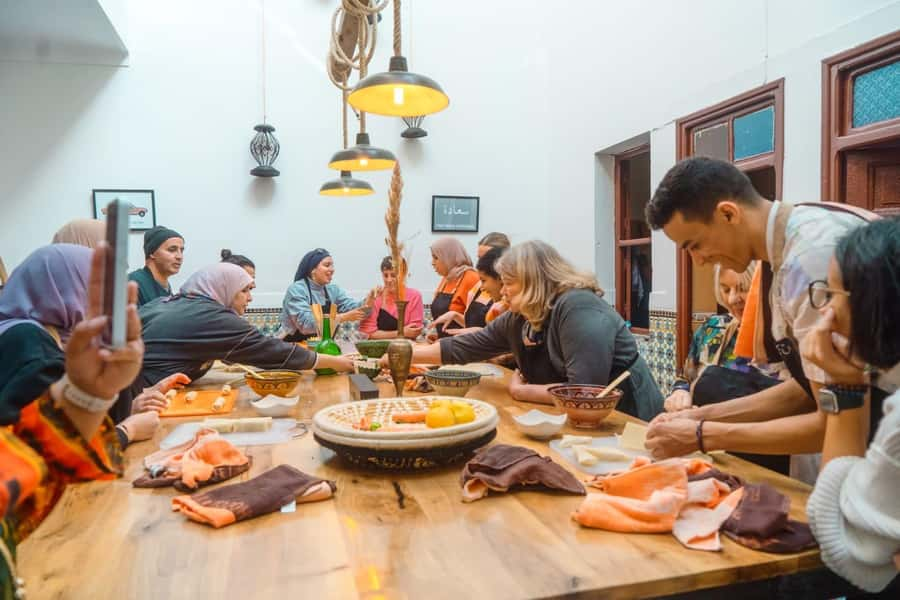
The cooking is paired with an explanation of Moroccan culture and food traditions. This is valuable because ingredients alone do not explain why the meal is prepared or served in a certain way.
You discuss the role of family cooking, including methods passed down from mothers and grandparents. That focus gives the class a more personal direction than a standard restaurant lesson. You are not only memorizing a recipe. You are hearing how everyday Moroccan food fits into family life and hospitality.
Bread, tea, and shared dishes are included in the experience. These details help you understand the meal as a social occasion rather than a collection of separate plates. The class ends by bringing the food to the table, where you eat what you prepared.
I like this structure because the lesson has a clear reward. You do the chopping and seasoning, then taste the result. If your tagine is not perfect, at least you can learn from it over lunch.
Eating what you have made
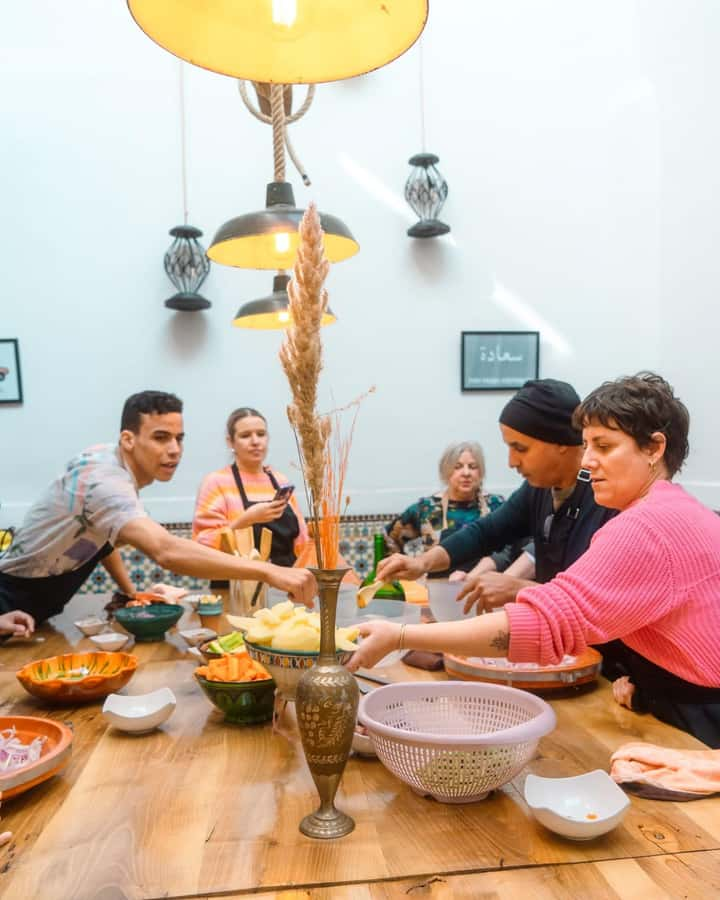
The final meal includes the dishes prepared in class, along with bread, water, and tea. There is no separate restaurant meal to compare with your cooking. The food on the table is the result of your work.
That makes the meal more satisfying, but it also means you should set reasonable expectations. This is a cooking lesson, not a polished tasting menu. The pace, presentation, and recipes may vary according to the group and the kitchen schedule.
For many people, that is part of the appeal. You leave with a better idea of how Moroccan food is assembled, not just with a memory of eating it. The meal also gives you a chance to compare the different dishes and notice how the spices work across tagine, salads, and crepes.
A recipe link is usually sent in the evening. It includes the dishes made during the class and additional recipes from the cooking team. This is a meaningful extra because the real value of a cooking class comes after Marrakech, when you try the food again for family or friends.
What $40 buys you
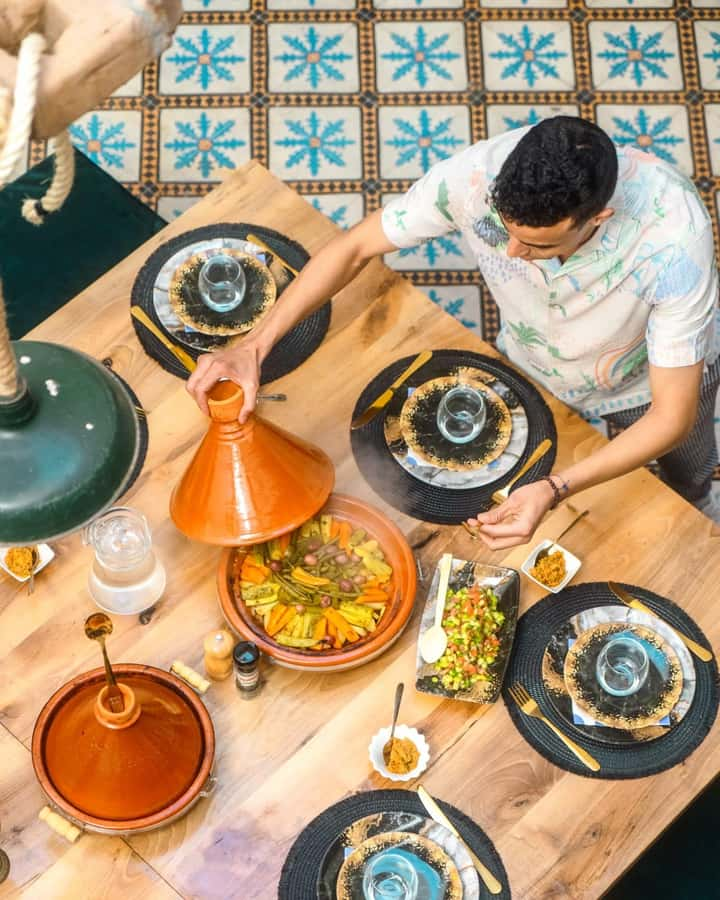
At $40 per person, the price is reasonable if the class runs as planned and includes the cooking, food, tea, guide, and transfers. You are paying for instruction and a meal, not simply for a restaurant lunch.
The strongest value comes from the number of dishes. Learning one tagine alone might not justify a half-day for every visitor. Adding salads, a crepe, mint tea, cultural explanations, and recipes makes the session more useful for anyone who enjoys cooking.
The value drops if the market visit is important to you and does not happen. It also drops if a delayed pickup takes over your day. In that case, the problem is not the food lesson itself, but the time lost around it.
I would compare this price with the cost of a meal in Marrakech, then ask what you want from the outing. If you want a hands-on activity and recipes to use at home, $40 is fair. If you want a quick, tightly scheduled class before another tour, choose a different day or another format.
Timing problems you should plan around
The stated length is 210 minutes, but the detailed description also presents the lesson as lasting about four hours. Add pickup and return travel, and you should treat this as a half-day commitment.
Some sessions have run late because pickup times changed. In one case, people arrived after the class had already begun and were placed at a separate table from the main group. A late return transfer caused further problems.
This is why I would not schedule a desert excursion, airport transfer, hammam appointment, or important dinner immediately afterward. Give yourself a generous buffer. The class is designed to feel relaxed, and the hosts may not be watching the clock closely.
The slower pace can be pleasant once you are cooking. It allows time for questions, tea, food preparation, and conversation. The same relaxed approach becomes frustrating only when you have somewhere else to be.
Who will enjoy this class most
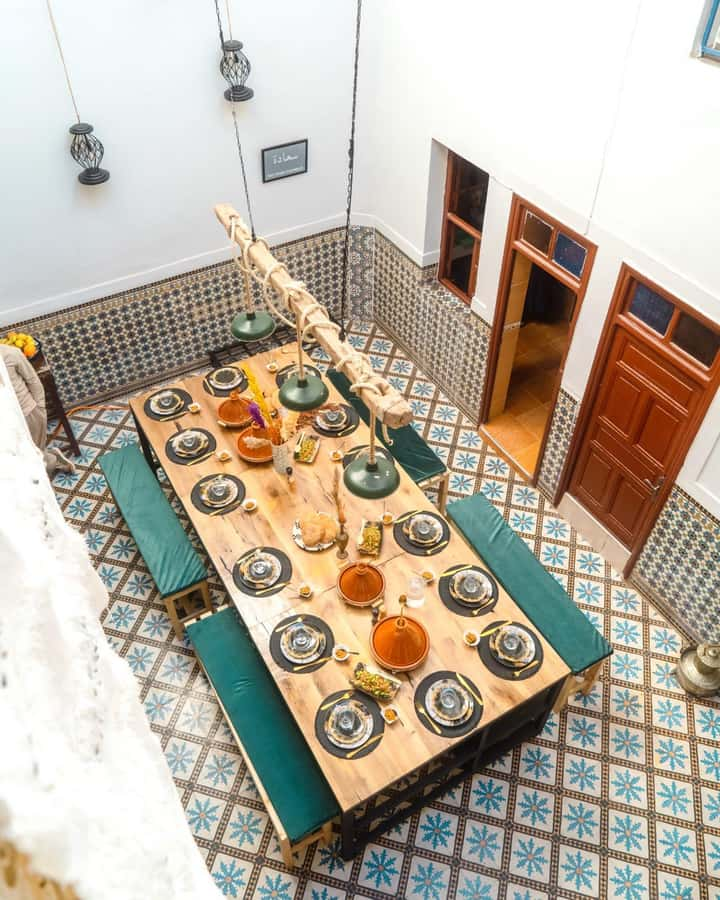
This activity suits you if you want to learn by doing. It is a good match for home cooks, couples, families, and small groups who enjoy preparing food together rather than watching a chef from a distance.
It also works well if you want a cultural activity that does not depend on sightseeing in the medina. The focus is on food customs, family techniques, and a shared meal.
You may want to skip it if you have a strict schedule, need a guaranteed market visit, or dislike group cooking. The available information does not give a fixed group size, and the experience includes teamwork. You should be comfortable sharing tasks and adapting to the pace of the kitchen.
The class is wheelchair accessible, which makes it an option for people who need step-free access. Confirm the exact pickup and venue arrangements in advance if you have specific mobility requirements, since the provided details do not describe every transfer or kitchen feature.
How the guides shape the experience
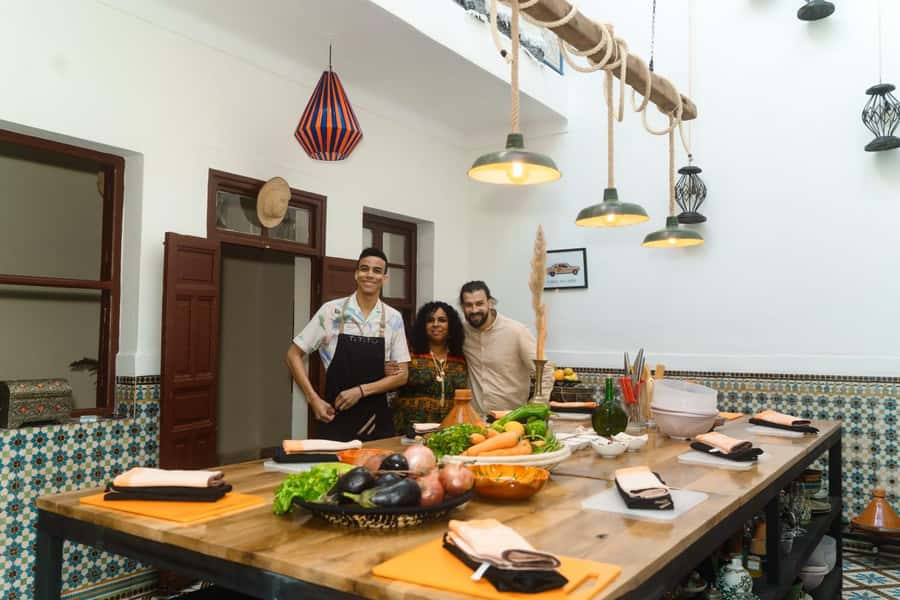
The cooking hosts are named as Morad, Murad, and Yassine in the available details. The spelling of Murad and Morad varies, but these are the names connected with the cooking team.
The strongest praise centers on the hosts. They are described as welcoming, fun, clear in their instructions, and good at helping people follow the recipes. That matters in a cooking class, where a friendly teacher can rescue a confused cook before too much salt or spice lands in the pot.
Communication with the driver has also been good on some outings, and transfers have arrived on time for certain sessions. Still, communication has not been consistent for everyone. Messages and calls have sometimes gone unanswered when a class was moved.
Use WhatsApp before the activity to confirm the pickup time, location, and whether the market stop is operating that day. This small step can prevent the biggest problems.
My verdict: book it with a flexible schedule
I would book this Moroccan cooking class if I had a free half-day in Marrakech and wanted to bring home a skill, not just a souvenir. The combination of mint tea, tagine, salads, crepes, cultural discussion, and recipes gives you a useful taste of Moroccan home cooking for $40.
I would not book it before a fixed appointment. The cooking hosts can make the class enjoyable, but pickup changes and delayed transfers are real concerns. Confirm the details by WhatsApp, keep your afternoon open, and ask about the market visit.
Choose it for the food, the practical instruction, and the chance to cook with Morad, Murad, or Yassine. Choose another activity if precise timing matters more than a relaxed kitchen session.
FAQ
How long does the Moroccan cooking class last?
The listed duration is 210 minutes, or three and a half hours. The full outing can take longer because of pickup, cooking time, and the return transfer.
What dishes might I prepare?
A typical session may include one tagine, two cooked salads, and a traditional Moroccan crepe. The menu can vary, and the class may cover three or four dishes.
Is Moroccan mint tea included?
Yes. You learn how to prepare Moroccan mint tea in the traditional way, and water and tea are included.
Does the class include a market visit?
The planned itinerary includes a quick local market visit to buy vegetables and other supplies. This stop has not occurred on every session, so confirm it with the operator before booking.
What languages are available?
The live guides speak Arabic, English, and French.
Is food included in the price?
Yes. You eat the food prepared during the class, and bread, water, and tea are included.
Can I cancel the activity?
You can cancel up to 24 hours in advance for a full refund. The activity also offers reserve now and pay later booking.
Just added in Marrakesh
- Marrakech: Tailor-Made City Tour With Your Own Private Guide★ 4.9 · 236 reviews
- Marrakech palm grove: Sunset camel ride★ 4.8 · 194 reviews
- Sparkling Marrakech through the eyes of your local Guide★ 4.7 · 247 reviews
- Small-Group Day Trip from Marrakech to Essaouira Mogador★ 4.8 · 211 reviews
- Quad biking in Agafay Desert with lunch & Camel Ride & pool★ 4.5 · 186 reviews
- Marrakech: Historical Discovery Tour★ 4.1 · 87 reviews
- Marrakech: Palm Grove Horseback Riding Tour★ 4.6 · 163 reviews
- From Marrakesh: Ouarzazate & Ait Ben Haddou Day Tour★ 4.5 · 198 reviews
Cooking Classes, compared.
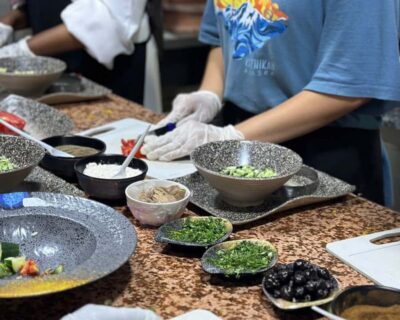
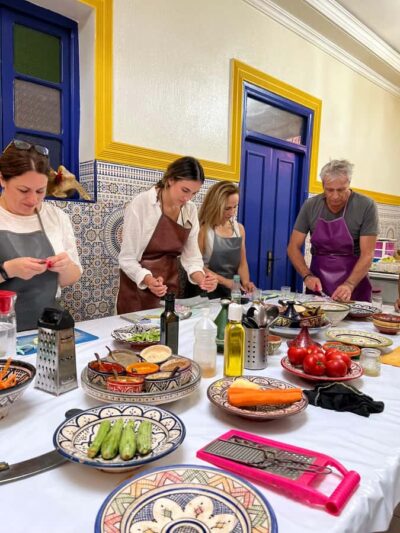
Traditional Moroccan Cooking Class & Market Visit
Read our review →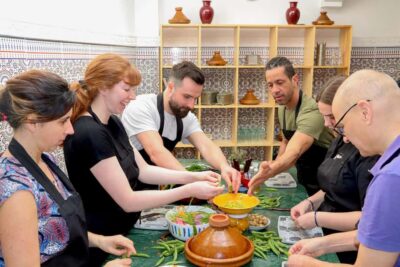
Moroccan Dishes Cooking Class with a Local Chef
Read our review →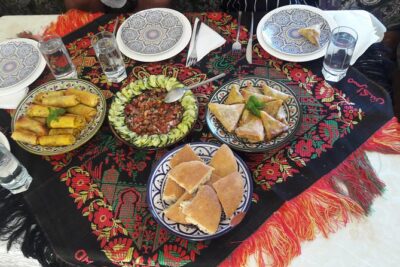
Moroccan Cooking Class & Marrakech Market Visit with Chef Khmisa
Read our review →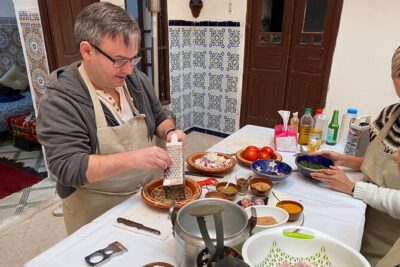
Half-Day Cooking Class with Local Chef Laila in Marrakech
Read our review →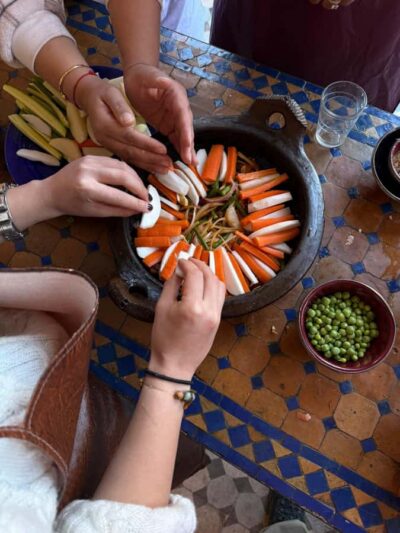
Browse the lists this tour appears in