
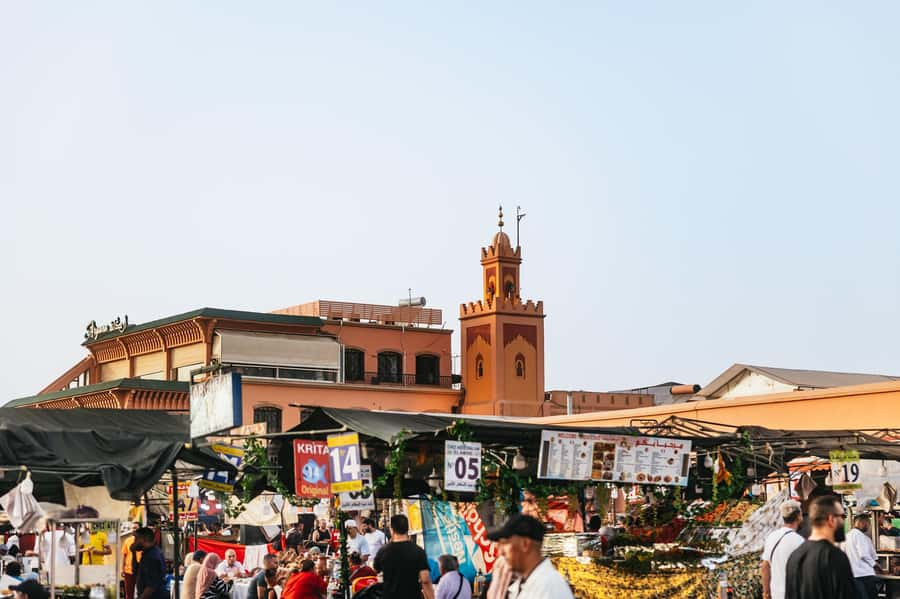
Reviewed · MOROCCO · TOURS IN MARRAKECH
Marrakech: Authentic Moroccan Food Walking Tour & Dinner
Marrakech’s best food lesson may happen at a tiny stall, over a bowl of Harira, or beside a vendor serving snails in herbal broth. This three-hour walk takes you through the Old Medina for a long string of local tastes, then finishes with Tajine or grilled meat.
I like the range of food, from sweet almond pastries and mint tea to cactus fruit and sheep’s head. I also like the human side of it: guides such as Yahya, Yaya, Ali, and Rachid explain what you are eating and how it fits into Moroccan life. The main drawback is simple: come hungry. Several stops plus dinner can be a lot of food, especially if you have eaten a full lunch.
Key points to know before you go
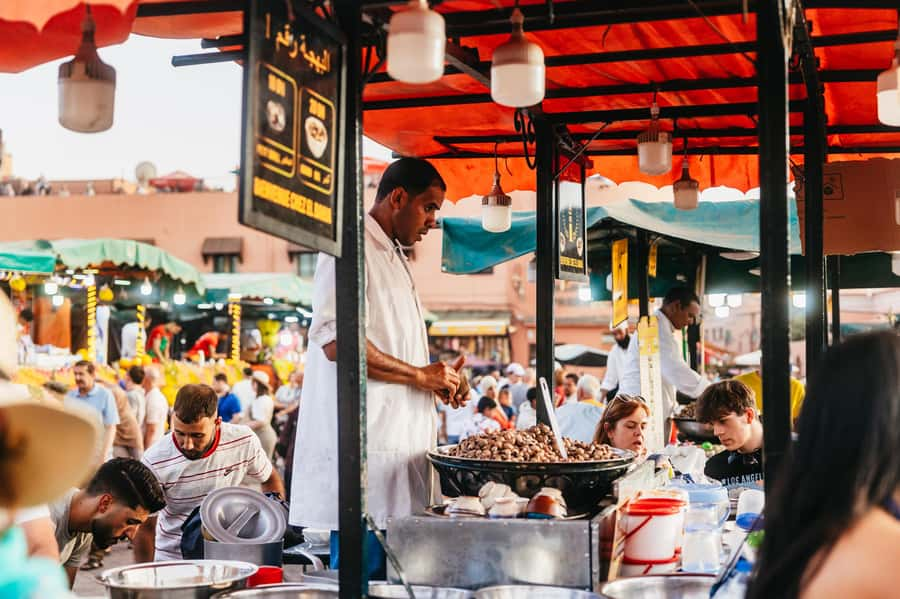
- Expect a full evening of tasting: Depending on the route, you may try roughly 13 to 17 different foods and drinks before dinner.
- The route changes: Your guide may follow a snack-focused Medina route or a different path with items such as Makkla bel Kefta, Sfenj, cactus fruit, and Moroccan barbecue.
- The food is local and sometimes adventurous: Snails are common on one route, while steamed sheep’s head may appear on another.
- The guide adds real value: Yahya, Yaya, Ali, and other local guides are praised for food explanations, cultural context, humor, and practical Marrakech tips.
- Dinner is part of the price: You finish with Tajine at a local restaurant or grilled meat at an open-air Chwa spot, depending on the evening.
- Wear proper shoes: You walk through the Medina for about three hours, often stopping in busy food areas and souks.
Start at Poste du Maroc and enter the Old Medina
The meeting point is in front of Poste du Maroc on Rue Beni Marine. From there, your English-speaking guide leads you into Marrakech’s Old Medina, where the food scene is less about one grand meal and more about small tastes gathered over time.
That format works well here. You can see what is being prepared, ask questions before trying it, and notice how Moroccan food changes from a sweet snack to a soup, a pancake, a drink, and finally a substantial meal.
The Medina can feel confusing at first, especially after dark or when the souks fill with people. A local guide gives you a fixed point of reference and helps you spend your attention on the food rather than on finding the next turn. A number of guides used for this experience are locals who grew up eating these dishes, including Yahya, often called Yaya, as well as Ali and Rachid.
The group walks at a food-tasting pace rather than a sightseeing pace. You will stop often, so the route does not feel like a long march. Still, comfortable shoes matter. The ground is not the reason to wear your best evening footwear.
Other walking tours in Marrakesh people book:
- Marrakech: Ben Youssef, Secret Garden, & Souks Walking Tour
★ 4.6 · 2,802 reviews - Marrakech: Colorful Medina Souks Guided Walking Tour
★ 4.7 · 2,470 reviews - Marrakech: Medina by Night Walking Tour with Moroccan Tea
★ 4.6 · 586 reviews
Route one: Moroccan sweets, soup, snails, and Tajine
One possible route opens with Moroccan coconut macaroons. These are a gentle start, especially for children or anyone who wants something familiar before trying more unusual food.
Next comes Kaab Ghzal, often translated as gazelle ankles. The pastry is filled with almond paste and scented with orange blossom water. It is a good introduction to a common Moroccan pairing: nuts, fine pastry, and floral flavor.
Harira follows. This traditional soup is closely tied to Ramadan, when it is commonly served with dates and Chebakia after the daily fast. Even outside Ramadan, the combination helps you understand how food can carry religious and social meaning. Harira is hearty enough to count as more than a sample, so pace yourself.
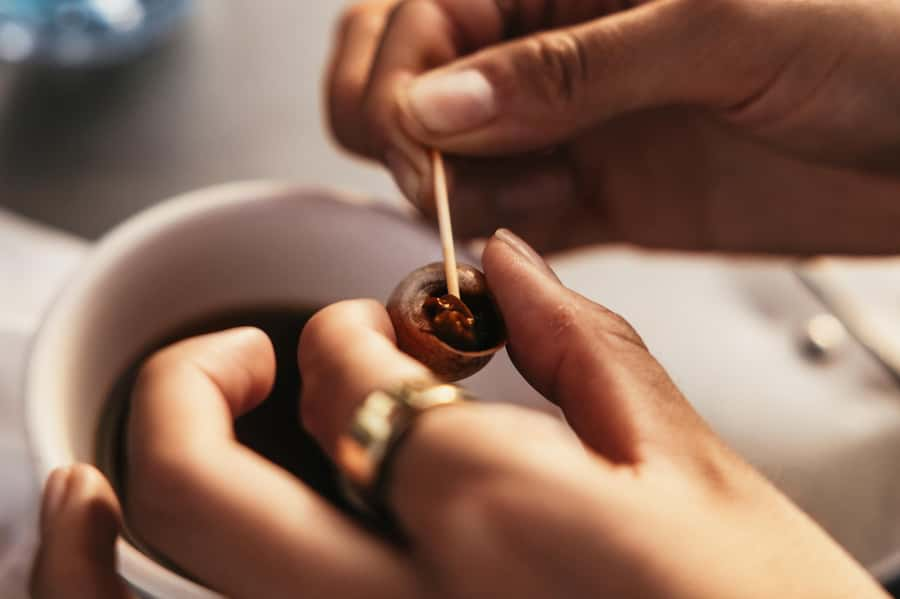
Babbouche, or Moroccan snails, is one of the more distinctive stops. The snails cook slowly in an aromatic herbal broth. The broth may be more memorable than the texture, and you can decide how adventurous you feel. This is one reason the tour is useful: you can try a small portion with guidance instead of ordering an unfamiliar dish on your own.
Mint tea and Msemmen provide a pause from the more unusual flavors. Msemmen is a pan-fried Moroccan pancake, often served with honey and sometimes cheese. It is crisp in places, soft in others, and substantial enough that you should avoid filling up early.
You may also taste Fakya, a festive mix of dried fruit and nuts shared during celebrations. It gives the evening a glimpse of food served at home and at family gatherings, not just food sold in the street.
Olives arrive in several styles. Green olives tend to have a smooth, creamy feel, while red olives may be dressed with parsley and cilantro. If your experience with Moroccan food has mostly been Tajine and couscous, this is a useful reminder that small preserved foods do much of the daily work on a Moroccan table.
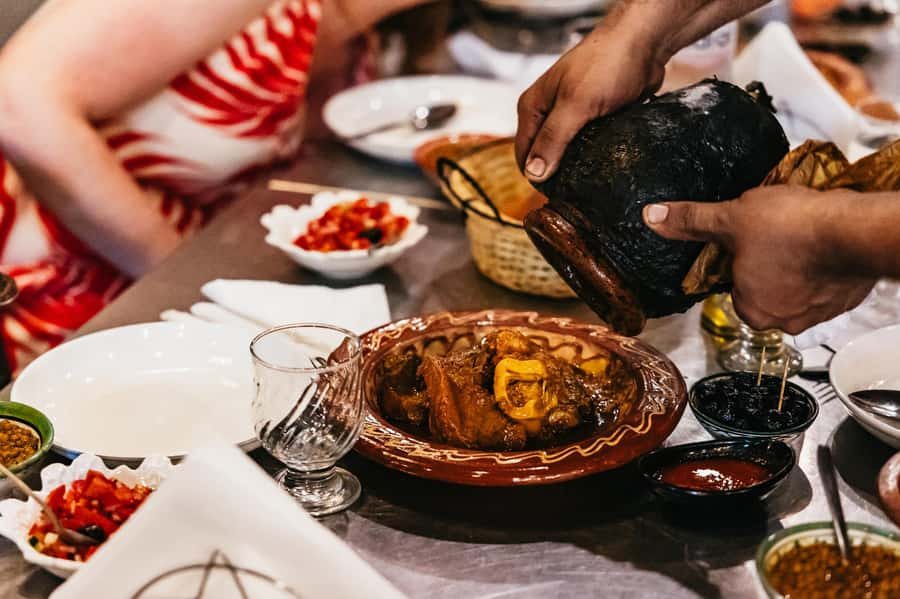
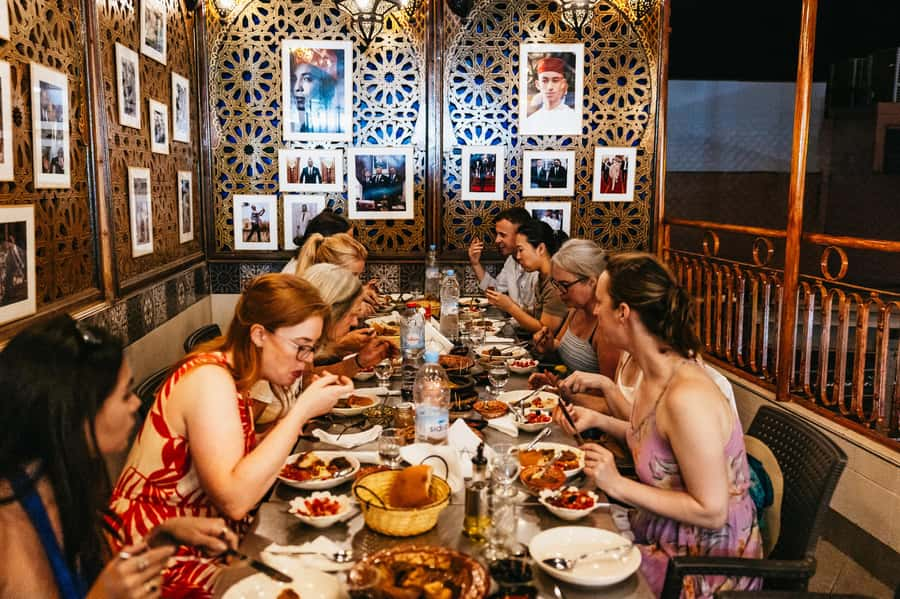
Dinner on this route is served at a cozy local restaurant. You can expect a fresh Moroccan salad followed by a hearty Tajine. Dessert is Raïb, homemade yogurt with a soft, creamy texture. After so many small tastes, the sit-down meal gives the evening a clear finish.
Route two: stuffed Msemen, Sfenj, and open-air grilling
The second possible route has a more street-food feel. It may begin with Msemen Amer, a Moroccan pancake filled with savory ingredients, often spiced vegetables. This is a useful contrast with the honeyed Msemen on the other route. The same broad family of pancake can move from sweet teatime food to a savory snack.
Harira and Chebakia appear here as well. Chebakia is a sweet, sesame-covered pastry often paired with the soup during Ramadan. The pairing is not random. The soup provides warmth and substance, while the pastry adds sweetness and energy.
Makkla bel Kefta is a Moroccan take on Shakshouka, generally built around eggs, tomato, and spiced meat. It is more filling than a quick bite, so keep some room for the stops that follow.
Sfenj is another classic street snack. These Moroccan donuts are crisp on the outside and airy inside. They are the sort of food that makes sense fresh from the fryer, and they offer a different texture from the denser pastries served earlier.
Lhindiya, or cactus fruit, brings a cool, juicy change. It is especially appealing in hot weather, although the fruit can contain small seeds. Your guide can help explain how it is eaten.
The adventurous stop on this route is Rass Mbekher, delicately steamed sheep’s head seasoned with cumin. This will not suit everyone, and you should not feel pressured to eat something you do not want. The route may sometimes replace it with local Chawarma, such as chicken or crispy falafel, so the exact food can change.
Panaché is a colorful smoothie made from seasonal fruit. Khoudenjal, a hot herbal drink made with galangal root, closes the tasting portion on a comforting note. It is traditionally enjoyed for digestion and during colder days.
Dinner here is an open-air Chwa experience, a Moroccan barbecue with grilled beef, turkey, and liver. If you prefer food cooked over coals and served in a casual setting, this route may be your favorite. The meat makes a serious final course after the pancakes, soup, pastries, fruit, and drinks.
The tasting list changes, and that is part of the deal
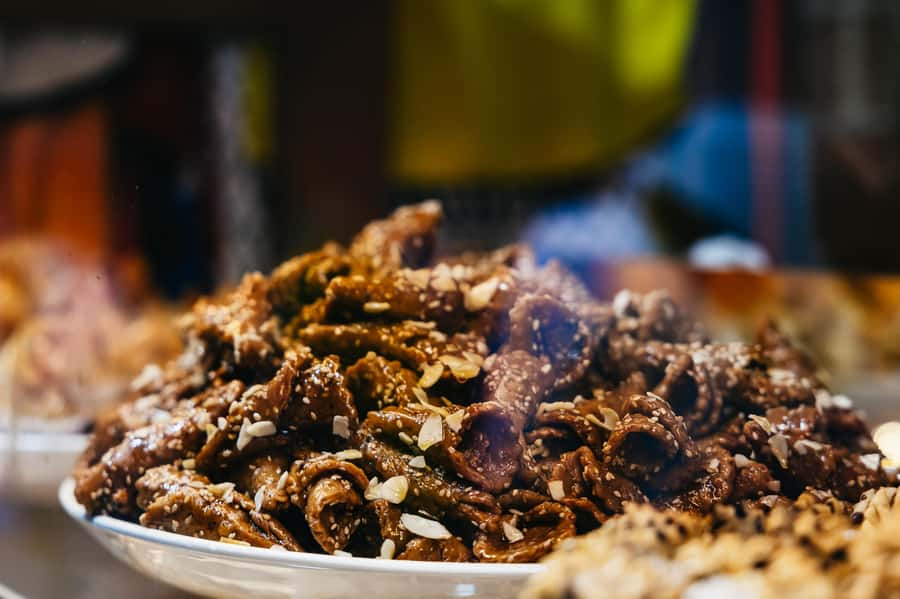
The operator presents two possible routes rather than one fixed menu. The guide, season, and pace of the evening can change what you receive. That flexibility is helpful in a city where food availability depends on the day, but it also means you should not book expecting every single item listed.
The strongest part of this arrangement is variety. In one evening, you can move from a delicate almond pastry to soup, olives, a fried snack, a cold fruit drink, and a full dinner. You also get different settings: market stalls, souk stops, food counters, and a final restaurant or grill.
The tradeoff is predictability. If you have dietary restrictions or strong dislikes, tell the guide early. A vegetarian participant was accommodated with substitutions, and that suggests the staff can make sensible adjustments, but the details will depend on the foods available that night.
The tour is also not a light nibble walk. Some people describe tasting 13 items, while others refer to 17 courses. The exact count can shift, but the message is clear: eat a small lunch, or keep your earlier meal modest.
Other guided walks in Marrakesh:
- Marrakech: Monuments, Souks and Medina Guided Walking Tour
★ 4.8 · 208 reviews - Marrakech: Souk by Night Medina Guided Walking Tour.
★ 4.3 · 166 reviews - Marrakech: 3-Hour Monuments, Souks & Old Medina Walking Tour
★ 4.7 · 133 reviews - Marrakech 3-Hour Walking Tour
★ 4.3 · 120 reviews
A short herbalist stop adds useful context
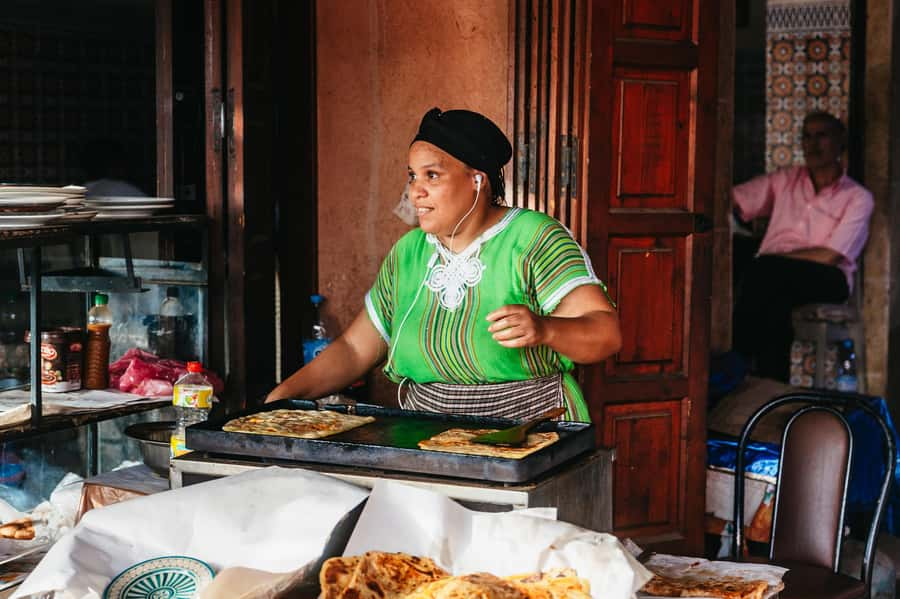
Depending on the route and timing, you may pause at a traditional herbalist’s shop. This is not the central reason to book the experience, but it can be a welcome break during a food-heavy walk.
You may learn about Moroccan spices, taste mint tea, and use the restroom. A charismatic herbalist called Mo was singled out as a memorable part of one evening, which hints at the lively, informal tone these stops can have.
Keep your expectations sensible. This is a brief stop within a food tour, not a dedicated spice or shopping visit. Treat it as a chance to hear how herbs and spices fit into Moroccan daily life. If products are offered for sale, buy only what interests you.
The guides make the Medina easier to read
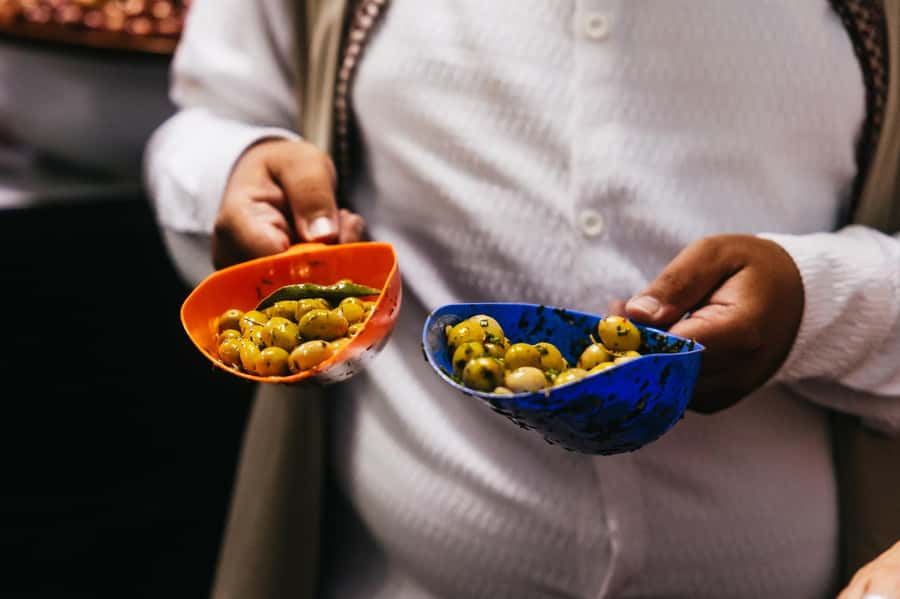
The food is the headline, but the guide can shape the whole evening. Yahya and Yaya are names that come up often in connection with this experience, along with Ali, Rachid, Mehdi, and others. The strongest guide style here is friendly, funny, and willing to answer questions beyond the menu.
That matters in Marrakech. A good guide can explain why a dish appears during Ramadan, how a local snack is normally eaten, or where a particular food fits into family celebrations. You also gain practical help for the rest of your stay, such as ideas about foods to seek out and ways to feel more at ease in the souks.
The experience is social. One group described enjoying the mix of people from different parts of the world, while a family with children aged seven to twelve found the food stops engaging. That does not mean every child will enjoy snails or sheep’s head, but the short stops and sweet treats give families several easy wins.
Group size is not specified, so do not book expecting a private walk. The tone may be social rather than intimate. If you prefer personal attention at every stop, ask about group arrangements before booking.
Ramadan changes the meaning of the evening
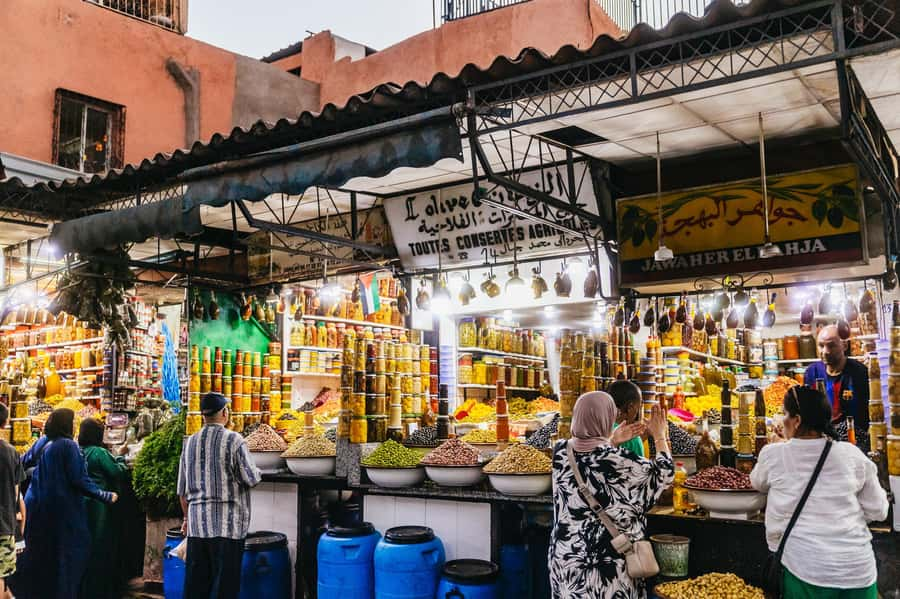
Harira, dates, and Chebakia are closely associated with breaking the fast during Ramadan. If your tour falls around sunset in Ramadan, you may see the Medina shift as the fast ends. That can add a strong cultural dimension to the meal.
There is an important practical point: the included dinner format is not available during Ramadan. The listed dinner of a restaurant meal or open-air grill may therefore change, so check the current arrangement before booking for those dates.
Outside Ramadan, the same foods remain worth trying because they are part of Moroccan food culture beyond the fasting month. Your guide can explain the connection without turning the tour into a formal lecture.
Is $52 good value for three hours?
At $52 per person, this is not the cheapest way to eat in Marrakech. You could buy individual snacks for less. But the comparison is not really between this tour and a single bowl of soup or a plate of olives.
The price covers a certified local guide, multiple tasting stops, mint tea, and dinner. You are paying for the range of food, the route through the Medina, the explanations, and the confidence to try places you might skip on your own. By the end, you have eaten enough for a full meal and sampled foods that would be hard to organize efficiently in one evening.
The value is strongest if this is your first or second day in Marrakech. You get an early guide to local dishes, learn what to look for later, and receive practical pointers for the rest of your stay. Several people returned to some of the food stops after the tour, which is a good sign that the route can help you find places you genuinely like.
The value is weaker if you already know Moroccan food well or dislike eating in many small stages. It is also less suitable if you want a quiet, formal dinner. This is a walking food education with dinner attached, not a restaurant tasting menu.
Practical details for a smoother evening
The walk starts and ends at Poste du Maroc, in front of the post office on Rue Beni Marine. Hotel pickup and drop-off are not included, so you need to reach the meeting point yourself and arrange your own way back.
The duration is about three hours. Starting times vary, so check availability for your date. The guide language is English.
Wear comfortable walking shoes and loose clothing that leaves room for the final meal. Bring an appetite, but do not skip food all day. A light earlier meal is a better plan than arriving exhausted and overly hungry.
If you have allergies, avoid certain meats, or follow a vegetarian diet, explain this before the first tasting. One vegetarian participant received alternatives, but substitutions can depend on the route and the day.
Free cancellation is available up to 24 hours before the start for a full refund. You can also reserve and pay later, which is useful if your Marrakech schedule is still moving around.
Who should book this food walk?
I would choose this tour for first-time visitors who want a friendly introduction to Marrakech food without having to decode every stall alone. It also suits curious eaters who want to try snails, cactus fruit, herbal drinks, pastries, and possibly sheep’s head in small portions.
Families can enjoy it, especially if children like sweets and trying new things. Vegetarians should ask about substitutions before the walk. People with limited mobility should note that this is a three-hour Medina walking tour, and the activity specifically recommends comfortable shoes.
I would think twice if you need a fixed menu, a private experience, or a relaxed dinner with long stretches of sitting. The route can change, the food comes in many courses, and the evening may feel full-on.
Should you book it?
Book it if you want to taste your way through Marrakech rather than simply hear about Moroccan food. The combination of local snacks, a guide who can explain the customs behind them, and a proper final meal gives you a useful start to the city.
Plan to take it early in your stay, eat lightly beforehand, and stay open to unfamiliar dishes. If you do, the $52 price is fair for three hours of food, walking, and local guidance. If you want a predictable dinner or already have a detailed food plan, choose a shorter restaurant experience instead.
FAQ
Where does the Marrakech food tour meet?
Meet your guide in front of Poste du Maroc, also called the central post office, on Rue Beni Marine.
How long does the food tour last?
The walking tour lasts about three hours and returns to Poste du Maroc.
What language does the guide speak?
The live guide speaks English.
Is dinner included?
Yes. Dinner is included as either a meal at a local restaurant with Tajine or an open-air Moroccan barbecue, depending on the route. The dinner arrangement is not available during Ramadan.
What foods might I taste?
Possible foods include Harira, Chebakia, Msemmen, Moroccan coconut macaroons, Kaab Ghzal, Babbouche, olives, Fakya, Sfenj, cactus fruit, Panaché, Khoudenjal, Makkla bel Kefta, and sheep’s head. The exact route and food selection can vary.
Do I need to bring anything?
Bring comfortable walking shoes. You may also want to arrive with plenty of room for the many tastings and final dinner.
Is hotel pickup included?
No. Hotel pickup and drop-off are not included. You must make your own way to the meeting point.
Can I cancel or pay later?
You can cancel up to 24 hours in advance for a full refund. Reserve now and pay later is also available.
Just added in Marrakesh
- Marrakech: Tailor-Made City Tour With Your Own Private Guide★ 4.9 · 236 reviews
- Marrakech palm grove: Sunset camel ride★ 4.8 · 194 reviews
- Sparkling Marrakech through the eyes of your local Guide★ 4.7 · 247 reviews
- Small-Group Day Trip from Marrakech to Essaouira Mogador★ 4.8 · 211 reviews
- Quad biking in Agafay Desert with lunch & Camel Ride & pool★ 4.5 · 186 reviews
- Marrakech: Historical Discovery Tour★ 4.1 · 87 reviews
- Marrakech: Palm Grove Horseback Riding Tour★ 4.6 · 163 reviews
- From Marrakesh: Ouarzazate & Ait Ben Haddou Day Tour★ 4.5 · 198 reviews
Walking Tours, compared.
Ben Youssef, Secret Garden, & Souks Walking Tour
Read our review →
Explore Fes: Unforgettable Guided Walking Tour of the Medina
Read our review →

Soweto: Walking Tour with a Local Guide and Lunch
Read our review →
Old Cairo Guided Walk Tour: History, Culture & Street Bites
Read our review →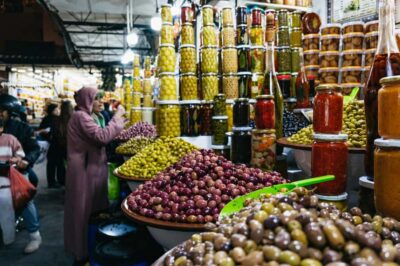

Browse the lists this tour appears in