
Reviewed · SOUTH AFRICA · TOURS IN CAPE TOWN
Half-Day Tour Through Cape Town’s Townships
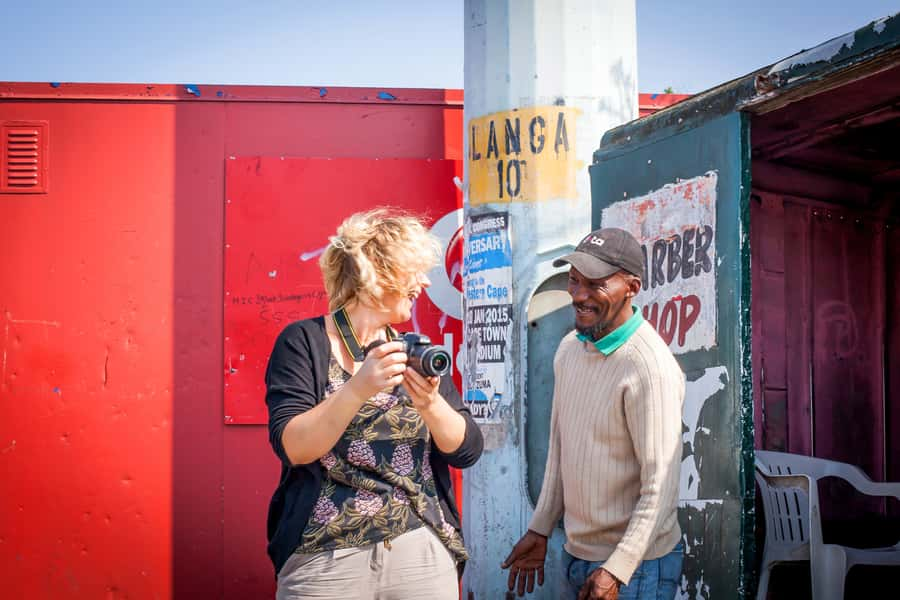
Cape Town’s townships are not a drive-by sight. This tour puts you on foot in Langa, with local guides such as Godfrey, Jerry, Sakhe, and Simosakhe explaining how people live, work, and remember apartheid. I like the personal scale and the chance to speak with residents. I also like that the guides come from the communities they explain.
The main thing to consider is the emotional weight. You will see poverty, cramped housing, and the lasting effects of forced removals. The pace can also slow when people linger over questions or arrive late, so this suits you best if you value conversation over a tightly timed sightseeing circuit.
Key points at a glance

- Walk through Langa with a local guide: See homes, hostels, informal housing, community spaces, and what local people call the Beverly Hills of Langa.
- Put District Six into context: Learn how more than 60,000 people were removed during apartheid and how the area is being rebuilt.
- Meet the community respectfully: The tour includes conversations with residents and, on weekdays, a visit to a kindergarten school.
- Understand Gugulethu’s memorials: Visit the Gugulethu Seven Memorial and the Amy Bichel Memorial, which connect personal loss with South Africa’s wider struggle against violence and apartheid.
- Use included transport wisely: Hotel pickup, a driver-guide, fuel, entrance fees, and passenger liability cover are included in the $58 price.
- Bring small cash: You may want to donate at approved points or buy local arts and crafts, and cash is also useful if you wish to support the kindergarten.
Why a township walk adds something to Cape Town
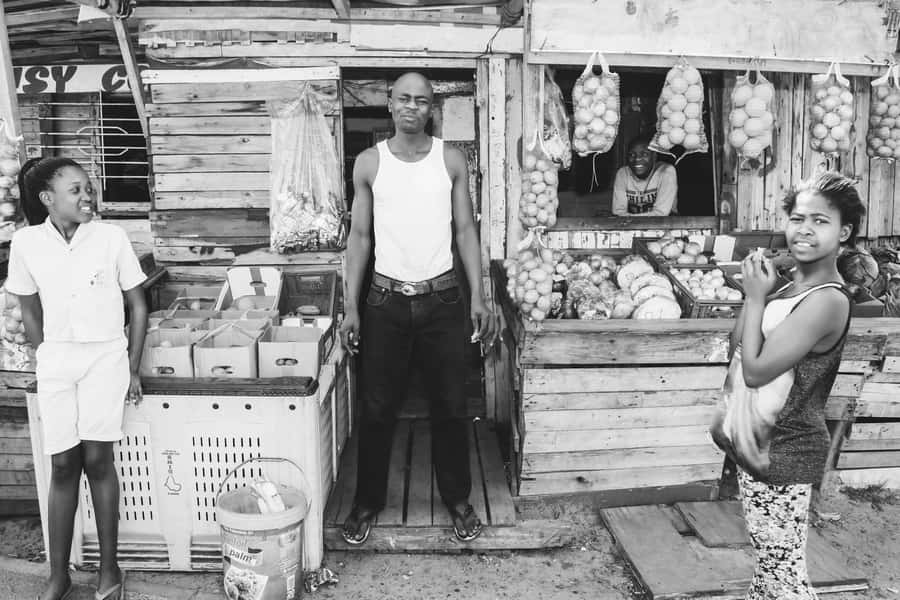
Cape Town can make it easy to stay among beaches, vineyards, restaurants, and postcard views. Those places matter, but they do not explain how the city was shaped by apartheid. This half-day outing helps you connect the polished tourist areas with the communities created, divided, and displaced by government policy.
The tour begins with a drive through District Six. This was once an inner-city residential area with a mixed population. During the 1970s, apartheid authorities forcibly removed more than 60,000 residents. Houses were destroyed, families were scattered, and the area was largely emptied.
Your guide explains this in a way that ties policy to ordinary life. You are not just hearing a date and a political label. You are learning what removal meant for families, schools, neighborhoods, and memory.
The tour also explains the work that followed. Since 2003, former president Nelson Mandela has been linked with efforts to give District Six new life. The precise shape of redevelopment continues to matter, but the important point for you is clear: this is not only a story about loss. It is also about return, repair, and who gets to belong in the city.
Other cultural tours in Cape Town:
- Cape Town: Guided Township Tour with Hotel Pickup
★ 4.4 · 536 reviews - Cape Town: Nathi Langa Township Walking Tour
★ 4.9 · 493 reviews - Cape Town: Robben Island Ferry Ticket and Townships Tour
★ 4.5 · 400 reviews
Langa on foot, with local voices
Langa is the heart of the visit. It is Cape Town’s oldest township, and the walking portion gives the tour its human scale. Instead of looking out from a vehicle, you move through streets and stop to hear about daily life directly from people connected to the area.
The strongest part of this format is the guide. Several of the guides, including those introduced as Jerry, Godfrey, Sakhe, and Simosakhe, grew up in or still live in Langa. That changes the tone. They can explain the history, but they can also describe what it means in family and personal terms.
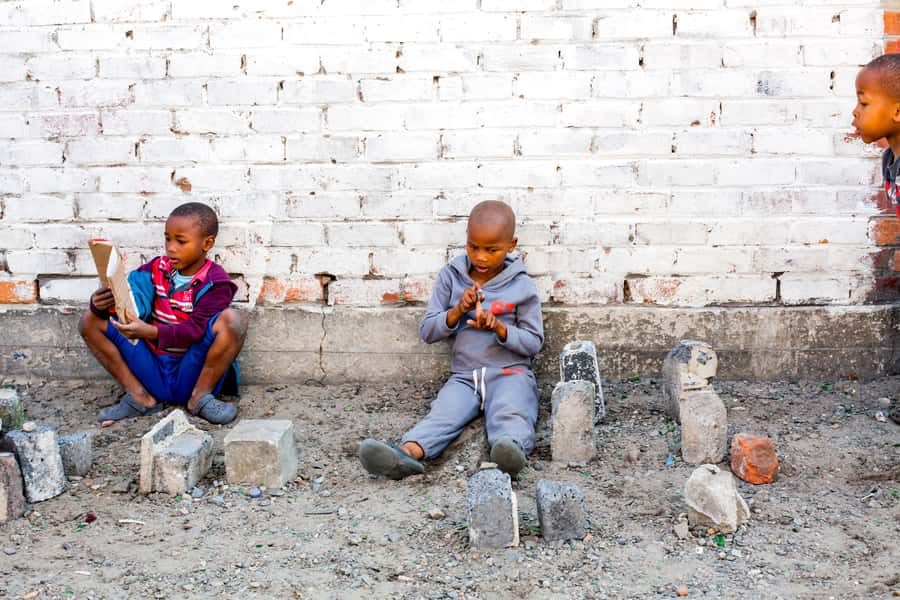
You might visit local homes, older hostel-style accommodation, informal structures, gardens, and community spaces. The route can also include a kindergarten school during the week. Children may be present, and the visit can feel warm and direct, but you should remember that this is a working school and a real community, not a staged attraction.
A few families and residents may welcome visitors into their homes or speak with the group. That is where good manners matter. Ask before taking photographs. If someone agrees to a picture, carry small change for a donation, as requested by the tour organizers. Buying small arts and crafts from approved local sellers is another practical way to put some money into the community.
The walking route may show sharp differences in housing. You can see older settlements beside better-built homes, along with the different standards of accommodation that have developed over time. The contrast is useful, but it can also feel uncomfortable. I would not book this expecting cheerful sightseeing at every stop. The value comes from listening, asking thoughtful questions, and accepting that some parts are hard to see.
Bonteheuwel and the geography of forced removal
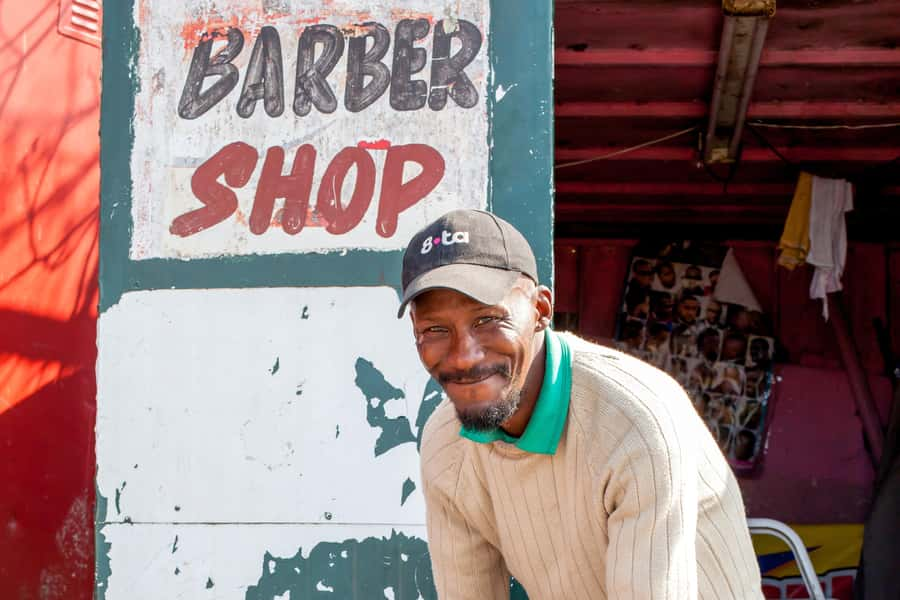
Between Langa and Gugulethu, the vehicle passes through Bonteheuwel. The township grew partly from District Six residents classified as coloured under apartheid law. This stop is mainly understood from the vehicle, but it adds an important link to the story.
Apartheid did not simply separate people by drawing lines on a map. It relocated them according to racial categories, often far from jobs, schools, and established communities. Bonteheuwel helps you see how those decisions produced new townships and reshaped Cape Town’s population.
This is one reason the drive matters. A walking tour only in Langa would still be worthwhile, but the route through several areas shows that the township story is not one single neighborhood story. Each place has its own identity and path, even when the roots lie in the same discriminatory system.
The drive also gives your feet a break. The full outing lasts around three to four hours, and the mix of vehicle time and walking keeps the morning manageable for most people.
Gugulethu, the Seven, and the memory of violence

The final part focuses on Gugulethu, whose name comes from the Xhosa phrase igugu lethu, meaning our pride. The township is home to roughly 300,000 residents today, according to the tour information, and the visit places its size and identity alongside its painful past.
The Gugulethu Seven Memorial honors seven young people who died while fighting apartheid. Its design carries the meaning of absence. Light passes through open spaces, creating a sense that those who died are being brought back into view rather than forgotten.
That is the kind of memorial where your guide’s explanation matters more than a quick photograph. Ask about the people being remembered and how the memorial is understood locally. The stop is not simply a political history lesson. It is about young lives, families, resistance, and the cost of state violence.
The tour also includes the Amy Bichel Memorial, which honors the nation’s struggle against violence. Together, these memorials make the final section more reflective than scenic. Give yourself room to listen. This is not the place for a rushed group selfie or a quick tick on a sightseeing list.
A few more things to do in Cape Town worth a look
- Stellenbosch: Half-Day Wine Tour
★ 4.7 · 601 reviews - From Cape Town: Cape Point and Boulders Beach Half-Day Tour
★ 4.8 · 498 reviews - Cape Town: Penguins & Cape of Good Hope Half-Day Tour
★ 4.3 · 324 reviews - Cape Town: Half-Day Guided Township Tour
★ 4.6 · 237 reviews
The kindergarten visit and the right way to participate

A weekday kindergarten visit may be one of the most memorable parts of the morning. You might meet children, see the school, and spend a little time in a setting that is part of everyday township life.
The visit is not guaranteed on weekends, since some venues may be unavailable. If seeing the school is important to you, choose a midweek departure and confirm availability when booking.
You may also want to bring simple school supplies. One visitor wished they had been advised to bring pencils, books, or paper. The tour does not list these as required, so do not arrive with bags of unsolicited gifts. Small, useful items should be offered only in a way that the school or guide approves.
The same rule applies to photography. Ask first, especially when children are involved. A tour that aims to treat you as a respectful visitor depends on you acting like one.
Is the $58 price good value?
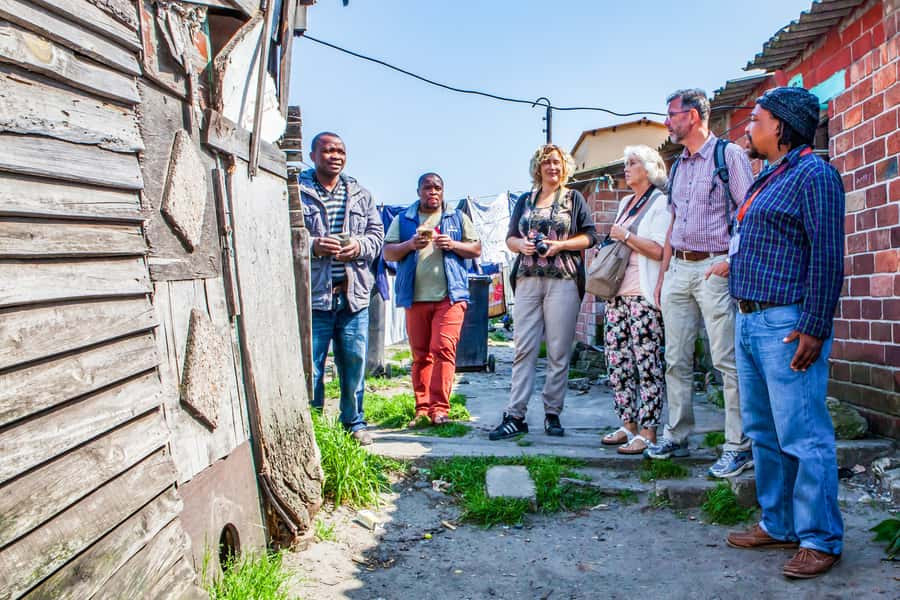
At $58 per person, the price is reasonable for a private or small-group half-day outing, particularly because transport is included. You receive hotel pickup and drop-off in eligible parts of Cape Town, a driver-guide, an English-speaking walking guide, fuel, entrance fees, and passenger liability insurance.
The pickup area includes central Cape Town, the Waterfront, Camps Bay, and parts of the Atlantic seaboard. That saves you the trouble of arranging transport to Langa, and the vehicle gives the driver time to explain District Six and the communities along the route.
Value here is not about the number of sights packed into three hours. It is about access and interpretation. You are paying for a local guide who can explain the places you see, introduce the human side of the townships, and help you behave appropriately in a setting where independent wandering may not provide the same context.
There are limits. Lunch is not included, and this is not a food tour, although one private outing included making roti, samosas, and curry. Do not book expecting that activity every time. The standard plan centers on history, walking, community visits, and memorials.
Safety, comfort, and the feeling of being a visitor
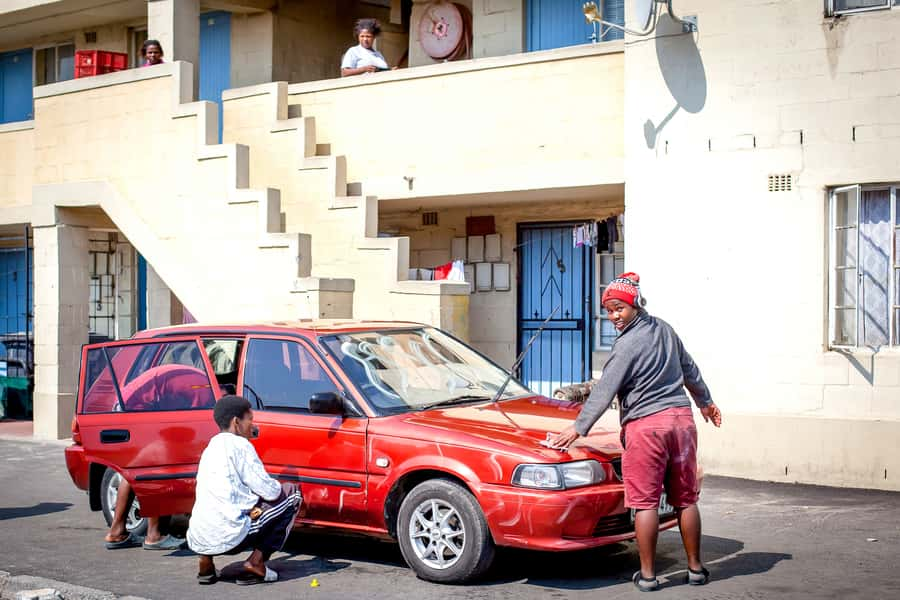
Safety is a common concern when people consider township tours. The route is guided, transport is provided, and the walking section is led by someone familiar with the community. The tour information also says it is wheelchair accessible, which is useful, though you should confirm the exact walking conditions and vehicle setup for your needs.
You should still use ordinary city sense. Keep valuables secure, avoid carrying large amounts of cash, and ask before taking photographs. Large bags and luggage are not allowed, so leave suitcases at your accommodation.
The more subtle issue is not physical safety but the feeling of intruding. That concern is fair. You are entering residential areas where people live their ordinary lives, and poverty can turn a visit into a spectacle if you are careless.
The guide helps set a better tone by explaining why the community welcomes visitors and by directing you toward appropriate interactions. You help by listening more than you photograph, asking before entering homes, and buying crafts or making donations only at places identified by the guide.
Small groups make this easier. Private and small-group options are available, and a group of two or a few people allows more time for questions without creating a parade through the streets.
Who will get the most from this tour?

I would choose this tour if you want Cape Town’s history connected to present-day life. It suits adults, families with older children, and anyone who wants more than a scenic drive past townships from a vehicle.
Children can take part too. A five-year-old enjoyed the school visit on one outing, while families with children aged 11 and 12 found the visit a useful way to discuss privilege and inequality. Parents should decide how much detail their children can handle, since the apartheid history and memorials involve violence and loss.
This is also a good match if you prefer local guides to formal museum narration. The guides are open to questions and may share personal memories or family connections. English is the listed language, and several visitors found the guides easy to understand.
I would think twice if you dislike walking, do not want to discuss poverty, or need every stop to run on a strict schedule. The pace can be relaxed, and conversations may take longer than planned. That is part of the point, but it may frustrate you if you have a tightly packed day afterward.
Useful planning details before you book
The tour lasts three to four hours, with starting times depending on availability. The minimum booking is two people. Pickup is included from Cape Town city-center hotels, the Waterfront, Camps Bay, and Atlantic seaboard areas.
Bring comfortable clothes for walking, a small amount of cash for donations or crafts, and a respectful attitude toward photographs. Do not bring luggage or large bags.
You can cancel up to 24 hours before departure for a full refund, and a reserve-now, pay-later option is available. Wheelchair access is listed, but contact the operator if you need specific information about the vehicle, surfaces, or the walking route.
Because some venues may not open on weekends, midweek is the safer choice if the kindergarten is a priority. You should also ask about the exact stops if your main interest is Gugulethu, since some outings spend most of the walking time in Langa.
Should you book it?
Yes, if you want to understand Cape Town beyond its beaches, restaurants, and wine country. The strongest reasons to go are the local guides, the walking visit in Langa, and the honest connection between District Six, Bonteheuwel, Gugulethu, and apartheid-era removals.
Book with care rather than treating it as a poverty photo tour. Bring small cash, ask permission before photographing, and give the conversations your full attention. If you do that, the $58 cost buys something more useful than a quick look from a bus window: a clearer understanding of how history still shapes Cape Town today.
FAQ
How long does the township tour last?
The tour lasts approximately three to four hours, depending on the starting time and the pace of the group.
What areas does the tour visit?
The route includes District Six, Langa, Bonteheuwel, and Gugulethu. The main walking tour takes place in Langa.
Is hotel pickup included?
Yes. Pickup is available from hotels in central Cape Town, the Waterfront, Camps Bay, and areas along the Atlantic seaboard.
Is the tour offered in English?
Yes. The listed tour language is English.
Is the tour private or shared?
Private and small-group options are available. The minimum booking is two guests.
Can I visit the kindergarten on a weekend?
Some venues may not be available over weekends. A midweek tour is the better choice if the kindergarten visit is important to you.
Is lunch included?
No. Lunch is not included in the tour price.
Should I bring cash?
Yes. Small change is recommended if you want to make donations when taking photographs or buy small arts and crafts from local businesses.
Can I bring luggage?
No. Luggage and large bags are not allowed on the tour.
Is the tour wheelchair accessible?
Yes. The activity is listed as wheelchair accessible. If you have specific mobility needs, confirm the vehicle and walking arrangements before booking.
Just added in Cape Town
- Cape Town: The Cape Point Instagram Small Group Tour★ 4.4 · 122 reviews
- Cape Town: Tandem Paragliding Flight with the Experts★ 4.7 · 280 reviews
- From Cape Town: Stellenbosch Four Estate Full-Day Wine Tour★ 4.8 · 266 reviews
- Stellenbosch: Half-Day Wine Tour★ 4.7 · 601 reviews
- Cape Town: Garden Route and Addo Elephant Park 6-Day Safari★ 4.7 · 175 reviews
- From Cape Town: Glass-Bottom Boat Seal Watching Tour★ 4.4 · 147 reviews
- Cape Town: Guided Township Tour with Hotel Pickup★ 4.4 · 536 reviews
- From Cape Town: Hermanus Whale Watching Boat Trip★ 4.4 · 378 reviews
Township & Cultural Tours, compared.
Soweto /Johannesburg and Apartheid Museum Guided Full Day Tour
Read our review →
Johannesburg Hop-On Hop-Off City Tour with Soweto Option
Read our review →

Soweto: Walking Tour with a Local Guide and Lunch
Read our review →


Browse the lists this tour appears in