
Reviewed · TOURS IN TANZANIA
Dar es Salaam City Center: Walking Tour
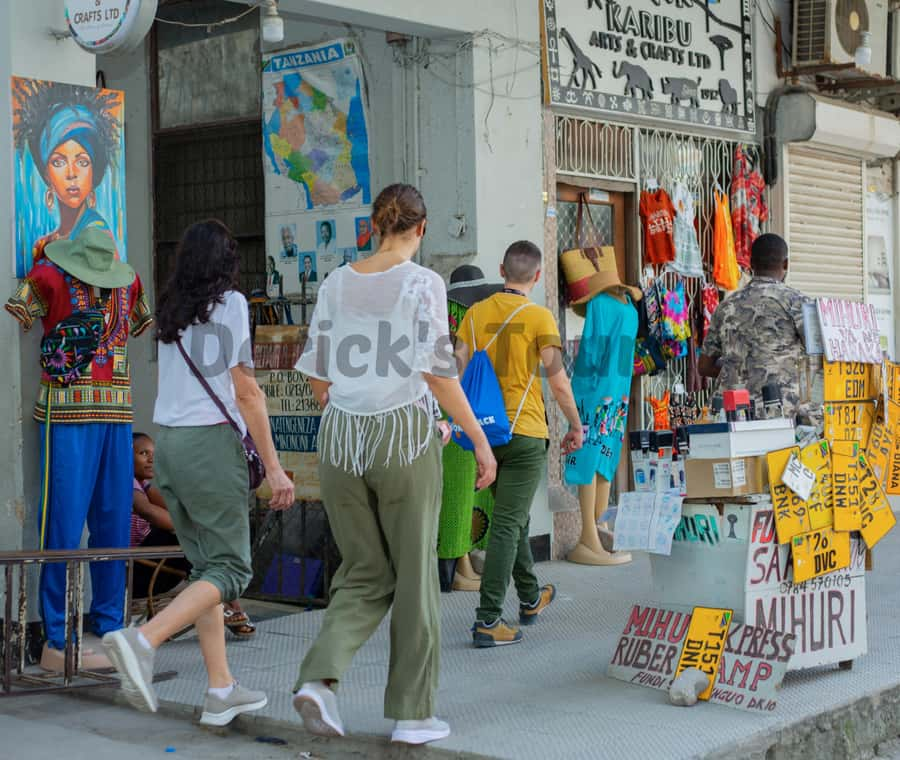
The most revealing part of this Dar es Salaam walking tour comes at Kivukoni Fish Market, where the city’s connection to the Indian Ocean feels immediate. You see seafood being sold, fishermen at work, and the daily trade that gives central Dar its pulse. I like that this is not just a march past grand buildings. I also like the chance to shape the route, a useful option if you prefer Coco Beach, a city view, or want to avoid the fish market.
Guide Derick Lawrence earns strong marks for clear explanations, flexible timing, and a friendly manner. The main drawback is pace: two hours is short for this many stops, and one person found the route rushed for photographs. Start early or later in the day if you can, since midday heat can make a walking tour less comfortable.
Key points to know before you book
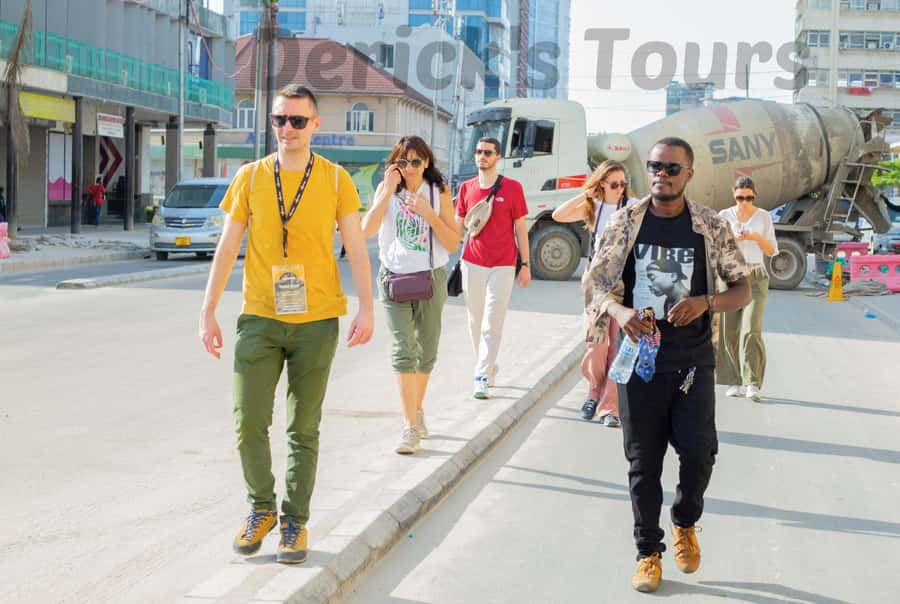
- Kivukoni Fish Market brings daily Dar es Salaam into focus: Expect seafood trading, fishermen, nets, and a strong coastal atmosphere.
- Derick Lawrence gives the tour a personal feel: He explains local history, answers questions, and can adjust the plan.
- The route covers both grand landmarks and ordinary city life: Churches, colonial-era buildings, a garden, a market, and local art all fit into one outing.
- Two hours gives you a useful first look, not a full city tour: You will see a lot, but some stops may be brief.
- Late afternoon may be more comfortable: One booking was shifted from 2 p.m. to 5 p.m. to avoid the hottest part of the day.
- The $30 price is fair for a private-feeling introduction: You pay for a local guide, historical context, and help finding places you might miss alone.
A fast introduction to central Dar es Salaam
Dar es Salaam can feel sprawling when you first arrive. The city mixes government buildings, old churches, oceanfront trade, shops, traffic, and quiet pockets of greenery. This tour gives you a useful orientation in two hours, especially if you are staying in the center or have only a short window before continuing elsewhere in Tanzania.
I like the route because it does not rely on one kind of sight. You move from religious buildings to a war memorial, from a garden to a fish market, then into Dar’s older architecture and art scene. That variety helps you understand the city as a living place rather than a collection of historic facades.
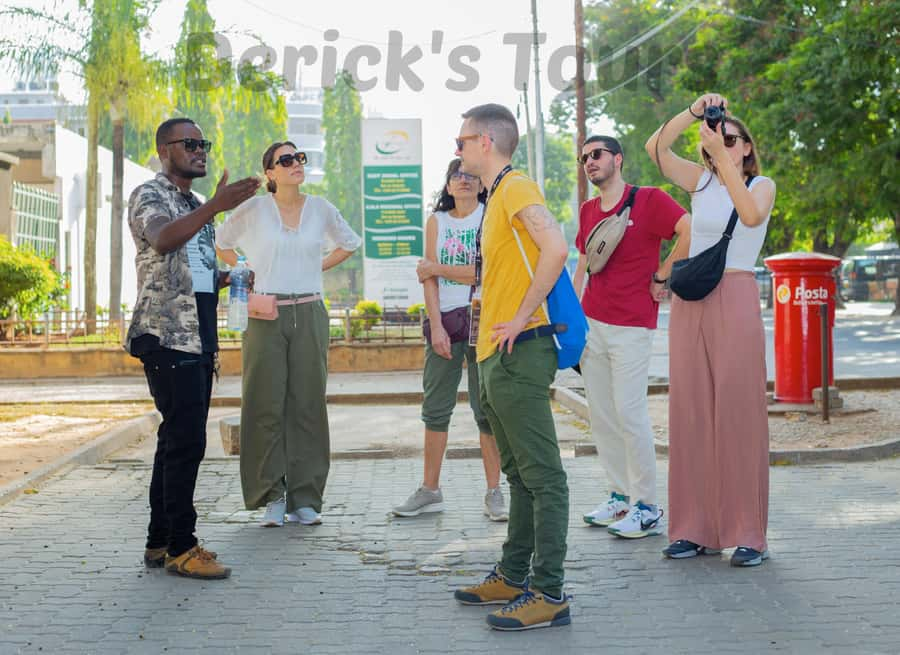
The tour is led in English by Derick Lawrence. He has a reputation for explaining the history of Dar es Salaam and Tanzania in clear terms, from the sultanate period and German rule to British administration and the modern city. You can ask questions as you go, which makes the experience more useful than a fixed audio guide.
The route may also be adapted. One person who wanted to avoid the smell of the fish market was taken to Coco Beach instead. Another received a city tour that included a view from one of Dar’s twin buildings. These changes are not guaranteed, so message Derick before booking if you have a specific priority.
Other walking tours in Tanzania people book:
- Stone Town Private Walking Tour
★ 5.0 · 371 reviews - Zanzibar: 3 Hours Private Stone Town walking Tour with Guide
★ 4.6 · 301 reviews - Zanzibar: Stone Town Historical Cultural Walking Guided Tour
★ 4.5 · 179 reviews
St. Joseph Cathedral and Azania Front Church
St. Joseph Cathedral is a strong opening stop because it gives you an immediate sense of Dar es Salaam’s architectural past. Its Gothic design makes it easy to recognize in the city center, and Derick uses the building to explain the religious and colonial influences that helped shape the city.
You should allow yourself time to look up and around, even if the visit is brief. The value here is not only the facade. It is the way the cathedral helps place Dar in a wider story of trade, mission work, European rule, and local religious life.
From there, the route continues to Azania Front Lutheran Church. This church reflects the German colonial period and provides a useful contrast with St. Joseph Cathedral. Seeing the two buildings close together lets you compare their styles and the communities connected with them.
I appreciate that the tour treats these churches as part of the city’s broader story. You are not simply told when a building was built. You learn why it matters and how Dar’s past still appears in the streets around it.
A practical point: churches are active places, not just photo stops. Dress and behave respectfully, and follow Derick’s guidance if interior access or timing varies.
The Askari Monument and a difficult chapter
The Askari Monument is one of Dar es Salaam’s best-known public memorials. It honors African soldiers who served during World War I, bringing an important African perspective into a period of history often told mainly through European armies and political decisions.
This stop gives the tour some weight. Derick explains the monument in relation to Tanzania and the wider region, so you can think about military service, colonial power, and the people whose work supported campaigns far from home.
The monument is also useful as a marker in the center of Dar. You are not only learning about the past. You are getting your bearings in a part of town where several major roads, public buildings, and historic sites come together.
Do not expect a long museum visit here. The strength of the stop is the explanation around the monument. If you enjoy history, ask questions about the different periods of Dar es Salaam’s development. The tour’s strongest quality is its ability to connect separate sights into one story.
A quiet pause in the Botanical Garden
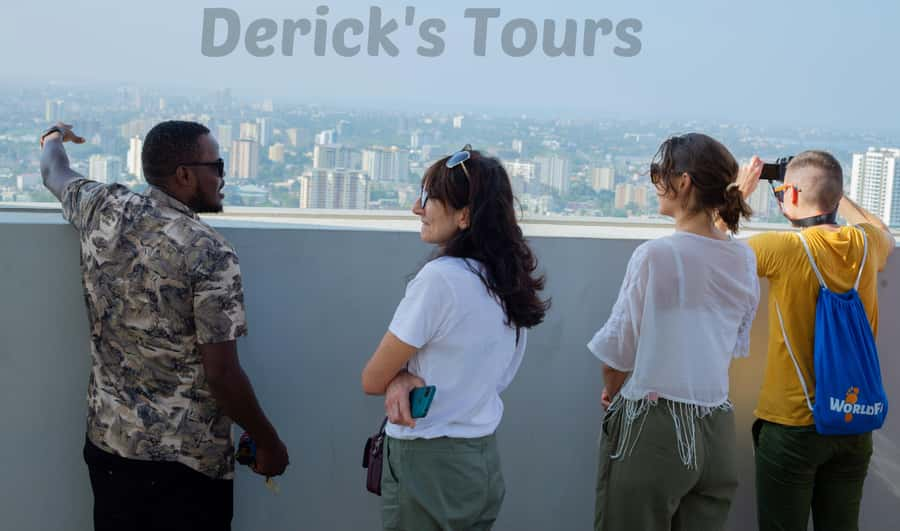
The Botanical Garden changes the mood. After streets, traffic, stone buildings, and city activity, you enter a greener space with tropical plants and trees. It is a useful pause in the middle of the route, both for shade and for a different view of central Dar.
I like this stop because it prevents the tour from becoming a nonstop list of buildings. The garden shows that the city center has room for nature and quiet, even if your visit is short.
Your time here will depend on the pace of the rest of the route. With six or more major stops packed into two hours, you should think of the Botanical Garden as a short break and orientation point rather than a full botanical visit.
Bring water and wear shoes suited to walking. The tour is not described as strenuous, but Dar’s heat and street conditions can make a small amount of preparation worthwhile. If you are sensitive to heat, ask for a morning or late afternoon start.
Other guided walks in Tanzania:
- Stonetown: Food Markets and Street Food Walking Tour
★ 4.7 · 151 reviews - Arusha Guided Walking City Tour, Culture, Lifestyle & History
★ 5.0 · 150 reviews - Stone Town’s Hidden History: Private Guided Walking Tour
★ 4.6 · 94 reviews - Marrakech: Ben Youssef, Secret Garden, & Souks Walking Tour
★ 4.6 · 2,802 reviews
Kivukoni Fish Market is the sensory highlight
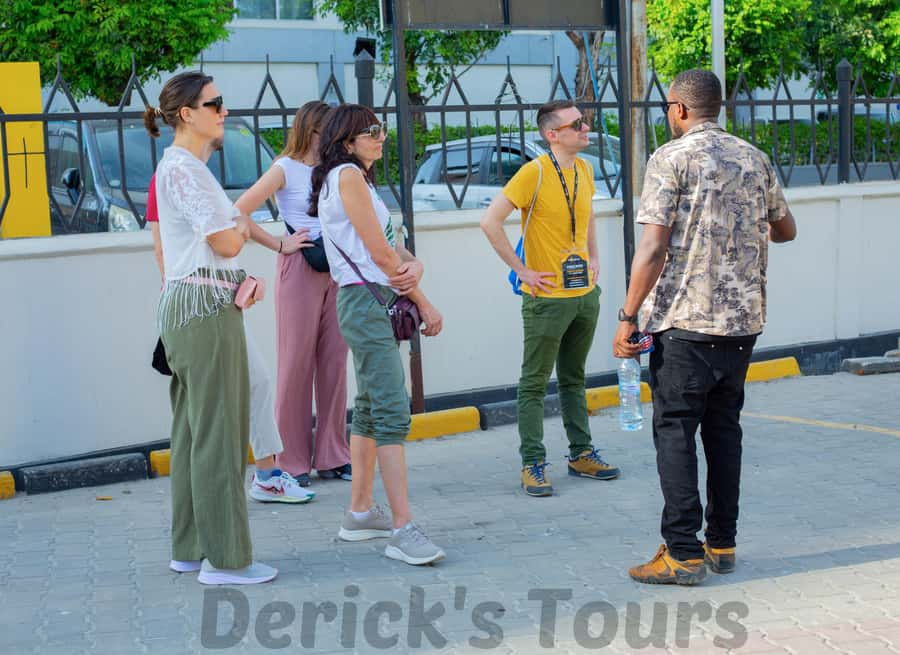
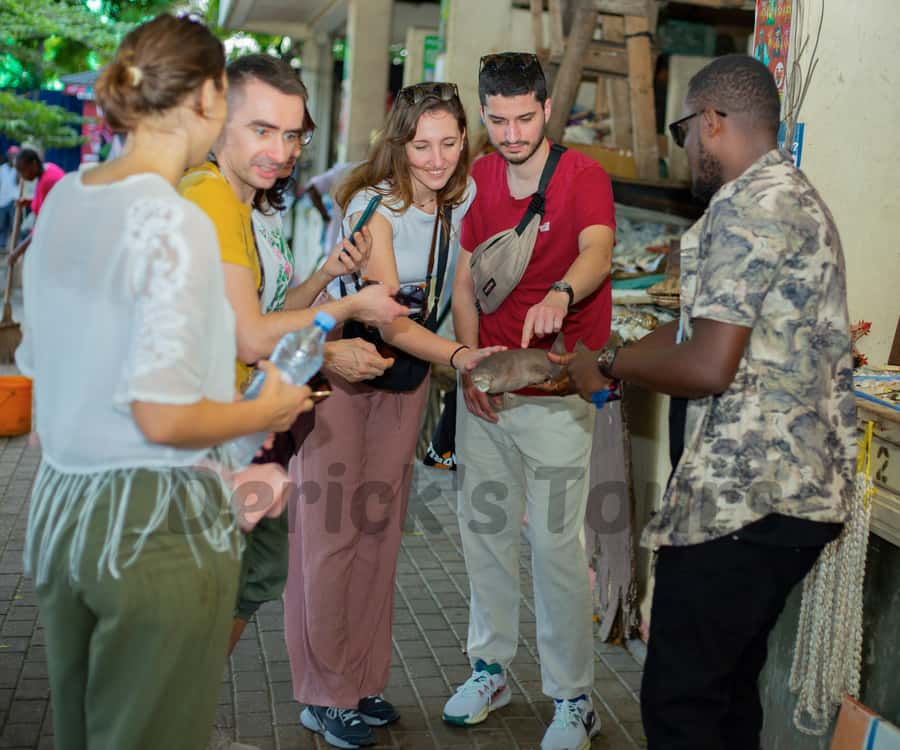
For many people, Kivukoni Fish Market will be the most memorable stop. This is where the tour leaves formal landmarks behind and brings you into a working part of the city. You might see fresh seafood being sold, fishermen handling nets, and the steady movement of buyers and sellers near the water.
One useful detail from the experience is the option to try street food with Derick at the end of the tour. That is not simply a meal add-on. It gives you a chance to connect the market’s trade with what people actually eat.
The market can also be intense. Expect strong smells, noise, wet surfaces, and active trading. If that sounds like too much, say so in advance. The route has been adjusted for someone with an allergy to the smell, with Coco Beach used instead.
I would choose the fish market if you want the most direct contact with daily life. It is less polished than the churches and monuments, but that is exactly its value. You see Dar’s coastal economy at work rather than only hearing about it.
Photography deserves care here. Ask before taking close pictures of people, especially while they are working. Also keep your belongings secure and follow Derick through the market. The guide’s presence helps you understand what you are seeing and how to behave respectfully.
Old Boma and the city’s older architecture
Old Boma is one of Dar es Salaam’s oldest surviving buildings. Its weathered appearance and historic role offer a direct link to the city’s early development.
This stop works best when Derick explains how the building fits into the growth of Dar es Salaam. The city did not appear as a finished colonial center. It developed through coastal trade, changing rulers, European administration, and the expansion of modern Tanzania.
You may not spend a long time inside or around the building, depending on access and the timing of the rest of the walk. Still, Old Boma adds useful context to the newer streets and towers nearby.
The contrast is part of the appeal. Within a short distance, you can encounter older stone structures, modern offices, markets, churches, and public spaces. That mix gives you a better feel for Dar than a route focused only on one historical period.
Local art and optional changes to the route
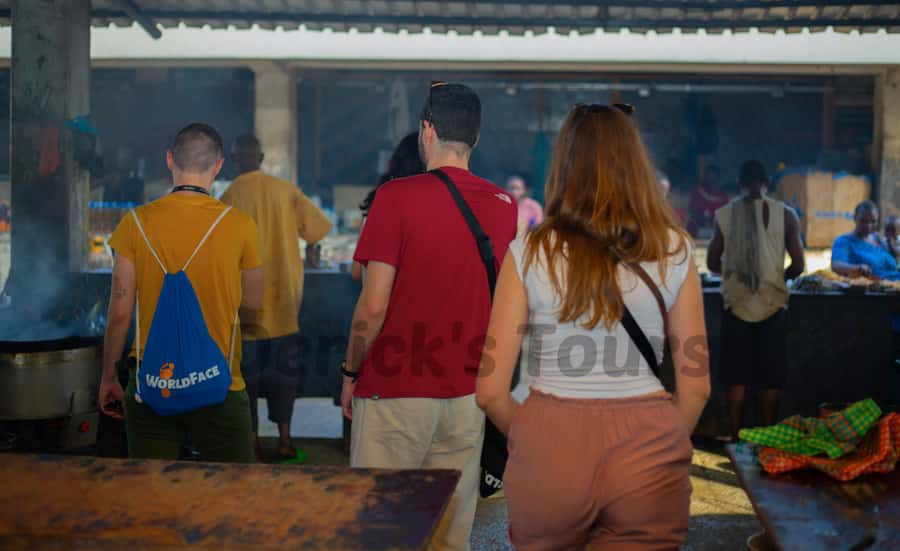
A local art gallery is included among the places visited. The gallery adds a cultural layer that the monuments cannot provide. Historic buildings tell you about institutions and power. Art can show how people in Tanzania express identity, place, memory, and present-day concerns.
The gallery stop is also a good reason to tell Derick what interests you before the tour begins. If you care more about art and culture than colonial architecture, he can help shape the outing around that preference.
Customization is one of the tour’s best features. It does not mean every request will fit into two hours, but it gives you a voice in the experience. You can ask about Coco Beach, the fish market, city views, or other interests before meeting.
This flexibility has helped with practical problems too. Derick has changed times when people could not attend their original slot, and he has arranged alternate dates. That does not replace checking availability, but it is helpful if your schedule shifts.
What the two-hour format really gives you
Two hours is enough to get a first impression of central Dar es Salaam. It is not enough for long visits at every stop, relaxed meals, or detailed exploration of each building.
The route is best understood as a guided introduction. You get the broad picture, learn where important places are, and gain enough context to return to the sights that interest you most.
The pace appears to suit most people, but it can feel tight if you want many photographs. One person specifically found the tour rushed and wished for more time at stops. If photography is your priority, tell Derick at the start and agree on a slower plan, even if that means leaving out one location.
Group size can also affect the feel. Some bookings have worked like private tours, including one solo visitor who had the guide to herself. Other outings have included small groups, such as three people. A small group makes it easier to ask questions and adjust the pace, but the exact arrangement may vary.
Is $30 good value?
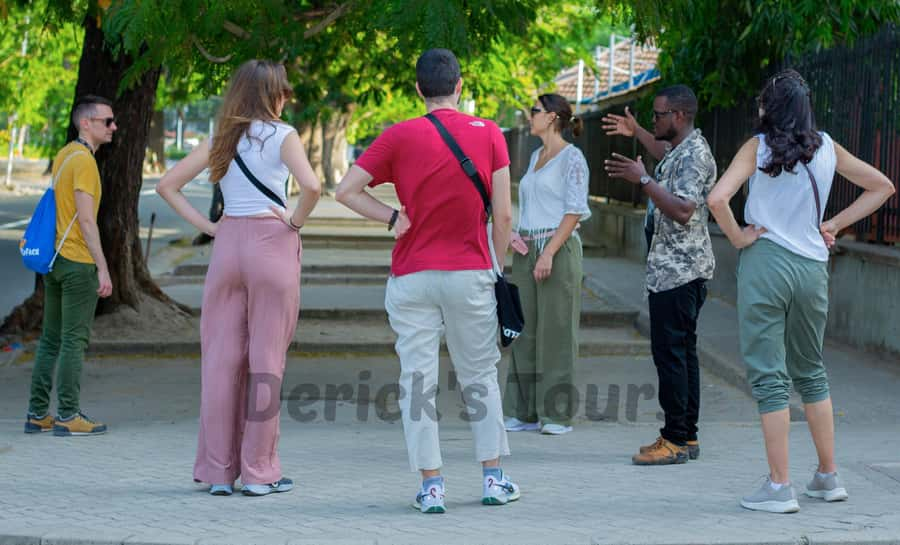
At $30 per person, this is a reasonable price for a two-hour guided introduction, particularly if you are new to Dar es Salaam. The fee includes an English-speaking local guide and guided visits to the listed landmarks. You are paying for orientation, local knowledge, and the chance to connect separate sights into a clear story.
The value is strongest if you would otherwise move between these places without knowing what you were seeing. A church, monument, market, and old building can blur together without context. Derick’s explanations help turn them into a useful first lesson in the city.
The value is lower if you want long visits, formal museum access, or a relaxed food tour. This is a city walk with several stops, not a full-day cultural program.
The tour also includes practical flexibility. You can reserve and pay later, and cancellation is free up to 24 hours before the activity for a full refund. Those terms make it easier to fit into a changing Tanzania itinerary.
Who should book this city walk?
I would recommend it to first-time visitors who want to get their bearings quickly. It also suits solo visitors who prefer company while exploring a new city, couples who want history and local life in one outing, and anyone with a short stay in Dar es Salaam.
It is a good match if you enjoy asking questions. Derick’s strength is explanation, so the experience improves when you take an interest in the story behind each place.
The tour may be less suitable if you dislike heat, markets, strong smells, or walking through active city streets. The fish market can be replaced, but you need to ask in advance. It may also disappoint you if you expect a slow photography walk.
For the best chance of a comfortable outing, request an early or late start. One afternoon booking was moved from 2 p.m. to 5 p.m., which made sense in the heat. Wear comfortable shoes, carry water, and leave room for short stops rather than expecting every site to receive equal time.
My verdict on the Dar es Salaam walking tour
Book this tour if you want a clear, human introduction to central Dar es Salaam and you value local explanation over polished sightseeing. The strongest parts are Derick’s flexible guiding, the mix of historic and everyday places, and the visit to Kivukoni Fish Market.
I would not book it expecting a slow, detailed tour of every landmark. Two hours moves quickly, and the number of stops means you may need to choose between photographs and deeper explanations.
For most first visits, the $30 cost is justified. You get a useful map of the city in your head, a better sense of its past and present, and a guide who can adapt the outing when your interests or schedule change. Ask for a cooler time of day and mention any market, food, art, or beach preferences before you go.
FAQ
How long does the Dar es Salaam walking tour last?
The tour lasts two hours.
How much does the tour cost?
The price is $30 per person.
Which language is the tour offered in?
The live tour guide speaks English.
Can the route be customized?
Yes. You can request changes based on your interests. The route has been adapted to include Coco Beach instead of the fish market, and other outings have included a city view from one of Dar es Salaam’s twin buildings.
What places are included on the tour?
The route includes St. Joseph Cathedral, Azania Front Lutheran Church, the Askari Monument, Botanical Garden, Kivukoni Fish Market, Old Boma, and a local art gallery.
Can I cancel or pay later?
You can cancel up to 24 hours in advance for a full refund. You can also reserve now and pay later.
Just added in Tanzania
- Tanzania Wildlife Encounters – 6 Days★ 5.0 · 277 reviews
- Maasai village visit, Materuni waterfalls & coffee experience★ 4.5 · 95 reviews
- Tanzania Enticing Explorations – 6 Days★ 5.0 · 106 reviews
- 3 Days Private Safari – manyara, Ngorongoro & Tarangire★ 5.0 · 94 reviews
- Tanzania Simba Safari – 5 Days★ 5.0 · 217 reviews
- Materuni Waterfalls & Coffee Tour from Moshi★ 5.0 · 92 reviews
- Tarangire Day Tour★ 5.0 · 95 reviews
- Materuni waterfalls coffee tour & Chemka hot springs Day trip★ 5.0 · 131 reviews
Walking Tours, compared.
Ben Youssef, Secret Garden, & Souks Walking Tour
Read our review →
Explore Fes: Unforgettable Guided Walking Tour of the Medina
Read our review →
Soweto: Walking Tour with a Local Guide and Lunch
Read our review →
Old Cairo Guided Walk Tour: History, Culture & Street Bites
Read our review →
Browse the lists this tour appears in