
Reviewed · MAURITIUS · TOURS IN PORT LOUIS
Mauritius: Port Louis Street Food Walking Tour
Port Louis makes more sense when you eat your way through it. This two-hour walk connects Mauritian history with the food shaped by Indian, Chinese, and African communities, taking you from Le Caudan Waterfront into the central market and Port Louis Chinatown. You may taste dholl puri, jalebis, and gâteau piment, along with about five other dishes.
I like the small groups, capped at 10 people, and the way guides such as Sailen and Christophe add history to each stop. I also like that the food is generous enough to replace a light meal, not just provide tiny samples. The main catch is the heat: on a 30°C day with high humidity, uneven footpaths and a fast walking pace can make the two hours tiring.
Key points at a glance
- Eight substantial tastings: Come hungry, since the portions can add up to far more than a few nibbles.
- Food as a history lesson: Indian, Chinese, African, and Gujarati influences are explained through the dishes you eat.
- Port Louis beyond the waterfront: The route moves from Le Caudan into the central market and Chinatown.
- Small groups of up to 10: This makes it easier to hear the guide and ask questions.
- English or French guiding: Guides including Sailen and Christophe are praised for their warm, clear explanations.
- Plan for heat and walking: Comfortable shoes, a hat, and sunscreen matter, especially in humid weather.
Leaving Le Caudan Waterfront for the real Port Louis
The meeting point is easy to find: in front of the casino, opposite Café LUX at Le Caudan Waterfront. That gives you a simple starting place, but the tour quickly moves away from the polished waterfront and into the working streets of Port Louis.
That change is the point. Le Caudan is convenient for visitors, while the central market and Chinatown show you how people eat during an ordinary day in the capital. I like this contrast because it gives the walk a clear shape. You begin in a familiar setting, then move into places where the city feels less arranged for sightseeing.
Your guide provides the thread. The food is not presented as a random list of snacks. Instead, dishes are used to explain why Mauritius tastes the way it does. Migration, trade, and several cultural traditions have all left their mark on the island’s cooking.
The group limit of 10 is useful here. Port Louis streets can be busy, and a very large group would make it harder to keep up or hear explanations. With a small party, you have a better chance to ask what you are eating, how it is prepared, and where its cultural influence comes from.
More eating your way round Mauritius:
- Port Louis: Street Food & City Tour
★ 4.7 · 518 reviews - Port Louis: Street Food & City Tour
★ 4.9 · 377 reviews - Marrakech: Street Food Tour with a Local Guide
★ 4.9 · 3,119 reviews
The central market and the first taste of Mauritian street food
The central market is one of the main food stops, and it gives the tour its strongest local feel. You are not simply being shown a market from the edge. The food tastings take place in and around the places where Port Louis residents buy and eat everyday food.
The market stop is especially useful if you are unsure what to order on your own. A guide can explain unfamiliar names and point out the difference between a sweet snack, a savoury bite, and a filling meal. That removes much of the guesswork, which is valuable on a first visit.
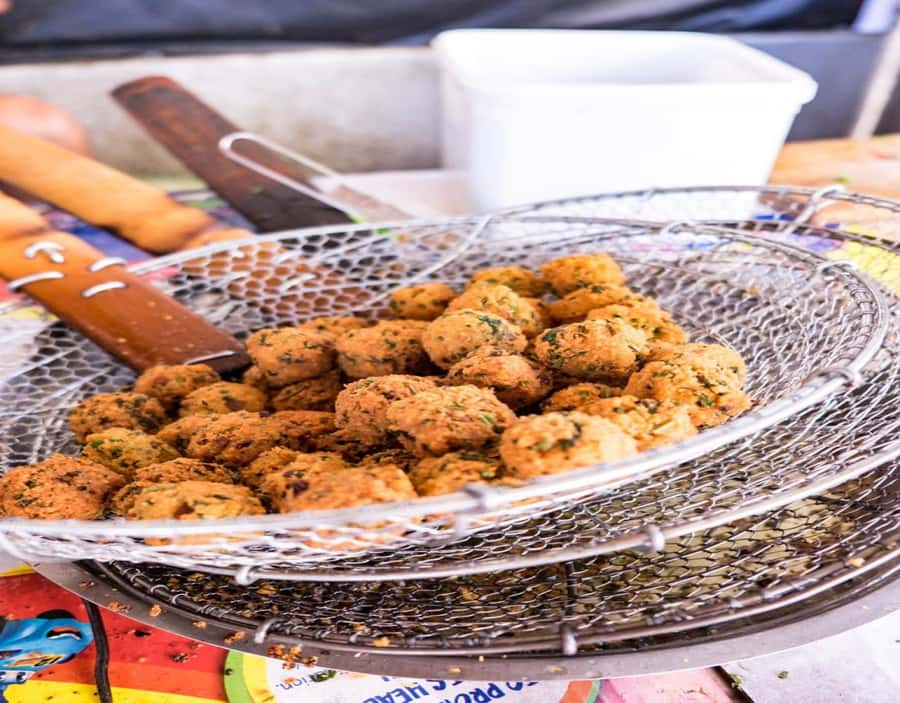
One featured bite is gâteau piment, also called gato pima. These small fried chili bites are made with soaked split peas, spring onions, and green chilies. The texture and heat make them a good example of the Gujarati influence found in Mauritian food.
Do not confuse the size of the snack with the amount of food on the tour. The tastings are described as generous, and the combination of eight dishes may leave you full. Several stops involve regular-size portions rather than samples so small that you need lunch immediately afterward.
This is why I would eat lightly before meeting the group. You do not need to arrive starving, but a full breakfast or lunch could make it difficult to enjoy the later tastings.
Jalebis, dholl puri, and the pleasure of unfamiliar names
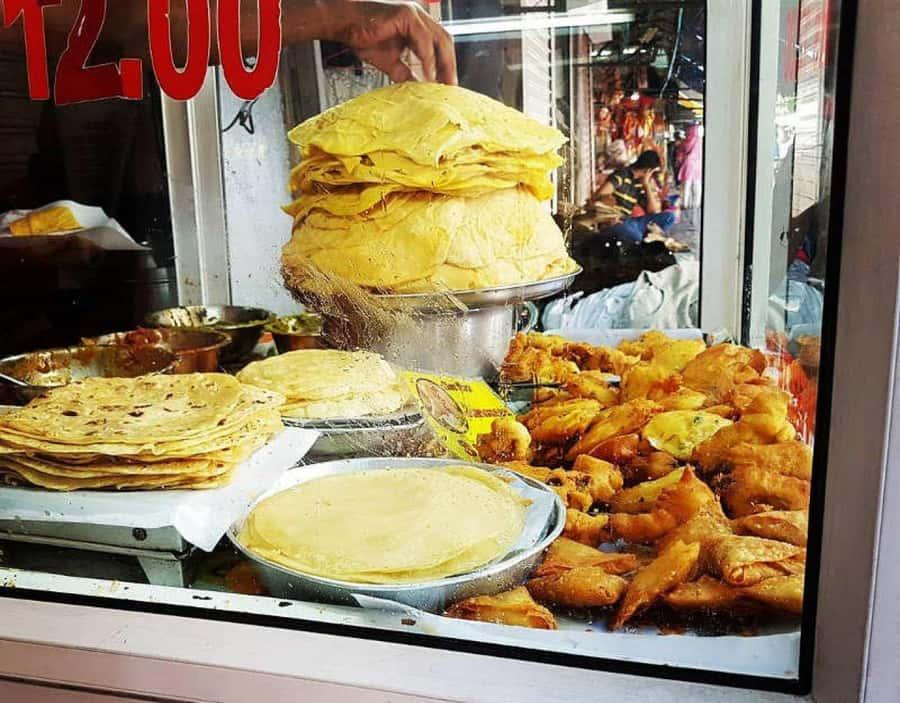
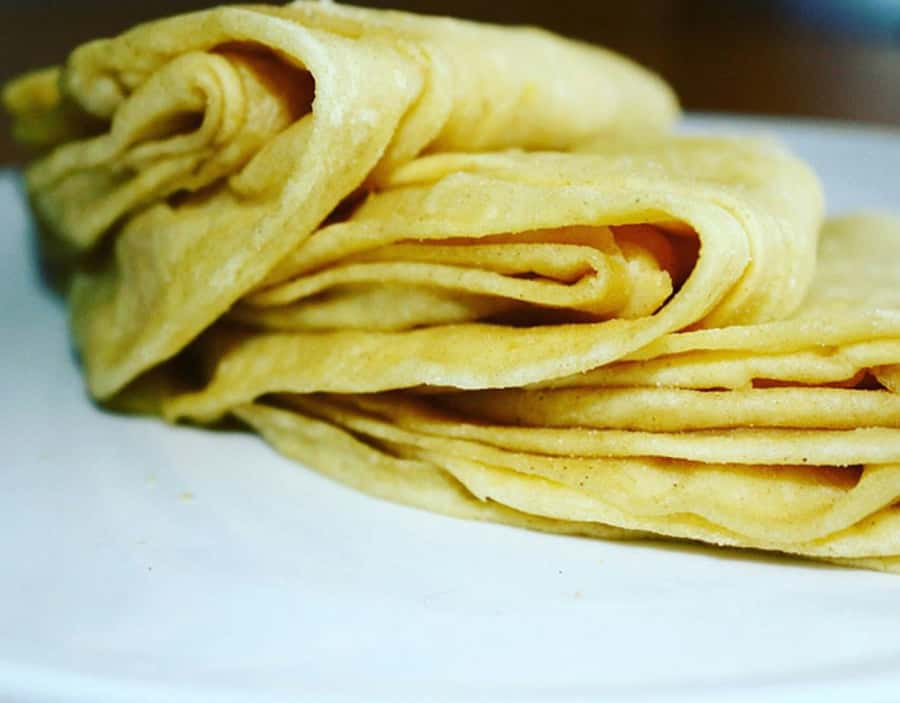
The food selection includes well-known Mauritian favorites such as sweet jalebis and dholl puri. Jalebis bring a sugary note to the route, while dholl puri offers something more substantial and savoury.
Dholl puri is particularly useful for understanding how Indian culinary traditions became part of everyday Mauritian food. The tour places dishes like this within the island’s broader cultural story rather than treating them as isolated curiosities.
You will also get about eight different dishes in total. The exact order and selection can vary, but the supplied highlights point to a mix of sweet and savoury foods, with much of the selection vegetarian. That makes the tour appealing if you enjoy trying plant-based dishes, although it is not suitable for strict vegans because the full food program does not cater to vegan diets.
The food is the main event, but the explanations are what give it lasting value. A good guide can tell you what went into a dish, how it is prepared, and why it appears in Mauritian daily life. Christophe, also called Christopher in some tour details, is specifically praised for linking each tasting to the country’s past and cultural mix. Sailen is also singled out for his friendly manner and strong grasp of the city and food.
Through Port Louis Chinatown and its Hakka influence

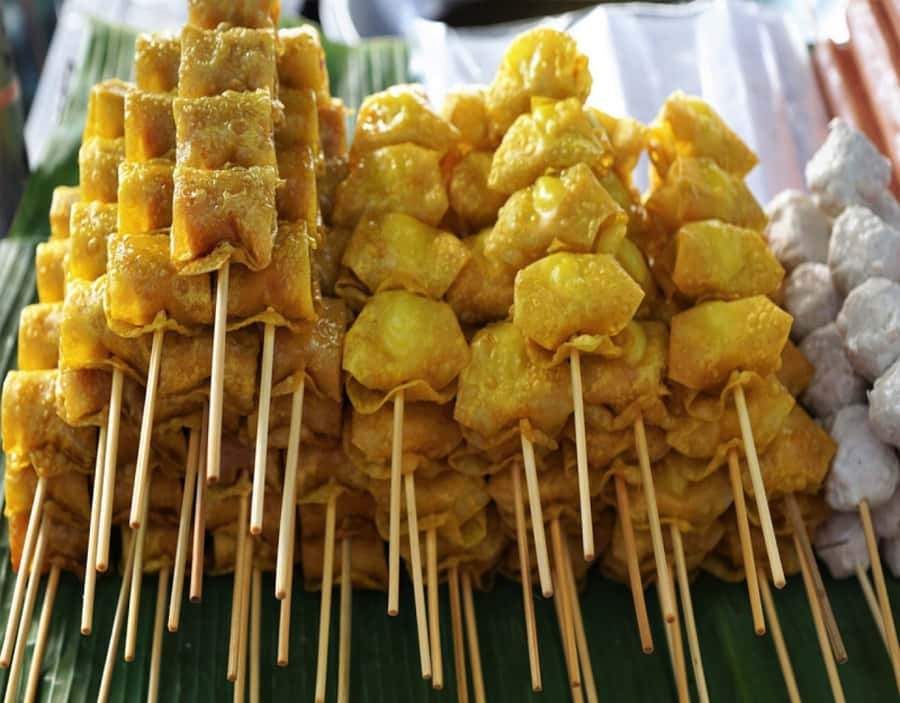
The route continues through the gates of Port Louis Chinatown. This section adds a different layer to the food story, with treats linked to Hakka Chinese dishes.
The Chinatown stop matters because Mauritius is not defined by one cuisine. Indian influence may be the most familiar to many visitors, but Chinese traditions are also part of the capital’s food culture. Walking from the market toward Chinatown lets you see that mixture in the streets rather than only hearing about it in a guidebook.
You should expect a walking tour here, not a sit-down restaurant meal. The appeal is variety and context. You taste one item, walk a little, learn about another part of the city, then stop again. The pace keeps the food connected to the neighborhoods where it is found.
That pace can feel quick in hot weather. One assessment of the tour described the route as tiring in about 30°C heat and high humidity, with uneven pavements requiring careful attention. I would treat the walking conditions as a real part of the decision, especially if you have mobility concerns or dislike walking on rough city sidewalks.
The activity is listed as wheelchair accessible, but the streets and footpaths are still worth considering. Accessibility on paper does not remove the practical challenge of heat, crowds, or uneven surfaces. Ask the operator for current route details if you need specific mobility support.
Other guided walks in Mauritius:
- Marrakech: Ben Youssef, Secret Garden, & Souks Walking Tour
★ 4.6 · 2,802 reviews - Marrakech: Colorful Medina Souks Guided Walking Tour
★ 4.7 · 2,470 reviews - Explore Fes: Unforgettable Guided Walking Tour of the Medina
★ 4.7 · 1,339 reviews - Nairobi: Historic and Modern Highlights Walking Tour
★ 4.8 · 703 reviews
The guide makes the difference

The strongest part of this experience is the guide. Food tours can easily become a sequence of bites with little connection between them. Here, the guide is expected to explain the history of Mauritius, the origins of dishes, and the cultural forces that shaped Port Louis.
Christophe is repeatedly highlighted in the supplied feedback for his warm, relaxed approach and broad explanations. His tours have included more than food, with added context about the city, Mauritian culture, and even a museum visit. Sailen is also described as friendly, attentive, and willing to check that the group is comfortable throughout the walk.
That personal style matters. You may be asked to try something you would not order alone, or you may want to know how a dish is made. A guide who explains without rushing makes the tasting more useful and less intimidating.
The tour is offered in English or French. If you want a history-led food walk rather than a simple list of places to eat, this language choice is important when booking.
How much food do you really get?
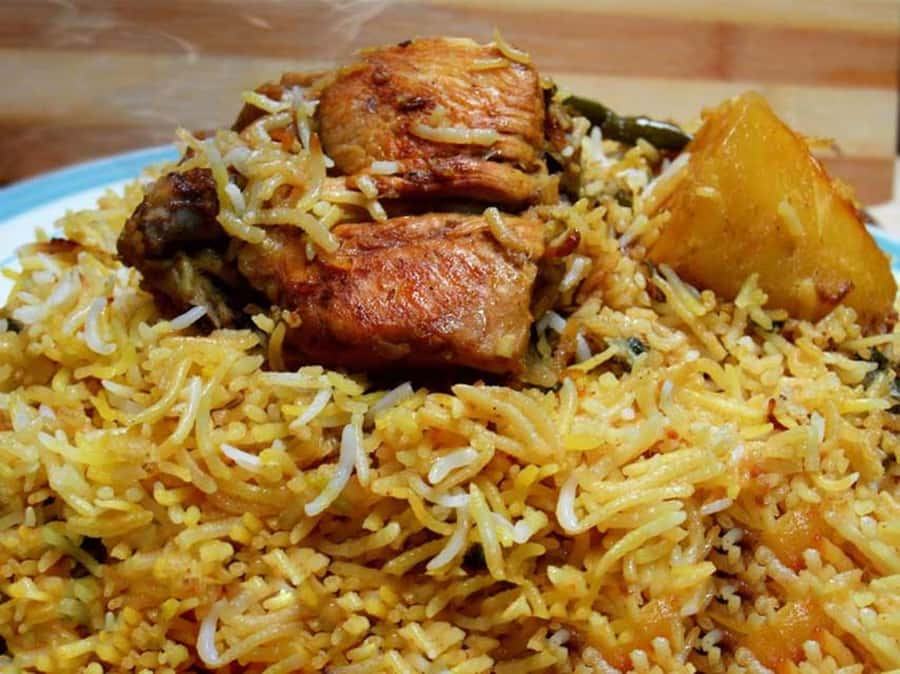
The price is $70 per person. That is not cheap for a two-hour activity, so the value depends on how you use it.
If you count only the food, you may find the cost higher than buying snacks independently. But the tour includes about eight tastings, a bottle of water, a guide, and a structured walk through parts of Port Louis you might not find on your own. The guide also provides explanations about cooking methods, cultural influences, and local history.
Several tastings are described as ample, and one participant even had enough left over to take food away for later. That makes this closer to a light meal with a city walk than to a short tasting session.
I think the price works best for a first day in Port Louis, when you still need help choosing what to eat and understanding the city. If you already know the market well and are comfortable ordering local food, you could spend less by exploring independently.
There is no hotel pickup or drop-off, so you must arrange your own way to Le Caudan Waterfront. That is a small but important cost and timing detail. The meeting point is central and clearly specified, but the tour does not begin at your hotel.
Heat, shoes, and the practical side of the walk
Bring comfortable shoes, a hat, and sunscreen. Those are not filler suggestions. The route involves city walking, market floors, and footpaths that may be uneven.
The tour runs rain or shine, so a wet-weather forecast does not automatically cancel the activity. Mauritius can be hot and humid, and the combination of food, walking, and sun may feel demanding. Drink the supplied water, take the pace seriously, and avoid arriving already tired from a long morning of sightseeing.
The tour lasts two hours according to the activity details, although one account described a faster three-hour-feeling outing. Allow a little flexibility around the scheduled end if you have a tight cruise departure, transfer, or restaurant reservation.
The format suits people who enjoy walking and trying several foods in one sitting. It is less suitable for anyone who needs long rests, dislikes heat, or wants a slow photographic tour with plenty of time at each sight.
The tour does not cater to vegan or gluten-free diets. It is also not suitable for people over 95, according to the stated restrictions. If you have a serious food allergy or dietary need beyond those listed, ask before booking rather than assuming substitutions will be available.
Who should book the Port Louis food walk?

I would choose this tour if you want your first look at Port Louis to include local food and cultural background. It is especially helpful if dishes such as dholl puri, gâteau piment, and jalebis are new to you.
It also suits curious eaters who like being guided into places they might skip alone. The market and Chinatown stops provide more character than staying around the waterfront, while the small group keeps the outing personal.
Families and mixed-age groups should think about stamina. The activity is wheelchair accessible, but heat and pavement conditions still matter. People with strict vegan or gluten-free diets should skip it unless the provider confirms a workable alternative.
I would also recommend booking it early in your Mauritius visit. A good food walk can help you decide what to seek out later, and the history gives you a better frame for the rest of your time on the island.
Should you book it?
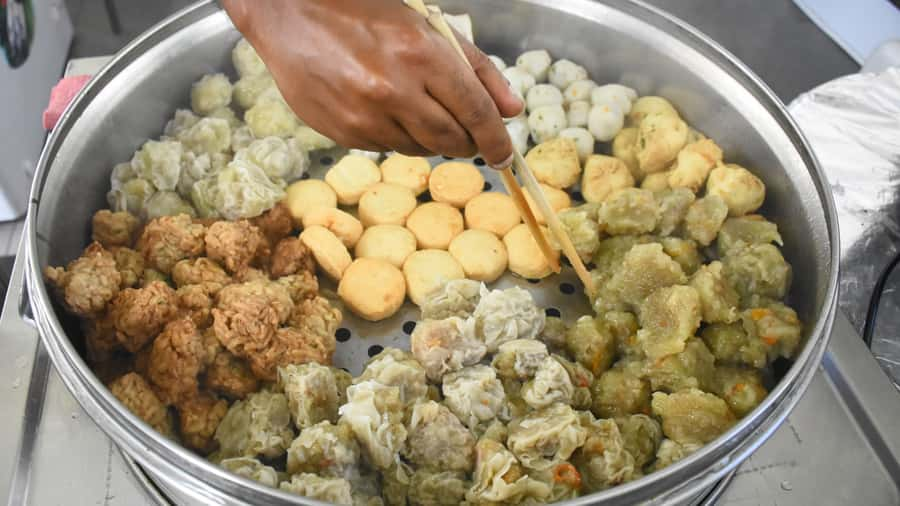
Book this Port Louis street food tour if you want a generous tasting menu plus a city lesson, not just a quick snack crawl. The strongest reasons are the eight food stops, the Indian, Chinese, African, and Gujarati connections, and guides such as Christophe and Sailen who explain what is on your plate.
Skip it if you need a cool, slow, climate-controlled outing, or if your diet rules out the available food. For everyone else, $70 is a reasonable price when you value the guidance, the cultural context, and the chance to eat in parts of Port Louis you may not confidently find alone.
FAQ
Where does the Port Louis street food tour meet?
It meets in front of the casino, opposite Café LUX at the Caudan Waterfront in Port Louis.
How long does the tour last?
The stated duration is two hours. You should allow some flexibility because walking pace, food stops, and city conditions can affect the exact finish time.
How many food tastings are included?
Approximately eight food tastings are included.
What foods might I taste?
Featured foods include sweet jalebis, dholl puri, and gâteau piment, also called gato pima. The tour includes about eight dishes in total.
Is bottled water included?
Yes. A bottle of water is included.
Is hotel pickup included?
No. Hotel pickup and drop-off are not included, so you must make your own way to and from the meeting point.
What languages are available?
The tour is offered with a live guide in English or French.
Is the tour suitable for vegans or people with gluten intolerance?
No. The tour does not cater to vegan or gluten-free diets, and vegans and people with gluten intolerance are listed among those for whom it is not suitable.
Does the tour run in bad weather?
Yes. The tour runs rain or shine.
Is the tour wheelchair accessible?
Yes, the activity is listed as wheelchair accessible. Because the route includes city streets and footpaths, anyone needing detailed mobility information should confirm the current route before booking.
Just added in Mauritius
- Tamarin: Guided Kayak Tour with Dolphins★ 4.5 · 190 reviews
- Speedboat to Ile aux Benitier: Dolphin Encounter & Lunch★ 4.2 · 144 reviews
- Riambel: South Tour w/ Crocodile Park & Seven Colored Earth★ 4.5 · 204 reviews
- Private Full Day Tour of Port Louis and Northern★ 4.5 · 92 reviews
- Port Louis Market, Botanical Garden -Northern Mauritius Tour★ 4.6 · 164 reviews
- Port Louis: Street Food & City Tour★ 4.9 · 377 reviews
- Mauritius: Vanilla Park & Beaches Tour with Extra Option★ 4.7 · 162 reviews
- Mauritius: Private Full-Day South Mauritius Tour★ 4.3 · 377 reviews
Food Tours, compared.
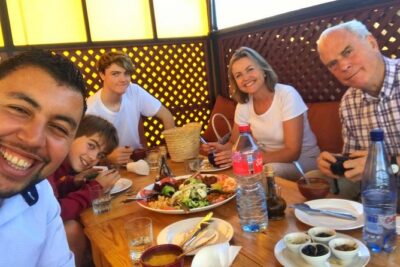
Authentic Moroccan Food Tour in Marrakech with Dinner
Read our review →
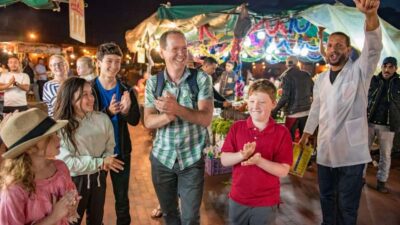
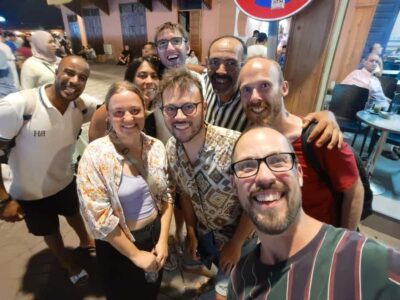
Marrakech Night Street Food Tour / Taste The Real Marrakech
Read our review →
Stonetown: Food Markets and Street Food Walking Tour
Read our review →
Browse the lists this tour appears in