
Reviewed · TOURS IN MOROCCO
Marrakech: Street Food Tour with a Local Guide
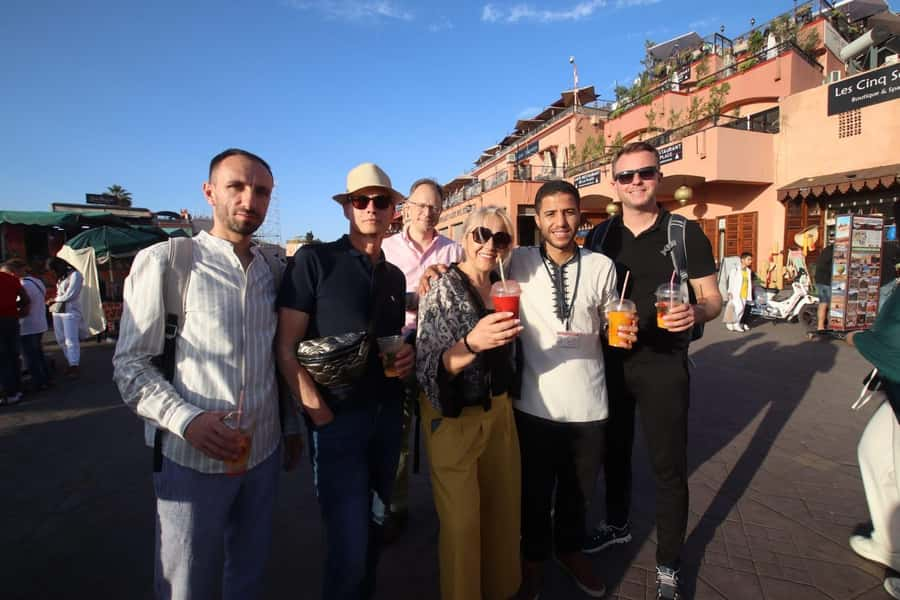
Marrakech’s best food lesson may happen at a tiny stall rather than a polished restaurant. This three-hour walk leads you through the Medina, Mellah, Kasba, and souks for 10 to 12 tastings, from Moroccan pancakes and harira to grilled meat, sardine balls, sweets, and fresh juice.
I like two things right away: you get to eat at places you could easily walk past, and your guide explains how each dish fits into Moroccan life. Guides including Abdul, Abdoo, Ahmed, and Miriam have been praised for making the route easy to follow and for answering questions about food, customs, and local neighborhoods.
The main consideration is quantity. Portions can be generous, so arrive with an empty stomach. Evening groups may also encounter tight crowds, scooter noise, and a cooler finish, while the information about wheelchair access conflicts with the note saying the tour is not suitable for wheelchair users.
Key points to know before you go
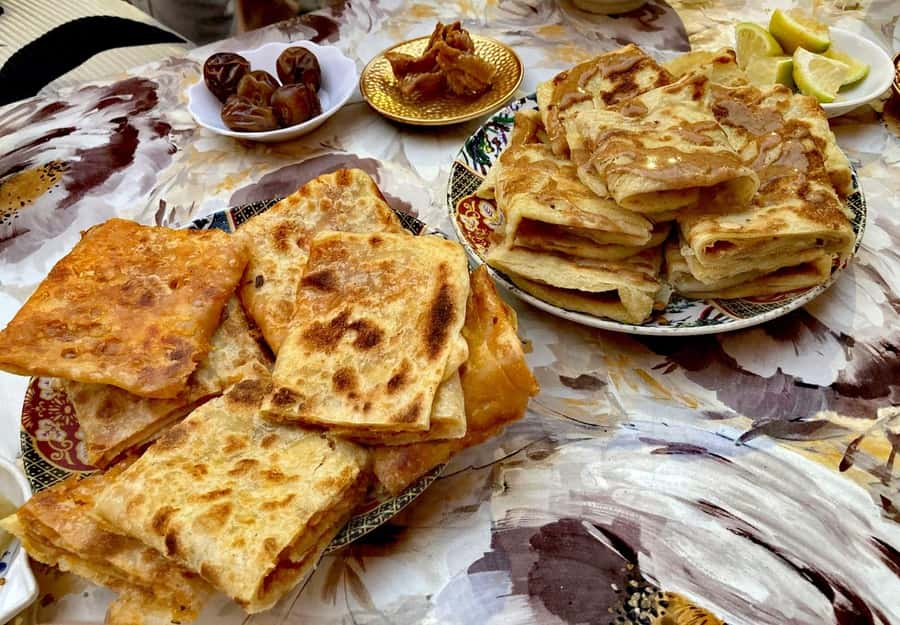
- Ten to twelve local tastings: Try pancakes, soup, sweets, meat, sardines, frozen yogurt, nuts, and drinks in one outing.
- A useful first-day activity: The route helps you understand the Medina and gives you confidence ordering food later.
- Local food stops: Your guide takes you beyond the easiest tourist-facing places and into neighborhoods where residents eat.
- Generous portions: This is not a few token bites. Several stops provide enough food to fill you.
- Flexible format: Choose a shared group or private tour, with food and drinks included.
- Practical meeting point: Start and finish at Café Argana near Jemaa el Fnaa, a clear central landmark.
Why this food walk works so well in Marrakech
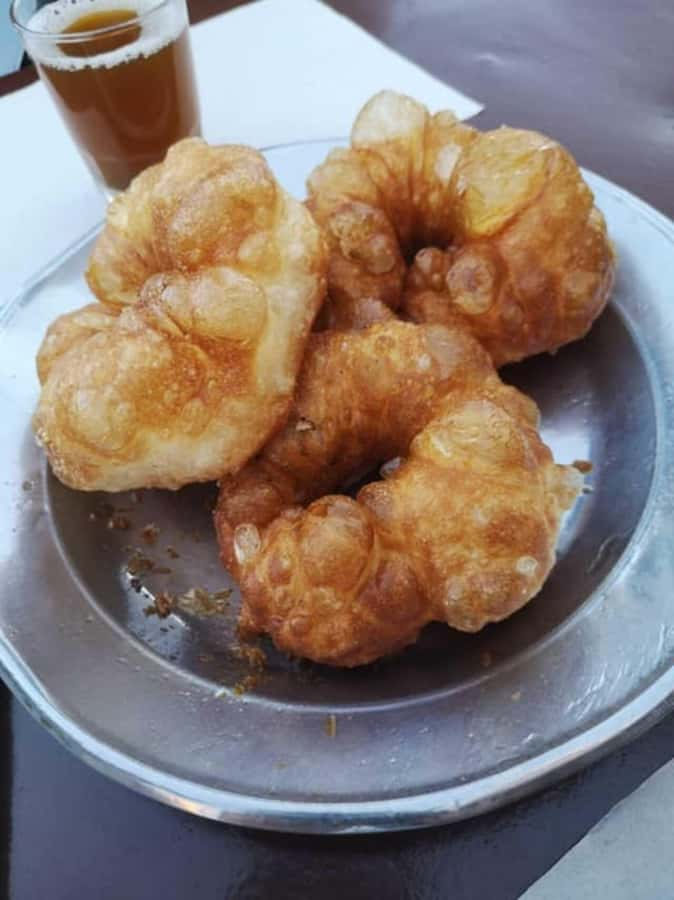
Marrakech can be confusing at first. The Medina is a maze of lanes, stalls, food counters, workshops, and small neighborhood businesses. You can certainly wander on your own, but it is easy to stick to the obvious square and miss the places that give the city its everyday flavor.
This tour gives you a reason to keep moving. Instead of stopping for one large meal, you sample a succession of foods in different parts of the old city. The guide explains what you are eating, points out local customs, and keeps the group together as the route changes from one neighborhood to the next.
I especially like this format for your first or second day in Marrakech. You learn which foods you enjoy, see where locals shop and eat, and get a basic map of the Medina in your head. Several people have gone back to stops later in their stay to buy dates, nuts, olives, drinks, or another portion of a favorite dish.
At $34 per person, the value is strong if you use the whole experience. Food and nonalcoholic drinks are included, and the route offers around 10 to 12 tastings. You are paying for a walking tour, a local guide, and a full introduction to Moroccan street food in one package. You will not need to keep pulling out your wallet at each stop.
More eating your way round Morocco:
- Marrakech: Street Food Tour by Night
★ 4.8 · 2,838 reviews - Authentic Moroccan Food Tour in Marrakech with Dinner
★ 5.0 · 1,423 reviews - Marrakech: Jemma El Fnaa Food Tour with Dinner
★ 4.7 · 394 reviews
Meeting at Café Argana near Jemaa el Fnaa
The tour begins at Café Argana, beside Jemaa el Fnaa. The meeting instructions describe the café as easy to spot by its green sign, with juice sellers nearby and a large ice cream sculpture in front. Your guide waits outside with an official guiding card and checks your name before the group sets off.
This is a sensible meeting point, but Jemaa el Fnaa can be crowded and distracting. Give yourself enough time to find the café, especially if you are coming through the souks. Once the tour begins, pay attention to the guide rather than wandering off to take photos. The lanes become crowded, and one person has specifically noted that staying close helps prevent getting separated.
The activity can run in the morning or evening, depending on the available start time and the food offered that day. Some dishes are more common in the morning, while others appear later. A late afternoon start, such as 5 p.m., works well for an evening meal and lets you watch the Medina shift into its nighttime rhythm.
Jemaa el Fnaa and the first taste of Moroccan food
The first part of the walk takes you through Jemaa el Fnaa, with a tea ceremony and an orientation to the route. This gives you a chance to meet the group, hear what is coming, and settle into the pace before the food stops begin.
Moroccan tea is more than a quick drink. It is tied to hospitality and social life, and the ceremony gives your guide a natural way to explain that tradition. The stop lasts about 25 minutes, so it is not just a rushed sip while standing in a lane.
You may begin with msemen or harcha, two Moroccan pancakes with different textures. Msemen is layered and slightly chewy, while harcha is made with semolina and has a more crumbly feel. They are simple foods, but they offer a useful introduction to the grains and cooking methods that appear throughout Moroccan meals.
You might also encounter khobzaa, bread served with eggs and vegetables. This is the kind of everyday combination that tells you more about local eating habits than a highly decorated restaurant dish. Ask your guide how the food is usually served and when people tend to eat it.
Riad Zitoun Jdid and the sweet side of the city
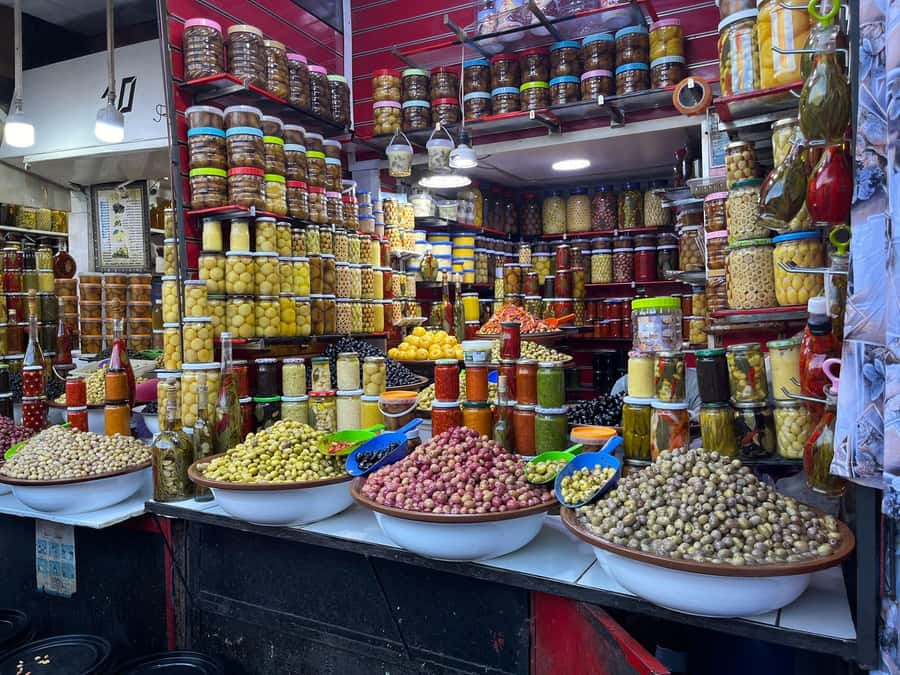
The route continues toward Riad Zitoun Jdid, where you stop for dessert and more street food. This is a good point to slow down and compare flavors. Moroccan food is not limited to tagines and couscous, and the sweets can be particularly unfamiliar if you have not eaten much North African food before.
Chebakia is one likely treat. It is a sweet pastry shaped and fried before being coated with honey and sesame. The texture and sweetness make it a natural match for tea, though you may want to pace yourself because several more stops are ahead.
The tour may also include raïb, a famous Moroccan frozen yogurt, along with nuts or other small snacks. These stops matter because they show how a food walk can cover more than one type of meal. You move from breakfast-style pancakes to sweets, chilled dairy, and drinks rather than eating the same kind of dish repeatedly.
This is also where you should tell your guide about allergies or food preferences if you have not already done so. The activity says alternatives can be offered when possible. That does not guarantee every substitution, so provide clear information before the tastings begin.
A few more things to do in Morocco worth a look
- From Marrakech: Ouzoud Waterfalls Guided Hike and Boat Trip
★ 4.7 · 33,630 reviews - From Marrakech: Ouzoud Waterfalls Guided Trip with Boat Ride
★ 4.9 · 10,915 reviews - Marrakesh: Ourika Waterfalls, Atlas Mountains, Guide + Lunch
★ 4.9 · 9,986 reviews - From Marrakech: Ouzoud Waterfalls Guided Tour & Boat Ride
★ 4.6 · 9,802 reviews
Mellah, local snacks, and food with a story
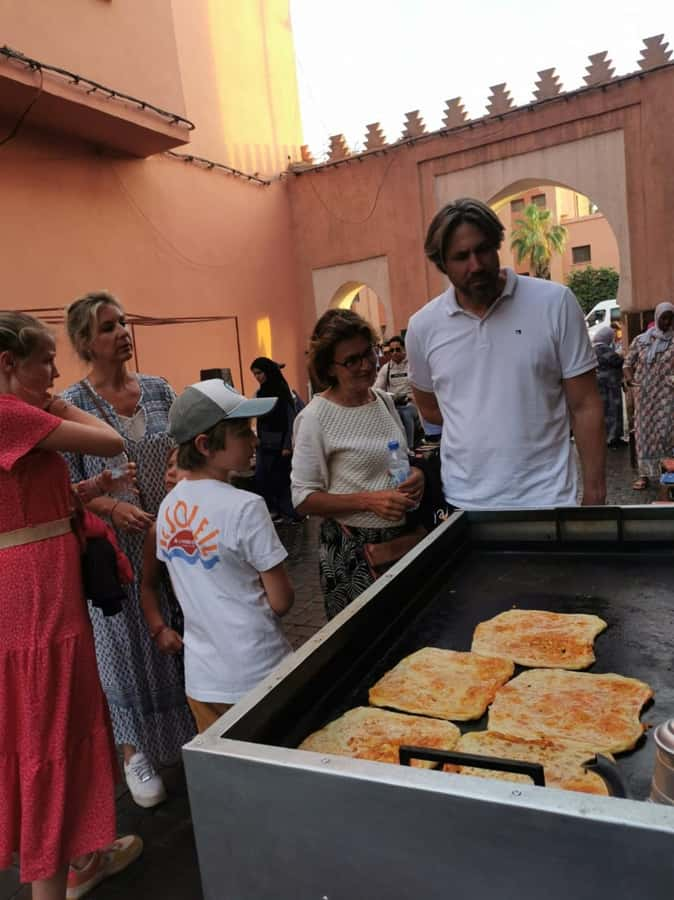
In the Mellah, the former Jewish quarter, the tour makes a photo stop and continues with snacks and tastings. The neighborhood adds historical and cultural context to the meal. Your guide may explain local traditions, daily life, and the relationship between food and community as you walk.
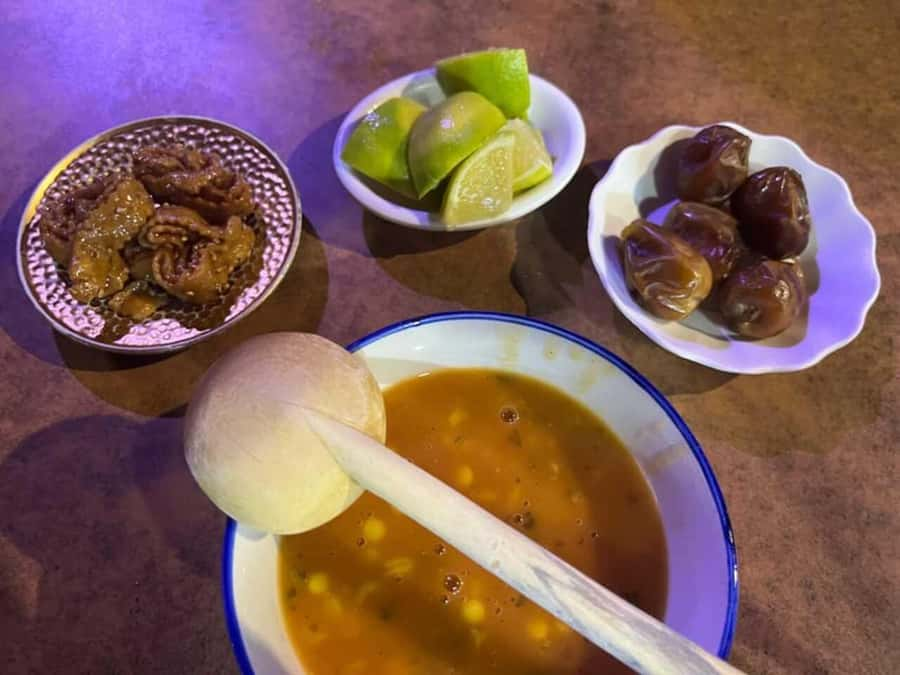
One reported favorite combination in this area is soup, sweet treats, and pancakes. Harira is a well-known Moroccan soup, often made with tomatoes, lentils, chickpeas, herbs, and spices. The version served here may be vegetarian, and it can be especially welcome in cooler weather.
The contrast between savory soup and sweet pastry makes this stop memorable. It also shows why a guide helps. You might recognize a bowl of soup, but you may not know what it is called, when it is eaten, or what people normally serve beside it.
Take advantage of this stretch to ask practical questions. You can learn what a fair price looks like at food stalls, how to identify dishes, and which flavors tend to be spicy. One of the useful effects of the tour is that you leave with more confidence for later meals, even if you do not remember every Arabic name.
Kasba and the more adventurous tastings
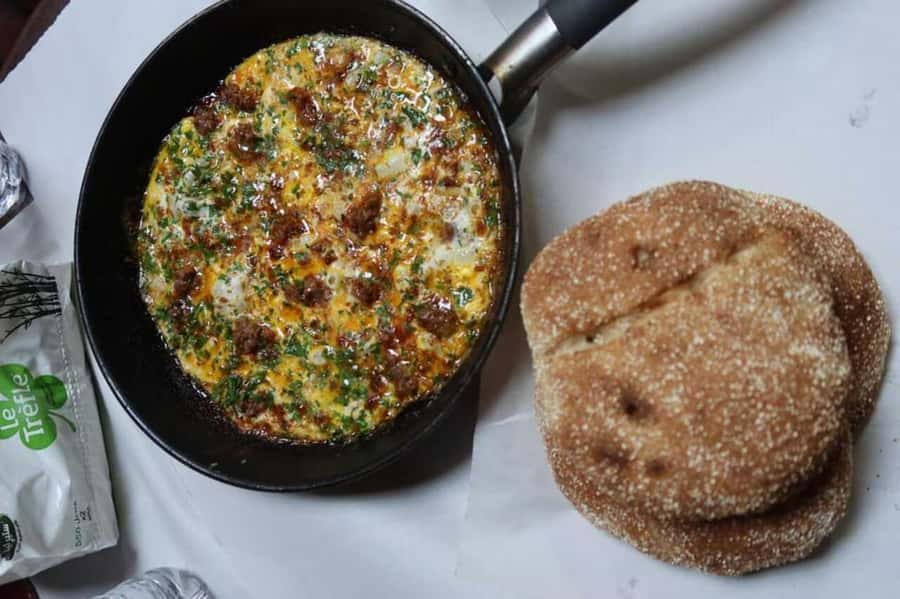
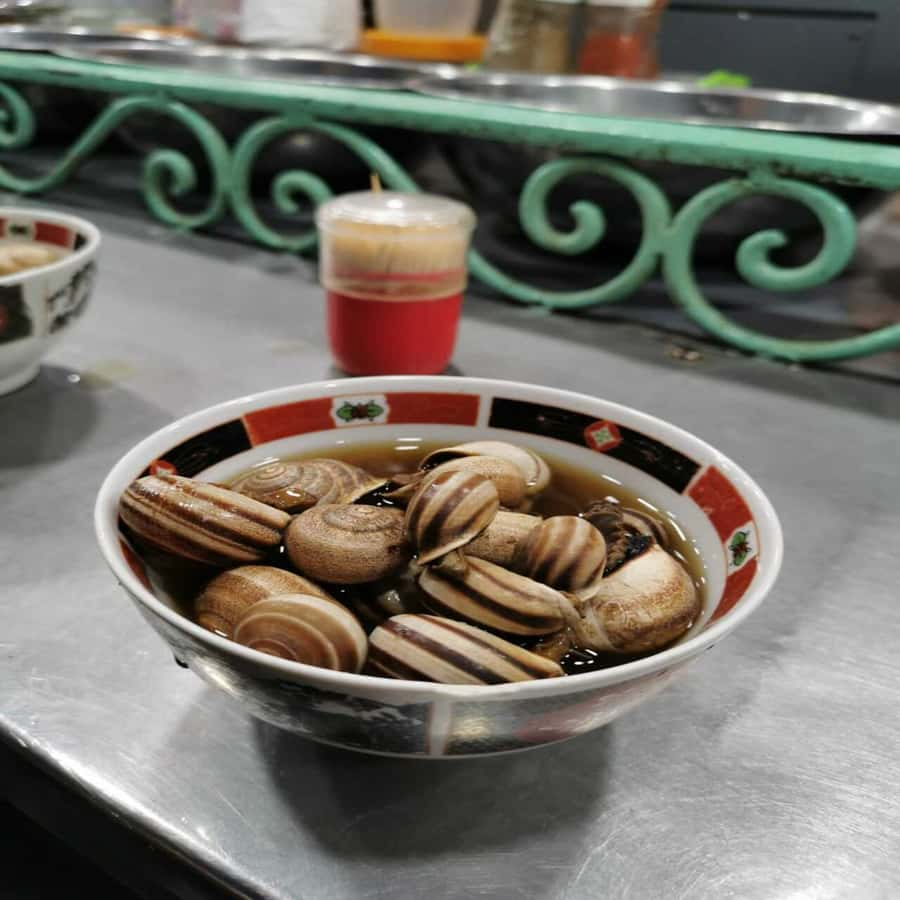
The walk then reaches the Kasba, with more street food, regional dishes, and local snacks. The food here can be more adventurous for first-time visitors. Possible tastings include chwa, grilled beef or chicken, and berbouche, a snail soup.
Snail soup will not appeal to everyone, but it is exactly the type of dish many visitors would not order without a local explanation. You can ask about the ingredients and decide how much you want to try. The point is not to force yourself to like everything. It is to understand what is available and make an informed choice.
Another possible dish is sardil mechoui, sardine balls cooked over coals. Sardines are common in Moroccan cooking, and this preparation gives you a different texture from a whole grilled fish. It is a good example of how a simple ingredient can become a street snack with a distinct local style.
At this stage, the amount of food begins to add up. People have described leaving very full, not merely satisfied. If you are joining an evening tour, do not plan a large dinner afterward. A light meal earlier in the day is the wiser approach.
Souk Semmarine and the final tasting circuit
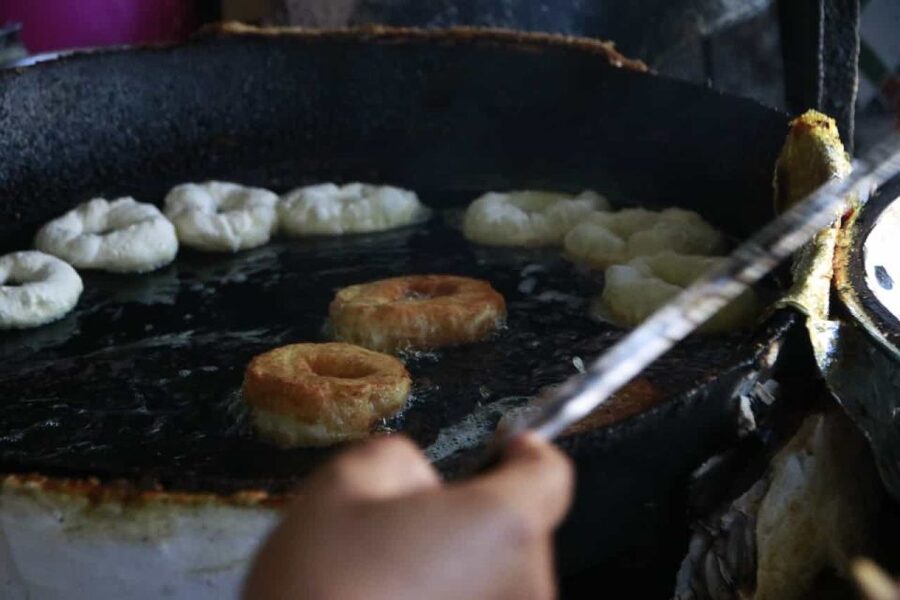
Souk Semmarine brings you into one of Marrakech’s best-known shopping areas. Here you get a break, browse the food market, and continue tasting regional specialties. The souk can be tight and noisy, with pedestrians, sellers, and scooters competing for space.
That setting is part of the experience, but it can be tiring. Wear comfortable shoes and keep your belongings secure. The route is a walking tour, not a seated food crawl, so expect to stand, move through narrow lanes, and pause at several different vendors.
A possible final savory dish is maklla, described as Moroccan chakchouka. It may combine eggs and cooked vegetables in a warm, satisfying preparation. Fresh assir, or fruit juice, may also appear, along with nuts and other small foods.
The guide does the useful work of deciding where to stop and what to order. You are not left to guess which stall is worth trying, and you do not have to calculate the price of each sample. This is particularly helpful in the souks, where the most visible counter is not always the one you would choose on your own.
The group eventually returns to Café Argana. By then, you will have covered a large slice of the old city and eaten enough to make the walk feel like a full evening activity rather than a simple snack tour.
What the guides add to the experience
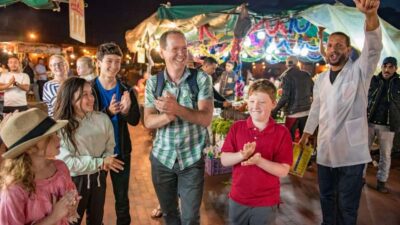
The food is the main attraction, but the guide determines how useful the tour feels. Abdul and Abdoo are repeatedly singled out for their warmth, humor, and explanations of food and local customs. Ahmed and Ahmed Karim are also described as engaging guides who explain the dishes and keep the pace comfortable. Miriam and Mariam have been praised for staying attentive to the group and helping everyone keep up.
Guide assignments can change, so you should not book solely for one person. Still, the repeated pattern is clear: the guide is expected to do more than lead you between stalls. You get explanations of ingredients, background on Moroccan traditions, advice about spice levels, and help navigating unfamiliar streets.
The language choices are broad. Tours are offered in English, German, Dutch, and Arabic. Some guides also speak French, as noted by people who joined multilingual groups. If language is important to you, confirm the available guide language when booking.
A private option gives you more personal attention and may suit families, couples, or anyone with specific dietary needs. A shared group can be more social and lets you meet other people, but it may include pauses while the guide waits for everyone. One tour had a short delay at the beginning after a guide failed to arrive, and the group joined another guide instead. The replacement guide handled the outing well, but this is a reminder that group activities sometimes have small organizational hiccups.
Food, allergies, and pacing
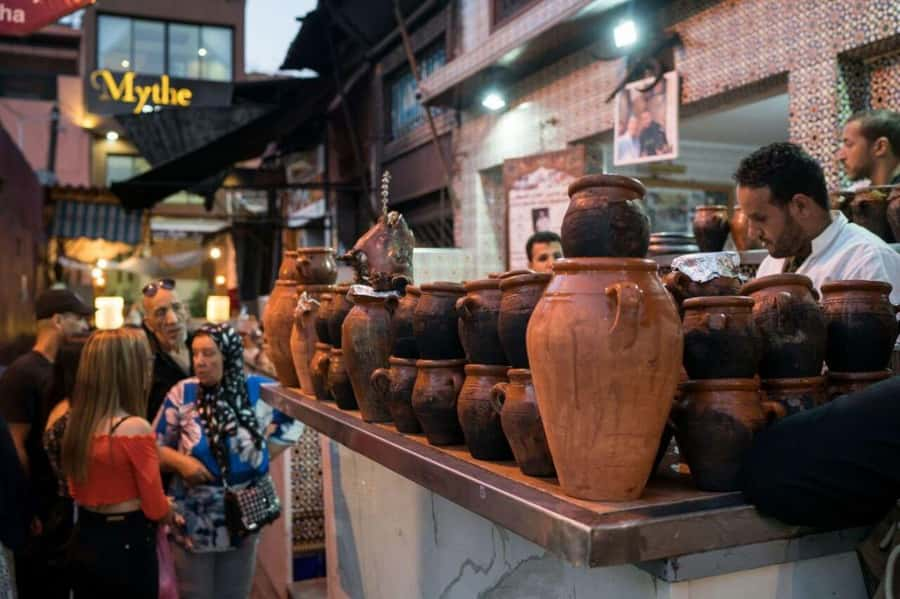
The advertised choices cover a wide range:
- Msemen and harcha
- Harira soup
- Chebakia sweets
- Khoudenjal herbal infusion
- Khobzaa with eggs and vegetables
- Raïb frozen yogurt
- Chwa grilled beef or chicken
- Berbouche snail soup
- Sardil mechoui sardine balls
- Maklla
- Fresh fruit juice
- Nuts
You may not receive every item on every departure. The selection depends on the time of day, what vendors are serving, and your food preferences. Morning and afternoon foods are not always available at the same hour.
Tell the guide about allergies before the tour starts. Alternatives may be possible, but you should not assume that every dish can be replaced. If you have serious allergies, explain them clearly and consider carrying any medication you normally need.
The biggest practical tip is simple: come hungry. Several stops may provide full portions, not tiny samples. The food is included, but you still need to manage your own pace. It is fine to take smaller portions or skip a dish if you are full.
Price, comfort, and who should book
At $34, this is a strong buy for anyone who wants a broad first taste of Marrakech. Buying 10 or 12 separate snacks, paying for drinks, finding the stalls, and hiring a guide would quickly cost more in time and effort, even before considering the risk of choosing places that do not suit you.
The value is strongest if you enjoy trying unfamiliar food and want local orientation. It is less useful if you prefer one long restaurant meal, dislike walking, or want complete control over the menu.
Comfortable shoes are essential. The tour lasts three hours and includes regular walking through the Medina and souks. Evening departures can become chilly, so bring a light jacket in cooler months. Alcohol is not included and is not allowed.
The accessibility information needs careful attention. The activity details describe the tour as wheelchair accessible, but the same information says it is not suitable for wheelchair users. Since narrow lanes, crowds, and uneven walking conditions may affect access, contact the provider before booking if you use a wheelchair or have limited mobility.
Hotel pickup and drop-off are not included. Transport to or from the meeting point can be arranged for an extra charge if you call ahead. Otherwise, plan to reach Café Argana independently.
Free cancellation is available up to 24 hours before the start time, and you can reserve now while paying later. Check the available start time because the food selection can change with the hour.
Should you book the Marrakech street food tour?
Book it if you want a generous, social introduction to Moroccan food and need help finding local stops in the Medina. It is especially useful on your first day, when you want to get your bearings, learn what to order, and gather ideas for the rest of your stay.
You should also book if you like trying unusual dishes. Snail soup, sardine balls, herbal drinks, and unfamiliar pastries give the tour more range than a standard restaurant meal.
Skip it if you dislike eating while walking, need a quiet setting, or have strict dietary requirements that cannot be handled with substitutions. Also confirm mobility arrangements before booking because the accessibility information is inconsistent.
For most food-focused visitors, the combination of included tastings, local guidance, and three hours of exploration makes $34 easy to justify. Just eat lightly beforehand, wear good shoes, and save room for the final stop.
FAQ
How long does the Marrakech street food tour last?
The tour lasts about three hours, including walking between neighborhoods and stopping for food, drinks, tea, and photos.
Where does the tour begin and end?
It begins and ends at Café Argana near Jemaa el Fnaa in central Marrakech. The café is identified by its green sign, nearby juice sellers, and a large ice cream sculpture.
How many foods will I taste?
You can expect around 10 to 12 specialty foods and drinks, depending on the time of day and your food preferences.
Are food and drinks included in the price?
Yes. The walking tour, guide, food, drinks, and all tastings are included. Alcoholic drinks are not included and are not allowed.
Can I choose a private tour?
Yes. You can choose between a shared group tour and a private tour.
What should I bring?
Bring comfortable shoes and, for an evening tour in cooler weather, a light jacket. Tell the guide about any allergies before the tour begins.
Just added in Morocco
- Sunset Camel Ride in Agadir or Taghazout With Transfers★ 4.5 · 134 reviews
- Agadir City Tour – Half Day – Guided By Couscous★ 4.5 · 422 reviews
- Seafront Promenade★ 4.5 · 100 reviews
- Sandboarding guided experience from Agadir★ 5.0 · 168 reviews
- Agadir Desert Quad Bike Safari with Hotel Pickup★ 4.5 · 191 reviews
- Agadir: Desert Quad Bike Safari with Hotel Pickup & Drop-off★ 5.0 · 371 reviews
- Sandboarding ( Sand Surfing ) in Agadir★ 5.0 · 147 reviews
- Agadir Traditional Moroccan Spa★ 5.0 · 201 reviews
Food Tours, compared.
Authentic Moroccan Food Tour in Marrakech with Dinner
Read our review →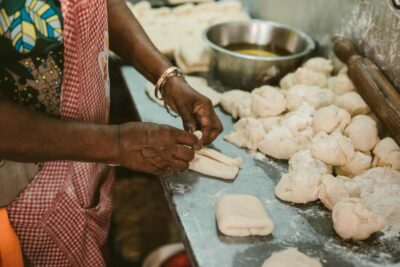
Marrakech Night Street Food Tour / Taste The Real Marrakech
Read our review →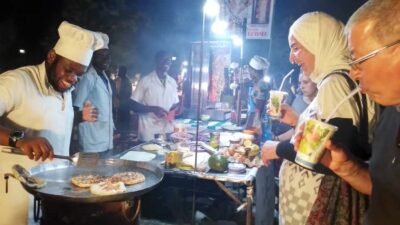
Stonetown: Food Markets and Street Food Walking Tour
Read our review →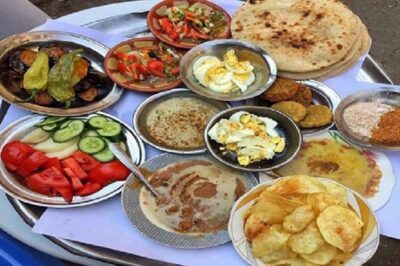
Browse the lists this tour appears in