
Reviewed · MOROCCO · TOURS IN MARRAKECH
Marrakech: Jemma El Fnaa Food Tour with Dinner
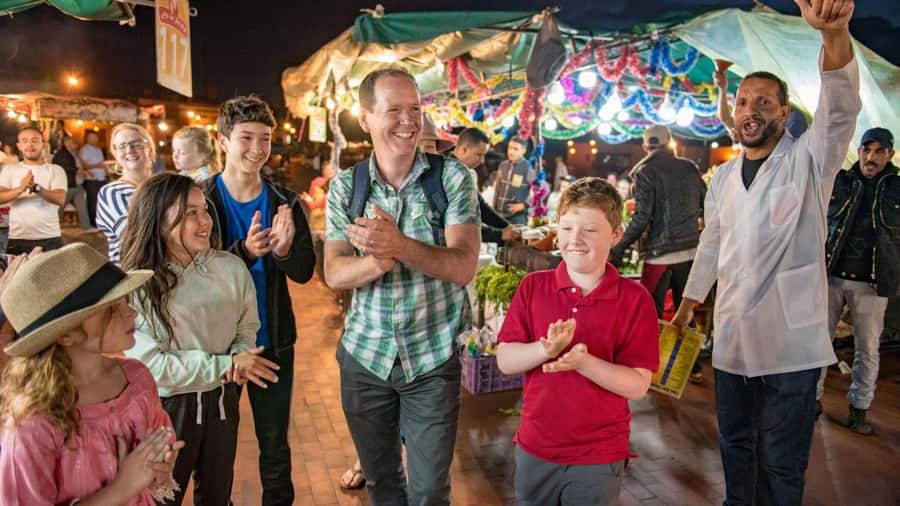
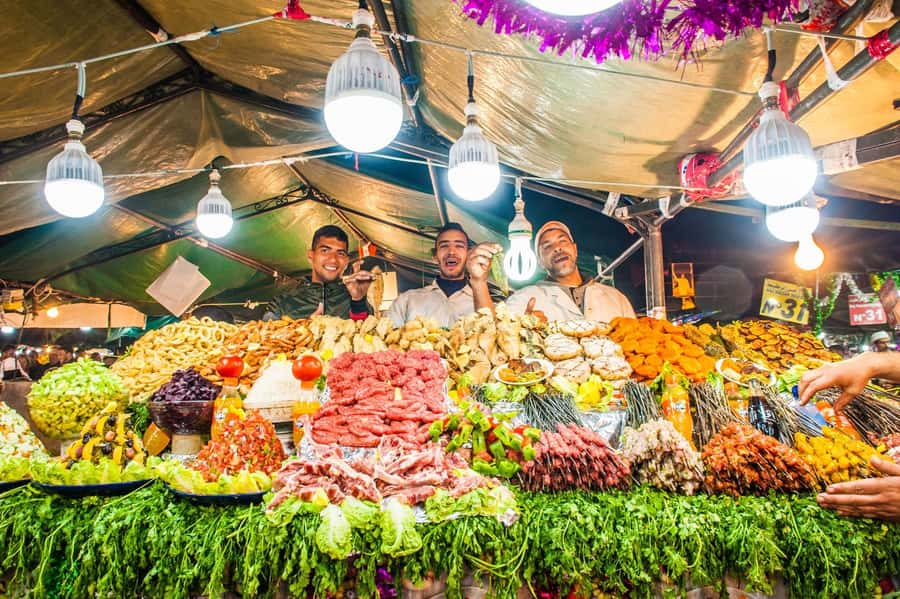
The best part of this Marrakech food tour is not simply the dinner. It is the way a local guide leads you through the medina’s narrow lanes, pointing out communal ovens, snack stalls, spice sellers, and small food shops you might pass without noticing. The evening ends at Jemaa El Fnaa, where food, noise, smoke, music, and people fill one of North Africa’s great public squares.
I like two things in particular: the wide range of tastes, from olives and nuts to soup, pastries, tangia, and spiced drinks, and the practical help you get moving through the souks. The main consideration is that this is a serious amount of food, and the lanes can be crowded and confusing. Arrive hungry, wear sensible clothes, and expect a lively rather than polished dining experience.
Key points at a glance
- A food tour with a real sense of place: Walk from Jemaa El Fnaa through the souks, spice market, Mellah, and Semmarine area rather than sitting in one restaurant.
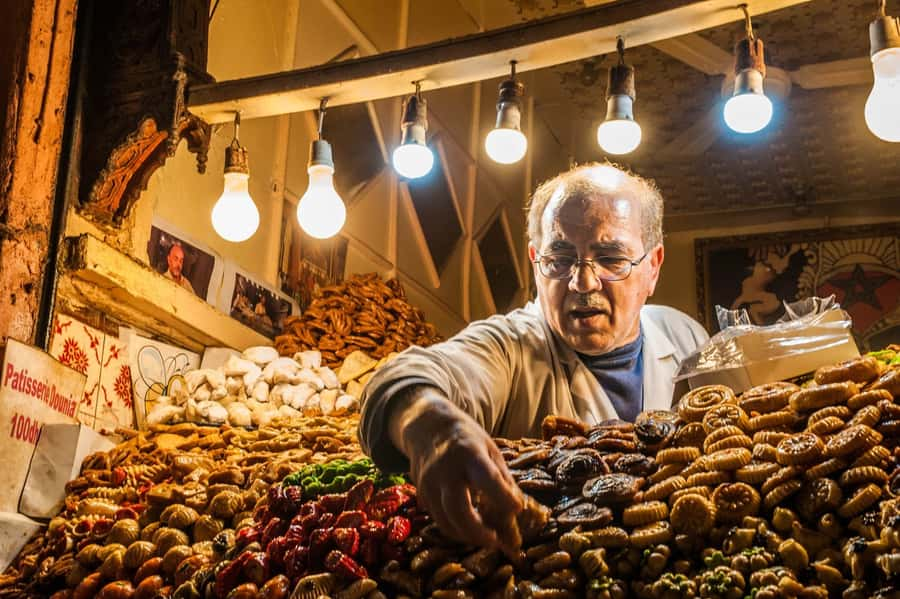
- More than a standard tagine dinner: Depending on the evening, tastings can include Jewish doughnuts, olives, nuts, pastries, harira soup, bread, tangia, unusual drinks, and other local specialties.
- Dinner at Chez Lamine Hadj Mustapha: The final meal takes place at a famous local food stop on Jemaa El Fnaa.
- Useful help in the medina: Your guide can explain bargaining customs, food traditions, local etiquette, and how to move safely through crowded lanes.
- Small-group feel: The group limit is 12, with a private option available.
- Good first-night activity: The route helps you get your bearings in the medina while giving you enough food for a full evening.
Why this food walk works so well in Marrakech
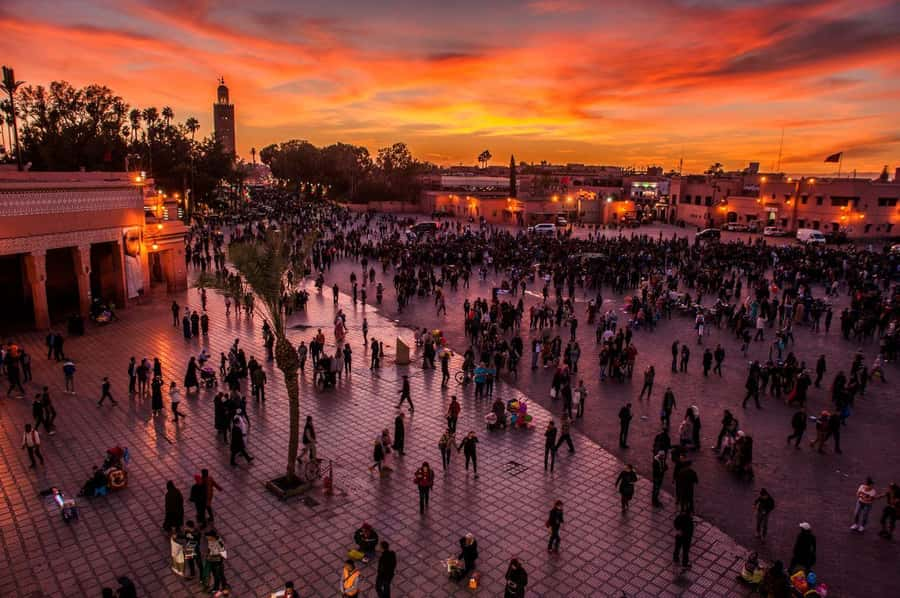
Marrakech can be a lot to take in during your first few hours. Jemaa El Fnaa is noisy, bright, smoky, and full of movement. The souks branch away from the square in a maze of covered passages. Food stalls compete for your attention, shopkeepers call out, motorbikes squeeze through, and the best local places are not always obvious.
That is where a food guide earns the price of admission. You are not just handed a meal and sent home. You are shown how food fits into daily life in Marrakech. You may see where local bread is baked, learn how spices are used, and stop at small shops selling olives, dried fruits, nuts, and pastries.
The experience lasts about 210 minutes, or three and a half hours. That is long enough to cover several parts of the old city without turning the evening into a rushed tasting parade. The advertised package includes a walking tour, three tastings, a guide, and a Moroccan dinner. In practice, the food can feel more generous than that basic description suggests. Past outings have included several small samples before the main meal, so you should not plan a large lunch or early dinner beforehand.
The overall rating is 4.7 from 394 ratings, and the strongest praise centers on the guides. Names that come up often include Omar, Ayoub, Youssef, Atika, Brahim, Mustafa, and Najib. The guide assigned to your group can vary, but the important quality is the same: a good guide explains what you are eating instead of simply naming it.
More eating your way round Marrakesh:
- Marrakech: Street Food Tour by Night
★ 4.8 · 2,838 reviews - Marrakech Night Street Food Tour / Taste The Real Marrakech
★ 4.9 · 200 reviews - Marrakech: Medina Stories Food Tour with 15+ Tastings
★ 5.0 · 141 reviews
Starting at Jemaa El Fnaa after dark
The evening begins at one of two possible meeting points at 11 Derb Zaari, depending on the option you book. Meeting details can vary, so check your confirmation carefully. Some groups have met near Cafe de France in Jemaa El Fnaa, a useful landmark in a square that can be hard to read at first glance.
Jemaa El Fnaa changes as daylight fades. During the day, it is a public square and meeting place. In the evening, food stalls appear, smoke rises from grills, and crowds gather around performers and vendors. The square has almost a thousand years of trading, eating, bargaining, and social life behind it. Your guide gives that activity some context, which makes the scene easier to understand.
This is also where you need to keep your wits about you. The square is fun, but it is not calm. Snakes, monkeys, food stalls, and persistent vendors are part of the setting. One guide, Omar, was specifically praised for giving practical advice about avoiding the monkeys. Listen to the guide’s warnings, keep your belongings close, and do not feel pressured to stop at every stall.
The square is a strong opening because it gives you a clear sense of Marrakech before you move into smaller streets. You begin with the big picture, then head into the food culture behind it.
Olives, nuts, pastries, and the first local tastes
From Jemaa El Fnaa, the walk turns into the souks and smaller lanes. This is where the tour becomes especially useful. A visitor walking alone may see rows of olives, sacks of nuts, dried fruit, and pastries, but have no idea what is worth trying or how to order it.
Your guide takes you to local shops and explains the differences among the foods. Olives are an important part of Moroccan eating, and the choice can be much wider than the usual green or black varieties found outside Morocco. Dried fruit and nuts add sweetness and texture, while pastries show the country’s fondness for honey, sugar, sesame, and fragrant spices.
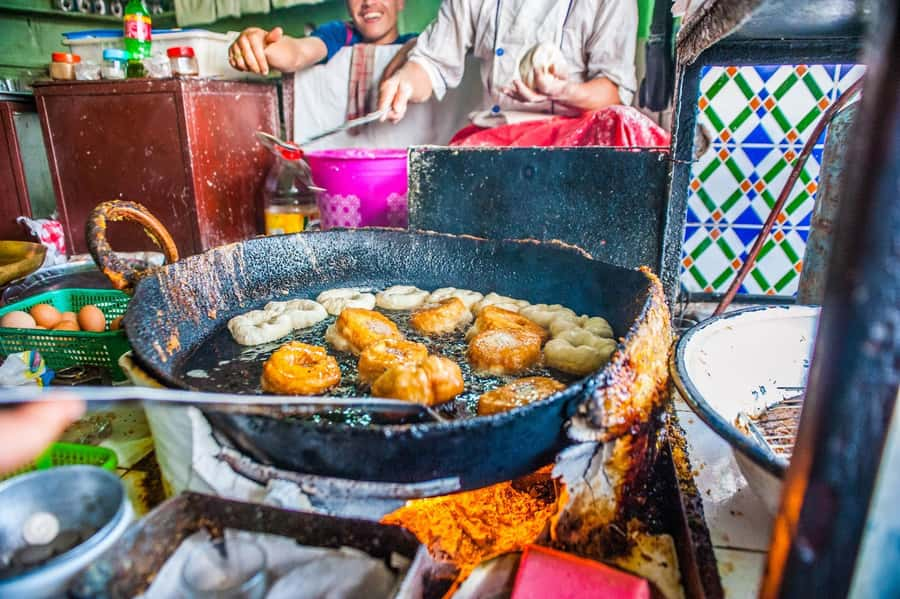
Some outings have begun with Moroccan doughnuts, including Jewish doughnuts from a tucked-away shop. That stop is a good example of what a guide adds. It is not only about the doughnut itself. It connects food with the city’s Jewish heritage and takes you to a place you would probably not locate by chance.
You might also taste mint tea, traditional pastries, or small savory items. The exact selection can change with the day, the vendor, and the group. The listing formally includes three tastings, but descriptions of the food served on recent outings include far more small portions. Treat the route as a progressive meal rather than three isolated samples.
The spice market and Morocco’s working pantry
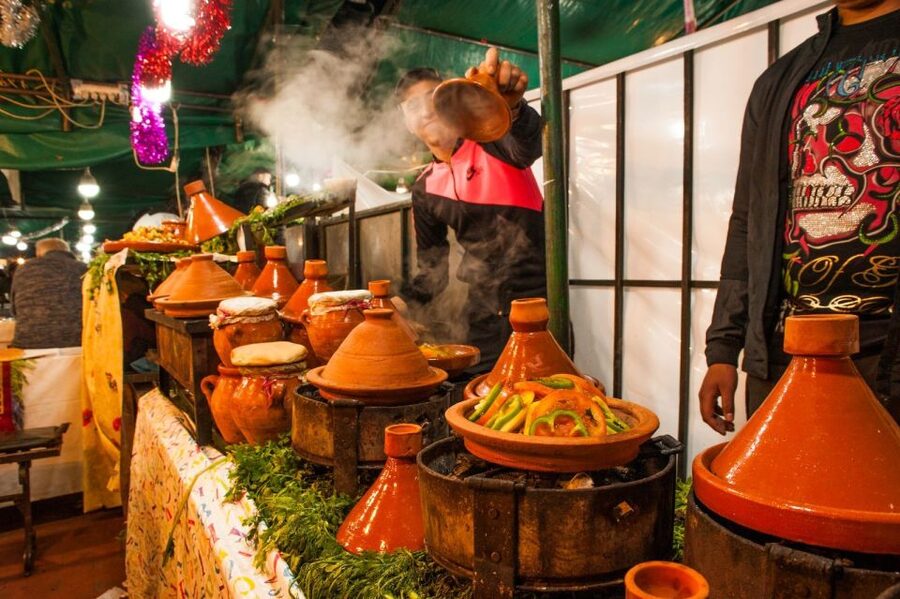
The spice market is one of the tour’s most appealing stops. You will smell cumin, saffron, ginger, pepper, and turmeric before you begin to sort out the colors and shapes in front of you. A guide can explain which spices are common in Moroccan kitchens and how they contribute to the country’s bold flavors.
This part is valuable because spice stalls can otherwise feel like a display made for tourists. You may see bright powders, dried herbs, and blends without knowing what you are looking at. The guide supplies the useful background and can help you understand the difference between a spice used daily and one sold mainly as a souvenir.
Do not expect a formal cooking class. This is a walk through the market, with explanations tied to the food you are about to eat. That link makes the information stick. When you later taste soup, tangia, or another seasoned dish, the spices are no longer just colorful piles in a shop.
The market also shows why Moroccan food is so aromatic without being hot in the way some visitors expect. Cumin, ginger, turmeric, pepper, and saffron bring warmth and depth. The tour is a good fit if you want food context rather than a simple list of dishes.
Same base, a different sort of day:
- Marrakech: Agafay Desert Sunset, Camel Ride, and Dinner Show
★ 4.6 · 35,119 reviews - From Marrakech: Ouzoud Waterfalls Guided Hike and Boat Trip
★ 4.7 · 33,630 reviews - Marrakech: Agafay Desert Quad & Camel Rides with Dinner Show
★ 4.8 · 27,382 reviews - Marrakech: Agafay Desert Quad Biking Tour with Dinner-Show
★ 4.8 · 16,569 reviews
Bread, ovens, and the food behind the stalls
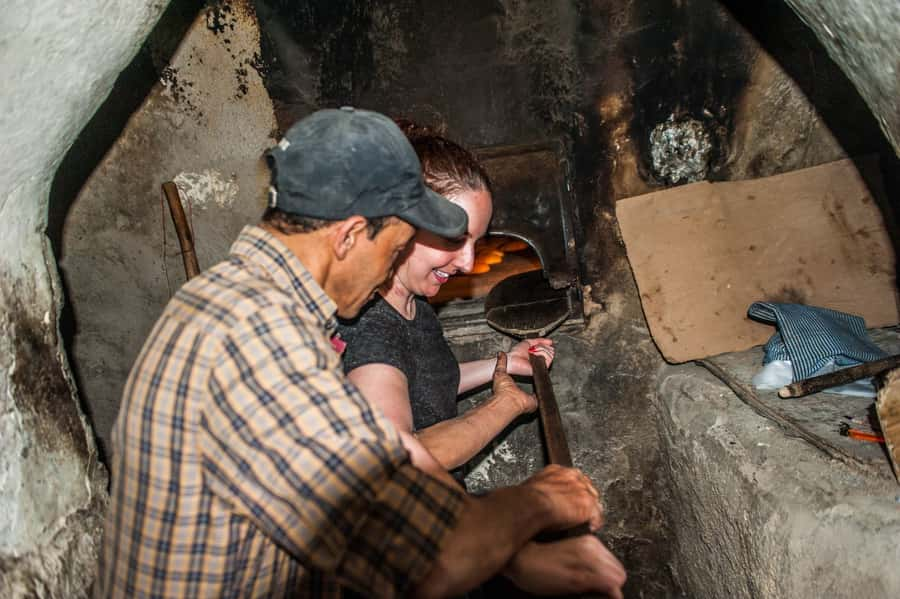
The souks reveal a side of Marrakech that most restaurant meals cannot. Bread is central to Moroccan meals, and traditional ovens serve local families and businesses. Some routes show communal ovens, including a bakery that supplies nearby homes and restaurants.
This is one of the most interesting details in the experience because it explains how food moves through the neighborhood. You are not only looking at finished dishes. You are seeing the practical network that supports daily eating: bread baked for families, meat prepared in traditional ways, spices sold by specialist merchants, and small shops serving regular customers.
The route may also pass places connected with unusual local dishes. Guides have introduced groups to cow hoof or sheep’s head, and some have helped visitors try snails. These foods are not presented as compulsory stunts. If you are curious, the guide can explain what you are seeing. If you are not, you can ask questions and decide for yourself.
This is where I would keep an open mind but set reasonable limits. Food tours are meant to expand your choices, not force you into eating something you dislike. The guides have been praised for helping people with food concerns and making vegetarian choices work. The tour cannot cater to gluten intolerance, so that is an important limit.
A taste of the Mellah and Riad Zitoun Jdid
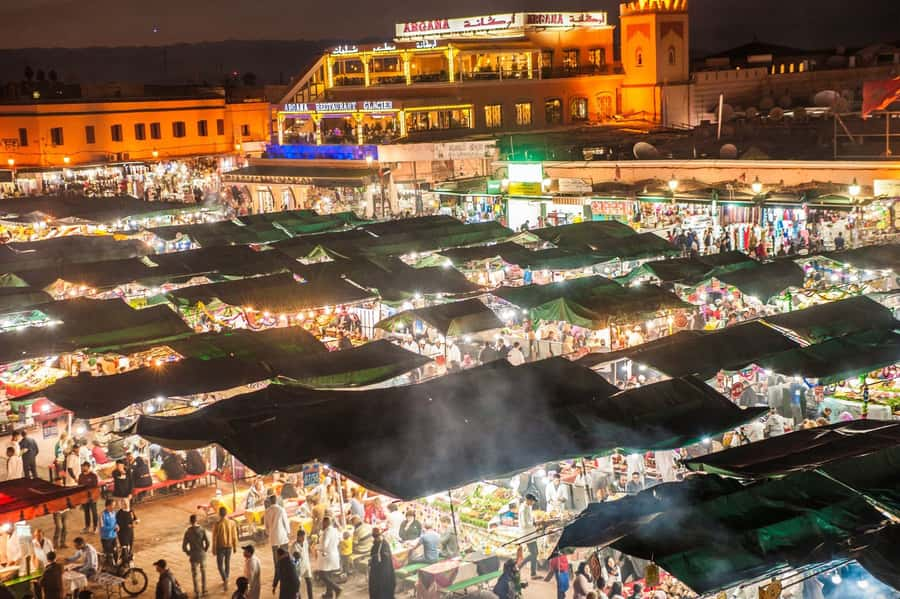
The route includes Riad Zitoun Jdid and the Mellah, two areas that add neighborhood texture to the evening. The Mellah is Marrakech’s historic Jewish quarter, and the food stop involving Jewish doughnuts can give that part of the city a useful connection to the meal.
Do not expect a full sightseeing tour of every landmark in these districts. The focus remains food, markets, and local life. Still, walking through these areas helps you see that the medina is not one single shopping zone. It is a collection of neighborhoods with different histories and daily rhythms.
Your guide can also answer questions about Moroccan customs and city life along the way. Several guides, including Youssef and Atika, have been praised for explaining culture as well as food. This makes the walk a good choice for solo visitors and first-time arrivals who want an introduction to the city without booking a separate orientation tour.
The lanes may be uneven, crowded, or difficult to follow. Comfortable walking shoes matter more than stylish footwear here. The tour is a walking experience from beginning to end, with no transport included.
Dinner at Chez Lamine Hadj Mustapha
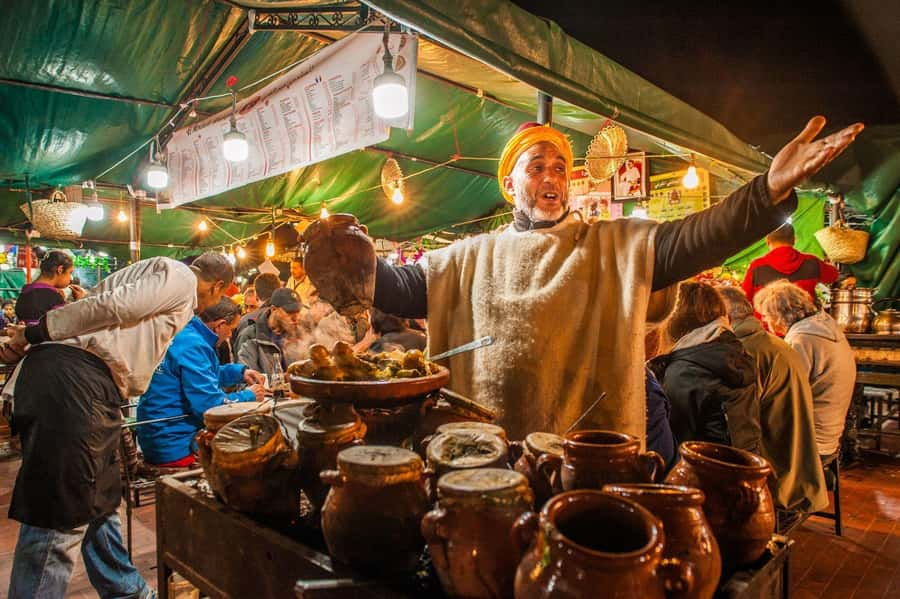
The evening’s main meal takes place at Chez Lamine Hadj Mustapha on Jemaa El Fnaa. This is a well-known local food stop, and dinner is served while the square reaches its evening peak.
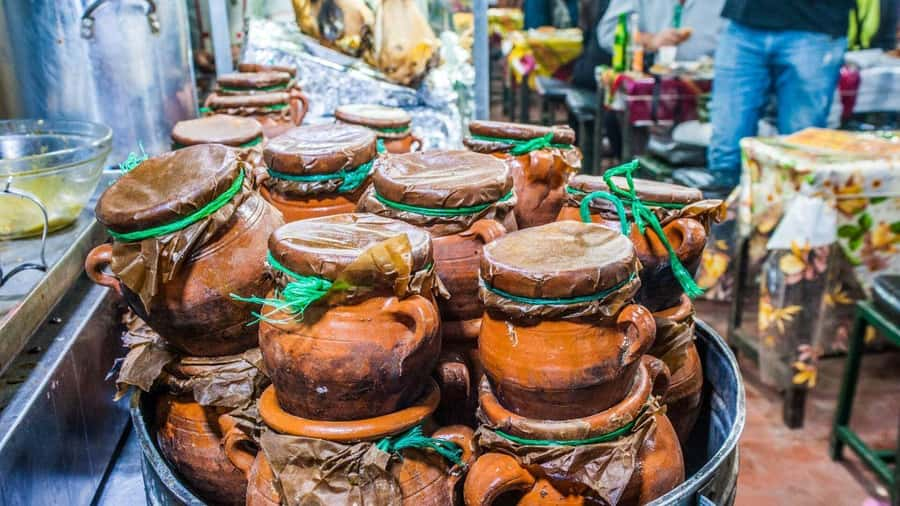
The exact dishes can vary, but the food described on past outings includes Moroccan soup, tangia, tagine, and side dishes. Tangia is especially associated with Marrakech. It is traditionally cooked slowly in a clay vessel, and some groups have seen the pots placed in a furnace or pit. The result is tender, strongly seasoned meat with a flavor very different from the vegetable-and-meat stews many visitors expect from Morocco.
Harira soup may also appear, often with accompaniments. It is a filling soup made with legumes and spices, and it makes sense as part of a night devoted to Moroccan street food. Some groups have also tried homemade spiced drinks made with boiled water, long peppers, and other spices.
The setting is part of the meal. You sit near the action rather than in a quiet dining room. That means more noise, more people passing, and a less controlled atmosphere. If you want polished service and a calm table, this is not the right dinner. If you want to eat where the square is at full strength, it is exactly the point.
One useful detail: many people find there is a lot of food. Past menus have included doughnuts, tea, soup, nuts, olives, pastries, tagine, tangia, and sweet treats. You may not receive every item listed here, but you should come hungry and avoid scheduling another dinner afterward.
What the price includes, and where the value lies
At $46 per person, the tour is priced above a simple guided walk but below what you might spend piecing together several tastings, a full dinner, and a private orientation in the medina.
The value comes from three parts:
- You get a local guide for about three and a half hours.
- You receive several food tastings and a Moroccan dinner.
- You are taken to food shops and lanes that are difficult to identify on your own.
You are paying for access and explanation as much as for food. A plate of soup is inexpensive in Marrakech. Finding a trustworthy place, understanding what to order, and knowing how to reach the next stop are the real advantages.
Additional food beyond the included tastings and dinner is not covered. You should also remember that exact stops can change. The tour is best value when you are new to Marrakech, interested in local food, and likely to use the guide’s advice for the rest of your stay.
The small-group limit is 12, and a private group can be arranged. A smaller group gives you more room to ask questions and makes it easier to stay together in the souks. Larger groups may move more slowly through tight lanes, but the maximum is still modest for a city food walk.
Who should book this Marrakech food tour
I would recommend it most strongly for first-time visitors, solo travelers, couples, and families who want a safe introduction to the medina. The guides have been praised for helping groups stay together, answering questions, and making children feel included. Infants aged 0 to 5 are free, and you should notify the operator if you have a child under 12.
It also suits adventurous eaters who want to try foods they would not order alone. You might encounter sheep’s head, cow hoof, snails, or other unfamiliar dishes, but you can treat these as optional discoveries rather than tests.
Vegetarians and vegans can be accommodated. Gluten intolerance cannot be catered for, so this tour is not a good choice if you need strict gluten-free control.
Dress with Moroccan customs in mind. Cover your shoulders, cleavage, and knees. Long trousers, a long skirt, or a light long-sleeved shirt will keep you comfortable and respectful. Bring a jumper because the evening can cool after dark.
The tour is conducted in English. It is carbon neutral and operated by a B Corp certified company, which may matter to you if you want an experience linked to stated environmental and social standards.
Should you book it?
Book this tour if you want food, local context, and a guided route through the medina in one evening. It is especially useful early in your stay, when you are still learning how Jemaa El Fnaa and the souks work.
Skip it if you want a quiet restaurant meal, a tightly fixed menu, or a tour designed around strict dietary control. The setting is crowded, the food is plentiful, and some dishes may be unfamiliar.
For most visitors who arrive ready to walk and eat, $46 is a fair price. The dinner alone is not the whole reason to go. The real payoff is learning how Marrakech eats, from neighborhood bread ovens and spice stalls to the crowded food tables of Jemaa El Fnaa.
FAQ
How long does the Marrakech food tour last?
The tour lasts 210 minutes, or about three and a half hours.
What food is included?
The package includes three tastings and a Moroccan dinner at a local restaurant. Food described on the route can include olives, nuts, dried fruit, pastries, bread, soup, tangia, tagine, sweets, and spiced drinks, though the exact selection may vary.
Where does the tour start?
There are two possible starting location options at 11 Derb Zaari. The meeting point can vary depending on the option booked, so check your booking details.
Where does dinner take place?
Dinner takes place at Chez Lamine Hadj Mustapha on Jemaa El Fnaa.
Is the tour conducted in English?
Yes. The tour has a live English-speaking guide.
Can vegetarians or vegans join?
Yes. The tour can cater to vegetarians and vegans.
Can the tour cater to gluten intolerance?
No. The tour cannot cater to gluten intolerance.
Is the tour suitable for children?
Yes. It is described as child-friendly, and infants aged 0 to 5 are free. Notify the operator if you have a child under 12.
What should I wear and bring?
Wear clothing that covers your shoulders, cleavage, and knees. Long trousers, long skirts, and lightweight long-sleeved shirts are suitable. Bring a jumper in case it becomes cool after dark.
Just added in Marrakesh
- Marrakech: Tailor-Made City Tour With Your Own Private Guide★ 4.9 · 236 reviews
- Marrakech palm grove: Sunset camel ride★ 4.8 · 194 reviews
- Sparkling Marrakech through the eyes of your local Guide★ 4.7 · 247 reviews
- Small-Group Day Trip from Marrakech to Essaouira Mogador★ 4.8 · 211 reviews
- Quad biking in Agafay Desert with lunch & Camel Ride & pool★ 4.5 · 186 reviews
- Marrakech: Historical Discovery Tour★ 4.1 · 87 reviews
- Marrakech: Palm Grove Horseback Riding Tour★ 4.6 · 163 reviews
- From Marrakesh: Ouarzazate & Ait Ben Haddou Day Tour★ 4.5 · 198 reviews
Food Tours, compared.
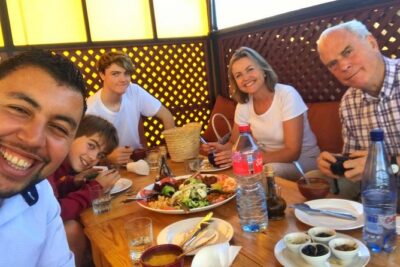
Authentic Moroccan Food Tour in Marrakech with Dinner
Read our review →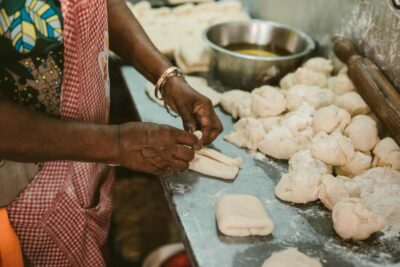
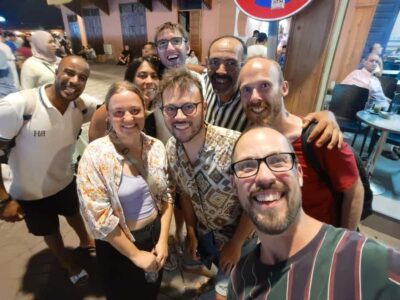
Marrakech Night Street Food Tour / Taste The Real Marrakech
Read our review →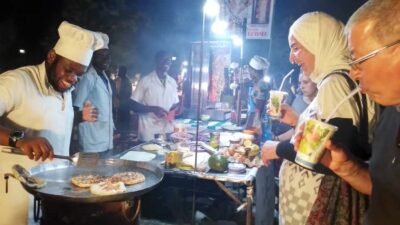
Stonetown: Food Markets and Street Food Walking Tour
Read our review →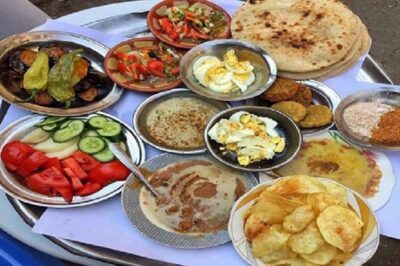
Browse the lists this tour appears in