
Reviewed · MOROCCO · TOURS IN MARRAKECH
Marrakech Night Street Food Tour / Taste The Real Marrakech
Marrakech is easiest to understand with your appetite. This four-hour evening tour leads you from Café de France through the Medina, Kasbah, and less touristy neighborhoods, stopping for everything from msemen pancakes and harira to slow-cooked tangia, fried sardines, doughnuts, sweets, and fresh juice.
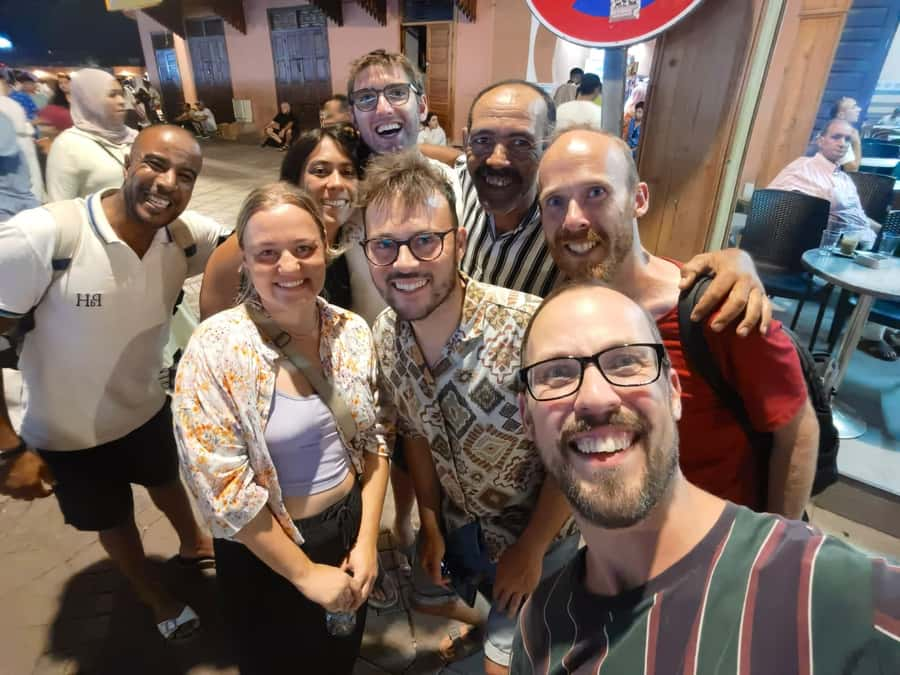
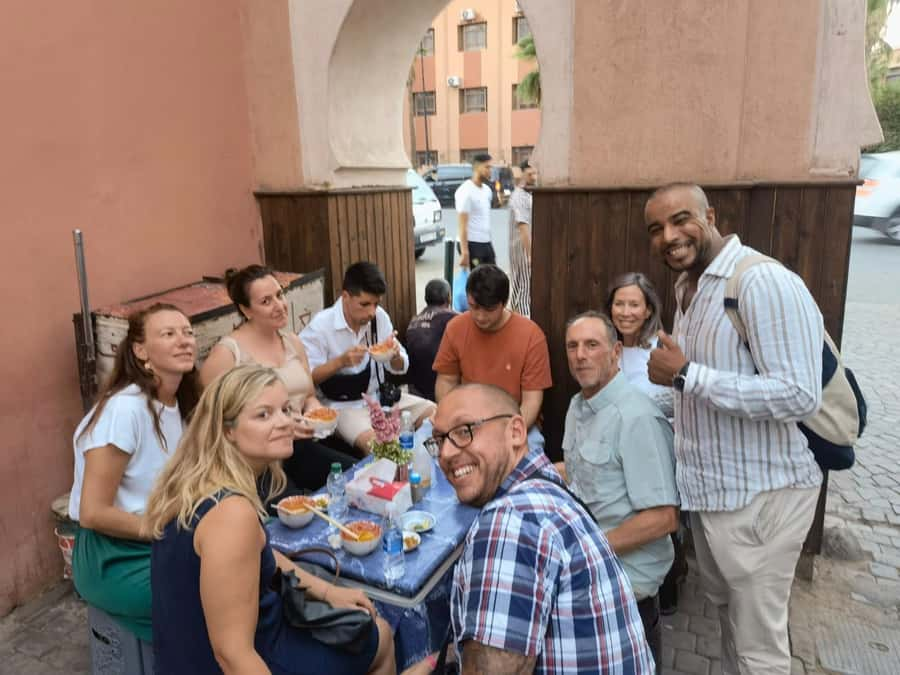
I like two things right away: the food comes in generous portions, and guides such as Nour and Omar add stories about Moroccan customs, Jewish and Berber influences, family cooking, and daily life. I also like that the group is limited to 10 people, small enough for conversation without turning every food stop into a traffic jam.
The main drawback is simple: this is a lot of food. The advertised four hours can stretch beyond that, and some people found the final stops physically demanding. Skip lunch, arrive hungry, and tell the guide about allergies or dietary needs before you start.
Key points at a glance
- A serious amount of food: Expect many stops and full portions, not just tiny samples.
- Local dishes beyond the usual tagine: Try tangia, harcha, harira, chfnj, sardines with eggplant, and Berber-style eggs with tomatoes.
- A walking tour with food built in: You move through the Medina and Kasbah while learning about local life.
- Guides make the difference: Nour, Omar, Mustafa, Mohamed, and others are praised for humor, care, and clear explanations.
- Strong value at $56: Food, tea or coffee, bottled water, and a bilingual guide are included.
- Best for adventurous eaters: Vegetarians and vegans can be accommodated, but meat and seafood feature heavily.
Starting at Café de France after dark
The meeting point is in front of Café de France, a useful landmark in central Marrakech. From there, your guide explains the route before leading the group into the evening streets.
This is a good time to take the tour early in your stay. You get an introduction to Moroccan food, learn names you can use later, and pick up ideas for ordering on your own. Several guides also offer restaurant suggestions during the walk, which can help shape the rest of your visit.
The evening setting matters. Marrakech changes after sunset, when food stalls, small eateries, cafés, and neighborhood gathering places become part of the city’s daily rhythm. You are not simply seated at one restaurant for four hours. You keep moving, seeing different parts of the Medina and Kasbah as you eat.
The route is not fixed in every detail. A family bereavement, rain, or another local issue has sometimes forced the guides to change plans. That is worth knowing if you prefer a rigid schedule. The upside is that the guides appear comfortable adapting, and the food experience continues even when a planned stop is unavailable.
More eating your way round Marrakesh:
- Marrakech: Street Food Tour by Night
★ 4.8 · 2,838 reviews - Marrakech: Jemma El Fnaa Food Tour with Dinner
★ 4.7 · 394 reviews - Marrakech: Medina Stories Food Tour with 15+ Tastings
★ 5.0 · 141 reviews
Msemen, harcha, and the first taste of Morocco
The opening dishes may include msemen and harcha, two Moroccan pancakes with very different textures.
Msemen is folded and pan-cooked, with a soft, layered bite. Harcha is made from semolina and has a more crumbly texture. These are everyday Moroccan foods, often associated with breakfast or tea, so they offer a useful start rather than a flashy introduction.
You may also receive Moroccan tea or coffee, along with bottled water. Tea is not just a drink here. It is tied to hospitality and social time, and a guide can explain why it appears so often in Moroccan life.
Go easy at this point. The food keeps coming. A common mistake is treating the first pancake as a sample and eating it like a normal snack. By the end of the evening, that extra serving can matter.
Harira, sweets, and the role of celebration
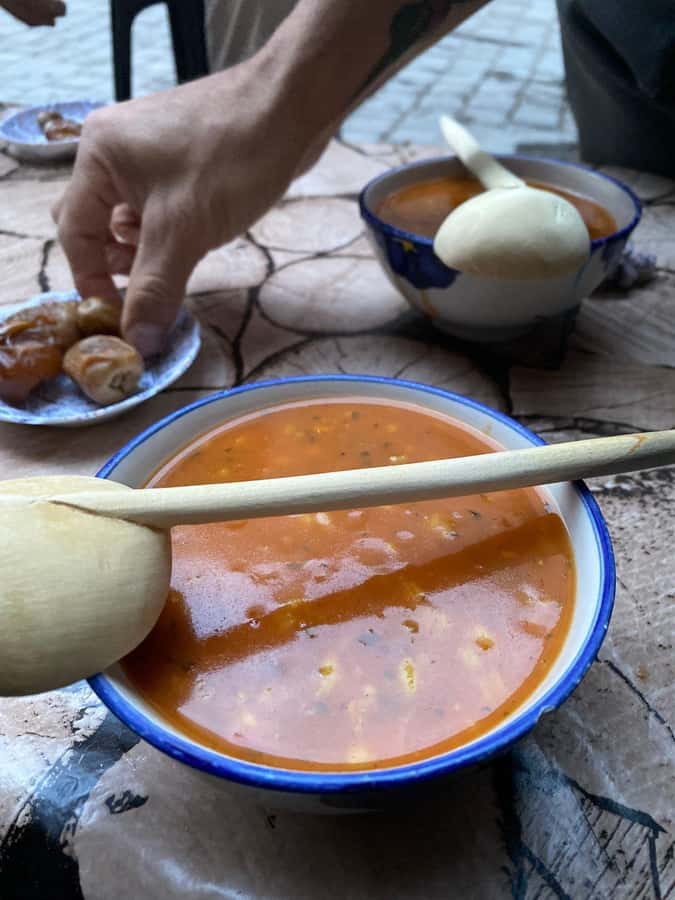
Harira is a well-known Moroccan soup, described here as vegetarian. It is hearty, warm, and filling, with a place in Moroccan home cooking and religious traditions.
Next may come chebakiya, a sweet pastry with a sticky, spiced character. Depending on the route, you can also try other Moroccan sweets. The contrast between soup, pancakes, pastries, and later meat dishes helps you understand that Moroccan street food is not one single style of cooking.
This part of the tour is especially useful if you want context with your meal. Guides explain how dishes are prepared and when people eat them, rather than simply naming each plate. Nour is repeatedly praised for bringing food, culture, and history together in a lively way, while Mustafa has sometimes added dishes he prepared himself.
The portions are not designed for polite nibbling. You may be offered enough to share, and the guide will encourage you to try each item. If you cannot finish everything, do not feel pressured to clean every plate. The point is to sample widely, not win an eating contest.
Tangia cooked low and slow
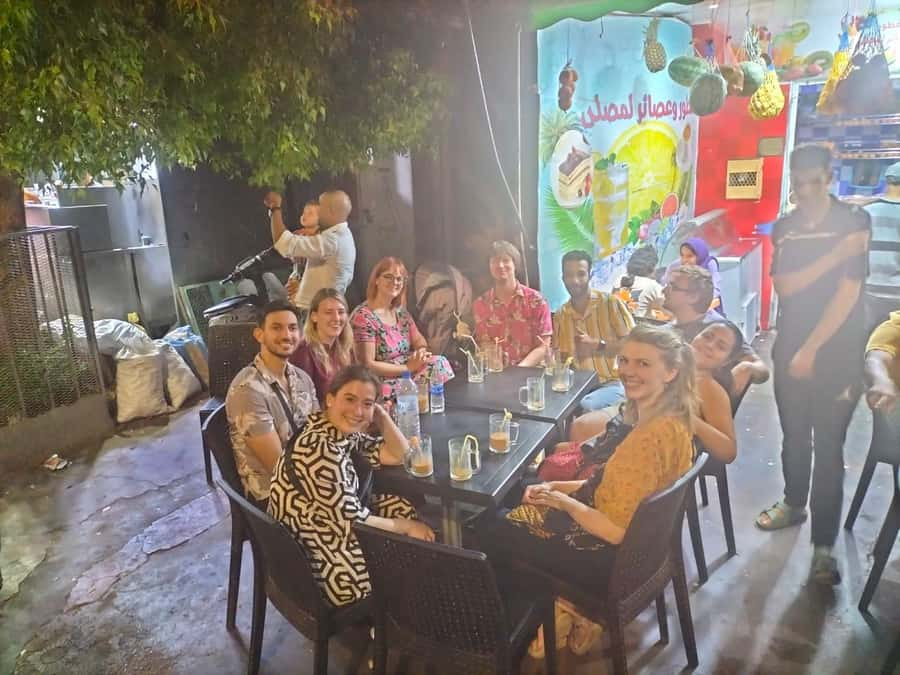
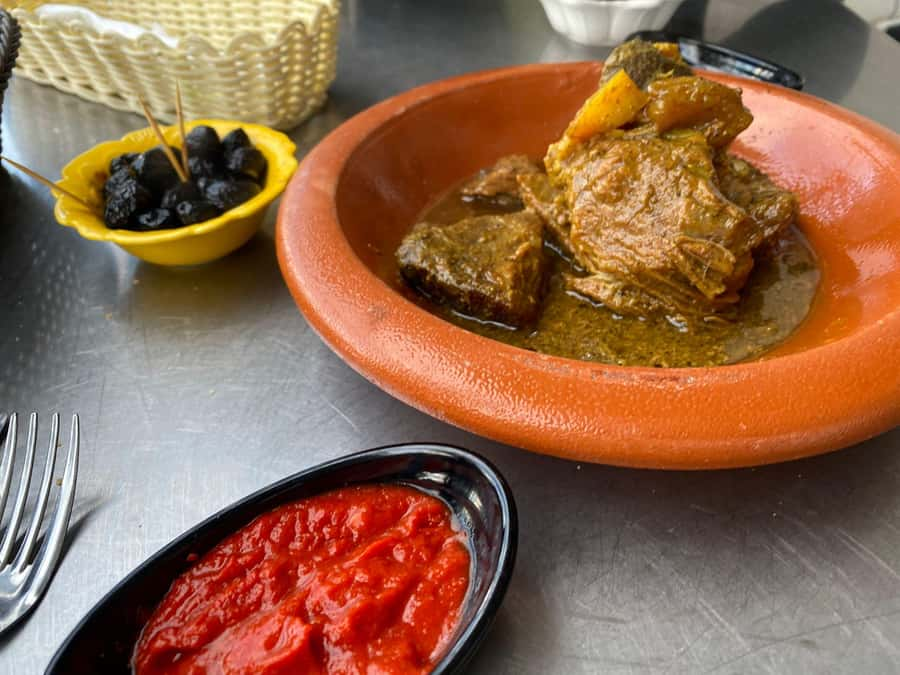
Tangia is likely to be the food highlight for many people. It is a traditional Marrakech dish of meat cooked slowly in a clay vessel, producing tender meat and a concentrated flavor.
The preparation has a strong local connection. Some guides have arranged tangia cooked in the embers of a hammam boiler, an unusual setting that gives the dish a story beyond what is on the plate. In some cases, the guide has prepared the tangia specially for the group.
This is one of the tour’s most distinctive details. You are not only tasting a dish; you are learning how cooking connects to the working life of the city. The hammam setting also shows how local food traditions can depend on shared neighborhood systems.
Tangia is not the same as the tagine commonly found on restaurant menus. If you like slow-cooked meat, ask the guide about the difference. It is also a dish worth remembering for later meals, since several guides help you recognize it and know how to order it.
The caution is portion size. Tangia can arrive after you have already eaten pancakes, soup, and sweets. Take a sensible serving first. You can always have more.
Same base, a different sort of day:
- Marrakech: Agafay Desert Sunset, Camel Ride, and Dinner Show
★ 4.6 · 35,119 reviews - From Marrakech: Ouzoud Waterfalls Guided Hike and Boat Trip
★ 4.7 · 33,630 reviews - Marrakech: Agafay Desert Quad & Camel Rides with Dinner Show
★ 4.8 · 27,382 reviews - Marrakech: Agafay Desert Quad Biking Tour with Dinner-Show
★ 4.8 · 16,569 reviews
Stews, sardines, and Berber-style eggs
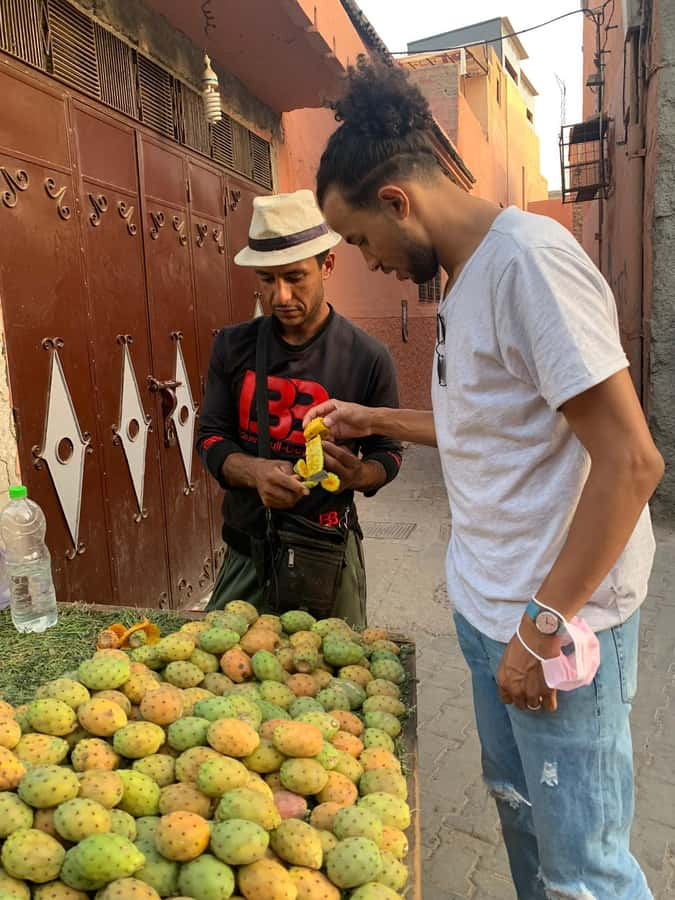
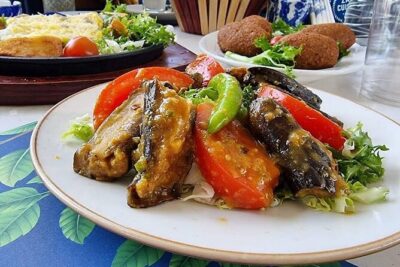
The savory stops continue with Moroccan stews, fried sardines with eggplant, and lbd o maticha, a Berber-style preparation of eggs and tomatoes.
The sardines add a different note from the slow-cooked meat. They are fried and paired with vegetables, giving the tour a taste of Morocco’s seafood traditions. The egg and tomato dish is simpler but just as useful for understanding home-style food. It shows how a few basic ingredients can form a filling local meal.
Some food stops may be small family restaurants or neighborhood places that are easy to miss if you are walking alone. You might pass an unassuming doorway without guessing what is being cooked inside. That is where a local guide earns the fee: not by taking you to the most famous restaurant, but by helping you reach places you would likely overlook.
Several guides have also taken groups outside the main tourist center, where the food feels more connected to local residents than to sightseeing menus. That does not mean every stop is rough or uncomfortable. It means the focus is on ordinary places where people eat, gather, and work.
Chfnj, tea, juice, and the sweet finish
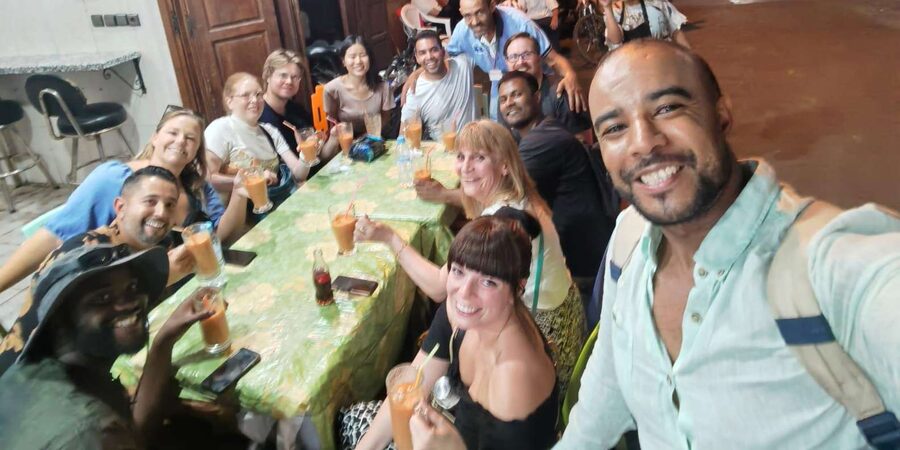
Chfnj, described as Jewish doughnuts, brings another cultural thread into the meal. Served with tea, these fried pastries are a reminder that Moroccan food reflects many communities and traditions.
The tour may also include raïb, a frozen yogurt, and assir, fresh fruit juice. These lighter or sweeter items are welcome late in the evening, though you may already be full by then.
The final course is not always easy. Some groups have continued for five hours, and several people found that the food was still arriving after they thought they had finished. That is part of the charm for an enthusiastic eater, but less appealing if you want a short, tightly timed outing.
You can handle this by pacing yourself and treating each stop as a tasting. Drink water along the way. Guides have provided wipes and water, which is practical when you are eating while walking between small eateries.
What the guides add to the meal
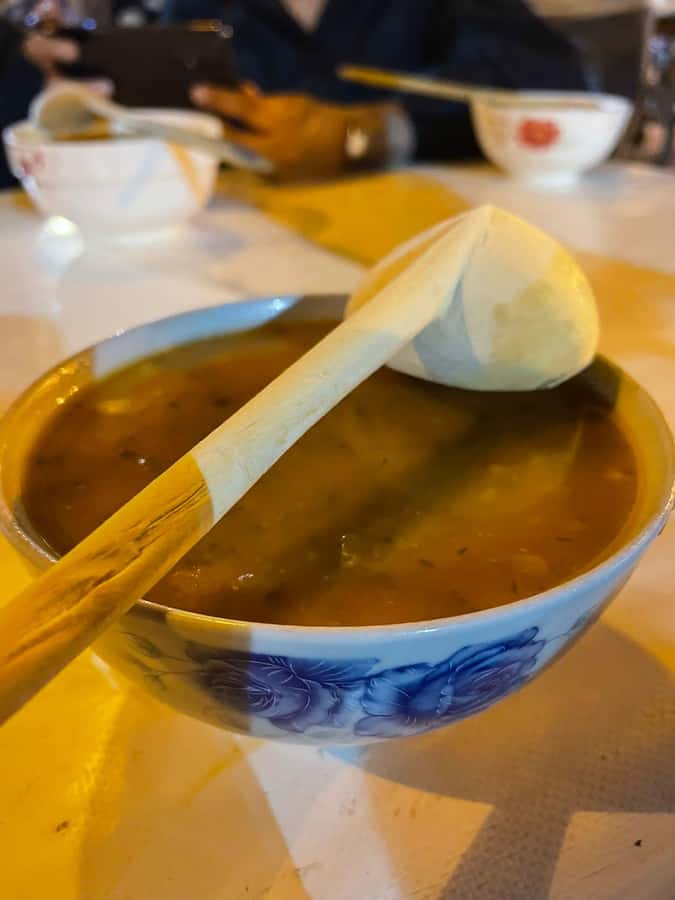
The food is the reason to book, but the guides shape the experience. Nour and Omar are often paired together, with Nour explaining food and cultural meaning while Omar helps keep the group moving and comfortable. Other guides named in the feedback include Mustafa, Mohamed, Khawla, Nurdin, and Oumar.
Do not expect the exact same personality or route every night. The guide assignment can change, and each person brings a different style. What you can reasonably expect is an English-speaking local guide who explains the dishes and shares stories about Marrakech.
The best guides turn the walk into more than a list of ingredients. You may hear about sugar’s role in Moroccan history, door knockers, food traditions, hammams, local families, and the reasons certain dishes appear at particular occasions.
The social side is another strength. A group of eight or ten people from different countries can make the meal feel like a shared evening rather than a standard guided walk. If you enjoy conversation, this is a good format. If you want to eat alone and move at your own pace, a private meal may suit you better.
Vegetarian, vegan, and allergy advice
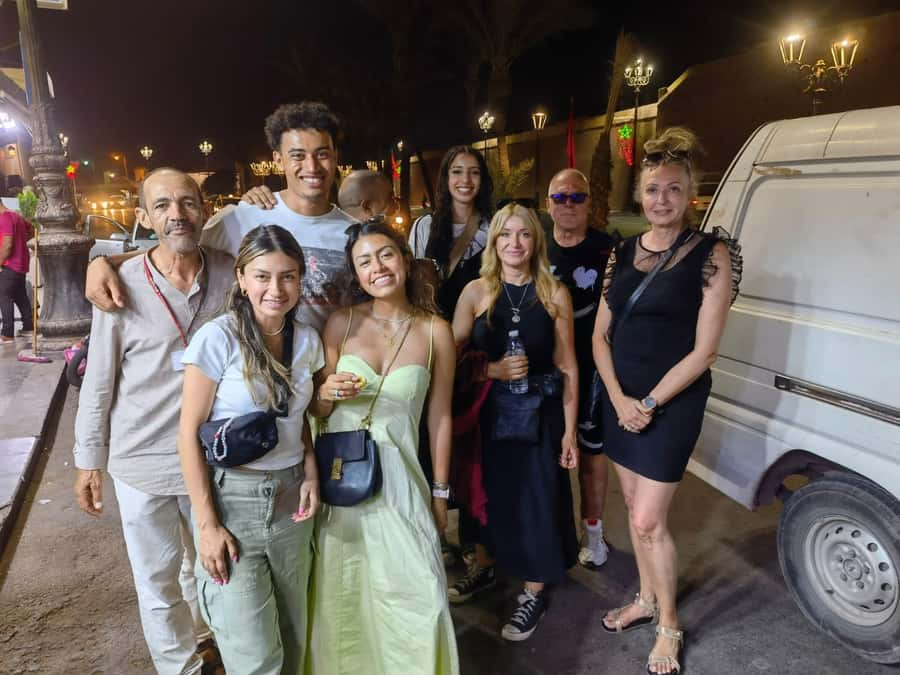
The menu is meat-heavy. Tangia, Moroccan stews, and sardines are central parts of the advertised tasting, so vegetarians should ask about substitutions before booking.
Vegan guests have been offered suitable alternatives at many stops, and guides have made a clear effort to look after them. Still, the tour is built around a broad local menu rather than a dedicated vegan route. Tell the provider about allergies in advance so alternatives can be arranged.
The food list includes pancakes, soup, pastries, meat, seafood, eggs, yogurt, juice, and sweets. That range is useful for an adventurous eater, but it also means you should be clear about what you can and cannot eat.
Is $56 a fair price?
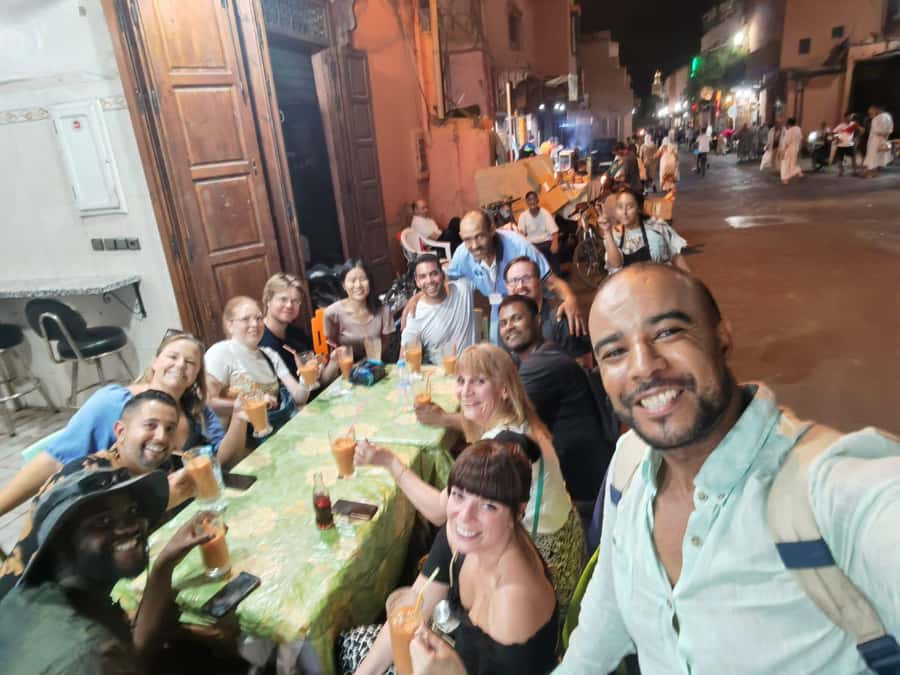
At $56 per person, the tour costs more than simply buying a few snacks in the Medina. The comparison is not quite fair, though. Your fee covers several hours with a local guide, a small group, all listed food, tea or coffee, and bottled water.
The quantity is the strongest part of the value. You are not paying for three samples and a short explanation. The route can include around five main stops, plus additional tastes, with enough food that many people cannot finish everything.
You are also paying for access and interpretation. A visitor walking alone might find a pancake stall or juice shop, but is less likely to locate every neighborhood eatery, understand the menu, or learn how tangia is cooked in a hammam boiler. The walking route through the Medina and Kasbah adds another layer.
I would consider the price fair for a first night in Marrakech, especially if you plan to use the food tips later. It is less attractive if your main goal is a short snack walk or if you dislike large portions.
Timing, walking, and practical comfort
The listed duration is four hours, but plan for the possibility of a longer evening. Food stops can run over, and the guide may want you to try one more dish or explain a local custom.
You will walk through narrow streets and different neighborhoods, so comfortable shoes are sensible. Transportation is not included, and the activity description indicates walking and some driving through different areas. Arrange your own way to the meeting point and your return afterward.
The group limit of 10 is a useful middle ground. It is small enough for the guide to answer questions and monitor dietary needs, while still giving you the social energy of a shared tour.
The route may be affected by weather. Heavy rain has required guides to adjust plans, but they have kept the group moving and tried to protect the evening’s mood. That flexibility is valuable, though you should not book this expecting minute-by-minute precision.
The meeting point is clear, but one person found it difficult to identify the guide because there was no sign. I would arrive a little early and confirm the guide’s appearance or contact details before setting off.
Who should book this food walk?
I would choose this tour if you want a broad first taste of Moroccan cuisine and prefer local context with your meal. It suits curious eaters, couples, solo visitors, and small groups who enjoy walking, conversation, and trying unfamiliar dishes.
It is especially useful on your first evening. You can learn what tangia, harira, msemen, and chfnj are before ordering them elsewhere, and the guide can point out parts of Marrakech you may not discover alone.
Families should consider the four-hour length and the heavy menu. Picky eaters may struggle, while teenagers and adventurous older children may enjoy the steady stream of food.
I would hesitate if you need a short, fixed itinerary, have severe dietary restrictions, or dislike meat and seafood. Vegetarians and vegans can be accommodated, but they should give advance notice and understand that the menu is not designed around them.
Should you book the Marrakech Night Street Food Tour?
Yes, if you want a generous meal, a local introduction to Marrakech, and a walking route through places you might otherwise miss. The strongest reasons are the range of dishes, the guides’ care, and the unusual tangia cooked in hammam embers.
Book it early in your trip, skip lunch, and keep your evening open for at least four hours, possibly longer. If you arrive ready to pace yourself and try unfamiliar food, the $56 price is strong value.
Skip it if you prefer a quiet restaurant meal or cannot manage a large amount of food. For most adventurous eaters, though, this is a practical and flavorful way to get your bearings in Marrakech.
FAQ
Where does the Marrakech food tour meet?
Meet the guide in front of Café de France in central Marrakech.
How long does the tour last?
The listed duration is four hours, but the evening can run longer depending on the route and food stops.
What food is included?
The tasting can include msemen, harcha, harira, chebakiya, tangia, Moroccan stews, fried sardines with eggplant, chfnj, lbd o maticha, raïb, fresh fruit juice, tea, and other sweets.
Are drinks included?
Yes. Coffee or tea and bottled water are included.
Can vegetarians and vegans join?
Yes, suitable alternatives can be provided, but you should tell the provider about your dietary needs in advance. The standard menu includes meat, seafood, eggs, and dairy.
How many people are in the group?
The group is limited to 10 participants.
Just added in Marrakesh
- Marrakech: Tailor-Made City Tour With Your Own Private Guide★ 4.9 · 236 reviews
- Marrakech palm grove: Sunset camel ride★ 4.8 · 194 reviews
- Sparkling Marrakech through the eyes of your local Guide★ 4.7 · 247 reviews
- Small-Group Day Trip from Marrakech to Essaouira Mogador★ 4.8 · 211 reviews
- Quad biking in Agafay Desert with lunch & Camel Ride & pool★ 4.5 · 186 reviews
- Marrakech: Historical Discovery Tour★ 4.1 · 87 reviews
- Marrakech: Palm Grove Horseback Riding Tour★ 4.6 · 163 reviews
- From Marrakesh: Ouarzazate & Ait Ben Haddou Day Tour★ 4.5 · 198 reviews
Food Tours, compared.
Authentic Moroccan Food Tour in Marrakech with Dinner
Read our review →
Stonetown: Food Markets and Street Food Walking Tour
Read our review →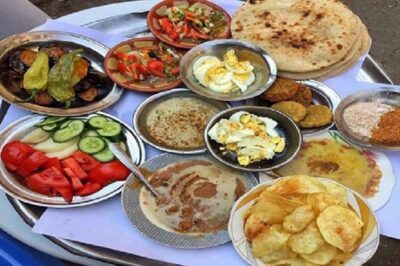
Browse the lists this tour appears in