
Reviewed · TANZANIA · TOURS IN ARUSHA
3 Days Private Safari – manyara, Ngorongoro & Tarangire
The clever part of this three-day private safari is its variety. You move from the soda waters and flamingos of Lake Manyara to the wildlife-packed floor of Ngorongoro Crater, then finish among Tarangire’s baobabs and large elephant herds. It gives you three very different settings without asking you to plan the roads, permits, meals, or lodges yourself.
I like the small-group format, which gives your guide room to respond to what you want to see. I also like the strong mix of scenery and animals: tree-climbing lions at Manyara, black rhinos in Ngorongoro, and rare species such as greater kudu and fringe-eared oryx in Tarangire.
The trade-off is a busy schedule. Three parks in three days means long road transfers and fairly quick visits, and the itinerary is not designed for slow mornings or repeated searches for one particular animal. You should also confirm the vehicle condition before departure, since one account describes a serious mechanical delay at the start.
Key points to know before booking
- Three distinct parks in three days: Lake Manyara, Ngorongoro Crater, and Tarangire each offer a different wildlife setting.
- A private departure from Arusha: Your group takes part on its own, with pickup offered and a listed start time of 7:30 a.m.
- Ngorongoro is the wildlife centerpiece: You descend about 600 meters for a half-day game drive and a picnic lunch.
- Tarangire is more than a final stop: Its river, swamps, baobabs, and elephant herds make it a strong finish.
- Meals and lodging are included: That makes the $1,000 per-person price easier to assess against the amount of planning covered.
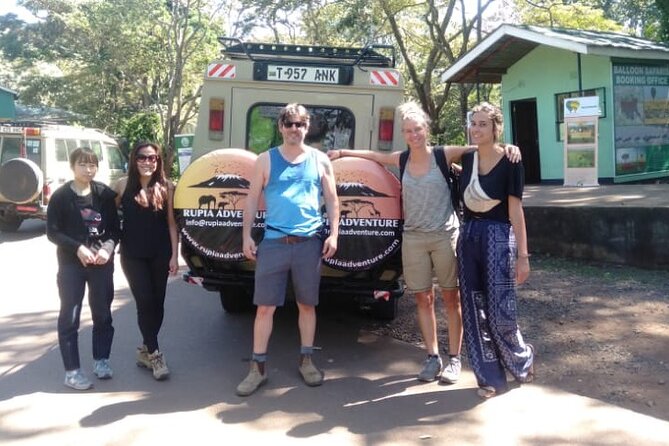
- Guide quality matters here: Gerson, Joseph, Mirage, Maliaki, Erasto, and Mamdal are among the guides praised for animal spotting, park knowledge, patience, and good pacing.
Why this three-park route works so well
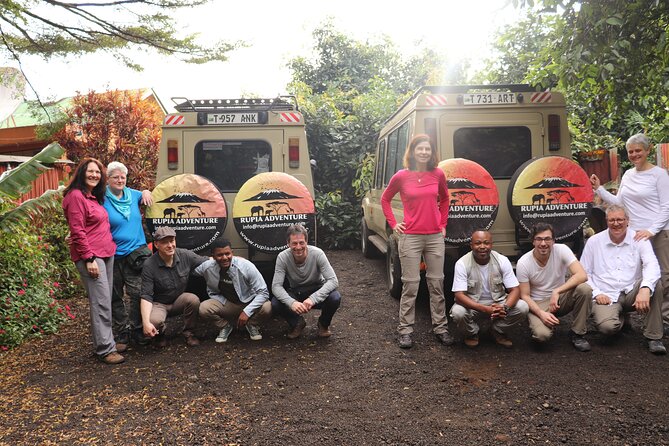
If you have only three days, this route gives you a broad taste of northern Tanzania rather than putting all your time into one park. Lake Manyara brings waterbirds and forest wildlife. Ngorongoro offers concentrated game in an enclosed volcanic setting. Tarangire changes the mood again with dry-country scenery, giant baobabs, and elephants.
I like that each day has a clear purpose. You are not simply driving from one famous name to another. Each park offers a different chance to see animals, and the changes in habitat help keep the trip interesting even when sightings are unpredictable.
The price is listed at $1,000 per person. That is a serious outlay for three days, but the value depends on what is included in your final booking. This package includes accommodation, all meals, park visits, game drives, a guide-driver, and pickup. A private vehicle and private group also mean you are paying for control and attention, not just entry into a park.
Ask for the exact lodging names, vehicle arrangements, and what happens after the final Tarangire lunch before paying. The itinerary says you return to the lodge after lunch, but the provided details do not clearly state the final drop-off time or location. That matters if you have a flight, a long-distance transfer, or another activity planned.
Other game drives in Arusha people book:
- Balloon Safari & Bush Breakfast in Serengeti – Miracle Experience
★ 5.0 · 1,646 reviews - 3 Days Serengeti & Ngorongoro Group Camping Safari
★ 5.0 · 574 reviews - 5-Day Highlights mid-Range Crater, Serengeti, Tarangire
★ 5.0 · 296 reviews
Day one: Lake Manyara’s lake, forest, and famous lions
The morning begins in Arusha at about 7:30 a.m. You meet the guide-driver for a short safari briefing, then travel toward Lake Manyara National Park. The plan is to arrive at the lodge in time for lunch before entering the park for the afternoon game drive.
Lake Manyara is compact but varied. A shallow soda lake fills much of the park, while the Great Rift Valley escarpment rises beside it. That dramatic setting gives the first day a strong sense of place even before you spot an animal.
The lake draws large flocks of flamingos when conditions suit them. Their numbers and position can change, so you should treat flamingos as a possibility rather than a guarantee. The park is also known for elephants and for lions that sometimes climb trees. Those lions are one of Manyara’s signature sights, though wildlife never follows a schedule.
The habitat changes as you drive. Water, open areas, and woodland support different species, so you may spend part of the drive watching the lake and another part checking the trees and roadside cover. Your guide’s ability to notice movement and explain animal behavior can make a big difference here. Gerson, Joseph, Mirage, Maliaki, Erasto, and Mamdal are names associated with this operation, but your assigned guide is not guaranteed.
The drawback is timing. If you arrive for lunch and then enter the park in the afternoon, you have less time here than on a full-day visit. Still, the shorter visit makes sense in a three-day circuit because Ngorongoro and Tarangire need their own game-drive time.
Day two: Descending 600 meters into Ngorongoro Crater
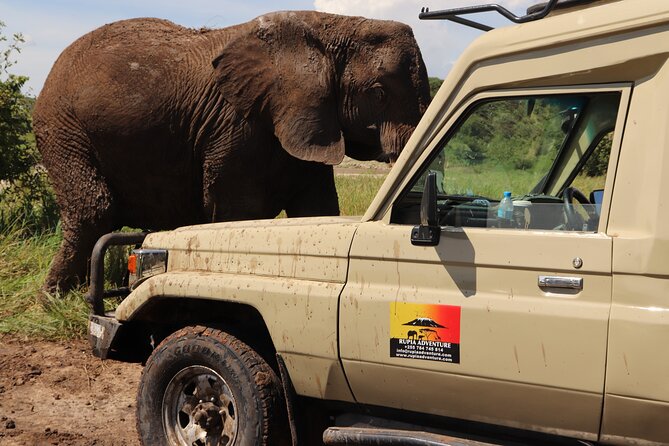
Day two is the most concentrated wildlife day. After breakfast, you descend about 600 meters into Ngorongoro Crater for a morning half-day game drive. This is not a quick roadside stop. The crater floor has year-round water and grazing, which supports a high number of animals in a relatively contained area.
You might see wildebeest, zebra, buffalo, eland, warthogs, hippos, and elephants. The crater is also known for predators, including lions, hyenas, jackals, cheetahs, and leopards. The last of these often requires patience and a sharp eye, so do not measure the day only by the most famous sightings.
The crater’s black rhinos are a major reason to value this stop. The animals are not guaranteed, but Ngorongoro is one of Tanzania’s important places for seeing them. A good guide can help you understand where to look, what distance is safe, and how to distinguish a real sighting from a dark shape far away.
The scenery is a large part of the appeal. From inside the crater, you have broad views across grassland, water, woodland, and the steep walls around you. It can feel almost self-contained, which is why the crater works so well in a short safari.
Lunch is a picnic in the crater, after which you travel onward to Tarangire National Park. This is also the hardest day physically. You begin with an early start, spend several hours on uneven park roads, eat outside, and then face another transfer. If you want a slow, luxurious safari, this schedule may feel rushed. If you want a lot of wildlife in limited time, it is an efficient use of the day.
Day three: Elephants and baobabs in Tarangire
After breakfast, you enter Tarangire for a morning game drive. The park follows the Tarangire River and includes low hills, acacia woodland, giant baobab trees, and large swamp areas in the south.
Tarangire is especially valuable in the dry season, when its river and swamps draw animals from the surrounding area. The park is reputed to have some of Africa’s largest elephant herds, and elephants are the main reason many people find this park such a satisfying part of the route.
You also have a chance to see three less common species listed for the park: greater kudu, fringe-eared oryx, and Ashy starlings. Sightings are never promised, but these species give the game drive a different goal from simply counting the Big Five.
I like Tarangire as the final park because it changes the visual rhythm of the trip. After the open crater floor and Manyara’s lake, the baobabs and woodland provide a more textured setting. You can spend time watching animals near water, scanning the trees, or simply appreciating the scale of the old baobabs.
The plan is to return to the lodge for lunch after the morning drive. The supplied schedule cuts off at that point, so you should confirm whether transport back to Arusha, a hotel night, or another transfer is included in your specific reservation. Do not assume the safari ends at the lodge unless the operator confirms it.
Same base, a different sort of day:
- Tanzania Classic – 7 Days
★ 5.0 · 1,151 reviews - 4 Days Group Camping Safari
★ 5.0 · 1,101 reviews - 5 Days Group Camping Safari
★ 5.0 · 730 reviews - Materuni Waterfalls, coffee tour & Kikuletwa Hot Springs
★ 5.0 · 643 reviews
What the private format changes
This is described as a private activity, meaning only your group participates. That gives you more say over the pace than a large shared departure. If you want extra time at a sighting, need a short break, or are traveling with a child, that flexibility can be useful.
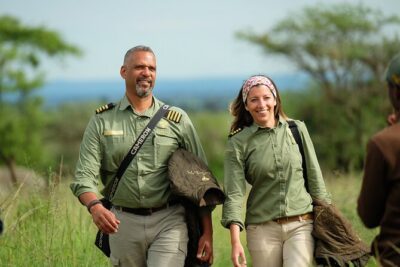
Several accounts describe guides who were patient, calm, and good at spotting animals. Mirage is singled out for taking time with sightings and helping people feel safe and relaxed. Joseph is praised for finding animals, while Maliaki is described as a steady host who handled a difficult group situation with diplomacy. Gerson is noted for his knowledge of the parks, animals, and vegetation.
Those strengths matter because safari vehicles can spend long periods waiting quietly. A guide who knows when to hold position, when to move on, and how to explain what you are seeing can turn a routine drive into a useful lesson.
Private does not mean leisurely by default. The route still covers three parks in three days, and the driver must keep to park rules and the wider schedule. Tell the operator in advance if you care most about birds, elephants, predators, photography, or a slower pace.
Lodging, meals, and the comfort question
Accommodation and all meals are included, which removes two large planning jobs. Some accounts identify Mvuli Mountain Lodge as a comfortable base, while another mentions a good campsite. That tells you the product may use different accommodation styles depending on availability, group needs, or the agreed package.
You should ask exactly where you will sleep each night. A lodge and a campsite offer very different levels of comfort, privacy, and evening routine. The price may still be fair in either case, but you should know what you are comparing.
The included meals are useful on a tight schedule. You will not need to search for restaurants between parks, and the picnic lunch in Ngorongoro keeps the game drive moving. Still, confirm whether drinks, snacks, and special dietary requests are included, since those details are not provided.
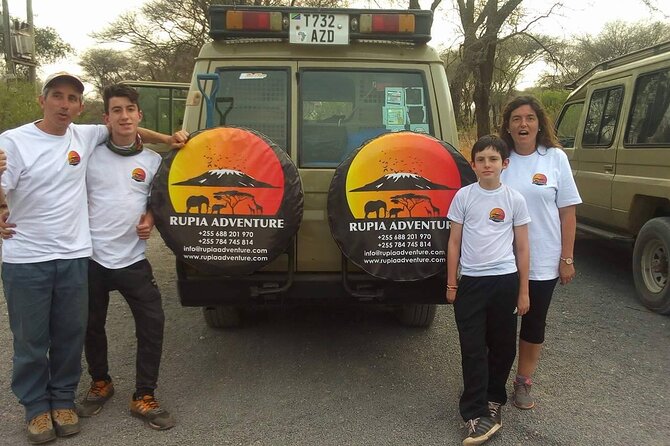
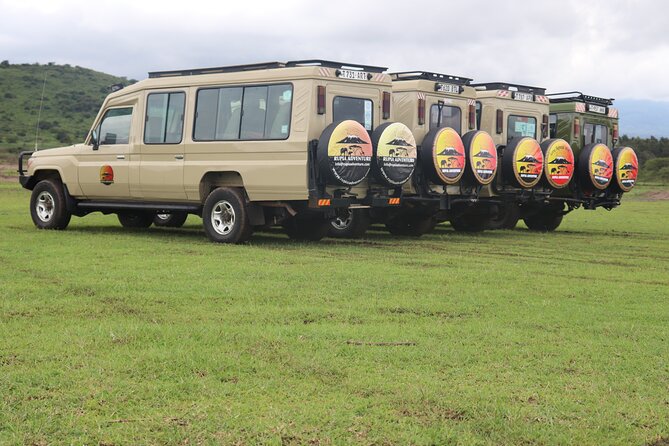
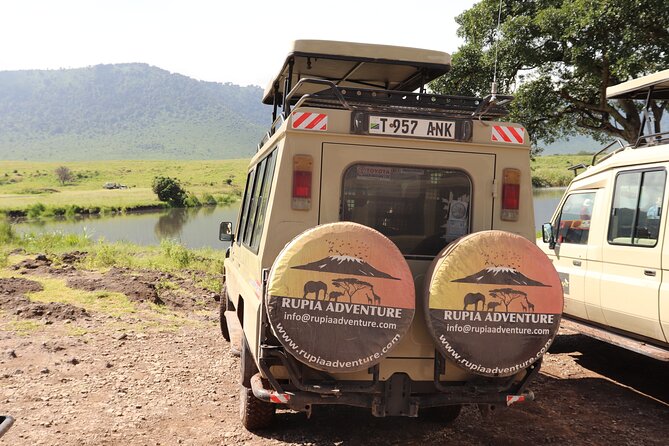
One important practical point is vehicle reliability. Most of the available feedback describes smooth organization, but one family had a malfunctioning vehicle and lost a full morning at a mechanic in Arusha. I would ask how vehicles are inspected, what backup plan exists for a breakdown, and whether the vehicle has working seat belts and enough room for your group.
Communication and planning with Rupia Adventure
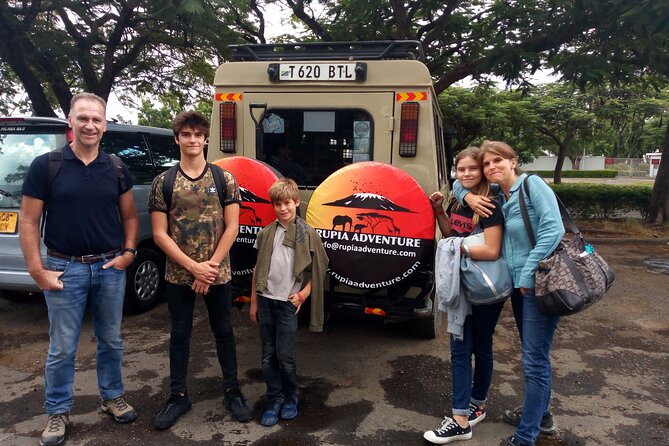
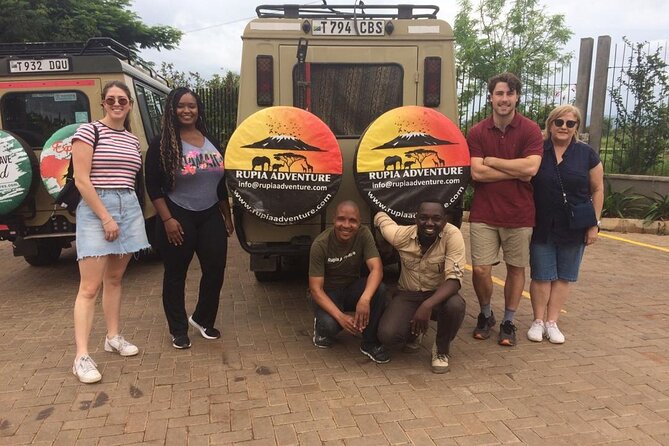
The operator is Rupia Adventure, and the planning process can be handled with direct communication. Matt, the owner, is described as flexible, responsive, and helpful when arranging trips, including one organized only four days before departure.
That flexibility is useful if your Tanzania plans are still moving. At the same time, last-minute availability can affect your lodge, guide, and vehicle, so earlier planning is still wise. This safari is booked an average of 137 days ahead, which suggests that many people reserve well before arriving in Arusha.
Confirmation is provided at booking. Pickup is offered, and most people can participate, but the supplied information does not provide detailed accessibility specifications. If you have mobility needs, ask about the vehicle, crater access, lodge paths, and picnic arrangements before booking.
The cancellation terms are firm close to departure. Cancel at least six full days before the start for a full refund. Cancellation two to six full days ahead receives a 50 percent refund, while cancellation less than two full days ahead is nonrefundable. The operator can offer a new date or full refund if poor weather or an unmet minimum number of participants forces cancellation.
Who should choose this safari
I would choose this route if you want the main northern Tanzania highlights but cannot spare a week. It suits first-time safari visitors, solo bookers seeking a private arrangement, couples, and families who want the transport and meals organized in one package.
It also works well after a Mount Meru trek. Several bookings paired the safari with a climb, and the three-day length fits neatly after a demanding mountain itinerary. A family with a two-year-old also completed the trip, though a young child can make the long drives and early starts harder.
I would think twice if your priority is the Serengeti or the Great Migration. Those are not part of the stated three-day route. I would also hesitate if you dislike long transfers, uneven roads, changing accommodation, or a schedule that moves quickly from one park to the next.
Should you book the three-day safari?
Book it if variety and convenience matter most. You get three very different parks, strong wildlife potential, included meals and lodging, pickup from Arusha, and the attention of a private guide. Ngorongoro and Tarangire are the strongest reasons to go, while Manyara adds birds, elephants, lake scenery, and the chance of tree-climbing lions.
Before you commit, confirm the vehicle, exact accommodation, final-day transport, and your guide assignment. If those details are clear and you accept the packed schedule, $1,000 per person can be a reasonable price for a tightly organized northern Tanzania safari. If you want more time in each park, add days rather than trying to stretch this itinerary further.
FAQ
Where does the safari start?
The safari starts in Arusha, Tanzania, with pickup offered. The listed meeting time is 7:30 a.m.
How long is the safari?
The experience lasts approximately three days.
Which parks are included?
The route includes Lake Manyara National Park, Ngorongoro Crater, and Tarangire National Park.
Is this a private tour?
Yes. Only your group participates in the private activity.
What is included in the price?
Accommodation and all meals are included. Pickup is offered, and the itinerary includes game drives in the three parks.
How much does the safari cost?
The listed price is $1,000 per person.
What animals might I see?
Possible sightings include lions, elephants, flamingos, cheetahs, leopards, wildebeest, zebra, buffalo, hippos, hyenas, jackals, and black rhinos. Tarangire is also associated with greater kudu, fringe-eared oryx, and Ashy starlings.
Is Ngorongoro Crater included?
Yes. On the second day, you descend about 600 meters into the crater for a morning half-day game drive and have a picnic lunch there.
What is the cancellation policy?
Cancel at least six full days before the start for a full refund. Cancellation two to six full days ahead receives a 50 percent refund. Less than two full days ahead is nonrefundable. Poor-weather or minimum-participant cancellations may result in a different date or a full refund.
More safaris elsewhere in Africa
- 7-Day Premium Luxury Tanzania Safari All-Inclusive
★ 5.0 · 426 reviews - 8 Days Great Wildebeest Calving Migration Safari from Arusha
★ 5.0 · 254 reviews - Group Safari 7 Days in Tanzania’s Main Parks
★ 5.0 · 240 reviews - 10-Day Serengeti Wildebeest Migration Safari from Arusha
★ 5.0 · 218 reviews
More game drives in Arusha
- 3-Day Classic Serengeti Safari
★ 5.0 · 263 reviews - Private 6-Day Tarangire Manyara Crater and Serengeti with Mid-Range Lodges
★ 5.0 · 238 reviews - 5 Days Camping Tarangire, Serengeti & Ngorongoro crater & Visiting Maasai
★ 5.0 · 229 reviews - 4 Days Join Group tour Tarangire Serengeti and Ngorongoro crater
★ 5.0 · 219 reviews
Just added in Arusha
- Tanzania Wildlife Encounters – 6 Days★ 5.0 · 277 reviews
- Maasai village visit, Materuni waterfalls & coffee experience★ 4.5 · 95 reviews
- Tanzania Enticing Explorations – 6 Days★ 5.0 · 106 reviews
- Tanzania Simba Safari – 5 Days★ 5.0 · 217 reviews
- Materuni Waterfalls & Coffee Tour from Moshi★ 5.0 · 92 reviews
- Tarangire Day Tour★ 5.0 · 95 reviews
- Materuni waterfalls coffee tour & Chemka hot springs Day trip★ 5.0 · 131 reviews
- Safari Excelente y Safari lujos Tanzania★ 5.0 · 103 reviews
Game Drives & Big Five Safaris, compared.
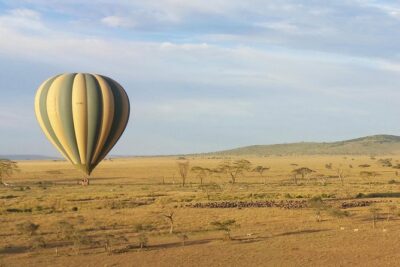
Serengeti Balloon Safari and authentic bush breakfast
Read our review →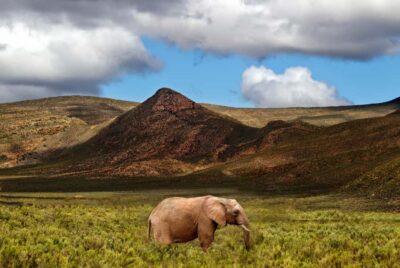
Balloon Safari & Bush Breakfast in Serengeti – Miracle Experience
Read our review →
Browse the lists this tour appears in