
Reviewed · TANZANIA · TOURS IN ARUSHA
10-Day Serengeti Wildebeest Migration Safari from Arusha
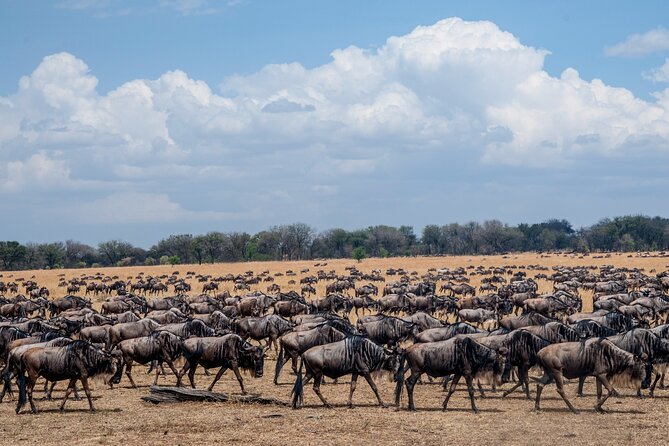
The great draw here is the chance to follow the Serengeti migration across two very different parts of the park. Three nights in the north put you near Kogatende, where wildebeest may crowd the Mara River from August through October. Three more nights in central Serengeti add classic big-cat country, open plains, and more time for patient game drives.
I like the thoughtful route and the mix of lodging. You are not simply rushed through one park: you get migration country, central Seronera, Ngorongoro Crater, and quieter Tarangire. I also like the small maximum group of seven, plus the repeated praise for guides such as Calvin, William, George, Arnold, Cleopa, Laban, Rahim, and Inno.
The main catch is cost. At $5,512.83 per person, this is a serious purchase, and the flight from Kilimanjaro International Airport to northern Serengeti is not included. You should also remember that migration sightings follow rainfall and animal movement, not a fixed timetable.
Key points to know before booking
- Three nights near Kogatende: This is the best part of the plan for a northern Serengeti migration trip, especially from August through October.
- Three nights in central Seronera: You get time for unhurried game viewing instead of treating the central park as a quick stop.
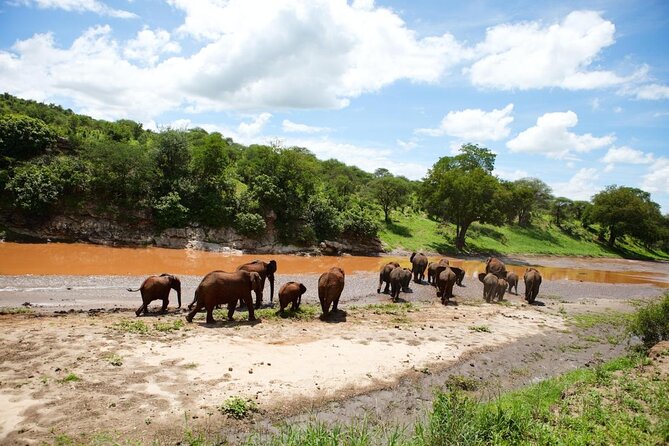
- Ngorongoro and Tarangire included: The crater adds dense wildlife viewing, while Tarangire brings elephants, birds, and a quieter pace.
- Up to seven people: A small group can make vehicle time more comfortable and give you better access to your guide.
- The northern Serengeti flight costs extra: Confirm the price and schedule before paying for the safari.
- Guide quality matters here: Specific guides praised for patience, driving, wildlife knowledge, and photography help include Calvin, William, George, Arnold, Cleopa, Laban, Rahim, and Inno.
Why this 10-day route makes sense
A migration safari is not just about finding one famous river crossing. The herds move in response to rain and fresh grass, and they can cross back and forth rather than follow a neat north-to-south line.
That is why I like the structure of this trip. You begin with the northern Serengeti, then move south to Seronera, before continuing to Ngorongoro and Tarangire. The route gives you more than one chance to see wildlife in changing habitats.
The trip begins in Arusha, Tanzania’s main safari gateway. Pickup is arranged at Kilimanjaro International Airport, followed by a transfer to your hotel and a briefing about the days ahead. Your first night is in a mid-range hotel, while the safari portion uses upscale tented camps and lodges.
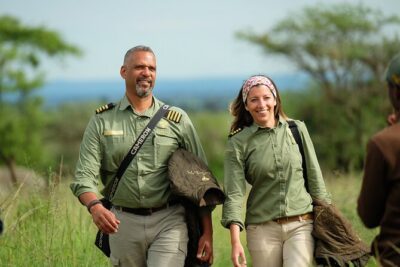
The maximum group size is seven people. That is small enough to feel more personal than a large coach tour, though the actual vehicle arrangement should still be confirmed before departure. Several accounts praise the guides for finding good positions for photographs, explaining animal behavior, and keeping everyone comfortable during long drives.
Other game drives in Arusha people book:
- Balloon Safari & Bush Breakfast in Serengeti – Miracle Experience
★ 5.0 · 1,646 reviews - 3 Days Serengeti & Ngorongoro Group Camping Safari
★ 5.0 · 574 reviews - 5-Day Highlights mid-Range Crater, Serengeti, Tarangire
★ 5.0 · 296 reviews
Day 1 in Arusha: an easy arrival night
Your first day is deliberately simple. You are met at Kilimanjaro International Airport and transferred to a hotel in Arusha.
This overnight stop is useful after a long international flight. You get a briefing, a chance to organize your bags, and a little time to adjust before the wildlife portion begins. Dinner is included.
Do not think of this as a sightseeing day in Arusha. The value is practical: you arrive, meet the safari team, and prepare for an early start. If you have special dietary needs, provide them when booking rather than waiting until arrival.
Days 2 to 4: northern Serengeti and the Mara River
After breakfast, you transfer to the Arusha airstrip for a flight to northern Serengeti. The flight is at your own expense, which is one of the most important details to settle before you book. It saves a long overland journey, but it also adds to the advertised price.
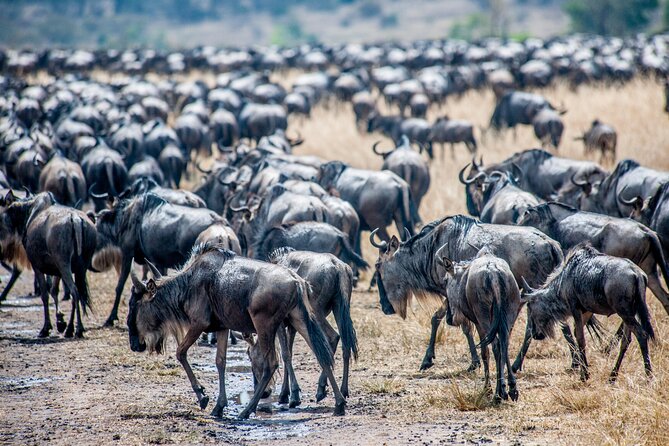
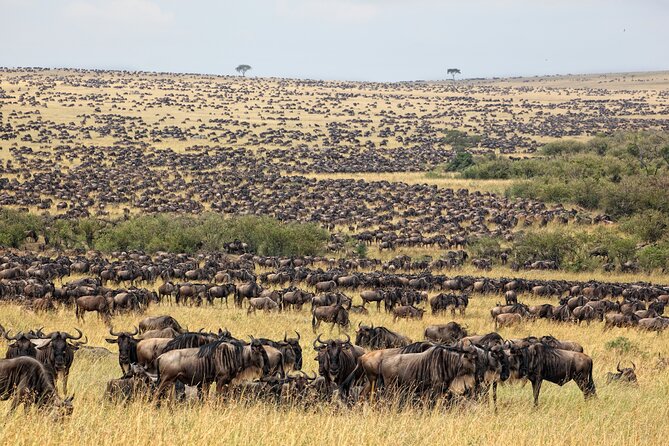
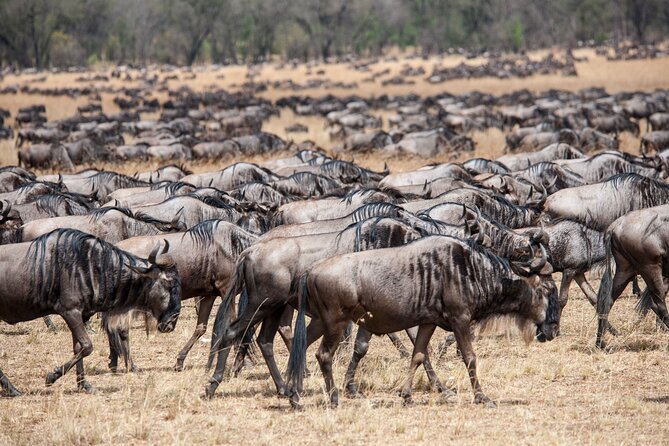
The northern Serengeti is the centerpiece of this itinerary. You stay for three nights in a luxury tented camp and spend the days on game drives. The region is especially important from July through October, when the migration may bring huge numbers of wildebeest, zebra, and antelope into the area.
Kogatende is associated with the Mara River crossings, which generally begin in August. The sight can be dramatic, but nature does not take reservations. Even in the prime season, a crossing cannot be guaranteed at a particular hour or from a particular viewpoint.
The useful thing about having three nights here is time. You are not forced to leave after one game drive, and your guide can respond to where the herds are moving. The itinerary explains that crossings can happen repeatedly and in both directions, as animals follow rainfall and new grass.
Expect long periods of watching and waiting. That is part of the experience. You might see a large herd moving steadily across the plains, or you might spend time with other wildlife while the migration remains out of sight. A good guide can make those quieter hours worthwhile by identifying birds, plants, predators, and smaller details.
The camp setting adds a pleasant contrast to the open plains. You get a proper bed, meals, and a comfortable base, but you are still staying in a tented safari environment rather than a conventional city hotel.
Days 5 to 7: central Serengeti around Seronera
After breakfast, you drive toward central Serengeti and the Seronera area. This is Tanzania’s oldest and most popular national park region, and it offers a different feel from the northern migration zone.
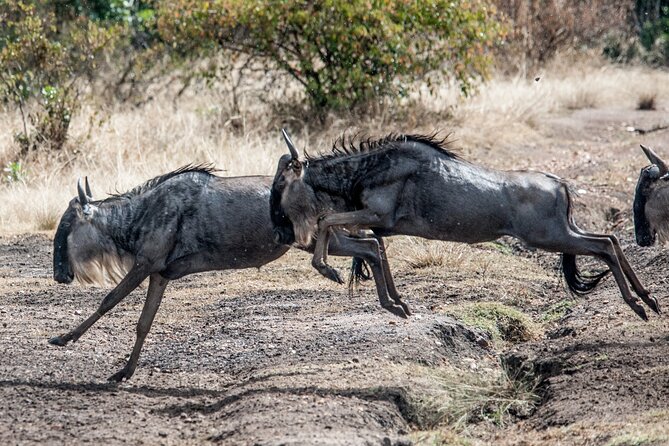
Seronera is a strong place to spend several nights because it gives you time to look for wildlife without packing up every morning. The central Serengeti is known for open grasslands and a high concentration of animals. The itinerary highlights wildebeest, zebra, and Thomson’s gazelle, but the area is also suited to searching for lions, cheetahs, and leopards.
This is where your guide’s skill becomes especially important. Calvin is repeatedly praised for finding good photography positions and locating major wildlife. George is described as especially strong on animal and plant information, while Arnold is praised for caring for everyone in the vehicle, including children. William, Cleopa, Laban, Rahim, and Inno are also singled out for attentive service, good driving, and strong field knowledge.
Those names matter because a safari guide is more than a driver. Your guide decides how to approach sightings, explains what you are seeing, and helps balance the wishes of a group. If photography matters to you, ask in advance whether you can request a guide with a strong reputation for positioning and patience.
The three nights in Seronera also reduce the pressure that comes with a packed schedule. You have time for full game drives and may see more than one type of habitat. The tradeoff is that you spend several days in the vehicle, often on rough roads, so this is not a restful luxury holiday in the usual resort sense.
Same base, a different sort of day:
- Tanzania Classic – 7 Days
★ 5.0 · 1,151 reviews - 4 Days Group Camping Safari
★ 5.0 · 1,101 reviews - 5 Days Group Camping Safari
★ 5.0 · 730 reviews - Materuni Waterfalls, coffee tour & Kikuletwa Hot Springs
★ 5.0 · 643 reviews
Day 8: Ngorongoro Crater from the rim to the floor
The next major stop is Ngorongoro Conservation Area, with an early morning game drive inside the crater. The crater is the most compact wildlife setting on this route, and its enclosed geography can make animal viewing feel very concentrated.
Ngorongoro is not only a wildlife destination. The conservation area was created to protect wildlife and natural resources while also safeguarding the interests of Indigenous communities and supporting tourism. That wider purpose adds context to the visit.
An early start is sensible. You get cooler conditions and more time on the crater floor, though the morning can be long after several days in the Serengeti. The schedule places you in a luxury lodge that night, giving you a change from tented camps.
The crater is an excellent contrast to the wide Serengeti. Instead of searching across enormous plains, you look across a contained area where animals may be easier to locate. Still, it is not a zoo, and sightings remain dependent on conditions and animal movement.
Day 9: Tarangire for elephants and birds
The final full safari day takes you to Tarangire National Park. It sits slightly away from the main northern safari route and is presented as a quieter park with a strong reputation for elephants and birding.
This stop is a smart addition. After the drama and crowds that can accompany migration viewing, Tarangire offers another side of northern Tanzania. The atmosphere is calmer, and the focus shifts from enormous herds to elephants, birds, and the park’s distinctive dry-country scenery.
You spend the full day on a game drive and stay overnight in a luxury lodge. If you are especially interested in birds, tell your guide early. A safari can easily become focused on lions and big cats, but Tarangire gives you a chance to pay attention to smaller and more varied species.
The drawback is timing. Tarangire arrives near the end of a packed safari, so you may be tired. I would not treat this as a throwaway final day, though. It gives the itinerary variety and prevents the trip from feeling like six straight days of repeating the same Serengeti experience.
Day 10: return to Arusha and the airport
After breakfast, you drive back to Arusha and stop at a shopping market along the way. The company then arranges your transfer to Kilimanjaro International Airport.
The final day includes breakfast and lunch, but not overnight accommodation. Make sure your onward flight leaves late enough to allow for the return drive. The itinerary gives a start time of 8:00 a.m. for the activity, but your exact transfer timing should be confirmed with the operator.
The market stop may appeal to you if you want souvenirs, but it can also feel like an extra pause after a long trip. If you have a tight flight schedule, ask how much time is planned there.
What the $5,512.83 price buys you
This is expensive, but the cost includes several items that add up on an independent safari. You receive airport pickup and drop-off, a private vehicle, a driver-guide, bottled water, accommodation except for the final night, and nine breakfasts, lunches, and dinners.
The package also includes upscale tented camps and luxury lodges rather than basic public camping. That matters during a 10-day route, when a comfortable bed and prepared meals become part of your daily recovery.
The price does not include alcoholic drinks or the flight from Kilimanjaro to northern Serengeti. That flight is not a minor footnote. Ask for the current fare, baggage rules, departure time, and what happens if the flight schedule changes.
Value depends on what you want. If you want a private-style safari with a small group, multiple nights in the Serengeti, and a guide focused on wildlife, the cost may be reasonable. If you mainly want a brief look at the migration, a shorter and less expensive itinerary could suit you better.
Guides, vehicles, and the human side of the safari
The most consistently praised part of this experience is the guide service. Calvin is highlighted for photography and finding the Big Five. George is praised for animal and plant explanations. Arnold is described as attentive to the whole vehicle, while William is praised for planning and care from airport arrival onward.
Cleopa, Laban, Rahim, and Inno also receive strong praise for their driving, wildlife skills, patience, and personal attention. That pattern suggests the company places real weight on guide quality, though your assigned guide will depend on availability.
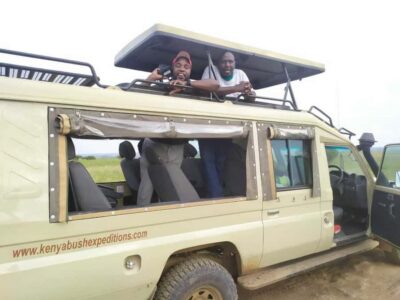
The vehicle is described in the feedback as private and air-conditioned. The included details confirm private vehicle transport, but you should still ask what vehicle type is assigned to your booking and how many people will share it.
The tour requires a moderate level of physical fitness. You are not hiking for days, but game drives can be tiring, roads can be rough, and the schedule covers several parks. Children must be accompanied by an adult.
Practical details before you commit
Pickup is offered from Kilimanjaro International Airport, and the activity starts in Arusha. Confirmation is expected within 48 hours of booking, subject to availability.
The cancellation terms are generous if your plans change early: cancel at least 24 hours before the start time for a full refund. Changes or cancellations inside that 24-hour window are not accepted for a refund. Poor weather or failure to meet the minimum number of participants can lead to a new date, a different experience, or a full refund.
Pack for long days outside, but do not assume every day will feel hot. The itinerary crosses different elevations and regions, and mornings can be cool. Keep luggage practical, since you will move between camps, lodges, airstrips, and parks.
Who should book this safari?
I would choose this trip if you want the migration to be the main event but also want Ngorongoro and Tarangire included. The three northern Serengeti nights give you a better chance to respond to herd movement than a one-night visit.
It is also a good fit if you value guide interaction. Names such as Calvin, George, William, Arnold, and Inno appear often in praise for wildlife spotting, driving, teaching, and personal care.
I would hesitate if you need a fixed schedule, dislike long vehicle days, or have a tight budget. The flight supplement, premium accommodation, and 10-day length push this into the high-cost safari category.
Should you book it?
Book this safari if you want a serious migration itinerary rather than a quick park visit. Its best features are the northern Serengeti focus, three nights around Seronera, small group size, and strong guide service.
Before paying, confirm the northern flight cost, exact camp names, vehicle arrangement, and airport timing. If those details fit your budget, this is a well-rounded route with enough time for the Serengeti to show more than one face.
FAQ
Where does the safari start?
The safari starts in Arusha, in Tanzania’s Arusha Region. Airport pickup is offered from Kilimanjaro International Airport.
How long is the experience?
The safari lasts approximately 10 days, from arrival in Arusha through the return transfer to Kilimanjaro International Airport.
How many people can join the tour?
The maximum group size is seven travelers.
Is the flight to northern Serengeti included?
No. The flight from the Arusha airstrip to northern Serengeti is at your own expense.
What meals are included?
The package includes nine breakfasts, nine lunches, and nine dinners, according to the itinerary. Alcoholic drinks are not included.
Where will I stay?
You stay in a mid-range hotel in Arusha on the first night, luxury tented camps in northern and central Serengeti, and luxury lodges around Ngorongoro and Tarangire. Accommodation is not included on the final day.
When is the best time for the river crossings?
The itinerary identifies August through October as the strongest period for viewing river crossings near Kogatende. Crossings are not guaranteed because the herds follow rainfall and fresh grass.
Is airport transportation included?
Yes. Airport pickup and drop-off are included, along with transport in a private vehicle and a driver-guide.
What is the cancellation policy?
You can receive a full refund if you cancel at least 24 hours before the local start time. Cancellations or changes made less than 24 hours before the start time are not refunded.
More safaris elsewhere in Africa
- 7-Day Premium Luxury Tanzania Safari All-Inclusive
★ 5.0 · 426 reviews - 8 Days Great Wildebeest Calving Migration Safari from Arusha
★ 5.0 · 254 reviews - Group Safari 7 Days in Tanzania’s Main Parks
★ 5.0 · 240 reviews - Tanzania Simba Safari – 5 Days
★ 5.0 · 217 reviews
More game drives from Arusha
- 3-Day Classic Serengeti Safari
★ 5.0 · 263 reviews - Private 6-Day Tarangire Manyara Crater and Serengeti with Mid-Range Lodges
★ 5.0 · 238 reviews - 5 Days Camping Tarangire, Serengeti & Ngorongoro crater & Visiting Maasai
★ 5.0 · 229 reviews - 4 Days Join Group tour Tarangire Serengeti and Ngorongoro crater
★ 5.0 · 219 reviews
Just added in Arusha
- Tanzania Wildlife Encounters – 6 Days★ 5.0 · 277 reviews
- Maasai village visit, Materuni waterfalls & coffee experience★ 4.5 · 95 reviews
- Tanzania Enticing Explorations – 6 Days★ 5.0 · 106 reviews
- 3 Days Private Safari – manyara, Ngorongoro & Tarangire★ 5.0 · 94 reviews
- Tanzania Simba Safari – 5 Days★ 5.0 · 217 reviews
- Materuni Waterfalls & Coffee Tour from Moshi★ 5.0 · 92 reviews
- Tarangire Day Tour★ 5.0 · 95 reviews
- Materuni waterfalls coffee tour & Chemka hot springs Day trip★ 5.0 · 131 reviews
Game Drives & Big Five Safaris, compared.
Serengeti Balloon Safari and authentic bush breakfast
Read our review →
Balloon Safari & Bush Breakfast in Serengeti – Miracle Experience
Read our review →

Browse the lists this tour appears in