
Reviewed · TOURS IN SOUTH AFRICA
Hermanus: Boat Based Whale Watching Experience
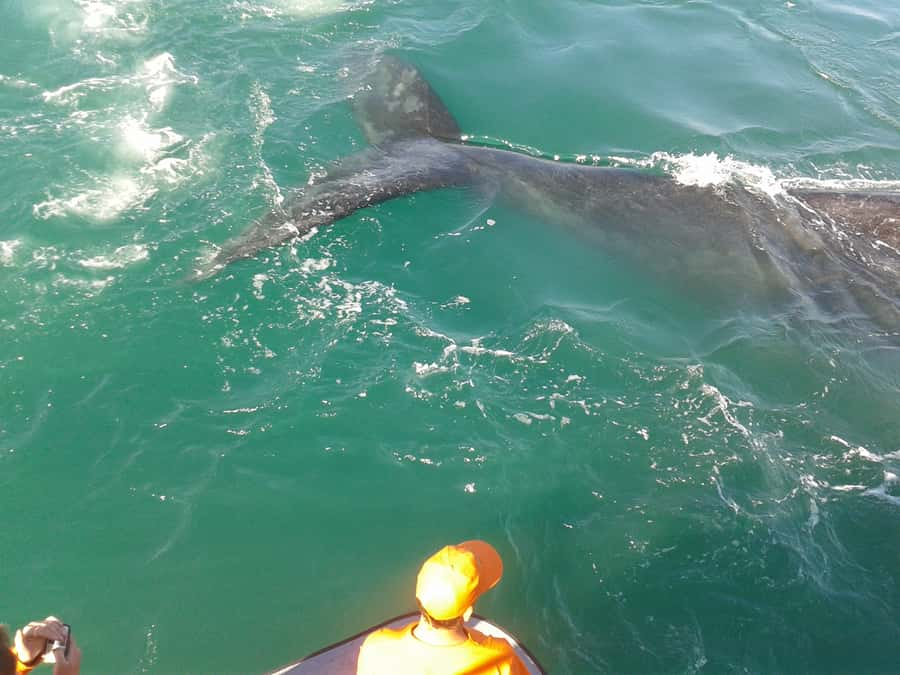
The best part of this Hermanus trip is the chance to watch southern right whales in their breeding waters, often with mothers and calves close to the boat. The crew cuts the engines near the animals, giving you quiet time to watch rather than chasing them around the bay.
I like the large upper deck, which gives you a better chance of seeing around the boat, and I like the crew’s calm, careful approach. Guides such as Peter and Philip have earned praise for clear explanations and sharp eyes. The main drawback is the sea: rough water can make photography difficult and may trouble anyone prone to seasickness.
Key points to know before you go
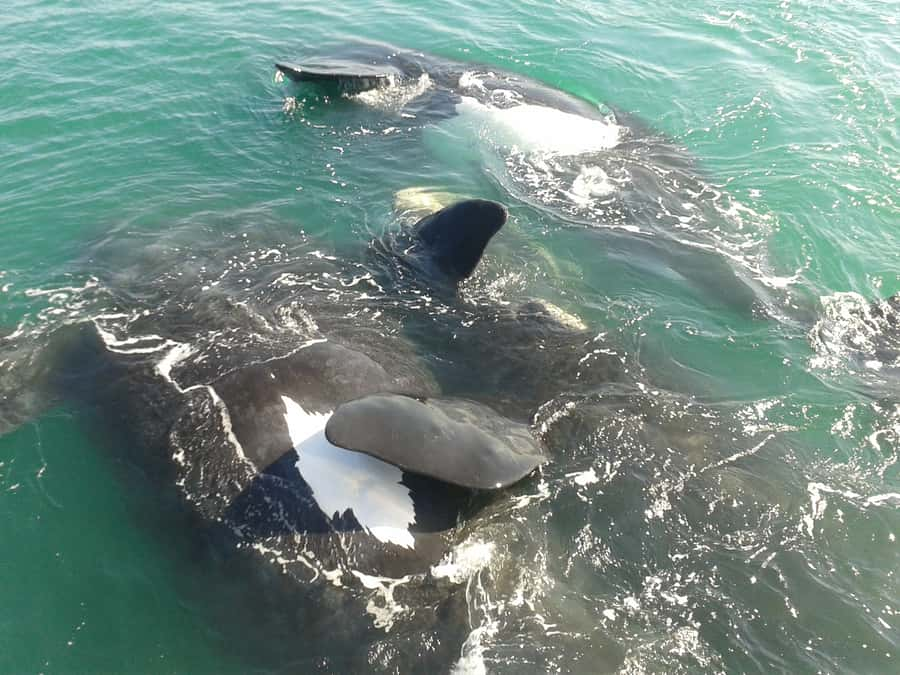
- Whales are the main event: Sightings can include southern right whales, humpbacks, and Bryde’s whales, depending on the season and conditions.
- Mother-and-calf sightings are possible: September through October has produced some especially memorable encounters.
- The boat has a useful upper deck: It offers open views, but access depends on weather and sea conditions.
- The crew respects the animals: The vessel stops and disengages its engines when it reaches the whales.
- Marine life goes beyond whales: Dolphins, seals, seabirds, and occasionally a sunfish may appear.
- Plan for cold and motion: Bring warm layers, a windbreaker, sunscreen, and flat shoes.
Why Hermanus is such a strong whale-watching base
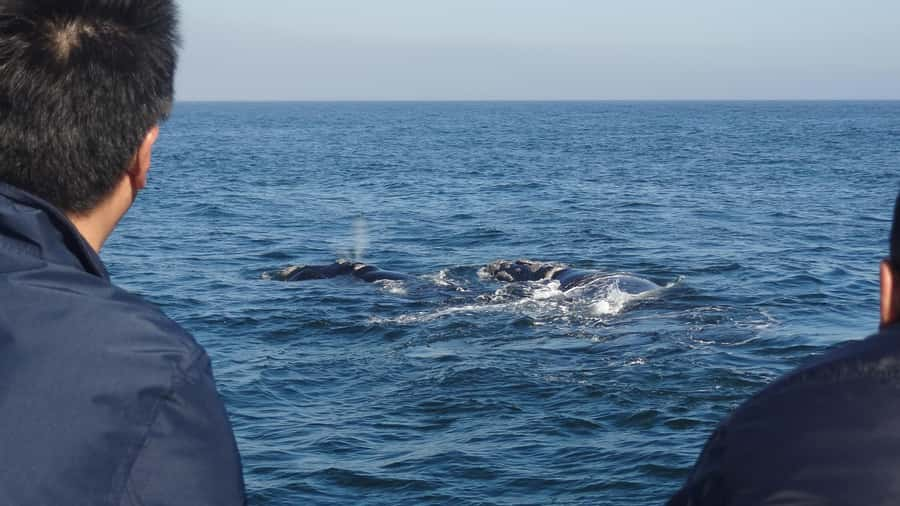
Hermanus sits beside Walker Bay, where whales come close to shore during their seasonal visit to the Western Cape. From land, you can sometimes spot them from the coast. From a boat, you get a different view, with the town and surrounding coast behind you and open water ahead.
That change of angle matters. A whale seen from a cliff is a fine sight, but from the water you can watch the animal surface, roll, blow, or move beneath the boat. You also get a better sense of scale. Even a small part of a whale breaking the surface can make the boat seem surprisingly modest.
This is not a guaranteed wildlife show. The crew may need time to locate the animals, and sightings vary with season, weather, and the whales’ movements. Still, Hermanus is a sensible place to try, and the activity gives you a focused way to spend part of the day without committing to a full-day ocean trip.
Other wildlife boat trips out of South Africa:
- Hermanus: Whale and Dolphin Watching Boat Trip
★ 4.6 · 807 reviews - Whale, Dolphin & Penguin Island Cruise
★ 5.0 · 687 reviews - From Cape Town: Hermanus Whale Watching Boat Trip
★ 4.4 · 378 reviews
Meeting the boat at Hermanus New Harbour
You meet at Hermanus New Harbour, at the orange building on the right after entering the harbor. Plan to arrive about 30 minutes before departure. You pay R5 to enter the harbor, a small extra cost that is not included in the ticket.
The physical ticket is provided when you arrive on the day. That means you should not expect to walk straight from the parking area onto the boat. Give yourself enough time to find the building, check in, and listen to the instructions without rushing.
Coffee is provided on arrival, and water is available on the boat. Those are modest extras, but they are useful on a chilly morning, especially when you have arrived early and are preparing for wind on the water.
The activity is listed as 90 minutes, while the operating time can run from about one and a half to two hours. Allow closer to two hours in your day. The actual trip can vary depending on how quickly the crew finds whales and how long the boat spends with them.
The safety briefing sets the tone
Before leaving the harbor, the crew explains how the boat works and what to expect at sea. This is more than a routine announcement. You learn how the boat behaves, where to stand, and how to watch safely when the animals appear.
The upper deck is available before departure in good weather, giving you open views as the boat leaves the harbor. If conditions are poor, you may need to remain below until the whales have been found. Once the captain and crew decide it is safe, you can be allowed upstairs.
Wear flat shoes. The deck may move under your feet, and you will want to turn quickly when someone spots a whale on the other side of the boat. A warm jacket and windbreaker are more useful than a stylish but thin outfit. Even a mild day on land can feel cold once the boat is moving.
Leaving the harbor and searching Walker Bay
The trip begins with views of Hermanus and the Western Cape from the water. The harbor soon gives way to open bay, and the ride itself becomes part of the experience. The boat is described as comfortable and fast, with room to move around and, on some departures, tables rather than tightly packed rows of seats.
The crew watches the water while the boat travels. A good guide can notice a blow or a dark back long before an untrained eye does. Peter and Philip are among the guides singled out for friendly explanations and strong knowledge of whale behavior, though the guide on your departure may be someone else.
You may spend some time simply looking. That is normal. A whale does not appear on demand, and the boat must cover water before the crew can decide where to stop. This searching period is less dramatic than a close encounter, but it gives you time to settle into the rhythm of the sea.
Dolphins may appear on the way out or back. Some trips have encountered large groups, with hundreds moving through the water. Seals and seabirds are also possible, and one departure even had a sunfish surface beside the boat. These sightings are welcome additions, but the crew’s main goal remains finding whales.
Same base, a different sort of day:
- Wine Tour: Paarl, Franschhoek & Stellenbosch incl 3 wineries
★ 5.0 · 3,940 reviews - Cape Town: Hop-On Hop-Off Bus Tour with Optional Cruise
★ 4.8 · 3,929 reviews - Cape Town: Cape of Good Hope & Penguins Day Tour with Pickup
★ 4.7 · 3,362 reviews - Zipline Cape Town – From Foot of Table Mountain Reserve
★ 5.0 · 3,179 reviews
Watching whales without chasing them
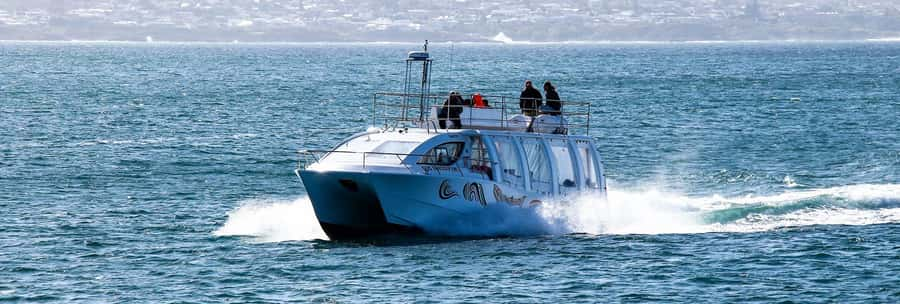
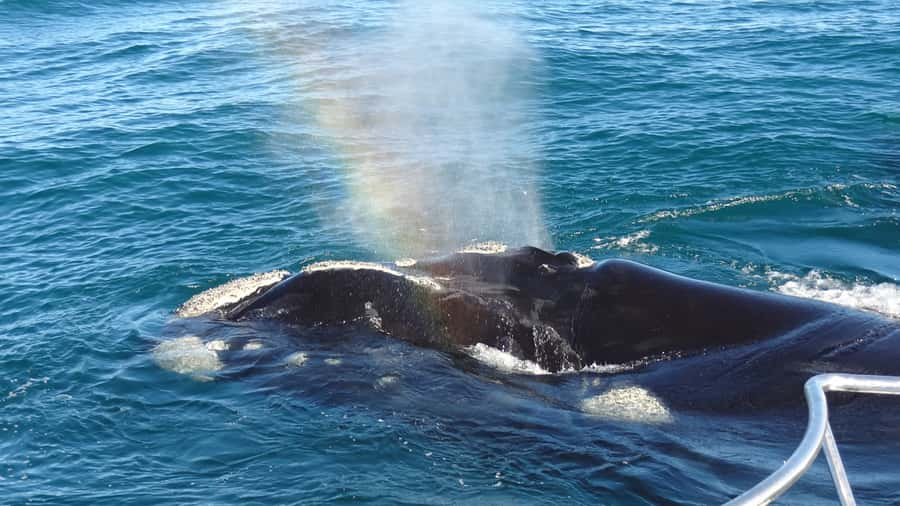
When whales are located, the boat moves closer within the permitted approach distance. It then stops, and the engines are disengaged so the propellers do not injure the animals. This creates a quieter, more respectful encounter.
You might see a whale surface beside the boat, disappear, and reappear somewhere else a few minutes later. You could see a blow, a tail, a rolling back, or a breach in the distance. The best encounters are not always the most theatrical. A mother and calf moving slowly near the surface can be just as moving as a breach.
The whales sometimes approach the boat. That is an important distinction. The crew does not need to crowd the animals to create a close view, and the boat does not pursue them aggressively. When a whale comes near out of curiosity, you get a natural encounter while the crew maintains its distance.
Several departures have included mothers and calves, including one calf estimated at around four meters long. Other trips have seen two or three types of whale, including southern right whales and other species found in the bay. You should treat these as possibilities, not promises.
September and October appear to be particularly strong months for whale activity, with repeated sightings of mothers, calves, and even breaching whales. Late November and December can still produce sightings, but some whales may already have left the bay. A December trip may instead offer excellent dolphin watching, and the crew should tell you at the start if the season is winding down.
The upper deck and the best viewing position
The spacious upper deck is one of the practical strengths of this trip. It gives you an unobstructed view and makes it easier to look across the water when a whale surfaces away from the side where you first saw it.
You should not assume the upper deck will always be open before departure. Weather determines when it is safe to use, and rough conditions may limit access. If you are allowed upstairs, hold on when the boat turns and keep your belongings secure.
The boat can feel busy on a popular departure. One less crowded trip offered excellent room to move, while a following boat appeared much fuller. If you care about having space for photography or prefer not to be shoulder to shoulder, ask about the boat and departure time when booking.
Photography is possible, but conditions matter more than equipment. Afternoon seas can become rougher, making it hard to keep a camera steady. A fast phone reaction may be more useful than a long lens. Keep watching with your eyes too. The whale may surface in a different place before you have framed the shot.
What the crew adds to the trip
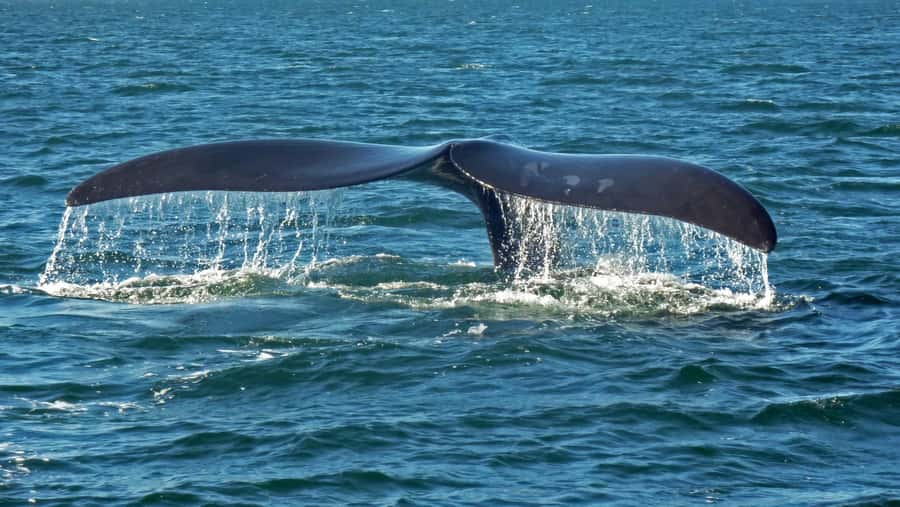
A good whale trip needs more than a boat and a likely location. The crew helps you understand what you are seeing. Guides explain which whales may be present, describe behavior, answer questions, and point out animals that you might otherwise miss.
Several guides have been praised for staying patient when answering repeated questions. That matters on a family outing, where younger children may ask for the same explanation more than once. It also helps if you have never watched whales before and are unsure whether you are looking at a fin, a tail, or a patch of foam.
The crew’s attitude toward the animals is another major strength. The boat operator gives the whales room, shuts down the engines near them, and allows the animals to decide how close they want to come. That approach makes the experience feel less like a chase and more like quiet observation.
The trip is conducted in English. If you understand conversational English, the explanations should be easy to follow. If you do not, the wildlife itself still provides the main visual experience, but the guide’s commentary will be harder to enjoy fully.
How much value do you get for $93?
At $93 per person, this is not a cheap add-on, but it is a reasonable price for a focused wildlife outing of roughly 90 minutes to two hours. You are paying for the vessel, crew, safety procedures, marine-life guidance, and the chance to reach whales that may be difficult to see clearly from land.
The value depends heavily on your expectations. If you need a guaranteed close whale encounter, no operator can offer that. If you see the trip as a chance to spend time in the bay while looking for wildlife, the price is easier to justify. Dolphins, seals, seabirds, and coastal views can make the ride worthwhile even on a day when whales remain distant.
The included coffee and water are helpful but not the reason to book. The real value lies in the crew’s ability to find animals and manage the boat responsibly. A strong sighting can become one of the defining memories of a South Africa trip, but the possibility of a quieter outing is part of the deal.
Free cancellation up to 24 hours before departure gives you useful flexibility, especially when weather forecasts are uncertain. You can also reserve and pay later, which helps if your plans around Cape Town and Hermanus are still moving.
Sea conditions, comfort, and who should book
Whale watching is suitable for all ages, but the ocean does not care about your age or enthusiasm. If you are prone to seasickness, take the warning seriously. Rough waves have made some trips uncomfortable, and photography becomes harder when the boat is moving sharply.
You should bring:
- Warm clothing and a jacket
- A windbreaker
- A sun hat
- Sunscreen
- Flat, secure shoes
- Clothing suited to changing weather
The boat has been described as large and comfortable, with an upper deck and space to move. Even so, comfort depends on the sea state and the number of people aboard. Families may appreciate the layout, especially on departures with tables rather than narrow rows.
I would choose this trip for anyone who wants a direct wildlife experience without spending an entire day at sea. It suits families, couples, photographers who can accept imperfect conditions, and first-time whale watchers who want a guide to explain what they are seeing.
I would think twice if you dislike boats, suffer badly from motion sickness, or need a predictable schedule with no weather-related uncertainty. The trip runs only when conditions allow, and marine wildlife cannot be ordered up like a museum exhibit.
Should you book the Hermanus whale trip?
Book it if you are in Hermanus during the stronger whale months, especially September or October, and you want to see these animals in their natural setting. The careful approach, open upper deck, useful commentary, and chance of dolphins and seals make it a well-rounded outing.
Late in the season, ask about current sightings before you commit. You may still see whales, but the odds can change as animals leave the bay. Even then, dolphins can provide a memorable ride, and the crew works hard to make the most of the time on the water.
For most visitors, this is worth booking when the sea forecast looks good and you can arrive prepared for cold and motion. Just keep your expectations realistic: the finest moments come from patient watching, not from a guaranteed performance.
FAQ
Where does the boat trip start?
The trip starts at Hermanus New Harbour. After entering the harbor, go to the orange building on the right-hand side.
How early should I arrive?
Arrive 30 minutes before the scheduled departure time. The physical ticket is provided when you arrive on the day.
How long does the whale-watching trip last?
The activity is listed as 90 minutes, while the boat trip can last about one and a half to two hours.
What is the price?
The listed price is $93 per person.
Is the harbor entrance included?
No. You pay R5 to enter the harbor.
What wildlife might I see?
Possible sightings include whales, dolphins, seals, and seabirds. A sunfish has also been seen on a trip, but unusual wildlife sightings cannot be guaranteed.
Can I go onto the upper deck?
You can use the upper deck before departure when weather conditions are good. If conditions are unsuitable, access may be limited until the whales have been found.
Is the tour suitable for children and older people?
Whale watching is suitable for all ages. You should still consider sea conditions and your own comfort on a moving boat.
What should I wear?
Wear warm, weather-appropriate clothing, including a jacket or windbreaker. Flat shoes, a sun hat, and sunscreen are also recommended.
What happens if the weather is poor?
Trips operate subject to weather conditions. Upper-deck access may be restricted, and the departure may be affected if conditions are not suitable.
Is the tour in English?
Yes. A live English-speaking guide is provided on board.
Can I cancel the booking?
You can cancel up to 24 hours before the trip for a full refund. The reserve-now, pay-later option lets you hold a place without paying immediately.
Just added in South Africa
- Cape Town: The Cape Wheel Ticket★ 4.6 · 350 reviews
- Cape Town: The Cape Point Instagram Small Group Tour★ 4.4 · 122 reviews
- Cape Town: Tandem Paragliding Flight with the Experts★ 4.7 · 280 reviews
- Stellenbosch: Historical Bike Tour & Wine Tasting★ 4.9 · 248 reviews
- From Cape Town: Stellenbosch Four Estate Full-Day Wine Tour★ 4.8 · 266 reviews
- Stellenbosch: Half-Day Wine Tour★ 4.7 · 601 reviews
- Stellenbosch: Wine Farm E-Bike Guided Tour★ 4.6 · 88 reviews
- Stellenbosch: Guided Historical Walking Tour★ 4.7 · 283 reviews
Dolphin & Whale Watching, compared.
3 Islands, Dolphins & Snorkel Yacht Trip w/ Lunch
Read our review →
Hurghada or Makadi: Discover the Magic of Dolphin House
Read our review →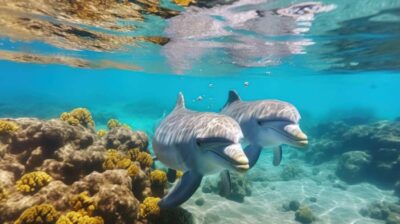
Speedboat Dolphin Watching & Snorkeling with Lunch
Read our review →
Dolphin Watching Boat Tour with Snorkeling & Lunch
Read our review →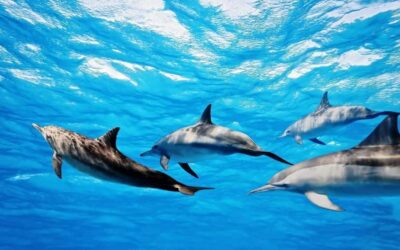
Île aux Bénitiers: Snorkeling w/Dolphins Boat Tour & Lunch
Read our review →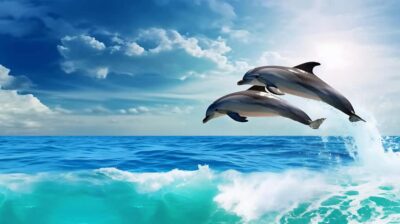
6 Islands Tour with Dolphin Watching & Snorkelling
Read our review →
Swimming with Dolphin VIP Snorkeling Sea Trip With Lunch and Transfer – Hurghada
Read our review →
Browse the lists this tour appears in