
Reviewed · MOROCCO · TOURS IN MARRAKECH
From Marrakesh: 2-Day Mount Toubkal Trek
Mount Toubkal rises to 4,167 meters, making this two-day trip a serious High Atlas adventure rather than a simple day hike from Marrakesh. You walk from Imlil through Aremd and the Mizane Valley, sleep at a mountain refuge, then climb before dawn for wide views toward the Marrakech Plain, Anti-Atlas, and Sahara.
I like the small-group format, limited to 10 people, and the way guides such as Rashid, Mustafa, Ahmed, Hassan, Kamal, and AbdulSamad are praised for patient pacing and careful support. I also like the practical package: transport, meals, a local guide, and refuge lodging are included for $125.
The catch is simple: this is not an easy trek. The second day can mean a 4 a.m. start, scree underfoot, thin air, and up to nine hours of walking. Snow or bad weather can also stop the summit attempt, leaving you with an Imlil hike instead.
Key points before you book
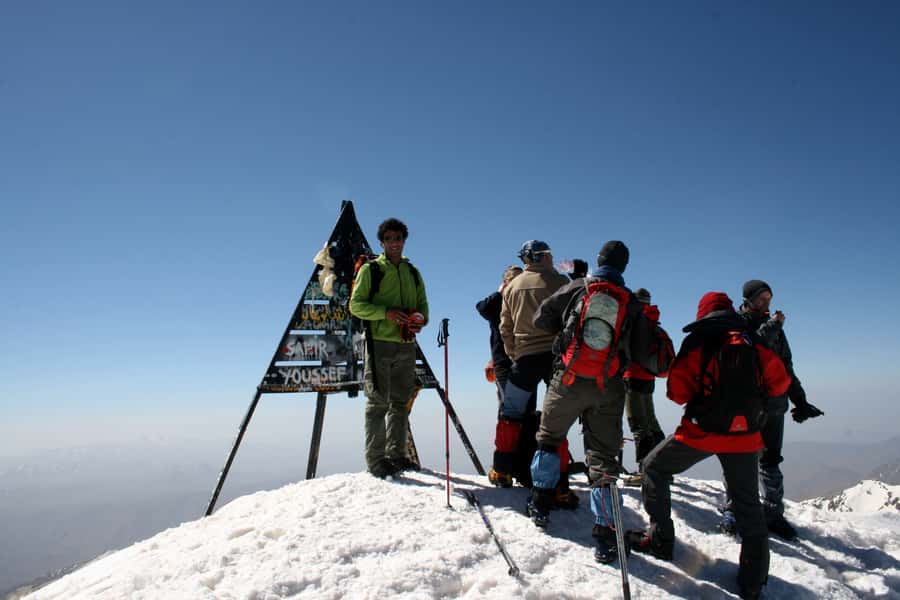
- Summit height: Mount Toubkal reaches 4,167 meters, with a steep final approach and possible altitude problems.
- Two demanding days: Day one climbs from Imlil toward the refuge, while day two covers the summit and the long descent.
- Refuge night: Sleeping is basic, and some people get little rest. Earplugs and a warm sleeping setup are sensible.
- Useful inclusions: A mountain guide, meals, one night at Toubkal Refuge, transport to and from Imlil, and Wi-Fi are included.
- Winter changes the plan: Crampons and an ice axe may be needed in snow, and you can rent them locally with help from the guide.
- Safety comes first: Weather, snowfall, police restrictions, or recent mountain incidents can prevent access to the summit.
From Marrakesh to Imlil, the mountains arrive quickly
The day begins with pickup at your hotel or riad in Marrakesh. You receive the exact time and meeting details by email, usually the day before, and should be ready 5 to 10 minutes early. If your accommodation sits on a lane too narrow for the vehicle, the operator gives you a nearby meeting point.
That small bit of planning matters. Marrakesh can be a maze of lanes, and a clear pickup arrangement saves you from starting a mountain trek with a taxi hunt. Drop-off can be arranged at the original point or another Marrakesh address, if you provide it.
The ride to Imlil is part of the appeal. The city gives way to the High Atlas, and the setting changes from red walls and busy streets to steep valleys and rocky slopes. Imlil is the trailhead for this route and a useful place to check your equipment, buy water or snacks, and meet the mountain team.
You should bring your passport and proper trekking clothes. Hiking shoes are required, and winter conditions may call for crampons and an ice axe. Those items can be rented in the area, with your guide helping you decide what is needed.
More of the High Atlas from Marrakesh:
- Marrakech: Atlas Mountains, Ourika Valley, Waterfall & Lunch
★ 4.8 · 15,834 reviews - From Marrakech: Atlas Mountains Full-Day Hiking Trip w Lunch
★ 4.8 · 7,417 reviews - From Marrakech: Atlas Mountains Day Trip with Camel Ride
★ 4.8 · 4,709 reviews
Day one follows the Mizane Valley to 2,500 meters
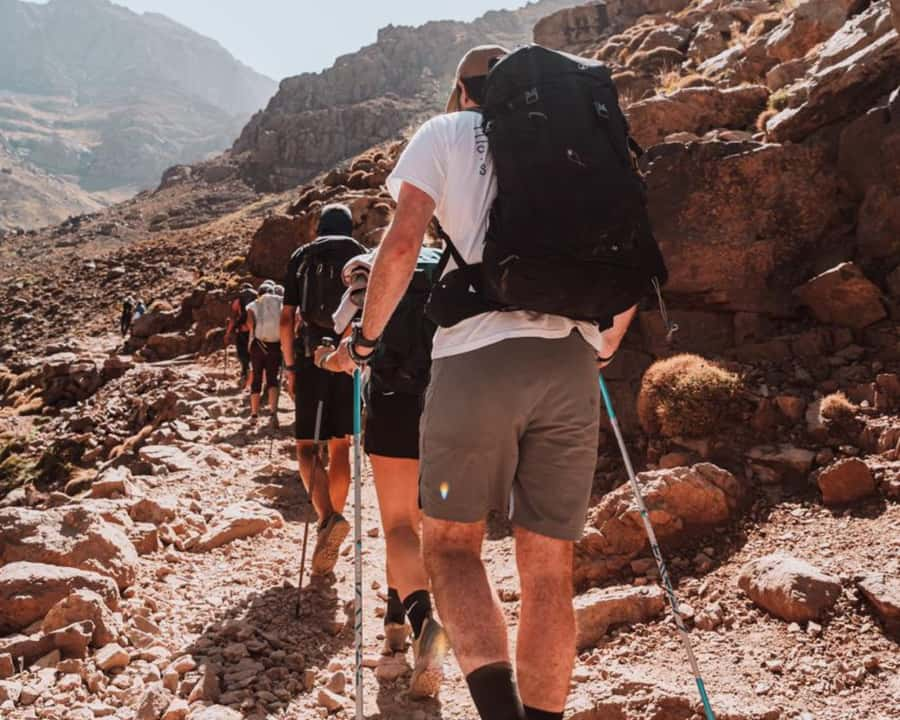
From Imlil, the trail heads through Ait Mizane Valley toward Aremd. The route uses mule tracks and climbs steadily, giving you time to settle into the rhythm of a high-altitude walk. Aremd adds a human scale to the trip, with mountain homes and daily village life replacing the polished sights of Marrakesh.
The walk is not a quick stroll between attractions. One account puts the first day at roughly six hours, climbing from around 1,000 meters to about 2,500 meters. That gives you a useful idea of the effort involved, although the exact pace depends on the group and conditions.
I like this gradual approach. You gain height over several hours rather than being dropped straight into a steep summit push. Your guide can watch how you handle the climb, adjust the pace, and notice if anyone is feeling unwell.
The shrine of Sidi Chamarouch is one of the day’s distinctive stops. It sits high in the valley and gives the route a cultural point of interest as well as a natural one. The shrine and surrounding settlement are part of the mountain setting, not a detached sightseeing stop, so you experience them while following the old route toward Toubkal.
Food is included, and that is important here. The meals are generally described as plentiful, local, and satisfying, with lunch and dinner receiving especially strong praise. You can also find places along the route to buy food and water, but I would still carry snacks. Breakfast is reported to be lighter than the other meals.
Toubkal Refuge is useful, basic, and not quiet
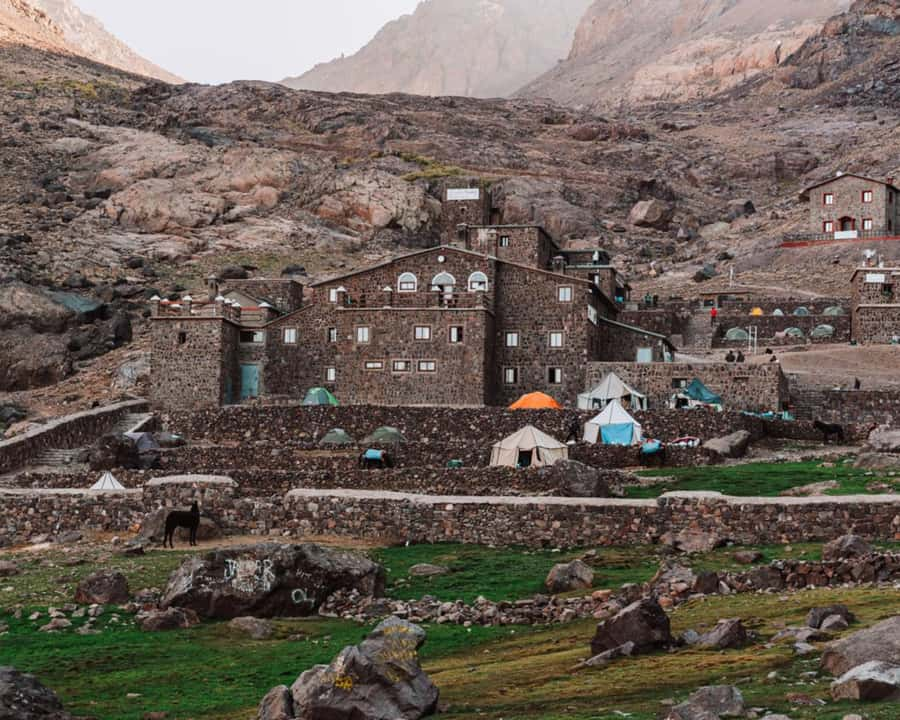
The night is spent at Toubkal Refuge. Think mountain shelter, not hotel. It gives you a roof, food, and a place to lie down before summit day, but you should not expect privacy or a full night of silence.
Several details matter. Sleep may be short because the refuge can be noisy, and an early start means many people are awake before sunrise. Pack earplugs, keep your warm layers close, and organize your summit gear before trying to sleep.
The refuge is also where the practical value of a guided trip becomes clear. Your guide helps organize meals, keeps the group together, and prepares you for the next morning. Guides named in connection with this experience include Rashid, Mustafa, Ahmed, Hassan, Kamal, Mohamed, Moustfa, and AbdulSamad. The exact guide depends on the departure.
The listed languages are English, French, Spanish, and Arabic. Still, language ability can vary between individual guides. One person reported that a guide was helpful and technically capable but did not speak English, so if detailed English explanations matter to you, confirm this when booking.
Summit morning means darkness, scree, and altitude
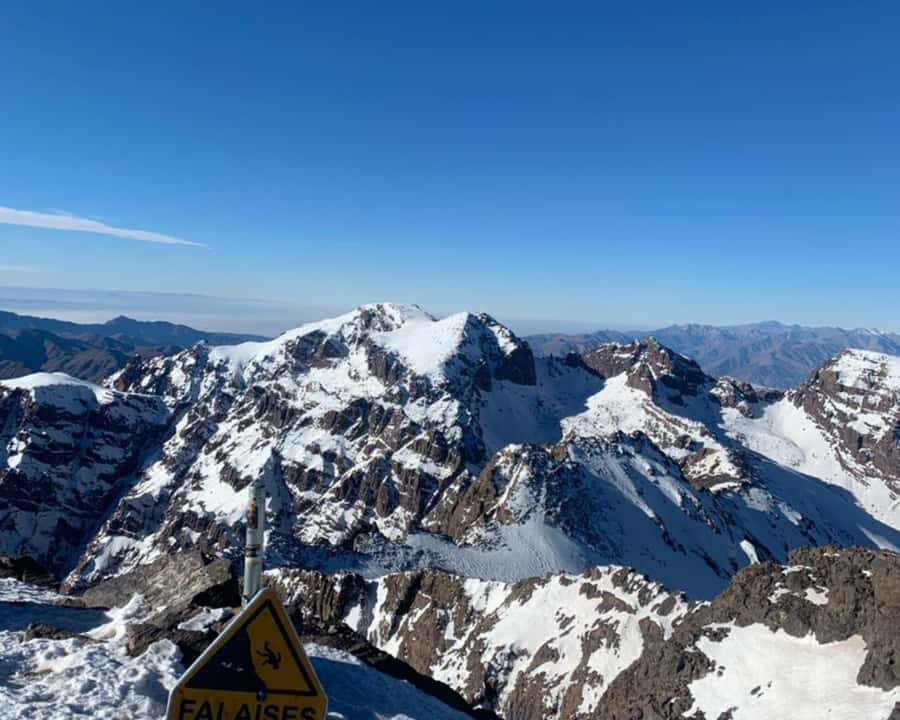
The second day begins very early, often around 4 a.m. The reason is worthwhile: an early departure can put you near the summit for sunrise. You climb by the southern circle route as the mountain changes from a valley walk to a rougher ascent over scree and rocky ground.
The climb is described as manageable in technical terms, but that does not make it easy. Scree shifts under your feet, the slope keeps rising, and altitude can affect your breathing and energy. A strong walker at sea level may still need frequent breaks at 4,000 meters.
This is where good guiding matters most. The best reports describe guides staying near slower walkers, carrying a bag for a short stretch when someone was struggling, checking that people had enough food and water, and adapting the pace to the group. AbdulSamad is especially praised for keeping a climber fueled and encouraged during the hardest moments.
Do not treat summit success as guaranteed. Several departures were stopped by poor weather, heavy snow, a recent avalanche, or police restrictions after an accident on the mountain. In one case, the group hiked around Imlil instead and climbed a lower 2,600-meter peak the next day. That is a disappointing change if your main goal is the summit, but it is the right call when conditions are unsafe.
A few more things to do in Marrakesh worth a look
- From Marrakech: 2-Day Sahara Tour to Zagora & Ait Ben Haddou
★ 4.4 · 1,925 reviews - From Marrakech: 2-Days luxurious experience to Zagora Desert
★ 4.9 · 1,502 reviews - From Marrakech: Zagora 2-Day Desert Safari with Food & Camp
★ 4.5 · 1,137 reviews - Marrakech/Ouarzazate: 2-Day Desert with Camel, 4×4 & Meals
★ 4.6 · 926 reviews
The 4,167-meter summit gives you the reward
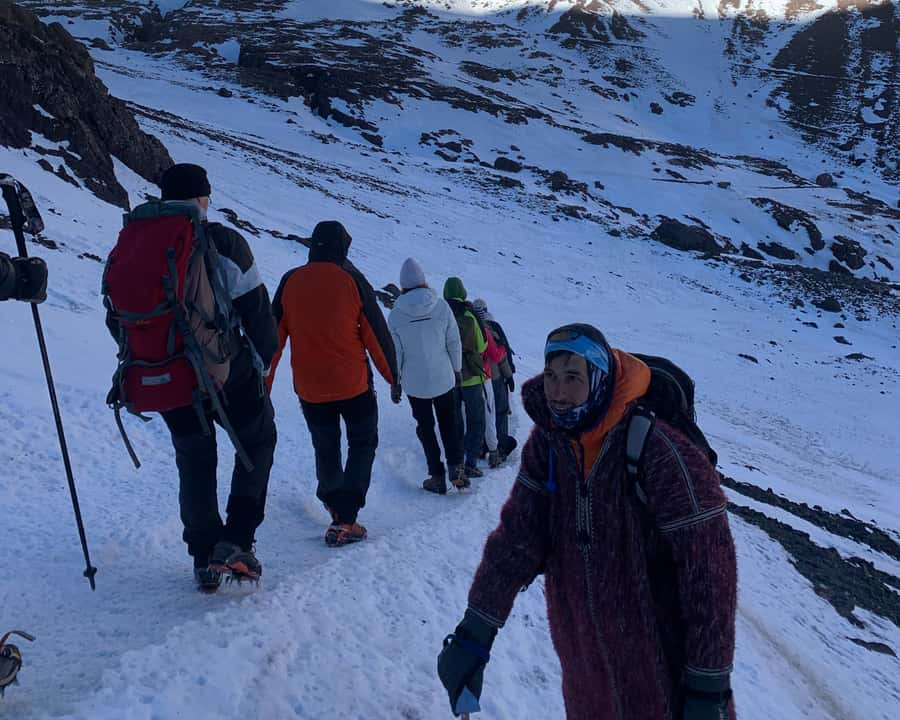
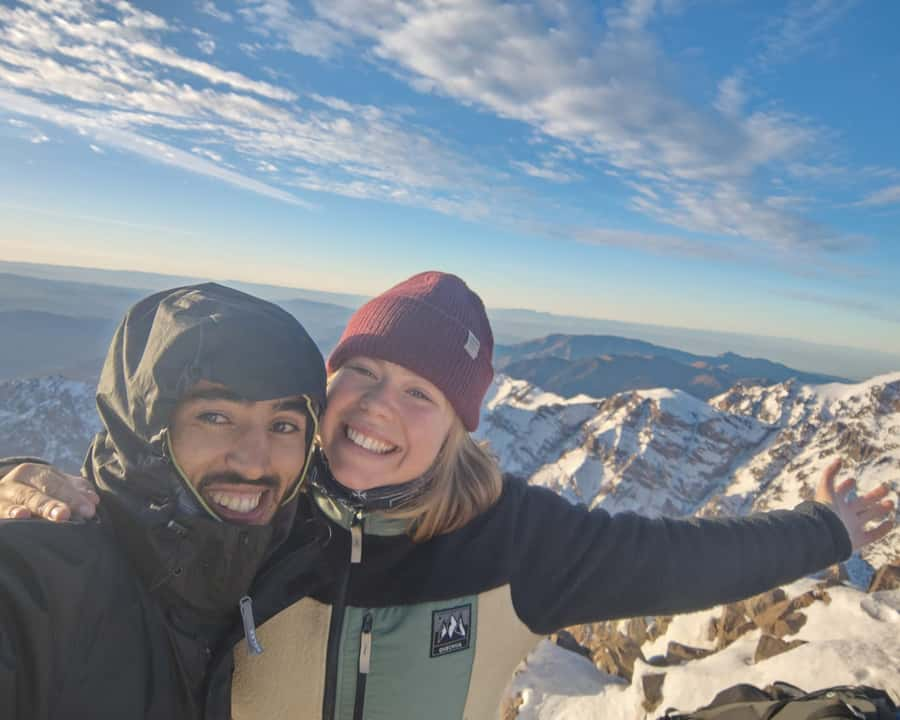
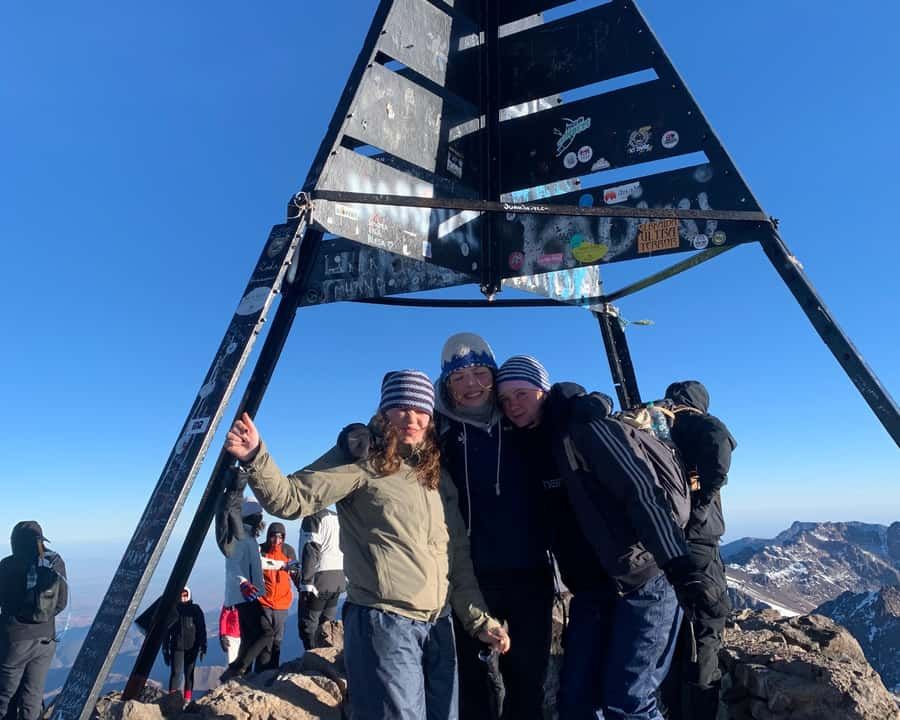
At the top, the view opens in every direction. You can look north toward the Marrakech Plain and the High Atlas, then south toward the Anti-Atlas and the Sahara Desert. The appeal is not one single postcard view, but the sense of standing above several distinct parts of southern Morocco.
Sunrise departures can make the summit especially memorable. Groups have reached the top shortly before sunrise, and the combination of cold air, early light, and the broad mountain view is a strong payoff for the refuge night and dark ascent.
Take your summit time seriously. Altitude, cold, and fatigue can make the top feel less comfortable than the photos suggest. Your guide will help with the route, but you remain responsible for bringing suitable clothing, shoes, water, and any personal medication you need.
Altitude medication is worth discussing with a medical professional before the trip. One person specifically advised getting it from a Marrakesh pharmacy, but medication advice should come from a qualified clinician rather than a tour description.
The descent is long, not an afterthought
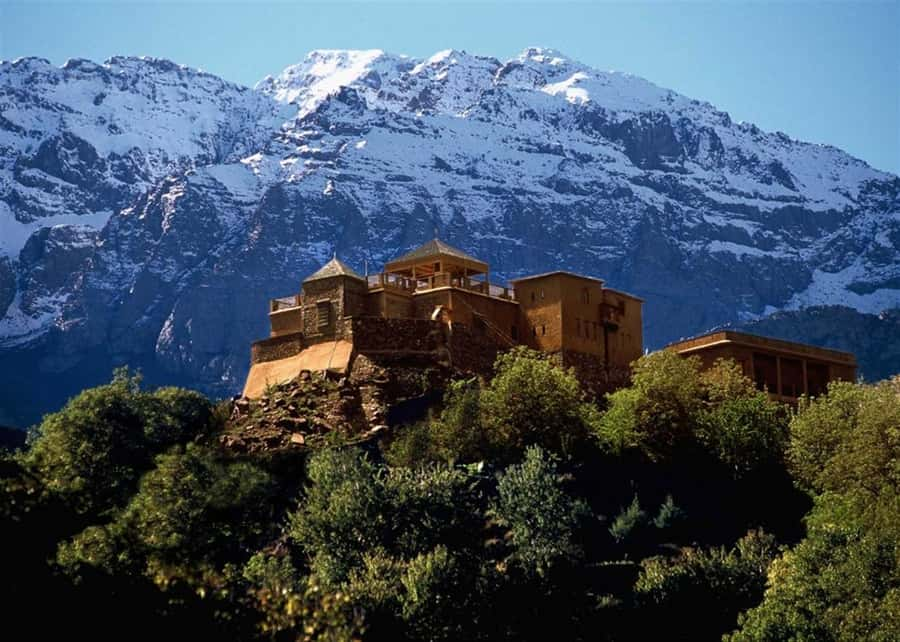
After the summit, you return down the mountain and continue toward Imlil before driving back to Marrakesh. The descent is easier on the lungs than the climb, but it can be tiring on knees and feet, especially after the early start.
Allow roughly four to five hours for the walk back down from the summit area to Imlil, based on the timing given for this route. Add the earlier summit climb, and day two can total around eight to nine hours of walking.
This is why footwear matters. Loose rock is uncomfortable in thin-soled shoes, and tired legs make slips more likely. Trekking poles may help, although they are not listed as an included item, so ask about rental options before setting out.
Transport is included between Marrakesh and Imlil. A well-organized return matters after a long day, and the pickup team has sometimes collected groups early when they finished ahead of schedule. You should still expect the timing to depend on the whole group.
What the $125 price really covers
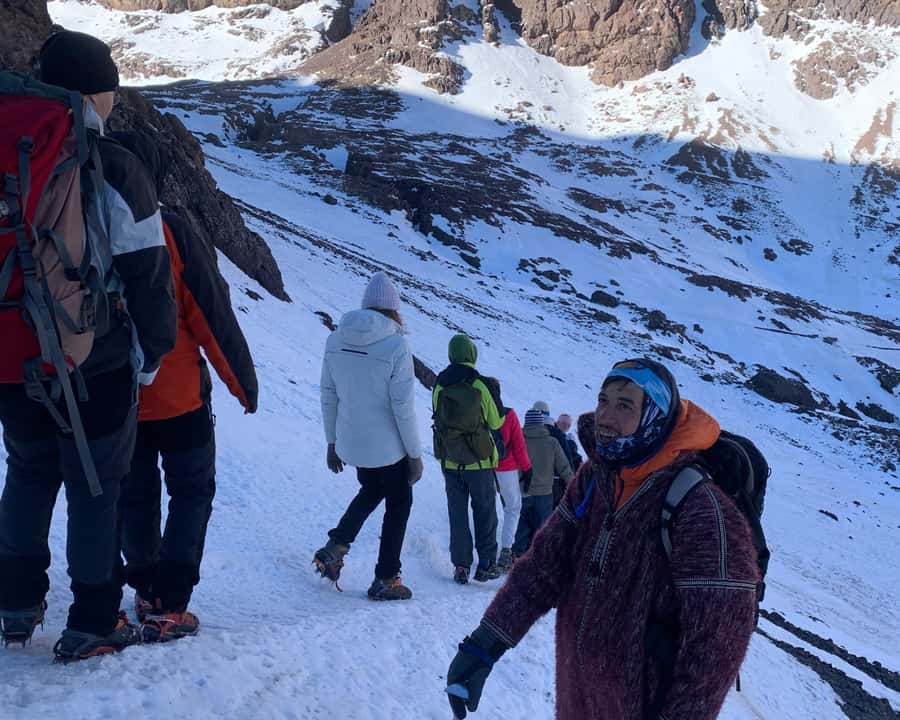
At $125 per person, the tour is priced well for a two-day guided mountain trip if you use the inclusions. You receive transport from Marrakesh, a local mountain guide, one night at Toubkal Refuge, all meals, and Wi-Fi. A small group of no more than 10 people also gives the guide a better chance to monitor each person than a large coach excursion would.
The value is strongest if you need transport and basic trip organization. Arranging a separate transfer to Imlil, a guide, refuge lodging, meals, and mountain logistics could cost more and would require extra planning.
Budget for a few additions. Soft drinks are not included, and you may want extra water, snacks, tips, and equipment rental. Winter crampons and ice axes may be necessary, and rental charges are separate. Trekking gear in general is not included, so do not assume the $125 covers every item in your backpack.
A tip for the guide is also sensible if the service is good. One useful suggestion is around €10, though you can decide based on the care and effort you receive.
Who will get the most from this trek
This trip suits you if you already enjoy long day hikes and want a compact way to reach the High Atlas from Marrakesh. It also works for solo bookers, since the small group gives you company and guides help keep the pace organized.
You do not need technical mountaineering experience for the standard climb, but you do need fitness, sturdy shoes, and a willingness to walk for long hours. The route becomes harder because of height, scree, weather, and the very early summit start.
It is a poor match if you want a relaxed overnight outing, a comfortable bed, or a guaranteed summit. It may also be a poor choice for anyone unaccustomed to sustained uphill walking or concerned about sleeping in a shared refuge.
The operator can cancel if there are not enough participants. Bad weather may also change the itinerary, and you should accept that possibility before booking rather than treating it as an unexpected failure.
Small details that make the trip run better
A few practical choices can make a big difference:
- Pack layers rather than one heavy coat. Conditions can change sharply between Imlil and the summit.
- Carry snacks even though meals are included. Breakfast may be modest, and the summit morning is long.
- Bring your passport, hiking shoes, trekking gear, water, and personal medication.
- Keep warm clothes and summit equipment easy to reach at the refuge.
- Use earplugs for the night.
- Ask about snow conditions and rental gear before leaving Marrakesh.
- Confirm your hotel or riad name during booking so pickup can be arranged.
- Tell the operator if you need a different Marrakesh drop-off point.
The strongest part of this experience is the human support. Guides have helped sick walkers return downhill, encouraged tired climbers, carried bags briefly, and adjusted the pace for mixed-ability groups. That does not remove the effort, but it can make a hard day feel manageable.
Should you book the Mount Toubkal trek?
Book it if you want a demanding, well-organized introduction to Morocco’s highest mountain and you are comfortable with basic refuge lodging. The price is fair because it includes the pieces that are awkward to arrange alone, especially transport, meals, guiding, and overnight accommodation.
Think twice if you need comfort, a flexible sleep schedule, or certainty about reaching 4,167 meters. Weather and mountain safety can change the plan, and day two is genuinely strenuous.
For a fit hiker with realistic expectations, this is a strong Marrakesh add-on. You get village life in Imlil, a cultural stop at Sidi Chamarouch, a night in the High Atlas, and a serious summit attempt without having to organize every moving part yourself.
FAQ
How long does the Mount Toubkal experience last?
The activity lasts two days. Day one runs from Marrakesh to Imlil and onward to Toubkal Refuge. Day two includes the summit attempt, descent to Imlil, and return to Marrakesh.
What is included in the $125 price?
The price includes a local mountain guide, one night at Toubkal Refuge, all meals, transport to and from Imlil Village, and Wi-Fi.
What languages are available for the tour?
The activity lists English, French, Spanish, and Arabic. Individual guide language ability can vary, so confirm your preferred language when booking.
Do I need crampons and an ice axe?
You may need crampons and an ice axe in winter or when snow covers the route. These items can be rented locally, and the guide can help if they are required.
What happens if the summit route is unsafe?
If snow is heavy or the weather is unsuitable, the summit hike may be replaced with a visit or hike around Imlil. The booking information also notes that mountain access can be restricted for safety reasons.
Can I cancel the booking?
You can cancel up to 24 hours before the activity for a full refund. The operator may also cancel if there are not enough participants.
Just added in Marrakesh
- Marrakech: Tailor-Made City Tour With Your Own Private Guide★ 4.9 · 236 reviews
- Marrakech palm grove: Sunset camel ride★ 4.8 · 194 reviews
- Sparkling Marrakech through the eyes of your local Guide★ 4.7 · 247 reviews
- Small-Group Day Trip from Marrakech to Essaouira Mogador★ 4.8 · 211 reviews
- Quad biking in Agafay Desert with lunch & Camel Ride & pool★ 4.5 · 186 reviews
- Marrakech: Historical Discovery Tour★ 4.1 · 87 reviews
- Marrakech: Palm Grove Horseback Riding Tour★ 4.6 · 163 reviews
- From Marrakesh: Ouarzazate & Ait Ben Haddou Day Tour★ 4.5 · 198 reviews
Atlas Mountains Day Trips, compared.
Atlas Mountains, Ourika Valley, Waterfall & Lunch
Read our review →
Berber villages : Atlas Mountains Day Hike from Marrakech
Read our review →
Ourika Waterfalls, Atlas Mountains, Guide + Lunch
Read our review →
Atlas Mountains & Agafay Desert Tour w Camel Ride
Read our review →
Atlas Mountains, Waterfalls, Ourika Valley +Lunch
Read our review →
Atlas Mountains & 5 Valleys Tour from Marrakech – All inclusive –
Read our review →Browse the lists this tour appears in