Reviewed · MOROCCO · TOURS IN MARRAKECH
From Agadir: 3-Day Desert Tour to Marrakech
The best part of this three-day route is the sudden change from Agadir’s Atlantic-side setting to the Sahara dunes. In a short but very busy trip, you pass old kasbahs, rose country, palm groves, cliff walls, Berber villages, and the High Atlas Mountains before reaching Marrakech.
I like the way the route links major Moroccan sights instead of treating the desert as a stand-alone outing. I also like the camp evening: camel ride, sunset, sandboarding, dinner, drumming, firelight, and stars. The trade-off is clear: you spend many hours in the vehicle, especially on the return from Merzouga to Marrakech, and the schedule leaves little spare time.
Key points at a glance
- Ait Ben Haddou sets the tone: Explore Morocco’s famous fortified village and film location on the first day.
- The Sahara night is the centerpiece: Ride camels to Erg Chebbi, try sandboarding, watch sunset, and sleep in a desert tent.
- The route is scenic but demanding: Expect long drives, early starts, and frequent stops rather than a slow-paced holiday.
- Your driver matters: Guides and drivers such as Abderrahman, Ali, Hicham, Hamza, and Youssef have been praised for safe driving, clear explanations, and careful attention.
- Standard and luxury camping differ: Standard tents use shared bathrooms; the luxury option provides more private facilities and may include air conditioning.
- Budget for lunches: Breakfasts and dinners are included, but lunches and drinks are extra, with some lunch stops costing about 120 to 130 Moroccan dirhams.
What this Agadir to Marrakech tour is really like
At $172 per person, this is an ambitious road trip rather than a restful three-day break. You cover a large part of southern Morocco, with transport, two breakfasts, two dinners, hotel accommodation, a desert camp, camel transport, sandboarding, and hotel drop-off in Marrakech included.
The price makes sense if you want to see several major sights without arranging separate taxis, hotels, and desert transport. You also avoid the awkward problem of reaching Merzouga on your own and then finding a camel excursion at the last minute.
Still, you should know what you are buying. This is a tightly packed route. You will see a lot, but you will not have long, unplanned stretches in each place. If your ideal Moroccan holiday means lingering over mint tea or spending a full day in one valley, this schedule may feel rushed.
The transport is air-conditioned, and group size varies. Some departures have been small, while one recent group had around fifteen people plus the driver. A private group is available if you want more control over stops and timing.
A few more things to do in Marrakesh worth a look
- From Marrakech: 3-Day Merzouga and Sahara Desert Tour
★ 4.9 · 15,308 reviews - From Marrakech: Merzouga 3-Day Desert Safari with Food
★ 4.7 · 12,232 reviews - Marrakech: 3-Day Merzouga Desert Experience Camel & Meals
★ 4.6 · 6,252 reviews
Day one: Ait Ben Haddou and the Road of a Thousand Kasbahs
Pickup is scheduled for around 7:00 AM from your Agadir accommodation. Exact arrangements arrive the day before, and pickup is not available from stays more than 7 kilometers from central Agadir. If you are in a Medina riad, expect to walk or take a short transfer to the nearest road that a vehicle can reach.
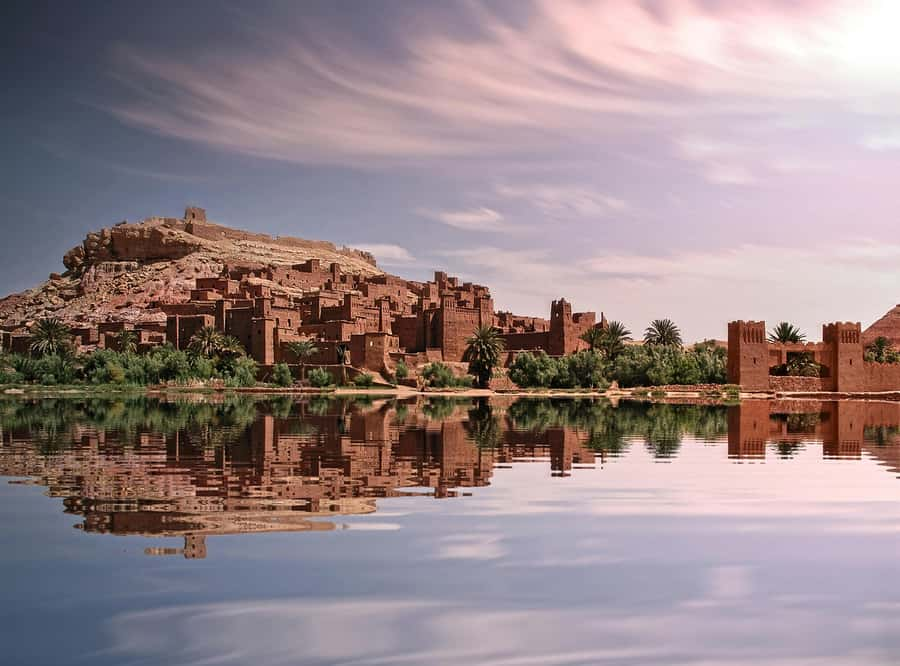
The first major stop is Ait Ben Haddou, one of Morocco’s best-known fortified settlements. Built from earthen material and shaped by defensive walls and towers, it gives you a strong sense of the architecture found across southern Morocco. It has also served as a film location, which explains its familiar appearance.
You have time to explore and eat lunch here. A local guide is available for an additional €2 per person. I would consider paying for this if you want the buildings explained rather than simply photographed, especially since the village’s layout and construction are easier to appreciate with context.
Lunch is not included. The stops are generally arranged along the route, so you should not count on choosing from a wide range of independent restaurants. One useful tip is to carry water, snacks, and some cash from Agadir. The first day can pass for hours before a proper meal opportunity appears.
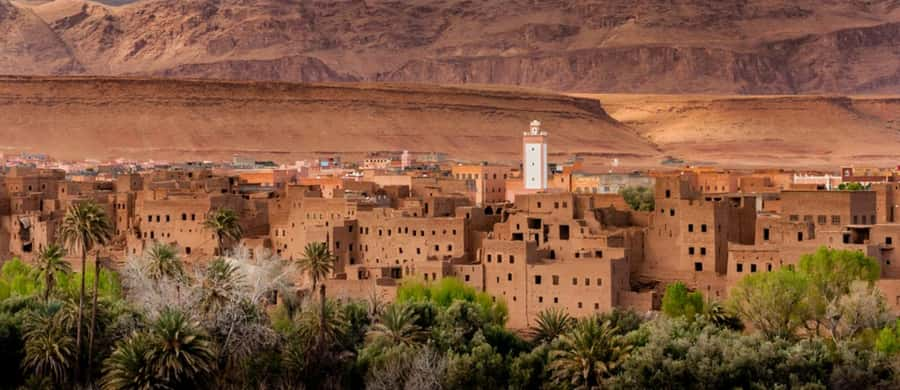
After Ait Ben Haddou, the road turns toward the Rose Valley and Dades Valley. This is the Road of a Thousand Kasbahs, a name that reflects the many fortified houses and villages spread through the southern valleys. The scenery shifts from dry mountain country to cultivated strips and palm-filled settlements.
The planned overnight location is Tinghir, in a hotel or riad. Actual lodging can vary, and one recent departure stayed in Kalaa M’Gouna instead. That is worth keeping in mind when comparing expectations. The first-night accommodation can be surprisingly comfortable, but it is not identical on every departure.
Day two: Todra Gorge, palm groves, and the Sahara
After breakfast, you continue through the Todra Valley toward Merzouga. This section brings together several of the trip’s most rewarding contrasts: Berber communities, date palms, dry slopes, and the sharp walls of Todra Gorge.
Todra Gorge is the day’s main natural stop. Towering cliffs rise around a narrow valley, with a green strip of palms and farmland below. You will have time to look around and take photographs, though the exact amount of walking depends on the group schedule and road conditions.
The valley also gives you a better sense of how people live in this part of Morocco. The palms are not just decoration. They provide shade and support agriculture in an otherwise dry region. The route passes villages including Tinjdad, Melaab, and Erfoud, each marking another stage toward the desert.
Some departures include extra cultural stops, such as a Berber carpet workshop or a visit to a nomad home. These can add useful context, but they also take time. If you prefer a simple drive to the dunes, the added visits may feel like sales stops. Keep an open mind, listen to the explanation, and remember that you are on a cultural road trip, not a direct transfer.
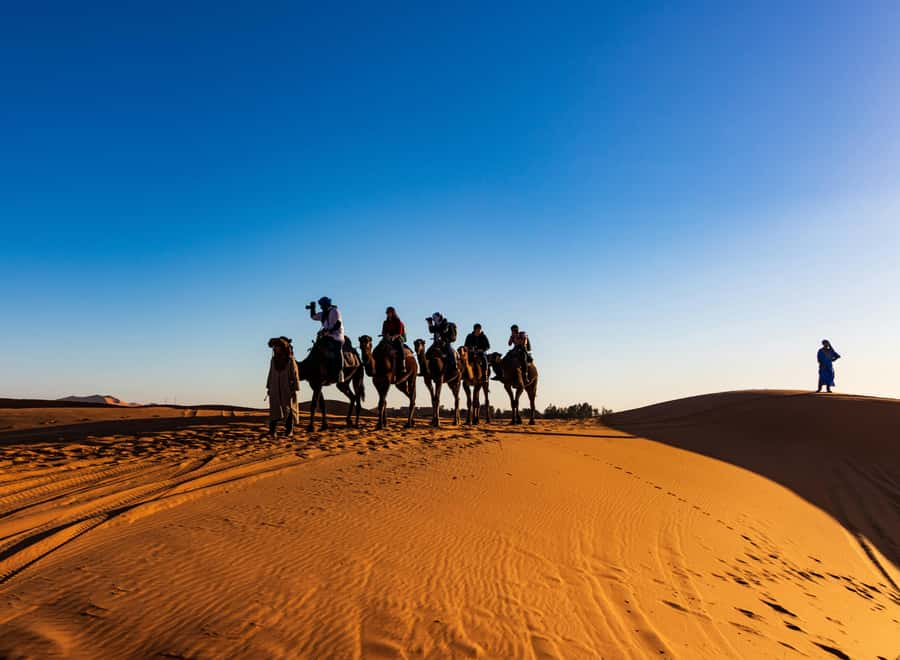
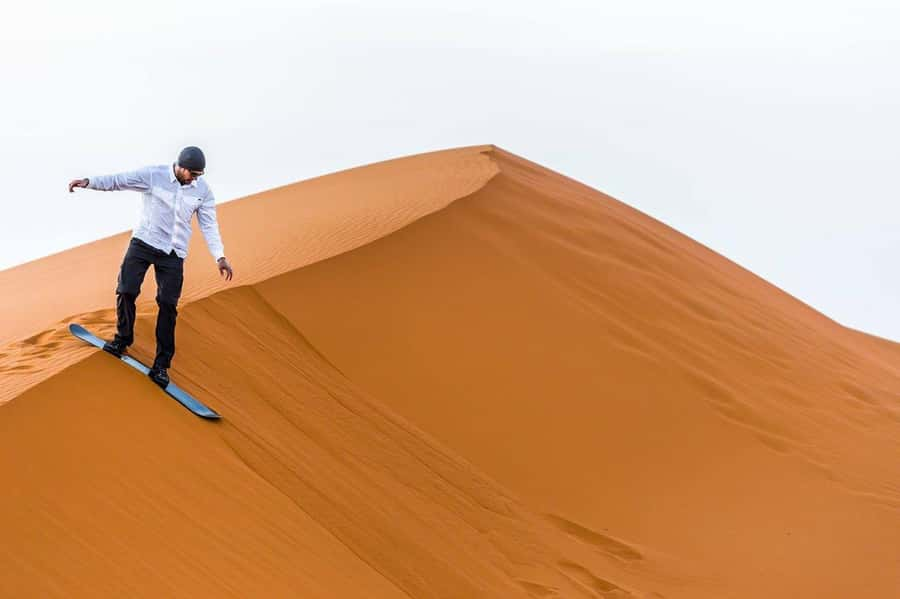
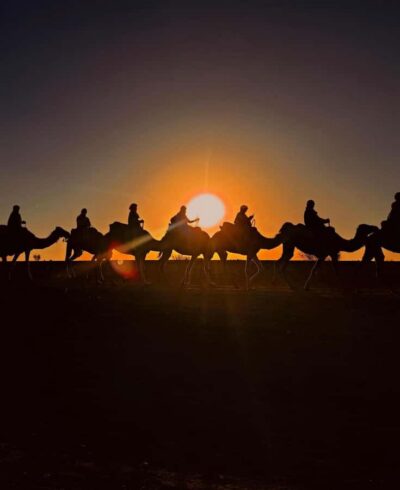
The road eventually reaches Merzouga and the Erg Chebbi dunes. Here the character of the trip changes at once. You leave the vehicle, mount a camel, and travel across the sand toward camp. The camel ride is included, as is sandboarding, and the timing usually allows you to reach camp around sunset.
The camel ride is not a fast adventure ride. It is a slow, swaying way to cross the dunes, with plenty of time to watch the changing light. If you have back problems, this tour is not recommended. Bring a scarf or hat, sunscreen, water, and shoes that can handle sand.
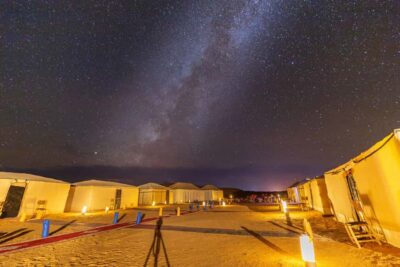
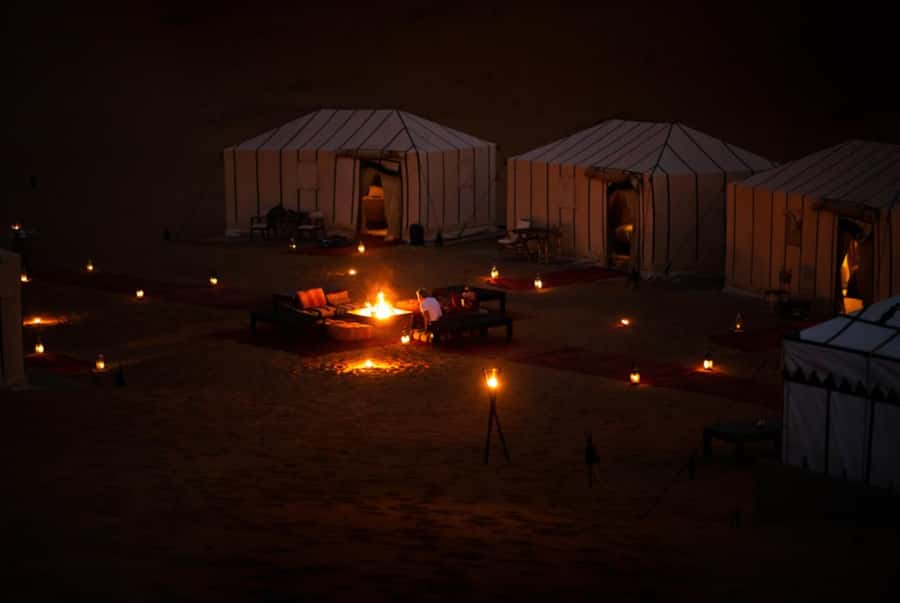
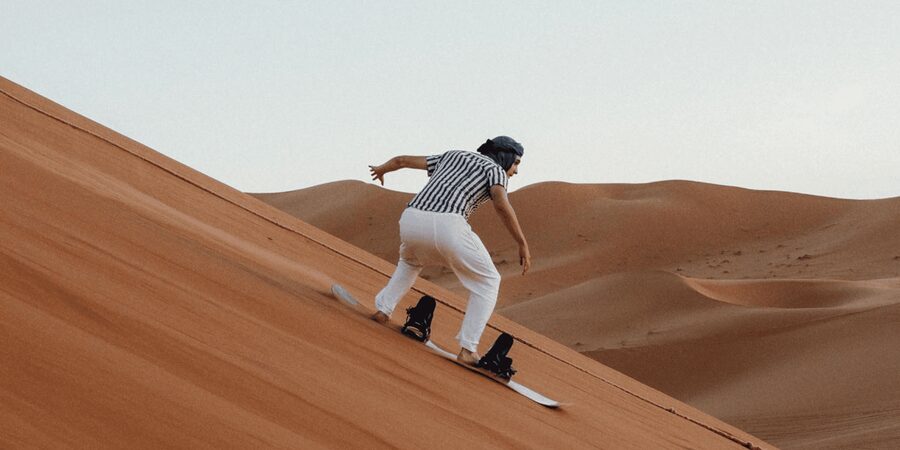
At camp, you can watch the sun drop over the dunes, try sandboarding, and settle in for dinner. The evening includes Berber drumming and music around a fire, followed by time under the stars. This is the part of the tour that feels least like a bus route and most like a genuine change of setting.
Food is included at dinner, with local dishes served at the camp. The exact menu can vary, but the evening combines a warm meal with music and stories from the camp staff. Beds are generally comfortable, though the standard camp is not the same as a hotel.
Standard or luxury camp?
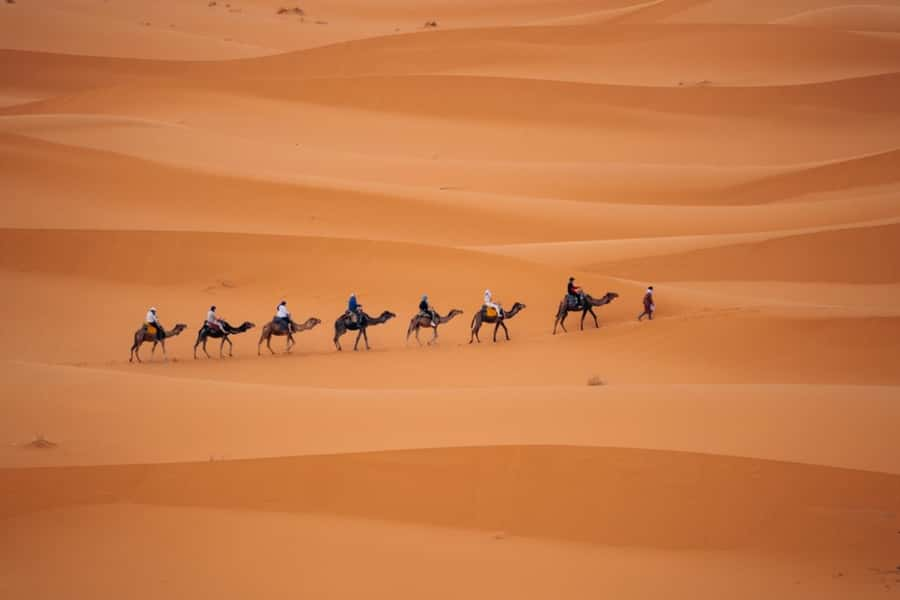
The standard desert option uses a private tent with shared bathrooms. One useful detail is that the standard camp may sit near the edge of the desert rather than deep among the dunes. That makes it a little less isolated, but it can also mean access to regular toilets, showers, and warm water.
For many people, that is a sensible trade. You still get the camel ride, sunset, dinner, music, and desert sky, while keeping a few basic comforts. If a private bathroom matters to you, choose the luxury option. The luxury tents have private facilities, and one recent booking also had air conditioning, which can be useful in warmer months.
The word luxury should still be understood in context. You are camping in the desert, not checking into a city hotel. The upgrade is mainly about privacy and comfort, not a completely different itinerary.
Same base, a different sort of day:
- Marrakech: Agafay Desert Sunset, Camel Ride, and Dinner Show
★ 4.6 · 35,119 reviews - From Marrakech: Ouzoud Waterfalls Guided Hike and Boat Trip
★ 4.7 · 33,630 reviews - Marrakech: Agafay Desert Quad & Camel Rides with Dinner Show
★ 4.8 · 27,382 reviews - Marrakech: Agafay Desert Quad Biking Tour with Dinner-Show
★ 4.8 · 16,569 reviews
Day three: Sunrise, Rissani, Draa Valley, and the High Atlas
You will need to wake early for sunrise over the dunes. This is one of the strongest moments of the trip, but it is also why you should arrive rested. After breakfast, you return to Merzouga and begin the long drive toward Marrakech.
The route passes through Rissani, Alnif, Tazarine, and N’kob before reaching the Draa Valley. Rissani is associated with old caravan routes and traditional markets, while the Draa Valley is known for its long runs of date palms, kasbahs, and Berber villages.
The Draa Valley is especially valuable because it shows how a dry region can support settled life. The palm groves follow the water, creating narrow green corridors between bare hills. You will see historic buildings and village life from the road, with stops along the way for photographs and short visits.
Lunch in Ouarzazate breaks up the drive before the final crossing of the High Atlas Mountains. Lunch is not included, and the available stops can be more expensive than meals in Agadir or Marrakech. Bring extra cash and ask your driver if you need an ATM stop.
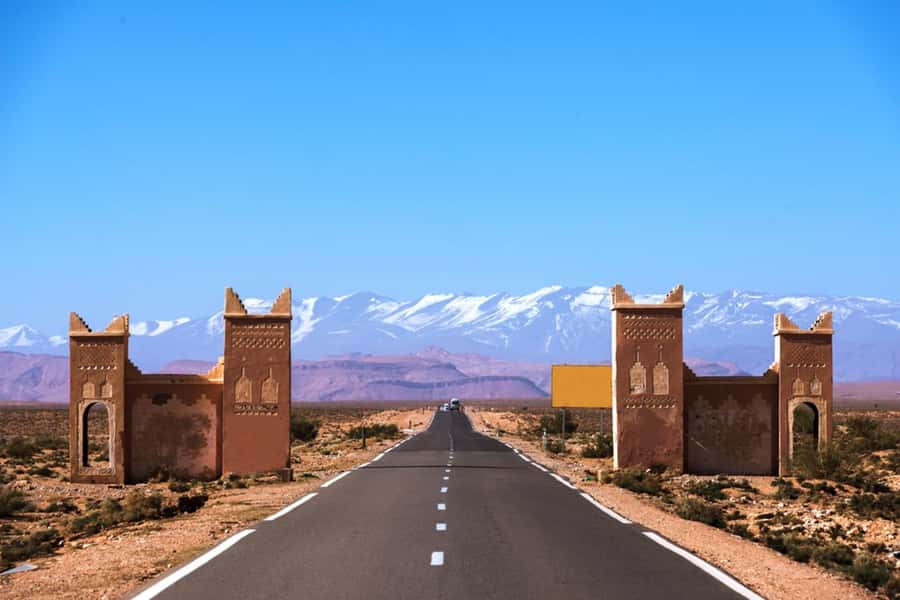
The final mountain road offers broad views and a dramatic change in altitude and scenery. By evening, you reach Marrakech and are dropped at your accommodation. The arrival time depends on traffic, road conditions, and the number of stops, so do not schedule a fixed evening activity too close to the expected arrival.
The drivers make a real difference
This route depends heavily on the person behind the wheel. You are spending long periods in the vehicle, so a calm driver who explains the plan and drives safely can shape the entire experience.
Drivers named in recent bookings include Abderrahman, Ali, Hicham, Hamza, Youssef, Jawad, Simo, Hanan, and others. The strongest praise has focused on safe driving, clear communication, help with bags, regular toilet stops, and attention to small needs such as towels at the desert camp.
Abderrahman, in particular, has been praised for helping groups avoid long queues at lunch and for getting them to busy stops early. Hicham has been singled out for cultural explanations and a warm, professional manner. Individual assignments can change, so you should not book expecting one particular driver, but the pattern is useful: the driver is often your main contact for three full days.
Communication before pickup can be uneven. Exact pickup details are sent the day before, but some people have had trouble getting answers earlier. I would keep your phone active for WhatsApp messages and make sure your accommodation can receive the final pickup information.
Food, costs, and what to carry
Two breakfasts and two dinners are included. Lunches, drinks, and snacks are not. The planned lunch stops may cost around €13, or roughly 120 to 130 dirhams, and the quality can vary. That does not make the tour poor value, but it does mean you should budget separately for daytime meals.
Carry a refillable water bottle if practical, plus small snacks for the first morning and the longest driving stretches. Sunscreen, a hat, comfortable shoes, and a camera are sensible. Warm clothing is essential in the desert during cooler months, particularly before sunrise.
Smoking is not allowed in the vehicle. The tour is not suitable for people with back problems or those prone to seasickness, a broad warning that likely reflects the long road journey and camel ride.
Who should book this route?
I would choose this tour if you have limited time and want a large taste of southern Morocco in one organized trip. It suits first-time visitors who want Ait Ben Haddou, Todra Gorge, the Draa Valley, and a Sahara night without piecing together transport themselves.
It also works well for solo visitors who like meeting a small group, as well as couples and families with older children. Several people have found the social side enjoyable, especially around the campfire and shared meals.
I would think twice if you dislike early starts, winding roads, long vehicle days, or planned lunch stops. The final journey from Merzouga to Marrakech is especially long. You should also avoid it if a slow pace, private bathroom, or guaranteed high-end hotel is important.
The private-group option is worth considering if you are traveling with friends or family and want more say over stops. If you are traveling alone, the standard group format is usually the better value at $172.
Should you book it?
Book this tour if your priority is variety and value. For $172, you get a remarkable amount: long-distance transport from Agadir to Marrakech, major southern Moroccan sights, a hotel night, a desert camp, camel riding, sandboarding, meals, and a sunrise in the dunes.
Do not book it expecting a leisurely retreat. You will spend a lot of time on the road, and lunches cost extra. But if you arrive prepared with water, snacks, warm layers, cash, and realistic expectations about the pace, this is a strong way to connect Agadir, the Atlas region, the kasbah country, and the Sahara in three days.
FAQ
How much does the three-day tour cost?
The listed price is $172 per person.
Where does the tour start and finish?
Pickup is from eligible accommodation in Agadir, and the tour ends with drop-off at your accommodation in Marrakech.
What is included in the price?
The tour includes Agadir hotel pickup, air-conditioned transport, an English, French, Arabic, or Spanish-speaking driver-guide, two breakfasts, two dinners, hotel accommodation, a desert camp, a camel excursion, sandboarding, luggage service, Berber drumming and music, and Marrakech hotel drop-off.
Are lunches included?
No. Lunches and drinks are not included. Planned lunch stops may cost about 120 to 130 Moroccan dirhams.
What type of desert accommodation is provided?
The standard option is a private tent with shared bathrooms. The luxury option provides more private facilities. Camp details can vary by selected option.
Is the camel ride included?
Yes. The camel excursion to the Merzouga desert camp is included.
Can I book a private group?
Yes. A private-group option is available.
What should I bring?
Bring comfortable shoes, warm clothing, a hat, sunscreen, water, and a camera. Extra cash is useful for lunches and drinks.
Just added in Marrakesh
- Marrakech: Tailor-Made City Tour With Your Own Private Guide★ 4.9 · 236 reviews
- Marrakech palm grove: Sunset camel ride★ 4.8 · 194 reviews
- Sparkling Marrakech through the eyes of your local Guide★ 4.7 · 247 reviews
- Small-Group Day Trip from Marrakech to Essaouira Mogador★ 4.8 · 211 reviews
- Quad biking in Agafay Desert with lunch & Camel Ride & pool★ 4.5 · 186 reviews
- Marrakech: Historical Discovery Tour★ 4.1 · 87 reviews
- Marrakech: Palm Grove Horseback Riding Tour★ 4.6 · 163 reviews
- From Marrakesh: Ouarzazate & Ait Ben Haddou Day Tour★ 4.5 · 198 reviews
Tours in Marrakech, compared.
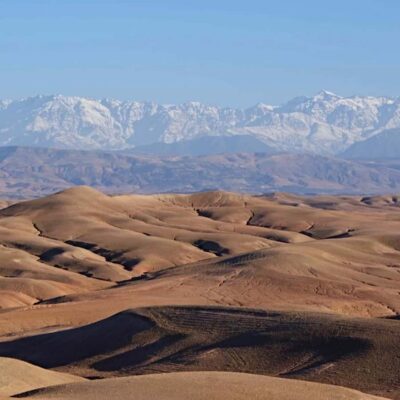
Agafay Desert Sunset, Camel Ride, and Dinner Show
Read our review →
Agafay Desert Quad & Camel Rides with Dinner Show
Read our review →
Agafay Desert Quad Biking Tour with Dinner-Show
Read our review →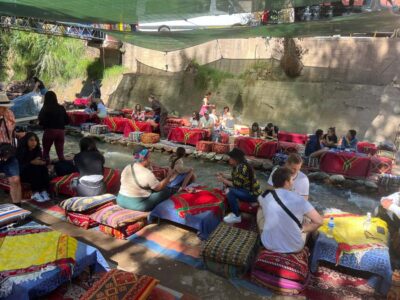
Atlas Mountains, Ourika Valley, Waterfall & Lunch
Read our review →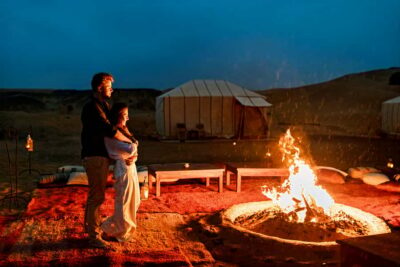
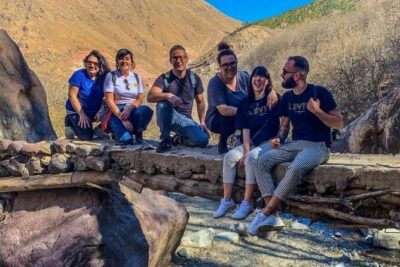
Berber villages : Atlas Mountains Day Hike from Marrakech
Read our review →