
Reviewed · SOUTH AFRICA · TOURS IN CAPE TOWN
Cape Town: Private Guided Tour of Cape Town Diamond Museum
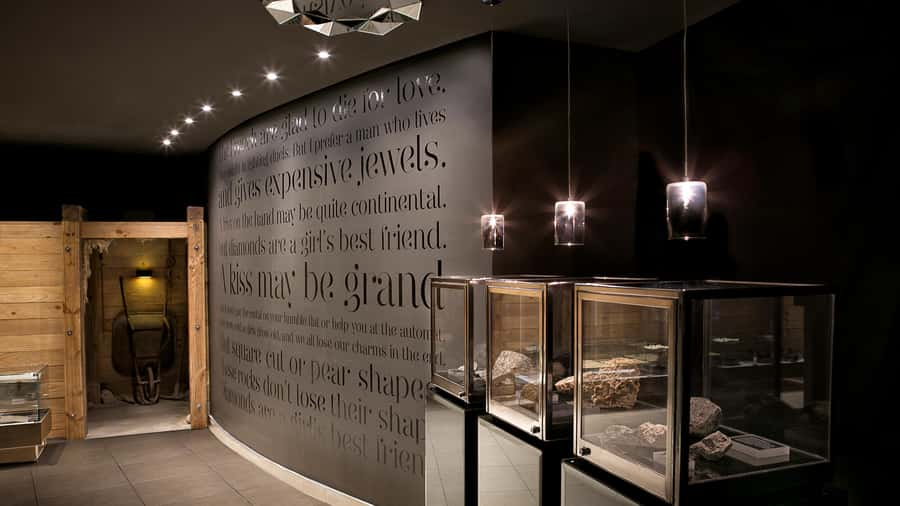
South Africa’s diamond story begins billions of years ago, but this tour brings it down to earth with cutting tools, jewelry displays, and a working workshop. You’ll learn the four Cs, see how diamonds move from rough stone to finished piece, and have the chance to sketch a design with an on-site jeweler. The museum sits inside a jewelry business, so this is part museum and part showroom.
I like the private guide format, since you can ask as many questions as you wish instead of waiting for a group to catch up. I also like the welcome drink, with soft drinks or South African wine available during the visit. The main consideration is that the tour ends in a retail setting, and designing or buying a diamond is optional but clearly part of the experience.
Key points to know before you go
- A 45-minute private tour: Your own English- or Afrikaans-speaking guide leads the museum visit and answers questions at your pace.
- More than 3,000 pieces: Displays cover diamond history, cutting, polishing, and jewelry production.
- A working workshop: Book during a weekday morning, especially between 9 a.m. and 1 p.m., if you want a better chance of seeing jewelry and diamond work in progress.
- Wine served throughout: You can begin with South African wine or a soft drink, with refreshments available during the tour.
- A design opportunity: You may discuss and create your own diamond jewelry design with a personal designer, with a GIA certificate available for a purchased diamond.
- Easy Waterfront location: The tour begins at the Gavin Collins Gallery and returns there, but parking and food are not included.
What this Cape Town diamond tour is really like

This is a short, focused museum visit rather than a full-day outing, despite the activity being valid for one day. The core guided tour lasts about 45 minutes, while the full stop, including shopping and the design workshop, is listed as about an hour.
You meet your guide at reception inside the Gavin Collins Gallery at the V&A Waterfront. Tell the staff you are there for the museum tour. That small step matters because the museum forms part of the Shimansky jewelry store, rather than operating as a separate building with an obvious museum entrance.
The private format gives the visit a more personal feel. Guides speak English or Afrikaans, and the best part of the format is the freedom to stop and ask questions. If you are curious about diamond grading, South African mining, or the practical work of polishing a stone, you do not have to save your question for the end.
The tour has earned especially strong praise for its guides. Aloma is known for turning the subject into a lively conversation, while Sandy, Shani, Nadya, and Constantina have also been singled out for clear and warm presentations. Guide assignments can change, of course, but the experience depends heavily on the person leading it.
A few more things to do in Cape Town worth a look
- Museum of Contemporary African Art: Fast-Track Zeitz MOCAA
★ 4.4 · 204 reviews - Tour to Giza Pyramids and The Egyptian Museum
★ 5.0 · 6,016 reviews - Marrakech: Majorelle Garden, YSL, and Berber Museum Entry
★ 4.6 · 5,168 reviews
Starting with South Africa’s three-billion-year diamond story
The museum begins with the long geological story behind diamonds. You will hear about South Africa’s diamond history over roughly three billion years, then move toward the more recent story of mining, trade, and jewelry production.
This broad time span helps put the subject in perspective. A diamond is not simply a shiny stone pulled from the ground. It begins as a natural mineral formed under extreme conditions, then passes through selection, cutting, polishing, grading, and design before it reaches a display case or ring box.
The tour also covers important names and events tied to South Africa’s diamond industry. You may hear about the first diamond discovery associated with Erasmus Jacobus and the formation of the Kimberley brand. The history of the Oppenheimer family is another point that has caught visitors’ attention.
Do not expect a university lecture or a long mining-history course. The museum presents a concise overview designed for a general audience. That works well if you want useful background before visiting other Cape Town sights, but it may feel brief if you already have a serious interest in geology or the mining industry.
Learning the four Cs without the sales fog
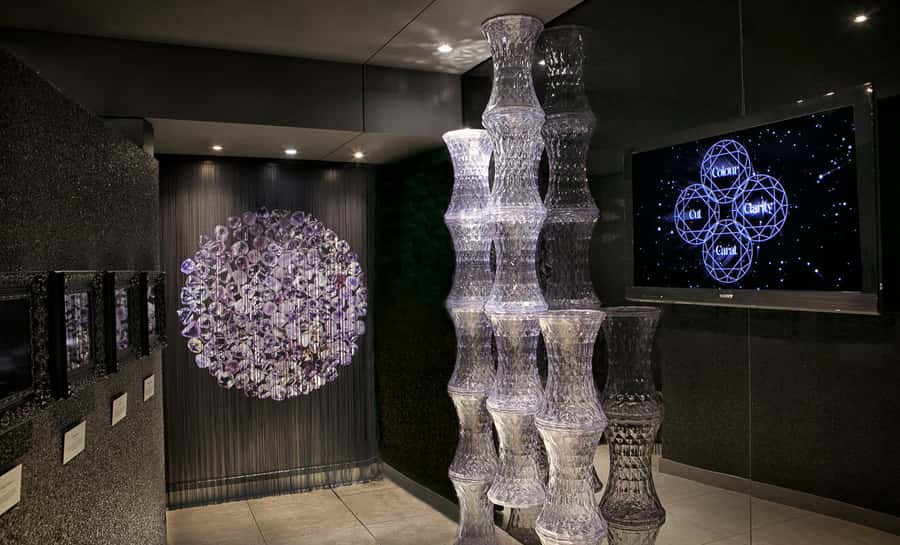
The guide explains the four Cs of diamonds: cut, carat, color, and clarity. These terms are often repeated in jewelry advertisements, but seeing actual stones and settings makes them easier to understand.
Cut refers to how a diamond’s facets are shaped and arranged. It affects the way light moves through the stone. Carat measures weight, while color describes how clear or tinted the stone appears. Clarity concerns internal marks and surface features.
The useful point here is that a larger diamond is not automatically the better diamond. Cut can affect sparkle more than size, and clarity may be judged differently from what an untrained eye notices in a display case. The guide can explain those trade-offs in plain language.
One playful detail from the tour adds a fifth C: confidence. That is a light touch, but it fits the personal side of jewelry shopping. You are not only learning technical terms. You are also deciding what matters to you, what suits your budget, and what you actually like when a ring or stone is on your hand.
Seeing the cutting factory and jewelry workshop
The museum displays more than 3,000 pieces connected with diamonds, jewelry, and the production process. The cutting factory and jewelry workshop give the visit more substance than a row of finished necklaces behind glass.
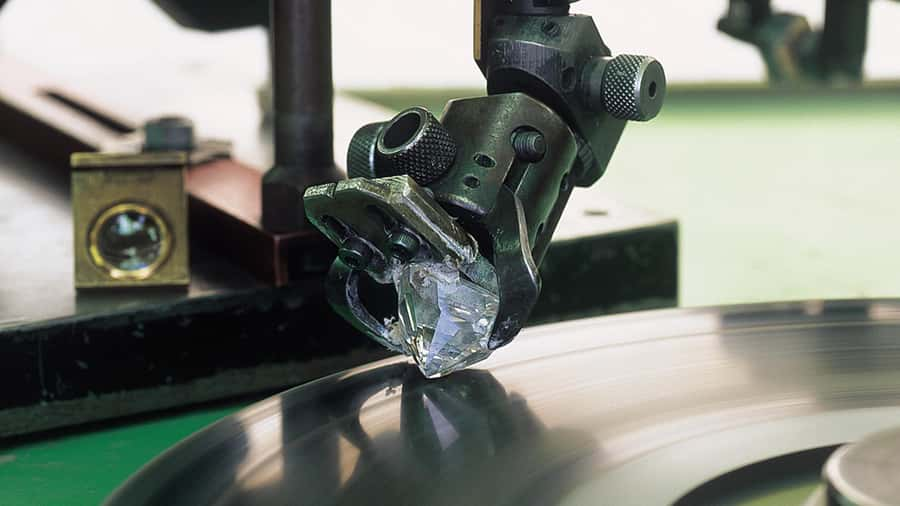
You will learn how Shimansky selects and ethically sources its diamonds, then how rough stones are cut and polished into finished pieces. The explanation links the geological material to the craft. It also shows why cutting involves more than simply removing rough edges. Every decision affects the final shape, light, weight, and value.
Timing can change what you see. If you book between 9 a.m. and 1 p.m. on a weekday, you may have a better chance of seeing actual jewelry and diamond carving work taking place. A visit outside those hours can still cover the process, but you should not assume every workshop station will be active.
That is one of the tour’s practical limits. The experience promises access to the factory and workshop displays, but activity at a working bench depends on the time of your visit. If seeing craftspeople at work matters most to you, choose a weekday morning and ask about it when booking.
Same base, a different sort of day:
- Wine Tour: Paarl, Franschhoek & Stellenbosch incl 3 wineries
★ 5.0 · 3,940 reviews - Cape Town: Hop-On Hop-Off Bus Tour with Optional Cruise
★ 4.8 · 3,929 reviews - Cape Town: Cape of Good Hope & Penguins Day Tour with Pickup
★ 4.7 · 3,362 reviews - Zipline Cape Town – From Foot of Table Mountain Reserve
★ 5.0 · 3,179 reviews
Refreshments make the short visit more relaxed
Soft drinks and South African wine are included. You receive a welcome drink when you arrive, and refreshments remain available during the tour.
The wine adds a pleasant local touch, especially for adults who want to sample something South African without booking a separate tasting. Tea may also be offered during the visit, though the listed inclusion specifically names soft drinks and South African wine.
This is not a meal, and food is not included. Think of the drinks as hospitality rather than a major part of the value. Still, a glass of wine can make the showroom portion feel less formal, and it gives you a comfortable pause while discussing jewelry or designs.
If you are bringing children, remember that the tour is conducted in English or Afrikaans. The subject matter is easy to follow for older children who understand one of those languages, but it may not suit children who do not. There is no separate children’s program listed.
The optional design and buying session
The final part of the experience moves naturally toward jewelry. You can try on engagement rings, look at finished pieces, and speak with a personal designer about creating your own diamond jewelry.
This is useful if you are shopping for a ring or marking a special occasion. You can ask questions while the information about the four Cs is still fresh. The opportunity to design a diamond with an on-site specialist makes the visit more than a museum stop for someone actively considering a purchase.
A GIA certificate is available for a purchased diamond. That matters because an independent grading certificate gives you documented information about the stone’s characteristics. You should still take your time, ask what is included in the quoted price, and avoid feeling that a museum visit requires a purchase.
The retail setting is worth understanding before you go. The museum is part of a jewelry store, so the sales element is not hidden. At the same time, the visit is not described as a hard-sell presentation, and you can treat the design session as optional.
If you only want the history, say so politely at the start. If you are interested in buying, use the tour to gather information rather than making a rushed decision. Compare the four Cs, ask about the certificate, and make sure you understand the difference between the stone and the finished setting.
How much value do you get for $24?
At $24 per person, this is reasonably priced for a private guided visit at the V&A Waterfront, especially if you value direct access to a guide. A standard museum admission may cost less in some cities, but it rarely includes a private explanation, drinks, and the chance to speak with a jewelry designer.
The value is strongest for couples, small private groups, and visitors who want an introduction to diamonds without committing half a day. The tour is compact, so you can fit it between other Waterfront plans.
The price does not include food, parking, or the cost of a diamond or jewelry purchase. Those exclusions are normal for this type of experience, but they matter if you are building a full day around the visit. You will need to handle parking separately, and the Waterfront can be easier to reach as part of a broader outing than as a stand-alone stop.
For someone already planning to buy a diamond, the tour may offer useful context before a purchase. For someone with no interest in jewelry, the value rests mainly in the South African history and production demonstration.
Planning your visit at the V&A Waterfront
The meeting point is reception at the Gavin Collins Gallery. The tour starts and finishes there, so you do not need to arrange transport between separate locations.
The exact starting time depends on availability. The activity is valid for one day, not an all-day guided program, so check the available time before making other reservations.
Bring a passport or ID card and some cash. Weapons and sharp objects are not allowed, and large bags or luggage should be left elsewhere. Parking is not included, so build that cost and extra time into your plan if you are driving.
The venue is wheelchair accessible. You can also cancel up to 24 hours before the tour for a full refund, and the reserve-now, pay-later option may help if your Cape Town schedule is still shifting.
Who will enjoy this experience most?
I would suggest this tour to anyone who wants a clear introduction to diamonds without a long lecture. It suits couples considering an engagement ring, visitors interested in South African mining history, and shoppers who want to understand the product before spending money.
It also works well for first-time visitors to the V&A Waterfront. The short format leaves room for the aquarium, shops, restaurants, or harbor attractions nearby.
The tour is less suited to anyone expecting a large, independent museum devoted only to geology. Much of the visit connects to Shimansky’s jewelry business, and the retail element is part of the experience.
Language is another factor. English and Afrikaans are the available tour languages. If someone in your group does not speak either language, the presentation may be difficult to follow, particularly since the guide’s explanations carry much of the tour’s value.
Should you book the Cape Town Diamond Museum tour?
Book it if you want a private, one-hour introduction to South Africa’s diamond story, with a friendly guide, drinks, workshop displays, and optional jewelry design. The short length and Waterfront location make it easy to add to a Cape Town day.
I would book a weekday morning if seeing active cutting or goldsmith work is important. I would also arrive ready to ask questions about the four Cs and the GIA certificate, even if you have no plan to buy.
Skip it if you want a large museum with hours of independent exhibits, or if your group cannot follow English or Afrikaans. For everyone else, $24 buys a polished and informative stop, with enough history to give a diamond more meaning than its sparkle alone.
FAQ
How long does the Cape Town Diamond Museum tour last?
The guided museum portion lasts 45 minutes. With the shopping and design workshop, the complete visit is listed as about one hour.
Where does the tour begin?
Meet your guide at reception at the Gavin Collins Gallery in the V&A Waterfront. The tour returns to the same location.
Is the tour private?
Yes. The experience is for a private group, with your own guide.
Which languages are available?
The live tour is available in English and Afrikaans.
Are drinks included?
Yes. Soft drinks and South African wine are included, with drinks available at the start and during the tour.
Can I design my own diamond?
Yes. You have the opportunity to work with an on-site personal designer to design and buy a diamond. A GIA certificate is available for a purchased diamond.
Can I see diamond cutting or jewelry work?
You can see more than 3,000 pieces in the diamond cutting factory and jewelry workshop. To improve your chance of seeing active work, visit between 9 a.m. and 1 p.m. on a weekday.
Is parking included, and can I bring luggage?
Parking is not included. Large bags and luggage are not allowed, and weapons or sharp objects are prohibited. Bring a passport or ID card and some cash.
Just added in Cape Town
- Cape Town: The Cape Point Instagram Small Group Tour★ 4.4 · 122 reviews
- Cape Town: Tandem Paragliding Flight with the Experts★ 4.7 · 280 reviews
- From Cape Town: Stellenbosch Four Estate Full-Day Wine Tour★ 4.8 · 266 reviews
- Stellenbosch: Half-Day Wine Tour★ 4.7 · 601 reviews
- Cape Town: Garden Route and Addo Elephant Park 6-Day Safari★ 4.7 · 175 reviews
- From Cape Town: Glass-Bottom Boat Seal Watching Tour★ 4.4 · 147 reviews
- Cape Town: Guided Township Tour with Hotel Pickup★ 4.4 · 536 reviews
- From Cape Town: Hermanus Whale Watching Boat Trip★ 4.4 · 378 reviews
Museums, compared.

Tour to Giza Pyramids and The Egyptian Museum
Read our review →
Majorelle Garden, YSL, and Berber Museum Entry
Read our review →
Cairo 8 Hour Private Tour of Pyramids, Egyptian Museum and Bazaar
Read our review →
Grand Egyptian Museum, Pyramids, Sphinx Tour & Lunch
Read our review →
Cairo Pyramids, Sphinx & Egyptian Museum Day Trip
Read our review →
Museum, Al Attarine Madrasa & Tannery and Medina Tour
Read our review →
Female-Guided Pyramids, Sphinx & Museum City Tour
Read our review →
Private tour to Giza Pyramids,Sphinx,Egyptian Museum with Local Lunch
Read our review →Browse the lists this tour appears in