
Reviewed · SOUTH AFRICA · TOURS IN CAPE TOWN
Cape Town: Great African Sea Forest Guided Snorkel
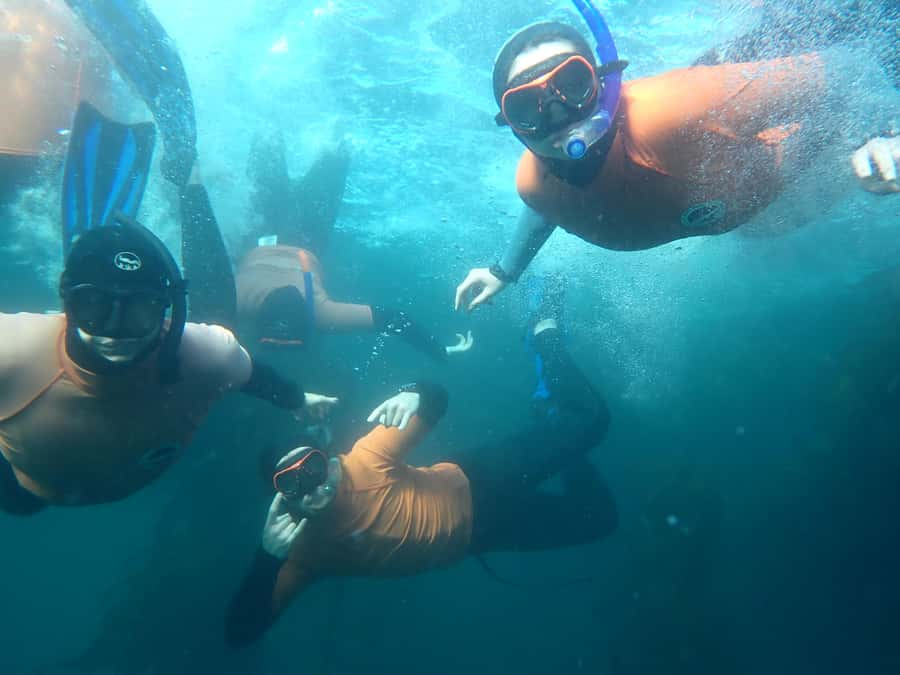
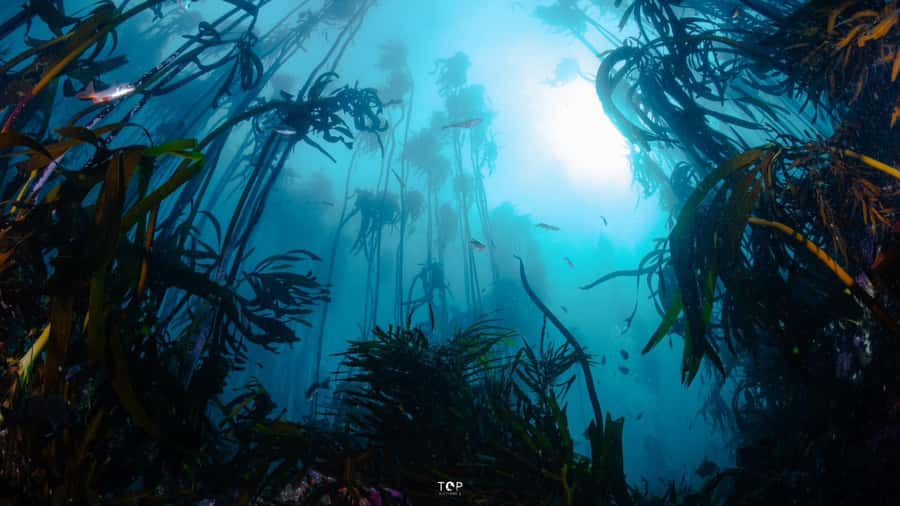
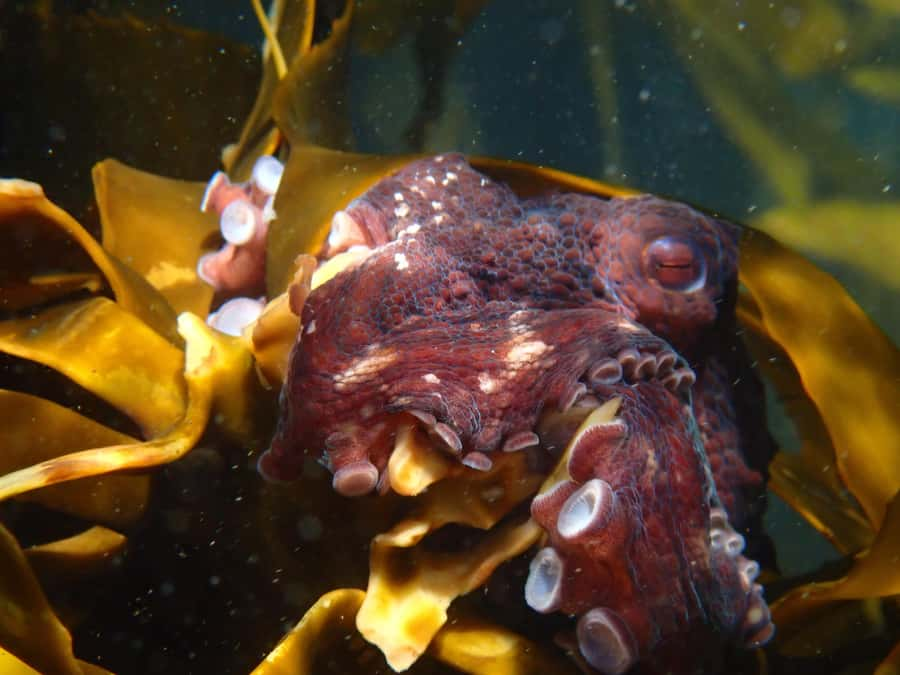
Cape Town’s Great African Sea Forest is not a coral reef with clear tropical water. It is a swaying underwater woodland, filled with kelp, sea urchins, octopi, shysharks, seastars, abalone, and other small creatures. You snorkel with a marine biologist, then help gather photo identification for shark research.
I like two things right away: the guides turn the outing into a proper lesson about False Bay, and your sightings can help real conservation work. The small groups of up to eight also make it easier to stay near your guide and get help spotting animals.
The main catch is the water and visibility. This is not the easy, warm-water snorkeling you may know from Indonesia or the Caribbean. If you stay on the surface, the kelp can hide much of the seabed, and finding the most interesting animals may require comfort in the water and some gentle breath-holding.
Key points to know before you book
- Shark research is part of the outing: You help photograph and identify a local endemic shark species, rather than simply looking at wildlife.
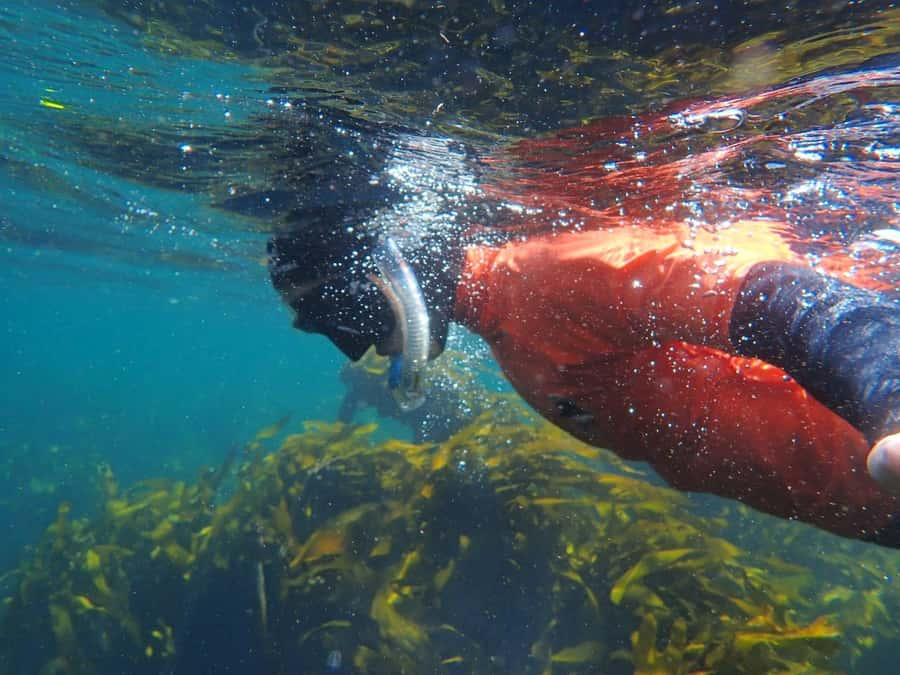
- The kelp forest is the star: Expect tall swaying kelp, not coral, with sea urchins, octopi, seastars, abalone, and small sharks.
- Marine biologists lead the tour: Guides such as Mark, Danni, and Megan explain animal behavior and conservation in plain, engaging terms.
- You get equipment and photos: A wetsuit, mask, snorkel, fins, and underwater photos are included in the $74 price.
- Plan for a two-hour experience: The outing works well as a compact Cape Town activity, though some of your time goes to briefing and gearing up.
- Water comfort matters more than fitness: You do not need a high fitness level, but you must be able to swim or feel at ease in the water.
Meeting the Cape RADD team at False Bay
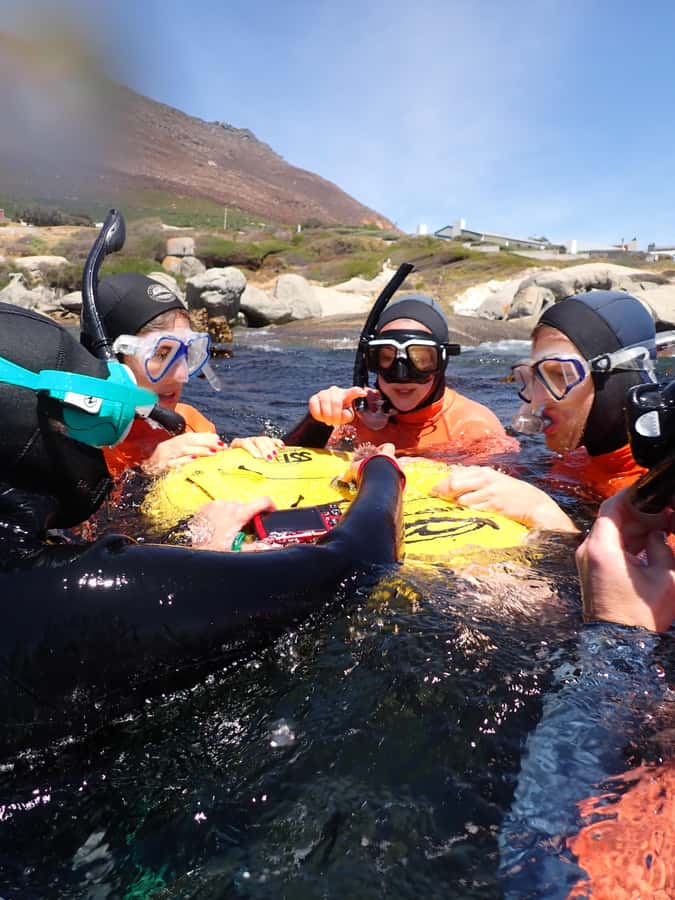
You meet inside the Cape RADD Dive Center on the shore of False Bay. The experience begins with an in-depth briefing from a marine biologist, and this is more than a quick safety talk. You learn about the Sea Forest, the animals you may encounter, and the shark project you will assist with.
That introduction gives the snorkel a useful purpose. Instead of rushing into the water and hoping something interesting appears, you know what to look for and why a particular shark matters. The guide may explain how octopi hunt, where shysharks hide, and why sea urchins sometimes wear bits of shell or other objects on their backs.
Guides named in the experience include Mark, Danni, and Megan. The important thing is not simply the name on the day, but the guide’s role as a marine scientist who can connect what you see to the larger ecosystem. The strongest part of this tour is the interpretation. A kelp frond becomes food and shelter, an urchin becomes a small animal with a clever defense, and a shark becomes an individual that can be recognized again.
Other snorkelling trips out of Cape Town:
- Hurghada: Royal Seascope Submarine Cruise with Snorkel Stop
★ 4.4 · 4,637 reviews - Hurghada: 3 Islands, Dolphins & Snorkel Yacht Trip w/ Lunch
★ 4.7 · 4,609 reviews - From Sharm: White Island and Ras Mohamed Snorkeling Trip
★ 4.7 · 3,194 reviews
Entering the Great African Sea Forest
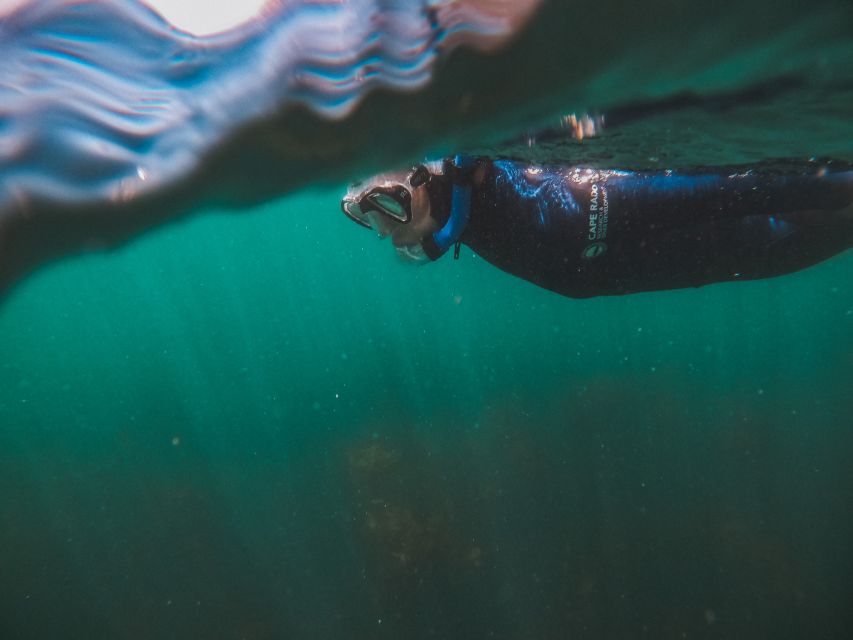
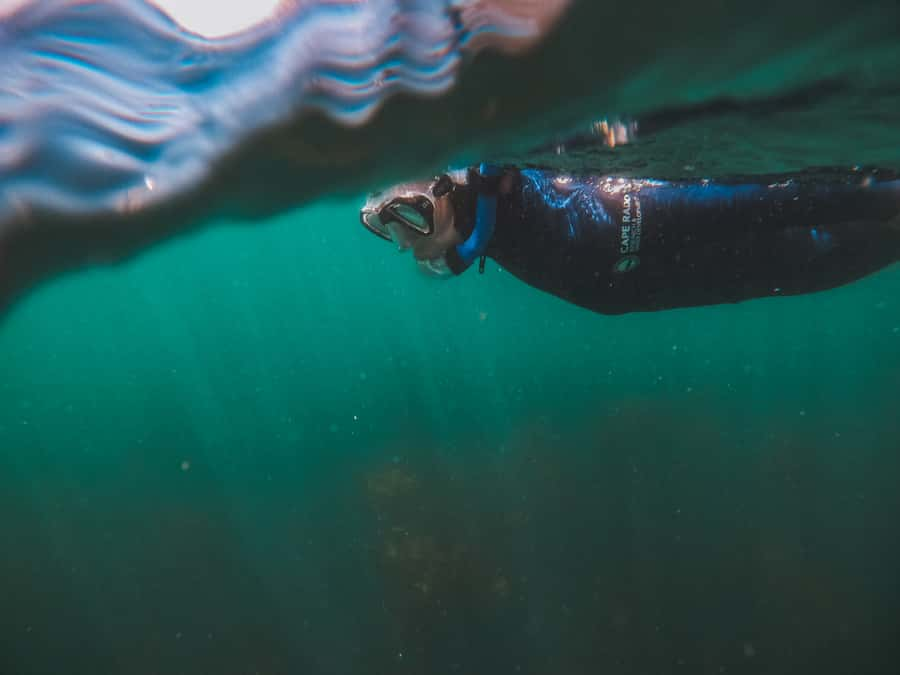
Once you are suited up, you head into the water with mask, snorkel, and fins. The kelp forest may look calm from the shore, but underwater it has movement and structure. Long strands sway around you, creating narrow paths and shaded places where animals hide.
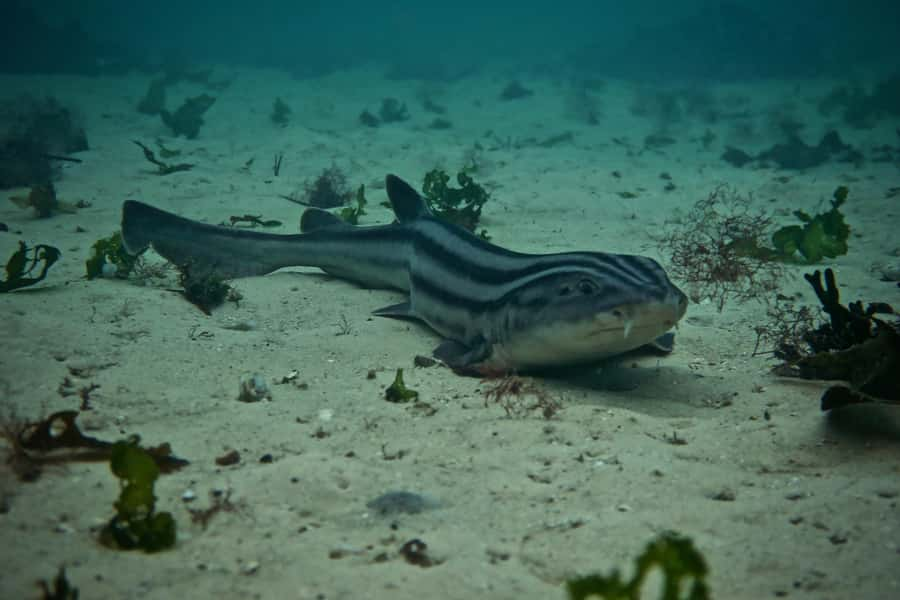
You might see little sharks, sea urchins, seastars, abalone, octopi, and other marine life. Some creatures are easy to spot once the guide points them out. Others blend into the kelp or remain tucked beneath rocks and plants, so the guide’s trained eye makes a real difference.
A small octopus can be the high point of the outing. It may sit quietly until you notice it, then change position or color as it moves. Shysharks are another special find, though you should not treat them as guaranteed. One outing produced plenty of marine life but no sharks, while another included a shark being studied by the team.
That uncertainty is part of the deal. This is wildlife watching, not an aquarium visit. The Sea Forest can give you a memorable encounter, but no guide can promise an octopus or shark on a particular morning.
What snorkeling here feels like
You should set your expectations before booking. This is a South African kelp habitat, not a tropical reef. You will not find coral gardens or consistently warm water, and the view from the surface can be limited by thick kelp.
One useful detail from the experience is that the shallow water helps you get comfortable at first. On some outings, participants later reach water around five or six meters deep and can move down along the kelp to see more of the seabed. That is not a promise for every group. Tide, conditions, and comfort levels affect where the guide takes you.
If you are happy staying at the surface, you can still enjoy the forest and its animals. But you may see less of the creatures below. If you are comfortable with short breath-holds, you may get a better look at the seabed and the hiding places the guide describes.
You do not need a high level of fitness. The key requirement is being able to swim or at least feel comfortable in the water. The guide is there to assist, and the small group makes supervision easier, but this is still an active sea outing. If kelp around your mask or fins makes you nervous, the setting may take some adjustment.
Helping with shark research
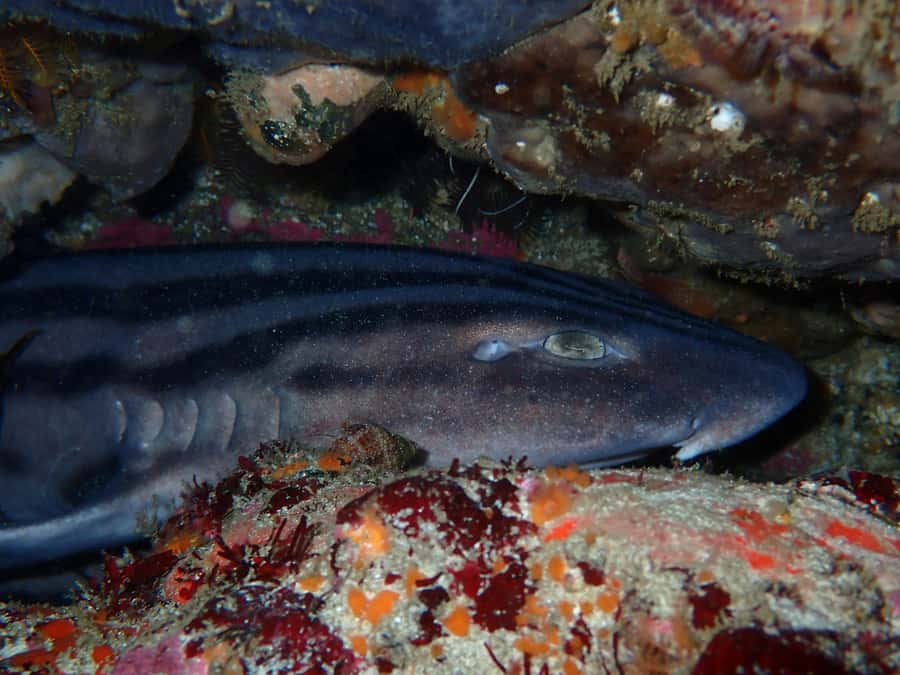
The research element gives the tour its strongest sense of purpose. During the snorkel, you help find and collect photo identification of a friendly endemic shark species. Your job is not to handle the shark. Instead, you assist by observing it and helping create a useful record.
This approach turns a brief wildlife sighting into something that can support longer-term work. A shark seen in the forest may be recognized later by its markings, helping researchers learn more about local animals and their habits.
You also receive special access to the FinSpotter app, which keeps you updated on your shark sightings. That is a nice touch for anyone who wants the experience to continue after leaving False Bay. You are also named an Ocean Ambassador in recognition of your help with marine research.
I like this aspect because it avoids the usual wildlife-tour pattern of simply taking photos and leaving. You still get the excitement of spotting an animal, but you also learn why the sighting has value. The conservation briefing before and after the water time adds substance without turning the outing into a lecture.
A few more things to do in Cape Town worth a look
- Cape Town: Robben Island Ferry Ticket and Guided Prison Tour
★ 4.1 · 1,792 reviews - Cape Town: Table Mountain Hike with an Expert Guide
★ 4.9 · 666 reviews - Cape Town: Lion’s Head Sunrise or Sunset Guided Hike
★ 5.0 · 642 reviews - Cape Town: Guided Township Tour with Hotel Pickup
★ 4.4 · 536 reviews
The guide makes the difference
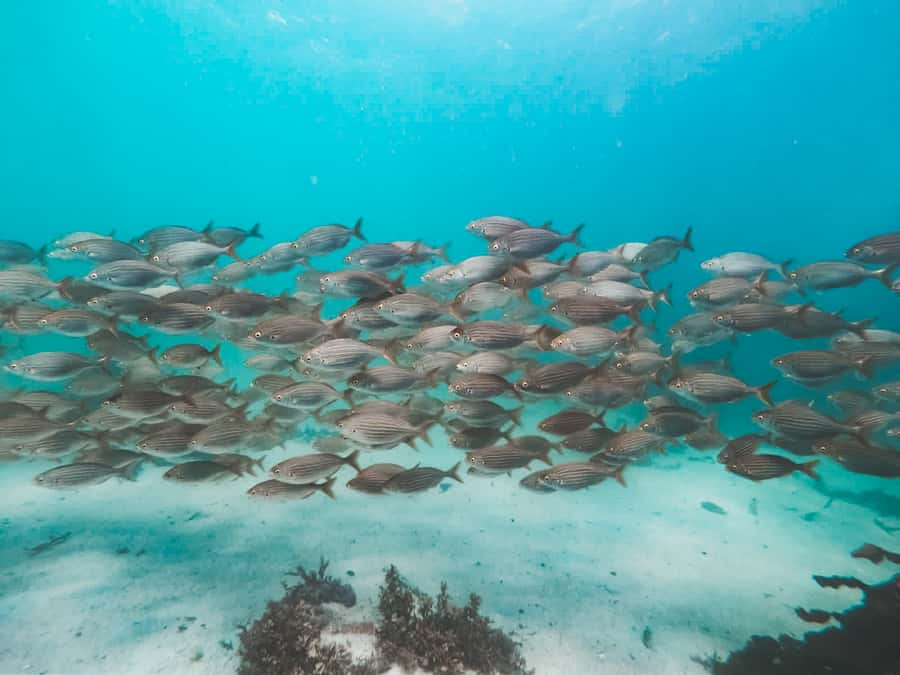
The guide is the most important part of this experience. Mark, known by the nickname Mark the Shark, has been praised for a clear introduction and careful attention to the group in the water. Danni is noted for strong knowledge of the area, and Megan has received praise for both guiding and providing photos.
You should expect the guide to point out animals you might otherwise miss. That could be a well-hidden shyshark, a small octopus, or a cluster of colorful urchins. The guide also explains the local ecology before and after the snorkel, so you gain context rather than a string of disconnected sightings.
The tour is conducted in English. If you like asking questions, this format should suit you. The guide is not just there to lead you from one point to another, but to explain how the animals fit into the Sea Forest.
The small group limit is eight people. That number matters in the water. You have a better chance of hearing instructions, staying close to the guide, and getting a clear look when someone spots a creature.
Equipment, photos, and the practical details
The $74 price includes a marine biologist guide, mask, snorkel, fins, wetsuit, photos, and the area briefing. For a two-hour experience, the cost is reasonable if you value the instruction and research component, not just time in the water.
The included wetsuit is important. False Bay is not tropical, and the water temperature can affect how long you want to stay in the sea. One person wished for another 15 minutes in the water but also recognized that colder conditions might have made a longer session less appealing.
Photos add value, especially when you are busy watching animals and managing your mask. Underwater images also give you a record of the kelp and any species you helped document. They may be the best souvenir because the forest can be difficult to describe once you are back on shore.
Bring swimwear and a towel. The activity runs in rain or shine, so weather alone should not be your reason for canceling. Sea conditions still influence what you see, and one guide may choose a different part of the forest depending on the day.
One practical detail deserves attention: an outing may include a ride in the back of a truck, and one person found the black surface hot and uncomfortable without shoes. That is not the main event, but you may want to keep footwear nearby until you need to enter the water.
Who will enjoy this most
I would choose this for someone who wants a wildlife outing with an educational side. It suits first-time kelp snorkelers who appreciate guidance, as well as experienced snorkelers who want to understand the ecosystem rather than simply pass through it.
It is also a good match for people interested in conservation. The shark identification work, FinSpotter access, and Ocean Ambassador role make the experience feel more active than a standard sightseeing trip.
You should be comfortable with a natural sea setting. Kelp can limit visibility, the seabed may be easier to see from below, and wildlife sightings change from day to day. If you need warm, crystal-clear water and guaranteed animals, this is probably not the right choice.
Children under 10 are not accepted. The activity is also not suitable for pregnant women, people with mobility impairments, or people over 95. You do not need advanced fitness, but you must be able to swim or feel calm in the water.
How the two hours are used
The two-hour duration includes the briefing, preparation, time in the Sea Forest, and the post-water conservation discussion. That means you should not expect two full hours of uninterrupted snorkeling.
I see that as a fair trade. The briefing prepares you to notice the animals, and the follow-up helps explain what your observations mean. Without that context, you might swim past the very creatures that make the forest special.
The amount of time in the water can feel short if conditions are excellent. One person wanted an extra 15 minutes, especially after reaching deeper water. Still, the compact length makes this easier to fit around other Cape Town plans.
Booking value and cancellation flexibility
At $74 per person, this is not the cheapest way to get wet in Cape Town. You are paying for a marine biologist, quality snorkeling equipment, photos, a small group, and a connection to ongoing shark research.
That package makes the price easier to justify. If you only want to float around for a while, you may find it expensive. If you want expert guidance, a chance to see local animals, and a role in conservation, the value is much stronger.
You can cancel up to 24 hours before the activity for a full refund, and you can reserve now and pay later. Those terms help when you are planning around Cape Town weather and a busy sightseeing schedule.
Should you book the Great African Sea Forest snorkel?
Book it if you want guided wildlife viewing with a purpose. The best reasons are the marine biology briefing, the small group, the chance to see octopi and shysharks, the included photos, and the shark research work.
Think twice if you dislike cold water, thick kelp, or uncertain wildlife sightings. Surface-only snorkelers may see less, and sharks are never guaranteed.
For the right person, this is one of Cape Town’s more distinctive water activities. You leave with more than a few underwater pictures. You understand the Sea Forest better, and your shark sighting may become part of a useful record.
FAQ
Where does the snorkeling tour meet?
You meet inside the Cape RADD Dive Center on the shore of False Bay in the Western Cape, South Africa.
How long does the activity last?
The experience lasts two hours, including the briefing, snorkeling, and related activity time.
How much does the experience cost?
The listed price is $74 per person.
What equipment is included?
A mask, snorkel, fins, and wetsuit are included. A marine biologist guide, photos, and an in-depth briefing are also part of the experience.
Do I need to be a strong swimmer?
You need to be able to swim or feel comfortable in the water. The activity does not require a high fitness level.
What marine animals might I see?
You might see sea urchins, octopi, shysharks, seastars, abalone, and small endemic sharks, along with other Sea Forest wildlife. Sightings vary, and sharks are not guaranteed.
Will I help with marine research?
Yes. You help find and collect photo identification of a friendly endemic shark species for ongoing research and conservation work.
What should I bring?
Bring swimwear and a towel.
Can children join the activity?
Children under 10 are not permitted. The activity is also not suitable for pregnant women, people with mobility impairments, or people over 95.
Just added in Cape Town
- Cape Town: The Cape Point Instagram Small Group Tour★ 4.4 · 122 reviews
- Cape Town: Tandem Paragliding Flight with the Experts★ 4.7 · 280 reviews
- From Cape Town: Stellenbosch Four Estate Full-Day Wine Tour★ 4.8 · 266 reviews
- Stellenbosch: Half-Day Wine Tour★ 4.7 · 601 reviews
- Cape Town: Garden Route and Addo Elephant Park 6-Day Safari★ 4.7 · 175 reviews
- From Cape Town: Glass-Bottom Boat Seal Watching Tour★ 4.4 · 147 reviews
- Cape Town: Guided Township Tour with Hotel Pickup★ 4.4 · 536 reviews
- From Cape Town: Hermanus Whale Watching Boat Trip★ 4.4 · 378 reviews
Snorkeling, compared.
Royal Seascope Submarine Cruise with Snorkel Stop
Read our review →
3 Islands, Dolphins & Snorkel Yacht Trip w/ Lunch
Read our review →
Speedboat Dolphin Watching & Snorkeling with Lunch
Read our review →
Orange Bay Island Snorkeling Trip With Water Sports – Hurghada
Read our review →
Hula Hula Cruise with Lunch, Massage, & Snorkeling
Read our review →
Dolphin Watching Boat Tour with Snorkeling & Lunch
Read our review →
Orange Bay, Snorkeling, Watersports, Lunch & Drinks
Read our review →Browse the lists this tour appears in