
Reviewed · MOROCCO · TOURS IN MARRAKECH
From Marrakech: 3-Day Mount Toubkal Climbing Trek
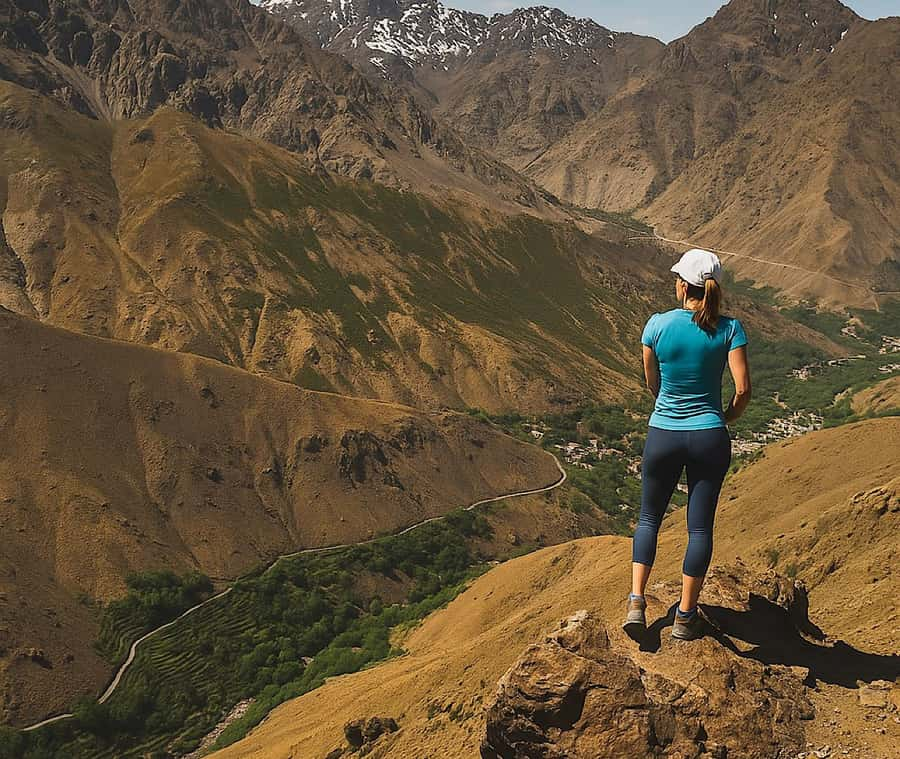
Mount Toubkal is not a technical climb, but it is a serious mountain walk. Over three days, you pass Berber villages, juniper forest, and Tamsoult Waterfalls before reaching North Africa’s highest summit at 4,167 meters. The three-day route is more rewarding than the quick two-day ascent because it forms a wider circuit and gives you more time to adjust to altitude.
I like the careful pacing from guides such as Hassan, Kamal, Mustafa, and Youssef, and I like that mules carry much of your luggage. Fresh meals, small groups, and mountain refuges add real value at $226. The catch is simple: summit day is long and tiring, with a steep descent all the way to Imlil.
Key points to know before booking
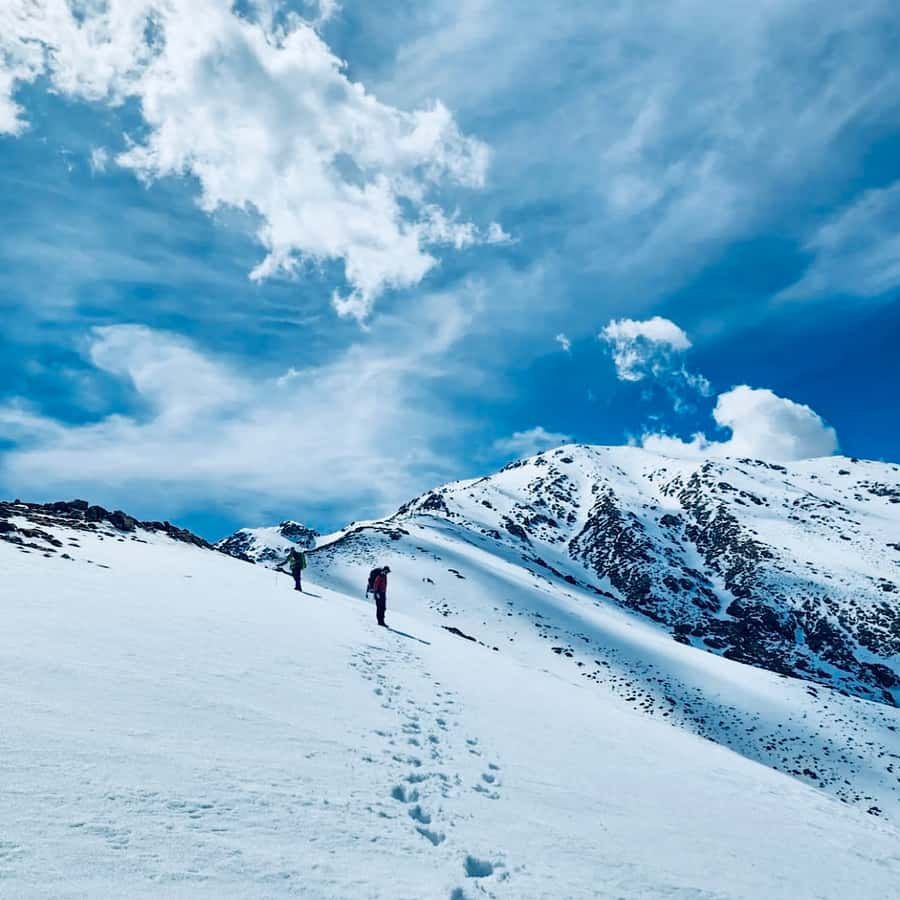
- A full three-day circuit: You see more of the Atlas Mountains than on the standard two-day out-and-back route.
- A non-technical summit: You need fitness and sure feet, but no climbing rope or advanced mountaineering skills.
- Strong guide support: Guides set a manageable pace, check on the group, and adjust plans when weather or road conditions change.
- A demanding final day: The summit climb and descent to Imlil take around 8 to 9 hours.
- Basic but useful mountain lodging: Refuges provide beds, meals, and sometimes hot showers, but bring a sleeping bag or liner, toilet paper, and soap.
- Good value at $226: Transport, guiding, mule support, accommodation, and meals are included, although gear rental and personal costs are extra.
Why the three-day route is worth your time
The standard Mount Toubkal climb can be done in two days, but that version usually follows the same route up and down. This three-day trip takes a more interesting line through the High Atlas, with an overnight stop at Tamsoult before you reach the main Toubkal refuge.
I like that change. The first day gives you waterfalls and a pass, rather than putting all the attention on the summit. You also get more time to walk through remote Berber villages and see how mountain communities fit into the valleys.
The extra day does not make Toubkal easy. It spreads the work out and gives your body more time at altitude. That matters when you later climb above 3,600 meters, then make the final push to 4,167 meters.
At $226 per person, the trip includes round-trip transport from Marrakech, a certified mountain guide, muleteers and mules for luggage, accommodation, and three breakfasts, lunches, and dinners as listed. That is a strong package for a guided mountain trip, especially since you do not need to arrange separate transport from Marrakech or hire local support in Imlil.
One small point needs checking before you pay: the published meal details include three dinners, but one booking description reportedly treated the final dinner as a listing error. Ask what is included on your exact departure, especially if you return to Marrakech late in the day.
More of the High Atlas from Marrakesh:
- Marrakech: Atlas Mountains, Ourika Valley, Waterfall & Lunch
★ 4.8 · 15,834 reviews - From Marrakech: Atlas Mountains Full-Day Hiking Trip w Lunch
★ 4.8 · 7,417 reviews - From Marrakech: Atlas Mountains Day Trip with Camel Ride
★ 4.8 · 4,709 reviews
From Marrakech to Imlil, the gateway to Toubkal
Your day starts with pickup after breakfast in Marrakech. If your accommodation is outside the Medina, wait in the hotel lobby. If you are staying in a riad on a narrow lane, the driver will contact you through WhatsApp and arrange a nearby point that a vehicle can reach.
The drive covers about 65 kilometers to Imlil. Along the way, you pass Tahanaout, Oued Ghighaya, and Asni, with views of traditional Berber villages scattered through the valleys. The drive is not just a transfer. It shows you the shift from Marrakech’s busy streets to the dry, rugged High Atlas foothills.
In Imlil, you meet your certified guide and muleteer team. The mules carry luggage that you will not need during the walking day, which means you can keep your daypack light. Pack your essential warm layers, water, snacks, camera, and rain gear where you can reach them.
Group size is limited to 14, though several departures described smaller groups of five to eight. A smaller group usually makes it easier for the guide to set a steady pace and keep everyone together. The actual guide varies by departure. Hassan, Kamal, Mustafa, Mohammed, Omar, and Youssef are among the guides assigned to recent groups.
Day one: Tizi Mzik Pass and Tamsoult Waterfalls
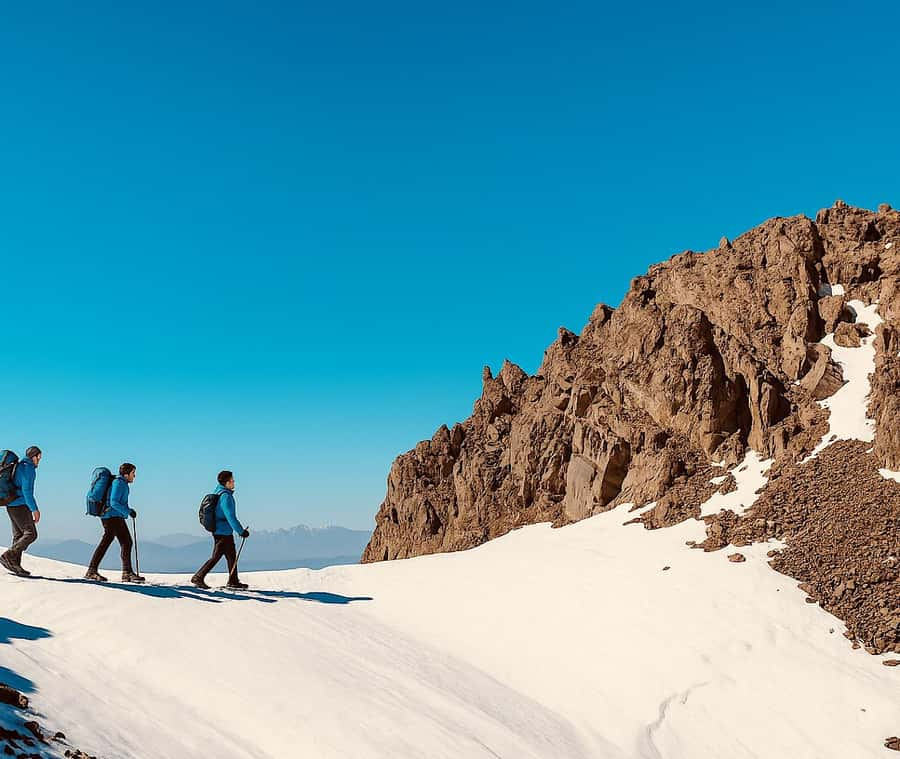
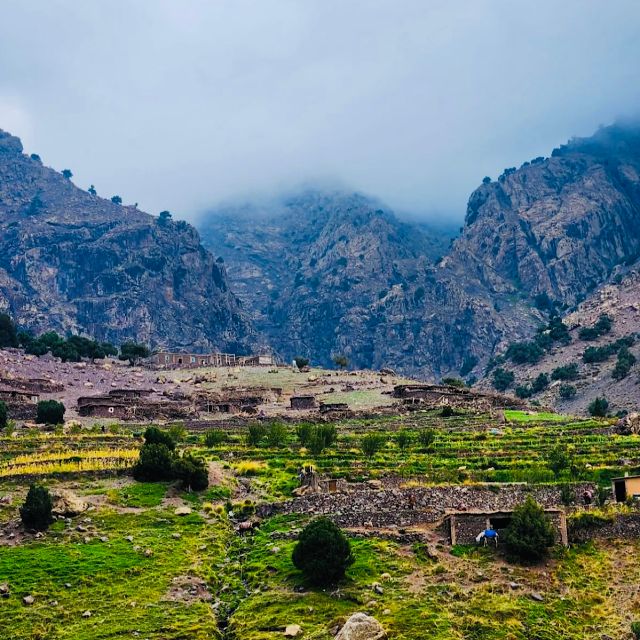
The first walking day covers about 11 kilometers, with 800 meters of ascent and 400 meters of descent. Expect five to six hours on foot.
You begin by climbing toward Tizi Mzik Pass at 2,479 meters. This is a good first test. You gain height steadily, and the pass opens up views across the Imlil Valley and toward Mount Toubkal. The route gives you an early sense of the scale of the mountains without forcing you straight into the highest elevations.
After the pass, the trail continues through juniper forest toward Tamsoult Waterfalls. At about 100 meters high, these are described as the highest waterfalls in the Atlas Mountains. The combination of trees, rocky slopes, and falling water makes this section feel quite different from the dry valleys around Marrakech.
The route is a circuit rather than a simple staircase to the summit. That variety is one of the best reasons to choose three days. You see the mountain from several angles and spend the first night away from the busiest approach to Toubkal.
You sleep at Tamsoult Refuge. Mountain accommodation is practical rather than luxurious. Expect shared sleeping arrangements and simple facilities. Some departures have had hot showers, but conditions can vary, and you should carry a sleeping bag or liner, soap, and toilet paper.
Meals are prepared for the group, often by the muleteer team or a cook traveling with the group. The food is intended to fuel long walking days, and portions are generally generous. Bring snacks anyway. Nuts, dried fruit, energy bars, and electrolyte sachets are useful when the next meal is still several hours away.
Day two: the high climb to Aguelzim Pass
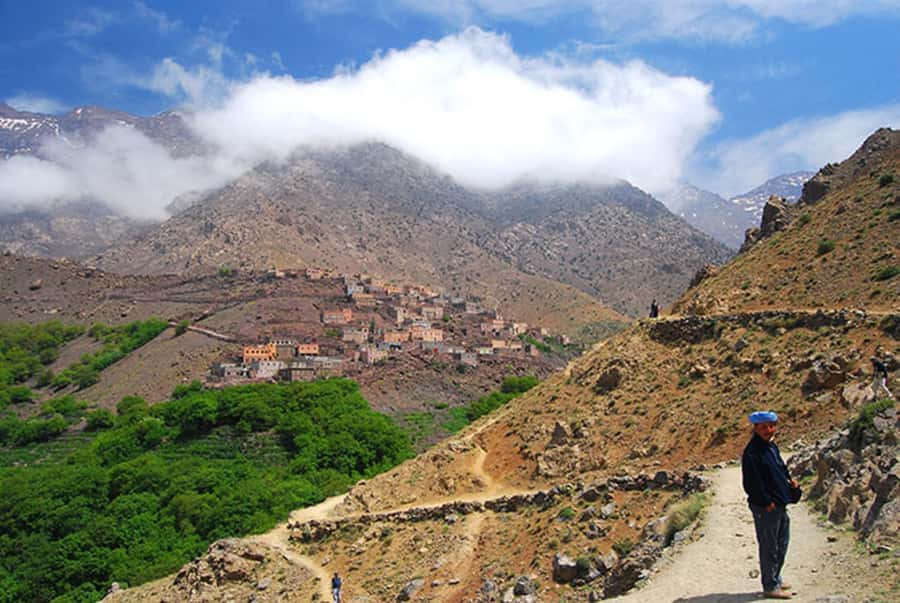
Day two is the big altitude day before the summit. You walk about 10 kilometers, gain 1,200 meters, lose 300 meters, and spend roughly six to six and a half hours on the trail.
The climb to Aguelzim Pass reaches 3,650 meters. The guide should keep the pace controlled here. You may feel fine at the start and then notice the altitude as the trail rises. A slow rhythm, regular water breaks, and honest communication with your guide matter more than speed.
From the pass, you get broad views toward the Toubkal Summit. This is also where the three-day plan earns its keep. You have already spent a night in the mountains, and you are gaining height in stages rather than rushing from Marrakech to the summit refuge.
The trail then drops toward Toubkal Refuge at 3,207 meters. The descent is welcome for tired legs, but rocky ground can make it awkward. Use shoes with a firm sole and good grip. A pair of trekking poles can help, especially if you find loose gravel difficult.
Toubkal Refuge is your base for the summit attempt. It is a basic mountain hut, not a hotel. You may find beds, blankets, meals, and sometimes a hot shower for an extra charge. Conditions can feel crowded or spare, so earplugs, a sleeping bag or liner, and warm evening clothing are sensible.
The second night is also when the altitude becomes most noticeable. High blood pressure is listed as a reason not to take this trip, and you should take that restriction seriously. If you feel unwell, tell your guide rather than trying to prove something to the group.
A few more things to do in Marrakesh worth a look
- From Marrakech: 3-Day Merzouga and Sahara Desert Tour
★ 4.9 · 15,308 reviews - From Marrakech: Merzouga 3-Day Desert Safari with Food
★ 4.7 · 12,232 reviews - Marrakech: 3-Day Merzouga Desert Experience Camel & Meals
★ 4.6 · 6,252 reviews - From Marrakech: Unforgettable 3-Day Desert Tour to Fes
★ 4.9 · 2,614 reviews
Day three: sunrise on Mount Toubkal
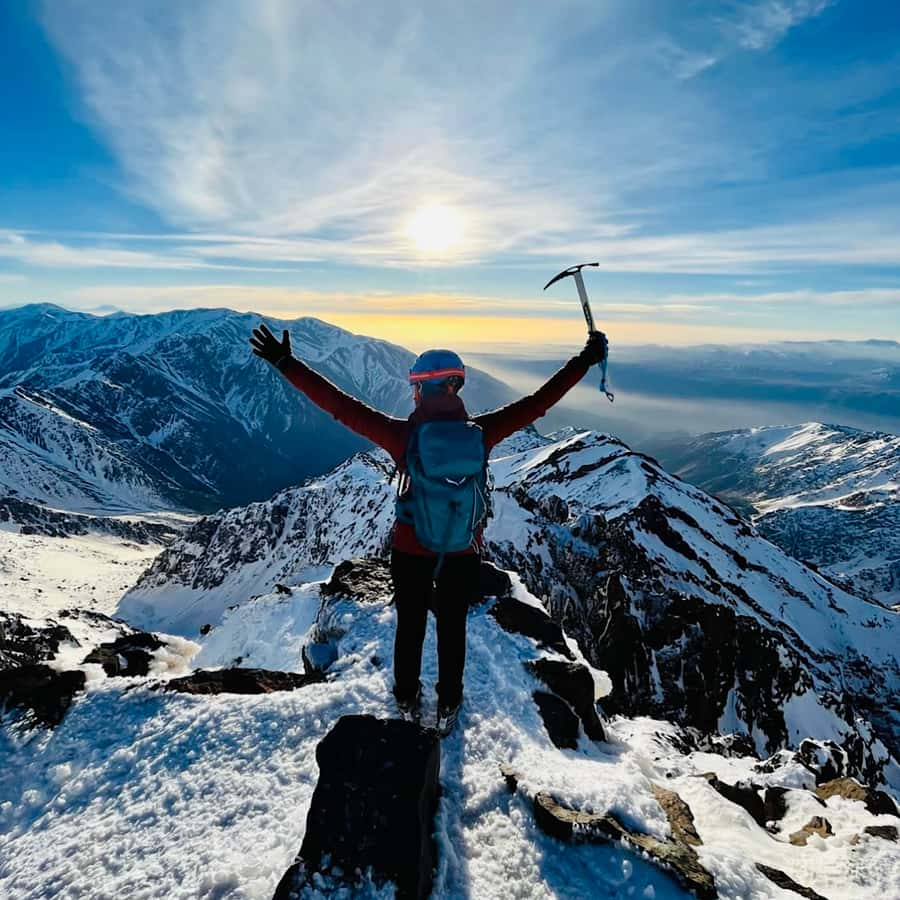
The summit day starts early, sometimes around 3:30 a.m. The goal is to reach the top near sunrise, when the light spreads across the High Atlas and the air is often clearest.
The summit section covers roughly four kilometers up and four kilometers back to the refuge, followed by the long descent to Imlil. The listed elevation gain is about 980 meters, with a total walking time of eight to nine hours. Another figure describes the full descent to Imlil as 14 kilometers, so you should prepare for a very long day on your feet.
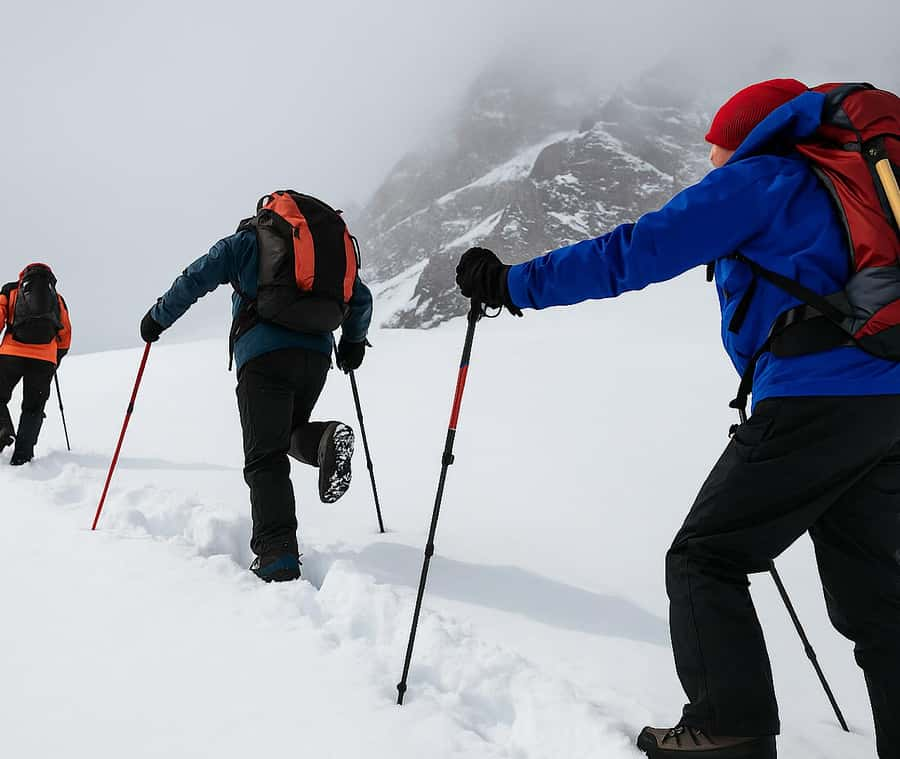
The final climb is non-technical, but it is steep, rocky, and exposed to cold. Even in warmer months, the summit can feel bitterly cold before sunrise. Bring a warm hat, gloves, jacket, and several layers. In winter or poor weather, snow and ice may change the route and the summit may not be possible.
From 4,167 meters, you can expect 360-degree views across the High Atlas. On a clear day, the Sahara Desert may appear on the horizon. The view is the reward, but the real achievement is the steady effort required to reach it.
After time at the summit, you descend to the refuge for a short break. Then you continue down toward Imlil. This final stretch is where tired legs and loose scree can cause trouble. Several guides, including Hassan and Mohammed, have been praised for watching the slower walkers closely and helping people negotiate slippery sections.
The descent is not an afterthought. It is one of the hardest parts of the trip because you have already climbed high and may have little energy left. Set a patient pace, keep your knees soft, and do not race downhill.
Guides, mules, and how the trip is run
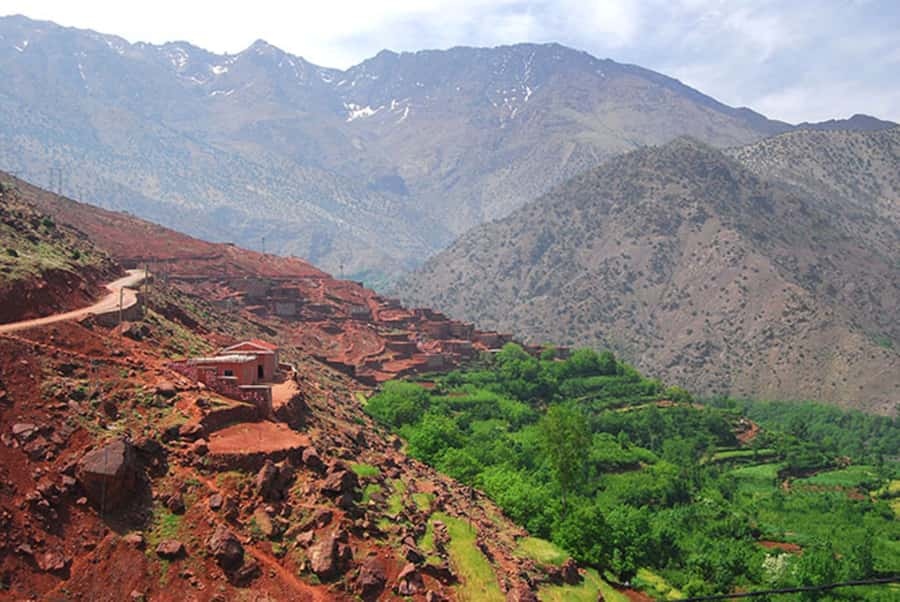
The guide is the most important part of this experience. A good guide controls the pace, explains the plan, watches for signs of altitude trouble, and adjusts the day when conditions change.
Names vary by departure, but the guide teams have included Hassan, Kamal, Mustafa, Youssef, Mohammed, Omar, and others. Kamal has been especially effective at keeping groups together and timing the summit arrival for sunrise. Hassan has helped slower walkers safely manage steep descents. Mustafa and Youssef have been praised for keeping spirits high and adapting the pace to the group.
The guide may speak Arabic, English, or French. If you want more detail about Berber culture, plants, rocks, or local life, ask directly. Some guides focus mainly on safety and route management, while others spend more time explaining the area.
Muleteers are part of the practical system that makes the trek possible. Mules carry luggage and supplies between overnight stops, while the team helps prepare meals. You should still pack light and keep your personal essentials in your daypack. Do not assume you will have access to your main bag during every section of the day.
Food and mountain refuges
Meals are included, and this is a major part of the value. Breakfast, lunch, and dinner are provided across the three days as advertised, with food prepared in mountain conditions. Previous menus have included warm, filling meals suited to long hiking days, though the exact dishes are not specified.
You should bring snacks and a refillable water container. Small amounts of local currency are useful for water, snacks, or a paid shower. Tips for the guide, muleteers, and cook are not listed in the price, so carry enough cash if you plan to tip.
The refuges are functional. They can provide beds and blankets, and some have hot showers, but cleanliness and comfort may vary. Bring toilet paper, soap, a sleeping bag or liner, earplugs, and comfortable footwear for the evening. Sandals and flip flops are listed as not allowed during the trek, but several people still recommend a separate pair of clean refuge shoes, so confirm the operator’s current rule before packing.
What to bring for the Toubkal weather
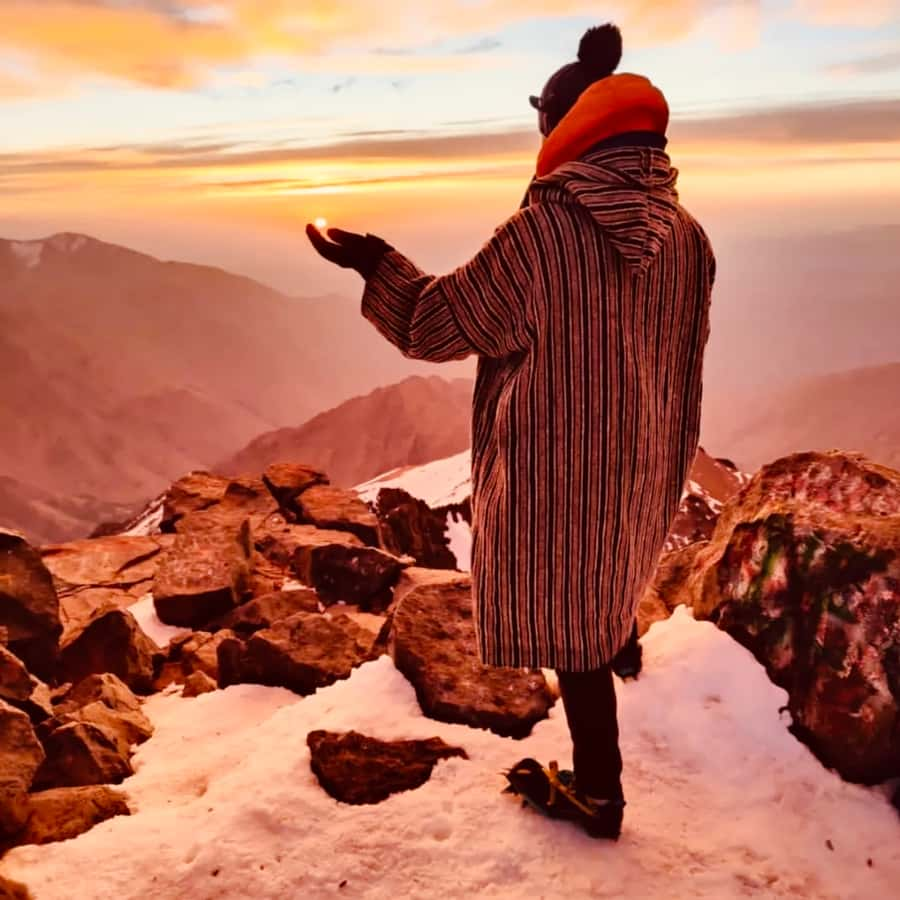
The packing list deserves more attention than it gets in the short booking description. The summit can be cold even when Marrakech is hot, and conditions can change quickly.
Pack:
- Hiking shoes with good grip
- Warm layers and a jacket
- Rain gear
- A sleeping bag or sleeping bag liner
- Headlamp for the early summit start
- Beanie and gloves
- Water and electrolyte sachets
- Snacks
- Sunscreen and sunglasses
- Toilet paper and soap
- Camera and passport
You can rent some mountain gear locally if you arrive without everything. One person who lacked equipment found rental easy, but I would still arrange this before the trek begins rather than leaving it until the last moment.
The stated restrictions exclude children under two, pregnant women, people with high blood pressure, and people over 95. More broadly, I would only book if you can manage long uphill and downhill days. You do not need technical climbing experience, but you do need a reasonable level of fitness and comfort walking on rocky trails.
Weather changes and flexible expectations
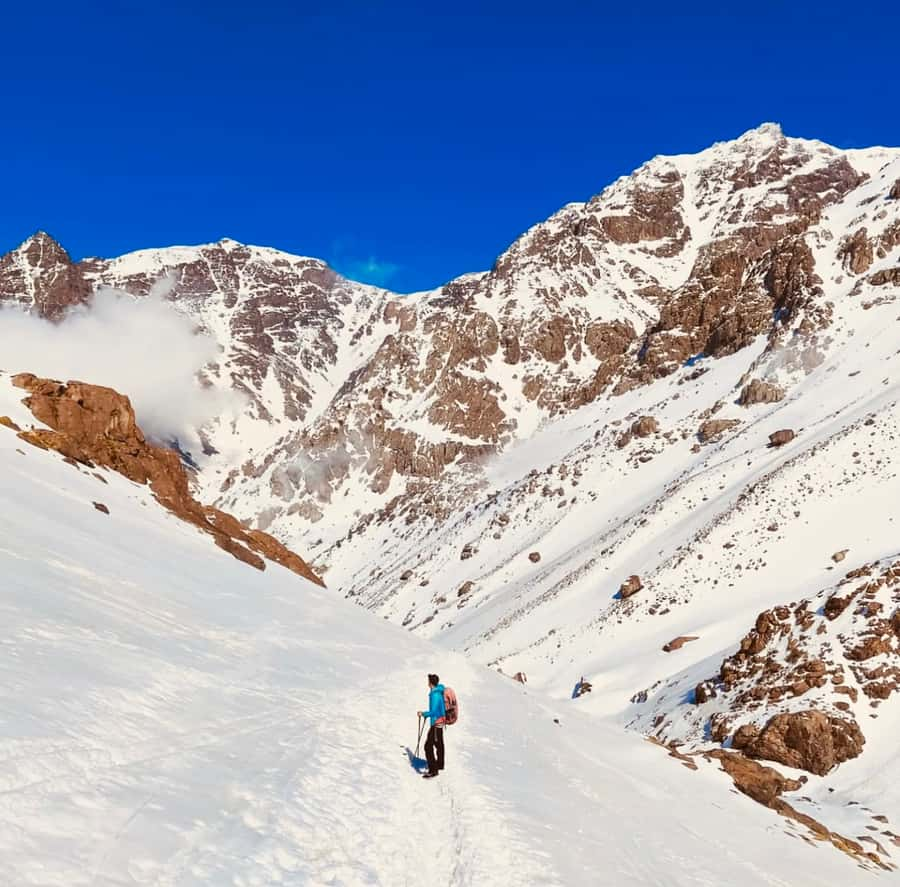
Mountain weather can overturn the plan. A storm has prevented some groups from reaching the summit, and closed roads have caused other itineraries to change. One departure became a shorter two-day trek, followed by a Berber village walk and a homestay with a hot shower and mountain views.
That flexibility is sensible. No guide can guarantee the summit in bad weather, and a safe lower route is better than forcing the climb. Still, communication matters. If the schedule changes, ask exactly where you will sleep, which meals remain included, and how you will return to Marrakech.
The activity allows cancellation up to 24 hours before departure for a full refund, and you can reserve now and pay later. Travel insurance is not included. For a high-altitude mountain trip, insurance that covers trekking and emergency care is worth considering.
Is $226 good value?
I think the price is good for what is included. You receive Marrakech transport, a local guide, mule support, accommodation, and meals. Arranging those pieces separately would take time and could cost more, especially once you add a vehicle, guide, and porter support.
The price does not include travel insurance, personal expenses, or mountain gear. You should also allow for water, snacks, showers, tips, and any equipment rental. Those costs are small beside the main fee, but they can catch you out if you arrive without local cash.
The best value comes from choosing the three-day version for the route, not simply for extra time. You see Tamsoult Waterfalls, cross two high passes, sleep at two mountain refuges, and get a more rounded view of the Atlas Mountains.
Should you book this Mount Toubkal trek?
Book it if you want a serious but non-technical mountain challenge with local support and a route that shows more than the summit trail. The three-day circuit suits fit beginners, experienced hikers, and solo visitors who like joining a small group.
I would choose it over the two-day option if you have the time. You get better acclimatization, a more varied route, and an extra night in the mountains. I would not choose it if you dislike shared refuges, early starts, cold nights, or long descents.
Pack properly, bring snacks and toilet supplies, and accept that weather may change the plan. If you can handle those conditions, this is a well-priced way to reach the highest point in North Africa while seeing a quieter and more local side of Morocco.
FAQ
How difficult is the three-day Mount Toubkal trek?
It is a demanding mountain trek, but the ascent is non-technical. You need to manage long walking days, steep climbs, altitude, rocky ground, and a particularly tiring final descent to Imlil.
What is the highest point reached on the tour?
The summit of Mount Toubkal reaches 4,167 meters, making it the highest mountain in North Africa.
Are meals and accommodation included?
Yes. The package includes three breakfasts, three lunches, and three dinners as listed, along with accommodation in a local house or mountain refuges. Confirm the final dinner arrangement before departure because the meal information has varied.
Do mules carry luggage?
Yes. Muleteers and mules carry luggage during the trek. Keep warm clothing, water, snacks, rain gear, and other essentials in your daypack.
What languages does the guide speak?
Guides may speak Arabic, English, or French. The specific guide depends on the departure.
What happens if the weather prevents the summit climb?
The route or duration may change for safety. Previous arrangements have included a shorter trek and a Berber village visit instead. The summit is weather dependent, so ask the guide for the revised plan if conditions change.
Just added in Marrakesh
- Marrakech: Tailor-Made City Tour With Your Own Private Guide★ 4.9 · 236 reviews
- Marrakech palm grove: Sunset camel ride★ 4.8 · 194 reviews
- Sparkling Marrakech through the eyes of your local Guide★ 4.7 · 247 reviews
- Small-Group Day Trip from Marrakech to Essaouira Mogador★ 4.8 · 211 reviews
- Quad biking in Agafay Desert with lunch & Camel Ride & pool★ 4.5 · 186 reviews
- Marrakech: Historical Discovery Tour★ 4.1 · 87 reviews
- Marrakech: Palm Grove Horseback Riding Tour★ 4.6 · 163 reviews
- From Marrakesh: Ouarzazate & Ait Ben Haddou Day Tour★ 4.5 · 198 reviews
Atlas Mountains Day Trips, compared.
Atlas Mountains, Ourika Valley, Waterfall & Lunch
Read our review →
Berber villages : Atlas Mountains Day Hike from Marrakech
Read our review →
Ourika Waterfalls, Atlas Mountains, Guide + Lunch
Read our review →
Atlas Mountains & Agafay Desert Tour w Camel Ride
Read our review →
Atlas Mountains, Waterfalls, Ourika Valley +Lunch
Read our review →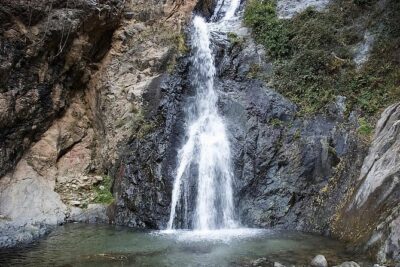
Atlas Mountains & 5 Valleys Tour from Marrakech – All inclusive –
Read our review →Browse the lists this tour appears in