
Reviewed · EGYPT · TOURS IN LUXOR
Full Day Tour of Luxor West Bank Temples and Tombs (Private)
Luxor’s West Bank is not one attraction but a huge spread of tombs, temples, workmen’s homes, and desert valleys. This private full-day tour gives you a practical way to connect the main sites without wrestling with local transport or guessing which tombs deserve your time. The Valley of the Kings is the headline stop, but Medinet Habu and Deir el-Medina may leave the sharper impression.
I like the private air-conditioned vehicle, especially after several hours in the sun, and I like having an Egyptologist to explain why these places matter instead of simply pointing at walls. The guide can also adjust the pace, allow photo time, and help you choose which three standard tombs to enter at the Valley of the Kings.
The main catch is cost clarity. The advertised price is $20 per person, but entrance tickets are not included in the basic option, and lunch is separate unless you select the package that includes it. The day is also long and busy, so you should expect an action-packed outing rather than a slow archaeological stroll.
Key points to know before you book
- Six major West Bank stops: Visit the Valley of the Kings, Hatshepsut Temple, Valley of the Queens, Deir el-Medina, Medinet Habu, and the Colossi of Memnon.
- Private guide and vehicle: Only your party takes part, with hotel pickup, return transport, and an Egyptologist guide.
- Plan for extra entry costs: Site tickets are not included in the basic price, including the standard Valley of the Kings admission.
- Medinet Habu and Deir el-Medina deserve your attention: Both are less central to the usual first-time route, yet their decoration and working-life stories are excellent.
- Lunch depends on your booking choice: A meal is included only with the Car+Guide+Entry+Lunch option.
- A full day really means a full day: Allow roughly 7 to 10 hours, with plenty of sun, walking, and standing.
Why a private West Bank day makes sense
Luxor is split by the Nile, and its major ancient sites are spread across the West Bank. You can hire transport independently, but then you must organize several stops, negotiate timing, and decide how long to spend at each site. This tour removes much of that friction.
Pickup and return at your Luxor hotel are included. You ride in a private, air-conditioned vehicle, with bottled water on board. That matters here. The West Bank can feel demanding once you have moved between several open-air sites, and a cool vehicle gives you a useful reset between visits.
The private format is the tour’s strongest practical feature. You are not tied to the pace of a large bus group. If your children need a break, if you want more time for photographs, or if one tomb interests you more than another, you can discuss that with the guide.
Several guides have received especially strong praise for clear explanations and a relaxed manner, including Sayed Gamal, Hany Yassen, Besho, Beshoy, Ahmed Emam, and Emad. Your assigned guide may be someone else, but the experience is built around an Egyptologist rather than a driver simply dropping you at the gates.
Other temple days out of Luxor:
- Hurghada: Luxor Valley of the Kings & Tutankhamun Tomb Trip
★ 4.7 · 13,208 reviews - Luxor Day Trip from Hurghada Small Group & Tutankhamun Tomb
★ 4.8 · 5,366 reviews - Luxor Day Tour: Valley of Kings & Queens & Hatchepsut Temples
★ 5.0 · 1,496 reviews
Valley of the Kings: tombs, choices, and heat
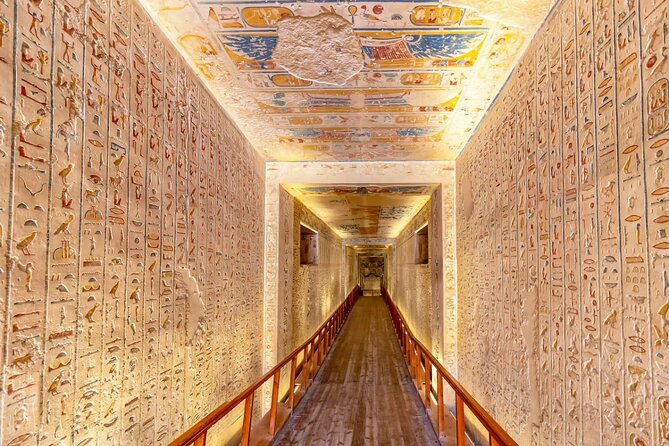
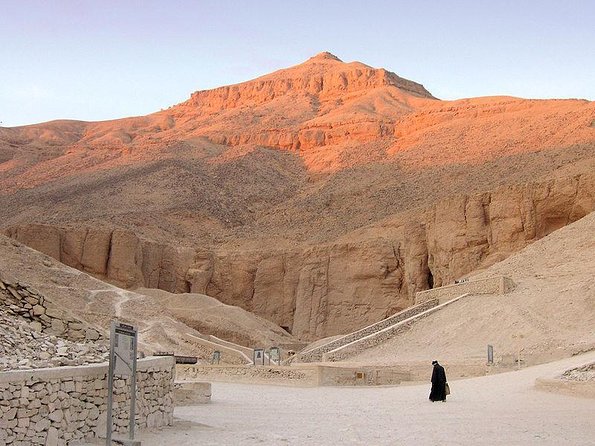
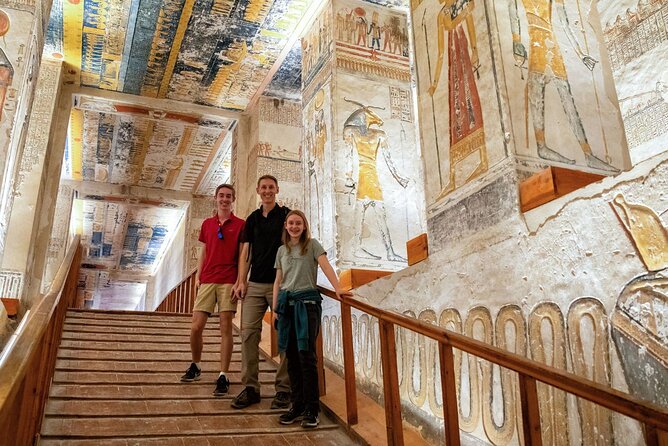
The Valley of the Kings occupies a dry wadi in the Theban Necropolis, opposite modern Luxor. Pharaohs of the New Kingdom were buried here in rock-cut tombs, and the valley remains the most famous stop on the West Bank.
You receive admission to three standard tombs under the usual Ministry of Tourism arrangement, but entrance fees are not part of the basic tour price. Some famous or specially designated tombs cost extra. The guide can help you choose, which is useful because the available tombs and opening arrangements can change.
Do not assume that the most famous name automatically gives you the best visit. A tomb’s decoration, lighting, access, and current condition all matter. Ask your guide what is open that day and which three tombs offer the strongest experience for your interests.
The valley is hot, exposed, and uneven in places. Wear shoes that handle walking and bring sun protection. You will spend much of the visit moving between the entrance area and tomb openings, then walking down into the tombs themselves. The air inside can feel cooler, but the approach is not shaded.
A good guide will explain the burial beliefs, the purpose of the painted scenes, and how the tombs fit into royal funerary practice. You should also receive time to look quietly and take photographs where allowed. Several past departures were praised for leaving room for independent exploration after the main explanation.
Hatshepsut Temple and the setting at Deir el-Bahari
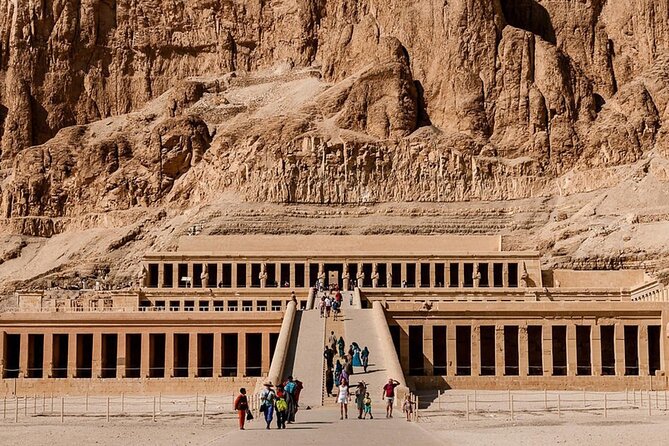
The Temple of Hatshepsut rises against the cliffs of Deir el-Bahari. Its broad terraces and strong horizontal lines look very different from the deep tomb corridors of the Valley of the Kings. The temple is about 30 meters high, and its position in a natural basin explains much of its unusual shape.
Hatshepsut ruled as pharaoh, not simply as a royal wife, and the temple reflects that public role. Your guide can help you read the reliefs and understand how the building presented her authority. The stop usually lasts about an hour, enough for the main terraces and a clear explanation without turning the visit into a marathon.
The setting is the real drama here. Pale cliffs rise behind the temple, while the open forecourt gives you broad views across the site. It is also another sunny stop, so the air-conditioned vehicle and bottled water become increasingly welcome.
One limitation is that the temple can feel more exposed and busier than the smaller sites later in the day. If you want photographs without a crowd, tell your guide. The private format makes that request easier, though it cannot control the number of other people at the monument.
Valley of the Queens and the painted tombs
The Valley of the Queens was known in ancient Egypt as Ta-Set-Neferu, or the place of beauty. It served mainly as a burial ground for queens and royal children, in contrast to the Valley of the Kings, which was used for pharaohs.
The stop is scheduled for about 90 minutes. That gives you time to understand the role of the valley and enter the tombs that are open under your admission arrangements. The decoration can be especially striking, with painted scenes that remain vivid in the enclosed spaces.
The most important practical warning concerns Queen Nefertari’s tomb. Its opening status can change, and it has been closed at times. Do not build your entire day around seeing it. Ask your guide what is available when you arrive, and check whether a special ticket is required.
This valley is a good reason to choose a guide-led tour rather than treating the West Bank as a checklist. The difference between a royal tomb, a queen’s tomb, and a workman’s tomb is easy to miss if you only see painted walls without context.
A few more things to do in Luxor worth a look
- Luxor: Shared Full-Day Tour to Luxor West and East Banks
★ 4.5 · 1,812 reviews - Full Day Tour to East and West Banks of Luxor
★ 5.0 · 1,449 reviews - Luxor : Full Day Tour to Luxor West and East Banks & Lunch
★ 5.0 · 870 reviews - Private Full-Day Luxor Highlights East and West Banks
★ 5.0 · 663 reviews
Deir el-Medina, where the tomb builders lived
Deir el-Medina was an ancient workmen’s village for the artisans who created and decorated royal tombs during the 18th to 20th Dynasties. It gives you a different view of ancient Egypt. Instead of focusing on kings and queens, you see the community that built the grand burial sites.
The scheduled visit lasts about an hour. That is enough time to explore the settlement and visit the decorated private tombs, subject to what is open. The paintings here are often smaller in scale than those in royal monuments, but they can feel more personal and detailed.
I would not skip this stop simply because it is less famous. It helps explain how the tomb system worked and puts ordinary working lives beside royal ceremony. Past guides have also pointed out that the site is often calmer than the headline monuments, which can make it easier to concentrate.
The ground is uneven and the sun is strong. You should keep water with you and avoid treating the hour as spare time to spend casually. The tour has many stops, and the schedule becomes tight if you linger too long at every site.
Medinet Habu, the day’s great surprise
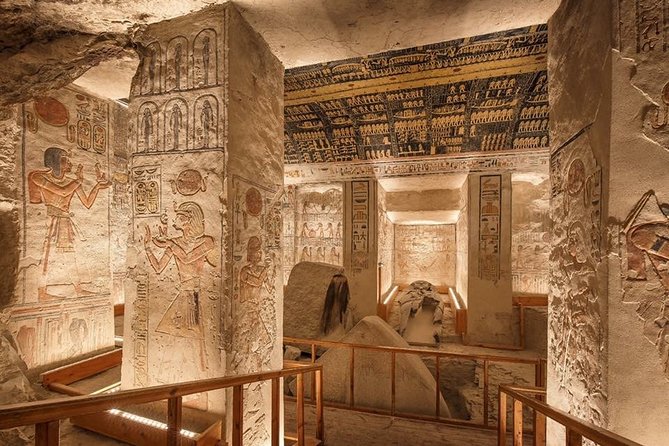
Medinet Habu is the temple of Ramesses III and one of the most rewarding stops on this route. The New Kingdom complex has large courtyards, gateways, columns, and wall reliefs. Its decoration remains impressive, and the temple often receives less attention than the Valley of the Kings or Hatshepsut.
The scheduled visit is about an hour, but this is a place where you may wish you had more time. Ask the guide to point out the battle scenes, inscriptions, and religious imagery rather than rushing through the entrance and courtyard.
Several guides have made this stop a highlight by giving visitors time to look for themselves after the main explanation. That balance is important. You need the historical outline, but you also need a few quiet minutes to notice the scale of the walls and the surviving color.
Medinet Habu is a strong argument for taking the full West Bank day instead of a shorter route that only covers the two valleys and Hatshepsut. If you have already seen several pharaonic temples on your Egypt trip, this one still earns its place because the reliefs and atmosphere differ from the better-known sites.
The Colossi of Memnon as a quick final stop
The Colossi of Memnon are two massive statues of Amenhotep III. They once stood before his mortuary temple, which was the largest complex in the Theban Necropolis. The temple itself is largely ruined, but the seated figures remain an easy and worthwhile photo stop.
The visit lasts about 10 minutes and admission is free. This is not a long guided exploration. You stop, take photographs, and hear the basic story before moving on.
That short timing works well near the end of a demanding day. You get one last major monument without adding another long walk or enclosed tomb. If you want more time for close inspection, say so, but do not expect the Colossi to function as a full archaeological visit.
Lunch, shopping, and the real price
The $20 starting price looks very low for a private vehicle and Egyptologist, but you need to read the package choice carefully. Entrance fees to all listed sites are excluded from the basic arrangement. Lunch is also excluded unless you choose the Car+Guide+Entry+Lunch option.
This does not make the tour poor value. It simply means the headline price is not the final cost for most people. Add the site tickets, any special tomb fees, and lunch if needed before comparing this with other private West Bank tours.
A local restaurant lunch may be available with the appropriate option, and past departures have described generous Egyptian meals. If lunch is not included in your selection, ask clearly what is planned before the day begins.
You should also be clear about optional stops. One past departure felt uncomfortable about a shop stop that seemed expected, even though buying was not required. Another package included an extra dinner and a trip to Banana Island for an added $30. These extras are not part of the stated core itinerary, so confirm that you want them before agreeing to additional charges.
Airport pickup costs an additional $10. Hotel pickup in Luxor and the return transfer are included.
Timing, comfort, and who should take this tour
The tour lasts about 7 to 10 hours. That range is wide because the pace can depend on hotel pickup, site conditions, ticket lines, lunch, and how much time you request at each monument.
The day suits you if you want to see most of the West Bank in one outing and prefer private transport. It is also a good fit for families, since guides can allow time for photos and adjust explanations. One family-oriented departure was praised for giving children room to take pictures while the guide continued to explain the sites clearly.
It may not suit you if you want a quiet, slow day at one or two monuments. Six listed stops require movement, and each site brings more walking and sun. You should also be comfortable with an early start or a long day, depending on the pickup time arranged for your booking.
Wear light clothing, firm walking shoes, and sun protection. Keep some cash available for tickets, optional tombs, lunch if excluded, and tips. Tipping is optional, but you may want to budget for it if the guide and driver provide the attentive service this private format promises.
Free cancellation is available up to 24 hours before the start time. Changes made within 24 hours are not accepted, and poor weather can lead to a new date or a full refund.
Should you book this West Bank tour?
I would choose this tour if you want the broadest useful introduction to Luxor’s West Bank in a single day. The private vehicle, hotel transfers, Egyptologist, and flexible pacing offer real value, especially for a small group that would otherwise arrange several separate rides.
The strongest version of the day includes time at Medinet Habu and Deir el-Medina, not just the famous valleys. Before paying, confirm your exact package, total entry costs, lunch arrangements, and any special tomb fees. If you accept those details and can handle a long, sunny day, this is a practical and well-priced way to see the West Bank properly.
FAQ
How long does the tour last?
The tour takes approximately 7 to 10 hours, depending on the day’s timing and the amount of time spent at each site.
Is hotel pickup included?
Yes. Pickup from your Luxor hotel and return transportation are included. Airport pickup costs an additional $10.
Are entrance tickets included?
Entrance fees are not included in the basic tour price. The standard Valley of the Kings arrangement includes admission to three tombs according to Ministry of Tourism instructions, while some tombs may require an extra ticket.
Is lunch included?
Lunch is included only when you choose the Car+Guide+Entry+Lunch option. It is not included in the basic package.
Is this a private tour?
Yes. Only your group participates, and transfers are provided in a private air-conditioned vehicle.
Can the tour be cancelled for a full refund?
You can cancel up to 24 hours before the experience starts for a full refund. Cancellations or changes made less than 24 hours before the start time are not refunded or accepted.
Just added in Luxor
- From Luxor: 3-Day Nile Cruise to Aswan with Private Guide★ 4.2 · 147 reviews
- Marsa Alam: Valley of the Kings & Karnak Temples Luxor Tour★ 4.6 · 177 reviews
- Luxor: West Bank Kings and Queens All-Inclusive Tour & Lunch★ 4.5 · 298 reviews
- Luxor: West and East Banks All-Inclusive Tour & Balloon Ride★ 4.5 · 415 reviews
- Luxor: Private Full-Day Luxor Highlights Tour with Pickup★ 4.6 · 312 reviews
- Luxor: Hot Air Balloon Ride Over Temple of Hatshepsut★ 4.8 · 185 reviews
- Luxor: Quad Bike Safari Experience★ 4.0 · 110 reviews
- Luxor: Valley of the Kings and Queens Guided Tour with Lunch★ 4.5 · 337 reviews
Valley of the Kings & Luxor Temples, compared.
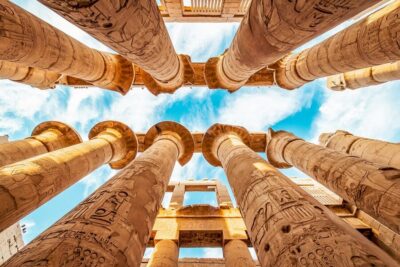
Luxor Valley of the Kings & Tutankhamun Tomb Trip
Read our review →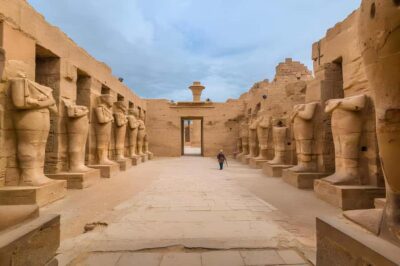
Luxor Day Trip from Hurghada Small Group & Tutankhamun Tomb
Read our review →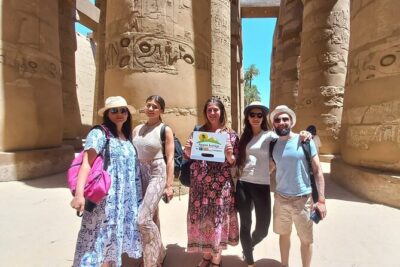
Small group Hurghada to Luxor, Valley of the Kings by Van
Read our review →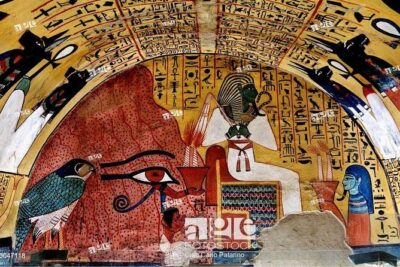
Luxor Day Tour: Valley of Kings & Queens & Hatchepsut Temples
Read our review →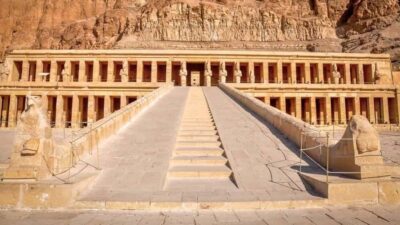
Valley of the Kings and Hatshepsut Temple Day Tour
Read our review →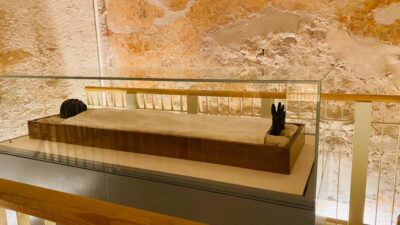
Luxor Tour with Valley of Kings, Karnak & Tut Tomb
Read our review →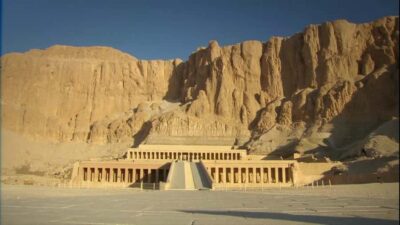
Luxor Highlights & King Tut Tomb Tour with Lunch
Read our review →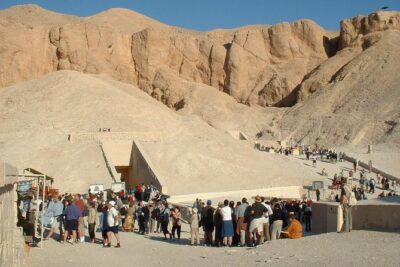
Valley of Kings, Hatchepsut Temple ,Karnak & Luxor-DayTour
Read our review →Browse the lists this tour appears in