
Reviewed · EGYPT · TOURS IN LUXOR
Private Full-Day Luxor Highlights East and West Banks
The best thing about this Luxor tour is its range. In one long day, you move from the painted burial chambers of the Valley of the Kings to the giant columns of Karnak, with Hatshepsut’s temple, the Colossi of Memnon, and Luxor Temple filling in the middle.
I like the private format, since guides such as Mahamoud, Ameen, Hassan, Ragab, Khalid, and Abdul have been praised for explaining clearly and leaving time for photos. I also like the included hotel transport and lunch. The main catch is that all entrance fees are extra, and the day can include a stone shop stop that some people find uncomfortable.
Key points at a glance
- Four royal tombs are included in the Valley of the Kings visit, with an optional extra ticket for Tutankhamun’s tomb.
- Private guiding makes a crowded, complex day easier to follow, especially at Karnak and inside the tombs.
- Both banks of the Nile are covered in about eight hours, with hotel pickup and drop-off in Luxor.
- Lunch is included, and some guides use a local restaurant on the West Bank.
- Entrance tickets are not included, so budget separately for the Valley of the Kings, temples, and King Tut’s tomb.
- The pace is flexible enough for photos and questions, but the itinerary is ambitious and involves heat, walking, and several ancient sites.
One day, two sides of ancient Luxor
Luxor works best when you understand the basic split. The East Bank was the side of temples, ceremony, and daily life. The West Bank was the side of tombs and mortuary temples, where ancient rulers prepared for the next world.
This private tour gives you both in one circuit. You start at your hotel at about 8:00 a.m., ride in an air-conditioned vehicle with a driver and Egyptologist guide, and spend the day crossing between the major sights.
The published duration is about eight hours, with roughly seven hours of guided touring. That is enough time to see the headline monuments, but not enough for slow, museum-style visits at every stop. I would think of this as a strong first look at Luxor rather than a relaxed archaeological study day.
The private setup matters. You are not tied to a large group’s questions, bathroom breaks, or photo habits. A good guide can explain the main points, then let you look around at your own speed. Several guides associated with this tour, including Ragab, Hamdee, Hassan, and Abdul, have been praised for doing exactly that.
A few more things to do in Luxor worth a look
- Luxor: Shared Full-Day Tour to Luxor West and East Banks
★ 4.5 · 1,812 reviews - Full Day Tour to East and West Banks of Luxor
★ 5.0 · 1,449 reviews - Luxor : Full Day Tour to Luxor West and East Banks & Lunch
★ 5.0 · 870 reviews
The Valley of the Kings: start with the tombs
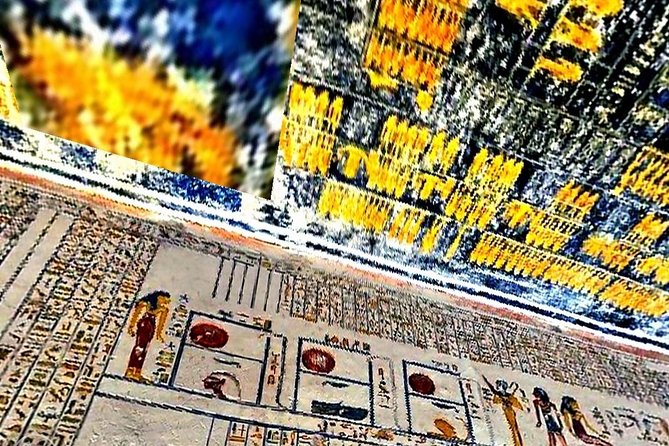
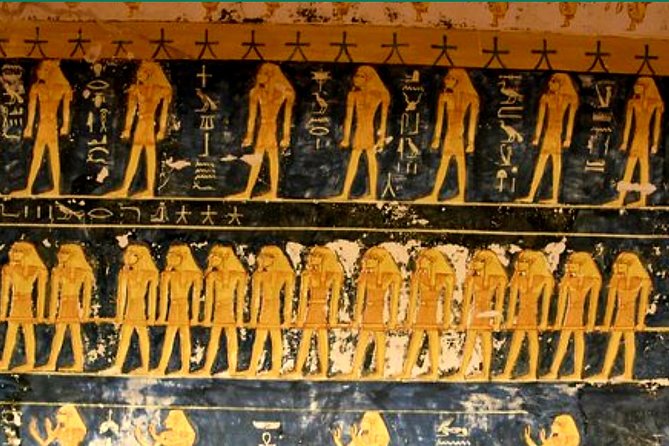
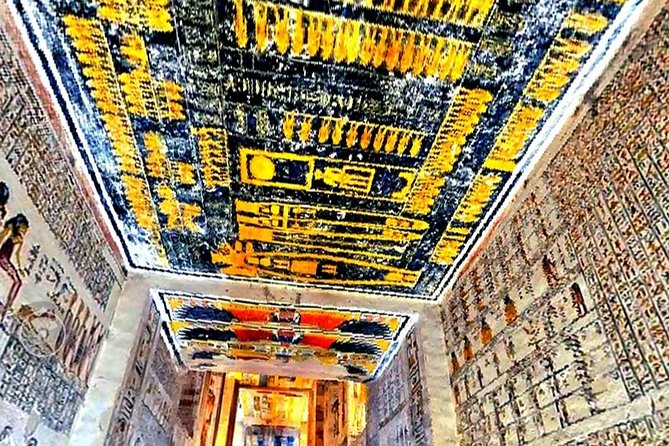
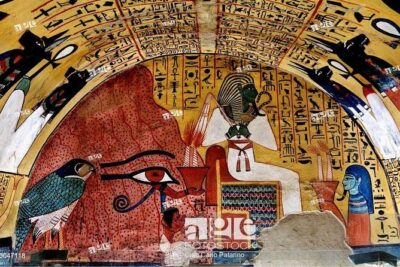
The day begins on the West Bank at the Valley of the Kings, the burial ground of New Kingdom pharaohs. The dry setting can look severe, but the real spectacle is underground, where narrow corridors open into rooms covered with painted religious texts, gods, stars, and scenes connected to the afterlife.
The tour includes four royal tombs. The specific program highlights the tombs of Ramesses III, Merneptah, and Ramesses IV, with additional references to Ramesses VI and Ramesses IX in the wider plan. The exact combination can depend on which tombs are open and how the guide organizes the visit, so confirm the day’s selection when you meet your guide.
Ramesses IV’s tomb is a particularly good choice. Its walls carry scenes from several funerary books, and the burial chamber has a rose-colored granite sarcophagus. The ceiling image of Nut, the sky goddess, shows the sun passing through her body before being reborn. This is the kind of detail that can disappear if you walk through without a guide.
Ramesses III’s tomb is also rewarding. Its decoration includes the Litany of Ra and the Book of Gates, along with unusual side chambers showing foreign goods, boats, weapons, pottery, and blind harpists. The tomb is sometimes called the Tomb of the Harpers because of those scenes.
Merneptah was the son of Ramesses II, and his tomb has a different feel. The corridors and chambers are unusually tall, while the number of side rooms is reduced. It was discovered by Howard Carter in 1903, years before his better-known work on Tutankhamun’s tomb.
You should expect heat outside, uneven ground, and stairs inside the tombs. The underground rooms are not all the same, and walking from one entrance to another takes effort. Wear shoes with a firm sole, carry water, and save some energy for Karnak later.
King Tut’s tomb requires an extra ticket
The optional visit to Tutankhamun’s tomb is one of the tour’s most recognizable add-ons. The extra entrance fee is listed as 300 Egyptian pounds, and it is not included in the tour price.
The tomb is smaller than many visitors expect, but it contains the mummy of the young king. Tutankhamun came to the throne at about age ten and died at nineteen, which gives the visit a human edge beyond the fame of the gold mask and treasure.
You get about 15 minutes for this stop. That is enough to see the burial chamber and mummy, but not a long, unhurried visit. I would add it if you want the personal connection of seeing the burial place itself. If your main interest is wall decoration, the larger tombs of Ramesses III or IV may give you more to study.
Your guide can help with tickets, which is useful since entrance fees are paid separately. Still, ask for the total cost of each optional visit before handing over money, and keep small purchases and extras clear.
Hatshepsut’s temple and the Colossi of Memnon
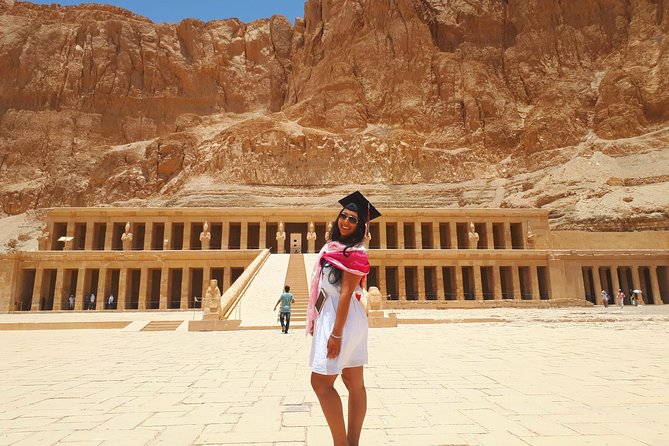
After the tombs, the route moves to the mortuary temple of Hatshepsut at Deir el Bahari. Its terraces rise against the cliffs, giving the site a strong sense of design and place.
Hatshepsut ruled Egypt as pharaoh, an unusual position for a woman in ancient Egypt. She was also an ancestor of Tutankhamun. Her temple helps connect the political story of the New Kingdom with the royal tombs you have just seen.
Allow about an hour here. The site is broad and exposed, so the sun can be tiring. Your guide’s explanation is most useful when it points out how the terraces, ramps, reliefs, and mountain setting fit together rather than simply listing names and dates.
The Colossi of Memnon comes next, usually as a short photo stop of about ten minutes. These two huge statues once guarded the approach to the mortuary temple of Amenhotep III. They date to his reign and are among Egypt’s most recognizable monuments.
This is not a long visit, and that is fine. The statues work well as a brief stop between larger sites. If you prefer extended time at every monument, this full-day program may feel quick. If you want to cover the essential West Bank without spending an entire day at one temple, the short visit is practical.
The broader West Bank plan also lists places such as the Tombs of the Nobles, Al Asasif, Carter House, the temple of Merneptah, the Temple of Ramesses II, the mortuary temple of Seti I, and several additional royal tombs. These names appear in the overall route information, but not all are assigned a separate visit time. Ask your guide which sites are actually included that day.
Same base, a different sort of day:
- Hurghada: Luxor Valley of the Kings & Tutankhamun Tomb Trip
★ 4.7 · 13,208 reviews - Luxor Day Trip from Hurghada Small Group & Tutankhamun Tomb
★ 4.8 · 5,366 reviews - Hot Air Balloon Ride in Luxor Egypt with Transfers Included
★ 5.0 · 4,319 reviews - Luxor: Hot Air Balloon Ride over Luxor Relics
★ 4.8 · 1,681 reviews
Lunch on the West Bank
Lunch is included, which makes a difference on a long sightseeing day. One reported arrangement is a local restaurant on the West Bank, giving you a meal away from the main monuments and a chance to see a more ordinary side of Luxor.
The quality of the meal can vary by taste. One account praised the lunch, while another found it basic. I would treat it as a useful included break, not the reason to book the tour.
The stop also gives you a chance to tell your guide what you still want to see. On a private tour, this is the moment to ask for a slower meal, more time for photos, or a shorter visit to a less important stop if the heat is wearing you down.
One guest also described an unexpected boat ride across the Nile after lunch. It is not listed as a guaranteed part of the experience, so do not count on it, but the river crossing can be a pleasant addition when available.
Karnak: allow time for the great columns
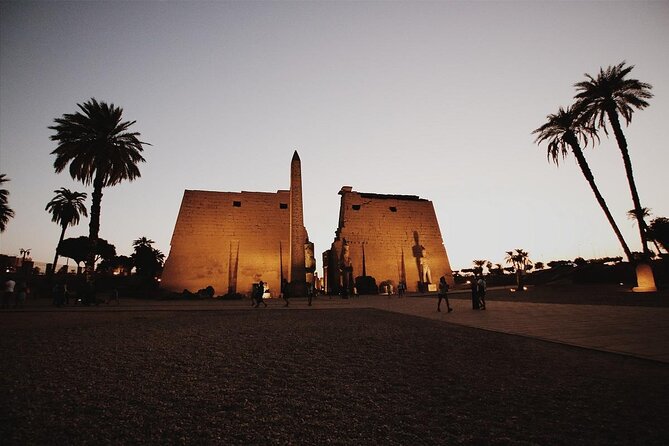
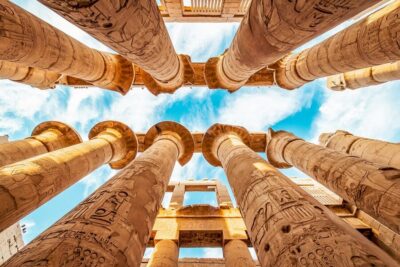
The East Bank portion begins with Karnak, the largest and most complex temple area on the route. It was built and expanded by different rulers over many centuries, so it feels less like one building and more like a huge religious district.
The Hypostyle Hall is the star. Its 134 massive columns create a forest of stone, many still marked with carved and painted decoration. Your guide can explain how the hall functioned and help you read the scenes instead of treating it as a backdrop for quick photos.
The route also includes the Avenue of Sphinxes, obelisks linked to Hatshepsut and Thutmose I, the Temple of Amun, the Sacred Lake, and the granite scarab associated with Amenhotep III. Some of these are short sub-stops within the Karnak visit rather than separate attractions.
The itinerary allows about an hour for Karnak, while another entry gives two hours for the Temple of Amun section. That difference reflects how the day may be arranged. Karnak deserves as much time as you can spare, so tell your guide if you would rather linger here than make every minor stop.
The obelisk of Hatshepsut and the obelisk of Thutmose I are worth more than a passing glance. Their height and precision show how much engineering went into the temple complex, while the carved inscriptions tie the monuments to royal power.
Karnak can also be the point where the day catches up with you. The site is large, the sun is strong, and there is a lot to absorb. Drink water and do not feel obliged to photograph every column. Pick a few details and let your guide put them in context.
Luxor Temple and the Avenue of Sphinxes
Luxor Temple offers a different mood from Karnak. It is more compact and easier to grasp as a single ceremonial space, though it was also changed by several rulers.
The temple is dedicated to the Theban triad of Amun-Ra, Mut, and Khonsu. You will see monumental statues of Ramesses II, along with columns, courtyards, and the famous obelisk at the entrance.
The Avenue of Sphinxes once linked Luxor Temple and Karnak for about three kilometers. Only part of the route is open for viewing, but the remaining section helps you picture how the two temple centers were connected.
The tour allows about an hour at Luxor Temple and roughly 15 minutes for the avenue. The temple is often especially effective later in the day, when the stone takes on warmer tones, though the schedule and local conditions decide when you arrive.
A short stop at the obelisk of Thutmose I is also included in the route details. As with the other brief Karnak entries, it is best understood as part of the larger temple visit rather than a separate excursion.
What the private format really adds
A private guide is not just a way to avoid strangers in your vehicle. It changes how you use the sites.
At the tombs, you can ask why one ceiling shows Nut, why the decoration in Ramesses III’s tomb includes everyday objects, or how Merneptah fits into the Ramesside family. At Karnak, you can stop your guide when the names and dynasties start to blur.
The strongest praise for this experience centers on guides who explain first, then give you free time. Hassan has been described as witty and clear, Ameen as passionate and professional, and Khalid as able to answer a wide range of questions about ancient Egypt. Abdul has also been praised for being good with children and for sharing insight into restoration work.
That said, your experience depends heavily on the guide assigned. The names above are examples, not a promise that you will receive one particular person. The useful thing is to tell your guide early how much detail you want and how much time you need for photographs.
Price, entrance fees, and possible shopping stops
At $65 per person, the tour is good value if you want private transport, a guide, lunch, and a full route across both banks. Booking a car and an Egyptologist separately could cost more, and you would need to coordinate the day yourself.
The price does not cover entrance fees. You may also pay extra for Tutankhamun’s tomb, listed at 300 Egyptian pounds. Since the route includes several major sites, the final cost can be noticeably higher than the advertised tour price.
You should also know about the possibility of a stone shop stop. One account described feeling pressured to buy small stone figures and being unhappy with unclear pricing. This is the clearest warning attached to the experience.
You can protect your day by stating plainly that you do not want shopping stops, or that you will browse without buying. If a stop is included, ask about prices before agreeing to anything. A private tour should give you room to set that boundary.
Transport has generally been described as clean and punctual, with air-conditioned vehicles and careful drivers. One complaint cited a vehicle without air conditioning, while the provider said the passengers had asked for fresh air instead. Conditions can vary, so confirm the vehicle and tell the team your preference at pickup.
Who should book this Luxor day tour?
I would choose this tour if you have only one full day in Luxor and want to cover the famous sites without arranging transport, tickets, lunch, and guiding on your own.
It also suits families and couples who want to ask questions freely, adjust the pace, and avoid a large group. The private format has been especially useful for people who prefer clear explanations without being rushed from one stop to the next.
It is less ideal if you want long, quiet visits at every tomb or temple. The route covers a lot, and eight hours goes quickly. If you are staying several days in Luxor, you might prefer separate East Bank and West Bank days, giving Karnak and the Valley of the Kings more room.
There is also an optional hot-air-balloon experience before the tour. It is not included, and I would only add it if you are comfortable with a very early start and a long sightseeing day afterward.
Should you book it?
Book this private Luxor tour if your priority is seeing the major East and West Bank sights in one organized day, with a guide who can make the inscriptions, tombs, and royal families easier to understand.
Before paying, ask for the expected entrance-fee total, confirm which Valley of the Kings tombs are open, and request no shopping stop if that matters to you. With those points settled, the $65 base price offers a practical way to see Luxor’s main monuments, especially for a first visit or a short stay.
FAQ
How long does the Luxor highlights tour last?
The experience lasts about eight hours, with roughly seven hours of guided touring. Pickup begins at about 8:00 a.m.
Is hotel pickup included?
Yes. Pickup and drop-off are provided at hotels in Luxor.
Are entrance tickets included in the price?
No. All entrance fees are paid separately. Tutankhamun’s tomb is optional and is listed at 300 Egyptian pounds.
Which main sites are covered?
The route covers the Valley of the Kings, Hatshepsut’s temple, the Colossi of Memnon, Karnak, Luxor Temple, the Avenue of Sphinxes, and several obelisks and temple sections.
Is lunch included?
Yes. Lunch is included in the tour price.
Is this a private tour?
Yes. Only your own group participates, with a private Egyptologist guide and transport by air-conditioned vehicle.
Just added in Luxor
- From Luxor: 3-Day Nile Cruise to Aswan with Private Guide★ 4.2 · 147 reviews
- Marsa Alam: Valley of the Kings & Karnak Temples Luxor Tour★ 4.6 · 177 reviews
- Luxor: West Bank Kings and Queens All-Inclusive Tour & Lunch★ 4.5 · 298 reviews
- Luxor: West and East Banks All-Inclusive Tour & Balloon Ride★ 4.5 · 415 reviews
- Luxor: Private Full-Day Luxor Highlights Tour with Pickup★ 4.6 · 312 reviews
- Luxor: Hot Air Balloon Ride Over Temple of Hatshepsut★ 4.8 · 185 reviews
- Luxor: West & East Banks & Tut’s Tomb Private Full-Day Tour★ 4.8 · 173 reviews
- Luxor: Quad Bike Safari Experience★ 4.0 · 110 reviews
Tours in Luxor, compared.
Luxor Valley of the Kings & Tutankhamun Tomb Trip
Read our review →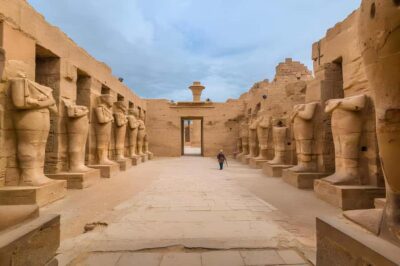
Luxor Day Trip from Hurghada Small Group & Tutankhamun Tomb
Read our review →
Hot Air Balloon Ride in Luxor Egypt with Transfers Included
Read our review →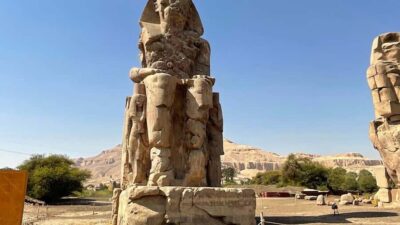
Shared Full-Day Tour to Luxor West and East Banks
Read our review →
Luxor Day Tour: Valley of Kings & Queens & Hatchepsut Temples
Read our review →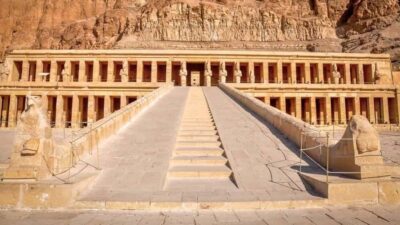
Valley of the Kings and Hatshepsut Temple Day Tour
Read our review →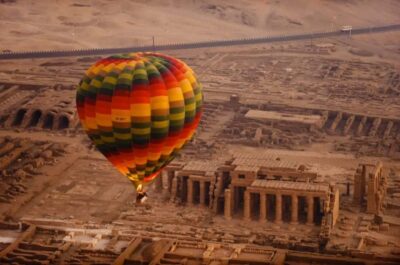
2-Day Luxor Tour with Hotel, Balloon, & Boat Ride
Read our review →Browse the lists this tour appears in