Reviewed · TOURS IN CAPE VERDE
Santiago: Landscapes, Street Art, and Markets Day Trip
Santiago reveals itself best outside Praia, where farming villages, mountain roads, market stalls, and fishing beaches tell a fuller story. I like the small group of up to eight and the mix of scenery and daily life, especially the Assomada market and fresh coconut stop. You also get a full two hours at Tarrafal Beach, not just a quick photo.
The trade-off is a long day in a vehicle, with several short stops rather than long walks. Lunch and drinks cost extra, and the mountain section can feel rushed if you want serious hiking. Still, guides such as Alex, José, Bravo, and Antonio add humor, music, history, and local context that make the drive worthwhile.
Key points at a glance

- Assomada on market days: Wednesdays and Saturdays bring the best chance to see colorful produce stalls and street sellers.
- Serra Malagueta at 800 meters: Stop for broad views over Santiago’s green interior and strong photo opportunities.
- Two hours at Tarrafal Beach: Swim, relax, watch fishermen, or arrange grilled fish and seafood through the guide.
- A different route home: The east coast drive adds fishing villages, Atlantic views, and a quieter side of the island.
- Local encounters along the road: Look for fruit sellers near Pedra Badejo and try fresh coconut water.
- Useful for short stays: One day connects Praia with the island’s main northern sights without requiring a rental car.
Why this is a smart way to see Santiago

Santiago is Cape Verde’s largest island, and its character changes quickly as you leave Praia. The dry capital gives way to cultivated hills, small villages, steep mountain roads, and the more relaxed coastal life around Tarrafal.
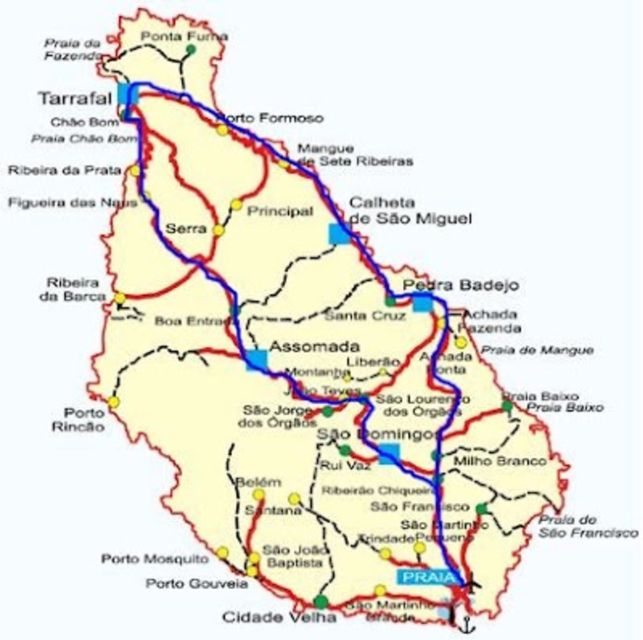
This eight-hour trip gives you a broad first look rather than a single deep visit. You see the market center of Assomada, the high country of Serra Malagueta, the beach at Tarrafal, and the agricultural area around Pedra Badejo. For you, the value lies in the connections between these places. The guide explains how farming, fishing, trade, and colonial history shape everyday life.
The small-group format matters. With no more than eight participants, stops can feel more flexible than on a large coach trip. Past guides have included Alex, José, Bravo, Antonio, Gualter, and Manuel. The strongest guide experiences combine clear historical explanations with simple pleasures: tasting Fogo coffee and Cape Verdean rum, hearing local music, trying a traditional instrument, learning dance steps, or playing a typical game.
The tour is also useful if you have only a couple of days in Praia. You cover a great deal of ground without having to arrange a car, navigate unfamiliar roads, or work out where to stop for lunch.
A few more things to do in Cape Verde worth a look
- Cape Town: Street Art Walking Tour in Woodstock
★ 4.8 · 293 reviews - Johannesburg: Maboneng Street Art & Culture Tour
★ 4.9 · 257 reviews - Johannesburg: Street Art and Culture in Maboneng!
★ 4.8 · 107 reviews
Leaving Praia for Picos and Mount N’gulilansa
Pickup is available from listed hotels in Praia and from the cruise terminal. Once the vehicle leaves the city, the route heads inland through Santiago’s central hills. Your guide uses the drive to explain the island’s history and describe how people make a living today.
The first named stop is Picos, a small farming village. Agriculture remains central here, and the visit gives you a useful contrast with Praia’s urban setting. Do not expect a large attraction with formal facilities. This is a short roadside look at rural Santiago, where the setting and the guide’s explanation provide the interest.
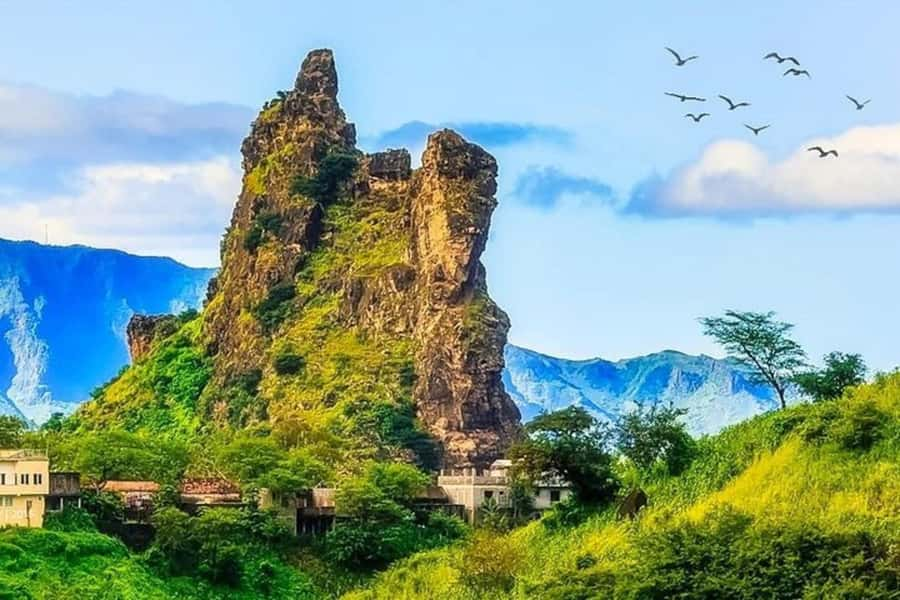
The visual focus is Mount N’gulilansa, a striking rock formation said to resemble an unusual animal. It is regarded as one of Santiago’s seven natural wonders and is an important symbol for the island. Have your camera ready, but also listen to the local meaning attached to the formation. Small details like this help turn a scenic drive into a sense of place.
Road conditions and traffic can affect timing, so the exact length of this stop may vary. If you want extensive walking, this section will not satisfy you. If you want an easy introduction to Santiago’s rural side, it works well.
Assomada Market and the island’s everyday trade

Assomada is Santiago’s second-largest city and its main commercial center. The town feels practical rather than polished, which is exactly why it is valuable on this trip. You see where people shop, sell produce, meet one another, and move goods around the island.
The market visit lasts about 30 minutes. On Wednesdays and Saturdays, the vegetable market is at its most appealing, with colorful produce and plenty of local activity. If your timing does not match those days, your guide may still take you through the pedestrian street, point out street vendors, or show you the central church.
This is one of the stops where a guide makes a real difference. Antonio, for example, has used his language skills and knowledge of local plants to explain what you are seeing. You may learn more from a quick explanation of a fruit, herb, or vegetable than from a long formal talk.
You should keep the time limit in mind. Thirty minutes is enough to sample the market and take photographs, but not enough for a slow shopping trip or an extended wander. If you want to buy something, ask the guide about prices and the best way to pay before you start browsing.
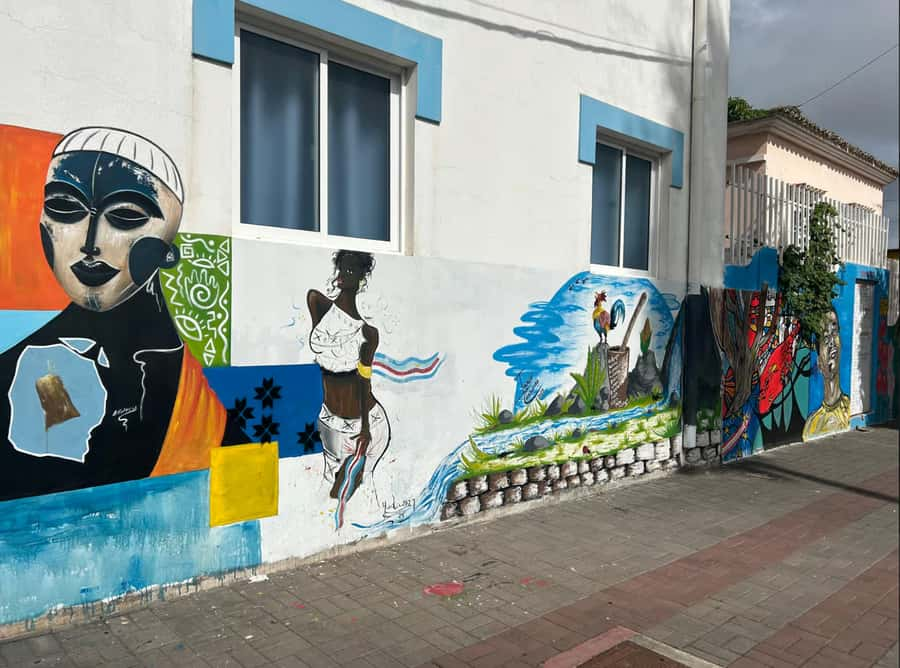
Assomada also has street art and an easygoing pedestrian area. These details add color to the town and help balance the natural viewpoints later in the day.
Serra Malagueta at 800 meters
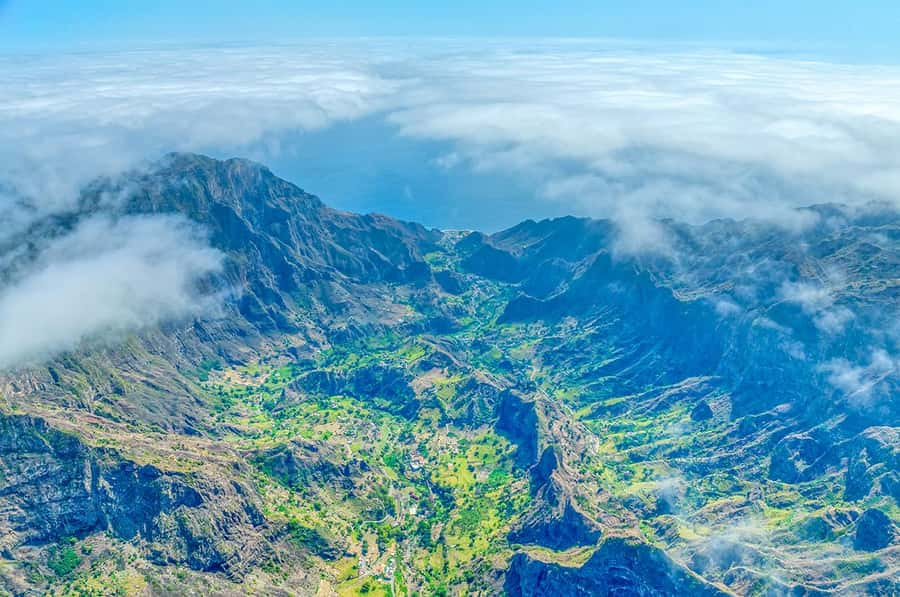
The road climbs toward Serra Malagueta Natural Park, one of the strongest scenery stops on the route. At roughly 800 meters above sea level, the park offers wide views across Santiago’s hills and cultivated interior.
The planned stop is short, around 10 minutes, so think of it as a viewpoint rather than a hike. You can get out, stretch your legs, take photographs, and hear about the area before continuing. On a clear day, the changing shapes of the hills make this one of the best places for photography.
The timing is the main limitation. The tour gives you a taste of the park, not a walking excursion through it. If you are choosing this trip because you want a serious nature outing, look for a dedicated hike instead. If you want to see the park without giving up Tarrafal and the coast, this brief visit is a sensible compromise.
Bring water and sun protection. The road journey and high viewpoint can make the day feel tiring, especially during warmer months.
Same base, a different sort of day:
- Sal: Island Experience Tour with a Certified Local Guide
★ 4.8 · 3,249 reviews - Sal: All-Inclusive Salt Lake, Blue Eye and Shark Bay Tour
★ 4.7 · 2,033 reviews - Experience on Sal Island with native and certified guide (including sharks)
★ 5.0 · 1,166 reviews - From Sal Island: Blu eye, Salt lake, Lemon Sharks & Palmeira
★ 4.6 · 1,003 reviews
Tarrafal Beach gives the day its breathing room
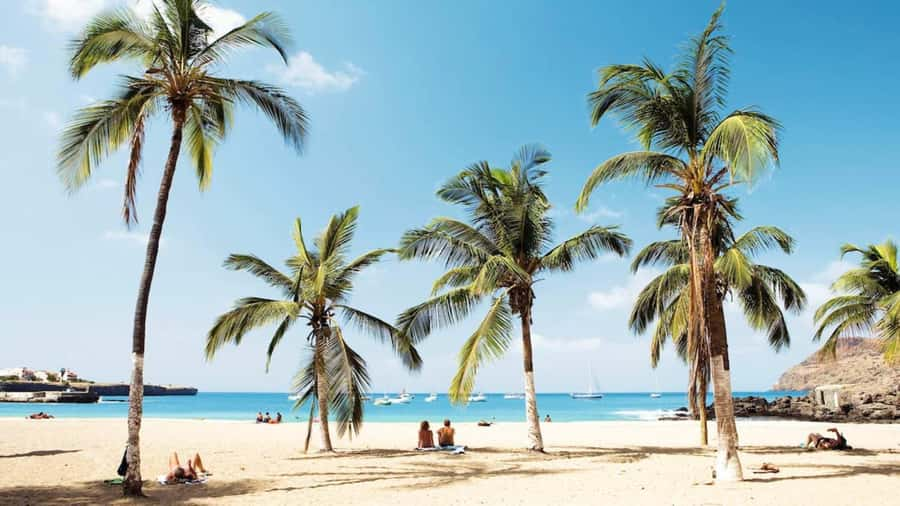
Tarrafal is the longest stop, with about two hours of free time. This is where the pace relaxes. You can swim, sit on the white sand, watch fishing boats and fishermen returning from the sea, or have lunch near the beach.
Lunch is not included, but the guide can help arrange it. Fresh seafood and grilled fish are the natural choices, and several people have enjoyed the suggested meal location. You might also order a passion fruit and lemon caipirinha at a beach bar, though drinks are always at your own cost.
The two-hour break is long enough to make the trip feel like a day out rather than a succession of roadside stops. You have time to enjoy the beach without watching the clock every few minutes. Bring swimwear and a towel, since swimming is part of the planned experience.
Tarrafal is also a good place to decide how active you want to be. You can stay by the water, take photographs, or simply enjoy lunch. There is no required group activity during this free period.
One point to watch: the tour does not include food or drinks, so budget for them separately. Ask the guide early about lunch timing. This helps you avoid losing beach time while trying to find somewhere to eat.
The east coast route brings a different Santiago
The return journey does not simply retrace the outward road. Instead, the vehicle follows Santiago’s wild east coast, passing small fishing villages between the mountains and the Atlantic Ocean.
This is one of the tour’s most useful design choices. You get a more rounded view of the island, with coastal scenery that many short visits miss. The stops are mainly for photographs and scenic views, so you will spend most of this section in the vehicle. Still, the changing scenery helps break up the ride.
Calheta de São Miguel is listed as a photo stop, with around 10 minutes for views. It adds another coastal perspective and gives you a chance to stretch. The drive can be just as interesting as the formal stops, since your guide can point out villages, farming areas, and features along the coast.
This part of the day will suit you if you enjoy looking out the window and asking questions. It may feel slow if you prefer constant activity. The tour covers a large portion of Santiago, and that means some road time is unavoidable.
Pedra Badejo and fresh coconut water

Near Pedra Badejo, the route passes the island’s largest banana and coconut plantations. The area gives you a closer look at Santiago’s agricultural economy and the crops that supply local communities.
There is a 15-minute photo stop, and you may meet fruit sellers along the way. Fresh coconut water is a simple but memorable part of the day. It is a chance to buy something directly from a local seller and try the fruit at its freshest.
The stop may also include banana and papaya plantations. These are not arranged as a formal farm tour, so do not expect a long agricultural presentation. Their value comes from seeing the fields beside the road and understanding how different the island looks once irrigation and cultivation become more visible.
Keep some small spending money available if you want to buy coconut water or fruit. Drinks are not part of the $70 tour price.
What the $70 price really covers
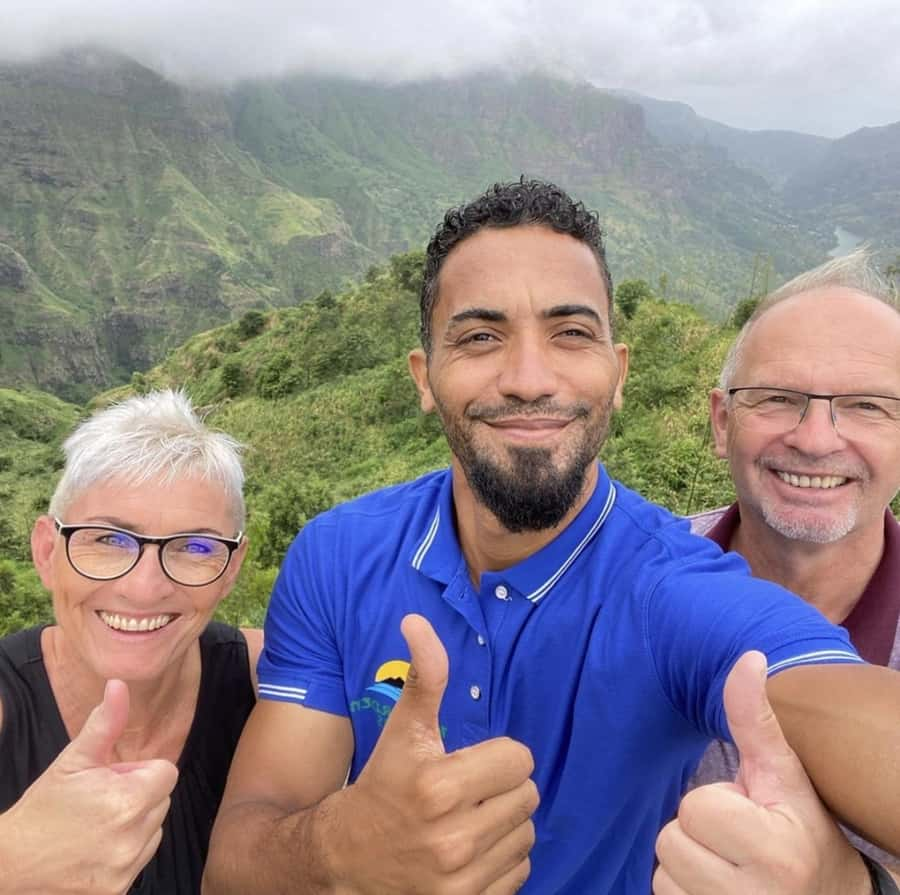
At $70 per person, the main value is transport, route planning, and access to a multilingual guide for a full day. The price includes hotel or cruise terminal pickup and drop-off, transportation, a certified guide, and liability insurance.
That is useful on Santiago, where the points of interest are spread across the island. Renting a car could give you independence, but you would need to manage mountain roads, timing, parking, and meal planning yourself. This trip removes those chores and still keeps the group small.
The price does not cover lunch or drinks. Add those costs before booking, especially if you plan to order seafood and a beach drink in Tarrafal. The tour is strongest value for cruise passengers, first-time visitors, and people staying briefly in Praia.
It is less suitable if you want private touring, long walks, or complete control over every stop. The route is broad and efficient, but the schedule has to serve the whole group.
Guides, languages, and the human side of the day
The guide can speak German, English, French, Italian, Portuguese, or Spanish. That range is helpful if your preferred language is not English, though the exact guide assigned depends on the day.
Names that have received especially strong praise include Alex, José, Bravo, Antonio, and Gualter. Their styles differ, but the best parts of the experience come from the same approach: answer questions, explain local life plainly, and make room for spontaneous stops when time allows.
Bravo has brought local music, dancing, a traditional instrument, a typical game, Fogo coffee, Cape Verdean rum, and fresh coconut into the day. José has been appreciated for his warmth and island knowledge. Alex is known for handling several languages while explaining the country’s culture. These details are not guaranteed on every departure, but they show how much the guide can shape the experience.
Some groups have also been shown an old Portuguese concentration camp, an extra historical stop not promised in the standard route. Treat this as a possible addition rather than something to plan around.
Who should book this Santiago day trip?
I would choose this tour if you want a broad introduction to Santiago in one day. It is especially helpful for:
- Cruise passengers with limited time
- People staying in Praia for only a few days
- First-time visitors who do not want to rent a car
- Couples and small groups who want scenery, culture, and swimming
- Anyone interested in local food, farming, fishing, and markets
You should think twice if your main goal is hiking in Serra Malagueta. The viewpoint stop is short, and the tour focuses on seeing many parts of the island rather than walking deeply in one area.
You should also be comfortable with a long driving day. The reward is variety: village life in Picos, trade in Assomada, mountain views, beach time, coastal villages, and plantations. The cost is less time at each individual place.
Bring a sun hat, water, swimwear, and a towel. Wear shoes that are comfortable for short walks through town and around viewpoints. Flexible plans help, since traffic, market timing, and group preferences can affect the schedule.
Free cancellation is available up to 24 hours before departure, and you can reserve without paying immediately. Confirm your pickup point if your hotel is not on the listed schedule, using WhatsApp as requested by the operator.
Should you book it?
Book this tour if you want Santiago in broad strokes, with enough local contact to make the scenery meaningful. The strongest reasons are the small group, the two hours at Tarrafal, the market stop, and the return route along the east coast.
Skip it if you want a private vehicle, a dedicated hike, or a slow day in one town. For most people with limited time in Praia, though, $70 is a fair price for the distance covered and the planning removed from your hands. Bring extra money for lunch and drinks, and you will have a well-rounded day on Santiago.
FAQ
How long does the Santiago day trip last?
The advertised duration is eight hours. Some departures may take longer depending on road conditions, stops, and the pace of the group.
Where does pickup take place?
Pickup is available from listed hotels in Praia and from the cruise terminal. If your hotel is not listed, contact the provider by WhatsApp to confirm arrangements.
What languages can the guide speak?
Guides may provide the tour in German, English, French, Italian, Portuguese, or Spanish.
Is lunch included?
No. Lunch and drinks are not included. The guide can help arrange a meal in Tarrafal, where grilled fish and fresh seafood are available.
How much free time do I get at Tarrafal Beach?
The planned free time is about two hours. You can swim, relax on the beach, watch fishermen, or have lunch.
Does the tour visit Assomada Market?
Yes. The tour includes a visit to Assomada, with about 30 minutes for the market and nearby sights. The vegetable market is especially active on Wednesdays and Saturdays.
Is swimming part of the experience?
Yes. Swimming is listed as an activity at Tarrafal Beach. Bring swimwear and a towel.
What is included in the $70 price?
The price includes hotel or cruise terminal pickup and drop-off, transportation, a certified guide, and liability insurance. Lunch and drinks are extra.
Just added in Cape Verde
- Santo Antão Highlights: Day Trip by Car with Ferry from SV★ 4.8 · 84 reviews
- São Vicente: Snorkel with Sea Turtles Adventure★ 4.5 · 111 reviews
- Santa Maria: Sea Turtle Watching Experience on Sal Island★ 4.6 · 446 reviews
- Full Day Island Tour, São Vicente, Mindelo, Highlights★ 4.8 · 109 reviews
- Santa Maria: Salt Mine, Natural Pool, and Shark Bay Tour★ 4.5 · 165 reviews
- Santa Maria: Sal Island All-inclusive Adults-only Catamaran★ 4.3 · 163 reviews
- São Vicente Island: Full-Day Tour★ 4.7 · 97 reviews
- Santa Maria: Snorkeling Boat Tour★ 4.3 · 213 reviews