
Reviewed · TOURS IN KENYA
Nairobi Walking tour:Explore History Culture and Traditions
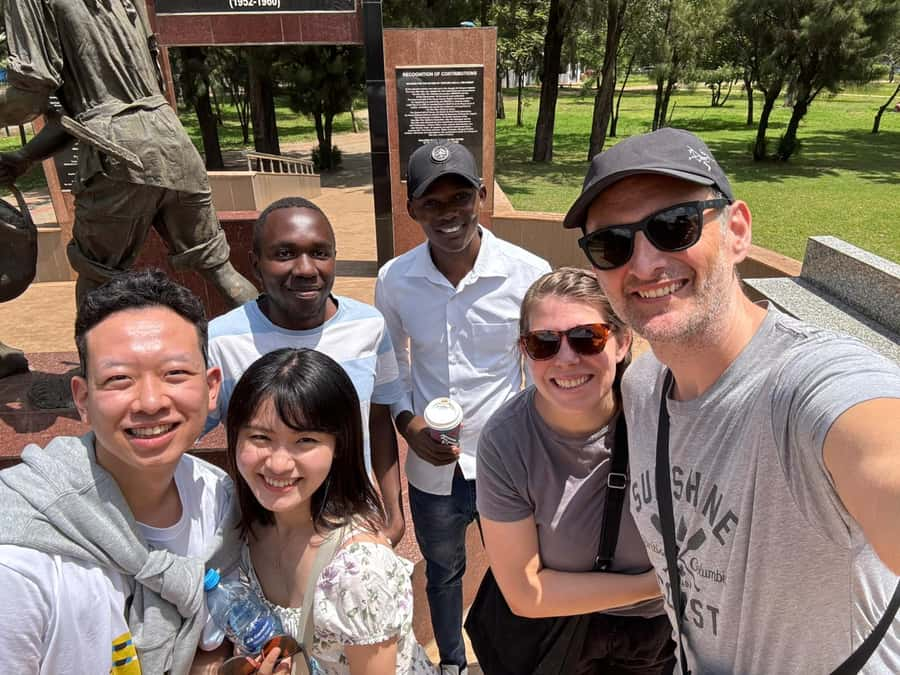
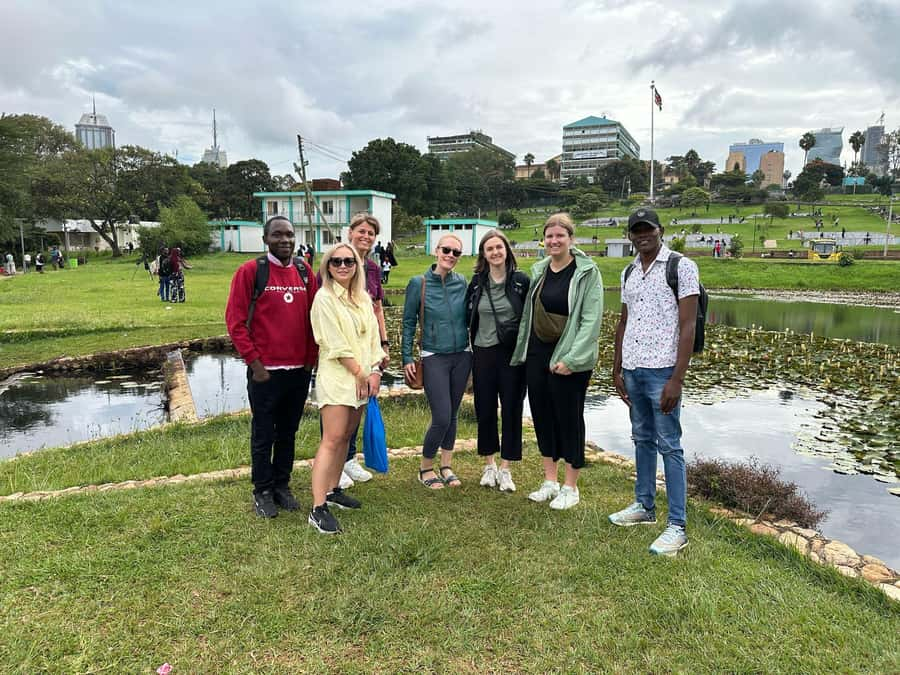
Nairobi’s city center makes the most sense on foot, and this tour connects its monuments, markets, parks, religious buildings, and government quarter in one steady walk. Edwin is often the guide, though John, Dennis, Sam, and Pierre also lead tours, and each brings a different mix of history, humor, language, and local perspective.
I like the coffee break, which gives your feet a rest and lets you talk about daily Kenyan life, and I like the stop at Uhuru Park, where the city’s traffic and towers give way to open grass and shade. The main consideration is pace: three hours covers a lot, and evening departures may find some buildings or markets closed.
I also like that pickup is available from many hotels, hostels, apartments, and the airport area within 10 kilometers of Nairobi Municipality. At $22, this is a strong deal for a first look at central Nairobi, though you should budget extra for drinks, personal purchases, and the KICC helipad.
Key points to know before you book
- A useful first walk in Nairobi: The route links the Supreme Court, Jamia Mosque, City Market, Uhuru Park, KICC, and other central sights.
- Edwin is a frequently assigned guide: He is praised for storytelling, humor, local insight, and adapting the pace to the group.
- Coffee is optional: A café stop is built into the outing, but your drink is not included.
- Expect a real city walk: Wear comfortable shoes, carry water, and prepare for sun or changing weather.
- KICC views cost extra: The helipad offers the best high view mentioned, but its fee is not included.
- Pickup makes the start easier: Hotel, hostel, apartment, and airport-area pickup is available within the stated Nairobi boundary.
Why this three-hour walk is a smart introduction to Nairobi

Nairobi can feel confusing at first. The center contains colonial-era buildings, modern offices, churches, mosques, markets, memorials, parks, and busy streets, often within a short distance of one another. A local guide helps you connect those pieces instead of simply passing them with a camera.
The tour begins at the Carrefour entrance beside the Supreme Court building. This is the practical meeting point, even though pickup can be arranged from listed properties and other locations within 10 kilometers of Nairobi Municipality. If your hotel is not on the pickup list, you are asked to send your location by WhatsApp.
The first few minutes include a safety briefing. That matters in a city walk, since you are moving through public streets rather than staying inside a controlled attraction. The guides have been praised for helping visitors feel comfortable and for answering questions about politics, sports, food, daily life, and culture.
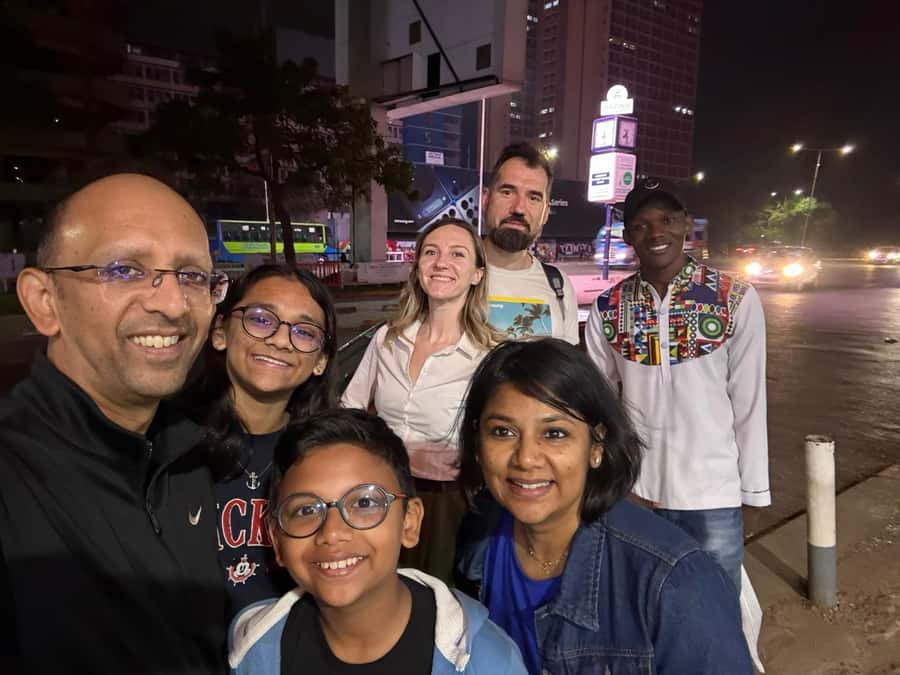
This is not a silent march from sight to sight. The best part is the conversation. Edwin, in particular, is described as a strong storyteller who keeps the walk moving without making it feel like a lecture. Pierre offers French and is also described as a Swahili teacher, while the tour can be conducted in English, Spanish, or French.
Other guided walks in Kenya:
- Nairobi: Historic and Modern Highlights Walking Tour
★ 4.8 · 703 reviews - Nairobi Downtown Walking Tour
★ 4.7 · 208 reviews - Marrakech: Ben Youssef, Secret Garden, & Souks Walking Tour
★ 4.6 · 2,802 reviews
From the Supreme Court to Nairobi’s early city center
The Supreme Court is more than a meeting point. It places you in Nairobi’s civic center, where courts, government offices, monuments, and major public buildings help explain how the modern capital operates.
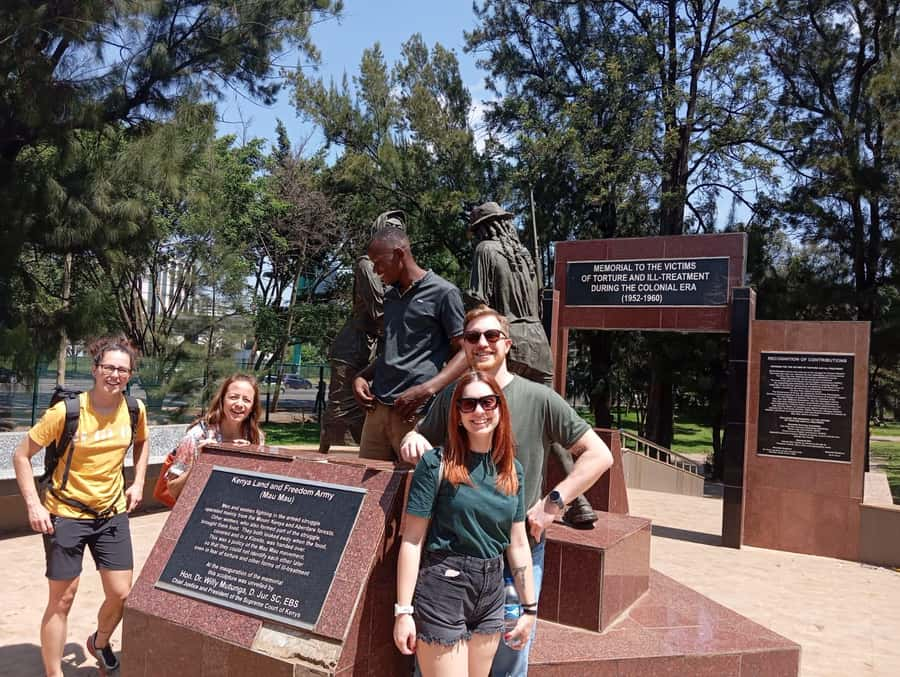
From here, the route takes in war monuments and the McMilan Memorial Library. The memorials provide a useful entry into Kenya’s past, while the library brings you closer to the older character of the city center. Admission to the McMilan Memorial Library is included, along with entry to Uhuru Park.
The tour also includes a monastery stop. The details of this visit may vary with timing and access, so think of it as a brief architectural or cultural pause rather than a long museum visit. The route is designed to give you a broad sense of the center, not to spend an hour at one site.
This section is especially useful if you want context. A guide can explain what a building represents, how it fits into Nairobi’s development, and how older institutions sit beside newer businesses and offices. Without that background, many of these stops can look like ordinary city buildings.
Jamia Mosque, City Market, and Jevanjee Garden

Jamia Mosque is one of the most recognizable religious buildings in central Nairobi. The stop adds an important Muslim presence to a route that also includes Christian churches, civic buildings, and commercial streets.
Dress modestly and follow your guide’s instructions when entering or viewing the mosque. The visit is relatively short, listed at about 15 minutes, so you should expect an introduction and a look around rather than an extended religious tour.
City Market brings a different mood. This is where the city’s commercial side becomes easier to understand, with food, produce, crafts, and everyday shopping close together. The tour may pass through or pause for shopping, and guides can help you judge prices when buying souvenirs.
That help can be valuable. John is specifically praised for taking a visitor to a market and helping secure better prices. You should still decide what you want to buy before bargaining, keep personal belongings close, and remember that a purchase is not part of the tour price.
Jevanjee Garden offers a short break from the hard surfaces of the central streets. The route gives you a chance to notice how Nairobi uses small green spaces within its business district. This is also a good point to ask your guide about local routines and the city’s changing center.
The coffee stop and a lesson in Kenyan daily life

The café break is one of the most practical features of the walk. It gives you time to sit down, use the washroom, cool off, and try Kenyan coffee if you choose. The coffee is optional and not included, so carry some extra money if you want to take part.
This pause also improves the human side of the tour. Several guides use the break to talk about ordinary life in Kenya, not just famous buildings. You can ask about food, language, politics, sports, work, or customs, and the conversation can be more revealing than a memorized paragraph about a monument.
One guide, Pierre, is noted for speaking excellent French and teaching Swahili. If you want language help, ask for a few useful words during the café stop. The activity is offered in English, Spanish, and French, but the exact guide depends on availability.
The timing of this break is helpful because Nairobi’s sun can be strong. Bring water, sunscreen, and a hat. Even visitors who walk regularly should not treat this as an indoor sightseeing tour. The ground, weather, and pace can change during the afternoon.
A few more things to do in Kenya worth a look
- Marrakech Historical and Cultural Tour – Half Day City Tour
★ 4.5 · 1,180 reviews - From Cairo: Private Full-Day Tour of Historical Alexandria
★ 4.1 · 1,155 reviews - Sunrise Hot Air Balloon Over the Historical sites in Luxor
★ 5.0 · 697 reviews - Old Cairo Guided Walk Tour: History, Culture & Street Bites
★ 4.6 · 633 reviews
University of Nairobi and the view toward Norfolk Hotel
The route continues toward the University of Nairobi, giving you a look at one of the city’s major academic settings. You also get a glimpse of the Norfolk Hotel, a well-known name in Nairobi’s central district.
This part of the route helps you see the city beyond tourist sights. A university, a historic hotel, a market, and government offices all tell different stories about Nairobi’s growth and its social mix. The guide can make those connections while you walk.
The route is not built around long interior visits here. You should expect to pass through or pause for an explanation and photographs. If you are hoping for a full campus tour or a hotel visit, this activity does not promise that.
The pace is usually adjustable. People have been pleased when guides slow down for questions, photographs, or rest. One afternoon group walked close to four hours because the guide allowed extra time, while another evening tour ran a little over two hours because there were only two people and some places were closed. Treat three hours as the planned length, not an absolute limit.
Uhuru Park gives the walk room to breathe
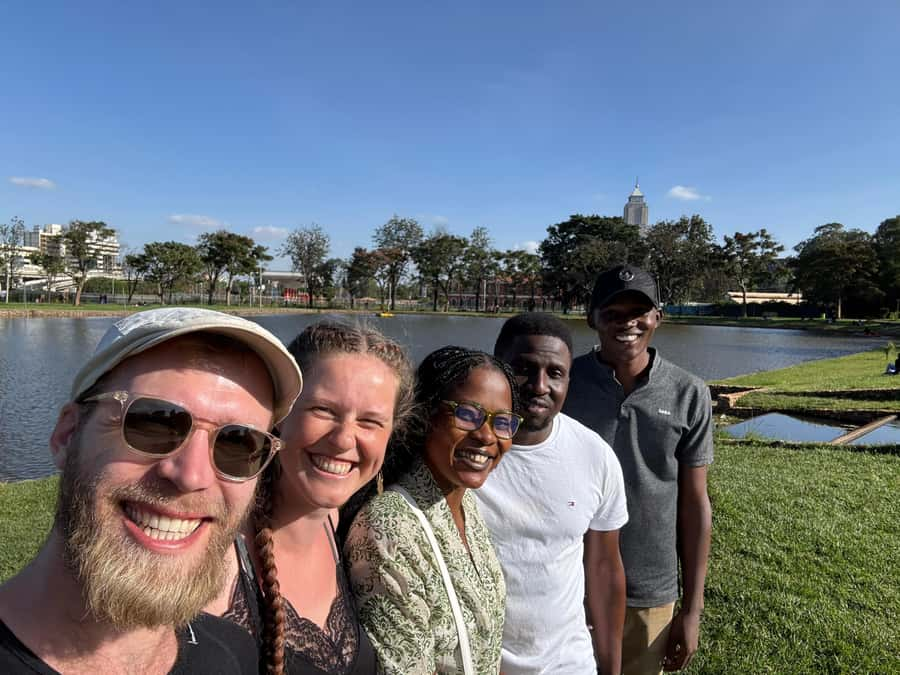
Uhuru Park is one of the tour’s best changes of pace. After streets, traffic, offices, and markets, you reach open grass and greenery in the middle of the capital. The stop includes sightseeing and a walk, with time to sit and rest.
I would not rush this part. If the weather is pleasant, the park gives you a chance to absorb Nairobi rather than collect another quick photograph. One guide allowed visitors to sit on the grass to escape the sun, which is exactly how this stop works best.
You can also use this pause to ask broader questions. Guides have discussed Kenyan culture, politics, geography, and local life during the walk, and the park is a comfortable place for that conversation. The experience becomes more than a checklist when you let the guide explain what daily life feels like behind the landmarks.
The park is included, but food and drinks are not. Carry water from the start. Comfortable walking shoes are essential, since the route covers several streets and open areas.
Holy Family Basilica and the civic heart of Nairobi

The Cathedral Basilica of the Holy Family brings another important religious building into the route. Together with Jamia Mosque and the monastery, it shows the range of faith communities represented in central Nairobi.
The basilica visit is brief, about 15 minutes in the planned schedule. You should expect a guided look and some historical or architectural context rather than a lengthy service visit. Be respectful, keep your voice low, and follow any instructions on photography.
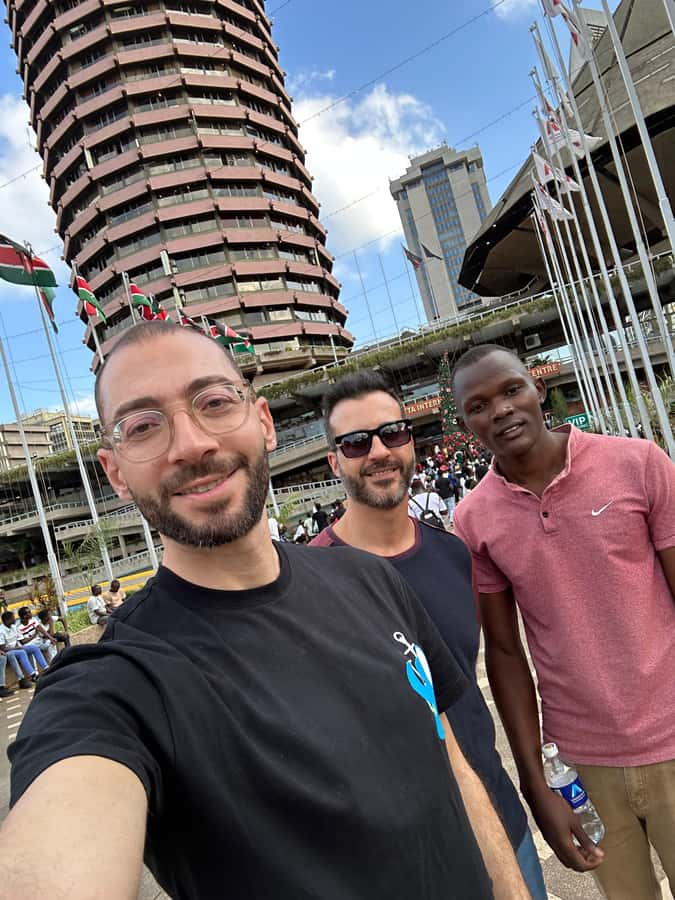
From there, the tour moves toward the Kenya International Convention Centre, usually called KICC. This is one of the city’s key landmarks and a major photo stop. The surrounding government buildings add a strong civic feel to this part of the route.
The KICC helipad is the place to pay extra attention. The view across the city is one of the most memorable parts of the experience, but the helipad fee is not included. If you want the high panorama, confirm the current charge before you go and bring money for it.
The regular KICC visit and photo stop are included in the experience, while the helipad should be treated as an optional upgrade. That distinction matters when comparing the $22 base price with your actual spending.
Masai Market and the Nairobi Railway Museum
The Masai Market adds a craft and shopping stop to the day. You may find locally made items and souvenirs, but the exact selection depends on the market schedule and timing. The guide can help you understand the setting and, when appropriate, negotiate a price.
Do not feel obliged to buy. The market is useful even if you only browse, since it gives you a closer look at how local craft selling fits into the city. Keep your budget in mind, and remember that personal purchases are extra.
The Kenya Railway Museum adds a final historical angle. Rail transport played an important role in Nairobi’s development, and the museum gives the city story a more physical, industrial side. The planned stop is short, around 12 minutes, and the tour description also allows for passing by, so the amount of time inside may depend on the day’s schedule.
The Bomb Blast Memorial Park is another meaningful stop. This is not a light sightseeing moment. The guide can help you approach it respectfully, and you should expect a quieter pause than at the market or KICC.
Together, these final stops balance shopping, transport history, and remembrance. That range is one reason the tour feels useful for a first visit.
What the $22 price really gets you
At $22 per person, the tour offers strong value if you want many central sights in a single outing. The price includes the guide, pickup to the starting point, the main landmark walk, entry to the McMilan Memorial Library, and entry to Uhuru Park.
You still pay for coffee, meals, personal purchases, and the KICC helipad. Those exclusions are reasonable, but they mean you should not arrive with only the exact tour price. A small amount of Kenyan currency or another accepted payment method will make the café and market stops easier.
The biggest value is not the number of stops. It is the local explanation and the confidence to walk through central Nairobi with someone who knows the area. Guides have been praised for being friendly, funny, patient, and willing to answer questions. That can save you time and remove the stress of trying to find each place alone.
The tour also offers free cancellation up to 24 hours before the start and a reserve-now, pay-later option. It is wheelchair accessible, though the route is still a city walk with outdoor surfaces, so you should discuss your needs with the provider before booking.
Who should book this Nairobi walking tour?
I would choose this for a first day in Nairobi, a short stay, or a stopover when you want to understand the center quickly. It suits people who prefer conversation and local context over a polished bus tour.
It is also a good match if you want to ask direct questions about Kenyan life. The guides have handled discussions about politics, culture, geography, food, sports, architecture, and local customs. That makes the walk easy to shape around your interests.
You may prefer another activity if you dislike walking, want long visits inside museums, or need a tightly fixed schedule. The route covers many sights in three hours, and the actual length can shift with group size, weather, access, and the number of questions.
Morning and afternoon departures give you the best chance of seeing the full route open. An evening walk can still be enjoyable, but some shops and buildings may be closed. Ask about the KICC helipad and the day’s access before setting your expectations.
Final verdict: a worthwhile first look at central Nairobi
Book this tour if you want a friendly local guide, a broad introduction to Nairobi, and a sensible price. The strongest reasons are the range of stops, the built-in rest and coffee break, the greenery of Uhuru Park, and the personal attention provided by guides such as Edwin, John, Dennis, Sam, and Pierre.
Bring walking shoes, water, sunscreen, and a hat. Allow extra money for coffee, shopping, and the KICC helipad. If you accept that this is a lively city walk rather than a museum-heavy excursion, the $22 price buys an efficient and engaging start to Nairobi.
FAQ
Where does the Nairobi walking tour start?
The city tour starts at the Carrefour entrance beside the Supreme Court building in central Nairobi.
Is hotel pickup included?
Yes. Pickup is available from the entrance of hotels, apartments, and hostels within 10 kilometers of Nairobi Municipality. If your property is not listed, you can send your location by WhatsApp.
How long does the tour last?
The planned duration is three hours. The actual length may vary depending on group size, pace, questions, weather, and whether some places are open.
What languages are available?
The tour is offered in English, Spanish, and French.
Is coffee included in the price?
No. The café stop is included, but coffee and other drinks are optional extras.
Is the KICC helipad fee included?
No. The KICC helipad fee is not included in the tour price.
What should I wear?
Wear comfortable walking shoes. You should also bring a hat and sunscreen, since much of the experience takes place outdoors.
Should I bring water?
Yes. Carry water to stay hydrated during the walk and prepare for changing weather.
Is the tour wheelchair accessible?
Yes, the activity is described as wheelchair accessible. Contact the provider ahead of time if you need to discuss specific access requirements.
Can I cancel the booking?
You can cancel up to 24 hours in advance for a full refund. A reserve-now, pay-later option is also available.
Just added in Kenya
- Nairobi: National Park, Elephant Orphanage & Giraffe Center★ 4.6 · 81 reviews
- Nairobi Storytelling Tour with Former Street Kids★ 4.8 · 283 reviews
- Nairobi National Park 5-hour Guided Game Drive Free Pick up★ 4.5 · 367 reviews
- Nairobi National Park, Elephant Orphanage and Giraffe Centre★ 4.6 · 365 reviews
- Nairobi National Park Full or Half-Day Tour with Guide★ 4.7 · 217 reviews
- Nairobi: Hell’s Gate National Park and Lake Naivasha Tour★ 4.8 · 93 reviews
- Nairobi: National Park, Elephant Orphanage & Giraffe Center★ 4.5 · 113 reviews
- Nairobi: Kibera Slum Tour with Local Social Entrepreneurs★ 5.0 · 107 reviews
Historical Tours, compared.
Marrakech Historical and Cultural Tour – Half Day City Tour
Read our review →
Private Full-Day Tour of Historical Alexandria
Read our review →
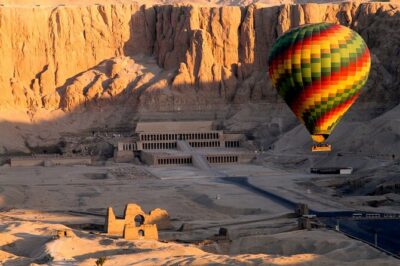
Sunrise Hot Air Balloon Over the Historical sites in Luxor
Read our review →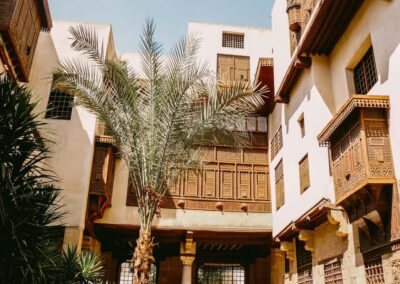
Old Cairo Guided Walk Tour: History, Culture & Street Bites
Read our review →
Experience the Beauty, History and the Culture Of Accra in a Day
Read our review →Browse the lists this tour appears in