
Reviewed · MOROCCO · TOURS IN MARRAKECH
Marrakech: Babouch Making Workshop in the Medina
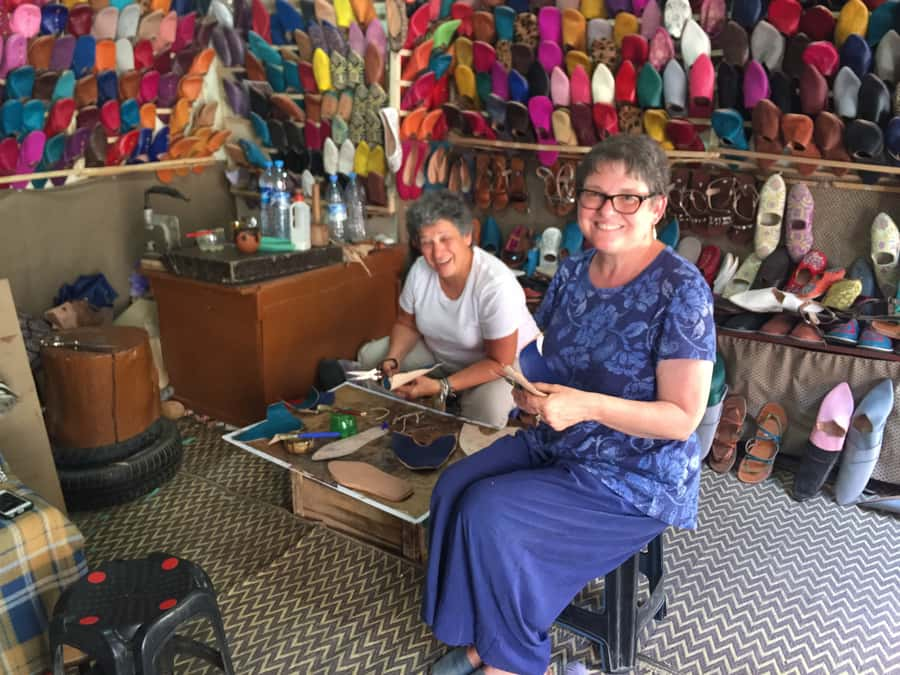
Making a pair of Moroccan babouch slippers is far more interesting than picking one from a shop shelf. At Youssef’s Medina workshop, you handle the leather, choose a color, cut the pieces, and learn how these pointed or rounded slippers come together. The finished pair is yours to take home.
I like two things here. First, you get a close look at a real working craft, not a polished demonstration made only for tourists. Second, the private format gives you time to ask questions, work at an easy pace, and have tea with the people teaching you. The main drawback is the meeting point. The directions have caused confusion, so confirm the exact spot before setting out.
Key points to know before booking
- A private workshop with Youssef: You work directly with a Medina leather craftsman, with a guide helping in English, French, or Arabic.
- You make a real pair: Choose your leather and take home the babouch you make during the session, with help on sizing and finishing.
- Allow four hours: The hands-on workshop lasts about three and a half hours, with time for tea, snacks, explanations, and the walk through the souks.
- The meeting point needs care: Meet in front of the post office at Jamaa el Fna Square, but confirm the precise entrance and street location beforehand.
- A calm break from the souks: Once inside the workshop, the pace is focused and relaxed, even though the route there passes through busy Medina lanes.
- Good value for a meaningful souvenir: At $81 per person, you pay for instruction, materials, a private experience, refreshments, and a finished pair of slippers.
From Jamaa el Fna to a working leather studio
The experience begins in front of the post office at Jamaa el Fna Square. This is a sensible landmark in a confusing part of Marrakech, but the written directions have not always been clear. One street name may appear prominently while the guide waits at the entrance near the Post Maroc building.
I would not treat this as a minor detail. Jamaa el Fna is busy, and the Medina has many similar-looking lanes. Save the local contact number, arrive with a charged phone, and check the meeting instructions before leaving your hotel. Guides such as Khaoula, Yasmine, Ouiam, and others have helped participants find the workshop and get through the souks safely.
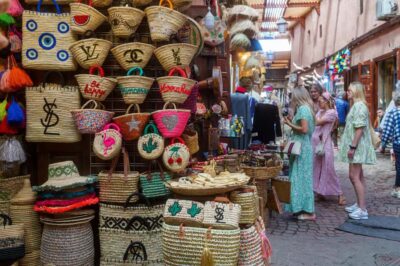
The guide leads you away from the square and into the narrower trading lanes. This walk is part of the experience, but it is not a sightseeing tour with a long list of monuments. Its value is practical. You get a glimpse of the working souk, then reach the less frantic part where the leather studio operates.
The route can be a fair walk from the meeting point. One parent found the guide especially useful when attending with an 11-year-old, while another participant was collected by bike after a meeting-point mix-up. That should not be your plan, but it shows why meeting clearly matters.
Other medina and souk tours in Marrakesh people book:
- Marrakech: Bahia Palace, Saadian Tombs, Souk and Medina Tour
★ 4.7 · 4,974 reviews - Marrakech: Ben Youssef, Secret Garden, & Souks Walking Tour
★ 4.6 · 2,802 reviews - Marrakech: Colorful Medina Souks Guided Walking Tour
★ 4.7 · 2,470 reviews
Meeting Youssef and choosing your leather
At the workshop, Youssef introduces you to the materials and the basic stages of babouch making. He works with leather and comes from a family with five generations of leather-making experience. That family background gives the session useful context without turning it into a formal lecture.
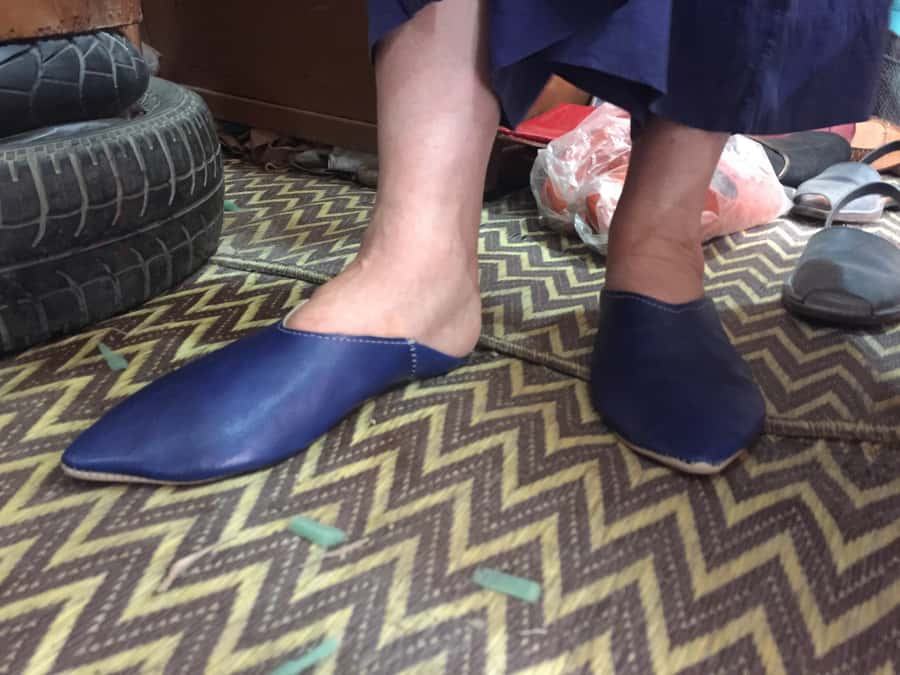
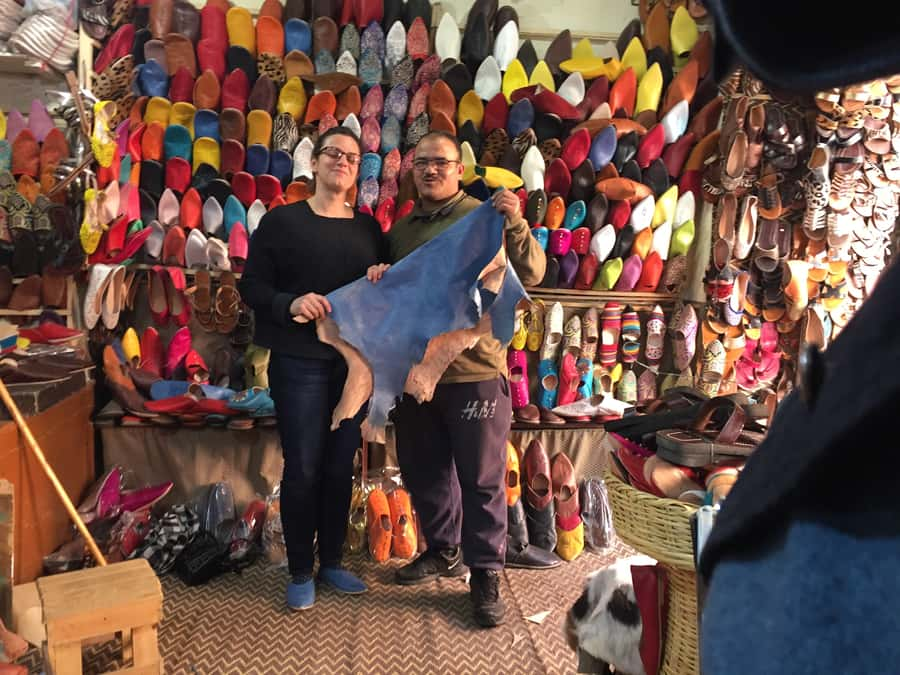
You see different types of leather and learn how leather is prepared for Moroccan products. The exact selection available can vary, but you choose the color and style of your slippers before the practical work begins. Your size is fitted during the process, and the workshop can make adjustments when needed. One participant with very small feet had the slippers altered to fit properly.
This choice is one of the better parts of the session. You are not simply handed a standard souvenir. The pair becomes personal because you select the look and take part in its construction. Ask about the colors, the feel of the leather, and how the shape will suit your feet before cutting anything.
The tools and raw materials are provided. You do not need to bring leatherworking equipment or prepare a design in advance. A guide translates when needed, while Youssef and the other artisan demonstrate each stage.
Cutting, shaping, and assembling your babouch
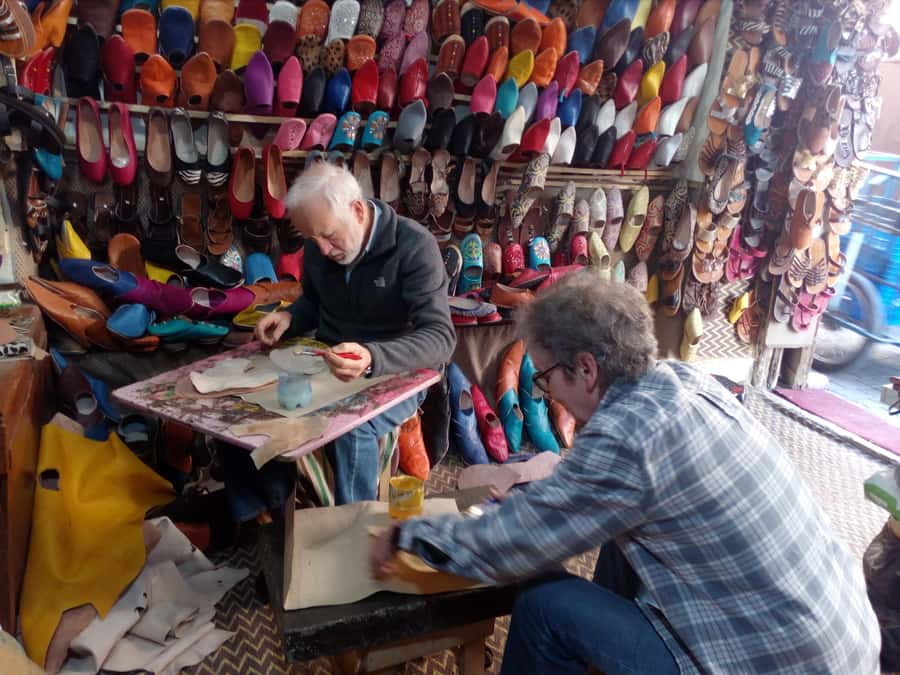
The work starts with templates and pattern drawing. You mark the leather, cut the pieces, and begin assembling the slipper. The tasks are straightforward enough to follow, but they demand patience and care. This is not a quick craft table where you glue together a souvenir in twenty minutes.
You may work with glue, cutting tools, a hammer, and stitching equipment. The exact division of labor depends on your pace and the stage of construction. Youssef shows you what to do, then steps in when a tricky part needs a trained hand. That balance matters. You get real participation without being left to ruin the leather.
One detail becomes clear very quickly: a simple-looking slipper takes a surprising amount of work. Pattern cutting, shaping, joining, stitching, and turning the slipper into its final form all require precision. You begin to see why handmade babouches in the souk vary in quality and price.
The artisans are patient, and the mood is relaxed. You can ask questions about colors, construction, and the role of each piece. English is spoken during some sessions, and the guide can translate between you and the artisan. French and Arabic are also available.
At some points, the artisan may take over part of the finishing work. That does not reduce the value of the activity. A craftsman can stitch and shape far faster and more neatly than a first-time visitor. You still learn the process, make key choices, and leave with slippers connected to the work you did.
Mint tea, homemade pastries, and a slower Medina hour
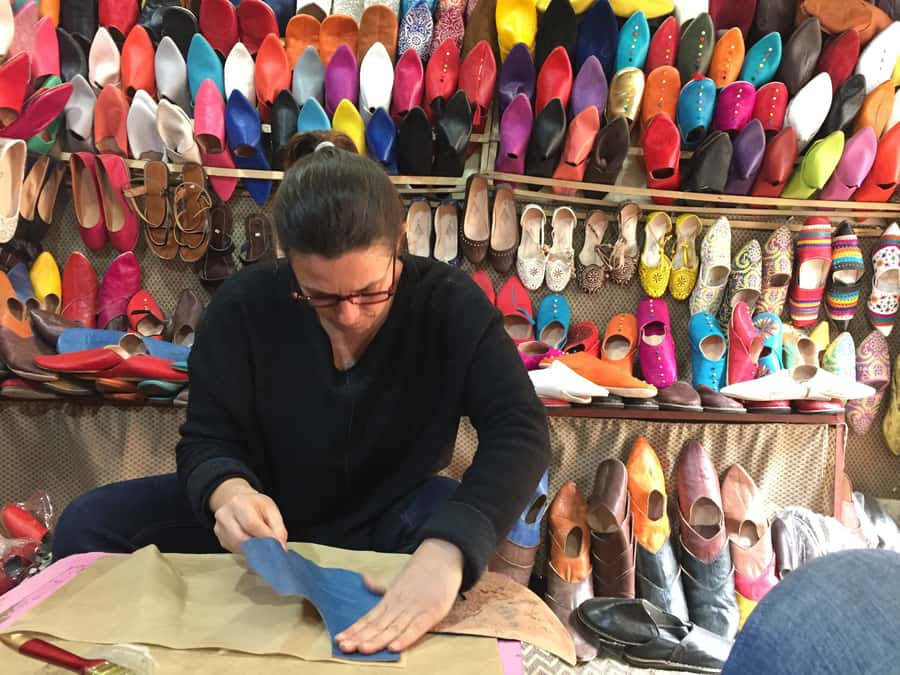
A tea break comes during the workshop, with water, Moroccan mint tea, and homemade pastries or cookies. This is a small inclusion, but it fits the setting well. You pause the cutting and stitching, sit with the people in the workshop, and enjoy a familiar part of Moroccan hospitality.
The break also helps with the pace. Four hours can sound long for a single craft, especially if you are traveling with children or someone who does not usually enjoy hands-on activities. In practice, the work is divided into stages, with explanations, conversation, refreshments, and time to watch the artisans.
The workshop itself offers a useful contrast to Jamaa el Fna. Outside, the Medina can feel noisy and hard to read. Inside, the activity is focused. One participant described the workshop as a calm place to work while still being able to watch life in the souk. That combination is a strong reason to schedule it early in your Marrakech stay.
A morning booking can help you get oriented before spending the rest of the day in the souks. You learn how the lanes connect, get used to the movement around you, and gain a better feel for the working side of the Medina. The workshop does not remove the need for common sense, but the guide makes the route much easier.
Other walks through the old town in Marrakesh:
- Marrakech: Saadian Tombs & Bahia Palace, Medina Guided Tour
★ 4.6 · 1,989 reviews - Marrakech Monuments & Souks 3-Hour Tour
★ 3.8 · 1,540 reviews - Marrakech: Bahia Palace, Madrasa Ben Youssef and Medina Tour
★ 4.7 · 1,347 reviews - Marrakech: Madrassa Ben Youssef, Secret Garden & Medina Tour
★ 4.8 · 1,303 reviews
The final stitching and your finished pair
The last stage is where the craft really becomes visible. The pieces are joined, stitched, and shaped into slippers. Watching an experienced artisan complete the stitching is one of the most memorable parts because the speed and control are difficult to copy.
Your slippers are fitted to your size, and small changes can be made if the shape is not quite right. You should speak up during fitting. A handmade pair is not meant to feel like a factory-produced shoe, but it should still be comfortable enough to wear.
The result may show small signs of handwork. That is part of the appeal, though it also means you should not expect identical perfection in every pair. The activity gives you a personal souvenir and a better sense of the labor behind Moroccan leather goods. It is more satisfying than buying a pair without knowing how it was made.
Each participant takes home a pair of babouch after the workshop. The experience can also lead to other purchases. One participant asked Youssef to make a custom belt, then collected it a few days later at a reasonable price. That kind of bespoke order is not listed as a formal part of the activity, so treat it as an optional conversation, not a guaranteed extra service.
Photographs from the session are emailed afterward. They are a useful reminder of the process, especially if your hands are too busy to take pictures while cutting and stitching.
What the $81 price includes
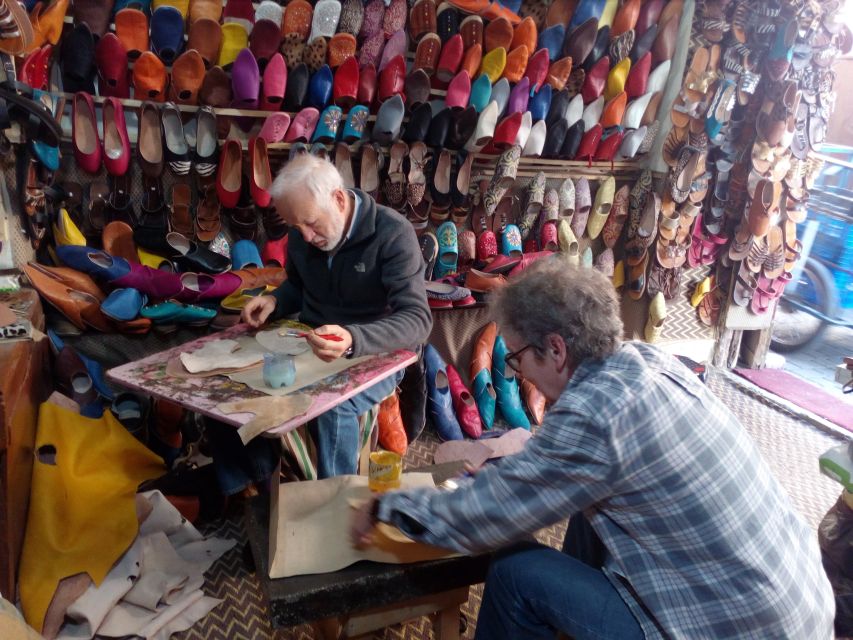
At $81 per person, this is not the cheapest way to buy Moroccan slippers. You can find ready-made babouches in the souks for much less, and shopping gives you the freedom to compare many designs quickly.
The price makes more sense if you value the time and instruction. It includes the private workshop, tools, leather and other materials, a finished pair, a guide, tea, water, homemade snacks, and photographs. You are paying for access to a working artisan and for a structured experience that would be difficult to arrange alone.
The private group format is especially useful for couples, families, and friends who want to work at their own pace. It also helps if one person needs more translation or more assistance with cutting and fitting. Solo participants may receive very close attention, depending on the booking arrangements.
I would book this for the experience rather than for financial savings. If you only want inexpensive slippers, shop in the souk. If you want to understand the work, make choices yourself, and leave with a souvenir tied to a specific afternoon in Marrakech, the price is easier to justify.
Who will enjoy this workshop most
This activity suits people who like making things with their hands. You do not need previous leatherworking experience. The steps are explained, the equipment is supplied, and the artisans guide you through the parts that require more skill.
It works well for couples because you can create matching or complementary pairs. It also suits families with older children. An 11-year-old took part successfully, though younger children may find the cutting and stitching less engaging or may need close help.
The workshop is a good choice for repeat visitors who have already seen the major sights and want a closer look at daily craft. It also works early in a first visit because the guide helps you enter the souks with more confidence.
You may want to skip it if you dislike detailed handwork, have limited time in Marrakech, or mainly want to shop. Four hours is a serious block in a short city break. The session is relaxed, but it is still a practical class, not a drop-in demonstration.
The activity is listed as wheelchair accessible, though the meeting point and route through the Medina should be confirmed directly before booking. The souks can involve narrow routes and uneven access, so ask for current meeting instructions and any assistance you need.
Useful planning advice for a smooth visit
- Confirm the meeting point: Ask where the guide will stand, especially if the directions show Rue Bani Marine and the Post Maroc building as separate references.
- Keep your phone ready: A working local contact number can save time if you cannot see the guide at Jamaa el Fna.
- Book a morning if possible: You may find it easier to handle the souk route before a full day of shopping and sightseeing.
- Wear practical clothing: You will cut, glue, hammer, and stitch leather, so choose clothes that allow you to work comfortably.
- Think about your design early: Have a general idea of the color and style you want, but let the available leather guide the final choice.
- Allow the full four hours: The practical work takes around three and a half hours, with the meeting, route, tea break, explanations, and photographs adding to the total.
- Ask for fitting changes: The artisans can adjust the slippers, including for unusually small feet, so check the fit before leaving.
- Use the guide for translation: English, French, and Arabic support is available, and the guide also helps manage the Medina route.
Should you book the Marrakech babouch workshop?
Book it if you want a hands-on Moroccan craft experience rather than another stop where you look, photograph, and move on. The best parts are the direct work with Youssef, the chance to choose your leather, the relaxed tea break, and the pair of slippers you take home.
The main cautions are the $81 price and the unclear meeting instructions. You should also be comfortable giving several hours to careful work. Once those points suit your plans, this is a strong choice for couples, families with older children, solo makers, and anyone who wants a souvenir with a story behind it.
FAQ
How long does the babouch-making workshop last?
The full activity lasts four hours. The hands-on workshop itself takes about three and a half hours, with time for the meeting, route through the Medina, refreshments, and other parts of the session.
How much does the activity cost?
The price is $81 per person.
Where do I meet the guide?
The meeting point is in front of the post office at Jamaa el Fna Square. Confirm the exact entrance and street reference before you go because the directions have caused confusion.
Who leads the leather workshop?
The workshop is led by Youssef, a Moroccan leather craftsman who works in his Medina studio. Other artisans may also help with demonstrations and finishing.
What languages are available?
The activity is offered in English, French, and Arabic. A guide helps with translation during the workshop.
Do I make the whole pair of slippers myself?
You take part in the main stages, including choosing leather, cutting, assembling, and working on the slippers. The artisans guide you and may complete or assist with the more difficult stitching and finishing.
Can I choose the color and style?
Yes. You choose the style and color of the leather, with the available materials guiding your final selection.
Do I take the slippers home?
Yes. Each participant receives the pair of babouch made during the workshop.
Are refreshments included?
Yes. The experience includes water, a tea break with Moroccan tea, and homemade snacks or pastries.
Are photographs provided?
Yes. Photographs taken during the session are emailed to you after the workshop.
Just added in Marrakesh
- Marrakech: Tailor-Made City Tour With Your Own Private Guide★ 4.9 · 236 reviews
- Marrakech palm grove: Sunset camel ride★ 4.8 · 194 reviews
- Sparkling Marrakech through the eyes of your local Guide★ 4.7 · 247 reviews
- Small-Group Day Trip from Marrakech to Essaouira Mogador★ 4.8 · 211 reviews
- Quad biking in Agafay Desert with lunch & Camel Ride & pool★ 4.5 · 186 reviews
- Marrakech: Historical Discovery Tour★ 4.1 · 87 reviews
- Marrakech: Palm Grove Horseback Riding Tour★ 4.6 · 163 reviews
- From Marrakech: Ouzoud Waterfalls Guided Hike and Boat Trip★ 4.9 · 161 reviews
Medina & Souk Tours, compared.
Bahia Palace, Saadian Tombs, Souk and Medina Tour
Read our review →
Ben Youssef, Secret Garden, & Souks Walking Tour
Read our review →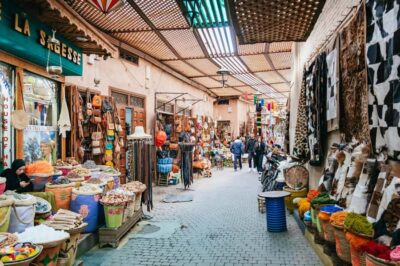
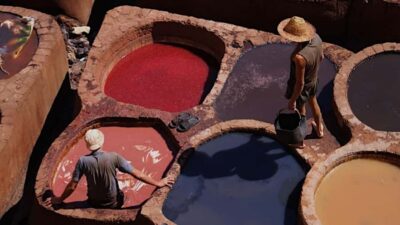
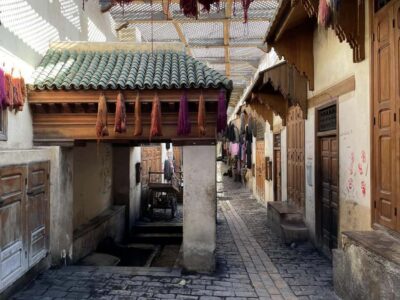
Museum, Al Attarine Madrasa & Tannery and Medina Tour
Read our review →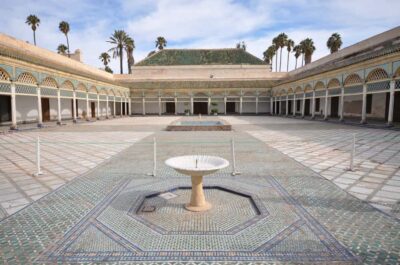
Bahia Palace, Madrasa Ben Youssef and Medina Tour
Read our review →
Explore Fes: Unforgettable Guided Walking Tour of the Medina
Read our review →Browse the lists this tour appears in