
Reviewed · EGYPT · TOURS IN LUXOR
Marsa Alam: Valley of the Kings & Karnak Temples Luxor Tour
The best part of this long day is the range of ancient sites packed into it. You move from the Valley of the Kings to Hatshepsut’s cliff temple, then across the Nile to Karnak, Egypt’s grandest temple complex. I like the included entry fees and lunch, and I like having an Egyptologist guide who can turn carved walls and broken columns into a readable story. The drawback is simple: Marsa Alam is far from Luxor, so you spend a large part of the day on the road.
I also like the practical touches: a cooled vehicle, water or soft drinks on board, and hotel pickup from Marsa Alam or El Quseir. Guides such as Shaban, Ragab, and Doa have been praised for clear explanations and considerate service, with language options including Arabic, English, French, and German. Still, Luxor deserves more time than one day allows, and Tutankhamun’s tomb costs extra.
Key points to know before booking
- Three Valley of the Kings tombs are included: You can see decorated burial chambers without paying extra for the standard tomb visit.
- Karnak is the grand finale: The Great Hypostyle Hall, sacred lake, and Avenue of Sphinxes make this the biggest visual stop.
- The drive is the tradeoff: Marsa Alam to Luxor and back makes for a very full day.
- Guide quality matters here: Shaban, Ragab, and Doa have each received strong praise, though your assigned guide may differ.
- Some popular extras cost more: Tutankhamun’s tomb is optional, and a 20-minute Nile cruise costs 10 EUR in cash on site.
- Add-ons turn it into a shopping stop as well: FTS organic oils and Egyptian scarves are available if selected.
Why this Marsa Alam to Luxor trip is worth considering
Luxor is not a quick side trip from the Red Sea. It is a major road journey through the Eastern Desert, followed by a tightly arranged day among royal tombs, temples, statues, and the Nile. At $306 per person, this is not a bargain-basement excursion, but the price includes transport, site entry, lunch, and a guide. That matters when you add up the cost and hassle of arranging each part yourself.
I would consider this tour if Luxor is high on your Egypt wish list and you do not have time to stay overnight. You get the major West Bank sights and Karnak in one organized outing. If you want slow photography, long museum visits, or time to sit quietly among the columns, this schedule will feel rushed.
The strongest part of the arrangement is its clear route. You begin on the West Bank, where royal tombs and mortuary temples tell the story of Egypt’s burial customs and pharaohs. After lunch, you cross to the East Bank for Karnak, a fitting final stop because its scale helps put the whole day into perspective.
Other temple days out of Luxor:
- Hurghada: Luxor Valley of the Kings & Tutankhamun Tomb Trip
★ 4.7 · 13,208 reviews - Luxor Day Trip from Hurghada Small Group & Tutankhamun Tomb
★ 4.8 · 5,366 reviews - Luxor Day Tour: Valley of Kings & Queens & Hatchepsut Temples
★ 5.0 · 1,496 reviews
The early departure from Marsa Alam
Your day begins with an early hotel pickup. The exact pickup time is arranged after booking, and you should provide the names and passport numbers of everyone in your party along with your preferred hotel pickup time.
The trip runs through the Eastern Desert in an air-conditioned vehicle. Water or soft drinks are provided on board, which is useful in Egypt’s heat, but I would still ask your hotel for a packed breakfast the day before. The tour specifically advises doing this, and an early departure may come before your hotel’s normal breakfast service.
The transfer is the tour’s main weakness. You should think of this as a long-distance day trip rather than a relaxed local outing. The drive back to Marsa Alam comes after a full day of sightseeing, so keep your expectations realistic. Comfortable shoes, sunglasses, and your passport or identity card belong in your day bag.
The vehicle provides a chance to rest between sites, but it cannot erase the distance. If you are staying in El Quseir, transfer service is also available there. Confirm the pickup details carefully, since small mistakes matter more when the day starts early and the route is long.
Three tombs in the Valley of the Kings
The West Bank begins with the Valley of the Kings, the burial ground for rulers who wanted their final homes hidden in the Theban hills. Names connected with the valley include Tutankhamun, Seti I, and Ramses II, though access to individual tombs varies.
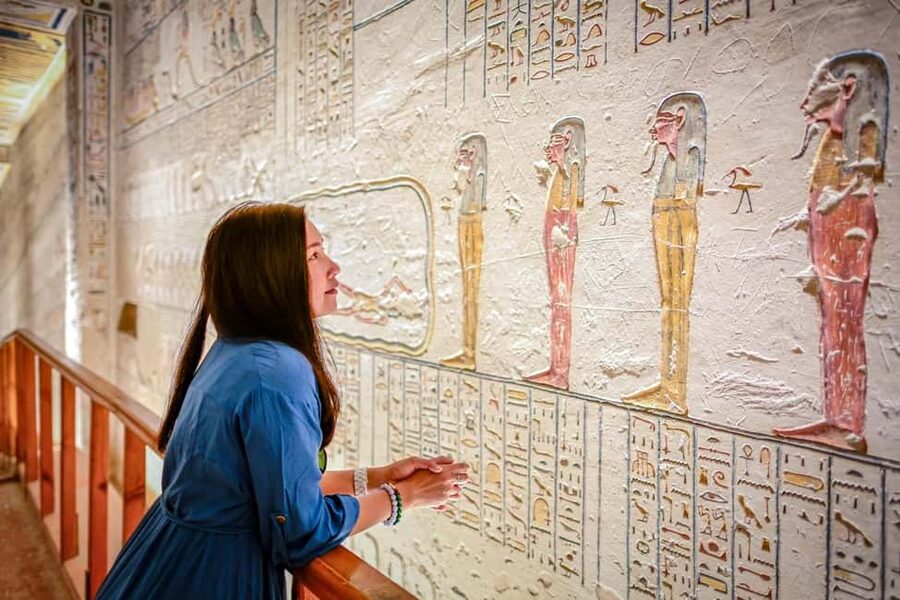
Your standard visit includes three decorated tombs. Inside, you can expect narrow passageways, painted scenes, hieroglyphics, and chambers designed around ancient burial beliefs. The color and detail are often more impressive than the bare stone outside suggests. Your guide’s explanations help you understand why the walls show gods, rituals, and scenes meant to help the dead reach the next world.
This is where good guiding makes a real difference. Shaban has been praised for speaking clear German and explaining the stories of ancient Egypt. Another guide, Ragab, has been noted for paying close attention to the group’s needs and giving strong explanations. Doa has also been praised as an excellent guide, while an Italian-speaking guide has been described as professional and friendly. Since guide assignments can vary, you should confirm your requested language when booking.
Tutankhamun’s tomb is not included in the standard visit. You can choose it as an add-on, so decide in advance if seeing the young pharaoh’s burial chamber is important to you. The famous gold mask is not in the tomb, but the site remains a popular extra. The basic three-tomb visit already gives you a good sense of the valley, especially if you are more interested in wall paintings and burial design than in one famous name.
The valley can be hot, and the footing is not described as smooth or easy throughout. Comfortable shoes are a practical requirement, not a fashion suggestion. You should also keep your passport or identity card with you, since it is listed among the required items.
Hatshepsut’s temple at Deir el-Bahari
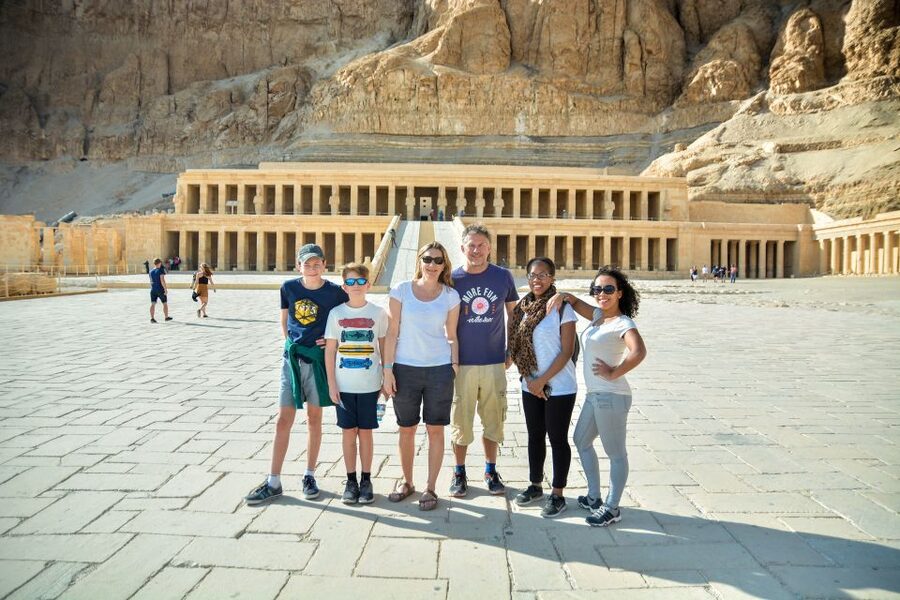
From the tombs, the route continues to the Mortuary Temple of Hatshepsut. Built into the cliffs of Deir el-Bahari, the temple has broad terraces, long colonnades, and a strong sense of order. Its setting gives it a different mood from the enclosed tombs.
Hatshepsut ruled as pharaoh at a time when Egypt was usually led by men. The temple presents her authority through carvings, royal imagery, and stories connected with her reign. Your guide can help explain how the temple functioned as a place of worship and remembrance rather than simply a palace or tomb.
I like this stop because it gives you a visual pause after the darker Valley of the Kings. You move from underground chambers into open terraces backed by pale cliffs. The structure is easy to appreciate even if you know little about Egyptian history, while the guide adds the political and religious context that the stones alone cannot provide.
Time is the issue. A day trip from Marsa Alam has to keep moving, and you should not expect the leisurely pace of a private multi-day Luxor visit. Take your photographs early, listen to the explanation, and save some energy for Karnak, which is still ahead.
Same base, a different sort of day:
- Hot Air Balloon Ride in Luxor Egypt with Transfers Included
★ 5.0 · 4,319 reviews - Luxor: Shared Full-Day Tour to Luxor West and East Banks
★ 4.5 · 1,812 reviews - Luxor: Hot Air Balloon Ride over Luxor Relics
★ 4.8 · 1,681 reviews - Full Day Tour to East and West Banks of Luxor
★ 5.0 · 1,449 reviews
The Colossi of Memnon
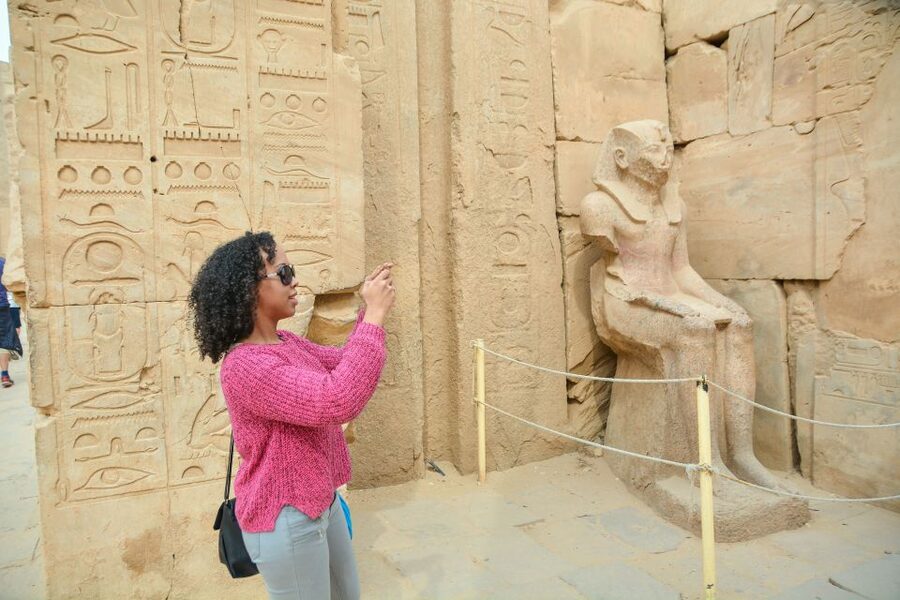
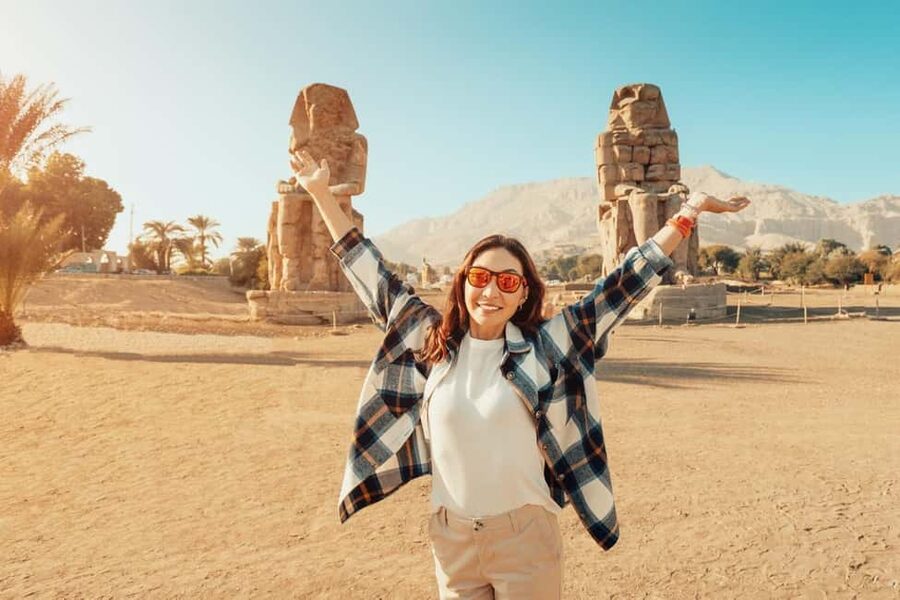
The Colossi of Memnon are a short but worthwhile stop before leaving the West Bank. These two huge seated statues represent Amenhotep III and are described as the last remains of his temple.
Their size is the main point. After seeing detailed tomb paintings and Hatshepsut’s carefully planned terraces, you are looking at monumental figures that have survived for more than 3,400 years. They once guarded the entrance to a much larger temple, which helps you imagine how much of ancient Luxor has disappeared.
This is not a long, complex visit, and that is useful on a packed itinerary. You can get close enough to appreciate the scale, hear the stories linked with the statues, and continue without spending the best part of an hour at one viewpoint. It is also a good place to take a quick photograph before lunch.
Lunch and the optional Nile boat ride
After the West Bank sightseeing, you stop for an Egyptian-style lunch at a local restaurant in Luxor. A buffet meal is served, according to the tour details, giving you a chance to choose from the available dishes rather than waiting for individual orders.
Lunch is included, but restaurant drinks are not. Bring some Egyptian pounds or another accepted payment method if you want a drink with your meal. Water and soft drinks are provided on the vehicle, but that does not cover restaurant beverages.
A 20-minute Nile cruise is available as an optional extra for 10 EUR, paid in cash on site. I would treat this as a pleasant bonus rather than the reason to book the tour. The cruise is brief, and the main value of the day lies in the monuments. Still, a short ride on the river can offer a welcome change after walking through tombs and temple courtyards.
One useful point from the practical side of the trip is that breaks are built into the day. You should welcome them. Luxor sightseeing involves heat, walking, steps, and constant visual stimulation, so a meal and short pauses help you keep your attention for Karnak.
Karnak’s columns, lake, and sphinx avenue
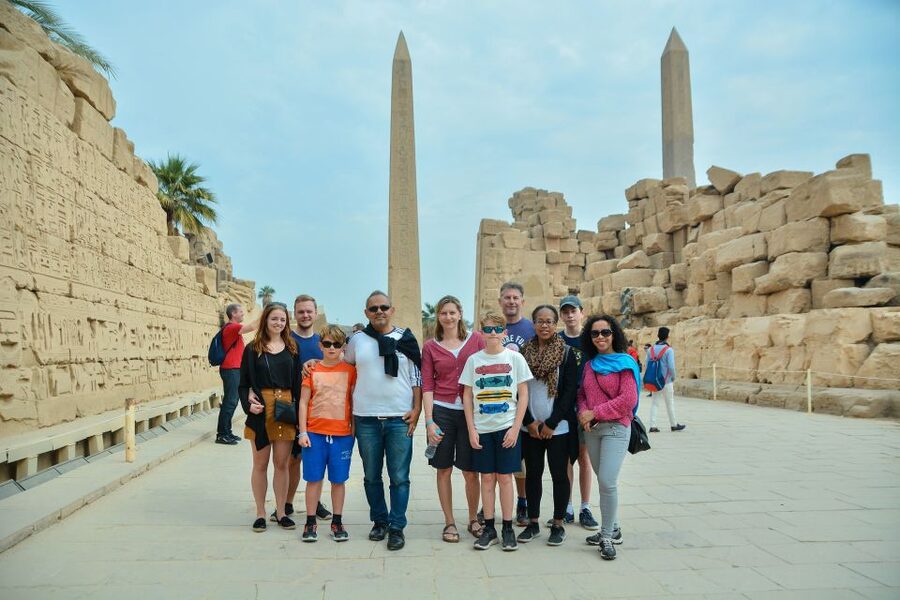
Karnak is the East Bank centerpiece. It is described as the largest religious complex ever built, expanded by different pharaohs over nearly 2,000 years. That long building history explains why the site feels less like one temple and more like a vast sacred district.
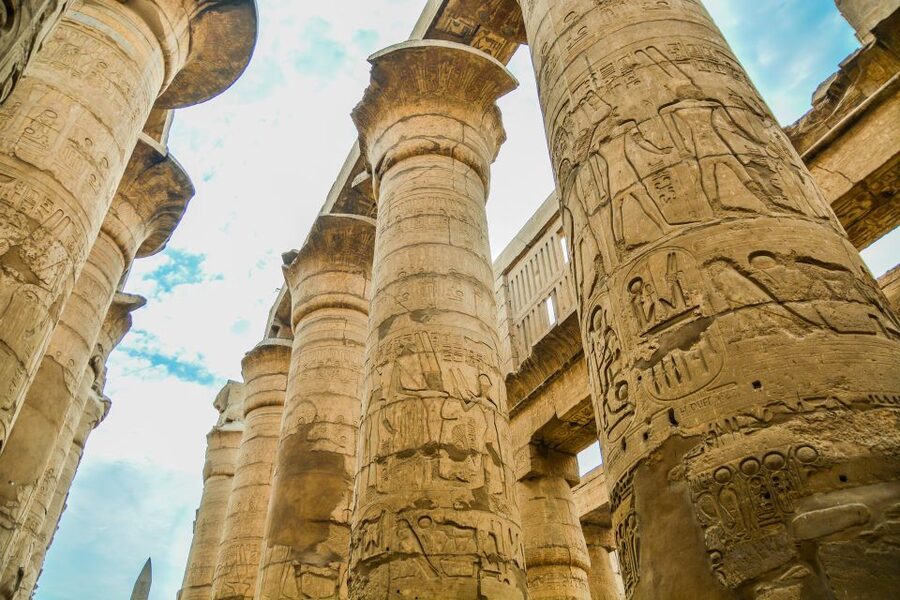
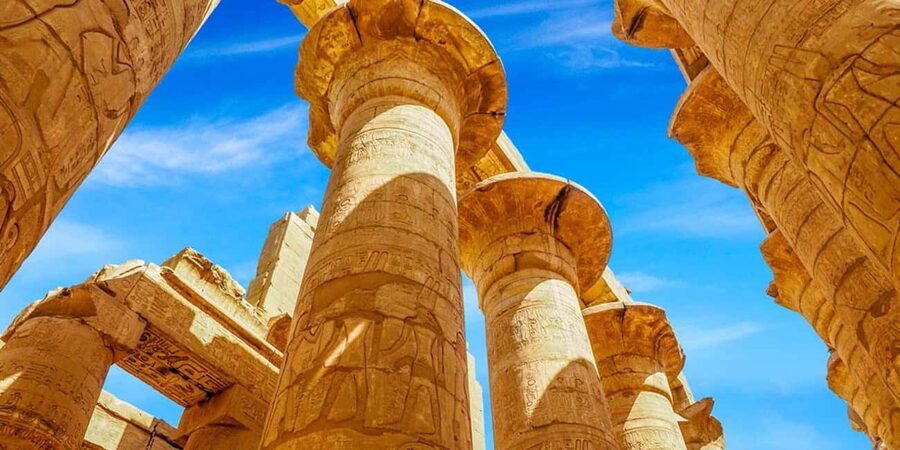
The Great Hypostyle Hall is the star. Its 134 towering columns create a forest of stone, many covered with inscriptions and carved decoration. Stand among them and look upward. Even in a busy schedule, this is the place where the size of ancient Egyptian religious architecture becomes physically clear.
The sacred lake offers another change of pace. It was connected with temple rituals and gives the site an open area after the dense columns and courtyards. The Avenue of Sphinxes adds another memorable feature, linking the ceremonial world of Karnak with the wider religious setting of ancient Thebes.
A guide is especially useful here because the complex can feel confusing. Multiple rulers added gates, courts, halls, and shrines over a very long period. A clear explanation helps you understand which parts belong to which building phase and why Karnak grew so large.
Do not judge Karnak by the first few minutes. The site unfolds as you walk. You may find that the Great Hypostyle Hall is your favorite part, while someone else in your group prefers the lake or the avenue. The tour gives you a broad introduction, but not the time for every corner.
Shopping for oils, scarves, and souvenirs
The experience includes a shopping stop at FTS, with organic oils and traditional Egyptian scarves available as add-ons. The oils listed include black seed, peppermint, French basil, rosemary, and geranium. Each is presented with different wellness uses, such as skin care, relaxation, focus, digestion, or hair care.
I would approach this part as optional shopping, not as a major reason to choose the tour. If you enjoy bringing home useful gifts, oils are easier to pack than fragile statues. If you buy any oil, check the label and make sure you understand what you are purchasing and how it should be used.
Traditional scarves from Travel-Inspired Elegance by FTS are also available if selected. Another stop may include handmade souvenir figures. One party bought three figures, so this can be a good moment to look for a small memento rather than waiting until the end of a tiring day.
Keep your spending under control. The ancient sites are the heart of the trip, and you do not need to buy anything to enjoy them. If shopping is not your interest, stay focused on the main schedule and treat the stop as a short break.
What the $306 price really covers
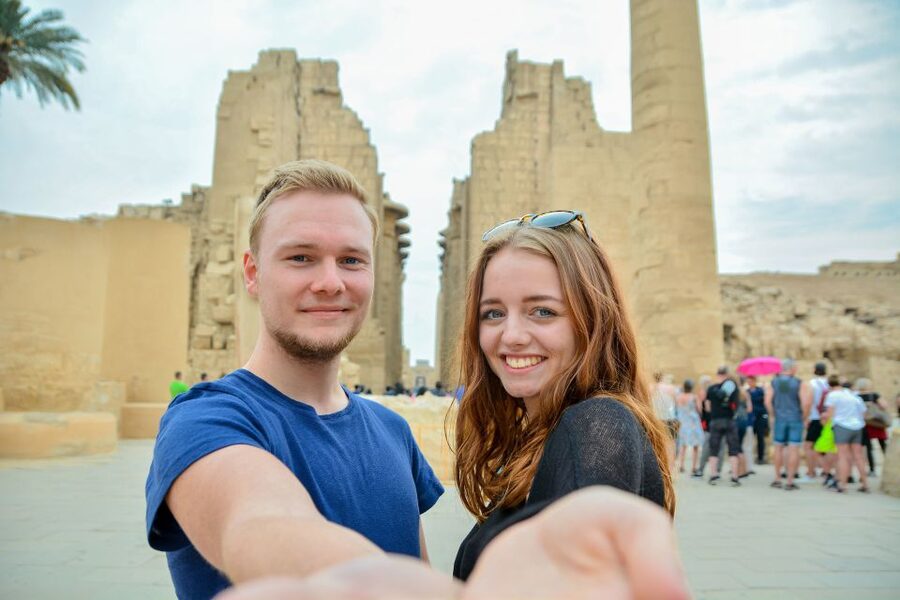
At $306 per person, the tour costs more than a simple local sightseeing bus. The price includes hotel pickup and drop-off when that option is selected, transport in an air-conditioned vehicle, site entry fees, an Egyptologist guide, lunch, and the Luxor city tour. Water or soft drinks on board are included as well.
That package has real value for someone based in Marsa Alam. You avoid arranging a private vehicle, buying multiple entrance tickets, finding a restaurant, and coordinating the West and East Bank sites yourself. The guide also handles the story behind the monuments, which is important when your visit is limited to one day.
The price does not include restaurant drinks, the optional 10 EUR Nile cruise, or the extra charge for Tutankhamun’s tomb. Oils and scarves also depend on the add-on you select. Add these only if they fit your budget, since the standard tour already covers the main archaeological stops.
The value depends on your priorities. If you want the convenience of seeing Luxor without changing hotels, the cost can make sense. If you are already planning to spend several nights in Luxor, arranging a slower local tour may give you more time at each site. Here, you are paying for distance, coordination, and a full day of major sights.
Who will enjoy this day trip most
I would recommend this tour to first-time Egypt visitors staying in Marsa Alam or El Quseir who want to see Luxor but cannot spare an overnight stay. It also suits people who prefer a structured day with transport, entrance fees, lunch, and a guide handled in one booking.
It works well for families and mixed-interest groups because the day includes tombs, statues, temples, a meal, and optional shopping. Language coverage is another strength, with Arabic, English, French, and German available. Italian guidance has also been provided on some departures, but you should confirm the language when arranging the tour.
You should think twice if heat, long road transfers, or a packed schedule make you uncomfortable. You will spend a lot of time getting to and from Luxor, and the monuments themselves require walking. People who want to study inscriptions slowly or take extensive photographs may feel pressed for time.
Book with the right mindset: this is an efficient introduction to Luxor, not a leisurely archaeological study tour. Wear comfortable shoes, bring sunglasses and identification, request your packed breakfast, and keep water with you. If you want Tutankhamun’s tomb or the Nile ride, plan for the extra cash before departure.
Should you book the Marsa Alam Luxor tour?
Book it if Luxor is a priority and you are based in Marsa Alam or El Quseir. The route covers the essential West Bank sights and Karnak, and the included guide, lunch, transport, and entry fees remove much of the day’s practical work. The consistently high praise for guides such as Shaban, Ragab, and Doa is another encouraging sign, especially for visitors who want clear explanations in their own language.
Skip it if you dislike long transfers or want to experience Luxor at a slow pace. The road journey is the price of seeing these monuments from the Red Sea coast in one day. For most first-time visitors, though, the chance to walk through royal tombs, see Hatshepsut’s temple, face the Colossi of Memnon, and enter Karnak makes the demanding schedule worthwhile.
FAQ
Where does the tour depart from?
Pickup is available from hotels in Marsa Alam and El Quseir.
What transport is provided?
Hotel pickup and drop-off are provided in an air-conditioned vehicle when the selected option includes it.
Is lunch included?
Yes. Lunch at a restaurant in Luxor is included, with an Egyptian-style buffet described for the meal.
Are restaurant drinks included?
No. Drinks at the restaurant are not included, although water or soft drinks are provided on board the vehicle.
Which sites are visited?
The route includes the Valley of the Kings, the Mortuary Temple of Hatshepsut, the Colossi of Memnon, and the Karnak Temples. A Luxor city tour is also included.
How many tombs can I visit in the Valley of the Kings?
The standard tour includes visits to three decorated tombs.
Is Tutankhamun’s tomb included?
No. Tutankhamun’s tomb is an optional add-on.
Is a Nile cruise included?
No. A 20-minute cruise is optional and costs 10 EUR, paid in cash on site.
Which languages are available?
The listed guide languages are Arabic, English, French, and German. Italian guidance has also been provided on some departures, so confirm the language when booking.
What should I bring?
Bring your passport or identity card, comfortable shoes, and sunglasses. You should also request a packed breakfast from your hotel reception one day before the trip.
Are oils and scarves included?
FTS organic oils and traditional Egyptian scarves are available only if the relevant add-on is selected.
Can I cancel the booking?
You can cancel up to 24 hours in advance for a full refund. The reserve-and-pay-later option allows you to book without paying immediately.
Just added in Luxor
- From Luxor: 3-Day Nile Cruise to Aswan with Private Guide★ 4.2 · 147 reviews
- Luxor: West Bank Kings and Queens All-Inclusive Tour & Lunch★ 4.5 · 298 reviews
- Luxor: West and East Banks All-Inclusive Tour & Balloon Ride★ 4.5 · 415 reviews
- Luxor: Private Full-Day Luxor Highlights Tour with Pickup★ 4.6 · 312 reviews
- Luxor: Hot Air Balloon Ride Over Temple of Hatshepsut★ 4.8 · 185 reviews
- Luxor: West & East Banks & Tut’s Tomb Private Full-Day Tour★ 4.8 · 173 reviews
- Luxor: Quad Bike Safari Experience★ 4.0 · 110 reviews
- Luxor: Valley of the Kings and Queens Guided Tour with Lunch★ 4.5 · 337 reviews
Valley of the Kings & Luxor Temples, compared.
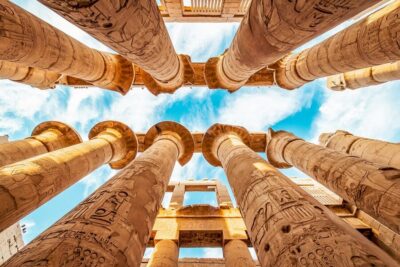
Luxor Valley of the Kings & Tutankhamun Tomb Trip
Read our review →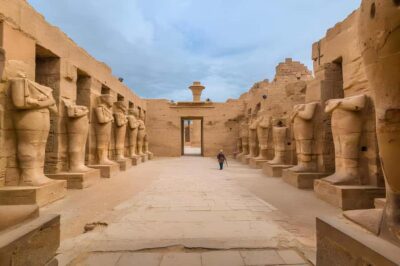
Luxor Day Trip from Hurghada Small Group & Tutankhamun Tomb
Read our review →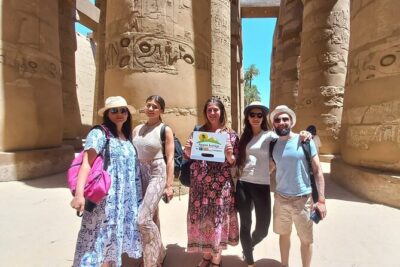
Small group Hurghada to Luxor, Valley of the Kings by Van
Read our review →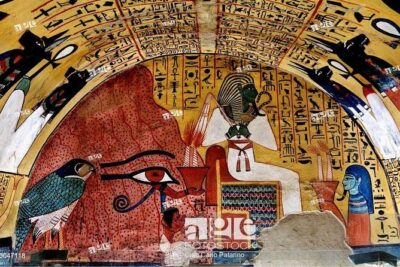
Luxor Day Tour: Valley of Kings & Queens & Hatchepsut Temples
Read our review →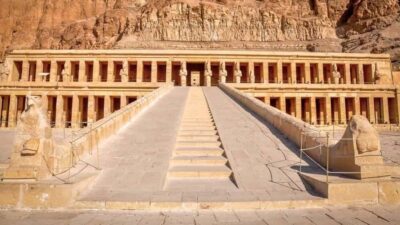
Valley of the Kings and Hatshepsut Temple Day Tour
Read our review →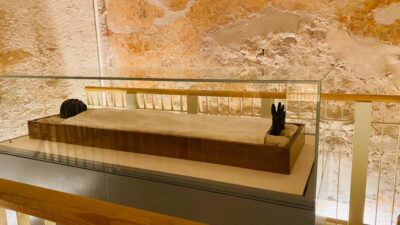
Luxor Tour with Valley of Kings, Karnak & Tut Tomb
Read our review →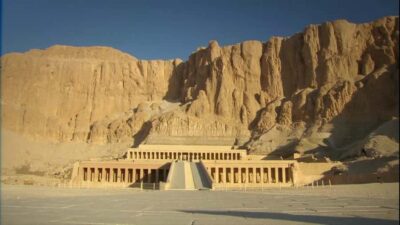
Luxor Highlights & King Tut Tomb Tour with Lunch
Read our review →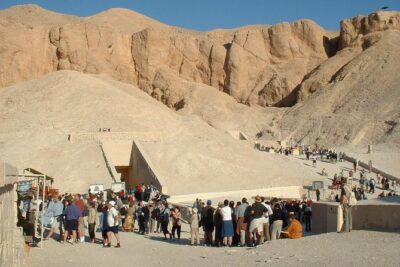
Valley of Kings, Hatchepsut Temple ,Karnak & Luxor-DayTour
Read our review →Browse the lists this tour appears in