Reviewed · MOROCCO · TOURS IN MARRAKECH
Marrakech: Moroccan Pastries and Tea Class with a Local
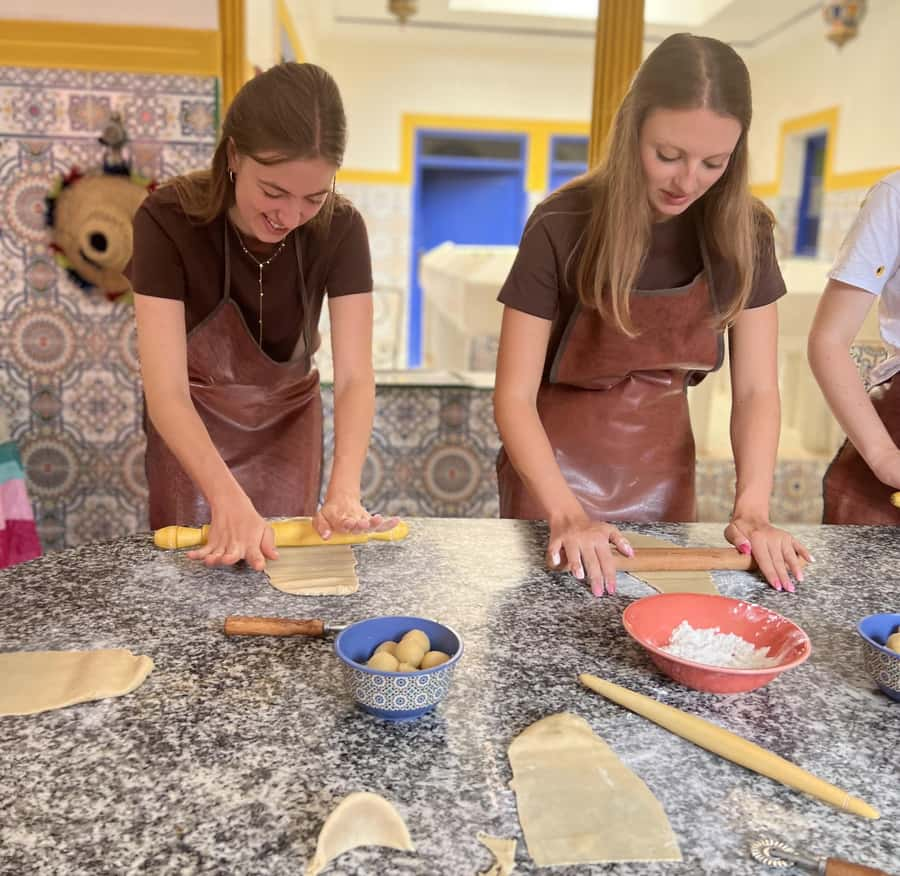
The best part of this Marrakech experience is that you do not just eat Moroccan pastries, you learn the careful little moves behind them. In 2.5 hours, a local chef guides you through pastries such as fekkas and Kaab el Ghazal, then shows you how to prepare mint tea and pour it in the traditional style. I like the hands-on cooking and the fact that you leave with both a tasting session and a box of pastries.
I also like the small group limit of 10, which gives the class a more personal feel. A four-person booking may even end up as a private session, as happened to one family. The main drawback is that the exact workshop location is sent before the experience date, so you will need to watch for those directions and allow extra time if you are arriving by taxi.
Key points at a glance
- Make traditional pastries from scratch: Learn the precise techniques behind Moroccan biscuits and pastries, including fekkas and Kaab el Ghazal.
- Use distinctive Moroccan flavors: Work with ingredients such as fennel seeds and orange blossom water.
- Finish with mint tea: Prepare Moroccan tea and practice the entertaining high pour.
- Take home a full box: You taste the fresh pastries at the end and pack more for later.
- Small groups help: The class accepts no more than 10 people and may become private for smaller bookings.
- Good value at $40: Equipment, instruction, tasting, mint tea, and takeaway pastries are included.
Why a pastry class fits a Marrakech day
Marrakech can be a lot to take in. The souks demand attention, the streets can feel busy, and after several hours of shopping or sightseeing, a calm kitchen table is a welcome change. This class gives you a reason to slow down without wasting half a day.
The focus is narrow and practical. You are not signing up for a broad Moroccan cooking course with several unrelated dishes. You are there to learn pastry, understand a few of the flavors that make Moroccan baking different, and sit down with tea at the end.
That makes this a good choice if you want an activity that feels connected to Morocco but does not require advanced cooking skills. One participant had not baked before and still found the class suitable. At the same time, the work is not effortless. Shaping pastry and handling precise techniques can be harder than it looks, which is part of the satisfaction.
The class lasts 150 minutes. That is long enough to move through preparation, baking, tea, tasting, and packing a box to take away, but short enough to fit around other Marrakech plans. I would place it on a day when you want a break from the medina rather than at the end of a tightly timed sightseeing schedule.
Other trips people book in Marrakesh:
- Marrakech: Agafay Desert Sunset, Camel Ride, and Dinner Show
★ 4.6 · 35,119 reviews - From Marrakech: Ouzoud Waterfalls Guided Hike and Boat Trip
★ 4.7 · 33,630 reviews - Marrakech: Agafay Desert Quad & Camel Rides with Dinner Show
★ 4.8 · 27,382 reviews
Arriving at the workshop
The exact meeting point is sent before the experience date. This is useful for flexibility, but it means you should not assume the workshop is directly beside your hotel or a familiar landmark. Check the directions as soon as they arrive.
One couple booked a taxi, ran late, and needed help finding the door. The guide directed the taxi driver and helped them locate the entrance. That is encouraging, but I would still build in extra time. Marrakech taxi journeys can take longer than expected, and a cooking class is not the place to arrive flustered.
Wear comfortable clothes suitable for cooking. You should also bring water. The class includes food and tea, but additional drinks are not included, so do not count on the workshop to cover every refreshment you may want.
The activity is offered in Arabic, French, and English. That language range is helpful for an international group, though pastry work can still require close attention. Watch the demonstration, ask questions as you go, and do not worry if the first attempt at shaping a pastry looks less tidy than the chef’s.
Learning the craft behind Moroccan pastries
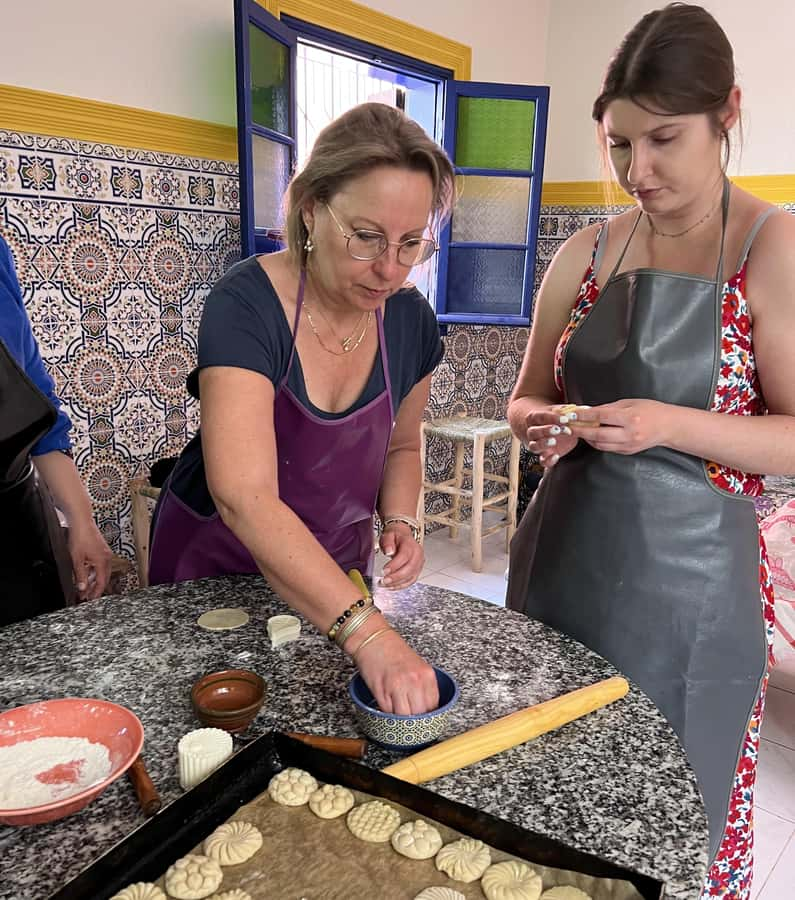
The heart of the class is learning why Moroccan pastries taste and feel the way they do. The chef explains the simple but exact methods used to prepare them, rather than handing you a finished pastry and calling it a lesson.
You can expect to work with traditional ingredients, including fennel seeds and orange blossom water. These details matter. They give the pastries a character that is different from standard European biscuits, and they help you understand how aroma is used in Moroccan sweets.
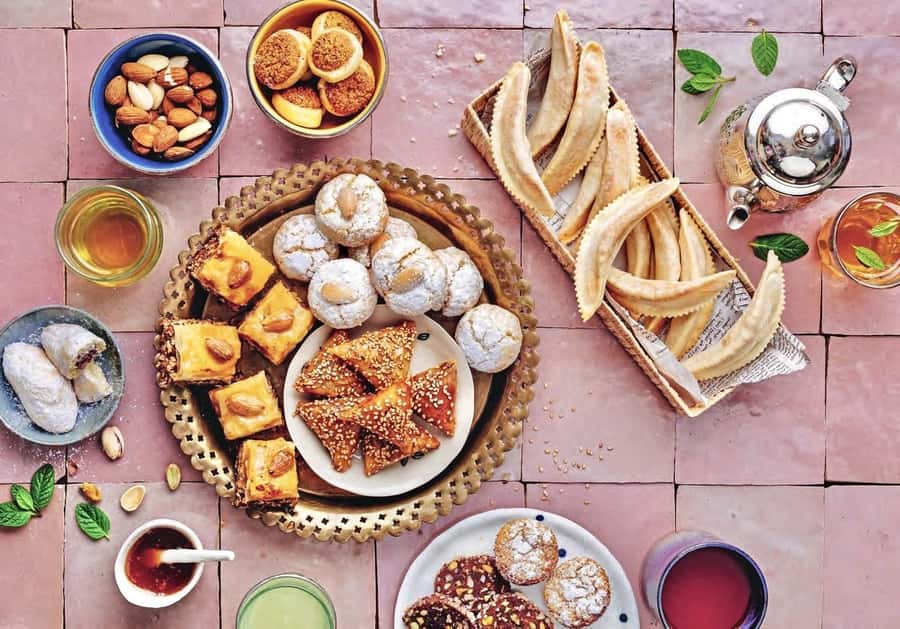
Fekkas is one of the named pastries you may make. It is a Moroccan biscuit, and the class gives you a chance to see the work involved instead of only buying it from a bakery. Kaab el Ghazal is also included in the pastry selection described by the activity. Its name means gazelle horn, and shaping it neatly takes patience.
The exact pastry lineup may depend on the session, so I would not book this expecting a fixed number of recipes. The clear promise is a Moroccan pastry workshop, not a guaranteed menu printed in advance. If a particular pastry matters to you, ask about it when you arrive.
This is also where the class earns its value for anyone who wants to repeat the experience at home. The techniques are described as simple, but precise. That distinction is important. You do not need to be an expert baker, yet you do need to follow the steps carefully.
One useful tip came from a participant who wished they had asked for the recipe at the end. If you want to recreate the pastries at home, ask for the written recipes before leaving. The class gives you practical experience, but the supplied information does not promise printed recipe cards.
The flavors that make the pastries Moroccan
A good pastry class should explain more than the shape of the finished food. Here, ingredients such as orange blossom water and fennel seeds help connect the baking to Moroccan food culture.
Orange blossom water adds a floral note. Fennel seeds bring a warm, lightly anise-like flavor. For a first-time baker, these ingredients are worth paying attention to because they show how a small amount can change the whole character of a recipe.
You also learn a little about when Moroccan pastries are eaten. That context helps the class feel less like a generic baking lesson moved to Marrakech. The food is presented as part of local eating habits, not simply as a set of technical exercises.
Still, keep your expectations sensible. The experience is built around making and tasting pastries, not a full lecture on Moroccan cuisine. You will leave with useful food context, but the main event is the work at the table.
Same base, a different sort of day:
- Marrakech: Agafay Desert Quad Biking Tour with Dinner-Show
★ 4.8 · 16,569 reviews - Marrakech: Atlas Mountains, Ourika Valley, Waterfall & Lunch
★ 4.8 · 15,834 reviews - From Marrakech: 3-Day Merzouga and Sahara Desert Tour
★ 4.9 · 15,308 reviews - From Marrakech: Merzouga 3-Day Desert Safari with Food
★ 4.7 · 12,232 reviews
Mint tea and the high pour
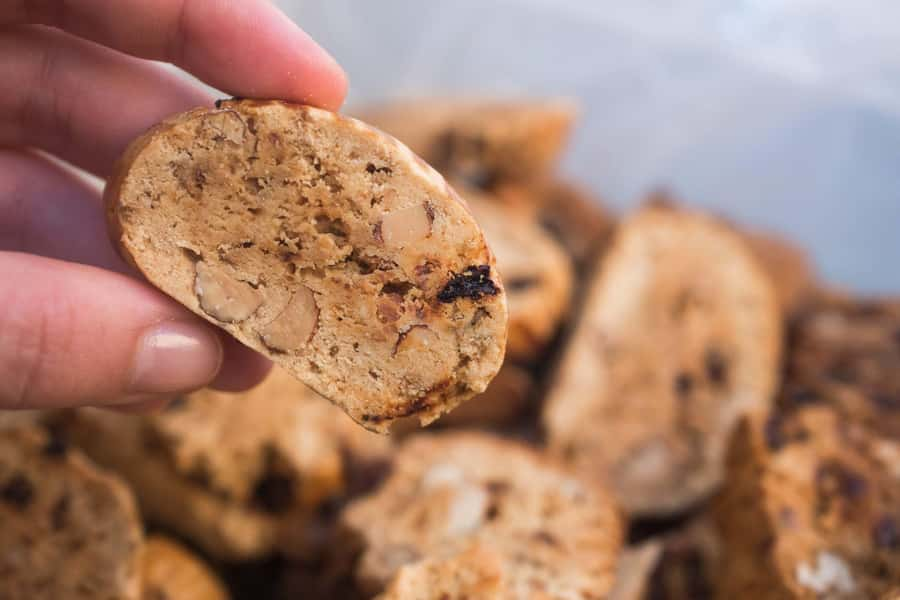
The tea portion comes after the pastry work and adds a welcome social finish. You learn how to make Moroccan mint tea, then drink it with the pastries you have prepared.
The pouring is part of the fun. Everyone may get a chance to pour the tea, creating a small performance at the end of the class. It is especially suited to families with older children or teenagers because the activity is simple, memorable, and a little nerve-racking without being complicated.
The pairing also makes sense. Sweet pastries and mint tea belong together, and tasting them fresh gives you a better idea of how the flavors balance. You are not simply waiting for a takeaway box. You sit down and enjoy the result while it is still part of the class.
The tea is included in the tasting session. Additional food and drinks are not included, so anything beyond the provided pastry and mint tea will cost extra.
What you take home
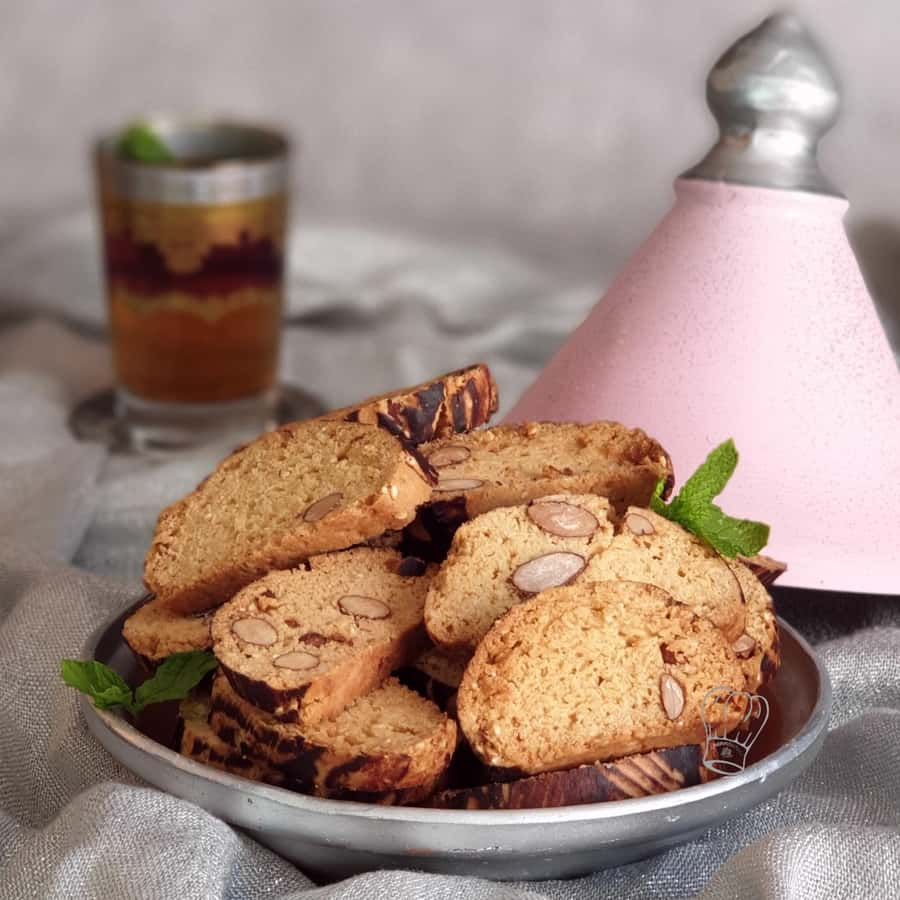
The takeaway box is one of the strongest practical benefits. You do not have to finish every pastry during the tasting, and you can share the results later with family or friends.
The amount is not specified, so I would avoid expecting a particular weight or number of pieces. You will receive a box of the pastries you made, but the final quantity can depend on the recipes and the group’s work.
This makes the class useful before a longer journey. One person booked it partly to stock up on pastries before heading toward Merzouga. I would not treat the class as a replacement for a proper meal, but the box can be a pleasant snack for later in your trip.
It also gives the activity a stronger sense of value. At $40 per person, you are paying for instruction, ingredients, equipment, tea, a tasting, and food to take away. The box is not the only reason to book, but it means you receive something tangible beyond the lesson itself.
Group size, families, and the pace of the class
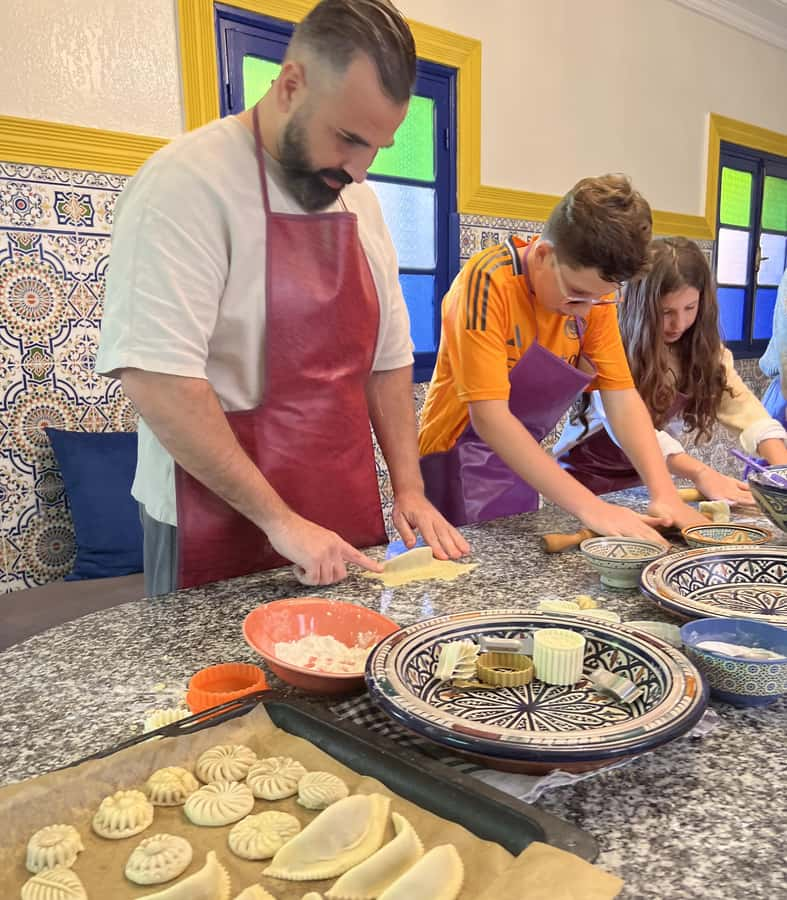
The class is limited to 10 people. That is small enough for direct help, especially when you are shaping pastries or trying a technique for the first time.
A smaller booking may be even better. Four people, including two teenagers, ended up with a private session. That kind of arrangement can make the class more relaxed and lets the chef spend more time correcting small mistakes or answering questions.
The activity works well for families with teenagers. The cooking is active, the tea pouring gives everyone a turn, and the food is familiar enough to appeal to young people who may not want a formal cultural tour. Children under 4 are not suitable for the class, and anyone under 18 must be accompanied by an adult.
I would also recommend it for couples, friends, and solo visitors who prefer an organized activity with a clear finish. You will meet other people if the class is shared, but the focus remains on baking rather than forced socializing.
Experienced bakers may find the pastry class fairly basic in some areas. If you already bake often, you may want the separate cooking class offered by the same provider instead. For a beginner, though, the careful instruction is a benefit rather than a limitation.
Is $40 a fair price?
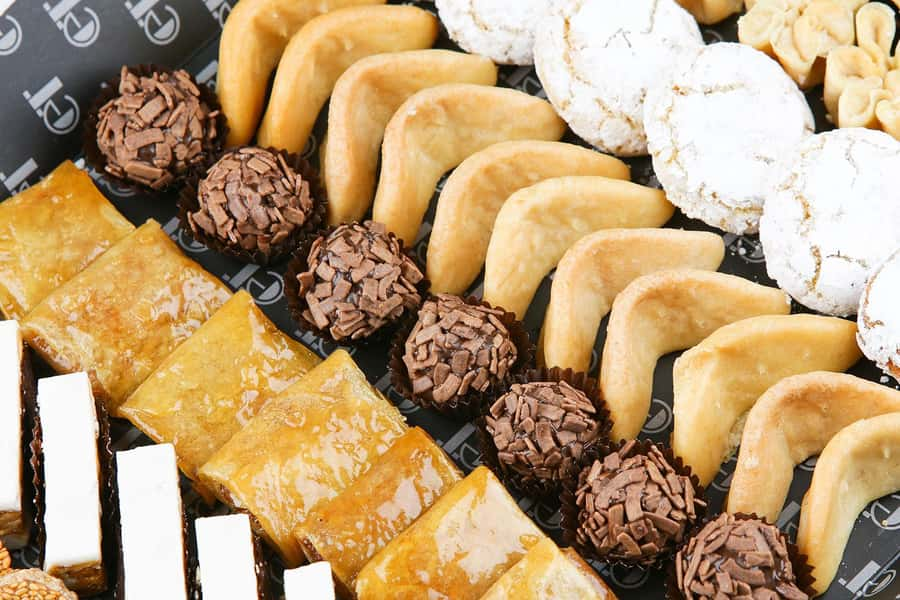
At $40, the price is reasonable if you value participation rather than just food. A bakery purchase would almost certainly be cheaper than paying for a class, but it would not give you the technique, tea lesson, or time with a local chef.
The inclusions are clear:
- Moroccan pastry cooking class
- Cooking equipment
- Tasting of the pastries
- Moroccan mint tea
- Box of pastries to take home
Hotel pickup and drop-off are not included. You also pay separately for additional food and drinks. The workshop location arrives before the date, so transport planning belongs to you.
The value is strongest for people who will use what they learn. If you enjoy cooking at home, the class may continue paying off after Marrakech. If you only want a quick snack, the 2.5-hour commitment may feel too long.
The experience has a rating of 4.7 from 84 bookings, and the most consistent strengths are easy to identify: friendly instruction, tasty pastries, good value, and a relaxed family-friendly setting. One minor practical complaint was the need to ask for the recipe, so make that request yourself before you leave.
A few practical tips before booking
Contact the provider in advance with any allergy information. This is important because the class uses multiple pastry ingredients, and allergy details must be provided before the activity.
Wear clothes you can cook in. You do not need special equipment, since everything required for the class is supplied, but comfortable clothing will make the work easier.
Keep water with you. The class includes mint tea, but water is still useful during a 150-minute activity.
Plan your transport carefully. Since pickup and drop-off are not part of the package and the exact location arrives later, leave spare time for a taxi and for finding the entrance.
If you want to repeat the recipes, ask for them before the final goodbye. You can also ask questions about when the pastries are traditionally eaten and how the tea is prepared. The instruction is offered in Arabic, French, and English.
Free cancellation is available up to 24 hours before the experience for a full refund. You can also reserve now and pay later, which helps if your Marrakech schedule is still changing.
Who should book this Marrakech pastry class?
I would recommend it to first-time bakers, families with older children, couples, and anyone who wants a quieter break from the souks. It gives you a local food experience without asking you to commit to a full day of cooking.
It is also a smart choice if you want an activity with a clear souvenir. You taste the pastries during the session and carry a box away afterward, so the class has a useful second life once you return to your accommodation.
I would be more cautious if you have very limited time, dislike sweet food, or want a serious advanced baking course. The class is about accessible Moroccan pastry, not professional certification or complex culinary training.
Should you book it?
Book this experience if you want to do something with your hands in Marrakech and learn food you can recognize, taste, and try to make again. The small groups, friendly support, mint tea ritual, and takeaway box give it more substance than a simple pastry tasting.
Skip it if your schedule is packed or you are mainly searching for a full savory Moroccan meal. For most people with 2.5 free hours, though, $40 is a fair price for a relaxed lesson, fresh pastries, tea, and a box to enjoy later. Ask for the recipes, arrive early, and bring your appetite.
FAQ
How long does the Moroccan pastry class last?
The experience lasts 150 minutes, or 2.5 hours.
How much does the activity cost?
The price is $40 per person.
What pastries will I learn to make?
The class focuses on Moroccan pastries, and the named examples include fekkas and Kaab el Ghazal. The exact selection may vary by session.
Is Moroccan mint tea included?
Yes. You learn how to make Moroccan mint tea and taste it with the pastries you prepare.
Can I take pastries home?
Yes. A box of pastries is included for you to take home after the class.
Is cooking equipment provided?
Yes. All necessary cooking equipment is included.
How many people are in the group?
The class is limited to 10 participants. Smaller bookings may sometimes have a private session.
What languages does the instructor speak?
Instruction is available in Arabic, French, and English.
Are children allowed to participate?
Children under 4 are not suitable for the activity. Participants under 18 must be accompanied by an adult.
What should I bring to the class?
Bring water and wear comfortable clothing suitable for cooking. You must provide allergy information in advance.
Just added in Marrakesh
- Marrakech: Tailor-Made City Tour With Your Own Private Guide★ 4.9 · 236 reviews
- Marrakech palm grove: Sunset camel ride★ 4.8 · 194 reviews
- Sparkling Marrakech through the eyes of your local Guide★ 4.7 · 247 reviews
- Small-Group Day Trip from Marrakech to Essaouira Mogador★ 4.8 · 211 reviews
- Quad biking in Agafay Desert with lunch & Camel Ride & pool★ 4.5 · 186 reviews
- Marrakech: Historical Discovery Tour★ 4.1 · 87 reviews
- Marrakech: Palm Grove Horseback Riding Tour★ 4.6 · 163 reviews
- From Marrakech: Ouzoud Waterfalls Guided Hike and Boat Trip★ 4.9 · 161 reviews
Tours in Marrakech, compared.
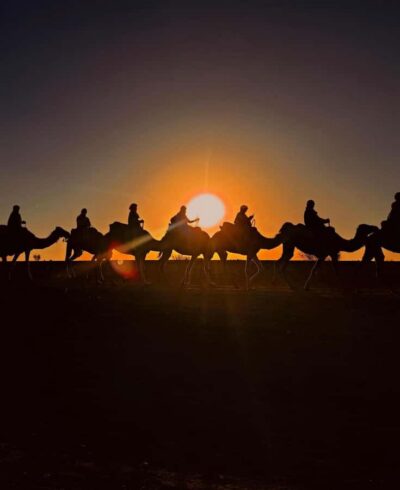
Agafay Desert Sunset, Camel Ride, and Dinner Show
Read our review →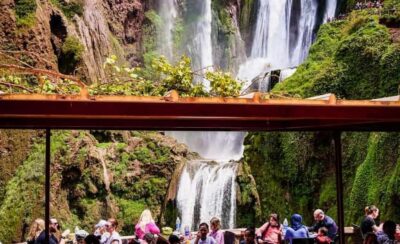
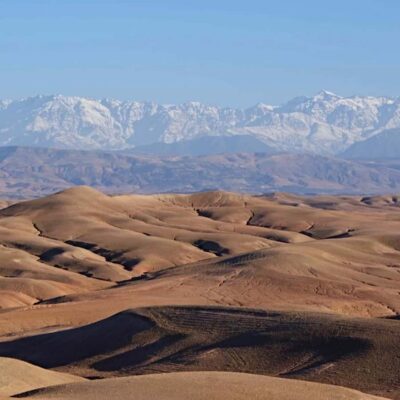
Agafay Desert Quad & Camel Rides with Dinner Show
Read our review →
Agafay Desert Quad Biking Tour with Dinner-Show
Read our review →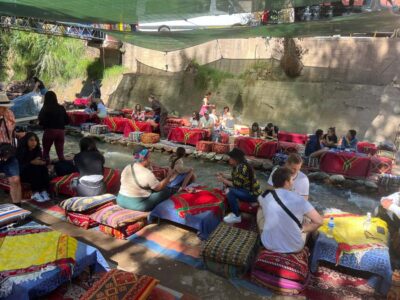
Atlas Mountains, Ourika Valley, Waterfall & Lunch
Read our review →
Berber villages : Atlas Mountains Day Hike from Marrakech
Read our review →