
Reviewed · EGYPT · TOURS IN LUXOR
Luxor: Shared Full-Day Tour to Luxor West and East Banks
Luxor packs some of Egypt’s greatest ancient sites into one long day. This tour takes you from the Valley of the Kings and Hatshepsut’s cliffside temple on the west bank to Karnak and Luxor Temple on the east, with an Egyptologist guide putting the stones, gods, rulers, and rituals into context. I especially like the broad coverage and the chance to see both banks without arranging several separate rides.
I also like the balance between guided explanations and free time for photos. Guides such as Alaa Hassan, Gabriel, Ahmed Bahaa, Omar, and Adam are repeatedly praised for clear English, friendly help, and passionate storytelling. The tradeoff is simple: this is a packed day. You may spend around eight hours on the schedule, and some groups report closer to ten, so early starts, heat, and a smaller shared minibus can test your patience.
Key points at a glance
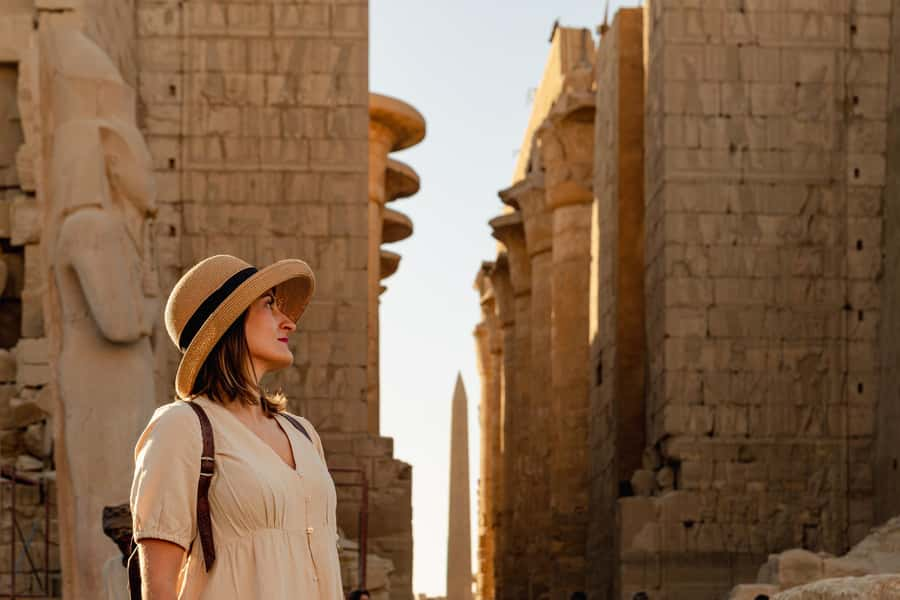
- Five major Luxor sights in one day: Cover the Valley of the Kings, Hatshepsut’s temple, the Colossi of Memnon, Karnak, and Luxor Temple.
- West bank first: Begin among royal tombs and funerary monuments before crossing to Luxor’s great temple precincts.
- Guides make the difference: Alaa Hassan, Gabriel, Ahmed Bahaa, Omar, Adam, and others are praised for strong English, humor, patience, and detailed explanations.
- Lunch is included: Stop at a local restaurant, with some meals served buffet-style or on a terrace overlooking farmland.
- Good value at $90: The price includes lunch, hotel pickup and drop-off in Luxor’s East Bank, and entrance fees if that option is selected.
- A full but demanding day: The schedule gives you the essential sights, but it is not designed for slow, solitary exploration.
Why this Luxor day works
I like this tour because it answers the biggest practical problem in Luxor: the monuments are spread across two sides of the Nile, and seeing the main ones independently takes planning, transport, and patience. Here, the day is arranged in a sensible west-to-east order, with a guide handling the movement between sites.
The route also gives you a useful historical contrast. The west bank is mainly about death, burial, and the afterlife. The east bank focuses more on temples used for worship and royal ceremony. You will not simply look at a series of old walls. You will see how ancient Egyptians organized sacred space and royal power.
The group format keeps the $90 price below what a private day usually costs, but it comes with less control. You cannot linger indefinitely at one tomb or decide to skip a stop for a long coffee. If you want the greatest number of major sights in a single day, that is a fair bargain. If you prefer a slow archaeological day, a private guide or a two-day plan may suit you better.
A few more things to do in Luxor worth a look
- Full Day Tour to East and West Banks of Luxor
★ 5.0 · 1,449 reviews - Luxor : Full Day Tour to Luxor West and East Banks & Lunch
★ 5.0 · 870 reviews - Full Day Tour of Luxor West Bank Temples and Tombs (Private)
★ 5.0 · 722 reviews
The Valley of the Kings: tombs cut into the desert hills
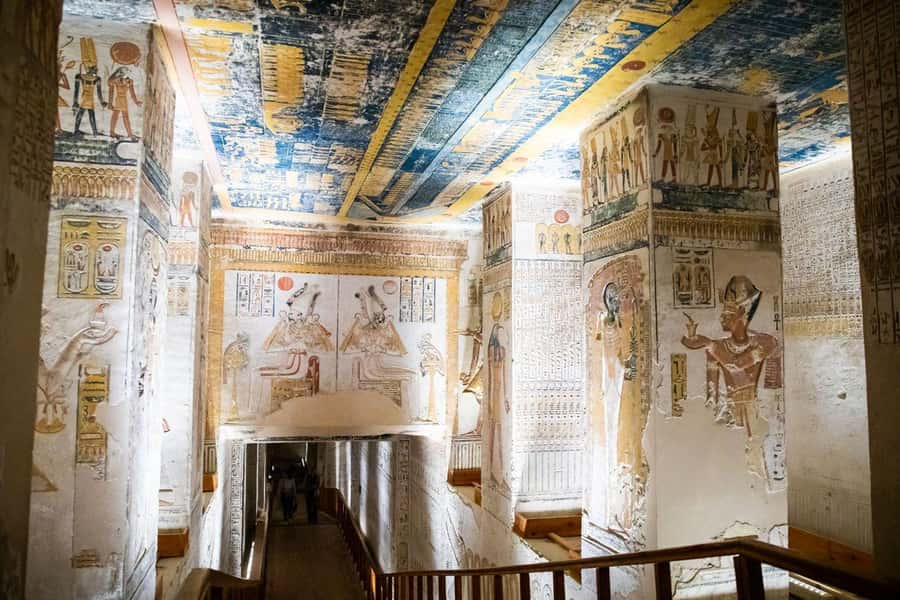
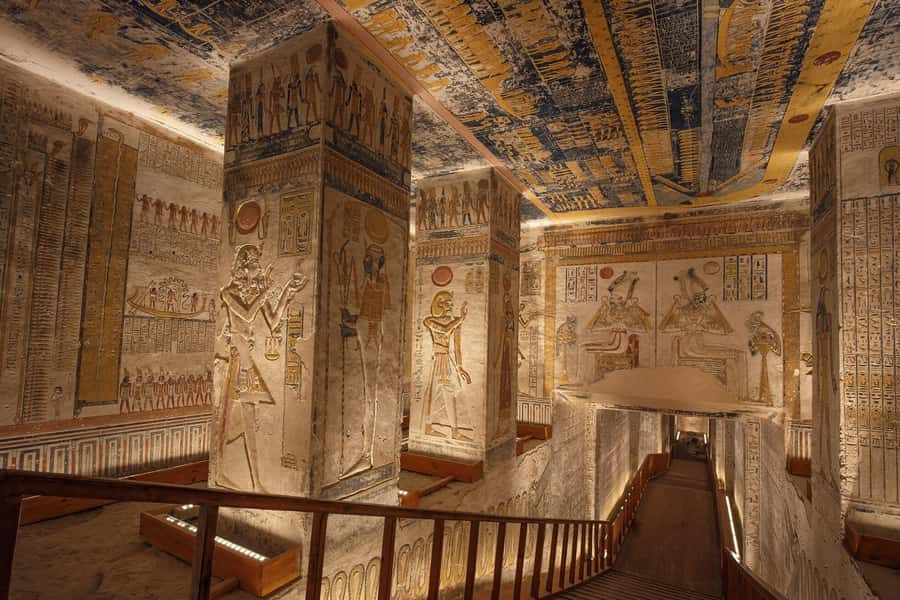
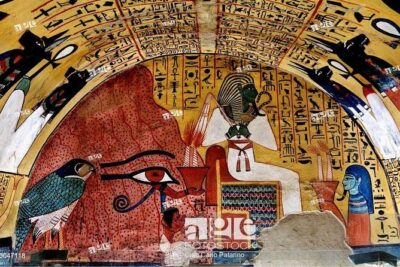
The west-bank morning begins at the Valley of the Kings, also called the Valley of the Gates of the Kings. This is the emotional high point for many people because the royal tombs are not grand buildings above ground. They are corridors and chambers cut into the rock, hidden in the dry hills.
Your guide explains how the tombs were made and why their wall paintings matter. The details are easier to appreciate after someone points out the scenes, symbols, and beliefs connected with the dead king’s journey.
The standard admission lets you enter the tombs covered by your ticket, while special tombs may require an extra ticket. One useful example is Tutankhamun’s tomb, which a participant chose to add separately. If that tomb matters to you, ask your guide about the current extra charge before committing.
This stop can feel rushed simply because there is so much to see. A good guide helps by steering you toward the most worthwhile chambers and explaining the images before giving you time to look around and take pictures. Alaa Hassan, Gabriel, Mahmoud Hassan, and other guides are specifically praised for showing the best spots and adding details about the art and symbolism.
Wear sensible shoes and bring water. The day gets hot quickly, and the Valley offers little shade once you are moving between sites.
Hatshepsut’s three terraces at Deir el-Bahari
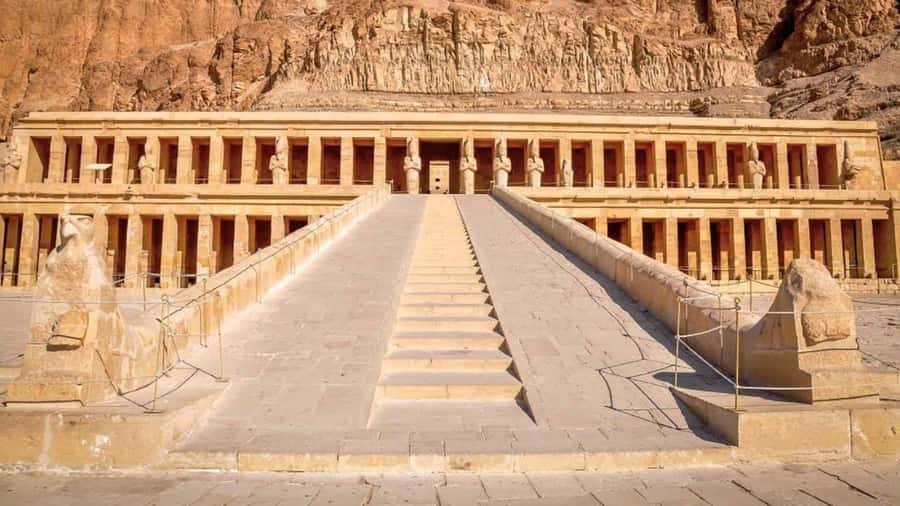
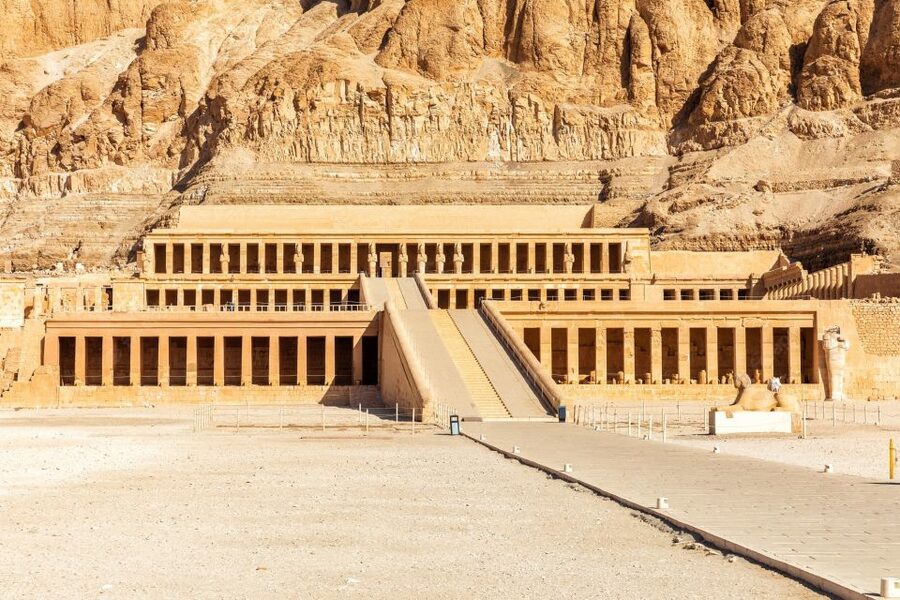
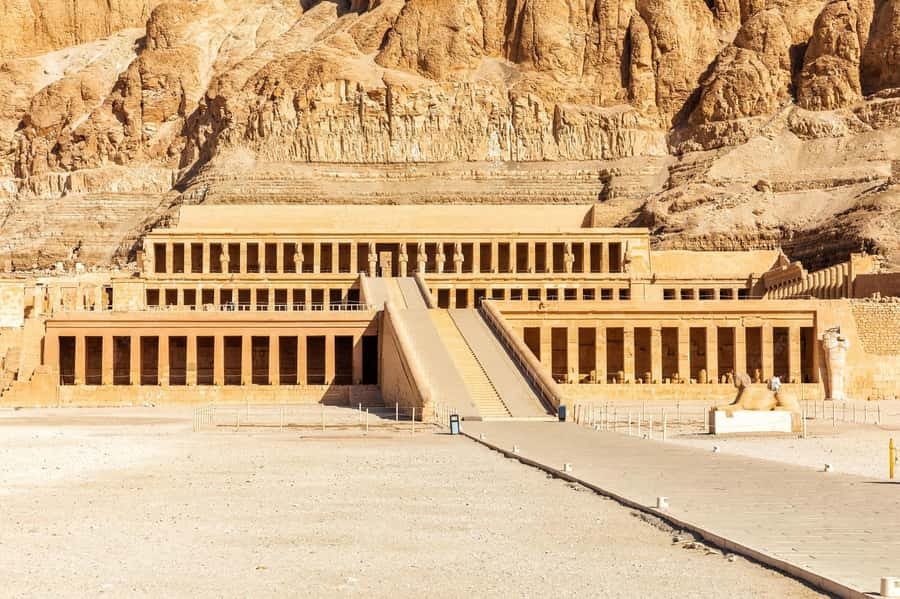
Next comes the Mortuary Temple of Queen Hatshepsut, opposite modern Luxor. Its broad terraces rise from the desert floor toward the cliffs of Deir el-Bahari, creating one of the most striking architectural views in Egypt.
This is more than a photo stop. Hatshepsut ruled as a woman who took on the full visual language of kingship, and the temple helps your guide explain how royal identity, religion, and trade were displayed in stone. Look closely at the symmetry and the way the building connects with the cliffs behind it.
I like this part of the itinerary because it breaks up the enclosed tombs with open space and strong lines. You can take in the full structure from a distance, then walk closer to examine the terraces, columns, and carved scenes.
The open setting also means direct sun. Your guide may provide a useful explanation before allowing time for photos, and that arrangement works well here. You get the story without having to follow a constant stream of commentary while trying to frame the temple.
The Colossi of Memnon and a quick look at Amenhotep III
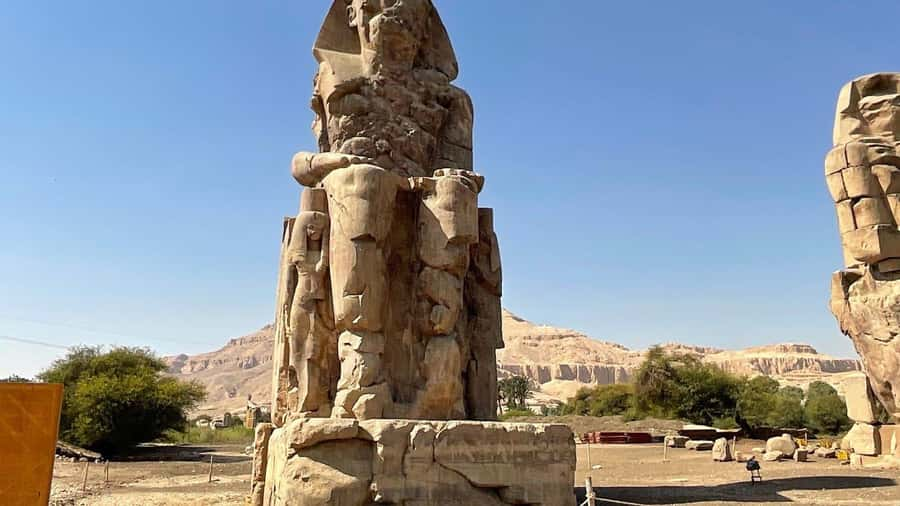
The Colossi of Memnon are enormous seated statues marking the remains of the mortuary temple of Amenhotep III. The statues are the surviving part most visitors notice first, but the guide helps you understand that the original temple complex was far larger.
This stop is shorter than the Valley of the Kings or Karnak, but it earns its place because the scale is immediate. Stand near the statues and look up. Their size gives you a clear sense of how ancient rulers used architecture to project authority.
Do not expect a long exploration of a complete temple here. The attraction is mainly the colossi and the explanation of the lost or ruined mortuary complex. That makes it a useful stop between the two larger west-bank visits, rather than a place where you will spend hours.
Same base, a different sort of day:
- Hurghada: Luxor Valley of the Kings & Tutankhamun Tomb Trip
★ 4.7 · 13,208 reviews - Luxor Day Trip from Hurghada Small Group & Tutankhamun Tomb
★ 4.8 · 5,366 reviews - Hot Air Balloon Ride in Luxor Egypt with Transfers Included
★ 5.0 · 4,319 reviews - Luxor: Hot Air Balloon Ride over Luxor Relics
★ 4.8 · 1,681 reviews
Lunch at a local restaurant
Lunch follows the west-bank visits at a local restaurant. The meal is included, and the food is described as local, with one meal served buffet-style on a terrace overlooking a tomato farm.
That setting matters because lunch gives you a real break from the monuments, not just a snack eaten beside the vehicle. It is also a chance to sit with the shared group and compare what you have seen so far.
Food quality can vary from day to day, so I would treat the included lunch as a practical benefit rather than the main reason to book. The strongest value comes from having the meal built into a day that already covers several admission-based attractions.
Karnak Temple: the grandest scale of the day
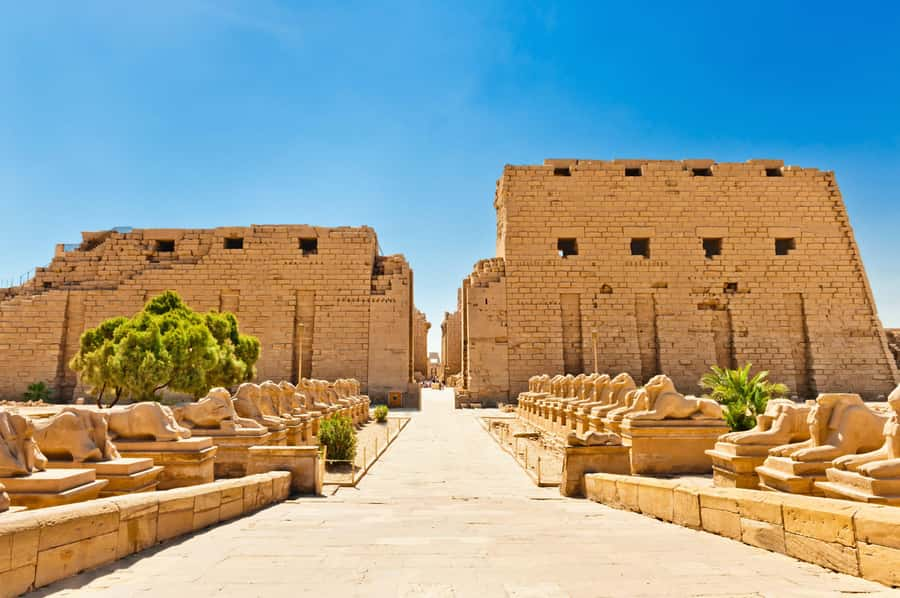
After lunch, the tour crosses to Karnak Temple, dedicated to Amun, his wife Mut, and their son Khonsu. Together, these deities formed the Theban triad, and the temple complex grew over many centuries as rulers added halls, columns, statues, and sacred spaces.
Karnak is the stop where a good Egyptologist guide earns the fee. The site is vast, and without context, it can become a blur of columns and broken walls. With clear explanations, you can understand how the complex worked as a place of worship and how the Theban triad shaped its religious purpose.
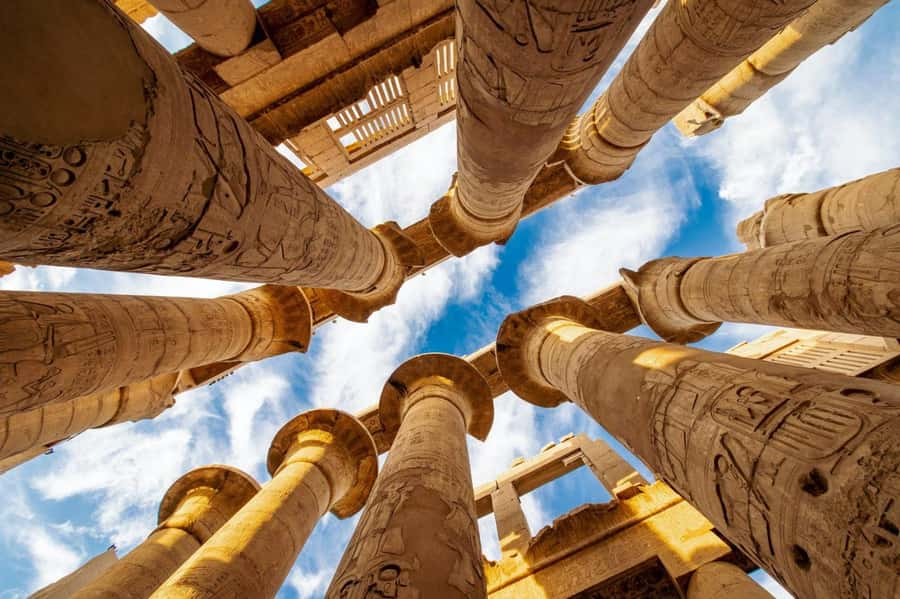
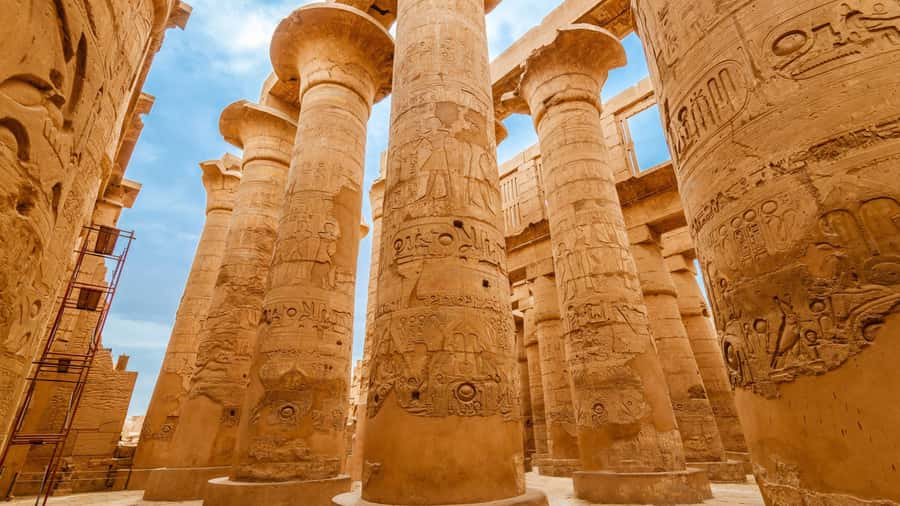
The Great Hypostyle Hall is especially impressive, with its forest of massive columns and carved surfaces. Your guide may also point out details in the reliefs that are easy to miss when you are focused only on size.
Several people specifically praise guides for explaining not only what they were seeing but why the buildings were arranged as they were. That is the sort of help you want at Karnak. The stones are impressive on their own, but the ritual purpose turns them into a coherent place.
Allow yourself time to look up, take photos, and absorb the scale. The tour is busy, so you probably will not explore every corner. Still, the guided route should take you through the major areas and explain the central story.
Luxor Temple after the afternoon heat
Luxor Temple is the final major sight. Amenhotep III began the temple in the 18th Dynasty, and Ramses II completed important parts of it later. Its location within the modern city gives it a different feeling from the west-bank monuments and the huge Karnak complex.
I like ending here because Luxor Temple brings together many of the themes introduced during the day: kingship, worship, processions, and the relationship between rulers and the gods. The columns, statues, and ceremonial spaces are easier to understand after you have already heard about Amun and the Theban triad at Karnak.
By this point, fatigue is the main concern. The temperature may be higher, your feet may be tired, and your attention may be wearing thin. The guides who receive the strongest praise, including Adam, Ahmed Bahaa, and Omar, are described as keeping the explanations lively while allowing time for photos and questions.
The temple is also a good place to ask anything that remained unclear earlier. A patient guide can connect the west-bank funerary monuments with the east-bank temples and help you finish the day with a clearer picture of ancient Luxor.
Guides are the main strength
The experience depends heavily on your assigned guide, and the feedback points to a strong pool of English-speaking Egyptologists. Names frequently praised include Alaa Hassan for passionate explanations and excellent communication, Gabriel for detailed mythology and engaging stories, Ahmed Bahaa for thorough explanations and friendly energy, and Omar for patience and care throughout the day.
Adam is also praised for humor, storytelling, and taking good photos. Other guides named in the feedback include Beshoy, Mena Oweda, Mohammed, Mahmoud, Hassan, Mina, Alladin, and Abanoub. This is useful to know because a shared tour is not a completely fixed performance. Your guide’s style will shape the day.
The best guides appear to follow a helpful pattern: explain the site, answer questions, then let you explore independently. That balance is important. You want enough information to understand the monument, but not so much talking that you cannot enjoy the place yourself.
Communication before pickup is also described as good, and one guide adjusted the order of visits after a delayed flight so a participant could still see the main attractions. That kind of flexibility cannot be guaranteed, but it is exactly what you want from a guide managing a tight schedule.
Transport, timing, and the shared-group tradeoff
Hotel pickup and drop-off are included for hotels on Luxor’s East Bank. The tour is shared, so vehicle size and group comfort can vary. One participant found the minibus a little small, while another described the car as being in good condition and the driver as very good.
The advertised duration is eight hours, but some days may run closer to ten hours once pickup, site visits, and driving are counted. Build in breathing room after the tour. Do not schedule a flight, train, or nonrefundable evening activity too tightly afterward.
Starting early is smart. The sites are easier in the cooler part of the day, and an early beginning may help your group manage queues and heat. One participant specifically advised starting early because the program includes a lot of driving and the temperature rises quickly.
The schedule is efficient rather than leisurely. You will cover the key sights, but a shared group may need to wait for other people. One useful advantage is that the guides are described as managing the order of stops to avoid lines when possible.
An alabaster factory visit has occurred on at least one tour. It was described as easy to decline without pressure. Since it is not part of the listed main attractions, ask about any extra shopping stop if you prefer to keep the day focused on ancient sites.
Is $90 good value?
At $90 per person, the price is strong for a full-day route covering both banks, particularly if your selected option includes entrance fees. Lunch, East Bank hotel transport, and an English-speaking guide are included. That saves you from arranging several separate transfers and hiring a guide at each major site.
Check the booking option carefully because entrance fees are included if that option is selected. Spanish, German, and French guiding are available as add-ons, while the activity information also lists English, French, German, and Spanish guide availability.
The value is highest for a first visit, a short stay, or anyone who wants to see the essential Luxor sights efficiently. It is less ideal if you already know the sites and want long periods for photography, sketching, or quiet exploration.
Cancellation is flexible up to 24 hours before the tour for a full refund, and you can reserve and pay later. Those terms help if your Luxor plans depend on transport or changing weather, but the real decision is still about pace.
Who should book this day?
Book it if you want an organized introduction to Luxor, prefer having an Egyptologist explain the monuments, or have only one full day available. Solo visitors can also benefit from the shared format, since one participant found the group welcoming and did not feel alone.
Families and first-time visitors may appreciate the clear route and built-in lunch. The guides are repeatedly praised for patience, answering questions, helping with photos, and making difficult history easier to follow.
Think twice if you dislike early starts, hot open sites, shared vehicles, or fixed schedules. If you want extra tombs, longer time at Karnak, or a slow lunch, ask about a private option or split the west and east banks over two days.
Final verdict
I would book this tour for a first look at Luxor, especially when time is short. The route covers the ancient city’s essential monuments, the guide adds real value, and $90 is fair when lunch, transport, and selected entrance fees are included.
Go in expecting a big day, not a gentle stroll. Start early, carry water, wear comfortable shoes, and tell the guide which sites matter most to you. If you can handle the pace, this is an efficient and well-supported way to meet Luxor’s greatest temples and tombs.
FAQ
How long does the Luxor tour last?
The advertised duration is eight hours. Some participants describe days closer to ten hours, so you should allow extra time for pickup, site visits, and the return journey.
Which sites are included?
The route includes the Valley of the Kings, the Mortuary Temple of Queen Hatshepsut, the Colossi of Memnon, Karnak Temple, and Luxor Temple.
Is lunch included?
Yes. Lunch at a local restaurant is included, with some meals described as local food served buffet-style or on a terrace.
Is hotel pickup included?
Hotel pickup and drop-off are included for hotels on Luxor’s East Bank. The listed pickup location is Luxor.
Are entrance fees included?
All entrance fees are included if you select the option that includes them. Extra tickets for special tombs, such as Tutankhamun’s tomb, may not be covered by the standard selection.
Which guide languages are available?
The activity lists English, French, German, and Spanish guide availability. Spanish, German, and French-speaking guides may be offered as an add-on.
Just added in Luxor
- From Luxor: 3-Day Nile Cruise to Aswan with Private Guide★ 4.2 · 147 reviews
- Marsa Alam: Valley of the Kings & Karnak Temples Luxor Tour★ 4.6 · 177 reviews
- Luxor: West Bank Kings and Queens All-Inclusive Tour & Lunch★ 4.5 · 298 reviews
- Luxor: West and East Banks All-Inclusive Tour & Balloon Ride★ 4.5 · 415 reviews
- Luxor: Private Full-Day Luxor Highlights Tour with Pickup★ 4.6 · 312 reviews
- Luxor: Hot Air Balloon Ride Over Temple of Hatshepsut★ 4.8 · 185 reviews
- Luxor: West & East Banks & Tut’s Tomb Private Full-Day Tour★ 4.8 · 173 reviews
- Luxor: Quad Bike Safari Experience★ 4.0 · 110 reviews
Tours in Luxor, compared.
Luxor Valley of the Kings & Tutankhamun Tomb Trip
Read our review →
Luxor Day Trip from Hurghada Small Group & Tutankhamun Tomb
Read our review →
Hot Air Balloon Ride in Luxor Egypt with Transfers Included
Read our review →
Luxor Day Tour: Valley of Kings & Queens & Hatchepsut Temples
Read our review →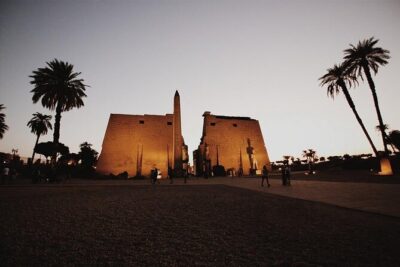
Full Day Tour to East and West Banks of Luxor
Read our review →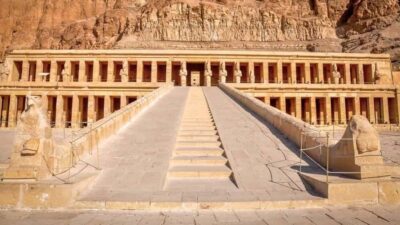
Valley of the Kings and Hatshepsut Temple Day Tour
Read our review →
2-Day Luxor Tour with Hotel, Balloon, & Boat Ride
Read our review →Browse the lists this tour appears in