
Reviewed · EGYPT · TOURS IN LUXOR
Luxor: Valley of the Kings and Queens Guided Tour with Lunch
Luxor’s west bank is best understood underground, where painted tombs still glow in the desert heat. This five-hour tour takes you through the Valley of the Kings, the quieter Valley of the Queens, and the Colossi of Memnon, with an Egyptologist to explain what you are seeing.
I like the small-group format, which gives you room to ask questions and, in some cases, set the pace. I also like the included local lunch, often served as a buffet and sometimes with a view toward the Nile. The main catch is that special tombs, including Tutankhamun’s, Seti I’s, and Ramses V and VI, may cost extra, and the included entrance arrangement must be checked when booking.
- Three major west-bank stops: See royal tombs, family tombs, and the giant Colossi of Memnon in one half-day.
- Guides who add real value: Gabriel, Manal, Mina, George, Remon, and others are praised for clear explanations and practical tomb advice.
- Small groups help: You get more time for questions and a less hurried visit than on a large coach outing.
- Lunch is part of the plan: Expect a simple Egyptian meal or buffet, with drinks generally paid separately.
- Hotel pickup is included: Wait in your hotel lobby for the driver, then return to the same hotel after lunch.
- Budget for extras: Entrance fees may depend on the option selected, and famous individual tombs usually require an added ticket.
A practical way to see Luxor’s west bank
At $40 per person, this is a well-priced way to cover three famous sights without arranging a separate car, guide, and restaurant stop. The value comes less from the ticket itself and more from having transport, an Egyptologist, lunch, and hotel drop-off folded into one short outing.
You should allow about five hours, although some outings finish closer to four. Pickup times vary, so you need to check the available start time and be ready in your hotel lobby. The tour is listed as a small-group experience, and several outings have been particularly intimate, with only a handful of people.
That matters at the Valley of the Kings. A good guide can explain the tombs before you enter, point out details you might miss, then let you explore without hovering over you. Guides are not always permitted inside the tombs, so the best ones prepare you outside with photos, diagrams, and a clear idea of what to look for.
The guiding is the strongest part of this experience. Gabriel receives repeated praise for explaining both ancient Egyptian religion and the wider story of dynasties and succession. Manal, Mina, George, Remon, and Mohammed are also singled out for friendly, clear presentations. If you care about the history rather than simply collecting photographs, the guide can make the extra cost of a group tour worthwhile.
The Valley of the Kings and its painted tombs

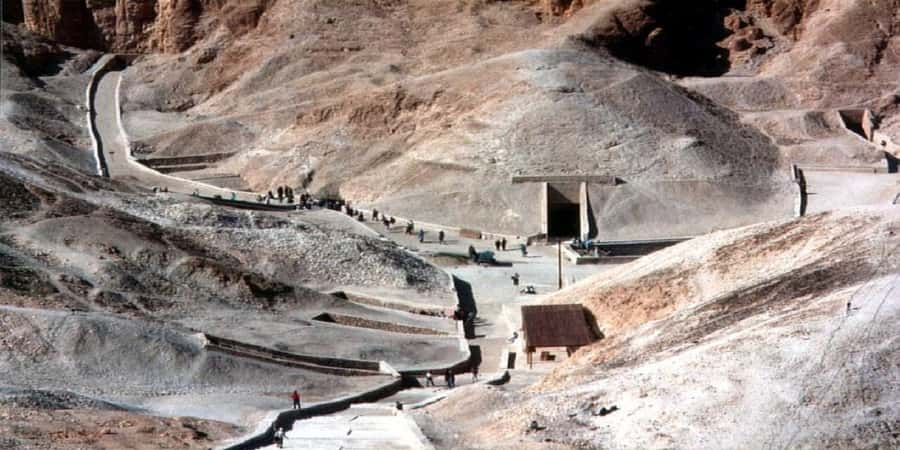
Your first main stop is the Valley of the Kings, where pharaohs of Egypt’s New Kingdom were buried. The site contains 63 known tombs, though only a selection is open or included on a normal visit.
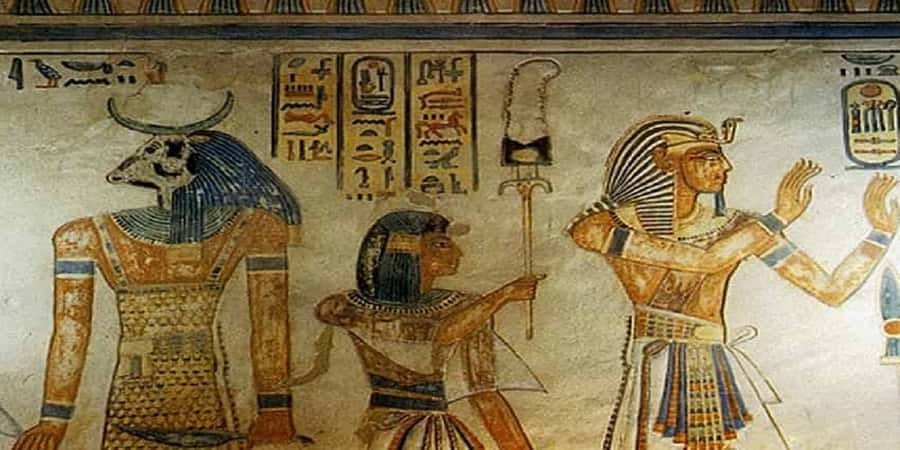
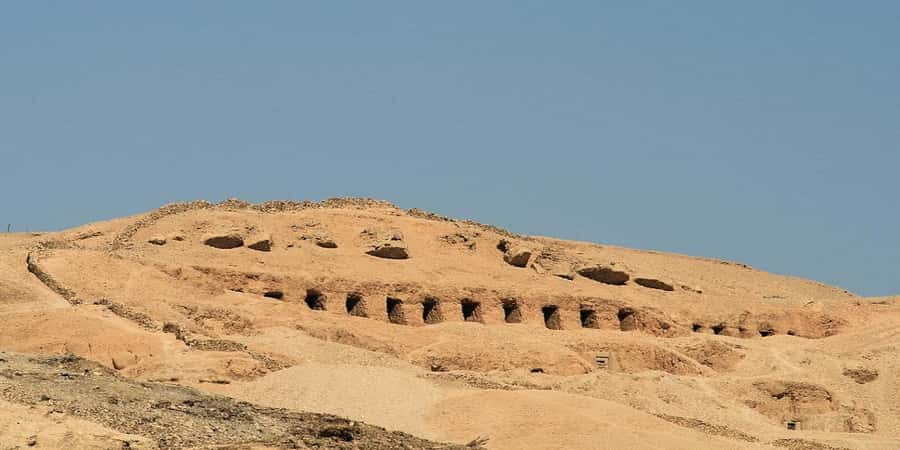
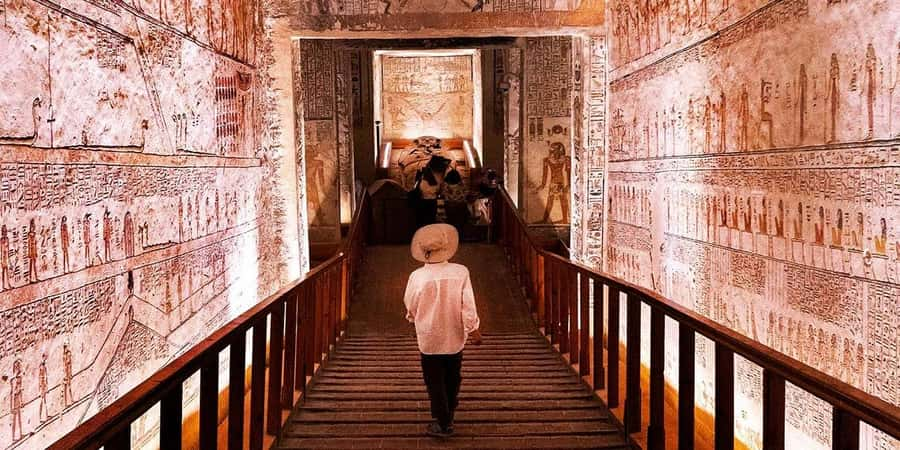
The setting is stark and dry. You are not walking through a leafy archaeological park. You are crossing a desert valley surrounded by bare hills, then heading into steep corridors cut into the rock. The contrast is part of the appeal. Outside, the site feels sun-bleached and severe. Inside, painted figures, hieroglyphs, and ritual scenes can still show strong color.
The standard ticket usually gives access to a set number of tombs, but the exact arrangement depends on the ticket option. Read the booking details carefully. Some descriptions indicate that entrance fees are included only when the appropriate option is selected, while several bookings have required visitors to pay the main valley tickets separately.
Special tombs cost extra. Tutankhamun’s tomb is the most famous, although the chamber is small and the tomb’s importance comes largely from the discovery of his burial and the preserved mummy. Seti I and Ramses V and VI are also often treated as paid additions. One useful tip from the guiding on this tour is to ask which tombs are most worthwhile before buying extras. Guides such as Remon and Gabriel have been praised for helping people choose.
The tombs are hot, and some entrances require a steep walk down a sloping passage. Wear proper walking shoes, bring water, and do not expect the temperature inside to be comfortable. Sunglasses and a hat help outside, but you may want to remove the hat once you enter a low or crowded corridor.
Photography rules can vary by site and tomb. Your guide can explain what is permitted and warn you about people offering photographs in exchange for tips. Follow the rules, and keep small cash available if you choose to use an approved service, but do not feel obliged to accept every offer.
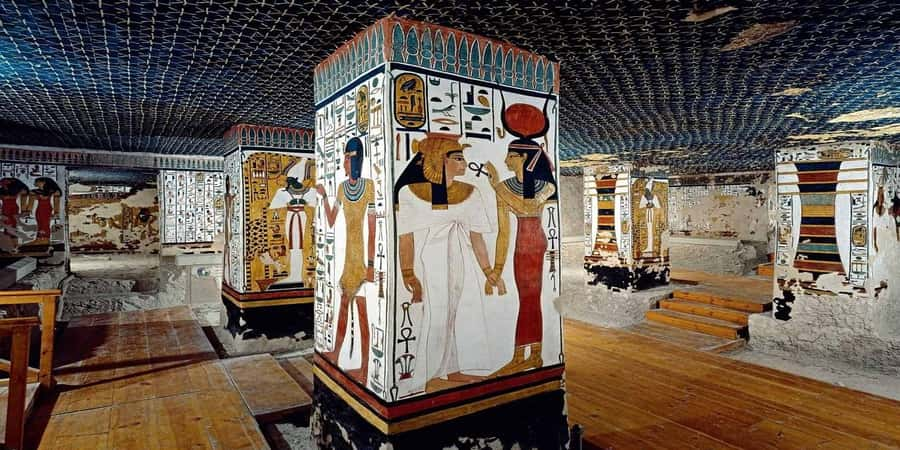
The strongest benefit of a guide comes here. A bare wall covered in signs can look like decoration until someone explains the route to the afterlife, the role of the gods, or why a particular figure appears beside the pharaoh. The explanations also give you a way to compare tombs instead of seeing them as a string of similar underground rooms.
You should expect some waiting and crowding at popular tombs. The group format helps, but it cannot remove the heat or the number of people visiting Egypt’s best-known royal burial site. The upside is that the guide can keep the visit moving while leaving time for your own photographs and inspection.
Other temple days out of Luxor:
- Hurghada: Luxor Valley of the Kings & Tutankhamun Tomb Trip
★ 4.7 · 13,208 reviews - Luxor Day Trip from Hurghada Small Group & Tutankhamun Tomb
★ 4.8 · 5,366 reviews - Luxor Day Tour: Valley of Kings & Queens & Hatchepsut Temples
★ 5.0 · 1,496 reviews
The Valley of the Queens offers a quieter contrast
The tour then moves to the Valley of the Queens, which contains nearly 80 tombs connected with queens, princes, and other members of the royal family. It is smaller than the Valley of the Kings, and the tombs are generally more modest, but the visit gives you a useful second view of royal burial customs.
I like the change of scale. After the grand names and larger crowds of the kings’ valley, the queens’ valley can feel easier to take in. You see how the burial places of royal women and younger members of the family fit into the larger system.
The most important point is not simply that the two valleys are different. It is that visiting both helps you understand the structure of the royal family and the religious beliefs surrounding death. A guide can explain why a tomb was built for a particular person and how its wall scenes relate to the journey after death.
The smaller site also tends to make a better place for questions. You can ask your guide to compare the art, tomb layouts, and intended occupants while the first valley is still fresh in your mind. Several guides praised on this tour are noted for giving detailed explanations while allowing time to look around independently.
As with the Valley of the Kings, check exactly which entrance tickets are included. The wording of the tour options matters, and extra tombs may not be covered by the base price. If you want to see a specific tomb, ask before the tour starts so you know the cost and the available time.
Colossi of Memnon is the quick photo stop
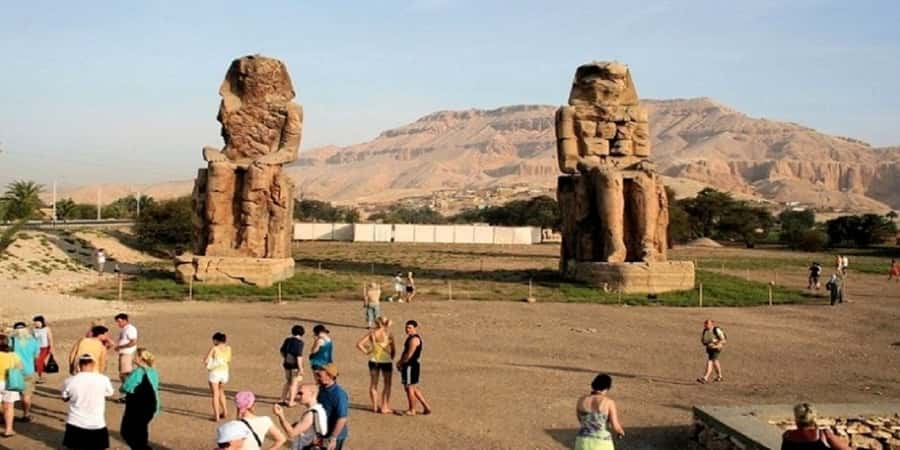
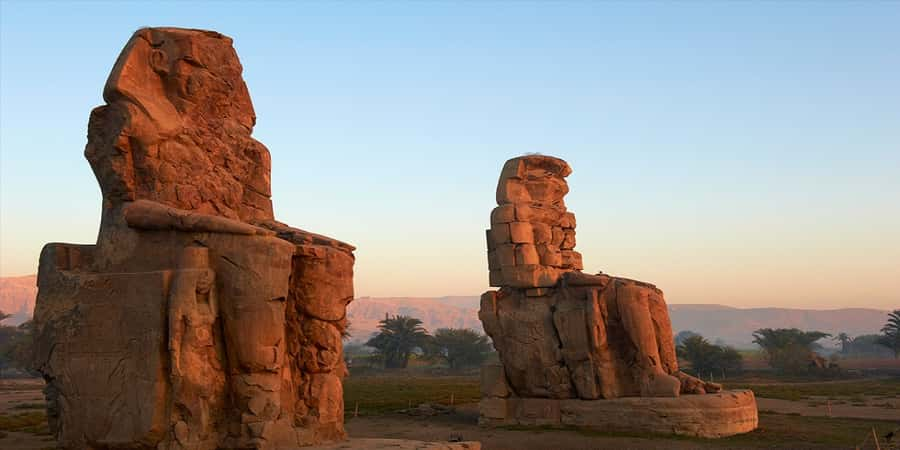
The Colossi of Memnon usually comes near the end of the sightseeing portion. These two huge seated figures once guarded the entrance to a temple complex associated with Amenhotep III. Much of the original temple is gone, leaving the statues as the memorable feature.
This is a short stop, but it earns its place. The figures are enormous, weathered, and easy to photograph. Your guide can explain their original setting and the ancient belief that one statue produced a sound at dawn, giving the site its reputation as an acoustic wonder.
Do not expect a long museum-style visit here. The Colossi are mainly an outdoor photo and explanation stop. That brevity works well on a half-day itinerary, especially after walking through the tombs. You get a visual change and a chance to stretch before lunch.
The stop is also useful for putting the tombs into a wider setting. The west bank was not only a burial zone. It held temples, processional routes, workshops, and monuments linked to royal power. Even a short explanation at the Colossi can help connect the separate sites.
Lunch adds a local pause
After the monuments, you sit down for an Egyptian lunch at a local restaurant. The meal is included, and descriptions from the tour indicate a buffet or a choice of main dishes, with dessert or fruit sometimes available. Drinks are generally separate, so carry some Egyptian pounds or another accepted payment method.
The food has received mixed but mostly favorable comments. Some meals are described as tasty, with fish receiving particular praise. Other diners found the restaurant less impressive than expected. That is normal for an included group lunch: you are paying for convenience and a local meal, not selecting a destination restaurant from a food guide.
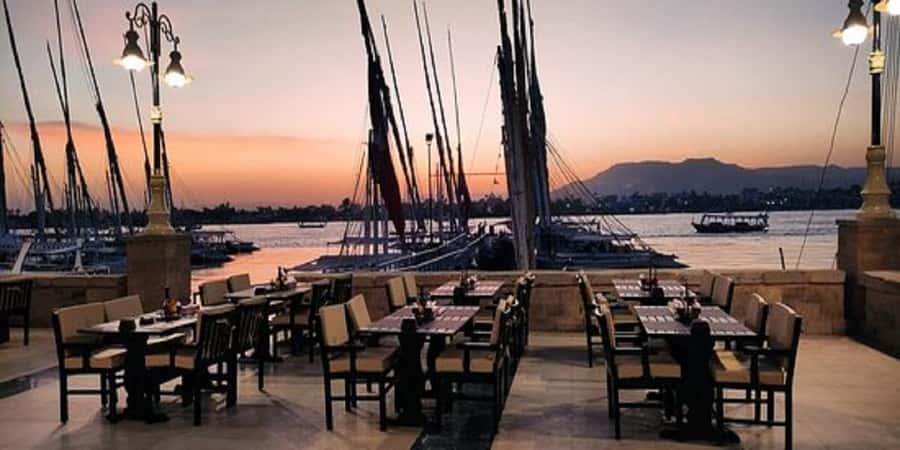
The setting can be part of the pleasure. Lunch has been served in a rooftop restaurant with a view of the Nile, and some outings have ended at a casual restaurant with a pleasant view. Ask your guide what is being served if you have dietary concerns, and do not assume drinks are included.
I see lunch as a practical advantage. After several hours in the sun, you do not need to hunt for a restaurant or negotiate a taxi. You can sit with the group, eat familiar local dishes, and talk through what you have seen. If food is your main reason for booking, choose a dedicated food tour instead. Here, lunch supports the archaeological visit.
A few more things to do in Luxor worth a look
- Luxor : Full Day Tour to Luxor West and East Banks & Lunch
★ 5.0 · 870 reviews - Luxor: Karnak Temple and Luxor Temple Tour with Lunch
★ 4.4 · 658 reviews - From Luxor: Guided Tour to East or West Banks with Lunch
★ 4.5 · 604 reviews - Luxor: Abu Simbel Temple Private Guided Day Trip with Lunch
★ 4.6 · 546 reviews
Transport, group size, and the guide
Hotel pickup and drop-off are included from most Luxor hotels. Communication before pickup has been good in many cases, with organizers using WhatsApp to confirm the time and answer questions. You should still watch for the pickup message and wait in the hotel lobby.
Vehicle quality can vary. Some people describe comfortable cars, cold air conditioning, polite drivers, and smooth service. One important criticism concerns road noise and vehicle comfort, which can make it hard to hear the guide. Sit close to the guide when possible, and ask for a repeat if you miss an explanation.
The small-group setup is a real advantage. You are less likely to spend the morning collecting people from a large number of hotels, and the guide can respond to individual interests. Some outings have had only one other participant, while the exact group size can change.
The guides bring different personalities, but the repeated strengths are clear explanations, patience, good communication, and flexibility. Gabriel is praised for connecting tomb details with ancient Egyptian politics and religion. Manal is noted for practical tips and a friendly manner. Mina, George, Remon, Mohammed, Marwa, Sawsan, and others have also been praised for making the history easy to follow.
The tour is offered with Arabic, English, French, German, and Spanish language support, but you should select the correct language option when booking. A Spanish, German, or French guide may require an added fee. One Spanish-speaking guide was able to explain the sites in Spanish even though the main tour language was English.
Optional stops and the sales question
Some outings have included a stop at an alabaster or stone-making workshop. You may see statues being made from materials such as alabaster and basalt. The visit can be interesting if you want to understand local craft, but it is also a shopping stop.
Prices for small ornaments have been reported at around $40, so do not confuse a demonstration with a bargain market. The useful rule is simple: look, ask questions, and buy only if you genuinely want the piece. Several experiences indicate there was no pressure to buy, but shopping stops can still use time that you might prefer to spend at the monuments.
Hatshepsut Temple is another possible addition, usually for an extra fee. It is not part of the core itinerary, so confirm the added cost and time before agreeing. The flexibility can be helpful if you want to cover more of the west bank in one day, but it may make the outing longer and less relaxed.
What to bring and how to prepare
Wear comfortable shoes with a firm sole. The tomb entrances include slopes and uneven walking, and you will spend time outdoors in strong sun.
Bring sunglasses, a hat, and water. The official advice lists comfortable shoes, sunglasses, and a hat, and the desert setting makes all three sensible. Dress for heat, but remember that tomb corridors can feel tight and crowded.
Keep your expectations clear about the ticket. The $40 price is attractive, but it may not cover every entrance arrangement or every famous tomb. Ask these questions before paying:
- Are the main Valley of the Kings and Valley of the Queens tickets included in my chosen option?
- Which tombs are included?
- How much do Tutankhamun, Seti I, or Ramses V and VI cost?
- Is lunch a buffet, a set meal, or a choice of dishes?
- Is my preferred guide language available?
The tour offers free cancellation up to 24 hours before departure and a reserve-now, pay-later option. Those terms are useful if your Luxor schedule may change, but check the booking conditions attached to your selected date.
Who should book this five-hour tour?
I would choose this tour if you want the main west-bank sights without giving a full day to the visit. It suits first-time visitors, solo tourists who prefer organized transport, and anyone who wants an Egyptologist’s explanation rather than a quick photo stop.
It is also a good match if you want to compare the two valleys. The Valley of the Kings is the headline site, but the Valley of the Queens gives the outing more balance and often feels less hectic.
I would think twice if you want a completely private schedule, a high-end restaurant, or long visits inside every special tomb. Extra tickets, vehicle quality, and lunch standards can vary. A private tour may give you more control, but it will likely cost more than $40.
Should you book it?
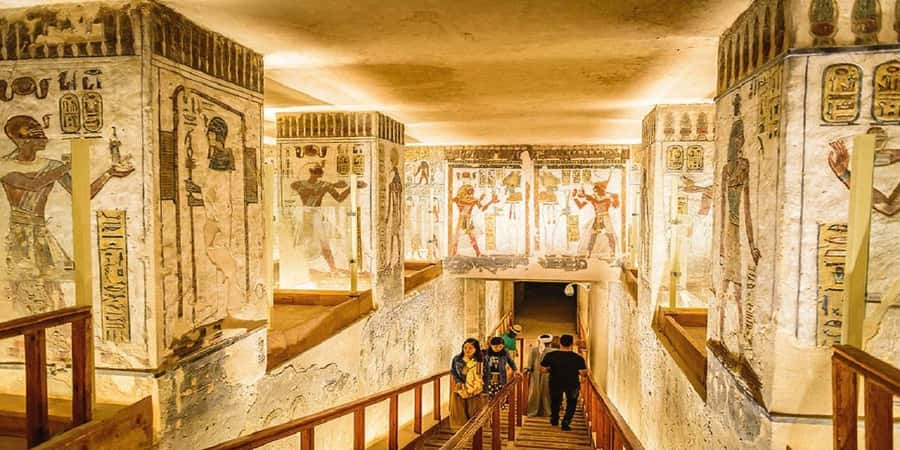
Book this tour if your priority is efficient sightseeing with a strong guide. The best part is the human explanation: guides such as Gabriel, Manal, Mina, George, and Remon can turn painted walls and royal names into a story you can follow.
Before booking, confirm the entrance option, special-tomb fees, language, and any optional stop. If you are comfortable with a basic local lunch and possible variation in the vehicle, this is a good-value half-day introduction to Luxor’s west bank.
FAQ
How long does the tour last?
The advertised duration is five hours. Some individual outings have taken closer to four hours, depending on pickup, traffic, and the stops included.
What sites are visited?
The core itinerary includes the Valley of the Kings, Valley of the Queens, and the Colossi of Memnon. It also includes lunch at a local restaurant.
Is hotel pickup included?
Yes. Pickup and drop-off are included from most Luxor hotels. Wait in your hotel lobby for the driver.
Are entrance fees included?
Entrance fees are included if you select the option that includes them. Check the exact option carefully, since some arrangements require separate payment for the main valleys or additional tombs.
Do special tombs cost extra?
Yes. Tombs such as Tutankhamun, Seti I, and Ramses V and VI may require additional tickets.
What languages are available?
The activity offers Arabic, English, French, German, and Spanish language support. French, German, or Spanish guiding may be available as an add-on, so confirm your selection when booking.
What should I bring?
Bring comfortable shoes, sunglasses, and a hat. The tomb entrances can be steep, and the outdoor parts of the visit are exposed to the sun.
Just added in Luxor
- From Luxor: 3-Day Nile Cruise to Aswan with Private Guide★ 4.2 · 147 reviews
- Marsa Alam: Valley of the Kings & Karnak Temples Luxor Tour★ 4.6 · 177 reviews
- Luxor: West Bank Kings and Queens All-Inclusive Tour & Lunch★ 4.5 · 298 reviews
- Luxor: West and East Banks All-Inclusive Tour & Balloon Ride★ 4.5 · 415 reviews
- Luxor: Private Full-Day Luxor Highlights Tour with Pickup★ 4.6 · 312 reviews
- Luxor: Hot Air Balloon Ride Over Temple of Hatshepsut★ 4.8 · 185 reviews
- Luxor: West & East Banks & Tut’s Tomb Private Full-Day Tour★ 4.8 · 173 reviews
- Luxor: Quad Bike Safari Experience★ 4.0 · 110 reviews
Valley of the Kings & Luxor Temples, compared.
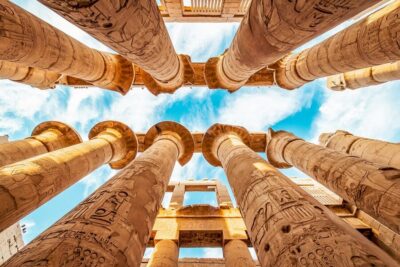
Luxor Valley of the Kings & Tutankhamun Tomb Trip
Read our review →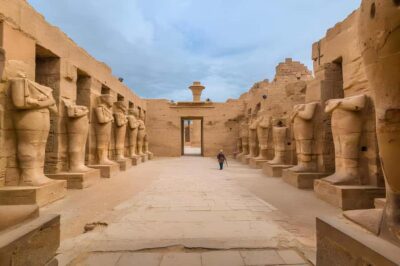
Luxor Day Trip from Hurghada Small Group & Tutankhamun Tomb
Read our review →
Small group Hurghada to Luxor, Valley of the Kings by Van
Read our review →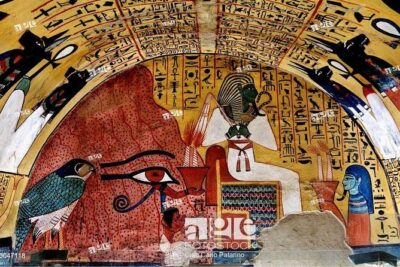
Luxor Day Tour: Valley of Kings & Queens & Hatchepsut Temples
Read our review →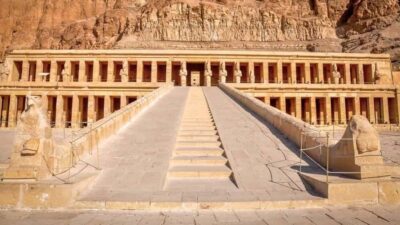
Valley of the Kings and Hatshepsut Temple Day Tour
Read our review →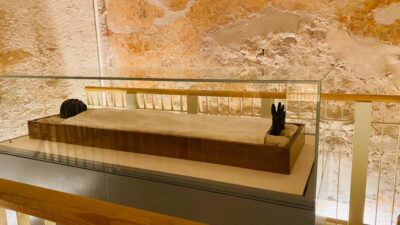
Luxor Tour with Valley of Kings, Karnak & Tut Tomb
Read our review →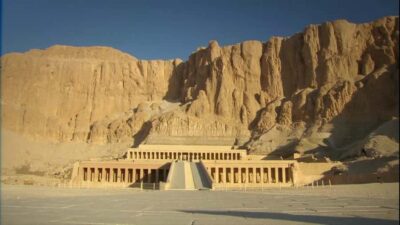
Luxor Highlights & King Tut Tomb Tour with Lunch
Read our review →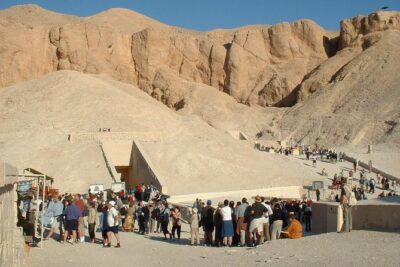
Valley of Kings, Hatchepsut Temple ,Karnak & Luxor-DayTour
Read our review →Browse the lists this tour appears in