
Reviewed · TOURS IN NAMIBIA
From Swakopmund: Living Dunes Experience
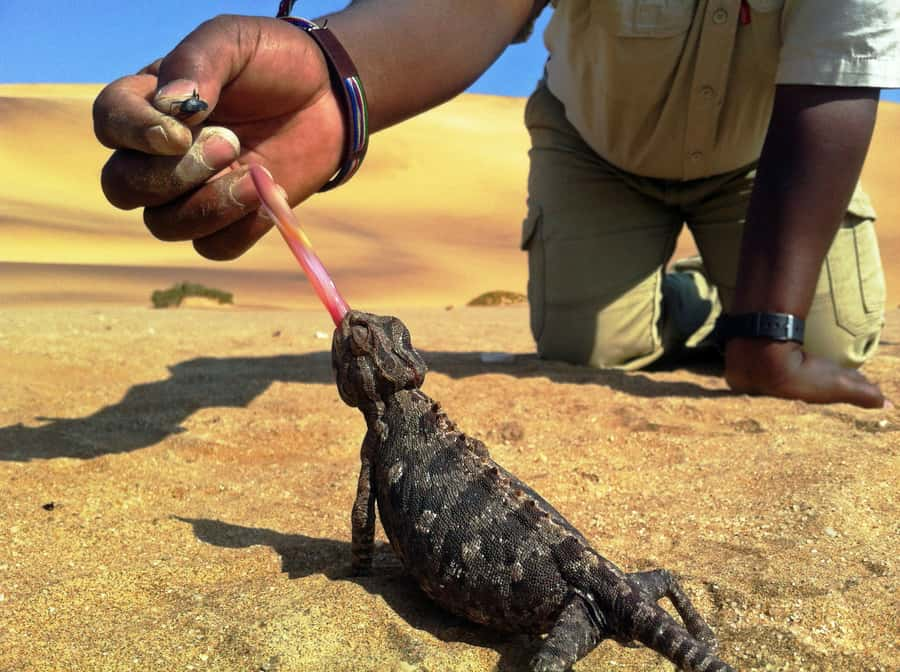
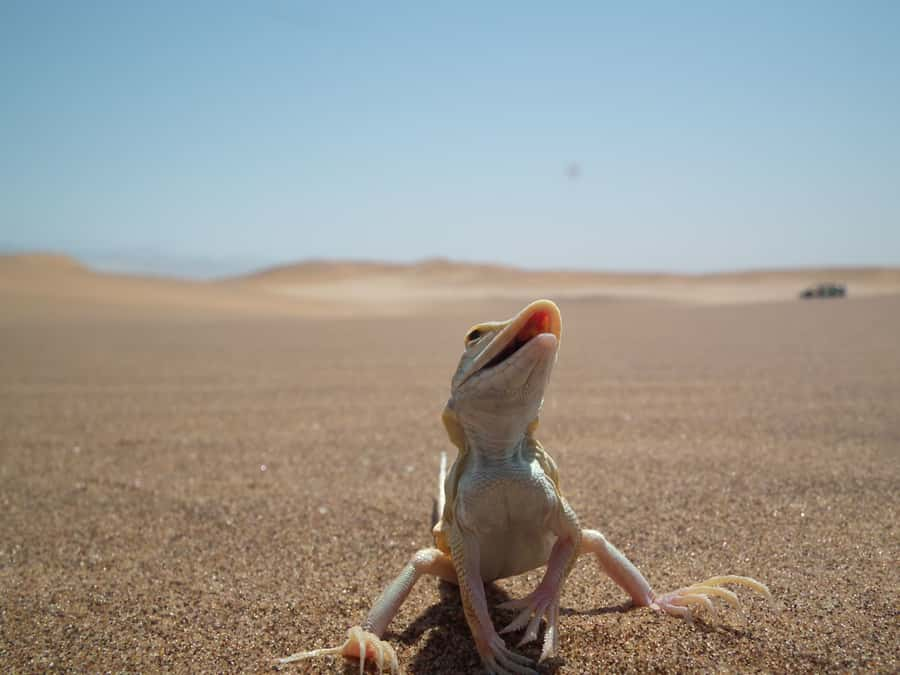
The most surprising thing about this Swakopmund outing is how much life hides in what first looks like bare sand. Your guide searches for Palmato geckos, sand-diving lizards, tok-tokkie beetles, snakes, spiders, scorpions, and chameleons, then explains how each animal manages the Namib’s heat and dryness.
I like two things right away: you get a close look at small desert creatures rather than another standard big-game outing, and the guide turns tracks and tiny movements into a proper lesson. I also like the short dune drive at the end, which adds scenery and speed without taking over the wildlife experience. The main drawback is that this is a walking tour over sand, so it is not suitable for people with mobility impairments.
Key points to know before booking
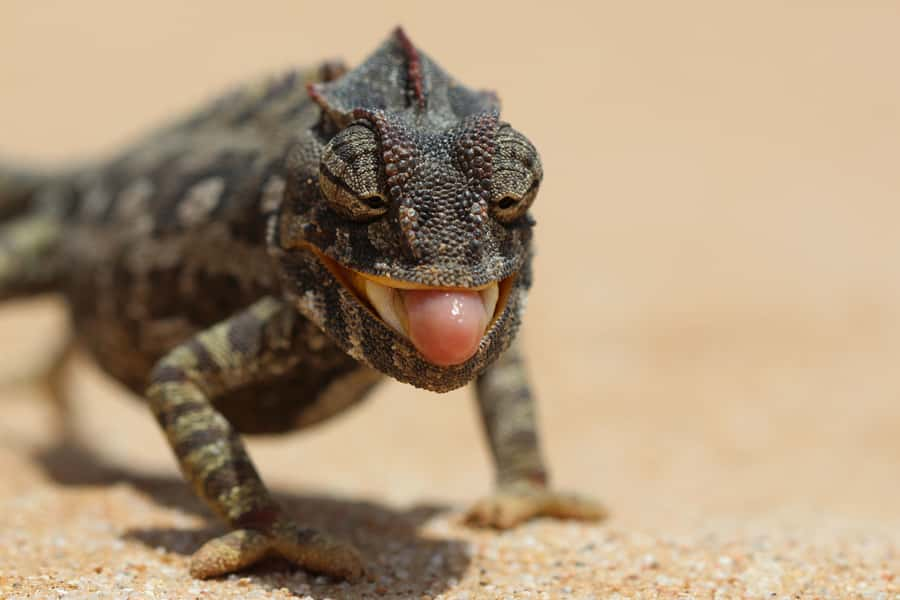
- The main attraction is the small life of the Namib, including geckos, lizards, beetles, snakes, scorpions, spiders, and chameleons.
- Your guide does the hard work of spotting animals, reading faint tracks and knowing where to search.
- The tour lasts 210 minutes, with about 3.25 hours in the dunes and a short vehicle ride at the end.
- Pickup and drop-off at your Swakopmund accommodation are included, along with still mineral water.
- The experience costs $61 per person, a fair price for a guided half-day outing with transport and specialist wildlife interpretation.
- Bring sunscreen and a hat, and expect sand, walking, and direct sun.
Why the coastal dunes are worth your time
Swakopmund is often used as a base for dramatic desert scenery and larger wildlife trips, but this experience takes a different approach. It asks you to slow down and notice what most people walk past.
The ancient Namib contains an unusually high number of species found nowhere else. In the coastal dune belt outside Swakopmund, survival depends on clever tricks: animals hide beneath sand, move at the right time of day, follow faint moisture, or leave tracks that tell a trained guide exactly where to look.
That is the real value here. You are not simply driven to a viewpoint and shown a wide view of dunes. You learn how to read a place that can seem empty. A small mark in the sand, a quick movement, or a patch of disturbed grains can become the starting point for a close look at desert life.
I would book this if you enjoy natural history, photography, or unusual wildlife. If your idea of a desert excursion begins and ends with big animals, this may feel quieter than expected. The reward comes from detail, patience, and a guide with good eyes.
Other trips people book in Africa:
- Marrakech: Agafay Desert Sunset, Camel Ride, and Dinner Show
★ 4.6 · 35,119 reviews - From Marrakech: Ouzoud Waterfalls Guided Hike and Boat Trip
★ 4.7 · 33,630 reviews - Marrakech: Agafay Desert Quad & Camel Rides with Dinner Show
★ 4.8 · 27,382 reviews
Pickup from Swakopmund and the short ride into the sand
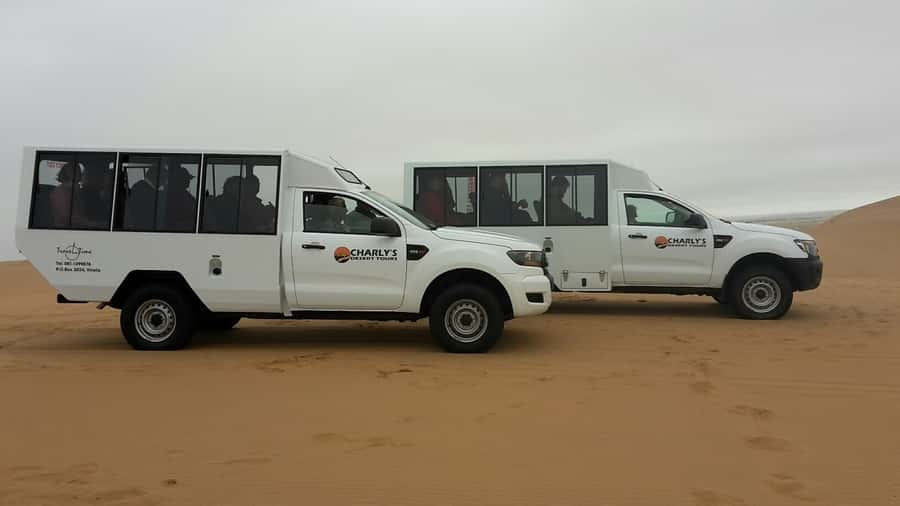
The outing begins with pickup at your accommodation in Swakopmund. You then travel by Jeep or SUV toward the coastal dune belt just beyond the city limits.
The initial vehicle ride is short, listed at about five minutes, so the tour gets to its main setting quickly. You do not lose half the morning to a long transfer. As you leave the built-up area, your guide can point out the shift from town to open sand and explain what makes this coastal zone different from a simple pile of loose dunes.
Hotel pickup and return are included, which makes this easy to fit into a Swakopmund stay. You do not need to arrange a separate taxi or work out where to meet the vehicle. Still, have your hat and sunscreen ready before departure rather than burying them in a bag. Shade is not the main feature of this outing.
The vehicle is useful for reaching the search area, but this is not primarily a safari from a seat. The important section happens on foot, close to the sand.
The 3.25-hour search for the Namib’s small five
Most of the experience takes place at a designated stop in the dunes. The timing includes a safety briefing, guided walking, wildlife searches, photo stops, and scenic driving through the sand.
Your guide will explain what to look for before the search begins. That preparation matters because the animals are small and often well camouflaged. You may be shown how to spot tracks, disturbed sand, or other signs that suggest an animal has passed nearby.
The term small five is used for the little desert creatures found here. Depending on conditions and luck, the search may include Palmato geckos, sand-diving lizards, the famous fog-basking tok-tokkie beetle, sidewinder snakes, spiders, scorpions, and chameleons.
The wording matters: this is a search, not a guaranteed checklist. The guide can improve your chances and knows where to look, but wild animals do not follow an itinerary. A good outing here is measured by what you learn and see, not only by counting species.
The guides are a major part of the experience. Johnny is praised for finding the small five, explaining each animal carefully, and handling them with care while keeping the mood light. Björn is noted for clear explanations and showing visitors a lot during the outing. Immanuel is described as both funny and highly capable, with a talent for finding four of the small five.
Those details point to an important practical fact: the guide’s eye matters more than your own. Without help, a gecko or lizard can disappear into a field of sand. With an experienced guide, the same area becomes busy with clues.
What you may learn about desert survival
The strongest educational part of the tour is the focus on adaptation. Desert animals cannot rely on plentiful water or thick plant cover, so they have developed unusual ways to manage heat, moisture, and movement.
The tok-tokkie beetle is a good example. Its name is well known in Namibia, and the tour highlights its fog-basking behavior. That gives you a clear picture of how a tiny creature can make use of moisture in one of the world’s driest settings.
Sand-diving lizards offer another memorable subject. Their name hints at the way they move through loose sand, while sidewinder snakes show how an animal can cross hot, shifting ground. You may also learn how tracks reveal direction and behavior even when the animal itself is out of sight.
The explanations are not just a list of species. They connect each animal to the place around it. That makes the wide dunes more interesting because you begin to see the surface as evidence of movement, shelter, and survival.
I especially like this approach for families with older children and for adults who enjoy natural history. The experience gives you something to talk about afterward, rather than only a collection of photographs.
Same base, a different sort of day:
- Marrakech: Agafay Desert Quad Biking Tour with Dinner-Show
★ 4.8 · 16,569 reviews - Marrakech: Atlas Mountains, Ourika Valley, Waterfall & Lunch
★ 4.8 · 15,834 reviews - From Marrakech: 3-Day Merzouga and Sahara Desert Tour
★ 4.9 · 15,308 reviews - Berber villages : Atlas Mountains Day Hike from Marrakech
★ 5.0 · 14,007 reviews
Photography in a place where the details are tiny
The dunes offer excellent photo opportunities, but you need to adjust your expectations. This is not mainly about sweeping animal portraits or large herds. Your best pictures may be close views of a gecko, a beetle, a lizard, or a set of tracks in clean sand.
The open dune setting also gives you strong scenery between sightings. The tour includes scenic views on the way, and the broad curves of the sand provide a useful contrast to the tiny animals you are trying to photograph.
Bring a phone or camera if you enjoy close-up images, but do not let the search become a race for pictures. Your guide may be explaining how an animal survives or showing you a track that took years of experience to recognize. Listening first usually leads to better photographs.
A hat is practical for comfort and can help with glare. Sunscreen is essential. Still mineral water is included, but food is not, so plan your meals around the 3.5-hour outing.
The dune drive adds a welcome change of pace
After the wildlife portion, the tour includes a short dune drive. This is a useful change in rhythm after several hours of walking and searching.
The itinerary lists a final vehicle segment of about 15 minutes before returning to Swakopmund. You get to see more of the coastal dunes from the vehicle and enjoy a little speed before the transfer back to town.
I like that the drive is kept short. It rounds out the experience without turning it into a motorized dune tour with a brief wildlife stop attached. The animals and the guide’s explanations remain the main event.
You should also keep the drive in proportion. If you are booking because you want an extended off-road adventure, this may feel modest. If you want a balanced outing that combines wildlife, walking, scenery, and a short burst of driving, it fits well.
Is $61 a fair price?
At $61 per person, this is good value if you want a specialist guide and simple transport from Swakopmund. The cost includes hotel pickup and drop-off, an English-speaking guide, still mineral water, the wildlife search, and the dune drive.
The price is especially reasonable for anyone who would otherwise need to arrange a taxi to the dunes and find a way to identify the animals alone. The guide is not just a driver. The central service is the ability to locate creatures that are easy to miss and explain what makes them suited to the Namib.
The value depends on your expectations. You are paying for a guided search, not a guaranteed number of animal sightings. If you need a fixed schedule packed with major sights, the patient pace may not suit you. If you enjoy learning why a beetle behaves a certain way or how a snake crosses sand, the price makes sense.
The high rating of 4.9 from 84 reviews also fits the strongest features of the activity: guides who explain clearly, find several of the small five, use humor, and treat the animals carefully. I would place more weight on those qualities than on the promise of seeing every species.
Who should book this experience?
This is a strong choice for:
- You want a different kind of wildlife outing from a big-animal safari.
- You enjoy deserts, geology, photography, or natural history.
- You are staying in Swakopmund and want an outing that takes only 210 minutes.
- You appreciate a guide who can teach as well as drive.
- You are comfortable walking over sand and standing in direct sun.
- You want transport included instead of organizing your own route to the dunes.
It may not be the right choice if walking on soft sand is difficult, since the activity is not suitable for people with mobility impairments. It is also less suitable if you want food included, a long vehicle safari, or guaranteed close views of a particular animal.
The experience can work well as a morning or afternoon addition to a Swakopmund itinerary, provided the starting time fits your plans. Availability depends on the selected date and start time, so check that before booking.
Practical advice for a better outing
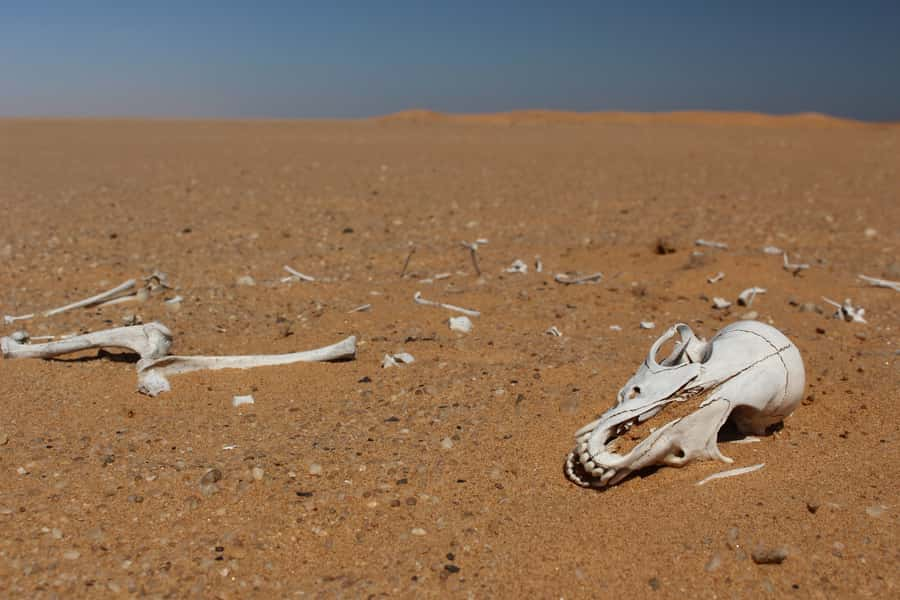
Wear comfortable clothing for walking and expect sand underfoot. Use sunscreen before pickup, and bring a hat that will stay secure in the wind.
Keep your water accessible even though a bottle of still mineral water is provided. Food is not included, so eat beforehand or plan for a meal after returning to Swakopmund.
Listen closely during the safety briefing. The dunes may look open and simple, but moving around them requires care, especially when you are focused on a small animal. Follow the guide’s instructions about where to walk and how close to get.
Use patience with the wildlife. A creature may appear only briefly, and the guide may need time to locate it or explain what you are seeing. The point is not to rush from one sighting to the next. It is to learn how to notice life in a place that initially seems empty.
The activity is conducted in English. If that works for you, the language is part of the value because the guide’s explanations are central to the day.
Should you book the Living Dunes Experience?
I would book it if you want Swakopmund’s desert to feel alive rather than merely scenic. The best parts are the trained guides, the focus on unusual small animals, and the clear lesson in desert survival.
Book with realistic expectations. You may see several of the small five, but no wildlife outing can promise every species. You will spend much of the 3.25-hour main section walking, searching, listening, and taking photographs in the sand.
For $61, with hotel transfers, water, guiding, and a short dune drive included, this is a thoughtful use of half a day. It is especially worthwhile for people who have already seen large animals elsewhere in Namibia and want to understand the smaller, stranger side of the Namib.
FAQ
How long does the Living Dunes Experience last?
The activity lasts 210 minutes, or about 3.5 hours.
Where does the tour begin?
Pickup is provided from your accommodation in Swakopmund.
Is return transportation included?
Yes. The tour includes hotel pickup and drop-off in Swakopmund.
What animals might I see?
The search may include Palmato geckos, sand-diving lizards, tok-tokkie beetles, sidewinder snakes, spiders, scorpions, and chameleons.
Is the dune drive included?
Yes. A short dune drive follows the wildlife portion of the experience.
Is food included?
No. Food is not included, but still mineral water is provided.
What language is the tour conducted in?
The live tour guide speaks English.
What should I bring?
Bring sunscreen and a hat. You should also be prepared for walking on sand and spending time outdoors.
Just added in Africa
- Cairo Private Day Tours: Discover Islamic and Coptic Cairo★ 4.5 · 231 reviews
- Islamic Cairo Walking Tour: Khan el Khalili, Al-Azhar Mosque★ 5.0 · 96 reviews
- Grand Egyptian Museum, Grand staircase, New Galleries & lunch★ 5.0 · 174 reviews
- Cairo Food Tours & adventures +30 Tastings★ 5.0 · 146 reviews
- Visiting Egyptian Museum Citadel and Old market of Khan Khalili★ 4.5 · 141 reviews
- Allinclusive Half DayPrivateTour Giza PyramidsSphinx Ticke Lunch★ 5.0 · 195 reviews
- Private Guided tour to Giza Pyramids,Sphinx Camel Ride and Lunch★ 5.0 · 79 reviews
- Hurghada: Full-Day Diving Tour with Lunch & Two Dive Sites★ 5.0 · 82 reviews
Tours in Namibia, compared.
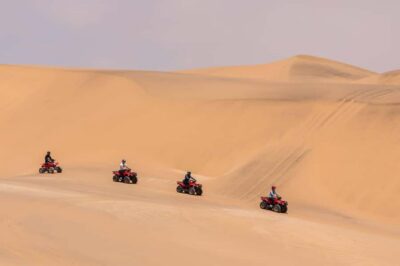
Desert Dunes Quad Biking with Optional Sandboard
Read our review →
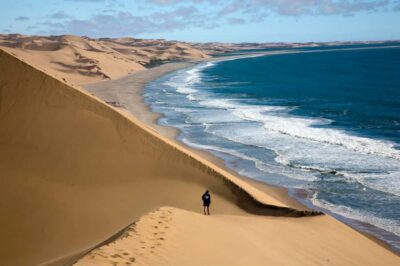
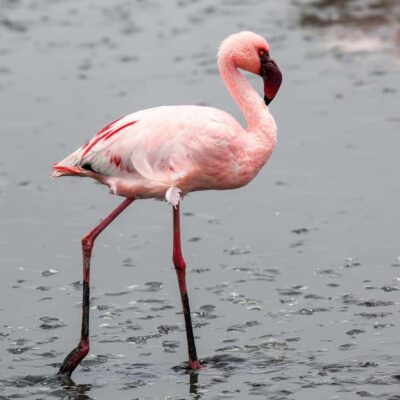
Sandwich Harbour Half-Day 4×4 Scenic Excursion
Read our review →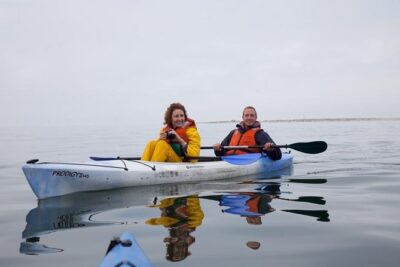
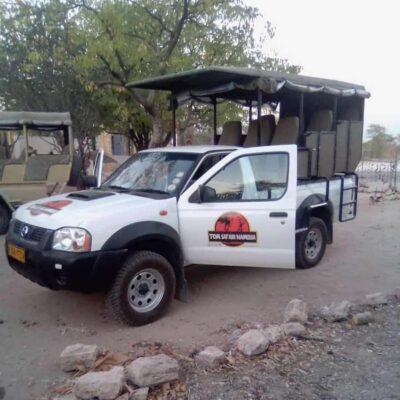
Etosha National Park: Full or Half-Day Game Drive
Read our review →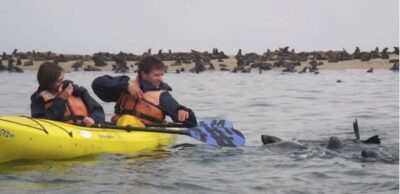
Browse the lists this tour appears in