
Reviewed · TOURS IN NAMIBIA
Etosha National Park: Full or Half-Day Game Drive
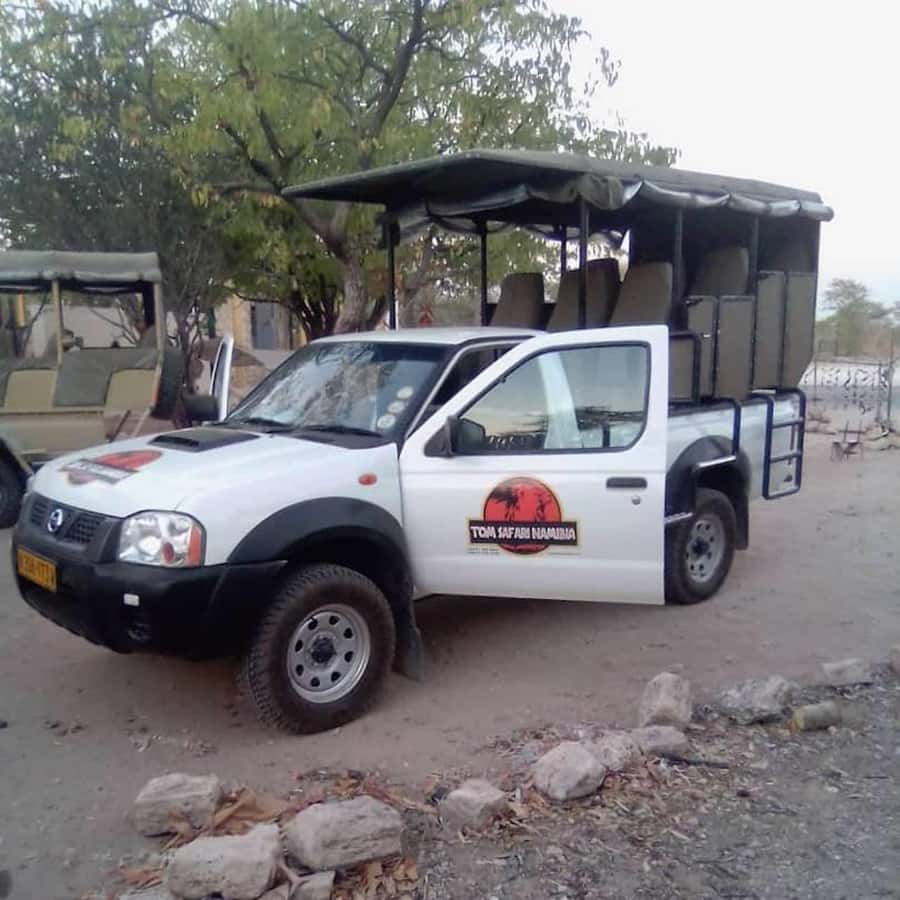
Etosha reveals itself best from an open 4×4, where you can scan the bush for a lion’s tail, watch elephants gather at a waterhole, and feel the cold morning air as the park wakes up. The guide matters here, and Ben, Amone, Matias, and Tom are among the names associated with this operation. Their local experience and contact with other guides help turn a large park into a more focused search.
I like the early start at Anderson Gate, which gets you moving at park opening and may put you ahead of some of the day’s traffic. I also like the flexible route, since the guide follows fresh sightings, weather, and animal behavior rather than forcing you through a fixed loop. The main drawback is practical: a full day can run up to 10 hours, mornings in the open vehicle can be bitterly cold, and lunch, water, and the park entrance fee cost extra.
Key points to know before booking
- Meet at Anderson Gate: Free parking lets you drive directly to the park entrance and avoid delays before the safari begins.
- Open 4×4 viewing: You get a higher, unobstructed position for photography, but you need warm layers and a windbreaker.
- Experienced local guides: Ben is praised for spotting animals and explaining behavior, while Amone and Matias are also named as strong guides.
- Flexible wildlife search: The route changes with sightings and guide-to-guide radio contact, which can improve your chances of finding lions, cheetahs, elephants, and rhinos.
- Full-day rhythm: The day begins early, pauses for about an hour at a restaurant inside the park, then continues through the afternoon.
- Extra costs matter: The NAD 150 park fee is paid in cash, and lunch and drinking water are not included.
Starting at Anderson Gate before the crowds
The meeting point is Anderson Gate, near Okaukuejo, on the western side of Etosha National Park. You get free, secure parking at the gate, so driving yourself there is not just possible, it is the preferred arrangement for many departures.
That early meeting point has a real advantage. You can arrive with your own vehicle, join the safari vehicle at the entrance, and be ready to enter when the park opens. Starting early helps you avoid unnecessary waiting and may give you quieter roads and better light for photographs.
If you are staying within about 30 minutes of Anderson Gate, pickup may be available for a full-day tour. Pickup is not available for half-day bookings. If you stay at Okaukuejo Lodge or Okaukuejo Camp, do not assume the vehicle will collect you inside the park. Unless prior clearance and arrangements are in place, you need to meet at Anderson Gate.
This setup is slightly less convenient than a hotel pickup, but it has a benefit: you are not spending the first part of the morning collecting people from several lodges. You can get into the park promptly, which matters when animals are active.
Other game drives out of Africa:
- Serengeti Balloon Safari and authentic bush breakfast
★ 5.0 · 2,480 reviews - From Cape Town: Big Five Game Reserve with Lunch
★ 4.6 · 2,409 reviews - Balloon Safari & Bush Breakfast in Serengeti – Miracle Experience
★ 5.0 · 1,646 reviews
The cold morning ride in an open 4×4
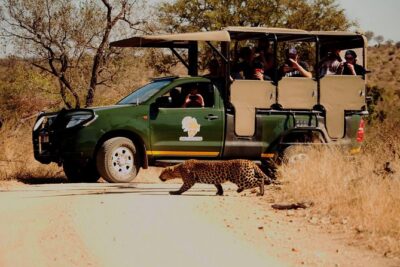
The vehicle is built for wildlife viewing, with open sides that give you a clear view in several directions. That makes it easier to spot animals, follow a herd, and take photographs without glass reflections. It also exposes you to the wind.
In the winter months from May through August, the first hours can be especially cold. Even in other seasons, the air moving past the vehicle can make the ride feel much colder than the temperature suggests. Bring a warm jacket, several layers, and a windbreaker. A warm fleece poncho is available on board, but I would treat it as useful backup rather than a substitute for proper clothing.
Bring water and cash. Binoculars are available for shared use, though you may prefer to carry your own if you have a favorite pair. Drones are not allowed.
The open vehicle is one of the strongest parts of this safari, but it is also where comfort depends most on preparation. If you dress lightly because the afternoon forecast looks warm, you may spend the first few hours wishing you had packed more.
A route shaped by sightings, weather, and animal behavior
There is no fixed route promised for the day. The guide adjusts the drive according to recent animal sightings, weather, road conditions, and what other guides are seeing. That flexibility is useful in Etosha, where wildlife can be spread over a large area and conditions change quickly.
The guides keep in touch with other safari vehicles. This does not guarantee a lion or cheetah sighting, but it gives the search a practical edge. Several outings found animals because the guide knew where other vehicles had reported activity. The guide’s own eyes matter just as much. Ben is repeatedly praised for spotting animals that were easy to miss, positioning the vehicle well, and waiting at the right moment.
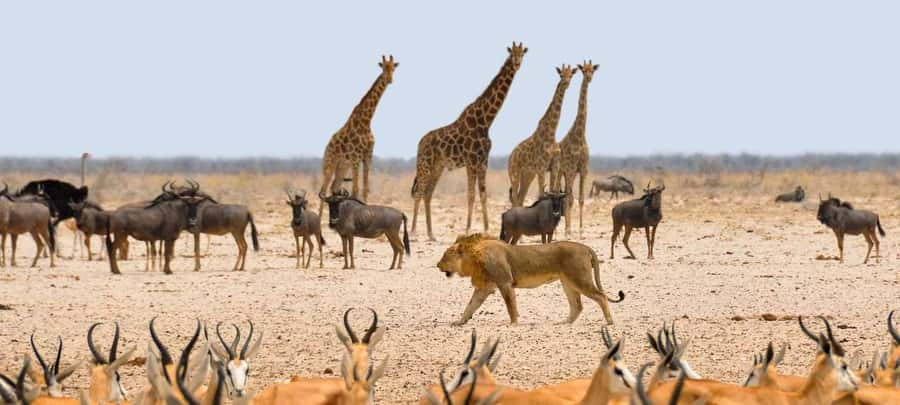
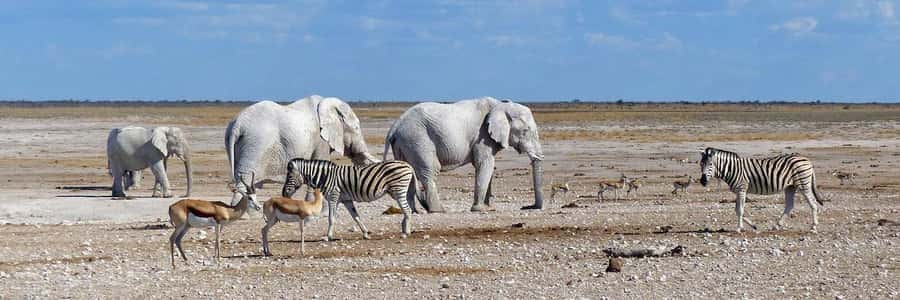
You might see elephants, lions, giraffes, zebras, rhinos, springboks, oryx, wildebeest, warthogs, ostriches, and many birds. Cheetahs and leopards are less predictable, but they are possible. Some full-day outings have included cheetahs, while others produced close encounters with lions and elephants at waterholes.
This is not a guaranteed checklist. A good guide can improve your odds, but wild animals do not follow a schedule. The most useful attitude is to value the searching itself: scanning the scrub, reading the guide’s reactions, and waiting quietly when something is just out of sight.
What the guide adds to the drive
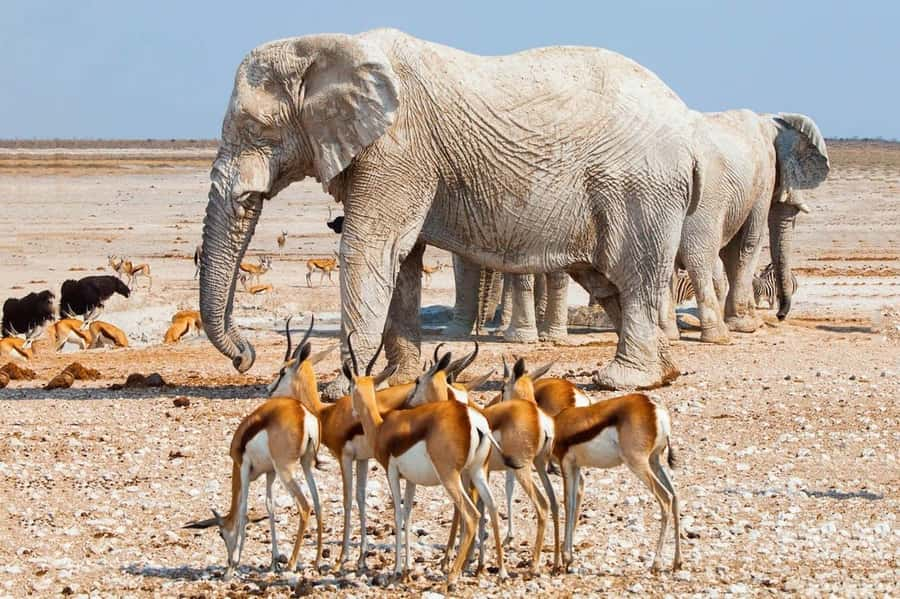
The strongest praise for this safari centers on the guides, especially Ben. You can expect explanations about animal behavior, Etosha’s environment, and the history of Namibia while the vehicle moves between sightings. The guide also helps you understand what you are looking at instead of leaving you with a quick glimpse and a species name.
Ben is described as friendly, funny, patient, and careful behind the wheel. That last point matters more than it may sound. A wildlife vehicle needs to stop at a useful angle, keep a respectful distance, and avoid rushing away just as an animal becomes active.
The guide may also reposition the vehicle so you can take a better photograph. This does not mean every stop becomes a long photo session. The pace changes with the sighting. A distant antelope may get a quick look, while a family of lions or elephants at a waterhole may receive much more time.
Amone, Matias, and Tom are also named as guides on different outings. The common thread is local experience, strong animal-spotting ability, and communication with other drivers. The operator describes the main guide as born and raised near Etosha, which gives the commentary a local connection rather than a purely scripted feel.
A few more things to do in Africa worth a look
- From Johannesburg: Pilanesberg Nature Reserve Game Safari
★ 4.8 · 1,327 reviews - Nairobi National Park Half-Day Tour; Free Wi-Fi connection
★ 5.0 · 878 reviews - Nairobi: National Park & Optional Elephants & Giraffe Center
★ 4.8 · 874 reviews - Addo Elephant National Park All Inclusive Full-Day Safari
★ 4.8 · 872 reviews
Waterholes, lions, elephants, and the best photo moments
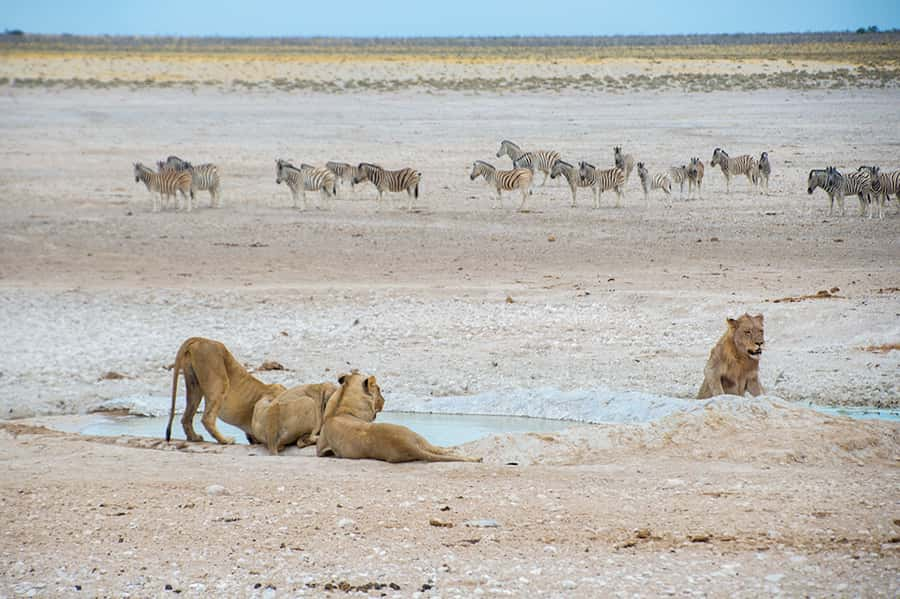
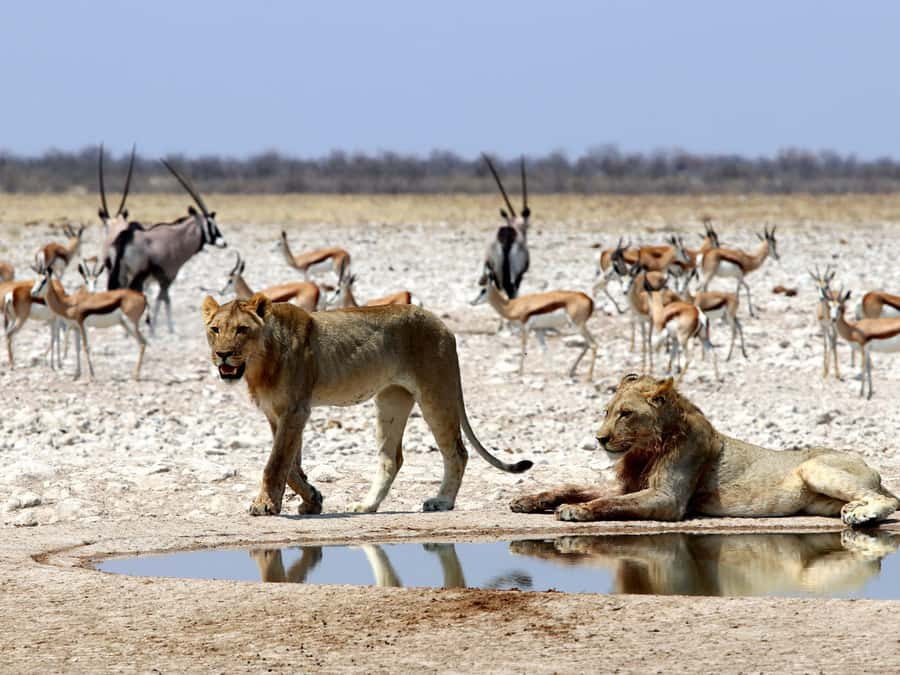
Etosha’s waterholes are often the natural focus of a game drive. They give you a place to pause and watch animals arrive, drink, bathe, or move away. On different outings, elephants have been seen taking a bath, while lions have appeared in family groups nearby.
The guide’s timing is important. A short stop can feel rushed if the animal is moving, but an extended pause can reward you with behavior that a quick pass would miss. Past outings have included long, calm viewing stops, with enough time for photographs and questions.
The species list can be impressive. One morning included the Big Five, along with cheetahs, ostriches, wildebeest, impala, and several antelope species. Another outing included elephants, giraffes, rhinos, lions, zebras, warthogs, and oryx. These are possible sightings, not promises, so you should book for the quality of the search rather than a guaranteed collection of animals.
The open vehicle is particularly useful for photography. You have fewer barriers between you and the subject, and the guide can help line up a view. Still, bring realistic expectations. Animals may be far away, partly hidden, or visible for only a few seconds.
How the full-day schedule works
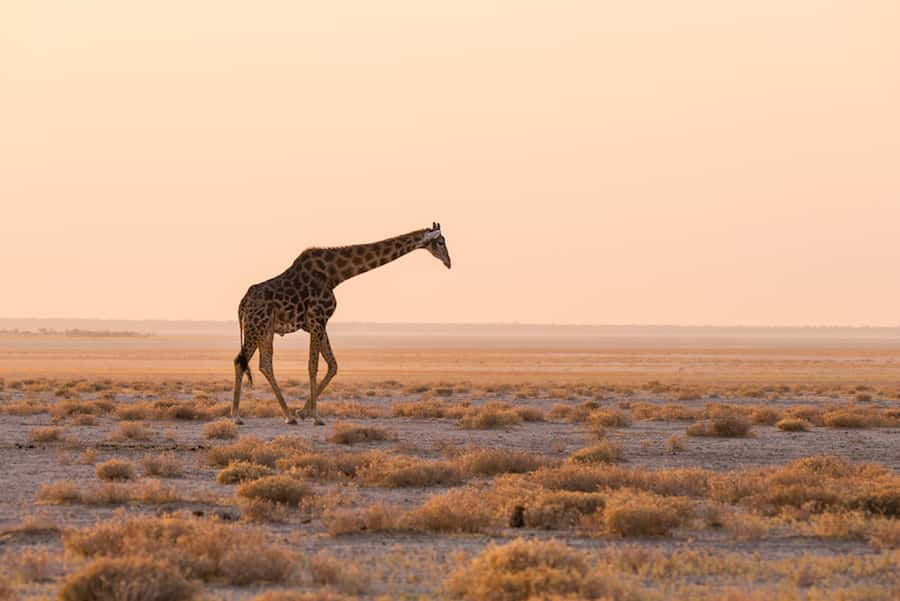
A full-day safari begins at park opening and continues into the afternoon. The first section is usually the coolest part of the day, so it is a good time to stay alert for active animals while also keeping your jacket close.
The route changes as the guide gathers information. You may spend part of the morning driving between waterholes and known animal areas, then stop for a longer viewing opportunity when a sighting develops. The guide explains the animals and their behavior along the way.
Around midday, the tour pauses for about one hour at a restaurant inside the park. You can buy a meal there, or bring your own lunch. Food is not included, and drinking water is also not included, so pack supplies if you prefer not to depend on the restaurant.
After lunch, the drive continues through the afternoon. The light becomes warmer, the air usually feels more comfortable, and the wildlife search carries on until the late afternoon. You return to Anderson Gate, or to your lodge if that arrangement was made in advance.
The full-day option is tiring. That is part of its value and part of its cost. You get more hours in the park and more time for the guide to respond to sightings, but you also spend a long day seated in an open vehicle.
Is the half-day option enough?
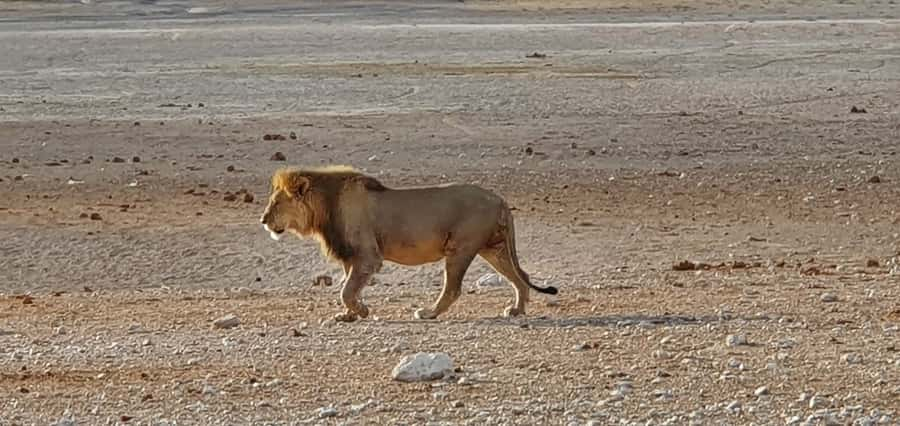
The half-day safari is the better fit if you have limited time or do not want a full day in the vehicle. It still uses an open 4×4 and a guide who can adjust the route to current sightings, but you should not expect the same amount of searching time as the longer outing.
There is no pickup for half-day bookings. You must meet at Anderson Gate, which keeps the start simple but requires you to arrange your own transport there. The exact duration and starting time depend on availability, so check those details before paying.
I would choose the half-day option if Etosha is one stop within a packed Namibia itinerary, or if you are unsure how well you will handle the early cold and long hours. I would choose the full day if wildlife is a main reason for visiting Etosha and you want the guide to have more time to find less predictable animals.
Comparing the price with what you receive
The listed price is $123 per person. That includes the open 4×4, fuel, an experienced local guide, shared binoculars, and a warm fleece poncho. Full-day pickup from selected accommodation may also be included, subject to the stated pickup area.
The price is reasonable if you value a guide who can read the park, stay in contact with other drivers, and spend time positioning the vehicle well. You are paying for more than transport. You are paying for local judgment, wildlife spotting, and a route that can change during the day.
Budget for the extras. The Etosha entrance fee is NAD 150 per person and must be paid in cash on site. Lunch and drinking water are separate. Departures from Halali require at least 48 hours’ notice and carry a NAD 1,500 surcharge paid directly to the guide. Namutoni departures also require 48 hours’ notice and carry a NAD 3,000 surcharge.
These extra charges make Anderson Gate the best-value starting point. If you can drive there yourself, you avoid the larger gate supplements and keep the morning more direct.
Who will enjoy this Etosha safari most?
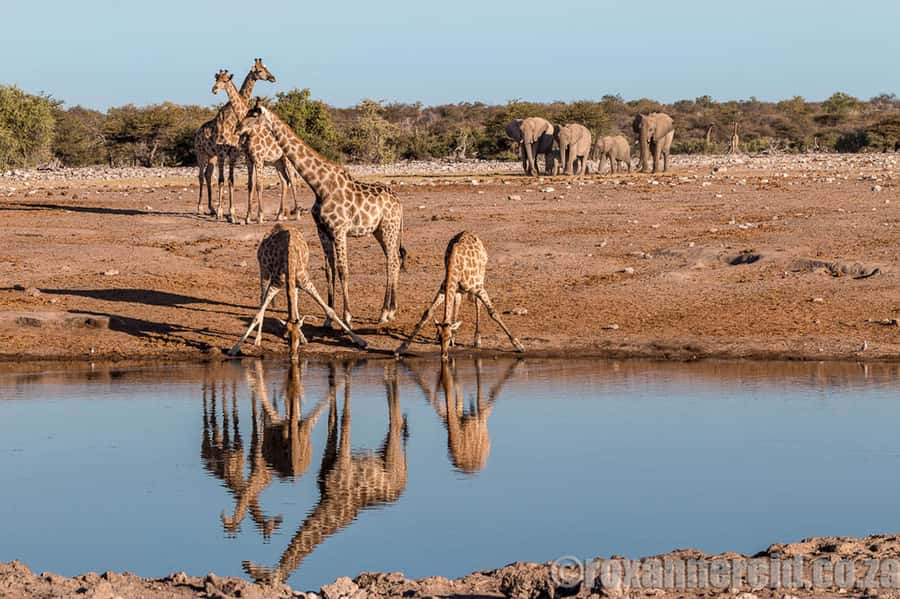
I would recommend this experience to anyone who wants a guided wildlife search but does not want to join a large, fixed-route vehicle. It suits photographers, first-time safari visitors, families with older children, and anyone who wants animal behavior explained as it happens.
It is also a good match if you are staying near Okaukuejo or Anderson Gate and can reach the entrance early. The guide’s local background is particularly useful if you want more than a simple drive through the park.
I would think twice if you dislike long vehicle days, cold mornings, or uncertain results. Etosha can be generous, but no safari can promise every major species. The open vehicle also means you need to prepare properly for the weather.
Cancellation is free up to 24 hours before departure, and you can reserve now while paying later. That gives you some useful flexibility when building a Namibia itinerary.
Should you book it?
Book this safari if you want the best chance of finding a wide range of animals with a guide who actively searches, shares information, and communicates with other drivers. The early Anderson Gate start, open 4×4, flexible routing, and strong record of wildlife spotting make the full-day option especially appealing.
Choose the half-day trip if time is tight, but remember that you must meet at the gate and will have less time for the search. Either way, pack warmer clothing than you think you need, bring water and cash, and keep your expectations realistic. You may see lions, elephants, rhinos, or cheetahs, but the real strength of this outing is the guide’s ability to help you make the most of whatever Etosha offers that day.
FAQ
Where does the safari begin?
The main meeting point is Anderson Gate near Okaukuejo. Free parking is available at the gate, and you can drive there in your own vehicle.
Is pickup available from my accommodation?
Pickup is optional for some accommodation within a 30-minute radius of Anderson Gate. Pickup is not available for half-day tours. If you stay at Okaukuejo Lodge or Okaukuejo Camp, you may still need to meet at Anderson Gate unless pickup has been arranged and cleared in advance.
How long does the experience last?
The activity lasts between 5 and 10 hours, depending on the selected option and availability. Full-day trips begin at park opening and return in the late afternoon.
Is the Etosha entrance fee included?
No. The park entrance fee is NAD 150 per person and must be paid in cash on site.
Is lunch included?
No. The full-day safari includes about a one-hour midday break at a restaurant inside the park, but you must pay for your own meal or bring lunch.
What should I wear and bring?
Bring warm clothing, a windbreaker, water, cash, and binoculars if you have them. The open 4×4 can be very cold in the morning, especially from May through August. Shared binoculars and a warm fleece poncho are available on board.
Can I book a departure from Halali or Namutoni?
Yes, but departures from Halali and Namutoni require booking at least 48 hours in advance and direct contact through WhatsApp. Halali departures carry a NAD 1,500 surcharge, while Namutoni departures carry a NAD 3,000 surcharge.
Just added in Africa
- Grand Egyptian Museum, Grand staircase, New Galleries & lunch★ 5.0 · 174 reviews
- Cairo Private Day Tours: Discover Islamic and Coptic Cairo★ 4.5 · 231 reviews
- Islamic Cairo Walking Tour: Khan el Khalili, Al-Azhar Mosque★ 5.0 · 96 reviews
- Cairo Food Tours & adventures +30 Tastings★ 5.0 · 146 reviews
- Visiting Egyptian Museum Citadel and Old market of Khan Khalili★ 4.5 · 141 reviews
- Allinclusive Half DayPrivateTour Giza PyramidsSphinx Ticke Lunch★ 5.0 · 195 reviews
- Private Guided tour to Giza Pyramids,Sphinx Camel Ride and Lunch★ 5.0 · 79 reviews
- Hurghada: Full-Day Diving Tour with Lunch & Two Dive Sites★ 5.0 · 82 reviews
Game Drives & Big Five Safaris, compared.
Serengeti Balloon Safari and authentic bush breakfast
Read our review →
Balloon Safari & Bush Breakfast in Serengeti – Miracle Experience
Read our review →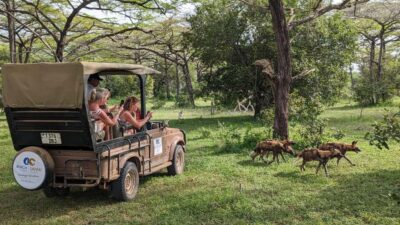
Browse the lists this tour appears in