
Reviewed · TOURS IN KENYA
Mombasa: Tusks, Fort Jesus, Old Town, Beach and City Tour
Mombasa’s story comes into focus as you move from Fort Jesus and its Portuguese walls to the narrow lanes of Old Town, then out into the traffic and sea air of modern Mombasa. This is not just a photo stop tour. It connects the city’s coastal cultures, trade, religion, and daily life in one half-day outing.
I like the mix of walking and local transport, especially the tuk tuk ride from the spice market to the tusks and Mamangina Beach. I also like the guide-led storytelling, with Juma earning repeated praise for his history knowledge, easy manner, photography help, and care for small groups. The main consideration is pace: the schedule covers a lot, the markets can feel intense, and Fort Jesus admission, meals, and personal purchases cost extra.
Key points at a glance
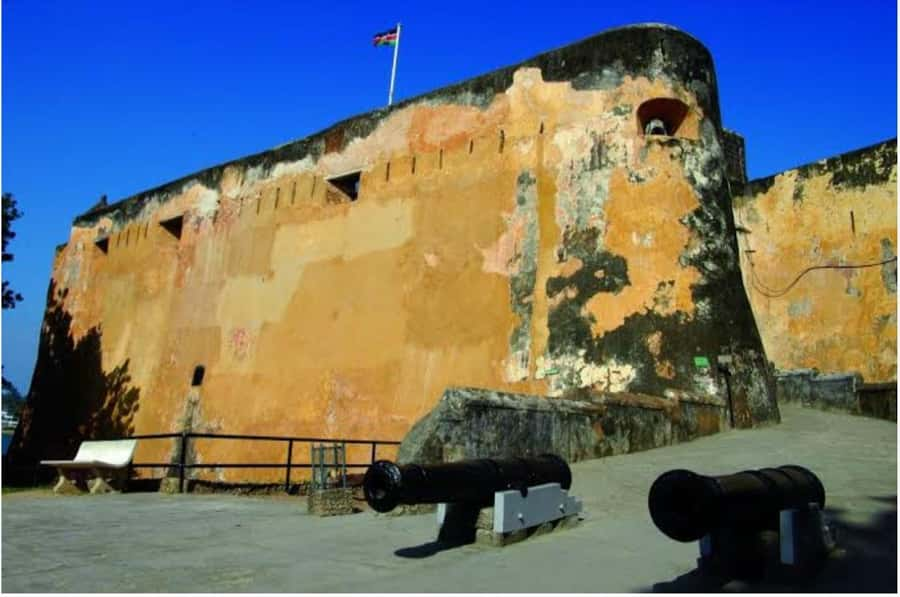
- Fort Jesus sets the historical stage: Explore the Portuguese fort, museum rooms, old defenses, and Indian Ocean views with a guide.
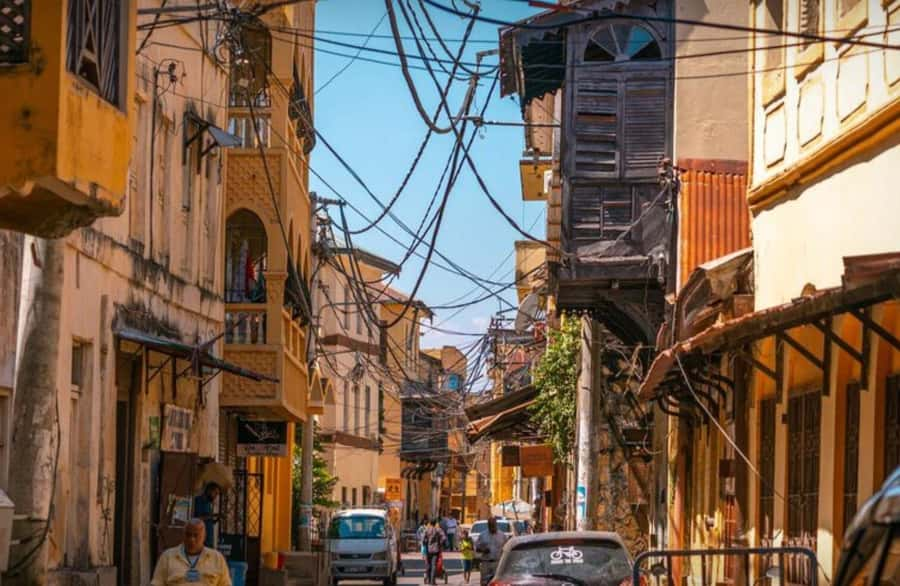
- Old Town is best seen on foot: Narrow streets, Omani-style buildings, Mandhry Mosque, antique shops, and local life fill this section.
- Marikiti Market uses all your senses: See fresh produce, hear vendors, smell spices, and taste selected local flavors.
- The tuk tuk ride adds local character: Travel between central stops in a simple, open-sided vehicle rather than staying in a tour bus.
- The tusks make an easy photo stop: Pembe za Ndovu marks one of Mombasa’s best-known city landmarks.
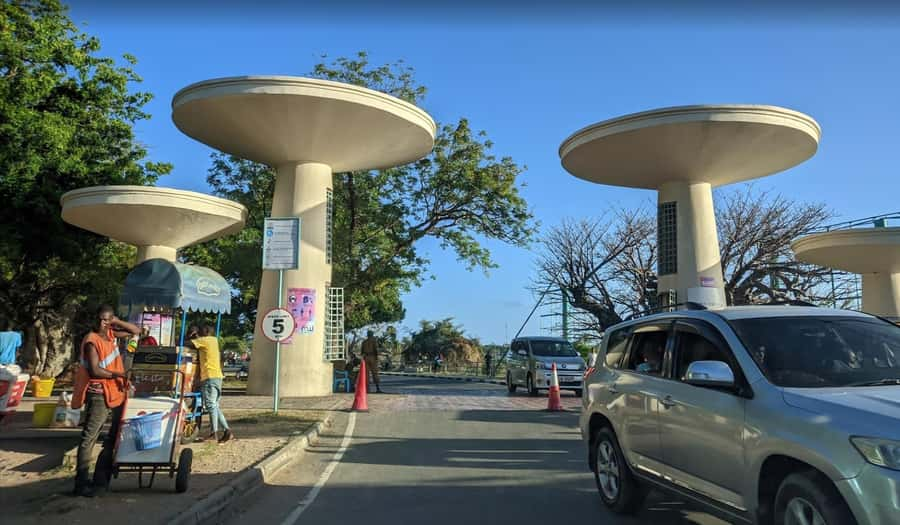
- Mamangina Beach gives you breathing room: Watch ferries cross and ships enter the port while enjoying the coastal breeze.
Why this four-hour Mombasa tour works
At $30 per person, this is a useful introduction to Mombasa if you have only a morning or afternoon. Hotel pickup and drop-off are included, along with a professional English-speaking guide, bottled water or a soft drink, internet, photography assistance, and tuk tuk transport between several stops.
That price does not include Fort Jesus Museum admission, food, drinks beyond the included refreshment, or shopping. Still, the value is solid if you want transport and a local guide rather than arranging each stop yourself. The tour usually takes about four hours, though it can run longer when the group wants extra time or adds a local lunch.
The experience is often led by Juma. He is studying tourism management and has been praised for clear explanations, good communication before the tour, flexibility, and an ability to make visitors feel comfortable. Other guides named in the experience include Kassim and Bornface, so your exact guide may vary.
You may receive a private or very small-group experience when the day is not heavily booked. That matters in Mombasa. A small group makes it easier to ask about religion, local customs, buildings, food, and modern city life without waiting for a large crowd to catch up.
Other ways to see Kenya in a day:
- Casablanca City Tour with Hassan II mosque ticket
★ 5.0 · 2,480 reviews - Cape Town Hop-On Hop-Off City Tour with Optional Cruise
★ 4.5 · 1,793 reviews - Cairo: Female-Guided Pyramids, Sphinx & Museum City Tour
★ 4.8 · 1,614 reviews
Fort Jesus: where Mombasa’s larger story begins
Fort Jesus is the anchor of the day. The Portuguese built it in the late 16th century, and the site is now a UNESCO World Heritage Site and museum. Its stone walls tell part of the story of European power on the Swahili Coast, while the exhibits show how the coast and its people changed over time.
You will walk through the fort with a guide rather than simply wandering from room to room. That makes a real difference because the site can otherwise feel like a set of old walls without a clear timeline. Your guide can explain the Portuguese presence, later Omani Arab influence, and the role of Mombasa as a port city.
Look for the fort’s views toward the Indian Ocean. They help you understand why this position mattered. Mombasa was tied to shipping, trade, military control, and contact between Africa, Arabia, Portugal, and the wider Indian Ocean world.
Allow enough energy for uneven walking and warm weather. The fort is an outdoor historical site as well as a museum, so you will move between open areas and enclosed spaces. The admission charge is not included in the $30 price, and you should budget for it separately.
The guide-led visit is one of the strongest parts of this tour. Juma has been singled out for explaining the fort thoroughly and answering questions rather than rushing people through. If history is your main reason for booking, this stop gives the experience its shape.
Old Town and the narrow lanes of Swahili Mombasa
From Fort Jesus, the route continues through Old Town. This is where the tour slows down and becomes more intimate. You walk through narrow streets lined with Swahili and Omani-influenced architecture, passing doorways, small businesses, religious buildings, antique shops, and stalls selling souvenirs.
Mandhry Mosque is one of the named landmarks. The tour does not treat Old Town as a museum frozen in the past. You see a lived-in neighborhood, with the practical details of city life close at hand.
The streets can be crowded and the market areas may feel overwhelming if you are new to Kenya. Keep your belongings secure, stay close to your guide, and take your time looking around. You may also want to dress in a way that feels respectful in a historic Muslim quarter, especially near the mosque.
I like this part because it gives context to Fort Jesus. The fort represents outside powers trying to control the coast, while Old Town shows the architecture, religion, trade, and daily routines that grew around the port. You get a better sense of Mombasa by seeing both.
Antique shops can be a highlight for shoppers and anyone interested in old household objects, carved pieces, and coastal design. You are not required to buy anything. If you do shop, ask the price clearly and remember that purchases are not included in the tour fee.
One useful feature is the guide’s ability to help you get your bearings. The route introduces the central streets so you can return later with more confidence. That is particularly handy if you are staying in Mombasa for more than a day.
Marikiti Spice Market: color, aroma, and local trade
Marikiti Spice Market brings a different kind of energy. You walk among stalls selling spices, fresh produce, and local goods. Expect strong smells, close movement, bright displays, and the steady sound of buying and selling.
The guide provides information about the spices and includes tasting. This is more useful than simply being shown a pile of unfamiliar ingredients. You can ask how spices are used in Swahili cooking and compare the smells and flavors as you move through the market.
You may also sample local sweets or foods, depending on the day and the group. Any extra food or drinks you buy are your responsibility. It is wise to carry some Kenyan currency if you want to shop, but personal purchases are not part of the listed price.
The market is a good place to practice respectful photography. Ask before photographing vendors or their goods, and follow your guide’s lead. Photography assistance is included, and guides such as Juma have been praised for helping visitors capture memorable pictures throughout the day.
Do not expect a polished food hall. Marikiti is a working market, and it may feel crowded, noisy, or messy. That is also its value. You see where everyday goods are sold rather than a market designed only for sightseeing.
Same base, a different sort of day:
- Nairobi National Park Half-Day Tour; Free Wi-Fi connection
★ 5.0 · 878 reviews - Nairobi: National Park & Optional Elephants & Giraffe Center
★ 4.8 · 874 reviews - NAI NAMI: Nairobi Storytelling Tour with Street Children
★ 5.0 · 792 reviews - Nairobi National Park Half-Day Game Drive
★ 4.5 · 738 reviews
A tuk tuk ride through the city
The included tuk tuk ride links the spice market with the tusks and Mamangina Beach. It is a small detail, but it gives the tour a local rhythm. You are not sealed inside a large coach, and the short ride lets you see more of the city between formal stops.
The vehicle is practical rather than luxurious. Roads can be busy, and the ride may feel lively. If you prefer a quiet, air-conditioned transfer, this may not be your favorite part. For most visitors, though, the tuk tuk adds a memorable sense of place and breaks up the walking.
The tour may also include a car for hotel or meeting-point transfers. One booking included pickup from the train station, with bags kept safely at the guide’s office during the visit. The exact arrangement depends on your pickup point and guide, so confirm the meeting details before the day.
Pembe za Ndovu and Mombasa’s famous tusks
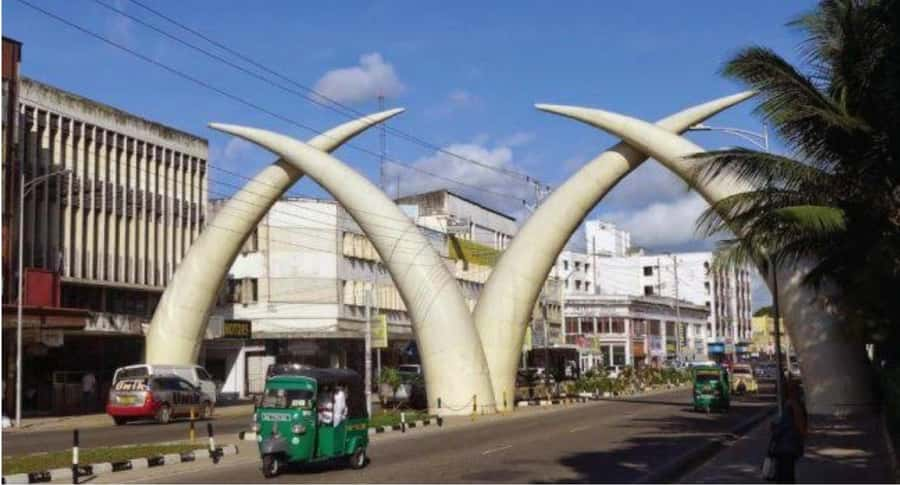
Pembe za Ndovu, or the Mombasa tusks, are among the city’s most recognizable landmarks. The crossed tusks were erected in 1952 to mark Queen Elizabeth’s visit to Mombasa.
This is a short stop, but it works well for photographs. The tusks sit in a city setting, so you get a sense of modern Mombasa around an object linked to its colonial-era public history. Your guide can explain why the landmark was created and help you frame photos.
The stop is not a museum visit, and there is no long indoor program here. Think of it as a quick, useful pause between the market and the beach. The photography assistance included in the tour is especially helpful at this location.
It is also a good reminder that Mombasa’s public symbols can carry more than one meaning. The tusks refer to a royal visit and the city’s colonial past, while the market and Old Town show older coastal traditions that reach far beyond that single event.
Mamangina Beach and the view toward the port
Mamangina Beach is the final change of mood. After the fort, lanes, shops, and market, you reach an open waterfront where a cool breeze can make the city feel less crowded.
From the beach, you can watch ferries carrying people across the water and see ships arriving at or leaving the Mombasa port. It is not presented as a swimming beach day. The appeal is the view, the air, and the chance to watch the working waterfront.
This stop helps you understand Mombasa as a port city rather than only a historic destination. Ferries move local passengers, while larger ships connect the coast to wider trade routes. Bring a little patience here. The pleasure comes from watching the water and traffic rather than checking off another major monument.
Some groups finish with coffee, samosas, donuts, or a local drink. Ginger may feature strongly in the coffee and refreshments. Meals and drinks are not included in the basic price, so check with your guide before ordering.
The guide can shape the day
The strongest thread through this experience is the guide. Juma has been described as friendly, flexible, careful with groups, and passionate about Mombasa. He has also helped with photos, arranged transport, answered questions about Kenyan culture, and adjusted the schedule when guests wanted extra time.
That flexibility can make the tour feel personal. One group added a local lunch. Another spent longer than expected on the route. A guide may also add a local park, a wood carving workshop, or a stop for a drink if time and interest allow.
The wood carving visit deserves a note of caution. It can be interesting to see carving and painting in progress, and one booking found it a tour highlight. But ask before taking photos, particularly of people. One visitor felt uncomfortable when someone filmed her without permission. Your guide can help set clear boundaries.
The tour is offered in English. If you want long discussions about local life, history, and culture, an English-speaking guide such as Juma can add a great deal. If you prefer a silent sightseeing loop with little conversation, this may feel more talkative than necessary.
Who should book it?
I would choose this tour for a first visit to Mombasa, especially if you are staying in Nyali, arriving by train, or have limited time before heading to the beach or another destination. It gives you the main historic sights, a market, a landmark photo, and a waterfront stop without requiring you to plan several separate transfers.
It suits couples, solo visitors, and small groups who like to ask questions and walk through real neighborhoods. It is also a good choice if you want help with photographs or feel uncertain about navigating Old Town and the market alone.
You should think twice if your priority is a slow beach day, a long museum visit, or a private food tour. The schedule covers many places, and Fort Jesus entry is extra. Markets and narrow streets may also be tiring in hot weather.
Reserve with a little flexibility. The stated program takes around four hours, but a friendly guide may spend longer at the fort, add a local food stop, or adjust the route to suit the group. Cancellation is allowed up to 24 hours before the tour for a full refund, and you can reserve now and pay later.
Final verdict: a useful first look at coastal Kenya
At $30 per person, this is good value for a guided introduction to Mombasa. You get hotel pickup and drop-off, an English-speaking guide, water or a soft drink, photography help, spice information and tasting, tuk tuk transport, and several major city stops. You still need to pay for Fort Jesus admission, meals, drinks, and shopping.
The tour’s greatest strength is the way it joins separate parts of Mombasa into one story. Fort Jesus explains foreign power, Old Town shows Swahili and Omani influence, Marikiti reveals local trade, the tusks point to colonial-era symbolism, and Mamangina shows the port at work.
Book it if you want a friendly guide, a full half-day, and a useful introduction to both historic and present-day Mombasa. Skip it only if you prefer to stay at the beach or explore at a very slow pace. For most first-time visitors, this is an efficient and personable way to get your bearings.
FAQ
How much does the Mombasa city tour cost?
The tour costs $30 per person.
What places does the tour visit?
The route includes Fort Jesus Museum, Mombasa Old Town, Mandhry Mosque, Marikiti Spice Market, Pembe za Ndovu, and Mamangina Beach. The route may also include other local stops depending on the group and guide.
Is Fort Jesus admission included?
No. The entry fee for Fort Jesus Museum is not included in the tour price.
How long does the tour take?
The tour is expected to take about four hours, though some groups spend longer on the route.
Is hotel pickup and drop-off included?
Yes. Hotel pickup and drop-off are included. Pickup arrangements may also be made from an agreed meeting point, such as a train station.
What language is the tour offered in?
The tour is offered in English.
Is food included?
Meals are not included. Spice information and tasting are included, while extra food, drinks, local lunches, and personal purchases cost more.
Can I cancel the booking?
Yes. You can cancel up to 24 hours in advance for a full refund. You can also reserve and pay later, which keeps your plans flexible.
Just added in Kenya
- Nairobi Walking tour:Explore History Culture and Traditions★ 4.8 · 222 reviews
- Nairobi: National Park, Elephant Orphanage & Giraffe Center★ 4.6 · 81 reviews
- Nairobi Storytelling Tour with Former Street Kids★ 4.8 · 283 reviews
- Nairobi National Park 5-hour Guided Game Drive Free Pick up★ 4.5 · 367 reviews
- Nairobi National Park, Elephant Orphanage and Giraffe Centre★ 4.6 · 365 reviews
- Nairobi National Park Full or Half-Day Tour with Guide★ 4.7 · 217 reviews
- Nairobi: Hell’s Gate National Park and Lake Naivasha Tour★ 4.8 · 93 reviews
- Nairobi: National Park, Elephant Orphanage & Giraffe Center★ 4.5 · 113 reviews
City Tours, compared.
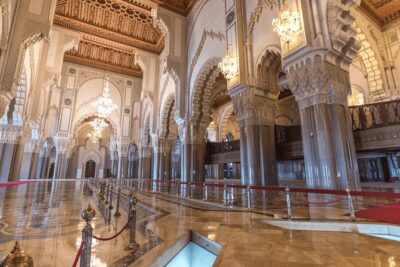
Casablanca City Tour with Hassan II mosque ticket
Read our review →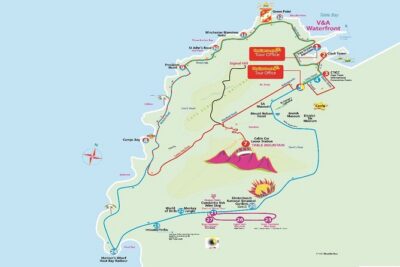
Cape Town Hop-On Hop-Off City Tour with Optional Cruise
Read our review →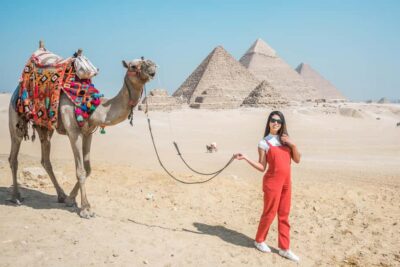
Female-Guided Pyramids, Sphinx & Museum City Tour
Read our review →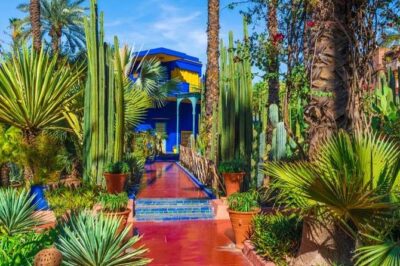
Marrakech Historical and Cultural Tour – Half Day City Tour
Read our review →
Browse the lists this tour appears in