
Reviewed · TANZANIA · TOURS IN ARUSHA
Living Among Lions
The best part of Living Among Lions is the variety packed into five days: Lake Manyara’s forest and hippos, two nights beneath the wide Serengeti sky, then a full game drive in Ngorongoro Crater. I like that the Serengeti receives a full day rather than a rushed morning visit. I also like the private format, which lets you shape game-drive times with your guide.
The tradeoff is road time. Day 2 is a long transfer into the Serengeti, and the five-day route includes several early starts. At $3,872 per person, this is a serious purchase, so confirm the exact lodging, pickup time, and what level of accommodation you are receiving before paying.
Key points
- Lake Manyara opens the trip with variety: Expect forest, baboons, blue monkeys, giraffes, elephants, buffaloes, hippos, and the chance of tree-climbing lions.
- Two Serengeti nights give you room to search: You can choose split game drives with a camp break or one long drive with a picnic lunch.
- Ngorongoro Crater offers concentrated wildlife: The crater floor is a strong place to look for elephants, hippos, flamingos, lions, and the rare black rhino.
- Private guiding is the main advantage: Guides including Wilson, Arnold, Cleopa, Habibu, Morris, and Losioki are praised for safe driving, animal spotting, and personal care.
- Meals are included throughout the safari: The package covers five lunches, five dinners, and four breakfasts.
- The route is rewarding but demanding: Long drives, early departures, and a non-refundable booking call for careful planning.
Three famous parks in five days
Living Among Lions is designed for you if you want a classic northern Tanzania safari without spending a full week on the road. The route links three very different wildlife areas: Lake Manyara National Park, Serengeti National Park, and the Ngorongoro Conservation Area.
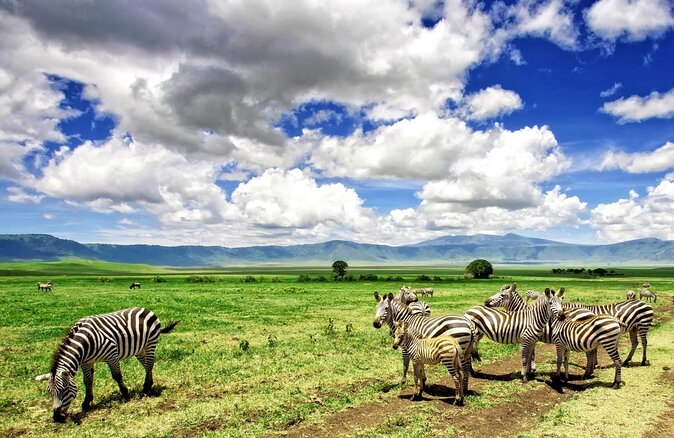
Each place has a different character. Manyara is compact and wooded. Serengeti is enormous and open, with wildlife spread across plains that can seem to run forever. Ngorongoro is a wildlife-rich crater with steep walls and a concentrated population of animals.
That variety is the real value here. You are not seeing the same type of scenery and animal behavior every day. You move from monkeys in the trees to lions on open grassland, then to hippos and rhinos in the crater.
The price is $3,872 per person. That is not a budget safari, but the cost covers a private five-day program with park visits, meals, guiding, and transport. The value depends heavily on the accommodation and vehicle standard, which are not fully detailed in the information provided. Ask for the names and locations of the lodges or camps before booking. A remote Serengeti camp can change the feel of the trip, as can the amount of time spent driving to and from it.
Other trips people book in Arusha:
- Balloon Safari & Bush Breakfast in Serengeti – Miracle Experience
★ 5.0 · 1,646 reviews - Tanzania Classic – 7 Days
★ 5.0 · 1,151 reviews - 4 Days Group Camping Safari
★ 5.0 · 1,101 reviews
Day 1: Lake Manyara’s forest, hippos, and tree-climbing lions
Pickup is scheduled in the morning, with the tour information giving both 8 a.m. for hotel pickup and a 6 a.m. meeting time. That difference matters. Confirm your actual pickup hour before the trip, especially if you are arranging a hotel night in Arusha.
The drive toward Lake Manyara crosses the Great Rift Valley, so the journey is part of the day rather than a mere transfer. Once inside the park, the setting changes quickly. Lake Manyara is small by safari standards, but its forest gives it a different feel from the open Serengeti.
Look for giant figs, mahogany trees, and thick acacia growth. Baboons and blue monkeys are important parts of the park’s wildlife, and giraffes and elephants often make good subjects against the trees. The park also supports impalas and large numbers of buffaloes.
The lake adds another layer. Hippos gather in its waters, while flamingos may appear along the shore. Ground hornbills and crested eagles provide a reason to keep looking upward, not just scanning the road for large mammals.
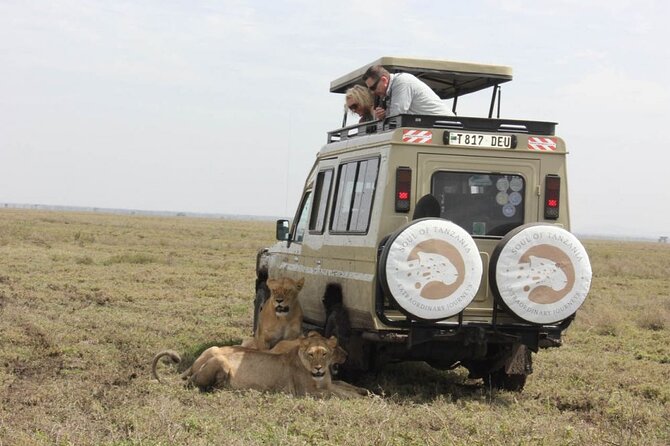
The park is also associated with tree-climbing lions. Sightings are never guaranteed, and no safari can promise a particular animal, but the possibility gives Manyara a distinctive appeal. You may spend part of the drive watching branches as carefully as the grass.
A full day here is useful because Manyara rewards patience. The drawback is that the park can feel like an ambitious first day when you add the drive from Arusha and the later transfer toward the Serengeti. Pack water, sun protection, and a camera that is ready before the animals appear.
Day 2: The long road into the Serengeti
After an early breakfast, you head toward Serengeti National Park. This is the tour’s biggest transfer day, and the published schedule describes it as an exceptionally long stretch of roughly 18 hours. Treat that figure as an itinerary estimate, but expect a demanding day on the road.
The reward is the approach. You travel through the crater highlands and stop at the Ngorongoro Crater rim for a broad view over the crater floor. This is one of the trip’s great visual moments, even before you reach the Serengeti.
Then the country opens out. The name Serengeti refers to endless plains, and the description fits. The park covers about 6,900 square miles, so distances are deceptive. A group of animals that looks close may be much farther away than your eyes suggest.
This is the home of the Great Migration and huge herds of wildebeest. The exact location of wildlife changes with season, water, and food, so your guide’s judgment matters. The package does not guarantee the migration or any particular sighting. It does give you two nights in the park, which improves your chance to experience more than a quick pass through.
The road day can be tiring, especially for children or anyone who finds long drives difficult. Still, it is hard to reach the central Serengeti without spending time on the road unless you fly. If you want a fast, low-driving safari, this is not the right shape of trip. If you want to see the country change from crater highlands to open plains, the journey is part of the story.
Day 3: A full Serengeti day with room to choose
Day 3 is the heart of the itinerary. You have a full day in Serengeti National Park, and the schedule is flexible rather than locked into one fixed pattern.
You can start with a morning game drive, return to camp for lunch and rest, then head out again in the afternoon. That option suits you if you want a break from the vehicle and prefer two periods when animals may be active.
You can also spend the day on one long game drive with a picnic lunch. This gives you more time to reach distant parts of the park and follow an interesting sighting without turning back for camp. The cost is less time to stretch, eat at a table, or recharge.
Talk with your guide about the rhythm you want. Guides such as Wilson are praised for positioning the vehicle well and anticipating where animals may move. Arnold is described as having many years of regional experience, while Cleopa receives praise for calm driving and persistence in finding wildlife. Those details matter because a safari is not just about reaching a park. It is about how well your guide reads the conditions and manages the hours.
The Big Five are lion, leopard, elephant, rhinoceros, and buffalo. You may see some or all of them, but nature does not work on a checklist. Serengeti is especially rewarding for lions, elephants, buffaloes, and large herds, while leopards and rhinos can take more luck and patient searching.
A private vehicle also helps here. Your group can discuss wake-up times and game-drive length with the guide instead of following a fixed schedule for strangers. The experience is still structured by park rules and daylight, but the day can respond to what you want to see.
Same base, a different sort of day:
- 5 Days Group Camping Safari
★ 5.0 · 730 reviews - Materuni Waterfalls, coffee tour & Kikuletwa Hot Springs
★ 5.0 · 643 reviews - 3 Days Serengeti & Ngorongoro Group Camping Safari
★ 5.0 · 574 reviews - 7-Day Premium Luxury Tanzania Safari All-Inclusive
★ 5.0 · 426 reviews
Day 4: Sunrise in the Serengeti and the road to Ngorongoro
The suggested plan begins very early, with a morning game drive and sunrise. This is a smart use of your final Serengeti hours. Early light can make the plains especially striking, and the cooler part of the day is a sensible time to search for wildlife.
After the drive, you return to camp for brunch before continuing toward Ngorongoro. The day combines one final Serengeti outing with another major destination, so it is busy. The stated duration is about 12 hours, and you should expect a full day with both wildlife viewing and transfer time.
Ngorongoro Crater is about 102 square miles, with walls rising roughly 2,000 feet. From the rim, the scale is difficult to judge. Once you descend, the walls give the setting a contained feel, almost like a natural enclosure, though the animals move freely across the floor.
The crater supports many species found in East Africa. You may see elephants, lions, hippos, flamingos, buffaloes, and other wildlife in a compact area. It is also one of the rare places in the region where you might see a black rhino.
Do not assume the crater guarantees a rhino sighting. Wildlife remains wild, and viewing conditions can change. The appeal is the concentration of species and the dramatic setting, not a promise of a particular animal.
The timing is worth considering. A late transfer into the crater area after an early Serengeti drive can leave you tired. If you are sensitive to long days, tell the operator in advance and ask how the overnight stops are arranged.
Day 5: Crater-floor wildlife and the return to Arusha
The final day begins early with a descent into Ngorongoro Crater. The plan includes a morning game drive followed by a picnic lunch near a hippo lake, then a shorter game drive before climbing out of the crater.
Hippos are best viewed from a safe distance, and your guide will manage the vehicle and viewing position. The lake also gives you a chance to pause in a scenic part of the crater rather than spending every minute moving between sightings.
After lunch, you leave the conservation area and drive back toward Arusha. The expected arrival is around 5 p.m., although the schedule can adjust for a flight or another fixed need. Do not book a tight onward connection without confirming the return plan directly.
The final day is shorter in game-drive time than Day 3, but it still involves an early start and a return journey. It works well as the close of a safari that finishes in Arusha. It is less suitable if you want a relaxed final morning.
Why the private guide matters
The strongest part of this experience is not simply the list of parks. It is the guide in the front seat.
You are relying on that person for safe driving, animal tracking, timing, park knowledge, and communication. The guide also helps turn a long road day into something more manageable. Ask questions, share your priorities, and say if you need a rest stop or a different pace.
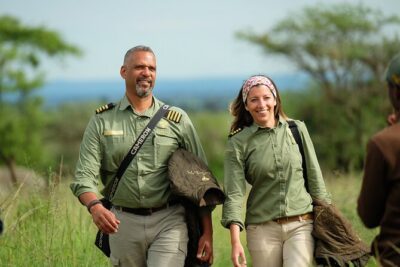
Several guides receive especially strong praise in the supplied information. Wilson is credited with finding the Big Five and placing the vehicle well for photographs. Arnold is described as an experienced guide with about 18 years in the region. Cleopa is praised for calm driving and a strong determination to find animals.
Habibu is noted not only for safe driving and local knowledge, but also for bringing music and dancing into the journey. That may sound small, yet personal warmth matters during five days in a vehicle. Other named guides include Losioki, Julius, Morris, Edward, Walter, James, Dennis, Lawrence, Njere, also called Stanley, and Omari.
You may not receive a particular guide, so treat those names as examples rather than a guarantee. The clear point is that the guiding style can shape the trip. A careful driver who explains animal behavior and listens to your preferences is worth paying for.
A tip of $10 per person per day is recommended for the guide. This is not included in the listed price, so budget about $50 per person for five days if you choose to follow that suggestion.
Food, comfort, and the practical cost
The package includes five lunches, five dinners, and four breakfasts. That covers the main safari days and removes much of the daily meal planning. Picnic lunches are part of the game-drive pattern, especially around Ngorongoro.
The food and lodging details are not fully specified in the material provided. Several accounts describe meals as very good and accommodations as attractive, but you should still ask for the exact properties, room setup, and meal style. The answer will help you judge if $3,872 feels right for your budget.
The tour is private, and only your group participates. That is a major benefit if you are traveling as a couple, family, or small group with shared priorities. Group discounts are available, but the amount is not stated.
Pickup is offered, and a mobile ticket is available. Confirmation is provided at booking. Most people can take part, but the itinerary includes early starts, long vehicle days, uneven outdoor conditions, and repeated boarding and exiting from a safari vehicle, so consider your own stamina.
International flights, airport taxes, Tanzanian visa costs, meals outside the safari, and guide tips are not included. The booking is also non-refundable and cannot be changed for any reason. That makes travel insurance and careful date planning sensible.
Who will get the most from this safari
I would choose this trip if you want the classic northern Tanzania trio in a compact schedule. It suits first-time safari visitors who want a strong chance at varied wildlife without adding several extra days.
Families can benefit from the private setup because the day can be adjusted around the group. One account describes a family with children spending two nights in the savanna, which shows the route can work for families. Still, ask about the children’s ages and the expected drive times before booking.
This is also a good fit for photographers who want a full Serengeti day and a guide willing to wait or reposition the vehicle. The drawback is limited time. You will see three major areas, but you will not explore each one at a slow pace.
I would hesitate if you dislike long road transfers, need late mornings, or want a predictable luxury hotel program with little time in the vehicle. I would also hesitate if the cost leaves no room for flights, visas, tips, and personal spending.
Should you book Living Among Lions?
Book it if your priority is a private, wildlife-focused route through Lake Manyara, Serengeti, and Ngorongoro in five days. The full Serengeti day, flexible game-drive plan, included meals, and strong guide reports give the trip real substance.
Before paying, confirm the 6 a.m. versus 8 a.m. pickup time, the exact accommodations, the vehicle arrangement, and the long-transfer schedule. If you accept the early mornings and road time, this is a powerful introduction to Tanzania’s northern parks. If you want a slower safari, add days rather than trying to squeeze more into this route.
FAQ
How long is the Living Among Lions tour?
The tour lasts approximately five days. It includes one day at Lake Manyara, two nights and a full day in the Serengeti, and time in Ngorongoro Crater before returning to Arusha.
Is this a private safari?
Yes. Only your group participates in the activity, rather than joining a larger shared group.
Are meals included?
Yes. The package includes five lunches, five dinners, and four breakfasts. Meals outside the safari are not included.
Is pickup offered?
Yes. Pickup is offered, but the information gives both an 8 a.m. hotel pickup and a 6 a.m. meeting time. Confirm the exact arrangement before the tour.
What is not included in the price?
International flights, airport taxes, a Tanzanian visa, meals outside the safari, and guide tips are not included. A guide tip of $10 per person per day is recommended.
Can I cancel or change the booking?
No. The experience is non-refundable and cannot be changed for any reason, so confirm your dates and travel plans before booking.
Just added in Arusha
- Tanzania Wildlife Encounters – 6 Days★ 5.0 · 277 reviews
- Maasai village visit, Materuni waterfalls & coffee experience★ 4.5 · 95 reviews
- Tanzania Enticing Explorations – 6 Days★ 5.0 · 106 reviews
- 3 Days Private Safari – manyara, Ngorongoro & Tarangire★ 5.0 · 94 reviews
- Tanzania Simba Safari – 5 Days★ 5.0 · 217 reviews
- Tarangire Day Tour★ 5.0 · 95 reviews
- Materuni waterfalls coffee tour & Chemka hot springs Day trip★ 5.0 · 131 reviews
- Materuni Waterfalls & Coffee Tour from Moshi★ 5.0 · 92 reviews
Tours in Arusha, compared.
Balloon Safari & Bush Breakfast in Serengeti – Miracle Experience
Read our review →
Materuni Waterfalls, coffee tour & Kikuletwa Hot Springs
Read our review →
3 Days Serengeti & Ngorongoro Group Camping Safari
Read our review →
7-Day Premium Luxury Tanzania Safari All-Inclusive
Read our review →
5-Day Highlights mid-Range Crater, Serengeti, Tarangire
Read our review →
Browse the lists this tour appears in