
Reviewed · EGYPT · TOURS IN HURGHADA
Hurghada: Small-Group Luxor Highlights & Tut Tomb Day Tour
Luxor packs some of Egypt’s greatest ancient sites into one very long day. From Hurghada, this small-group trip takes you across the desert to Karnak, the Valley of the Kings, Hatshepsut Temple, and the Colossi of Memnon, with an Egyptologist guide to give the stones a human story.
I like the small-group format, which gives you more room for questions and photos, and I like the guides’ practical approach. Adam, Hamdy, Ahmed Bahaa, Aladdin, and others are praised for explaining clearly without burying you in dates. Lunch, water, snacks, and an air-conditioned vehicle also make the long day easier.
The catch is the distance: you spend about 10 hours on the road for roughly one day in Luxor. Entry fees may depend on the option you select, the felucca ride costs extra, and the schedule can feel rushed at some stops, especially in hot weather.
Key points to know before booking
- Five hours each way: This is the fastest practical way to see Luxor from Hurghada, but it is a demanding day.
- Four major monuments: Karnak, the Valley of the Kings, Hatshepsut Temple, and the Colossi of Memnon form a strong first visit.
- Guide quality matters: Adam, Hamdy, Ahmed Bahaa, Aladdin, Ramez, Manal, and other guides are praised for clear explanations, humor, patience, and good photo help.
- Tutankhamun’s tomb is optional: Select the correct option if seeing Tut’s burial chamber is important to you.
- The Nile ride is optional: You can add a felucca trip for a quieter break, though one report described a motor-powered boat rather than a sailing felucca.
- You can finish in Luxor: Choose the one-way transfer option if you will stay there instead of returning to Hurghada.
Why the Hurghada to Luxor trip is worth the long drive
Hurghada is built around the Red Sea. Luxor gives you ancient Egypt at full scale. The two places are far apart, so this tour is not a relaxed sightseeing day with spare time for wandering. It is a concentrated introduction to the west and east banks of the Nile.
The early pickup is a real part of the experience. Some departures begin around 3:40 a.m., allowing the group to reach Luxor after the five-hour minibus journey and still visit the main sites in daylight. You should bring a small pillow, as suggested, because the outward and return drives are long.
The practical value is clear. A private taxi, guide, site tickets, lunch, and transport arranged separately could cost more and require far more planning. At $105 per person, the tour is good value if your main goal is to see Luxor’s headline monuments in one day.
The price needs a close look, though. Entrance fees are included only when you choose the entrance-fee option. The same applies to some extras, such as the felucca ride and Tutankhamun’s tomb. Check the exact package before paying, especially if you are comparing the base price with a more inclusive option.
Other trips people book in Hurghada:
- From Hurghada: Cairo and Giza Highlights Full-Day Tour
★ 4.5 · 6,014 reviews - Hurghada: Luxury Cruise Trip to Orange Bay with Lunch
★ 4.9 · 5,451 reviews - Hurghada: Orange Bay Island Boat Trip w/ Breakfast and Lunch
★ 4.9 · 5,345 reviews
The minibus ride from Hurghada to Luxor
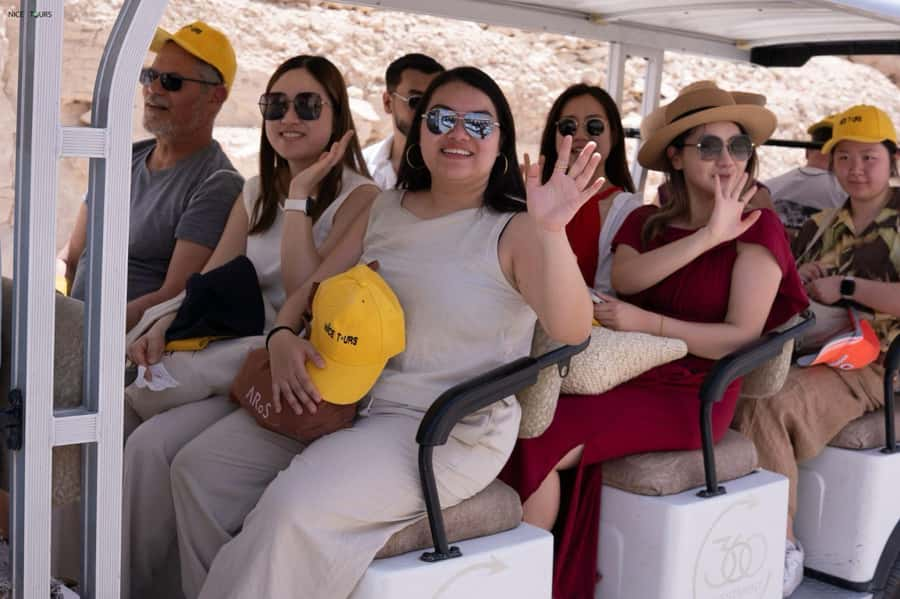
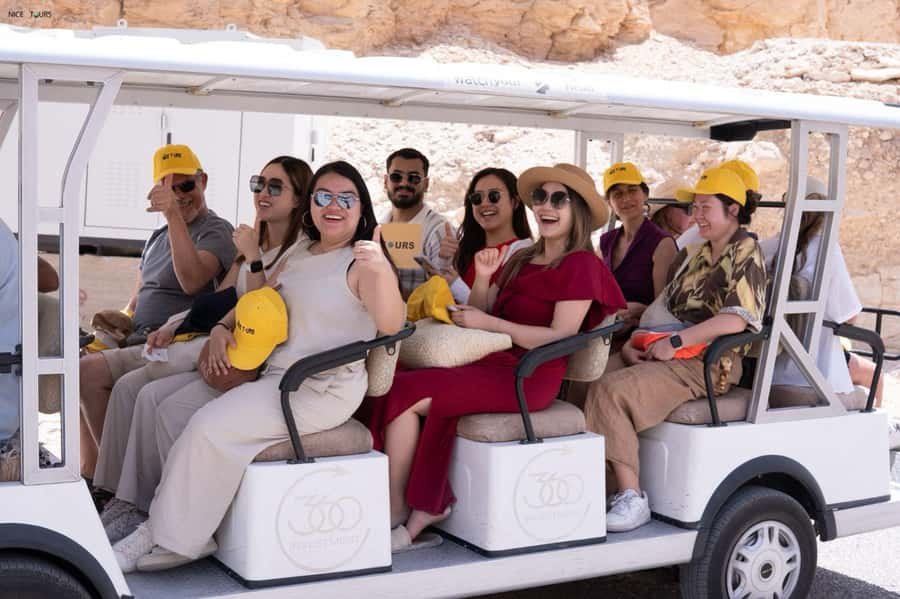
Pickup is from your Hurghada hotel in an air-conditioned minivan or bus. The drive takes about five hours in each direction, so comfort and punctuality matter more here than they would on a short city tour.
The strongest practical detail is the repeated attention to pickup timing. One group had a driver waiting exactly at 3:40 a.m., while others praised friendly drivers and comfortable, air-conditioned vans. That said, vehicle comfort may vary. One summer group found the seating tight and wished extra seats had been installed rather than left on the floor.
You receive water, soft drinks, and snacks, which helps when leaving before breakfast. Still, bring your own water and something simple to eat if you need a substantial early meal. A pillow, sunglasses, sunscreen, light clothing, and comfortable shoes will make a noticeable difference.
This is a shared tour, and the group size can change. One particularly small group had only three people, but you should not assume every departure will be that intimate. A small group makes it easier to hear the guide and move through the sites, while a larger one may mean more waiting.
Karnak Temple, where scale becomes the story
Karnak is usually your first major stop, and it is a smart choice. After the long drive, the huge temple complex gives you an immediate sense of how ambitious ancient Thebes was.
You will walk among massive columns, open courts, carved walls, and grand gateways. The site is not one single building but a collection of religious structures built and altered over many centuries. That scale is hard to grasp from photographs. Your guide helps connect the rulers, gods, and building projects so the complex does not become a blur of stone.
This is one place where a clear guide makes a major difference. Adam and Ahmed Bahaa are praised for explaining without overloading the group with figures, while Aladdin is noted for using humor and drawing people into the stories. That style suits Karnak, where too many dates can flatten the experience.
Allow yourself time to look upward. The columns and reliefs are the visual reward, while the guide’s explanation gives them meaning. In the hottest months, guides have sometimes chosen shaded areas for their main talks. That is useful, but you should still carry sun protection and expect plenty of walking.
Lunch at a local restaurant

After Karnak, lunch is served at a local restaurant in Luxor. The meal is described as a buffet, and several people found the food better than expected for a day tour.
Drinks at the restaurant are not included, so keep some cash available. Water and soft drinks supplied during the day are separate from anything you order with lunch.
Lunch also gives you a needed pause before the west-bank monuments. The schedule is active, and a proper meal helps you keep going through the Valley of the Kings and Hatshepsut Temple. Do not treat this as a long leisurely restaurant visit. It is a practical break inside a tightly packed day.
Same base, a different sort of day:
- Hurghada: Royal Seascope Submarine Cruise with Snorkel Stop
★ 4.4 · 4,637 reviews - Hurghada: 3 Islands, Dolphins & Snorkel Yacht Trip w/ Lunch
★ 4.7 · 4,609 reviews - Hurghada or Makadi: Discover the Magic of Dolphin House
★ 4.8 · 4,198 reviews - Sindbad Submarines – Hurghada (Egypt) – 2 Hours
★ 5.0 · 3,985 reviews
Optional felucca ride on the Nile
The Nile stop offers a change of pace. After temples and tombs, a short boat ride can give you open views of Luxor and a quieter look at life along the river.
The felucca is optional, so you can decide if the extra cost and time suit you. I would choose it if you want a calm pause and enjoy seeing a city from the water. If your priority is more time inside the monuments, you may prefer to skip it.
There is one detail worth checking when you book. A report described the boat using an outboard motor rather than sailing under a full canvas sail. That does not make the ride pointless, but it means you should not assume you will get a completely wind-powered felucca experience.
The Colossi of Memnon, a quick but memorable stop
The Colossi of Memnon are two enormous seated statues on Luxor’s west bank. They once guarded the entrance to a great temple complex, and their size is still striking even when the visit is brief.
This stop is often more about seeing and photographing than spending a long time exploring. You can stand close to the statues, study the carved stone, and hear how they relate to the wider Theban Necropolis.
The main caution is timing. One account found that some stops were handled quickly, with one attraction passed without a proper stop. If the Colossi matter to you, listen for the guide’s instructions and ask how much time is available before wandering too far from the vehicle.
The Valley of the Kings and the tombs below the hills
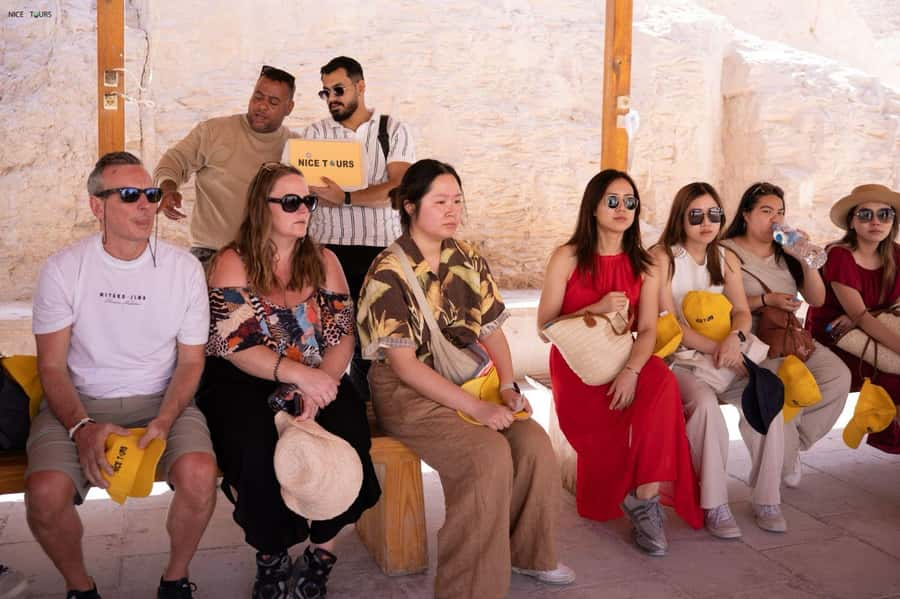
The Valley of the Kings is the emotional center of the day for many people. Rather than grand temples, you enter tombs cut into the desert hills, where pharaohs were buried away from the river plain.
Your ticket normally covers a set number of tombs, depending on the entrance option selected. The tomb interiors vary, but the reason to go is consistent: painted scenes, carved passages, and the sense of moving through a royal burial place rather than simply looking at an outdoor ruin.
The guide’s role is especially useful here. A good explanation helps you understand why the tombs were built, what the wall scenes were meant to do, and how the burial valley fits into ancient Egyptian beliefs. Hamdy is praised for showing people the tombs closely and helping them understand what they were seeing.
Tutankhamun’s tomb is an optional extra. It is smaller than many people expect, but its fame gives it strong appeal. Choose the package that includes it if seeing the young king’s burial chamber is high on your list. Do not assume it is included in every version of the tour.
Wear shoes with a firm grip and expect heat outside the tombs. The interior can feel like a welcome break from the sun, but moving between tomb entrances puts you back in exposed conditions quickly.
Hatshepsut Temple and a different kind of royal monument
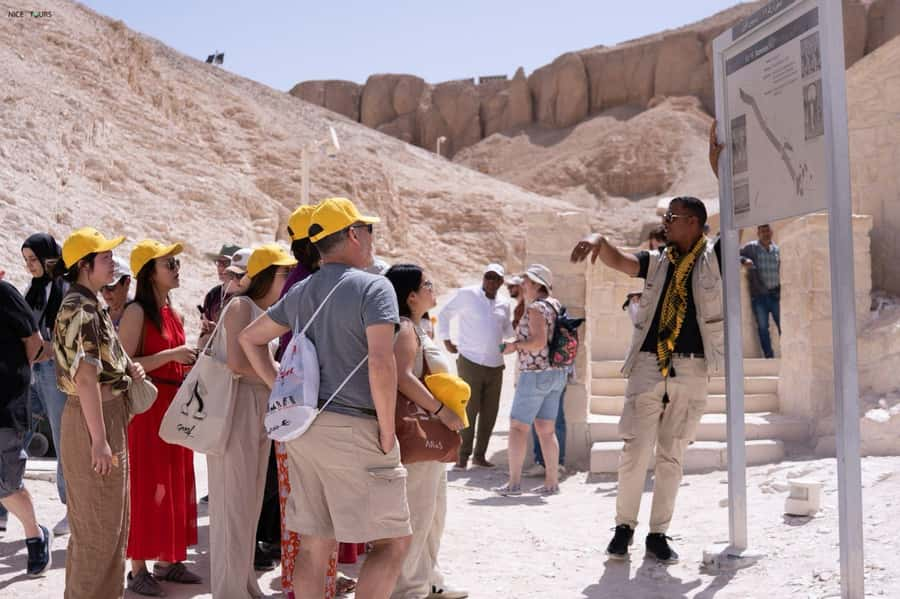
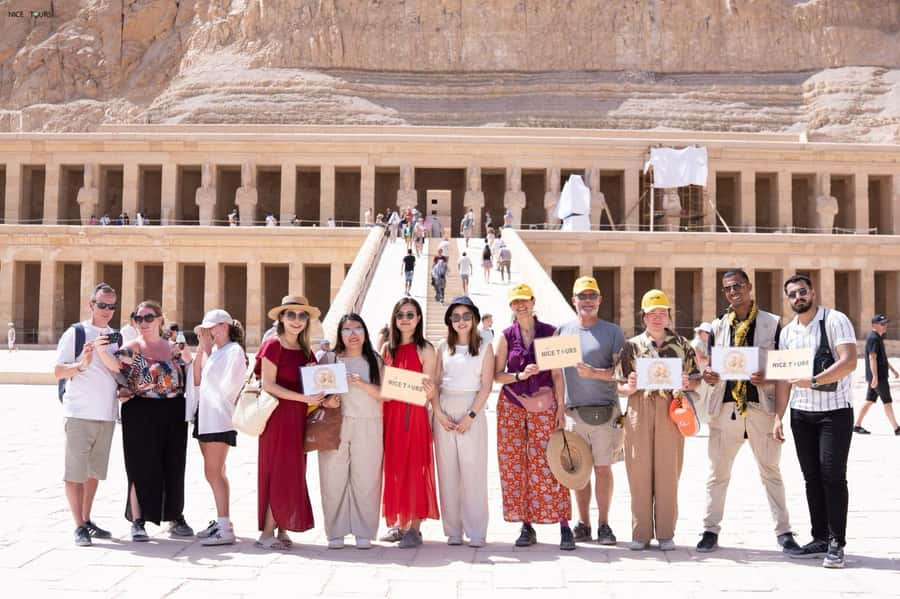
The Mortuary Temple of Hatshepsut is one of the day’s most distinctive sites. Its broad terraces rise against the cliffs, giving it a very different character from Karnak and the Valley of the Kings.
Hatshepsut ruled as pharaoh and commissioned this temple as a place of worship and remembrance. Your guide can explain how her position challenged the usual pattern of male succession and how the temple presented her authority.
The terraces and long ramps make for good photographs, but they also mean more walking in the sun. In July and August, temperatures can be severe, with one day reaching 42 degrees Celsius. If you visit in summer, carry water, use sunscreen, and take the guide’s shade breaks seriously.
The best guides adjust their pace rather than forcing every person to follow the same rhythm. Ahmed Bahaa is praised for answering questions and moving on when people are ready, while Manal is noted for patient explanations. That flexibility is valuable when the heat is strong or children are in the group.
What the guides add to the day
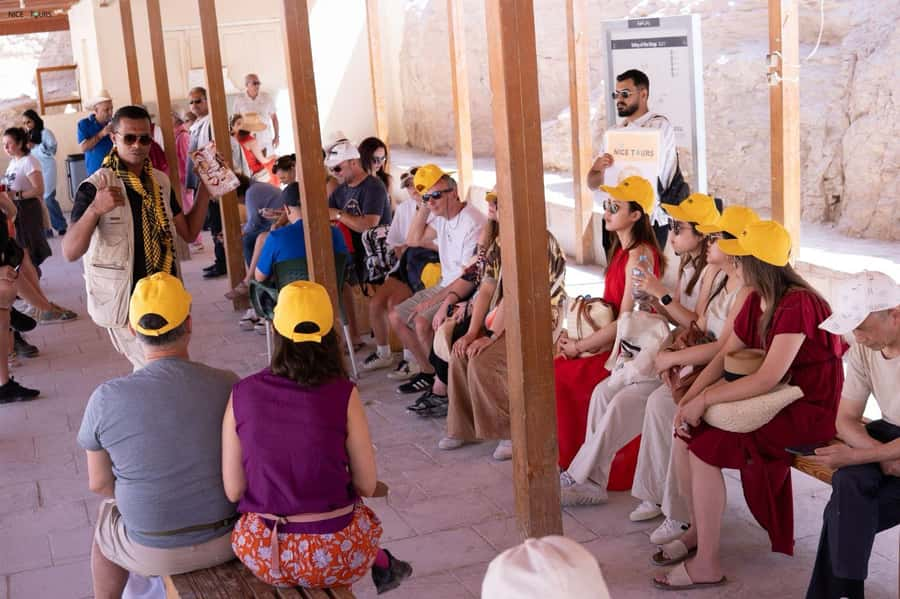
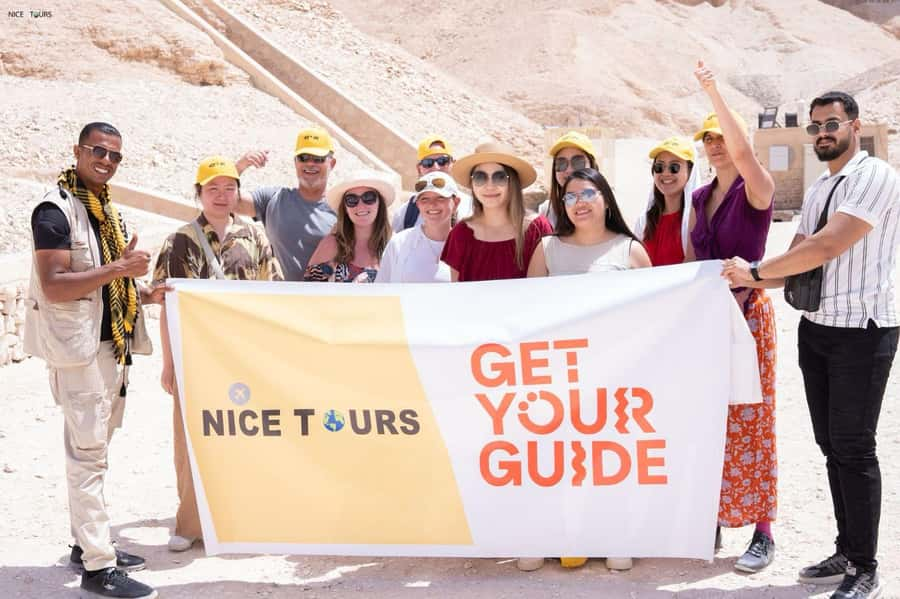
The guide can make or break a Luxor tour. These monuments are impressive on their own, but without context you may remember only columns, statues, and painted walls.
The strongest guide names connected with this experience include Adam, Hamdy, Ahmed Bahaa, Aladdin, Ramez, Manal, Alaadin, Basem, Mahmoud Haggag, Mohamed Alazeb, and Esshak. The feedback is especially strong on clear storytelling, humor, patience, and personal care.
Adam is often praised for making the day fun while explaining ancient Egypt with care. Hamdy is described as friendly with families and good with children. Ahmed Bahaa receives repeated praise for clear communication, practical organization, and a wide grasp of the sites. Aladdin is known for humor and for bringing people into the stories instead of delivering a dry lecture.
You should still remember that the exact guide is not guaranteed. The company provides live guiding in Arabic, English, French, German, and Spanish, with Spanish available as an add-on. If language is important, select the correct option rather than assuming it comes with the basic booking.
Is this a good family trip?
It can work very well for families who want a major cultural day without organizing transport themselves. One family with two children found the guide patient and engaging, and the friendly approach helped make the temples less overwhelming.
The bigger issue is the duration. Fifteen hours is a lot for any child, and the five-hour return drive comes after a full day in the sun. Bring a pillow, snacks, sun hats, and something to occupy children during the road sections.
A small group is helpful because the guide can answer questions and keep an eye on the pace. Still, do not expect a slow family outing. You are covering several major sites in one day.
Who should book this Luxor day tour?
I would recommend it to you if Luxor is a priority but you are staying in Hurghada and do not want to arrange a private journey. It is also a strong choice for a first visit, since the route covers the most important monuments on both sides of the Nile.
You will get the most from it if you value expert explanation, efficient transport, and a broad first look over a slow, detailed archaeological visit. Photographers should like the time set aside for photos, though some stops may feel short.
I would hesitate if you dislike pre-dawn starts, long vehicle journeys, or hot outdoor sites. If you have several days for Luxor, staying overnight is the better way to see more without racing. You can also choose the one-way transfer option and finish in Luxor rather than returning to Hurghada.
Free cancellation up to 24 hours before departure and reserve-now, pay-later terms add flexibility. Even so, the important decision is not the booking policy. It is whether you are comfortable trading a very long day for a valuable first look at ancient Thebes.
Should you book it?
Book this tour if you want Karnak, the Valley of the Kings, Hatshepsut Temple, and the Colossi of Memnon in one organized trip from Hurghada. The guides are the strongest part, and the supplied water, snacks, lunch, and air-conditioned transport make the $105 price sensible when the right entrance option is selected.
Skip it if you need leisurely pacing or want to study every tomb and temple in detail. For most Hurghada visitors with only one day available, though, this is a practical and culturally rewarding way to reach Luxor.
FAQ
How long does the tour last?
The tour lasts about 15 hours, including the journey between Hurghada and Luxor.
How long is the drive from Hurghada to Luxor?
The drive takes approximately five hours each way by minibus or bus.
What sites are included in the day?
The route includes Karnak Temple, the Colossi of Memnon, the Valley of the Kings, Hatshepsut Temple, lunch at a local restaurant, and a Luxor city tour.
Is the felucca ride included?
The felucca ride is optional and is available only if you select the add-on.
Is Tutankhamun’s tomb included?
Tutankhamun’s tomb is included only if you select the option that includes it.
Are entrance fees included?
Entrance fees for the Valley of the Kings, Karnak Temple, and Hatshepsut Temple are included only when you select the entrance-fee option.
What languages are available for the guide?
Guiding is available in Arabic, English, French, German, and Spanish. Spanish is listed as an add-on.
Can I end the tour in Luxor?
Yes. If you plan to stay in Luxor, choose the shared tour option with entrance fees and a one-way transfer to Luxor.
Just added in Hurghada
- Hurghada: Sunset Sea, Desert Horse W Opt, Dinner, Stargazing★ 4.3 · 180 reviews
- Hurghada: Full-Day Quad & Camel Ride, Stargazing, & Dinner★ 4.3 · 414 reviews
- Speedboat,Parasailing, Snorkeling & Piece Of Paradise Island★ 4.5 · 87 reviews
- Makadi Bay: Royal Seascope Submarine Cruise & Snorkel stop★ 4.4 · 184 reviews
- Makadi Bay: Luxor Highlights & King Tut Tomb Full-Day Tour★ 4.7 · 424 reviews
- Makadi Bay: Sunrise Quad & Traditional Oriental Breakfast★ 4.5 · 85 reviews
- Makadi Bay: BADU Luxury Bedouin Dinner Experience & Stargaze★ 4.7 · 175 reviews
- Makadi Bay: 2H Quad Bike, Camel, Stargazing, Dinner & Show★ 4.1 · 85 reviews
Tours in Hurghada, compared.


Orange Bay Island Boat Trip w/ Breakfast and Lunch
Read our review →
Royal Seascope Submarine Cruise with Snorkel Stop
Read our review →
3 Islands, Dolphins & Snorkel Yacht Trip w/ Lunch
Read our review →
Hurghada or Makadi: Discover the Magic of Dolphin House
Read our review →
Sindbad Submarines – Hurghada (Egypt) – 2 Hours
Read our review →
Browse the lists this tour appears in