
Reviewed · EGYPT · TOURS IN SHARM EL SHEIKH
Day trip from Sharm el Sheikh to Cairo by plane
The gold coffin of Tutankhamun, the three great pyramids at Giza, and the Sphinx all appear in one very long day. That is the real appeal of this Sharm el Sheikh to Cairo flight trip: you can see Egypt’s headline sights without giving up a hotel night on the Red Sea coast.
I like the smooth airport transfers and the guides, especially Ahmed, who brings energy, jokes, and clear explanations to a packed schedule. I also like the small-group format, with a maximum of 25 people, and the fact that lunch, flights, entrance fees, transport, and bottled water are bundled together. The drawback is simple: this is a punishingly early, 16 to 18-hour day, with some shopping stops that can feel like time taken from Cairo’s ancient sights.
Key points before you book
- Tutankhamun’s treasures lead the museum visit: Expect about two hours focused on major pieces rather than time to inspect all 120,000-plus objects.
- The flight saves a great deal of road time: You leave Sharm el Sheikh at around 4 a.m. and fly to Cairo instead of spending much of the day on a bus.
- Ahmed is a major part of the experience: His energetic delivery and strong grasp of Egyptian history help keep the day moving.
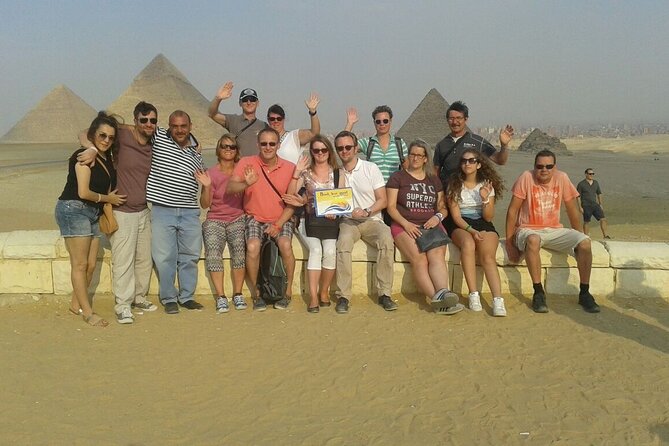
- The pyramids are seen from several points: You visit the Cheops, Chephren, and Mykerinus pyramids, then continue to the Sphinx and its temple.
- Optional extras add cost: The Nile boat ride is about 10 euros per person, while camel or carriage rides at Giza also cost extra.
- Shopping stops are not optional in every version: Papyrus and perfume demonstrations may be included, and some schedules add Khan Al-Khalili or a large shopping mall.
Why this Cairo day trip works from Sharm el Sheikh
Cairo is far from Sharm el Sheikh by road. A flight turns an awkward transfer into a practical day trip, though not a restful one. You are picked up from your hotel in the early morning, driven to the airport, and flown to Cairo, where a guide meets you and stays with the group for the day.
The price is about $257.21 per person. That sounds high beside a local Cairo tour, but the comparison is misleading. Here you are paying for return domestic flights, hotel transfers, a private air-conditioned vehicle in Cairo, an English-speaking guide, lunch, entrance fees to the listed sights, and three bottles of water during the day.
The value depends on your priorities. If Cairo is a once-only chance during a Red Sea holiday, the package saves you from arranging flights, airport transfers, museum tickets, and a driver yourself. If you want slow museum visits, long meals, or time to wander Cairo on your own, this is the wrong shape of trip.
The group size can reach 25 people, although some departures operate in a smaller minibus. A small group makes a real difference here. You can move through airport transfers and sightseeing stops faster, and the guide has more time to answer questions. The day remains tightly timed, but it does not feel like a huge coach excursion when the group is modest.
A few more things to do in Sharm El Sheikh worth a look
- From Marrakech: Day Trip to Ouarzazate and Ait Benhaddou
★ 4.7 · 9,447 reviews - From Marrakesh: Essaouira Full-Day Trip
★ 4.6 · 8,137 reviews - From Marrakech: Small Group to Essaouira & Sekkala Day Trip
★ 4.9 · 6,671 reviews
The 4 a.m. start and flight to Cairo
The morning begins before most holiday schedules have properly started. Pickup is usually around 4 a.m., with exact instructions sent in advance, often by WhatsApp. That communication matters because you need to know when to be in the hotel lobby and how the airport transfer will work.
The Sharm el Sheikh airport process is reported as straightforward for this domestic flight. You may receive boarding passes for the return journey at the start, which removes one small task later in the day. Airport security and check-in are described as quick, though a small cafe may be your only source of coffee or breakfast.
Pack lightly. The operator provides water in the vehicle, so carrying several large bottles is unnecessary. Small snacks are useful because the schedule can leave little time to stop for food outside the planned meals. Avoid aerosols, which may be confiscated at the airport, even if the container is small.
After landing in Cairo, you meet your guide outside the airport. Guides named in the experience include Ahmed and Khaled. Both are described as lively, clear, and deeply familiar with Egyptian history, but your assigned guide can vary by departure.
The Egyptian Museum and Tutankhamun’s gold coffin
The Egyptian Museum is the intellectual heart of the day. It contains more than 120,000 objects, so two hours cannot possibly cover the collection in full. A good guide makes the difference by selecting the pieces that help you understand ancient Egyptian beliefs, royal power, burial customs, and artistic skill.
Tutankhamun’s gold coffin is the headline object. The surrounding grave goods give the display its force, since you see not just a single famous piece but the elaborate burial equipment prepared for a young king. The guide’s job is to explain what you are looking at without letting the museum become a blur of names and dates.
Ahmed is particularly well suited to this part of the tour if he is leading your group. His style is energetic and humorous, and he keeps explanations moving. You get a guided introduction to the most important objects, not the freedom to study every case at your own pace.
That distinction matters. If you love museums, you may leave wanting another full day. If ancient Egyptian art is new to you, the two-hour route gives you a useful framework before the pyramids. I would treat this as a well-chosen introduction rather than a complete museum visit.
Some schedules reach the museum before opening, which can be useful. You may be among the first inside, avoiding some of the heaviest crowds. Other days may feel busier. The timing depends on the flight, traffic, and the pace of the group.
Lunch before the Giza pyramids
Lunch is included and is generally served as a buffet. The food selection can include kofta, pasta, curry, salads, vegetables, and bread, giving you enough choice if you are eating with children or have a cautious appetite.
Drinks are not included. A soft drink or other restaurant drink is an extra cost, so carry some Egyptian pounds or another accepted payment method. The included bottled water covers the vehicle journey, but it does not replace a proper drink with lunch.
The lunch break is practical rather than leisurely. This is a day built around major sights, not a food tour. You get fed, rested, and moved on to Giza before the afternoon schedule becomes too tight.
Same base, a different sort of day:
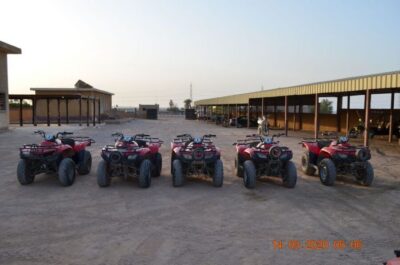
- Sharm El-Sheikh: Ultimate ATV Quad, Stargazing & BBQ Dinner
★ 4.7 · 4,084 reviews - Sharm El-Sheikh: Jeep Adventure to Blue Hole, Canyon & Dahab
★ 4.7 · 3,759 reviews - From Sharm: White Island and Ras Mohamed Snorkeling Trip
★ 4.7 · 3,194 reviews - Sharm El Sheikh: White Island and Ras Mohamed Cruise Adventure
★ 4.5 · 1,824 reviews
Seeing Cheops, Chephren, and Mykerinus
The Giza plateau provides the day’s biggest visual reward. The three pyramids associated with Cheops, Chephren, and Mykerinus occupy the same area, but they are not simply three copies of one monument.
Cheops, also called Khufu, is the largest of the three. Chephren, also called Khafre, can appear taller from certain angles because it sits on higher ground and retains some of its outer casing near the top. Mykerinus, or Menkaure, is smaller but still part of the essential Giza group.
Your vehicle helps you move between viewpoints, which limits the amount of walking in the heat. The schedule usually includes several stops around the complex, giving you chances to see the pyramids from different angles and take photographs. You also receive explanations about construction, royal burial, and the role of the surrounding temples.
The pyramids are the sort of sight that needs little decoration from a guide. Still, the interpretation helps you notice details beyond their size. The plateau is not just a row of giant triangles. It includes temples, causeways, burial areas, and the remains of a much larger ceremonial setting.
You can pay extra for a camel or carriage ride. The extra is around 10 euros, dollars, or pounds depending on how it is collected. This is not required. You can stay on foot and explore the nearby area while other members of the group take the ride.
I would not book the camel option simply because it sounds traditional. The ride may appeal to you as a short photo opportunity, but some people find it uncomfortable. If you do choose it, agree on the price and length of the ride before setting off.
You will also encounter vendors around the pyramid stops. The advice is to bargain firmly and walk away if the price feels wrong. A scarf or hat may be useful in the sun, but buying one at the first stall is rarely necessary.
The Sphinx and its surrounding temple
The Great Sphinx follows the pyramids and gives the afternoon a different mood. It has a human head on a lion’s body and was cut from the remaining limestone of a quarry used for the Great Pyramid of Cheops.
The Sphinx is not just a quick photo stop. The nearby temple helps explain how the monument fitted into the wider Giza complex. Your guide should point out the relationship between the Sphinx, the pyramid area, and the ceremonial buildings around it.
This is another place where the pace matters. You have enough time to see the Sphinx, hear the main explanation, and take photographs, but not enough time to sit for an hour and study every stone. Wear a hat or head covering, and use the water provided in the vehicle.
The heat, early start, and constant movement can catch up with you here. That is why comfortable shoes and light clothing matter more than dressing for photographs. You will enjoy the site more if you are prepared for a long outdoor afternoon.
The Nile boat option and what it adds
A short felucca or Nile boat ride may be offered to the group for about 10 euros per person. It is optional and not included in the basic price.
The ride gives you a brief look at Cairo from the water and provides a change from museums, traffic, and stone monuments. Some people consider it worth adding because they have already come all the way to the Nile. Others find the cruise too brief to be a major highlight, especially after a 3 a.m. wake-up.
I would decide based on your energy and interests. If you want a simple Nile experience and do not mind the extra fee, add it. If you would rather spend every available minute at the museum or pyramids, skip it without guilt.
Papyrus, perfume, and the shopping stops
The schedule may include a papyrus museum and an essential-oil or perfume factory. These visits show how papyrus sheets and scented oils are made, and they connect modern Egyptian shops with older craft traditions.
The papyrus demonstration can be interesting, especially if you want to understand how the material was prepared. You may have the chance to buy a small piece with your name written in hieroglyphs. Purchases are optional, but you should expect a sales setting.
The perfume stop works in much the same way. You can smell different oils, receive a drink, and browse bottles. Prices can be high, with examples of around 30 pounds for 30 milliliters, 40 pounds for 50 milliliters, and 90 pounds for 300 milliliters, though currency and pricing can vary. Check the size and price carefully before buying.
Here is the honest trade-off: these stops help support local businesses and give you something tangible to take home, but they reduce your time at the ancient sites. One hour in Cairo can matter. If your group is already tired, the shopping visits may feel like a detour rather than part of the cultural experience.
Khan Al-Khalili, Old Cairo, or a modern mall
If the return flight is late, the final stop may be Khan Al-Khalili, Old Cairo, or Cairo Festival City. The choice depends on the remaining time and the flight schedule.
Khan Al-Khalili offers a quick taste of Cairo’s old market streets. You can see a more crowded, commercial side of the city, with stalls, cafes, and small shops. It is a useful contrast to the quiet scale of the pyramids, though the visit can feel rushed.
Cairo Festival City offers the opposite experience. This large air-conditioned mall has international brands, restaurants, cafes, and a dancing fountain. It is comfortable in hot weather and practical if the group needs a cool place before the airport, but it tells you less about traditional Cairo.
Old Cairo has been added to the UNESCO World Heritage list and can give you a closer look at the city’s older quarters. Do not expect a long independent walk. The stop is fitted into the end of a very full day, so you get a short introduction rather than a thorough tour.
The return flight and the real cost of a long day
The return transfer takes you back to Cairo airport, followed by the flight to Sharm el Sheikh and an air-conditioned ride to your hotel. The return process is generally designed to be simple, with the guide or driver helping the group reach the airport on time.
Some schedules include a quick food stop before the airport. This may be a familiar fast-food restaurant rather than a memorable local meal. That is not a serious problem, but it is worth knowing if you hoped for a final Egyptian dinner.
The main hidden cost is not money. It is stamina. You may be awake for close to 20 hours once hotel pickup, flights, sightseeing, and the return transfer are counted. The itinerary is full enough that you often stay interested, but the tiredness arrives on the way home.
Is the $257 price good value?
For a one-day Cairo visit from Sharm el Sheikh, I consider the price reasonable if you want convenience and the major sights. Return flights alone take care of the greatest distance, while the included transport and guide remove much of the planning work.
The package also includes lunch, entrance fees to the listed attractions when that option is selected, and three bottles of mineral water in the vehicle. Check the exact booking option because entrance fees are described as included only when the relevant option is chosen.
You still need money for drinks, the Nile ride, camel or carriage rides, souvenirs, and any attraction not named in the program. The burial chamber inside the Great Pyramid of Cheops or Chephren is not included. The tour does not promise a private visit or unlimited time at any site.
This suits you best if you have only a few days in Egypt, want the classic Cairo sights, and prefer a guide to organize a complex day. It suits families as well, provided everyone can handle the early start and long duration. It is less suitable if you dislike shopping stops, need a relaxed pace, or want serious archaeological study.
The experience has a 4.8 rating from 745 reviews and a 97 percent recommendation rate. Those figures point to strong overall satisfaction, but they should not hide the one consistent concern: the day is long, and the optional commercial stops do not appeal to everyone.
Should you book this Cairo flight trip?
Book it if seeing the Egyptian Museum, Giza pyramids, and Sphinx is a top priority during your stay in Sharm el Sheikh. The flights, guide, meals, vehicle, and transfers create a practical package, and a guide such as Ahmed can make the compressed museum visit far more useful.
Before paying, decide how you feel about a 4 a.m. pickup, a maximum 25-person group, optional paid extras, and possible papyrus or perfume stops. If those limits are acceptable, this is one of the most efficient ways to fit Cairo into a Red Sea holiday.
I would also consider booking well ahead, since the experience is often reserved roughly 39 days in advance. Free cancellation is available up to 24 hours before the start time, subject to the stated weather and minimum-group conditions.
FAQ
How long is the day trip from Sharm el Sheikh to Cairo?
The experience lasts approximately 16 to 18 hours, including hotel pickup, flights, sightseeing in Cairo, the return flight, and transport back to your hotel.
What time is hotel pickup?
Pickup is usually around 4 a.m. The exact time and transfer instructions are provided before the trip.
Which Cairo sights are included?
The main program includes the Egyptian Museum, the pyramids of Cheops, Chephren, and Mykerinus, the Great Sphinx, and the temple around it. A late return flight may allow time for Khan Al-Khalili, Old Cairo, or Cairo Festival City.
Is lunch included?
Yes. Lunch is included, usually as a buffet. Drinks at the restaurant are not included.
Is the Nile boat ride included?
No. The boat ride is optional and costs about 10 euros per person.
Are camel and carriage rides included?
No. Camel or carriage rides at the pyramids are optional extras and cost about 10 euros, dollars, or pounds depending on the arrangement.
Is entry to the Great Pyramid burial chamber included?
No. Entry to the burial chamber of the Great Pyramid of Cheops or Chephren is not included.
Just added in Sharm El Sheikh
- Sharm el Sheikh: Farsha Cafe & Soho Square Night Out Driver★ 4.9 · 235 reviews
- Sharm El Shiekh: Beach and City Desert Horse Riding Tour★ 4.6 · 286 reviews
- Sharm el-Sheikh: Premium Ras Mohammed & White Island Cruise★ 4.5 · 197 reviews
- Sharm El Sheikh: Trip to Luxor & Tutankhamun Tomb by Plane★ 4.4 · 151 reviews
- From Sharm: Ras Mohammed Cruise with Island Visit and Lunch★ 4.7 · 377 reviews
- Sharm El Sheikh: Relaxation Hammam Spa with Massage★ 4.4 · 201 reviews
- Sharm el-Sheikh: Ras Mohammed Elite VIP Cruise and BBQ Lunch★ 4.4 · 96 reviews
- Sharm El Sheikh: Turkish Hammam, Massage and Spa Experience★ 4.5 · 168 reviews
Tours in Sharm El Sheikh, compared.

White Island and Ras Mohamed Cruise Adventure
Read our review →


Sharm ElSheikh: ATV Quad & Buggy Adventure Sunrise or Sunset
Read our review →
Browse the lists this tour appears in