
Reviewed · TOURS IN CAPE VERDE
Praia & Cidade Velha: Guided City Tour
Cidade Velha gives this tour its real pull. You walk along Banana Street, Cape Verde’s first street, then climb toward Fortaleza Real de São Filipe for broad ocean views and a direct connection to the island’s earliest colonial past. It is a useful pairing with Praia, since one stop shows modern daily life and the other shows where the country’s story began.
I like the two-hour Praia visit, with its Plateau district, monuments, and market, and I like having a local guide explain the links between African and European culture rather than leaving you to decode the streets alone. The main drawback is pace: four hours covers a lot, and the tour is not suited to people with mobility limitations. Praia’s markets also close on Sundays, which changes the first half.
Key points at a glance
- Banana Street: Walk the first street built in Cape Verde, lined with old stone buildings and a strong sense of place.
- São Filipe Fortress: Pay the optional €5 entrance for access to one of Cidade Velha’s best viewpoints.
- Praia market visit: See the capital’s daily rhythm and, on weekdays, a more active market scene.
- Two cities in four hours: Compare modern Praia with historic Cidade Velha without arranging separate transport.
- Local storytelling: Guides including Amerigo and Walter explain history, customs, and Cape Verdean life in several languages.
- Hotel or harbor service: Pickup and return are included at listed Praia locations, making the half-day easy to fit into a wider itinerary.
Two Sides of Santiago in One Morning or Afternoon
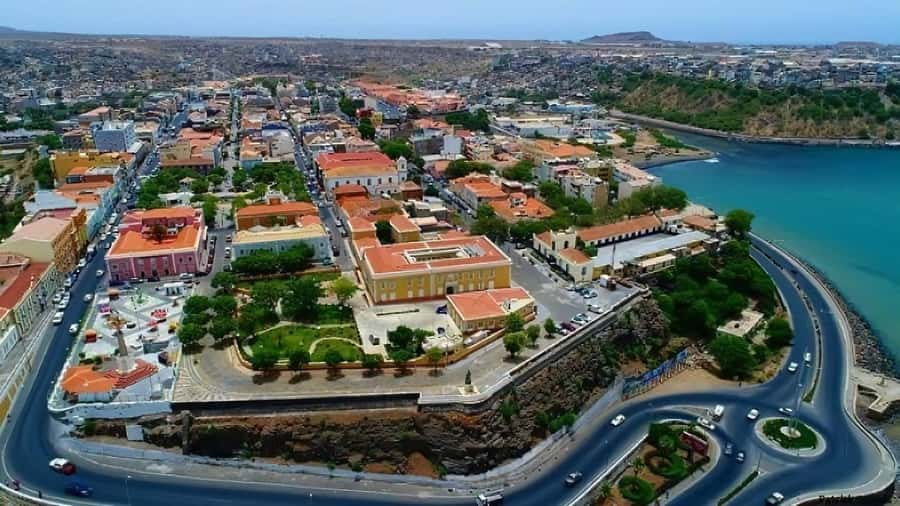
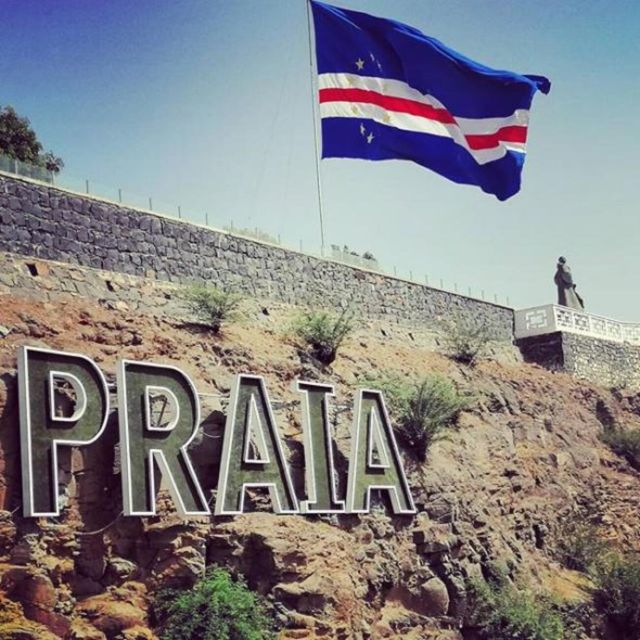
This tour works because Praia and Cidade Velha feel different, even though they are close enough to visit together. Praia is Cape Verde’s capital and the island’s current center of public life. Cidade Velha is the older settlement, with cobbled lanes, churches, fortress walls, and landmarks tied to the early development of Cape Verde.
You spend about two hours in each place. That is enough time to get your bearings and see the major sights, but not enough for a slow, unplanned wander. I would choose this outing early in a stay on Santiago, especially if you want context before exploring independently.
The route begins with pickup from a hotel, harbor, or one of the listed meeting points in Praia. Return transport is included, and the driver waits no longer than five minutes after the scheduled time, so have your water, sun protection, and camera ready before pickup.
Other ways to see Cape Verde in a day:
- Sal: Espargos City Tour, Local Life, and Cape Verde Tapas
★ 4.7 · 200 reviews - Casablanca City Tour with Hassan II mosque ticket
★ 5.0 · 2,480 reviews - Cape Town Hop-On Hop-Off City Tour with Optional Cruise
★ 4.5 · 1,793 reviews
Praia’s Plateau Shows the Capital at Work
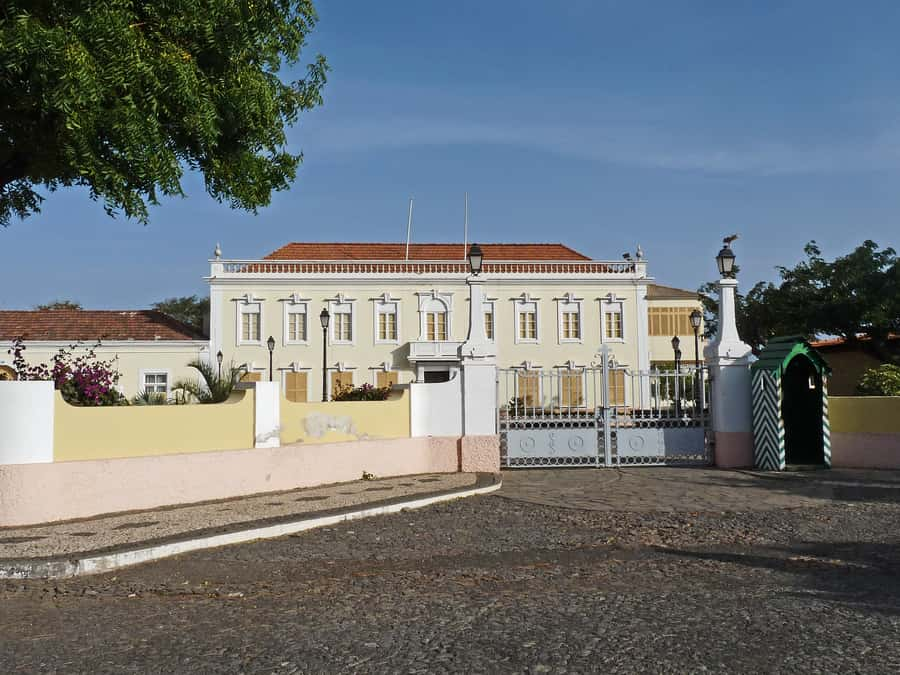
The Praia portion focuses on the Plateau district, where colonial-era buildings, monuments, and city streets give you a quick look at the capital’s public face. You also visit a local food market, an important stop because it connects the formal city center with ordinary shopping and daily routines.
The market is most useful on a weekday. Stalls and foot traffic give the visit more energy, while Sunday brings a quieter version because the markets are closed. If your only available day is Sunday, you will still see Praia, but the market portion will differ and may be less substantial.
I like the way this part grounds the tour in present-day Cape Verde. Cidade Velha can feel like an open-air history lesson, while Praia shows how people live, work, shop, and move through the capital now. The contrast gives the rest of the day more meaning.
Expect walking through city streets rather than a museum-style visit. The guide points out landmarks and explains local customs, Cape Verdean traditions, and the blend of African and European influences visible in the city. The exact order can change with traffic and local conditions. One French-speaking guide, Amerigo, has been especially noted for explaining the country’s story clearly, while Walter has taken visitors through areas they might have missed without local help.
Cidade Velha and the Beginning of Cape Verdean History
After Praia, the tour heads to Cidade Velha, described as Cape Verde’s first UNESCO World Heritage Site. This is the part that gives the experience its strongest sense of place. You walk through old streets, visit landmark ruins, and hear how the town developed as a center connected to the transatlantic trade.
The history here is not presented as a single heroic tale. The guide discusses Cape Verdean traditions, the struggles faced by its people, and the endurance that shaped the country. That context matters, because the stones and ruins alone cannot explain what happened in this town.
Banana Street
Banana Street is one of the most memorable stops because it is identified as the first street built in Cape Verde. Its cobbles and old buildings make the early settlement tangible. This is not a grand boulevard. Its appeal comes from scale: you can walk it slowly, look closely, and picture the beginnings of the town.
The street is also a good example of why a guide adds value. Without explanation, you might see an attractive old lane and move on. With the story behind it, the lane becomes a marker of how Portuguese colonial settlement took shape on Santiago.
A few more things to do in Cape Verde worth a look
- Sal: Island Experience Tour with a Certified Local Guide
★ 4.8 · 3,249 reviews - Experience on Sal Island with native and certified guide (including sharks)
★ 5.0 · 1,166 reviews - Santa Maria: Guided Snorkeling and Reef Tour
★ 4.2 · 809 reviews - Sal Island: Guided Full-Day Highlights Tour with Lunch
★ 4.7 · 414 reviews
The old cathedral ruins
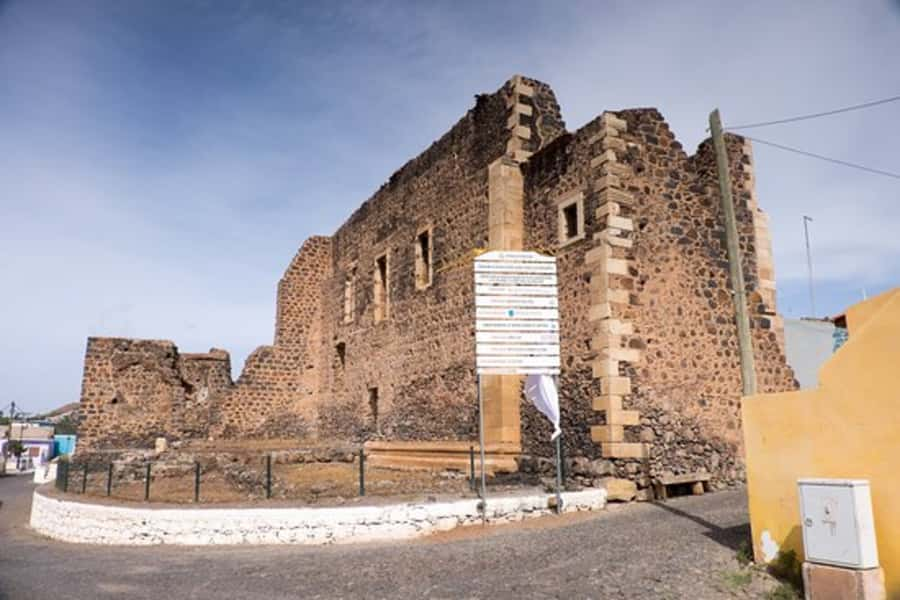
The cathedral ruins add another layer to Cidade Velha. They are a reminder that this was once more than a small historic village. The remains connect the town to religious and political life during the early colonial period, and they sit within a wider walk that includes churches and other old structures.
Do not expect a polished, fully restored attraction at every stop. Part of Cidade Velha’s character comes from its worn surfaces and partial remains. If you prefer modern museums with extensive displays, this tour may feel spare. If you enjoy reading a place through its streets and ruins, it is a strong fit.
Pelourinho Square
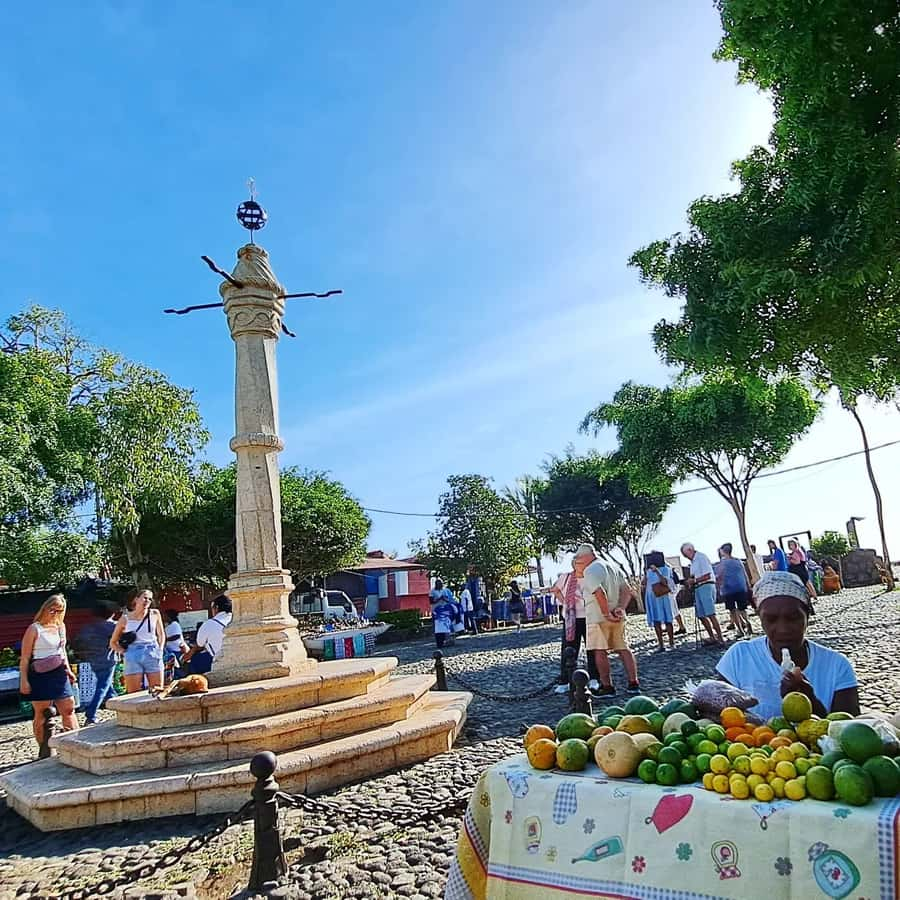
Pelourinho Square is one of the town’s key landmarks. Its historic pillory carries difficult associations with colonial authority and the transatlantic trade, so the stop is more serious than a simple photo opportunity. Your guide helps explain the meaning of the square and places it within Cape Verde’s wider past.
This is where the tour’s historical framing matters most. You are not just checking off a picturesque square. You are looking at a public symbol connected to power, punishment, and the lives affected by the systems that shaped the Atlantic world.
Fortaleza Real de São Filipe
The fortress is the optional paid stop. Entry costs €5 per person, or 500 Cape Verdean escudos, and it is not included in the tour price. I would budget for it because the fort provides some of the best views over Cidade Velha and the sea, along with a clearer sense of the settlement’s defensive position.
The visit involves walking and uneven historic surfaces, so it is not ideal for anyone with mobility limitations. The elevated setting also means sun exposure can be strong. Bring water, wear practical shoes, and protect yourself from the sun.
One useful scheduling point comes from the tour’s flexible order. Traffic, especially around Monday morning, can affect the route. Some tours may begin with Cidade Velha and finish in Praia instead. That reverse order can be appealing: you see the major historic sights while fresh, then end with the contemporary capital and market area. You cannot count on that order, but it is worth asking about if timing allows.
What the Four-Hour Schedule Really Feels Like
Four hours is efficient, but it is not leisurely. You have roughly two hours in Praia and two in Cidade Velha, including walks, explanations, and transfers between the two areas. The advantage is that you can cover the major sights without giving up a full day.
The tradeoff is limited free time. You will not have long stretches to sit in a square, browse every market stall, or explore side streets on your own. If your priority is photography at a slow pace, a private or longer custom tour might suit you better. If your priority is orientation, this schedule is sensible.
Traffic can affect the order and the exact rhythm. Pickup times should be treated seriously because the driver waits only five minutes after the scheduled time. Confirm your pickup location ahead of time, especially if you are staying near one of the listed hotels or boarding at Porto da Praia.
The return to your accommodation is useful. You do not need to arrange a separate taxi after walking in the heat, and the tour can fit neatly into a port day or a short stay in Praia. One booking even included an airport transfer at an additional charge when timing worked, but that is not part of the stated tour inclusion, so arrange any such service separately.
Languages, Guides, and the Value of Local Explanation
The tour is offered in English, German, French, Portuguese, and Spanish. That range makes it easier to choose a guide who can explain history in a language you follow comfortably. The guide’s role is important here because the main sights are spread through streets and ruins rather than presented in a single visitor center.
Amerigo has led French-language tours, explaining the country and its past in clear detail. Walter has guided visitors through less obvious parts of Santiago and adjusted pickup arrangements when needed. These names are useful to know if you are communicating with the operator before the tour, though guide availability is not guaranteed.
The strongest part of the guiding is the connection between place and people. In Praia, you learn about customs and current life. In Cidade Velha, you hear about settlement, trade, religion, colonial power, and resilience. That combination gives you more than a list of buildings.
Still, a guide cannot remove all the limits of a short tour. You may receive a broad introduction rather than a specialist lecture on each monument. I see that as the right level for a first visit, particularly if you plan to spend more time on Santiago later.
Is $53 a Fair Price?

At $53 per person, the price is reasonable if you value transport and interpretation. The fee covers hotel or harbor pickup and drop-off, a professional guide, and liability insurance. You also avoid arranging separate transport between Praia and Cidade Velha, which makes the cost easier to justify.
The optional fortress ticket raises the practical total by €5 per person. That is a small extra cost, but you should carry it if you want to enter. Since the fort offers the best viewpoint of the historic town, I would include it unless you are trying to keep the outing entirely free of add-ons.
Value depends on your plans. For someone staying near Praia with only a short window, the tour packs both the capital and the island’s main historic town into one half-day. For someone already comfortable arranging taxis, researching sites, and interpreting Portuguese colonial history independently, the guided price may feel less essential.
The included return transfer is particularly helpful after walking in the heat. You are paying not just for admission or a vehicle, but for a planned route and a person who can explain what you are seeing. That is a fair exchange for a first look at Santiago.
Who Will Get the Most From This Tour?
I would recommend this experience to first-time visitors who want a clear introduction to Santiago. It is also a good choice for cruise passengers or people with only one open half-day, since pickup and return are built into the plan.
You will get the most from it if you enjoy:
- Historic streets, ruins, churches, and fortifications
- Local markets and everyday city scenes
- Clear background on Cape Verdean history and customs
- A guided route rather than independent navigation
- A short schedule with several major stops
I would be more cautious if you need step-free access, have difficulty with cobblestones, or want a slow day with plenty of rest. Cidade Velha includes old streets and fortress terrain, and the activity is specifically not suitable for people with mobility impairments.
Bring water, sun protection, and comfortable walking shoes. A camera is worthwhile for the sea views, old streets, and fortress setting, but do not let photos distract you from the guide’s explanations. The town’s meaning is in the stories as much as in the stonework.
Should You Book Praia and Cidade Velha?
Book it if you want an efficient first look at Santiago and prefer to have the route, transport, and historical explanation handled for you. The combination of Praia’s market and Plateau district with Cidade Velha’s Banana Street, cathedral ruins, Pelourinho Square, churches, and fortress makes good use of four hours.
I would especially choose it on a weekday, when the Praia market is open, and I would set aside the extra €5 for the fortress. Ask about the route order if Monday traffic could affect your plans, and confirm your pickup point before the day begins.
Skip it if you want long, unstructured time in either city or if cobbled streets and fortress paths will be difficult. For most visitors with limited time, though, this is a practical and meaningful introduction to Santiago, with enough local context to make the island’s major sights easier to understand.
FAQ

How long does the Praia and Cidade Velha tour last?
The tour lasts four hours, with about two hours in Praia and two hours in Cidade Velha.
What places are visited in Praia?
The Praia portion includes the Plateau district, city sights, monuments, local streets, and a food market visit.
What places are visited in Cidade Velha?
The tour includes Banana Street, Fortaleza Real de São Filipe, the old cathedral ruins, Pelourinho Square, old churches, and other historic streets.
Is the fortress entrance included?
No. Entry to Fortaleza Real de São Filipe is optional and costs €5, or 500 Cape Verdean escudos, per person.
Is hotel pickup included?
Yes. Hotel or harbor pickup and drop-off are included in Praia. You should confirm your location in advance.
Which languages are available?
The live guide service is available in German, English, French, Portuguese, and Spanish.
Are the markets open every day?
No. The markets in Praia are closed on Sundays, so the experience differs slightly on that day.
Is the tour suitable for people with mobility impairments?
No. The activity is not suitable for people with mobility impairments, partly because of walking on historic streets and around old sites.
What should I bring?
Bring water, sun protection, and a camera. Comfortable walking shoes are also a practical choice for Praia’s streets and Cidade Velha’s cobbled lanes.
Just added in Cape Verde
- Santo Antão Highlights: Day Trip by Car with Ferry from SV★ 4.8 · 84 reviews
- São Vicente: Snorkel with Sea Turtles Adventure★ 4.5 · 111 reviews
- Santa Maria: Sea Turtle Watching Experience on Sal Island★ 4.6 · 446 reviews
- Full Day Island Tour, São Vicente, Mindelo, Highlights★ 4.8 · 109 reviews
- Santa Maria: Salt Mine, Natural Pool, and Shark Bay Tour★ 4.5 · 165 reviews
- Santa Maria: Sal Island All-inclusive Adults-only Catamaran★ 4.3 · 163 reviews
- São Vicente Island: Full-Day Tour★ 4.7 · 97 reviews
- Santa Maria: Sal Island Sea Turtle Watching Experience★ 4.5 · 256 reviews
City Tours, compared.

Casablanca City Tour with Hassan II mosque ticket
Read our review →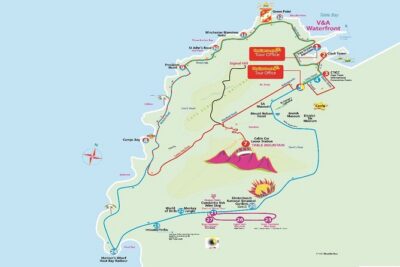
Cape Town Hop-On Hop-Off City Tour with Optional Cruise
Read our review →
Female-Guided Pyramids, Sphinx & Museum City Tour
Read our review →

Marrakech Historical and Cultural Tour – Half Day City Tour
Read our review →

Browse the lists this tour appears in