
Reviewed · EGYPT · TOURS IN ASWAN
Best Private Day Trip To Abu Simbel From Aswan
Abu Simbel is one of Egypt’s biggest payoffs, but getting there means roughly three hours each way across the desert. This private day trip makes that long haul easier with hotel pickup, a private air-conditioned vehicle, lunch, and a guide waiting at the temples. The reward is the enormous rock-cut temple of Ramses II and the smaller, beautifully balanced temple of Queen Nefertari.
I like the private format, especially if you want a calm pace, photo stops, or a pickup from a Nile cruise boat. I also like the way guides such as Samir, Zak, Sami, and Mustapha have used photos, maps, and explanations in the car to prepare visitors before reaching the site. One point to consider: the day is long, and the actual time among the temples can feel short in very hot weather.
Key points to know before you book
- Three hours each way: The road from Aswan to Abu Simbel takes much of the day, but the private car makes the journey more restful.
- Two major temples: You visit Ramses II’s great temple and the Temple of Nefertari, also linked with the goddess Hathor.
- Guidance before the monuments: Guides often explain the carvings and statues outside or in the air-conditioned car, then let you explore at your own pace.
- Private travel matters: You avoid a large group and can request adjustments, photo stops, or a different pickup point.
- Lunch and entry fees included: The $145 price covers transport, a local guide, admission, lunch, and bottled water.
- Communication needs care: Confirm the pickup time and exact location, especially if you are arriving by boat.
Why Abu Simbel is worth the long road from Aswan
I would not choose this trip for a quick outing. It is a full nine-hour commitment, usually running from about 8:00 a.m. to 5:00 p.m., and the drive takes about three hours in each direction. Still, Abu Simbel is not a minor side stop. It is one of ancient Egypt’s most dramatic monuments.
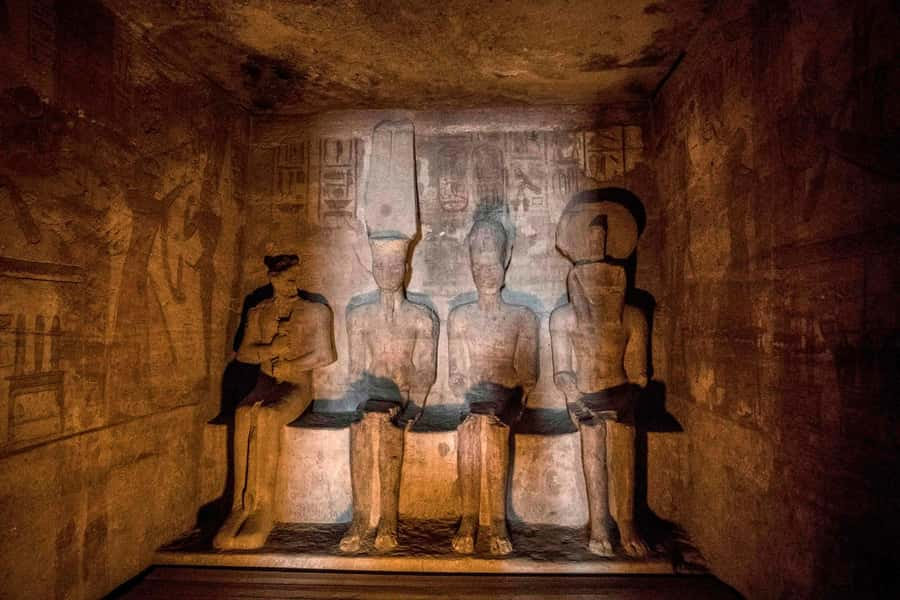
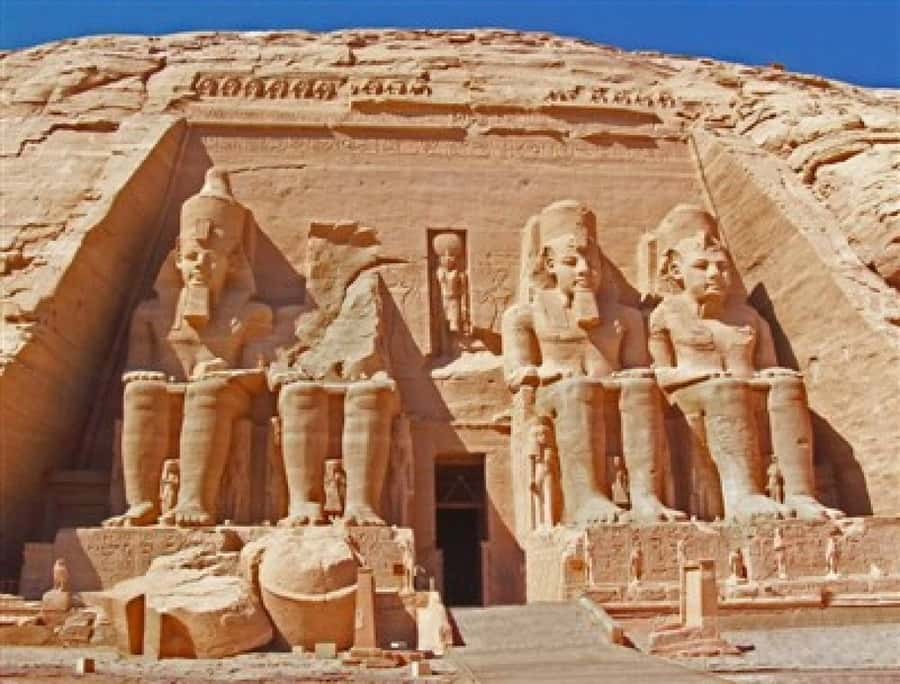
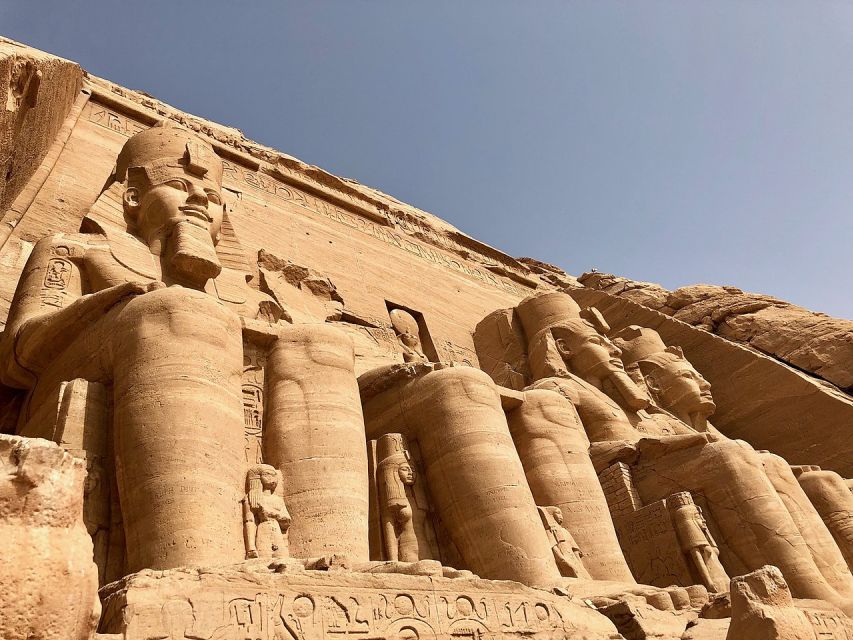
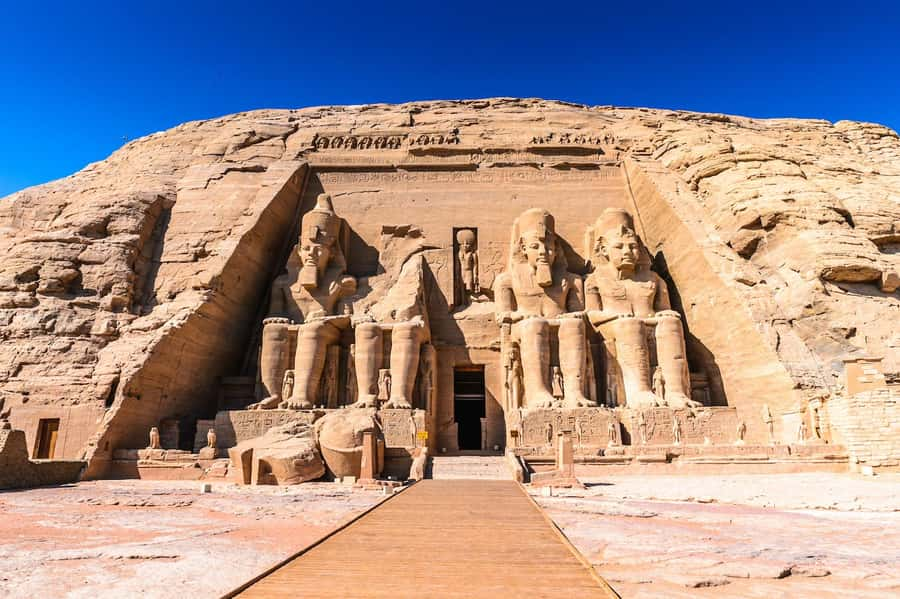
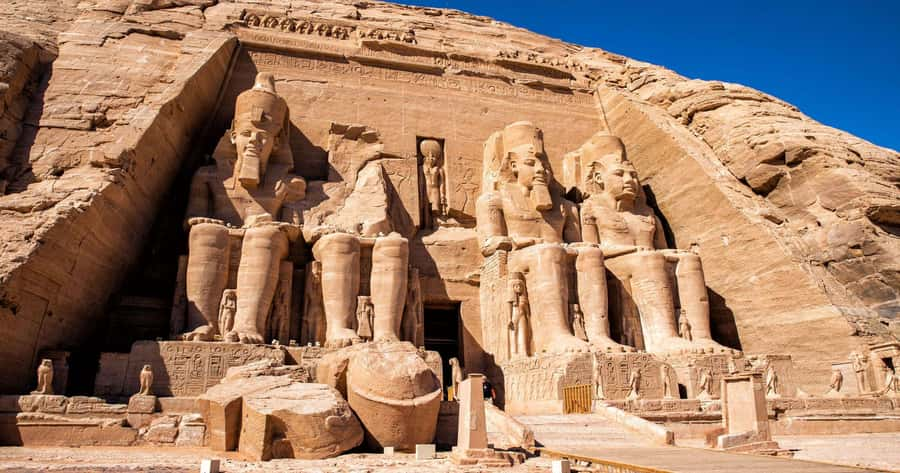
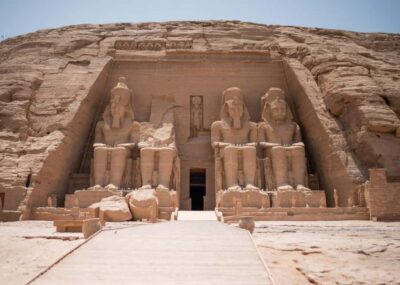
The main temple was built by Ramses II and dedicated to Ptah, Re-Her-Akhtey, Amun-Re, and Ramses himself. Four huge seated figures of the king face the approach, giving the place an outsized sense of power before you even enter.
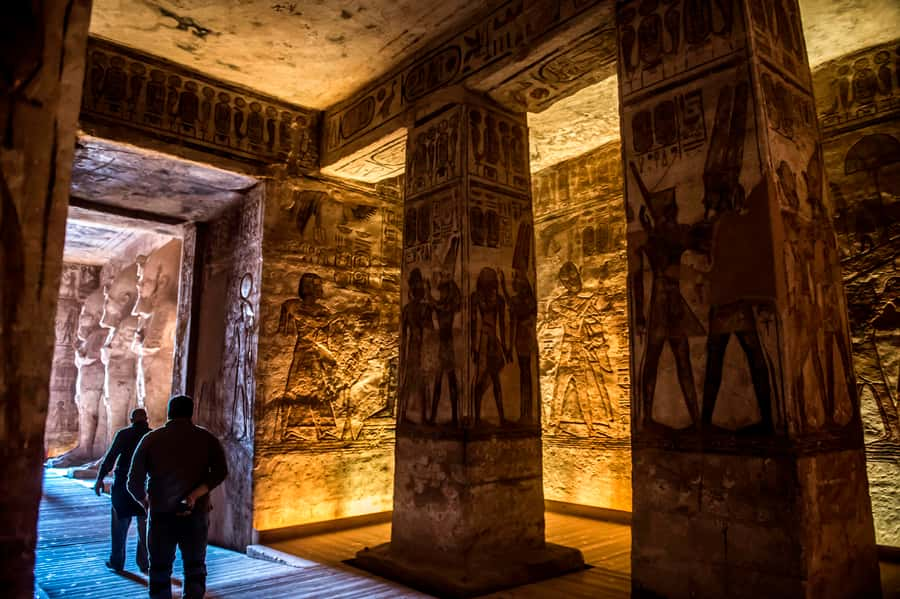
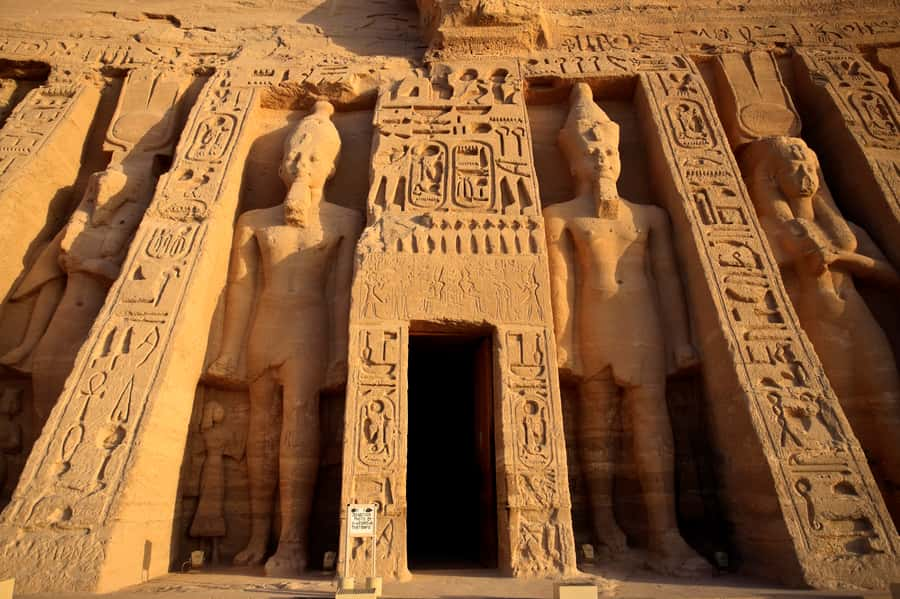
The second temple belongs to Queen Nefertari and is also associated with Hathor. Its design links Nefertari, Ramses II, Hathor, and the sun god in a carefully planned royal statement. The two temples work best as a pair. The first is grand and forceful. The second is more intimate, though still impressive.
The monuments also carry a modern story. When the Aswan High Dam threatened to flood Abu Simbel, the Egyptian government worked with UNESCO to save the temples. They were moved to higher ground, preserving the site for present-day visitors. Your guide can explain this rescue effort as part of the visit.
Other Abu Simbel runs from Aswan:
- 4-Days Nile Cruise From Aswan To Luxor including Abu Simbel and Hot Air Balloon
★ 5.0 · 3,142 reviews - From Aswan: Abu Simbel Temple Day Trip with Hotel Pickup
★ 4.4 · 2,807 reviews - 4-Day 3-Night Nile Cruise from Aswan to Luxor&Abu Simbel+Balloon
★ 5.0 · 2,023 reviews
The three-hour drive from Aswan
Your driver collects you from your hotel in Aswan and takes you south in a private, air-conditioned vehicle. The road is long and fairly direct, so comfort and safe driving matter more here than sightseeing along the way.
This is where private travel earns its keep. You are not joining a large bus group, and the driver can usually arrange sensible breaks. Toilets and snack stops have been included during past trips, although the standard of roadside facilities can vary. One stop was described as unpleasant, with many flies, so carry tissues and hand sanitizer.
The supplied water is meant to be included, but one booking reported that it was not provided. Bring your own bottle as a backup, especially during the hot months. Several guides have also kept an eye on water and comfort, and some have arranged breakfast snacks for early departures.
The car itself has generally been described as clean and comfortable, with good air conditioning. Several drivers received especially strong praise for smooth, careful driving. That is not a small detail on a long desert road. A safe driver lets you rest, look out the window, and arrive with energy left for the temples.
If your pickup is from a Nile cruise boat rather than a hotel, confirm the exact berth before the day begins. Boats do not always use the same docking point, and one visitor had trouble locating the car because the meeting place was unclear. Ask for the driver’s name, vehicle details, and a clear meeting point.
Arriving at Ramses II’s great temple
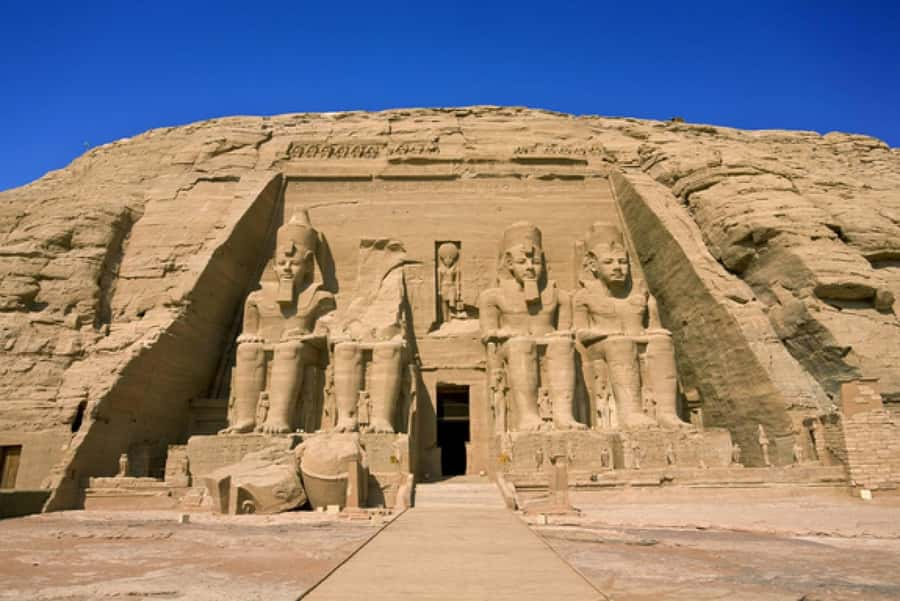
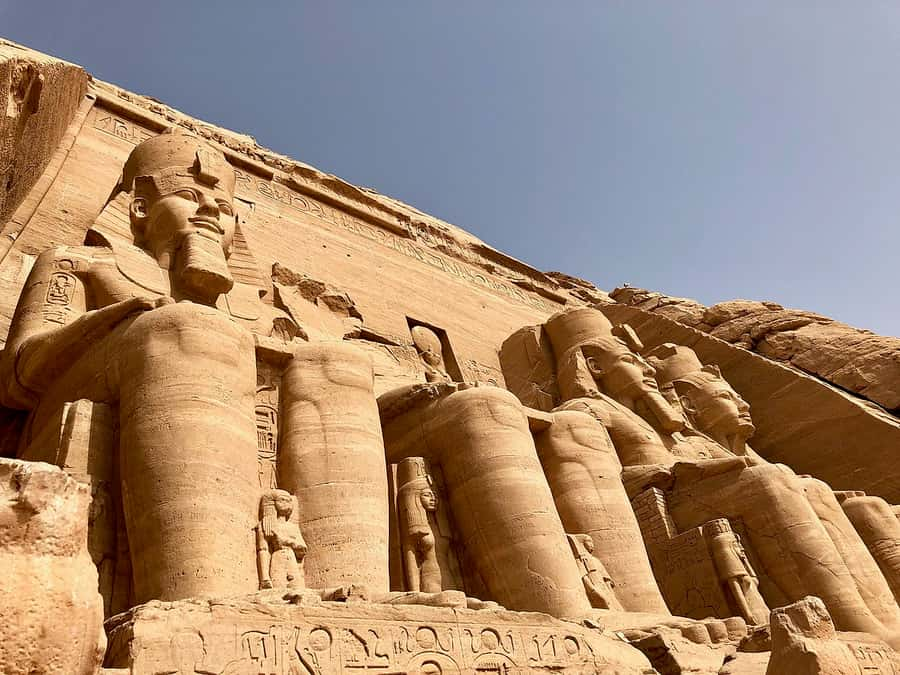
The first temple is the visual shock of the day. Four massive seated statues of Ramses II dominate the facade, each designed to project royal strength. The scale can make you forget how far you have driven.
Your local guide usually begins with an explanation before you enter. This may involve printed photos, a video, or a discussion of the facade and interior scenes. Guides including Samir Gaber have used hand-drawn maps and picture cards in the car, while other guides have explained the statues and hieroglyphs for 10 to 45 minutes before allowing independent time.
This approach has a practical advantage. Guides are not generally able to deliver a long running explanation inside the temples, so learning the layout before entering helps you know what to look for. You can then spend your time studying the reliefs, taking photographs where permitted, and asking focused questions.
The drawback is that some people prefer explanations beside each carving. If that is your style, tell your guide at the start. One past visitor felt that more explanation inside the temples would have been better. A private tour gives you the best chance of requesting a slower, more detailed approach.
Inside Ramses II’s temple, look for the formal scenes of kingship, religious figures, and military power. You do not need to remember every name or symbol to appreciate the effect. Your guide’s job is to point out the details that would otherwise blend together.
The Temple of Nefertari and Hathor
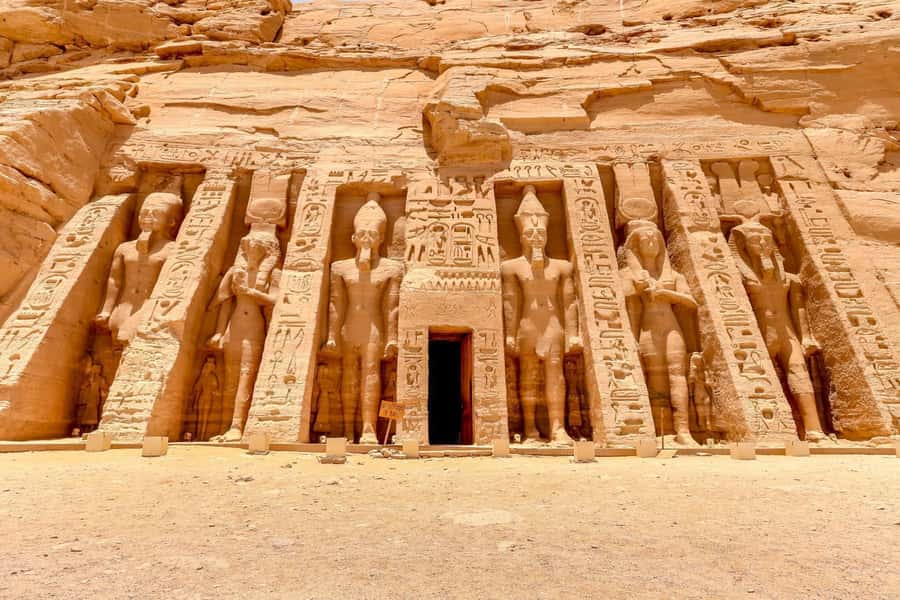
The Temple of Nefertari is smaller than Ramses II’s temple, but do not treat it as an afterthought. Its facade has royal figures of Nefertari and Ramses, with the queen given unusual prominence for an ancient Egyptian monument.
The temple is also dedicated to Hathor, a goddess linked with music, motherhood, beauty, and the sun. The connection between the two Abu Simbel temples is deliberate. Ramses II presents himself as a powerful ruler, while Nefertari’s temple adds a more personal and ceremonial balance.
You are scheduled to spend about an hour at Nefertari’s temple, though the exact timing can vary. Some visitors have spent only around 45 minutes at both temples because of intense heat. In a private group, you can ask not to be rushed, but your guide will also need to keep the return journey on schedule.
This is one reason I prefer an early start when possible. The site can be punishing in the heat, and arriving before the strongest sun gives you a better chance to examine the reliefs without hurrying from shade to shade. The standard description gives an 8:00 a.m. start, but some past pickups have taken place shortly after 6:00 a.m. Confirm your actual time before the day.
A few more things to do in Aswan worth a look
- Day Trip to Nubian Village with Camel Tour from Aswan
★ 5.0 · 80 reviews - From Marrakech: Day Trip to Ouarzazate and Ait Benhaddou
★ 4.7 · 9,447 reviews - From Marrakesh: Essaouira Full-Day Trip
★ 4.6 · 8,137 reviews - From Marrakech: Small Group to Essaouira & Sekkala Day Trip
★ 4.9 · 6,671 reviews
How the guides shape the visit
The guide may be the difference between seeing two giant buildings and understanding why they were built. Guides named Samir, Zak, Sami, Mustapha, Magdy, Mohammed, and Mostafa have been praised for clear explanations, historical detail, humor, and patience.
You should not assume that a specific guide will be assigned, but the pattern is useful. The strongest guides have explained the monuments before arrival, answered questions, pointed out good photo angles, and allowed time to explore alone. Some have also described Aswan and daily life in southern Egypt during the drive.
A guide may explain the temples using photos outside rather than speaking continuously inside. This is not necessarily a weakness. In the heat, a thoughtful briefing in the car can save your energy. It also lets you enter with a plan instead of trying to absorb every inscription at once.
Ask for the guide’s preferred method at the start. If you want more detail on hieroglyphs, say so. If you prefer a short introduction followed by quiet time, say that too. The private setup gives you room to shape the visit.
Lunch at a local restaurant
Lunch is included, and it is usually served at a local restaurant after the temple visit or on the return route. Meals have included grilled fish, grilled chicken, rice, salad, tahini, and other local dishes. Some visitors paid only for drinks, while the meal itself was covered.
Food quality can vary. Fresh fish and chicken were praised on several outings, but one meal was overcooked. I would treat lunch as a useful part of the package rather than a reason to book the tour by itself.
The local setting is part of the appeal. You get a proper pause after the heat and walking, rather than eating from a bus or rushing straight back into the car. If you have dietary needs, communicate them when booking or to the guide early in the day.
What the $145 price really covers
At $145 per person, this is not the cheapest way to reach Abu Simbel. The price includes private round-trip transport from your Aswan hotel, entry fees, a local guide, lunch, and bottled water. For a couple or small private party, that package can be good value because you are paying for a full day of transport as well as the site visit.
The main value is control. You avoid a large group, can ask for stops, and have a better chance of adjusting the pace. One private booking changed the itinerary to suit personal needs, while another added a requested spice-shop stop in Aswan. A different group appreciated being collected directly from a cruise ship.
There are no listed extra sightseeing stops at carpet or oil factories. That matters if you want the day focused on Abu Simbel rather than shopping. Tipping is not included, so budget separately for the driver and guide if you feel they served you well.
The price makes the most sense for couples, families, and small groups who value comfort and personal attention. Solo visitors should compare the price with a shared transfer, but the private format may still be worthwhile if you want flexibility and a quiet ride.
Heat, timing, and the amount of temple time
The biggest practical issue is the balance between driving and exploring. The tour lasts about nine hours, yet around six of those hours may be spent on the road. You might spend two to three hours at Abu Simbel in total, depending on the day’s timing and the heat.
That is enough to see both temples carefully, especially with a good briefing. It may not be enough if you want to study every relief, take extensive photographs, or linger around the site. One visitor wanted more free time in the archaeological area and in the nearby town.
Wear light clothing, bring sun protection, and carry water. The site is open and exposed, and temperatures have reached 40 degrees Celsius during past visits. The private car’s air conditioning becomes particularly valuable after you leave the monuments.
The road journey can also be tiring on the return. A smooth driver and a sensible lunch stop help, but you should avoid planning a demanding evening activity in Aswan after you get back.
Who should book this private Abu Simbel trip
I would choose this tour if you are staying in Aswan and want Abu Simbel without arranging separate transport, tickets, lunch, and a guide. It is also a strong option if you are traveling with family, prefer your own pace, or want direct hotel or cruise-boat pickup.
It suits visitors who enjoy context before exploring. A guide such as Samir or Zak can explain the symbols, layout, and royal message before you enter, giving the monuments more meaning.
It is less suitable if you dislike long road journeys or want several hours of free time at the site. You should also think twice if you need a highly fixed pickup arrangement and do not want to spend time confirming details. Communication from the operator has occasionally been unclear, even when the driver and guide performed well.
Booking details to handle carefully
You need to provide your full name, nationality, and passport number during booking, and a passport copy or photo is required. Bring your passport on the day.
The tour can be cancelled up to 24 hours in advance for a full refund, and you can reserve now and pay later. It requires at least 48 hours’ advance booking, so this is not a good last-minute plan.
Guiding is available in English, Spanish, German, and Arabic. Confirm your requested language, pickup time, and pickup location in writing. If you are boarding from a cruise boat, the exact berth is especially important.
Should you book it?
I would book this private Abu Simbel day trip if you want the simplest, most comfortable way to make the journey from Aswan. The temples are extraordinary, and the combination of private transport, entry fees, lunch, and a local guide removes much of the day’s practical work.
Go in knowing that the road is long and the heat can limit your time outside. Confirm the pickup details, carry spare water, and tell your guide how much explanation you want. If you can accept the travel time, the $145 price buys a well-supported visit to one of Egypt’s most memorable ancient sites.
FAQ
How long does the Abu Simbel day trip from Aswan last?
The tour lasts about nine hours, generally from around 8:00 a.m. to 5:00 p.m. The drive from Aswan to Abu Simbel takes about three hours each way.
What is included in the price?
The price includes hotel pickup and return in Aswan, private air-conditioned transportation, entry fees, a local guide, lunch at a local restaurant, and a bottle of water.
Is this a private tour?
Yes. The experience is arranged as a private group with a private vehicle and guide service at Abu Simbel.
Which temples will I visit?
You will visit the Great Temple of Ramses II and the Temple of Queen Nefertari, also known as the Temple of Hathor.
What languages are available?
Live guiding is available in English, Spanish, German, and Arabic. Confirm your preferred language when booking.
Do I need to bring my passport?
Yes. Your passport is required, and you must provide your full name, nationality, and passport number during the booking process.
How far in advance do I need to book?
The tour requires booking at least 48 hours in advance.
Can I cancel the tour?
You can cancel up to 24 hours before the tour for a full refund. You can also reserve the activity and pay later.
Just added in Aswan
- Full Day Tour to Abu Simbel Temples from Aswan★ 4.5 · 218 reviews
- Sailing Nile Cruise from Aswan to Luxor for 2 Nights★ 4.5 · 139 reviews
- Amazing 3-Nights Cruise From Aswan To Luxor including Abu Simbel&Hot Air Balloon★ 5.0 · 160 reviews
- Nubian Village by Motorboat In Aswan★ 5.0 · 97 reviews
- Abu Simbel Private Full-Day Tour from Aswan★ 5.0 · 114 reviews
- Private Day Tour to Abu Simbel Temples from Aswan★ 4.5 · 507 reviews
- Private Customizable Day Tour To Abu Simbel From Aswan By Private Car★ 4.5 · 83 reviews
- 2 Night Nile Cruise from Aswan to Luxor★ 5.0 · 311 reviews
Abu Simbel Tours, compared.
4-Days Nile Cruise From Aswan To Luxor including Abu Simbel and Hot Air Balloon
Read our review →
4-Day 3-Night Nile Cruise from Aswan to Luxor&Abu Simbel+Balloon
Read our review →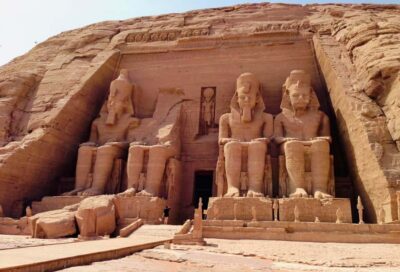
Abu Simbel Temple Private Guided Day Trip with Lunch
Read our review →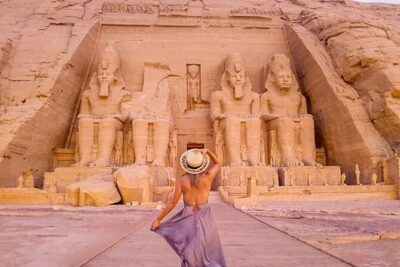
Private Day Tour to Abu Simbel Temples from Aswan
Read our review →
Abu Simbel Group Tour with Guide and Entrance Fees
Read our review →
4 Days Nile Cruise Luxor Abu Simbel & Air Balloon
Read our review →Browse the lists this tour appears in