
Reviewed · TANZANIA · TOURS IN ARUSHA
6 Days Tanzania Budget Camping Safari
The main draw is the chance to see Tanzania’s great wildlife areas in one well-packed trip, from elephant country in Tarangire to the wide grasslands of the Serengeti and the animal-filled floor of Ngorongoro Crater. The route also gives you a real change of pace at Mto wa Mbu, where you taste local food and walk among banana plantations.
I like the small group size of six and the fact that meals, water, camping equipment, guide service, and transport are bundled into one price. I also like the strong guide team: Nuru, Robert, Mohamed, and others are repeatedly singled out for spotting animals and adjusting the drive to suit the group. The tradeoff is a busy schedule, with long drives, early starts, and some basic camping rather than a soft-bed safari every night.
Key points to know before booking
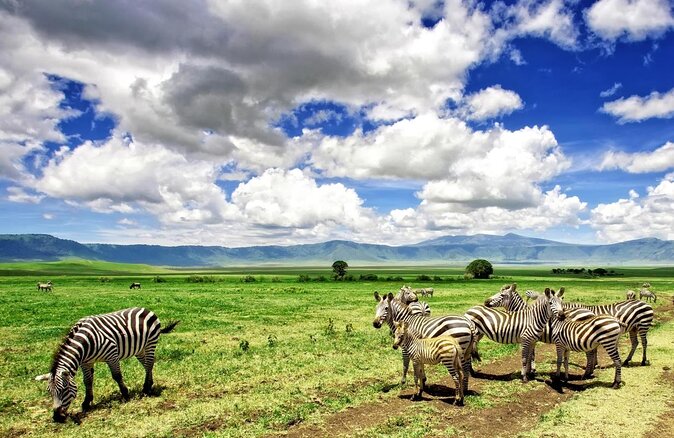
- Four major parks in six days: Tarangire, Serengeti, Ngorongoro Crater, and Lake Manyara give you a broad taste of northern Tanzania.
- Small-group format: The maximum is six people, which leaves more room in the safari vehicle than a large coach tour.
- Camping with lodge nights: The trip includes six nights of accommodation, with the exact mix potentially including tent camping, lodges, and two nights in Arusha.
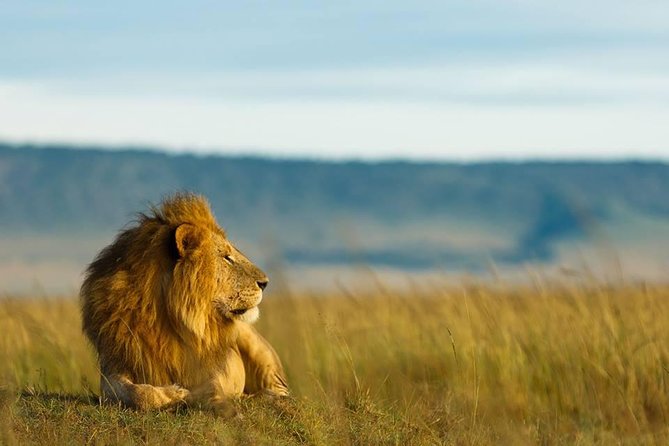
- Wildlife-focused guiding: Guides such as Nuru, Robert, and Mohamed are praised for finding lions, leopards, cheetahs, rhinos, and other animals.
- Local culture included: Mto wa Mbu adds village walks, Tanzanian food, banana plantations, and community-based cultural activities.
- Migration timing matters: June through September gives the best chance of following the main migration, while January through March is the calving period.
Why this six-day route works
At $1,600 per person, this is not the cheapest way to see Tanzania, but it covers a lot for the money. You receive accommodation, meals, a professional driver-guide, park visits, pickup and drop-off, unlimited mineral water, Wi-Fi in the safari vehicle, taxes, and emergency rescue coverage through AMREF Flying Doctors.
That bundle matters in Tanzania. Park fees, fuel, food, vehicle costs, and guide services add up quickly, so a low headline price can become less attractive once extras appear. Here, the main exclusions are alcoholic drinks, flights, and anything not specifically listed.
The trip is designed for people who want the classic northern circuit without arranging each piece themselves. You will be on the road for long stretches, and the days begin early. In return, you visit four important wildlife areas and spend enough time in the Serengeti to give the safari a proper centerpiece.
The group limit of six is another useful part of the value. A safari vehicle shared by six people still requires patience when everyone wants a window seat, but it is far more personal than a large group vehicle. It also gives your guide a better chance to hear what you want to see and adjust the pace.
Other safaris booked from Arusha:
- Balloon Safari & Bush Breakfast in Serengeti – Miracle Experience
★ 5.0 · 1,646 reviews - 4 Days Group Camping Safari
★ 5.0 · 1,101 reviews - 5 Days Group Camping Safari
★ 5.0 · 730 reviews
Day 1: Elephants and baobabs in Tarangire
Pickup from the Arusha meeting point is scheduled for 8 a.m., followed by about a three-hour drive to Tarangire National Park. The park is roughly 115 kilometers from Arusha and covers about 2,800 square kilometers, so this is a full day rather than a quick stop.
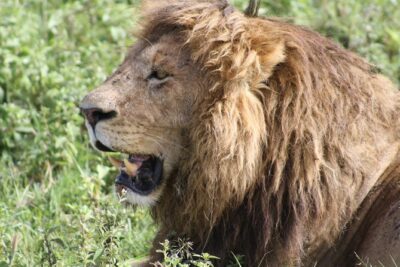
Tarangire is famous for elephants, baobab trees, and the Tarangire River. During dry periods, animals gather near the river, giving you a strong chance to see elephants, lions, and other wildlife in one area. The park is also known for pythons that climb trees, an unusual sight that gives Tarangire a character different from the Serengeti.
You spend about eight hours on this first day, including the game drive and road time, before heading to Jambo Lodge for dinner and the night. Starting with Tarangire is smart because it offers a change from the open grassland you will see later.
The drawback is simple: you are already spending much of the day in the vehicle. If you are sensitive to long drives, use the first morning to settle into the safari rhythm. Keep water, sunglasses, and a light layer close by rather than buried in your luggage.
Day 2: Crossing toward the Serengeti
After breakfast, you pack the vehicle and begin the journey to Serengeti National Park. Lunch is taken in the safari vehicle, and the route includes views of the Rift Valley and Ngorongoro Crater.
The Serengeti is the emotional center of this journey. Its name is associated with endless plains, and the open country makes it easier to scan for animals at a distance. You are scheduled to reach central Serengeti around 3 p.m., followed by an evening game drive and sunset viewing.
You spend the night at Seronera campsite inside the park. That location matters because sleeping within the park cuts down on the need to leave the wildlife area at the end of the day. It also gives you the proper camping version of safari: tents, outdoor surroundings, and the sounds of nature rather than a town hotel.
The day includes about ten hours of driving and sightseeing. It is a big transit day, but the route itself is part of the experience. Views of the Rift Valley and Ngorongoro Crater make the transfer more interesting than a simple highway ride.
Day 3: Your best full day for Serengeti wildlife
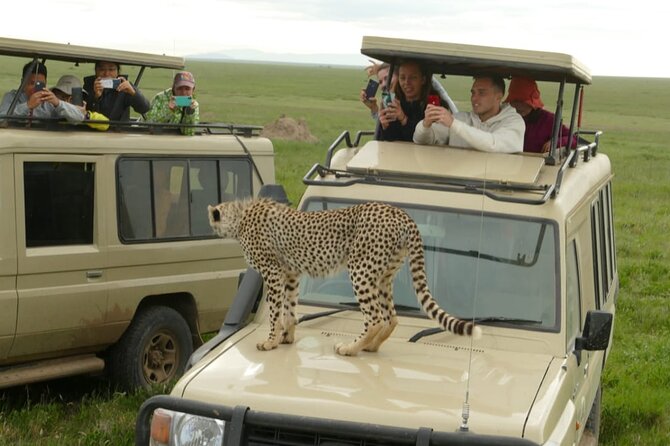
Day three gives you a full game-drive day in the Serengeti, beginning after breakfast. Your guide takes you toward key areas and tries to follow the current position of the wildebeest migration.
This is where guide skill matters most. The animals do not follow a fixed schedule, and the migration changes from year to year. A good guide can use current information from other vehicles and adjust the route, but nobody can promise a river crossing or a particular animal.
The main migration period is generally June through September. From July to September, the route may reach northern Serengeti, where the wildebeest can cross the Mara River. January through March is the calving period, which brings a different kind of wildlife activity and attracts predators.
Those dates should shape your expectations. If you travel outside the main migration periods, you can still see wildlife, but you should book this trip for the full safari circuit rather than for one guaranteed spectacle.
You spend another night at Seronera campsite. A full day in the Serengeti is a major strength of the trip. Some short safaris rush through the park in a few hours, while this plan gives you time to search, wait, and watch animal behavior instead of simply collecting photographs.
A few more things to do in Arusha worth a look
- Tanzania Wildlife Encounters – 6 Days
★ 5.0 · 277 reviews - Private 6-Day Tarangire Manyara Crater and Serengeti with Mid-Range Lodges
★ 5.0 · 238 reviews - 6 Days Private Budget Safari
★ 5.0 · 163 reviews - Tanzania Enticing Explorations – 6 Days
★ 5.0 · 106 reviews
Day 4: Sunrise in the Serengeti and a night near Ngorongoro
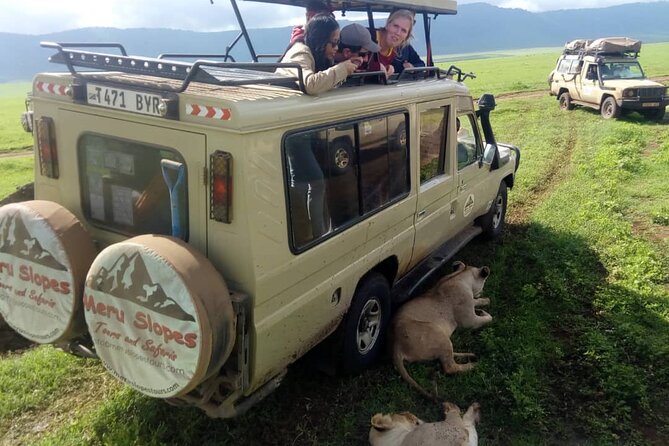
The morning begins around 5:45 a.m. with breakfast and an early game drive. You continue until about 11:30 a.m., return to camp for a hot lunch, pack up, and continue toward Ngorongoro.
There is a practical reason for the early start. Sunrise is one of the most useful times for wildlife viewing, and the cooler morning hours can make animals more active. You may also get softer light for photographs, though the schedule is driven by park time and animal movement rather than photography alone.
The plan includes more game viewing while you leave the Serengeti, then dinner and an overnight stay at Simba campsite near Ngorongoro Conservation Area. This transition keeps the next day’s crater descent manageable.
With about ten hours of activity, day four is another demanding one. You should expect dusty roads, repeated vehicle movement, and little spare time. That is normal for a budget safari, and the reward is a route that covers a lot of ground without adding another full day to the price.
Day 5: Ngorongoro Crater and Mto wa Mbu
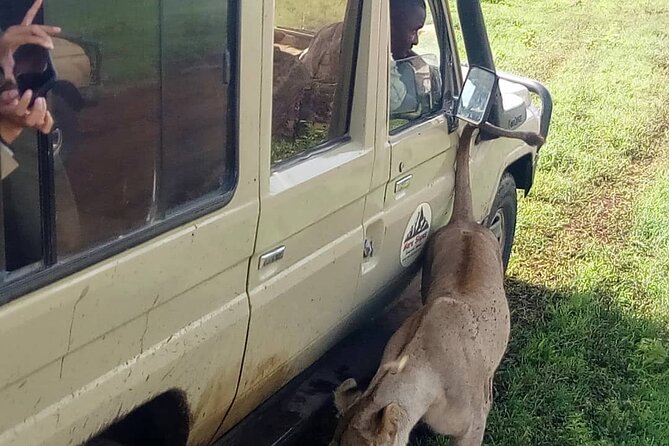
You rise around 5:30 a.m., eat breakfast, and descend into Ngorongoro Crater. The crater floor is the setting for one of the strongest wildlife days on the route, with a chance to see the Big Five, birds, flamingos, and black rhino.
Ngorongoro is different from the Serengeti. Instead of wide open plains stretching toward the horizon, the crater gives you a concentrated wildlife area surrounded by steep walls. That compact setting can make animal viewing feel more immediate, but it also means the roads and viewing points can feel busy at times.
You spend six to seven hours on the crater floor, eating lunch while watching the natural surroundings. After the game drive, you ascend, collect your luggage, and continue toward Jambo Lodge for dinner and the night.
The Mto wa Mbu cultural visit adds welcome variety. You walk through the village, see banana plantations, taste Tanzanian food, and learn about local life through a community cultural program. This is not a staged wildlife stop. It gives you a chance to meet the human communities living around the parks and to understand that northern Tanzania is more than animals and scenery.
The timing is worth noting. The crater visit and village walk make day five a long one, and the cultural portion is listed at about an hour. Think of it as a focused introduction rather than a full day of cultural touring.
Day 6: Lake Manyara and the return to Arusha
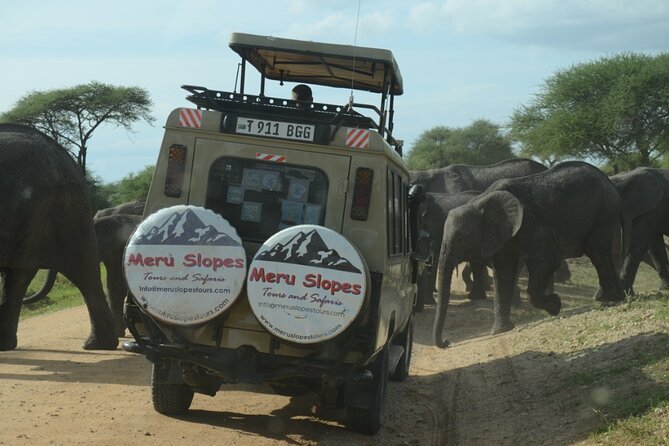
After breakfast, you head to Lake Manyara National Park for a full-day game drive. The park is known for tree-climbing lions, flamingos attracted by algae in the lake, and a hot spring.
Lake Manyara gives you a final setting that feels distinct from both Serengeti and Ngorongoro. The lake, woodland, and wildlife make the day a useful closing chapter rather than a repeat of the previous parks.
The schedule also includes a Maasai boma visit, where you learn about daily life, traditions, and culture. The supplied plan does not give a separate duration for this stop, so your exact time there may depend on the day’s driving and park schedule.
After Lake Manyara, you return to Arusha. The plan includes dinner and an overnight stay, and the activity ends back at the Arusha meeting point. Since the package includes two nights of hotel accommodation in Arusha, confirm the exact night-by-night accommodation plan before you pay, especially if you are connecting this safari to flights or another tour.
Camping, lodges, and the practical side of comfort
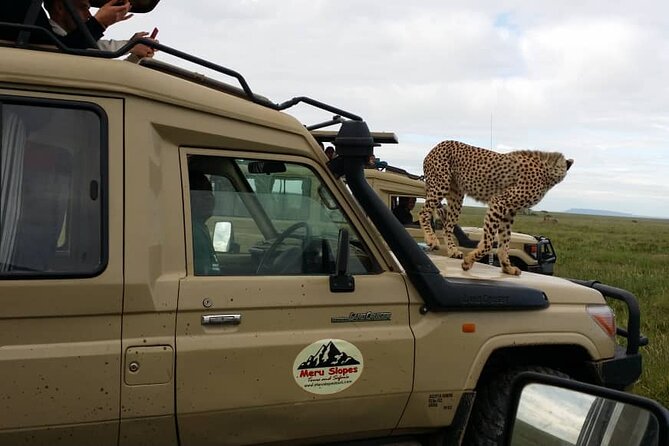
The word budget describes the style, not a lack of organization. You receive six nights of accommodation, though the lodging mix can include both tents and lodges. Some bookings have used three nights in hotels or lodges and three nights camping, while the supplied schedule names Jambo Lodge, Seronera campsite, and Simba campsite.
Camping is part of the appeal, but it requires a flexible attitude. You should expect basic conditions rather than resort comfort. The reward is sleeping close to the parks and keeping the trip price below a fully lodge-based safari.
Meals are included throughout the schedule: seven breakfasts, seven lunches, and six dinners are specified. Coffee and tea are included, as is unlimited mineral water. Alcohol is extra.
Wi-Fi is available inside the safari vehicle, but I would treat it as a convenience rather than the main reason to choose the trip. The safari is better when you use the long drives to watch the changing country, talk with your guide, and stay alert for wildlife.
Guides are a major part of the value
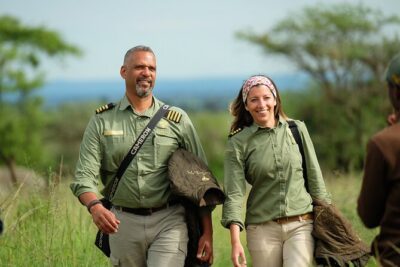
The guide is the person who can make an ordinary sighting feel special. The strongest guide names connected with this trip include Nuru, Robert, and Mohamed, with several guides praised for finding leopards, cheetahs, rhinos, lions, and the Big Five.
Mohamed is noted for keeping in touch with where animals are active. Nuru is praised for explaining what you see and making an effort to find as much wildlife as possible. Robert is also singled out for both animal spotting and clear explanations.
Your guide assignment can vary, so do not book on the assumption that one particular person is guaranteed. What you should expect is a professional guide and driver who knows the parks and can adapt the day to wildlife conditions.
The safari team may also include a cook. Specific bookings have included a separate chef, which helps explain how full meals can be provided during camping portions. If food is important to you, share dietary needs before departure.
Who should book this safari
I would recommend this trip to you if you want the classic northern Tanzania route, prefer a small group, and care more about wildlife time than polished hotel service. It suits first-time safari visitors who want transport, meals, parks, camping, and guide service handled together.
It is also a good match for people who want cultural contact included without giving up the major parks. Mto wa Mbu and the Maasai boma visit keep the journey connected to local life.
I would think twice if you dislike early breakfasts, long road transfers, or basic tents. The schedule is full, and you do not get much free time. Families can join, but children must be accompanied by an adult, and parents should be comfortable with long vehicle days.
Pickup and drop-off are available, and the activity begins and ends at Arusha Tourist Inn on Sokoine Road. The tour is offered in multiple languages, but confirm your preferred language before booking.
You can cancel for a full refund up to 24 hours before the start time. Changes made within 24 hours are not accepted, and poor weather may lead to a different date or a full refund.
Should you book the six-day safari?
Book it if your priority is maximum wildlife variety for a fixed price, with a small group and a guide-led route. The combination of Tarangire elephants, a full Serengeti day, Ngorongoro’s crater floor, Lake Manyara, and Mto wa Mbu is a strong northern Tanzania package.
Before booking, ask for the exact lodging split, confirm your guide language, and check how the six nights fit with your arrival and departure plans. Also choose your dates carefully: June through September gives you the best migration odds, while January through March is the key calving season.
If you accept early mornings, long drives, and simple camping, this is a well-priced way to see Tanzania’s main safari parks without handling every detail yourself.
FAQ
Where does the safari start and end?
The activity starts at Arusha Tourist Inn on Sokoine Road in Arusha, Tanzania, and ends back at the same meeting point.
How long is the safari?
The safari lasts approximately six days and includes six nights of accommodation.
How many people can join the group?
The maximum group size is six travelers.
Which national parks are included?
The route includes Tarangire National Park, Serengeti National Park, Ngorongoro Conservation Area and Crater, and Lake Manyara National Park.
Is accommodation included?
Yes. Six nights of accommodation are included. The trip combines hotel or lodge stays with camping, and the package also includes two nights of hotel accommodation in Arusha town.
Are meals included?
Yes. The package specifies seven breakfasts, seven lunches, and six dinners, along with coffee and tea.
Is drinking water provided?
Yes. Unlimited mineral water is included throughout the safari.
Is airport pickup included?
The package lists hotel pickup and drop-off. Airport flights are not included, so confirm any airport transfer arrangements separately.
Can I see the great wildebeest migration?
The guide will try to follow the migration, but its location changes each year. The best chance is generally June through September, with river-crossing opportunities in northern Serengeti from July through September. Calving usually takes place from January through March.
Are drinks included?
Coffee and tea are included. Alcoholic drinks are not included but can be purchased.
What happens if I need to cancel?
You can cancel up to 24 hours before the experience begins for a full refund. Cancellations or changes made less than 24 hours before the start time are not accepted, and poor weather may result in a different date or a full refund.
Just added in Arusha
- Tanzania Wildlife Encounters – 6 Days★ 5.0 · 277 reviews
- Maasai village visit, Materuni waterfalls & coffee experience★ 4.5 · 95 reviews
- Tanzania Enticing Explorations – 6 Days★ 5.0 · 106 reviews
- 3 Days Private Safari – manyara, Ngorongoro & Tarangire★ 5.0 · 94 reviews
- Tanzania Simba Safari – 5 Days★ 5.0 · 217 reviews
- Materuni Waterfalls & Coffee Tour from Moshi★ 5.0 · 92 reviews
- Tarangire Day Tour★ 5.0 · 95 reviews
- Materuni waterfalls coffee tour & Chemka hot springs Day trip★ 5.0 · 131 reviews
Tours in Arusha, compared.
Balloon Safari & Bush Breakfast in Serengeti – Miracle Experience
Read our review →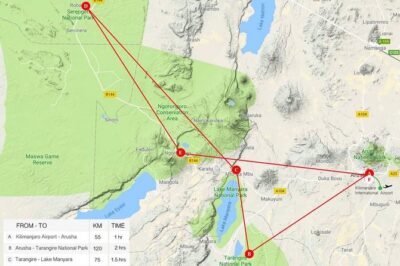
Materuni Waterfalls, coffee tour & Kikuletwa Hot Springs
Read our review →
3 Days Serengeti & Ngorongoro Group Camping Safari
Read our review →
7-Day Premium Luxury Tanzania Safari All-Inclusive
Read our review →
5-Day Highlights mid-Range Crater, Serengeti, Tarangire
Read our review →
Browse the lists this tour appears in